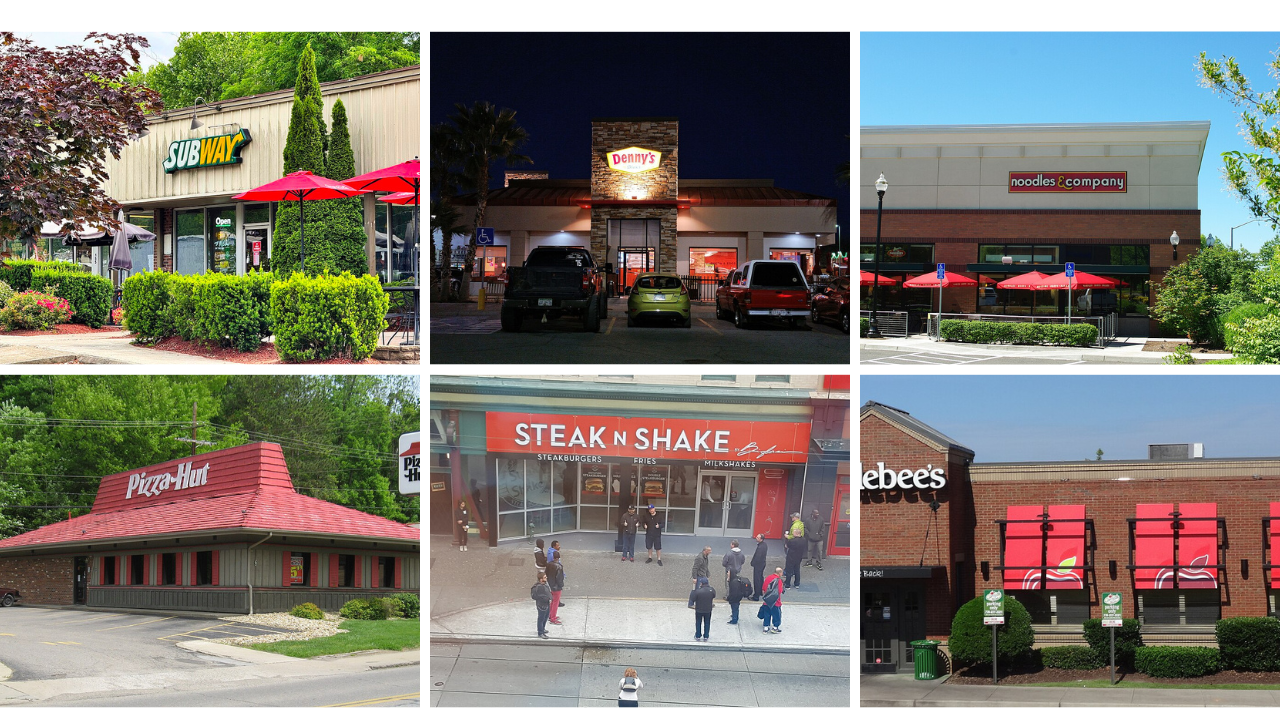
Across the United States, familiar restaurant signs are going dark in shopping centers that once felt permanent. Rising costs, thinner margins, and guests who now default to delivery or fast casual have turned big dining rooms into liabilities instead of assets. Some brands are using bankruptcy protection to reset their balance sheets. Others are quietly pruning weaker stores. Together, their struggles show how quickly the American dining map can shift when habits change and nostalgia is not enough to save a storefront.
Red Lobster
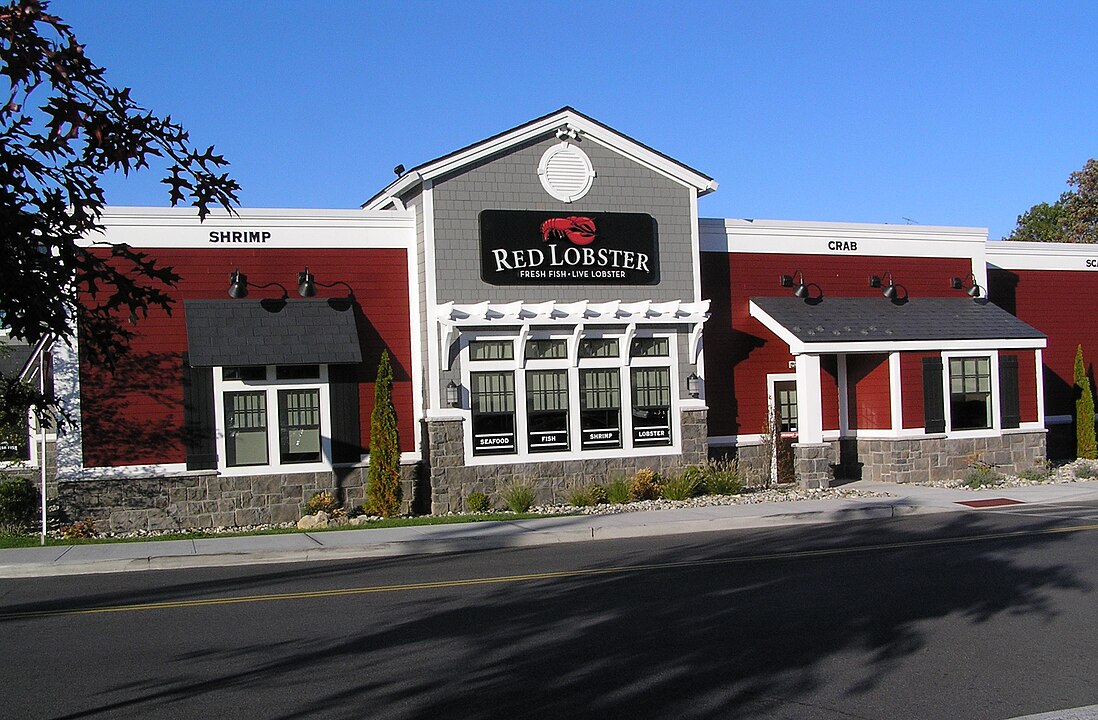
Red Lobster built its identity around affordable seafood feasts and big, family style outings, but that model has started to buckle. The chain has closed many locations and used bankruptcy to escape heavy leases and supplier costs that piled up over time. Some restaurants disappeared overnight, with auctions clearing out kitchens days later. For many families, the loss feels personal, because the place where birthdays and graduations were once celebrated now sits dark and stripped of its familiar red script.
TGI Fridays
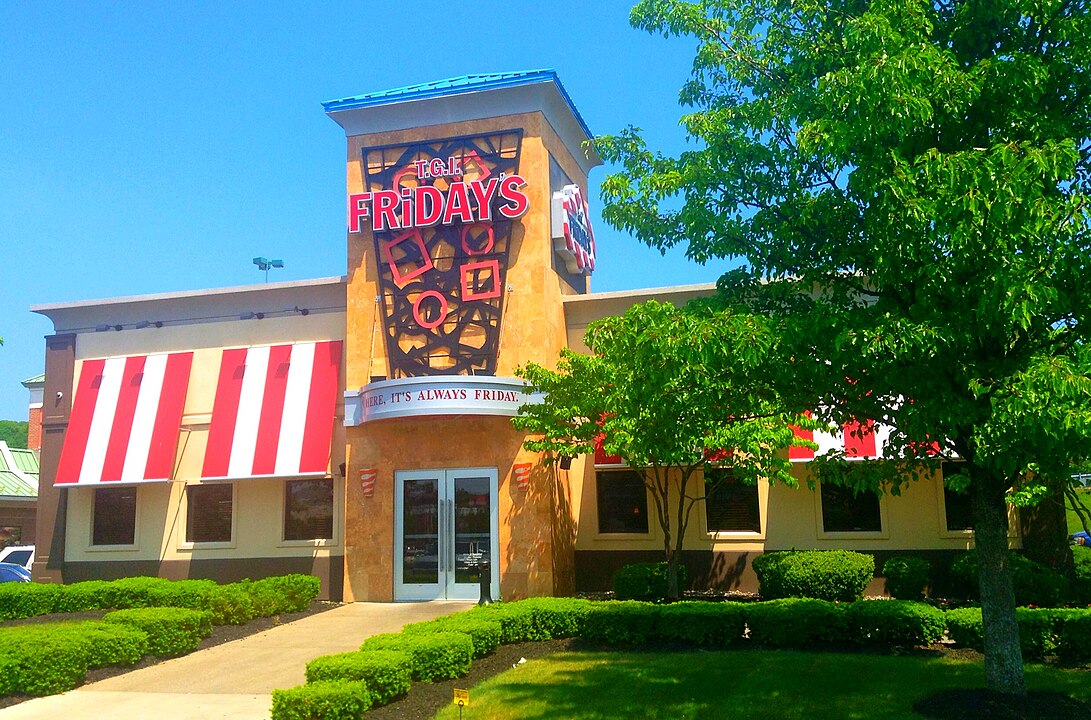
TGI Fridays used to be shorthand for casual celebration, with crowded bars, loaded appetizers, and a noisy, relaxed atmosphere. As tastes shifted and traffic slipped, a long list of locations closed, shrinking what was once a huge national footprint. New owners have tried to revive the brand with menu changes and remodels, but many older sites are simply gone. In those spots, the striped awnings and neon have given way to empty units and memories of late nights that no longer have a home.
Applebee’s
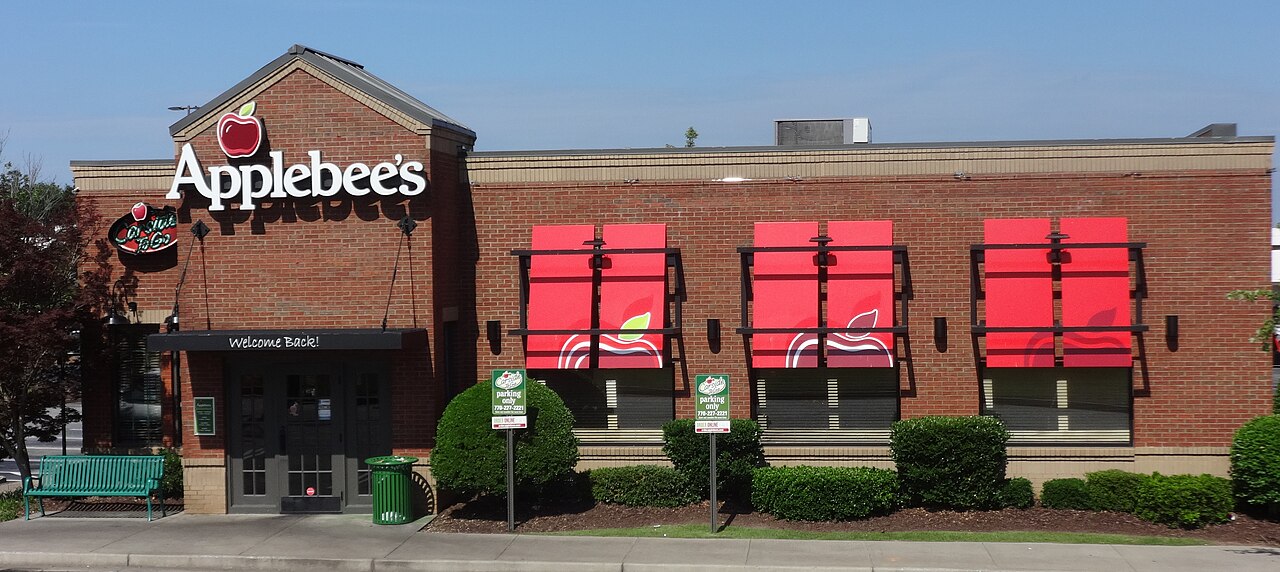
Applebee’s was designed to feel like a neighborhood hangout even in massive suburbs, but not every neighborhood can still support one. The company has spent years trimming underperforming restaurants, often in areas where traffic never fully bounced back. Some surviving locations are being refreshed, paired with sister brands, or adapted for more off premise orders. Yet the closures leave gaps in local routines. The place that once hosted trivia nights and half price appetizers becomes another blank facade along a busy commercial strip.
Denny’s
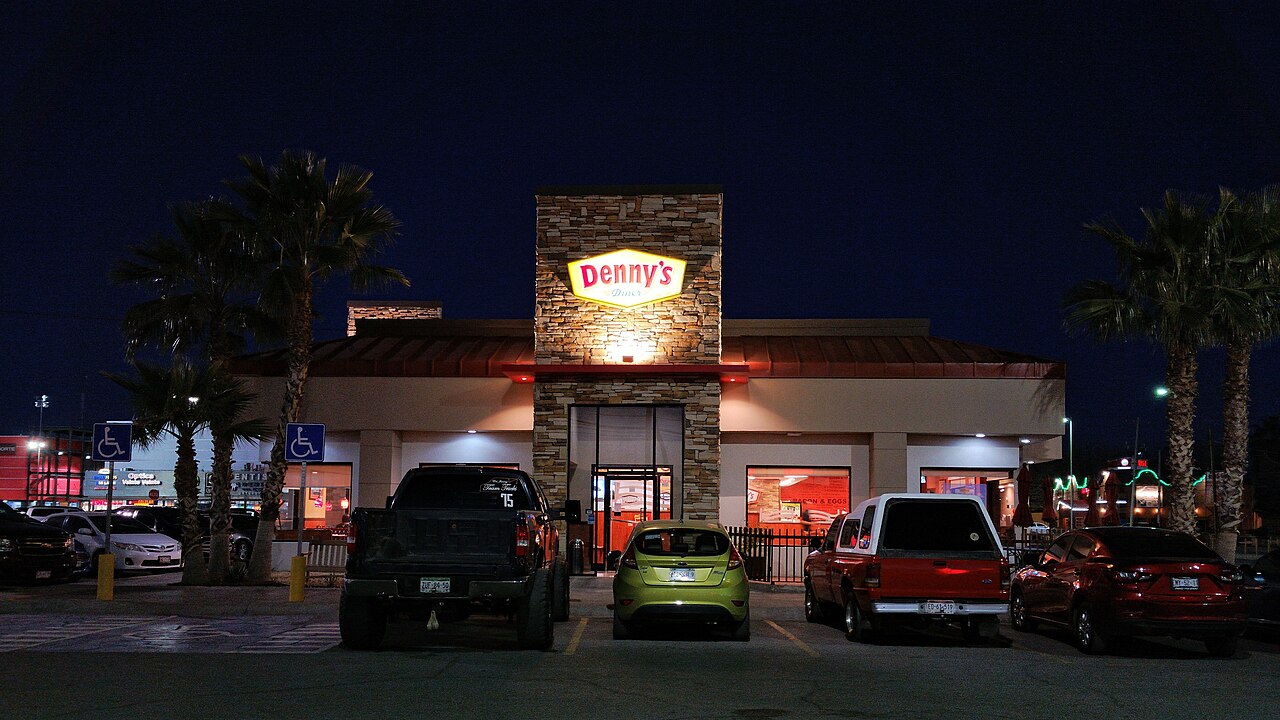
Denny’s built its reputation on being open when almost nothing else was, catching late shift workers, students, and families after long drives. That promise has been harder to keep as weaker locations struggle with labor costs and inconsistent traffic. The company has allowed dozens of diners to close when leases ended or sales stayed too low. In many towns, the round the clock breakfast spot is gone, replaced by a dark sign frame over a parking lot that only slowly loses its tire marks.
Subway
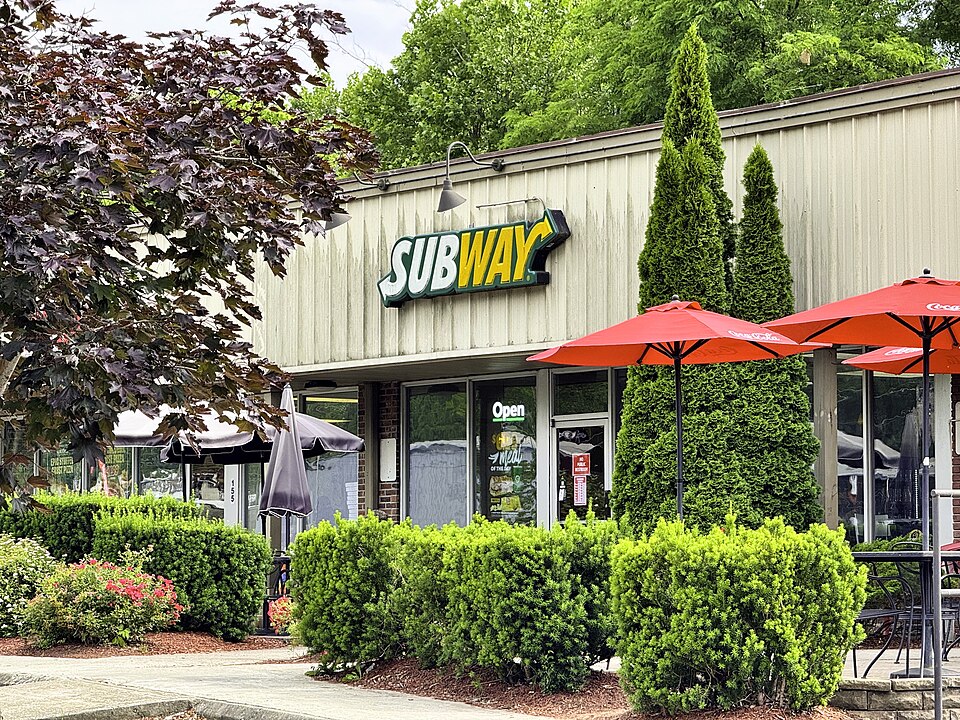
Subway still blankets the country, but the wall of green and yellow signs is not as dense as it once was. Years of aggressive expansion left some areas with more sandwich shops than daily demand could justify. As costs climbed and competition tightened, hundreds of smaller, low volume stores shut their doors. The brand is trying to reset with new bread, remodeled interiors, and tech upgrades. Even so, countless corner spots and gas station counters have lost their former sandwich counter anchor.
Burger King
Burger King is far from disappearing, yet it has been steadily closing restaurants that no longer justify the investment to modernize. Aging buildings, drive thrus that cannot handle current traffic patterns, and franchise disputes have all played a part. Corporate leaders prefer fewer but healthier locations, which means some communities lose their local king crown entirely. The empty boxes often linger, their distinctive rooflines and faded signage hinting that flame grilled burgers used to be part of the neighborhood’s daily rhythm.
Steak n Shake
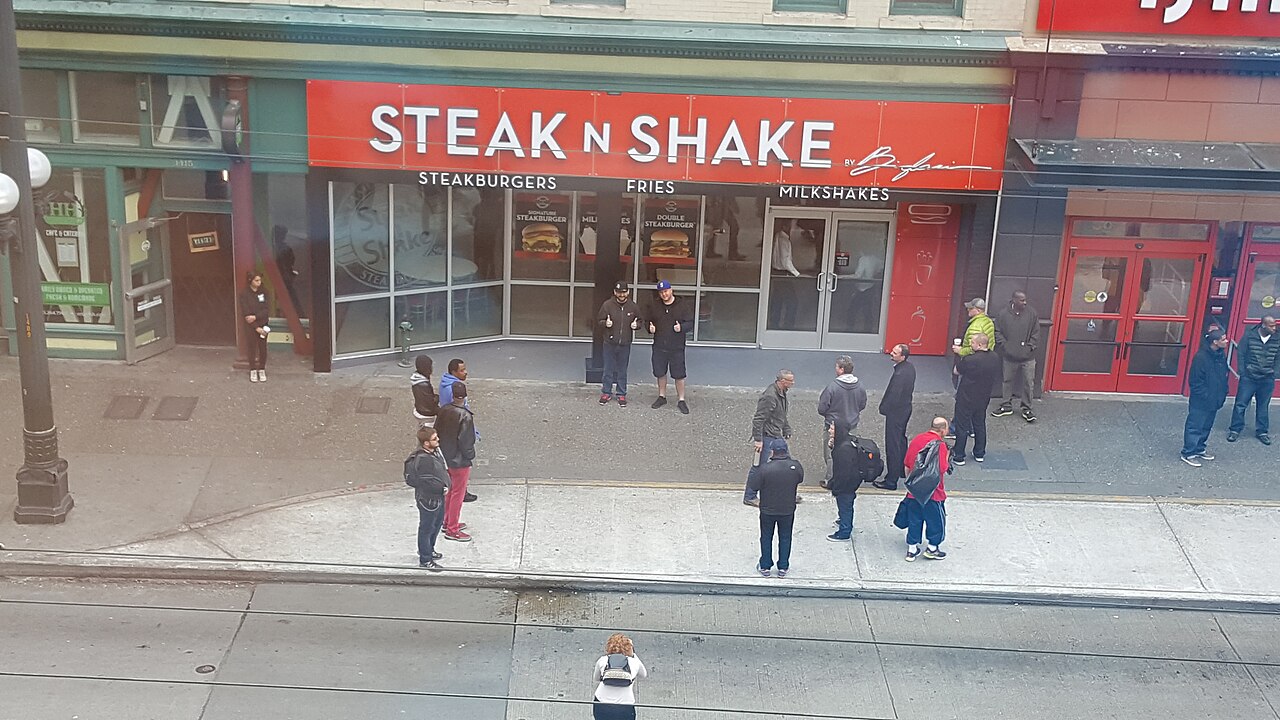
Steak n Shake once leaned hard into a classic diner image, with stainless trim, striped exteriors, and table service burgers and shakes. That formula grew complicated as debt mounted and labor intensive service clashed with tighter budgets. The company shut many restaurants, converted others to counter service, and sold some real estate to stay afloat. What remains is a much smaller chain. On many highways, the familiar black and white facade now sits boarded or repurposed, a roadside marker for a busier past.
Pizza Hut
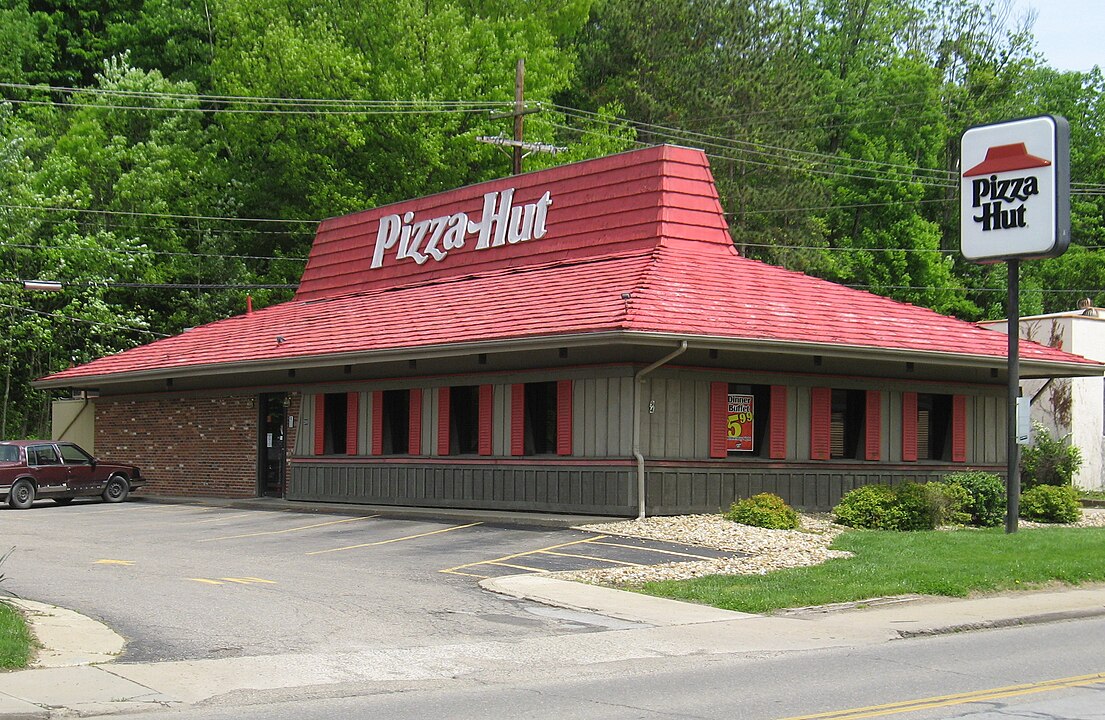
Pizza Hut has been trading nostalgic dine in red roofs for slimmer delivery and carryout units for years. Families who remember thick pan pizzas, salad bars, and team parties under hanging lamps now often place orders from small, no seating outlets. Hundreds of older buildings have closed or been handed to new tenants, while surviving restaurants focus on digital orders and speed. The brand still sells plenty of pizza, but the communal, linger over slices experience has faded in many neighborhoods.
Noodles and Company
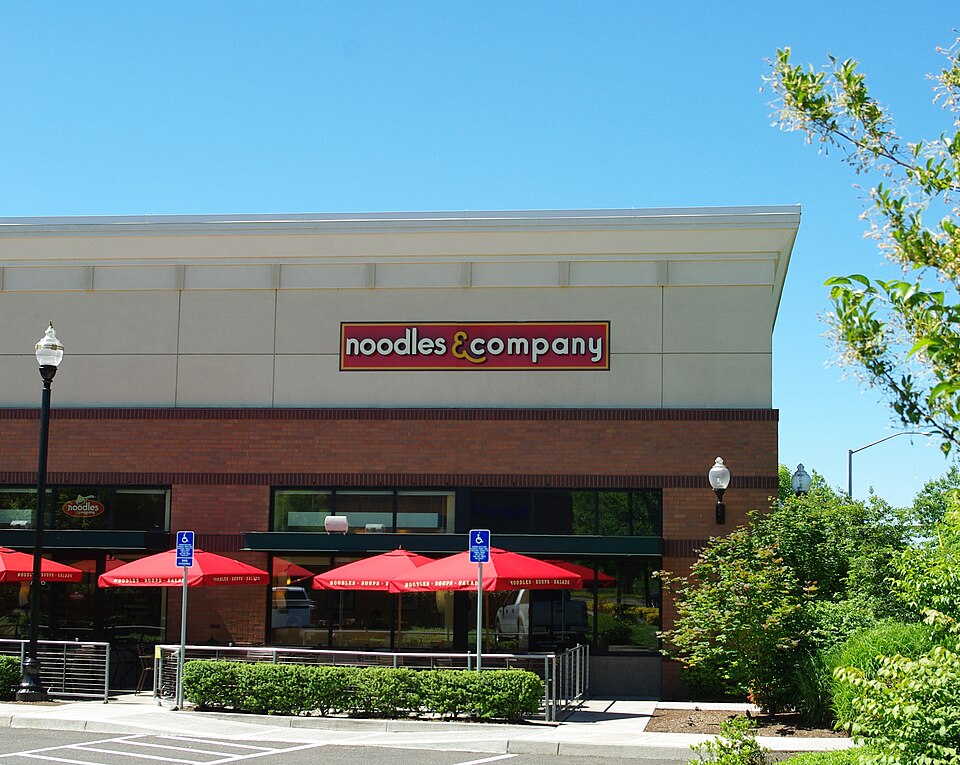
Noodles and Company rode the fast casual wave with global flavors, quick service, and a menu built around comfort bowls. Not every market kept that momentum, especially in areas with intense competition and higher rent. The chain has responded by exiting weaker regions and closing underperforming stores, then investing more heavily where digital orders and catering stay strong. For nearby residents, the shutdown of a local unit means one less quick option on busy nights and another gap in an already shifting food lineup.