
Most homes feel steady and predictable, built from objects gathered slowly through years of errands, repairs, trips, and gifts. Yet within that familiar landscape sit items that quietly cross legal boundaries when laws change, paperwork lapses, or small modifications alter how an object is classified. These things rarely look dangerous. They sit on shelves, disappear into closets, or blend into junk drawers until circumstances draw attention to them. Understanding how and why they become regulated isn’t about fear; it’s about clarity. Laws sometimes reach into the most ordinary corners of daily life, turning overlooked objects into unexpected liabilities.
High-Powered Laser Pointers

Laser pointers often seem playful at first glance, especially when used for casual astronomy or to entertain pets sprinting across the floor. High-powered versions, though, generate beams that travel far beyond a living room wall and can blind a pilot or driver in less than a second. Aviation authorities track these incidents closely because a flash at the wrong moment can disrupt landings or emergency routes. Investigators take such cases seriously, even when no harm occurs, since intent is difficult to judge from a distance. A device that looks trivial can trigger inquiries from federal agencies, making it one of the easiest household objects to misjudge legally.
Certain Self-Defense Weapons

Many people buy self-defense tools during uneasy moments, storing them away for reassurance rather than regular use. Items like brass knuckles, extendable batons, stun guns, and strong pepper sprays fall under a complex patchwork of local rules. What counts as lawful protection in one city may be a prohibited weapon one town over. These objects often surface unexpectedly during routine interactions with authorities, such as traffic stops or wellness checks, where officers must consider local regulations before intent. A tool purchased years earlier can suddenly become a legal concern simply because the owner moved, traveled, or forgot it existed.
Restricted Knives in the Kitchen Drawer

Kitchen drawers hold a mix of practical tools, but certain knife designs quietly slip into restricted categories. Switchblades, butterfly knives, disguised blades, and unusually long knives are controlled in many regions, even when purchased as souvenirs. Their legality often depends on mechanism rather than use, which means an object meant for display may still conflict with local policies. These knives become issues during searches tied to unrelated events, such as noise complaints or property disputes. For authorities, factors like concealability and automatic opening matter as much as sharpness, turning some forgotten items into surprising legal problems.
Unregistered or Modified Firearms

In areas where private firearm ownership is regulated, technical details carry significant weight. A family heirloom rifle may have never been registered under current requirements, even if it remained untouched for decades. Small alterations shortened barrels, improvised suppressors, or unmarked components can change the legal status of a firearm instantly. Issues often arise during unrelated events: a domestic call, a welfare check, a property inventory. Officers encountering such items must assess compliance on the spot. What feels like a harmless relic or repair to the owner may qualify as an unregistered or improperly configured weapon under updated laws.
Leftover Prescription Drugs and Pill Collections

Bathrooms, drawers, and travel bags slowly accumulate old prescriptions, loose tablets, and half-empty bottles that outlive the illnesses they were meant to treat. Many medications, especially controlled substances, become legally sensitive once a prescription expires or is used by someone other than the patient. Loose pills stored in unlabeled containers raise immediate suspicion because officers cannot determine their origin or dosage. What looks like an attempt to stay organized can resemble unlawful possession. Disposal programs exist partly because old medicine can create misunderstandings that escalate quickly during inspections, emergencies, or caregiving situations.
DIY Piracy Boxes and Loaded Drives
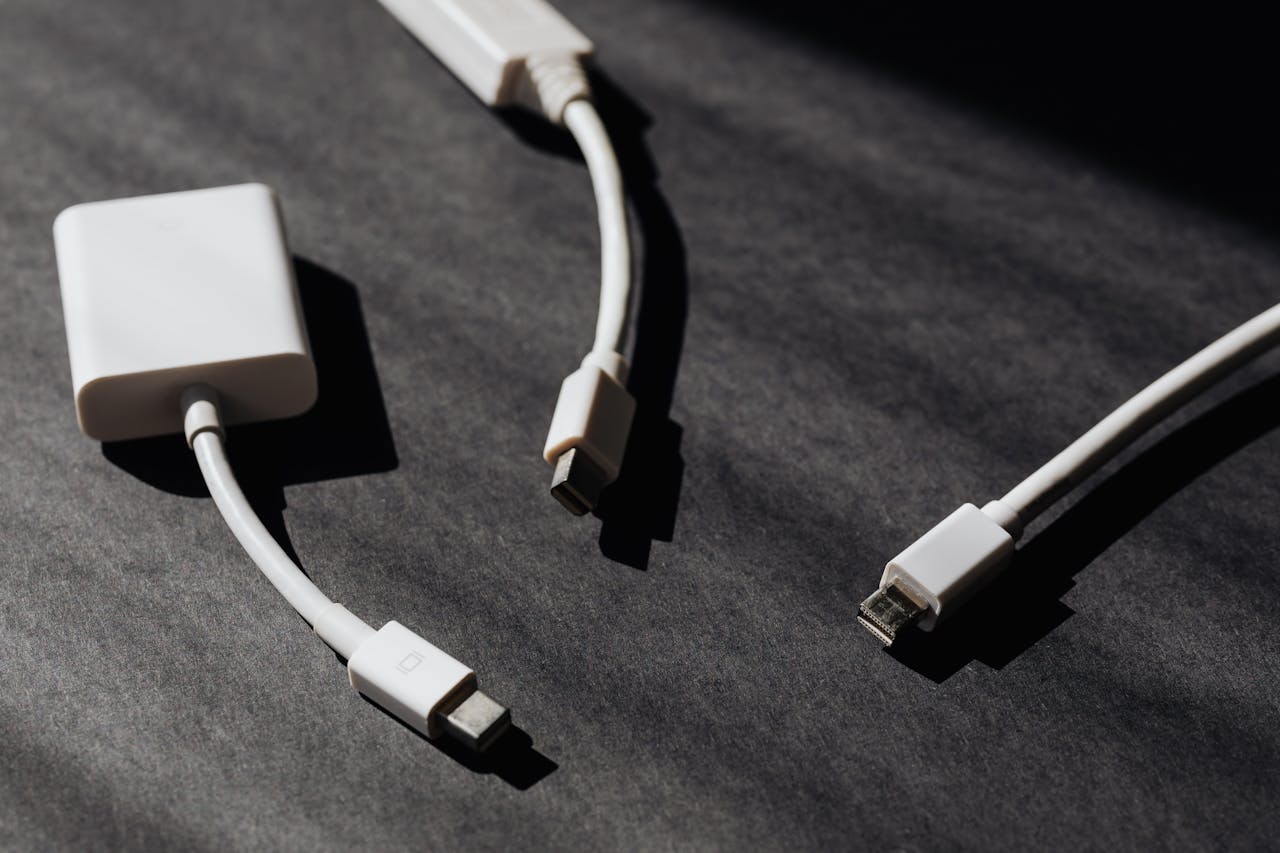
Modified streaming boxes, altered consoles, and USB drives full of subscription-only movies often look like simple budget-saving setups. When these devices bypass paywalls or deliver channels without authorization, they cross directly into copyright territory that regulators monitor closely. Authorities in several countries treat these configurations as clear infringement, focusing on sellers and heavy users. In a living room, the device blends into ordinary electronics, yet in legal terms it becomes a compact distribution tool. The ease of setup makes it simple to overlook how tightly regulated digital access can be once modifications enter the picture.
Exotic Pets and Banned Animal Parts

Homes sometimes contain exotic species or wildlife-derived items purchased years earlier at markets, fairs, or tourist spots. Certain reptiles, amphibians, birds, and fish require permits because of ecological, disease, or conservation concerns. Feathers, shells, skins, ivory carvings, and preserved specimens from protected species also fall under strict wildlife regulations. Inspectors treat even a single claw or egg as part of a larger trafficking picture rather than an isolated decoration. A display shelf that once felt whimsical or nostalgic can unexpectedly carry legal weight when authorities review the origins of each item.
Outlawed Chemicals and Old Pesticides

Garages and sheds often accumulate aging containers of pesticides, solvents, adhesives, and cleaners purchased before rule changes banned certain ingredients. Over decades, regulators have restricted chemicals linked to environmental harm, groundwater contamination, or respiratory issues. Using or storing outdated products can lead to fines or mandatory cleanup orders, especially if containers leak or spill into shared spaces. Homeowners often discover the issue only during renovations, inspections, or property sales. Disposal programs exist because these chemicals no longer meet safety standards and require handling that goes beyond ordinary trash routines.
Signal Jammers and Hidden Surveillance Gear
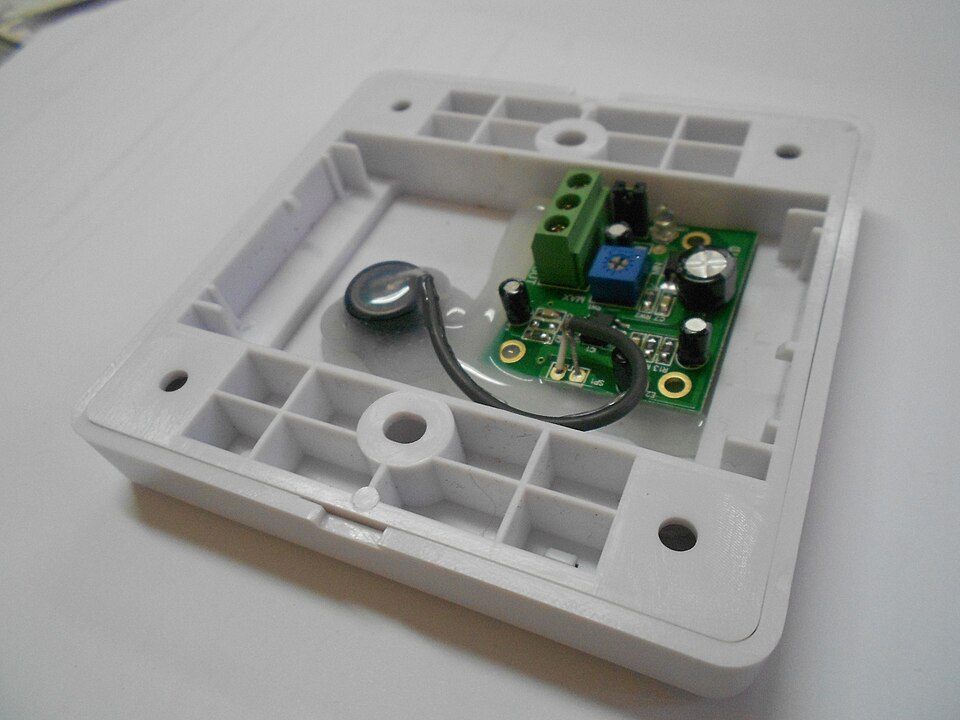
Signal jammers and covert recording devices are easy to find online and often marketed with vague or misleading descriptions. Radio jammers that disrupt cell networks, GPS, or Wi-Fi violate communication laws in many regions unless the owner holds special authorization. Hidden microphones and cameras can infringe privacy rules, particularly in rentals, offices, or shared households. These items appear harmless on a shelf, yet their intended function places them under strict oversight. Once activated, they cross into sensitive legal territory that can escalate quickly when discovered by inspectors, technicians, or law enforcement.