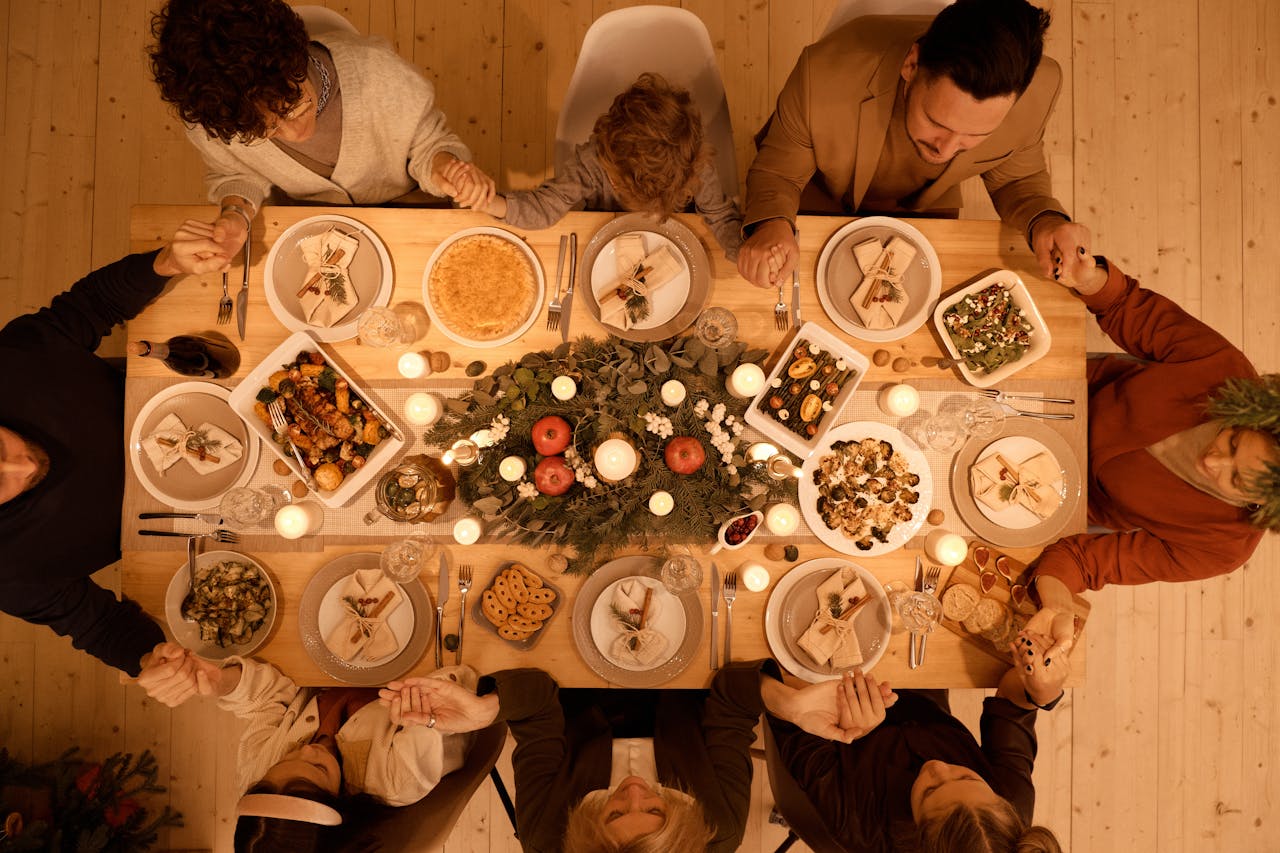
Across many cultures, December brings longer nights, colder streets, and a strong instinct to gather around food. Some festivals build everything around the table, where recipes carry memory, faith, and history as clearly as any song or prayer. Dishes repeat year after year, changing slightly with new cooks and new kitchens but keeping a recognizable core. These feasts mark time, soften distance between generations, and turn ordinary ingredients into small anchors of comfort. Together they show how people answer the dark season with warmth, patience, and shared plates.
Nochebuena Christmas Eve Feasts
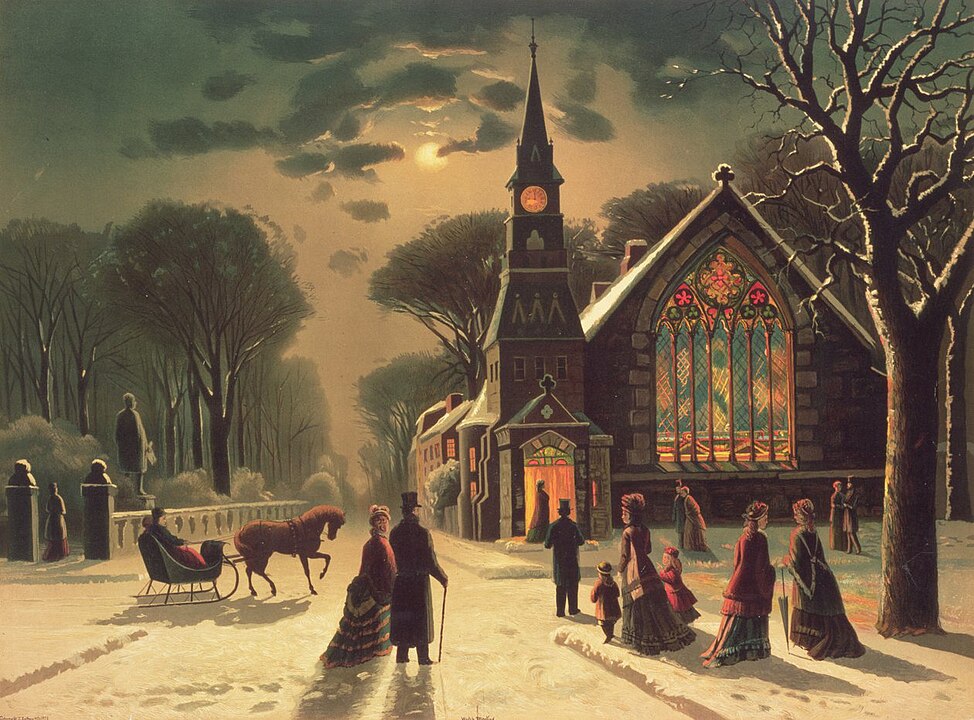
In much of Latin America, Spain, and the Philippines, Nochebuena on Dec. 24 is the real heart of Christmas, when families sit down late to roast pork or turkey, tamales, rice dishes, and sweet breads. The meal stretches over hours as relatives drift in and out of the kitchen, refill glasses, and pass platters until only crumbs remain. Children fight sleep while adults move from jokes to old stories to quiet conversations. By the time midnight arrives, the house smells of spices and citrus, and the sense of having made it through another year together feels just as important as the food.
Feast Of The Seven Fishes
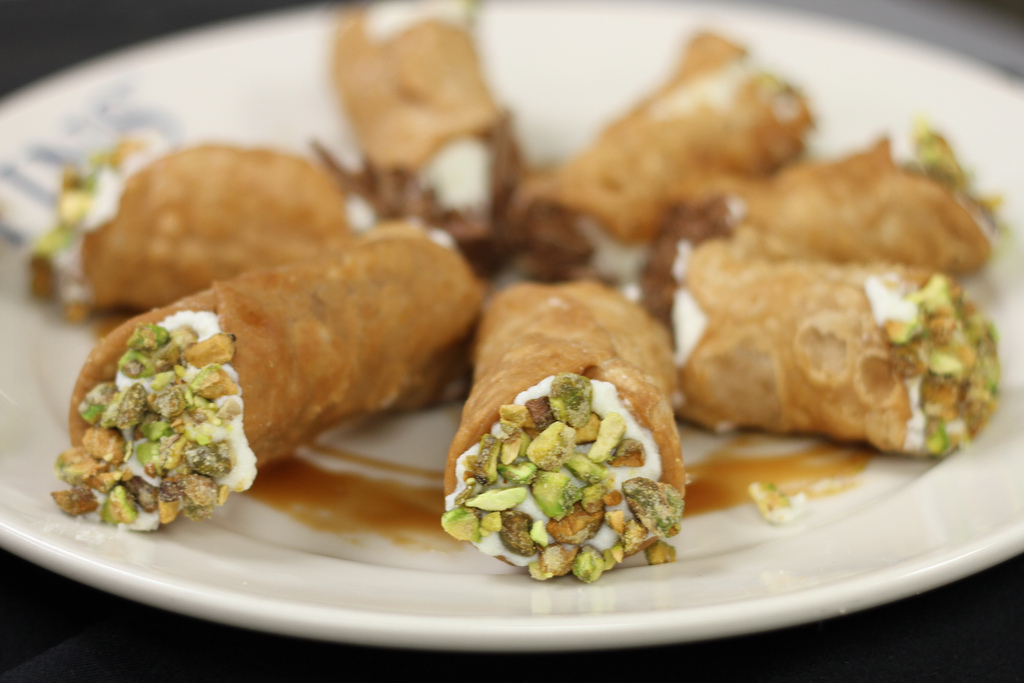
For many Italian American families, the Feast of the Seven Fishes turns Christmas Eve into a long, deliberately paced seafood ritual. Platters arrive one after another: fried smelts, braised squid, clams in garlic broth, pasta with shrimp or lobster, and simple baked cod that tastes of lemon and olive oil. The number of dishes may shift, but the point is the slow rhythm of serving, clearing, and serving again. Between courses, people trade family myths, tease one another, and remember relatives who are gone. The sea is present in every bite, and so is the long memory of migration and faith.
Hanukkah Oil Rich Comfort Foods
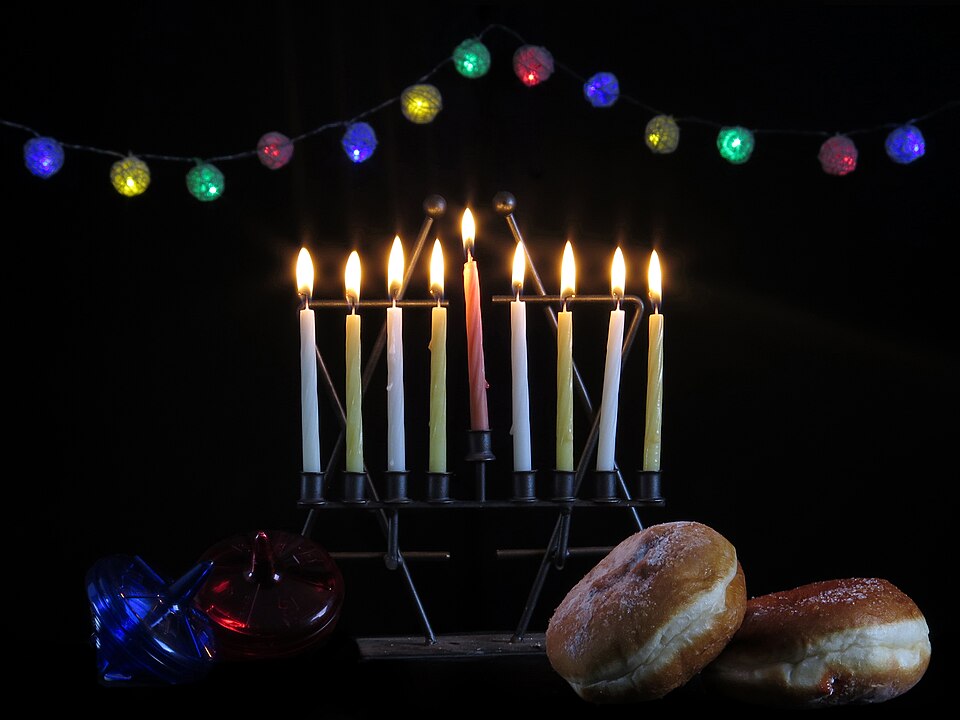
When Hanukkah lands in December, it brings a different kind of feast built around oil and light. Latkes arrive hot from the pan, edges crisp and centers soft, carrying that mix of potato and onion that clings to clothes and curtains all night. Jelly filled doughnuts appear on trays, dusted with sugar that ends up on fingers, floors, and tablecloths. Many homes add brisket, kugel, and bright salads until the table feels crowded but balanced. Over eight nights, the repeated act of frying, serving, and sitting together turns winter evenings into a chain of small celebrations that feel steady and grounding.
Dongzhi Winter Solstice Dumplings
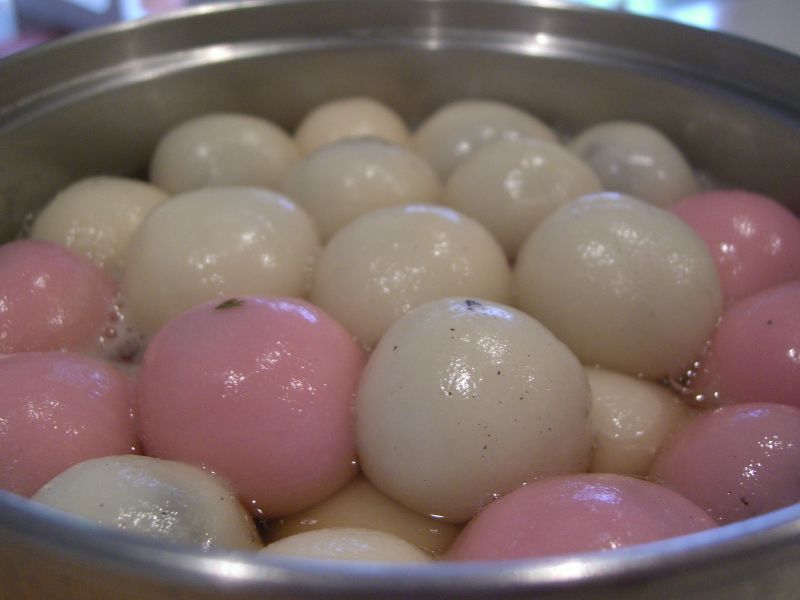
The Dongzhi festival across China and parts of East Asia marks the winter solstice with food that warms from the inside out. In some households, tangyuan float in ginger syrup, smooth and slightly chewy, each bowl steaming in cold kitchens. In other regions, families gather to fold savory dumplings, sealing them carefully as if luck itself sits inside the dough. Elders explain that eating these dishes means everyone is one year older, which gives the meal a quiet weight. Outside, the day is short and the air is hard, but inside, soup spoons and chopsticks tap against bowls in a comforting rhythm.
Las Posadas Neighborhood Evenings
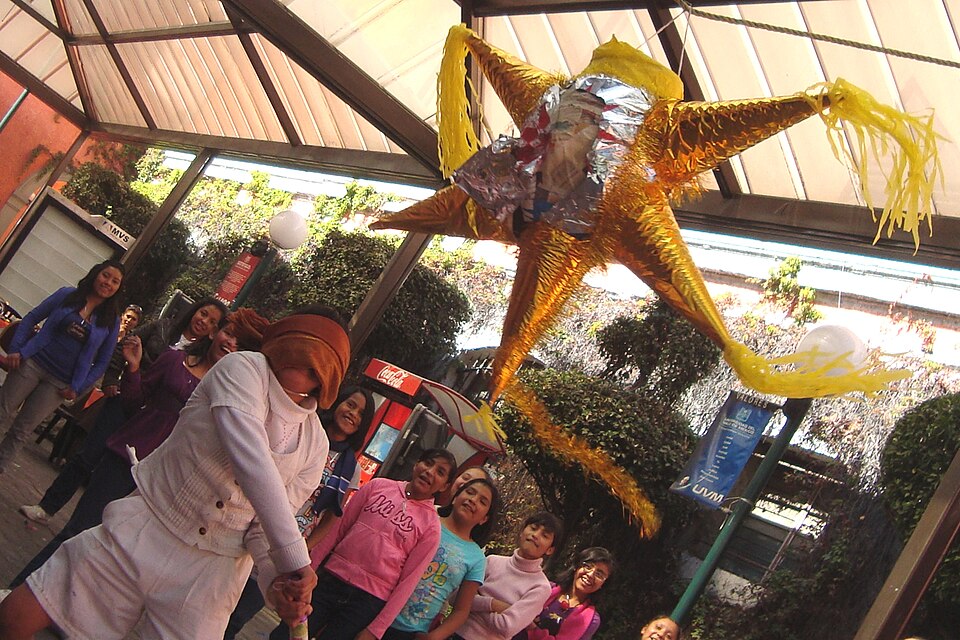
During Las Posadas in Mexico and parts of Central America, the nights from Dec. 16 to 24 combine processions with generous home cooking. After the reenactment of the search for shelter, doors open to guests, and tables fill with tamales, pozole, pambazos, and large pots of hot atole or chocolate drinks. Neighbors crowd patios and narrow living rooms, balancing plates on their knees while children hover near the piñata ropes, jittery with sugar and anticipation. The food is hearty, relatively simple, and meant to stretch. By the final evening, the repeated pattern of singing, walking, and eating has turned nearby streets into something that feels like one shared household.
Feast Of Our Lady Of Guadalupe
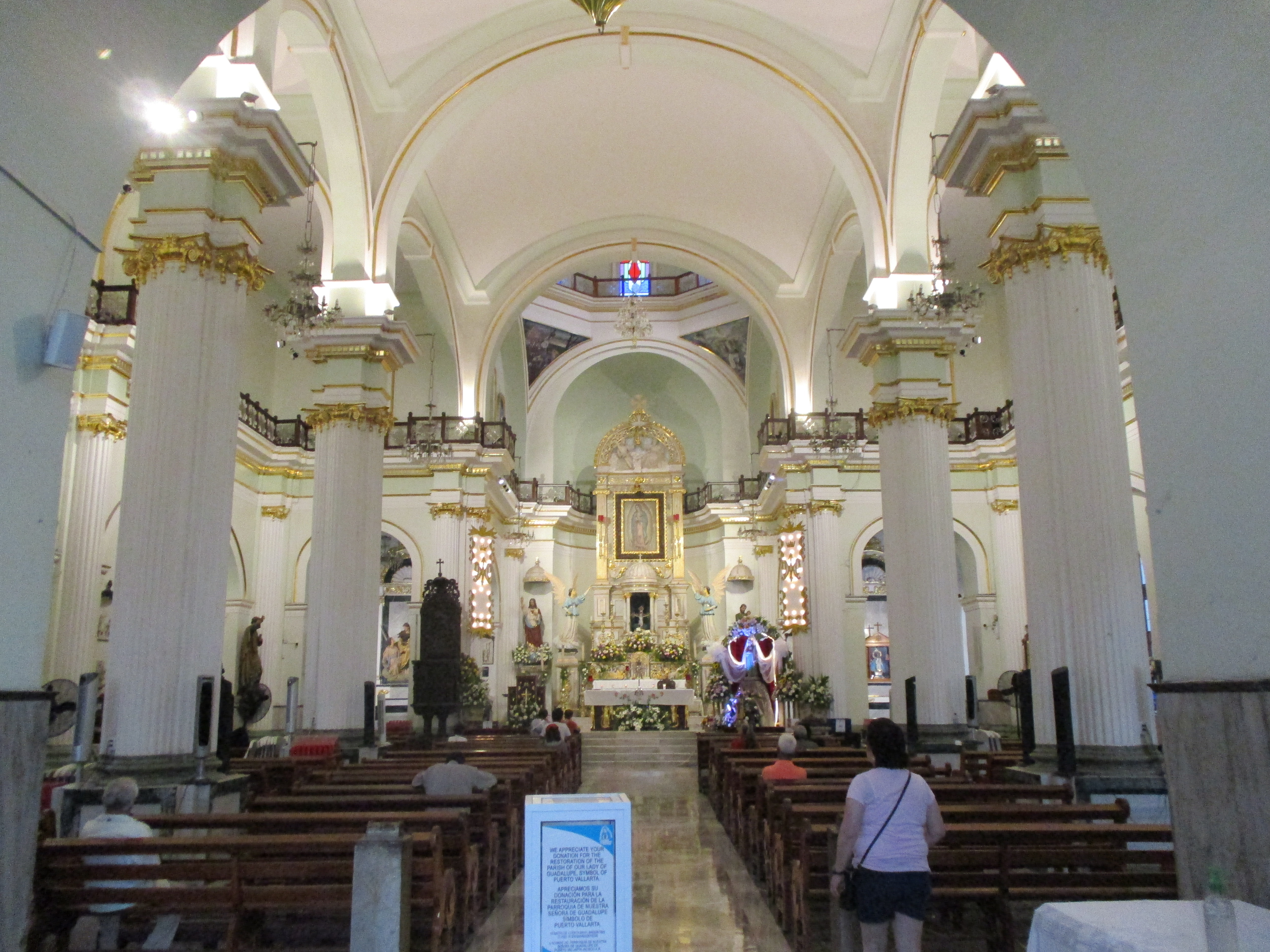
On Dec. 12, the Feast of Our Lady of Guadalupe gathers crowds around churches and shrines in Mexico and in Mexican communities abroad. After early morning songs, long pilgrimages, and packed Masses, people turn to food with a mix of relief and gratitude. Tamales wrapped in warm husks, steaming bowls of menudo, tacos, sweet bread, and cups of atole appear in plazas and parish halls. Strangers sit side by side at improvised tables, measuring out salsa, trading comments about the walk or the music, and quietly resting sore feet. The dishes are humble, but in that setting they feel like a reward, a way to mark devotion with something tangible and shared.
St. Lucia Day In Sweden
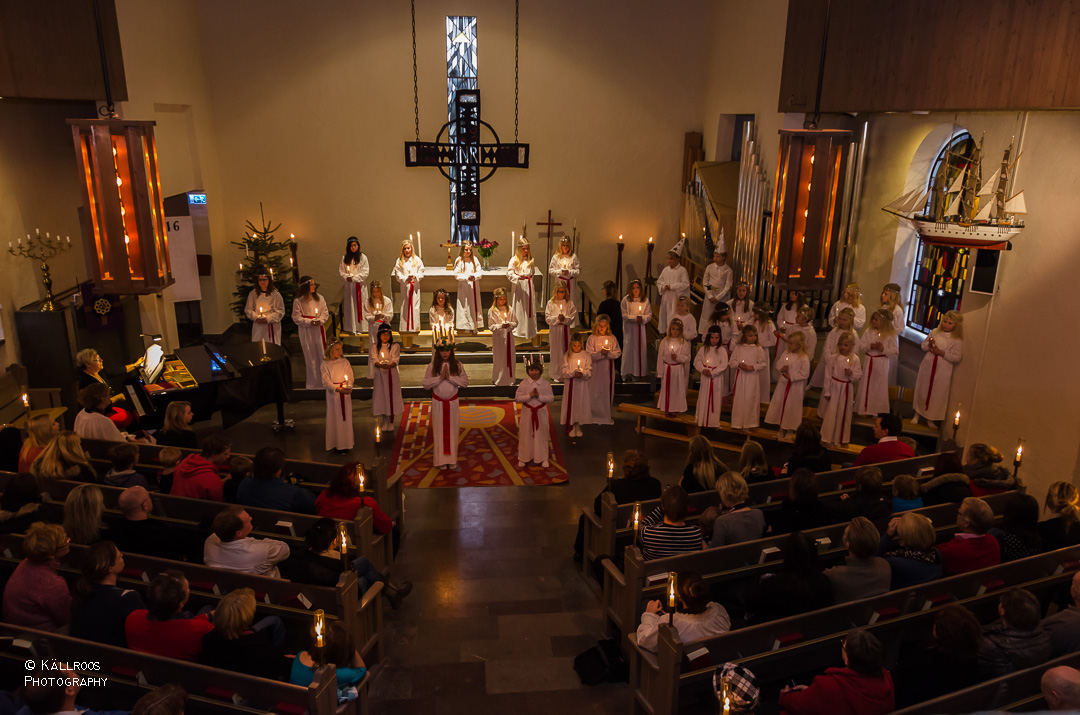
In Sweden and other Nordic countries, St. Lucia Day on Dec. 13 centers on saffron buns and candlelight rather than huge banquets, yet the sense of feasting is still strong. Before dawn, kitchens glow as lussekatter are shaped into spirals, brushed, and baked until their color turns deep gold. Coffee is poured, and a chosen Lucia figure leads a small procession through the dark home, balancing a tray of buns while relatives watch with the particular silence that comes only early in the morning. The day may later include more ordinary meals, but the taste of saffron, butter, and warm yeast at first light tends to lodge firmly in memory.
Kwanzaa Karamu Celebration Meal
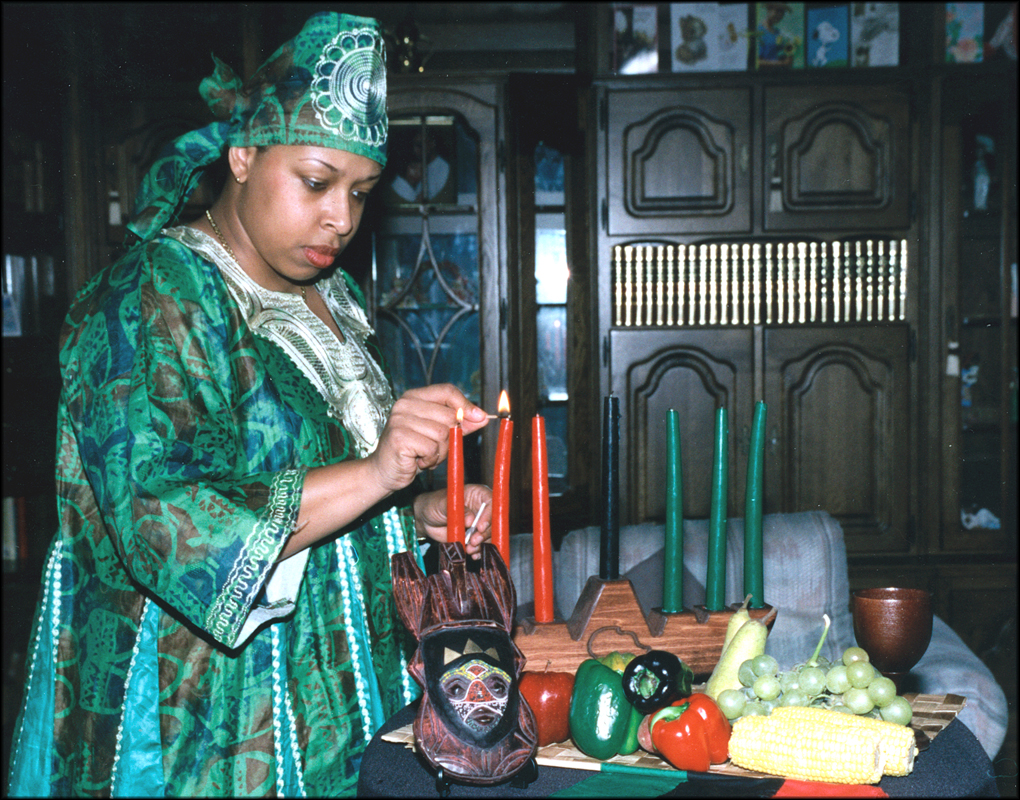
For many African diaspora communities in North America, the Karamu feast during Kwanzaa, often held on Dec. 31, is a deliberate celebration of culture and shared purpose. The table might hold peanut stew, rice and beans, jerk chicken, slow cooked greens, black eyed peas, baked fish, cornbread, and bright fruit salads. Candles are lit, principles are spoken aloud, and elders often tell stories that link the food to family history or wider movements. Younger relatives pass plates and refill water pitchers, participating even when they are half distracted. By the end of the night, the room feels charged with both familiarity and intention, as if the meal has woven people slightly closer together.
Hogmanay Tables In Scotland
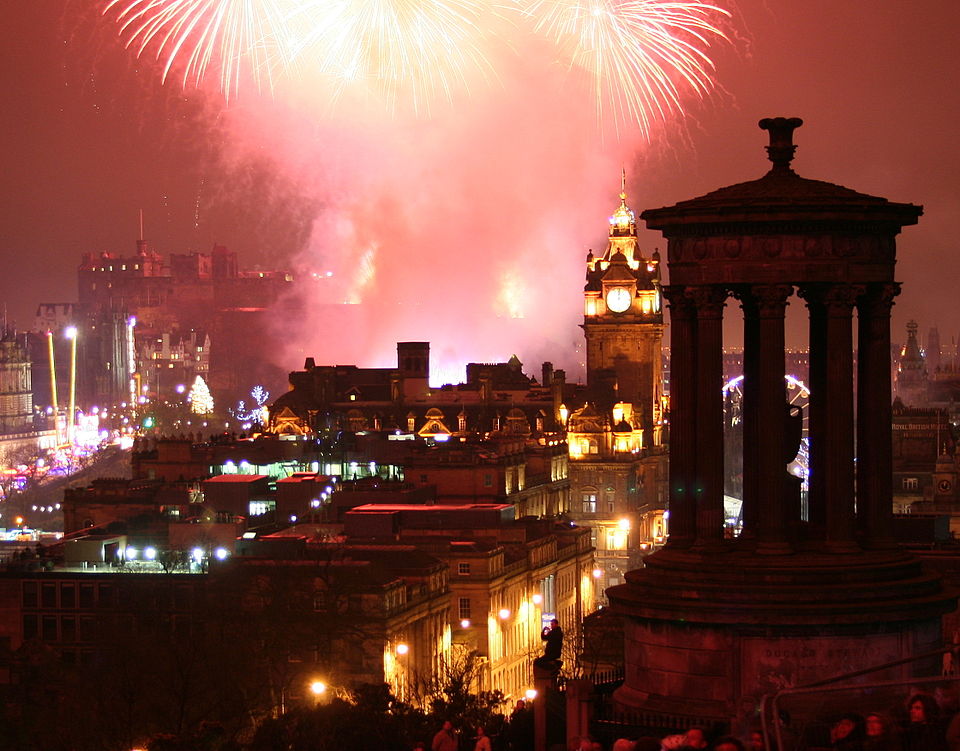
In Scotland, Hogmanay on Dec. 31 carries serious social weight, and the food reflects that sense of occasion without becoming fussy. Many families sit down to steak pie with gravy rich enough to cling to the crust, followed by fruit packed Black Bun, cherry cake, and shortbread that breaks with a clean snap. The meal is often early enough to leave room for visits, music, and first footing traditions as midnight approaches. Plates may reappear in smaller portions as the night unfolds, offered to late arriving guests who cross the threshold. By the time the new year begins, the house holds traces of pastry, whisky, and talk in every corner.