
Winter has a way of tightening budgets at the same time it shortens daylight, and dating quietly adjusts to match. Rising utility bills, pricy ride shares, and holiday travel all compete with the idea of long, expensive nights out. In that mix, people start choosing evenings that feel warmer on the emotions and gentler on the wallet. New habits form almost by accident: more staying in, shorter first meetings, slower commitments. Look closely at winter economics and the patterns of modern romance start to look very different.
1. Living Room Restaurant Nights
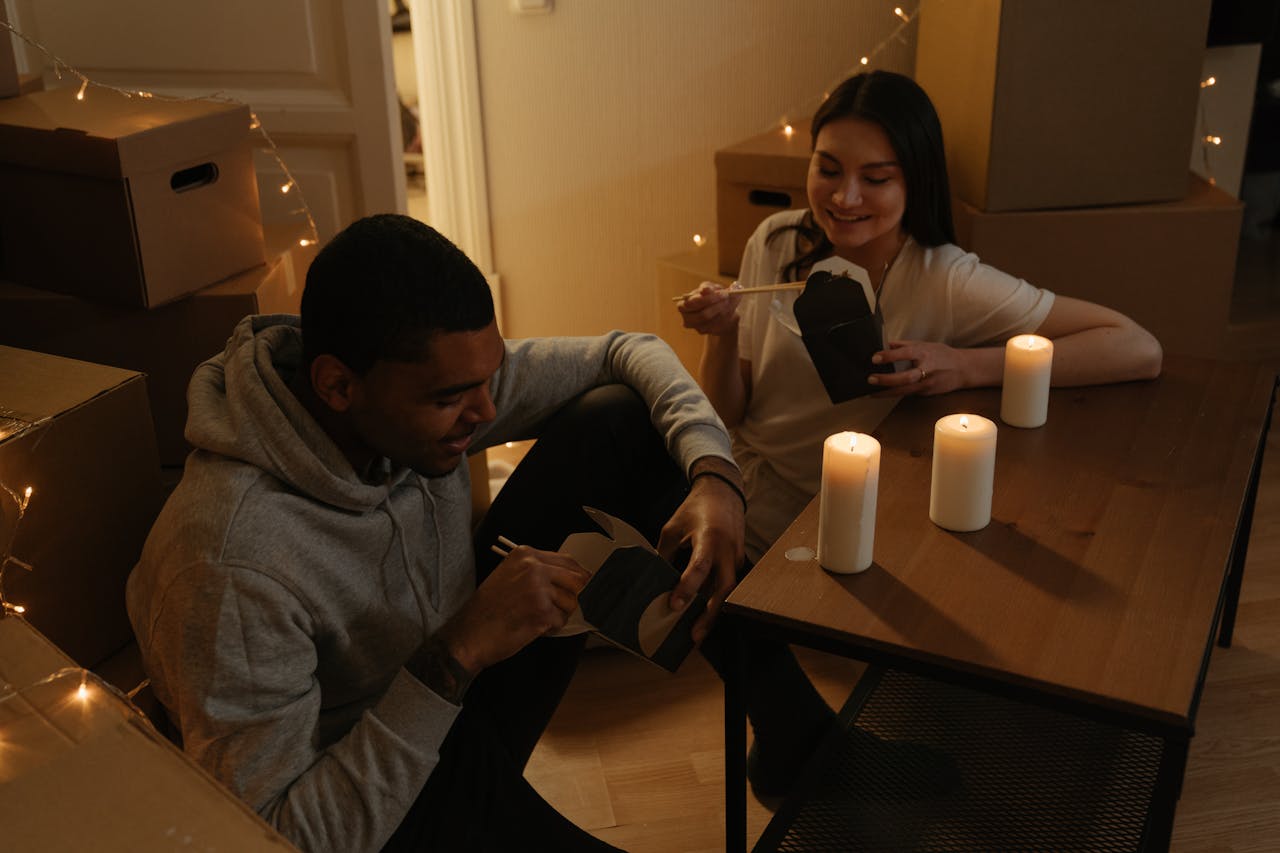
One of the clearest winter shifts is the living room turning into a restaurant. Instead of booking a table, many pairs pick a recipe, split the grocery bill, and cook together with music playing from a nearby speaker. Candles, chipped plates, and a shared apron replace service charges and crowded dining rooms. Because there is no pressure to leave a table for the next reservation, conversations wander into quieter topics. What started as a response to prices and weather often becomes the place they remember best months later. The menu can stay simple, but building something side by side often feels richer than any polished restaurant night.
2. Subscription Date Marathons

Another behavior tied to winter economics is the rise of subscription based date marathons. Instead of paying for tickets and taxis, pairs lean on streaming platforms, shared game libraries, and digital classes they already fund each month. A whole evening can unfold around one show, a co op game, or a pasta workshop that plays from a laptop on the counter. The money is already spent, so the only question becomes how they want to use this time together. Over a season, their shared watch lists and saved games start to feel like a map of the relationship as it slowly takes shape indoors, week after week.
3. Off-Peak Dates To Dodge Premium Nights

Winter prices also encourage a shift toward off peak dating. Instead of reserving crowded Saturday nights, many people quietly start choosing happy hours, matinee screenings, and early week dinners. The same restaurant or theater suddenly feels calmer and more generous when it is not packed. Staff have time to talk, and splitting an appetizer feels less like a sacrifice when the bill is already lower. Over time, this habit shows that closeness often grows faster when noise drops and lights stay soft, turning thrift into a lasting preference. Many find those early evenings more intimate than any late reservation ever felt.
4. Free And Almost-Free Experience Hunts

Winter economics also pushes daters toward free and nearly free experiences that still feel thoughtful. Instead of yet another pricey bar tab, someone might plan a route past the best holiday lights, a free museum evening, or a neighborhood market with live music. The cost stays low, but the signal is clear: attention matters more than showing off. Long walks in cold air make talking feel easier and more honest. By the time spring arrives, those low budget nights often stand out as the most specific, carefully chosen memories they share. That kind of planning shows care with both money and time, two resources under real pressure in winter.
5. Batch Cooking As A Quiet Bond
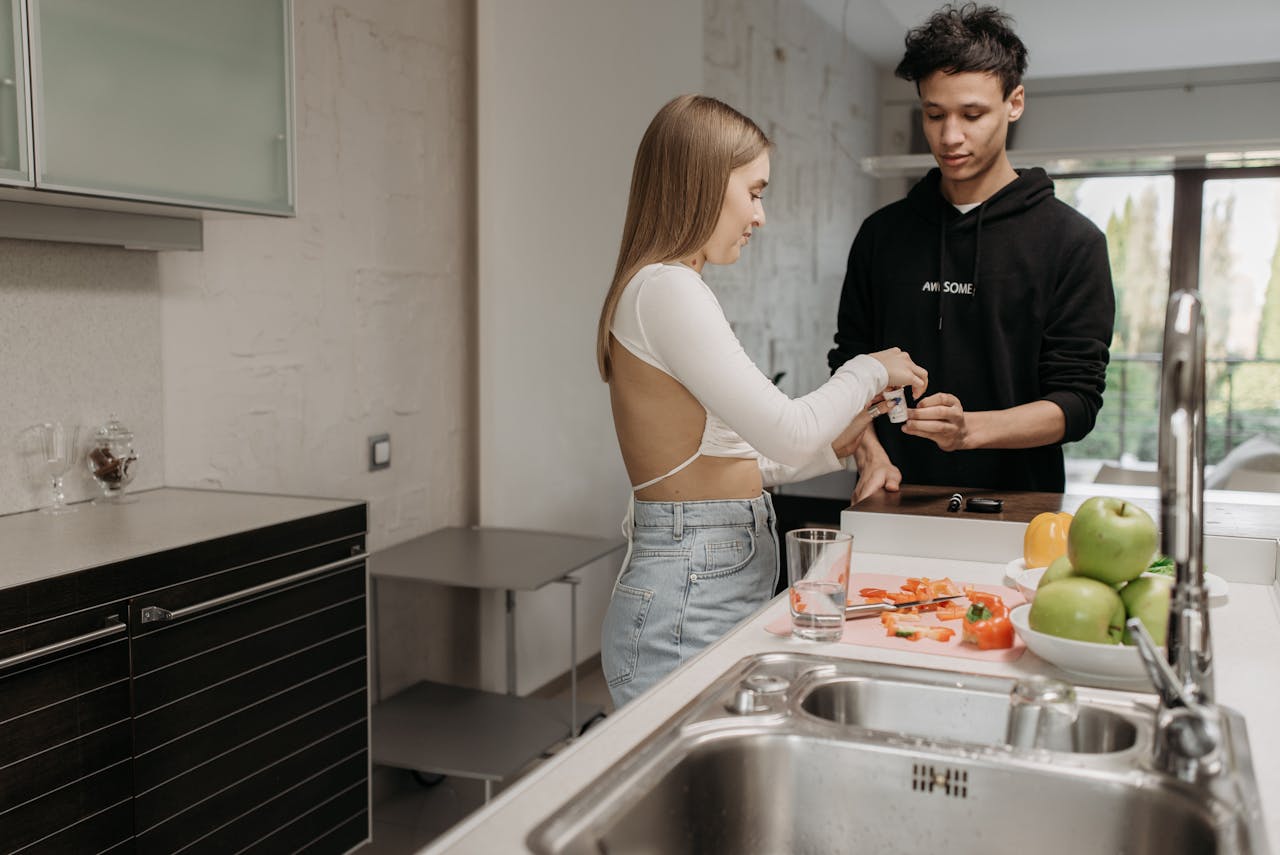
As groceries climb in price, batch cooking dates quietly step in. Instead of one expensive dinner, couples shop together for ingredients that will stretch across several meals, then spend an afternoon chopping, stirring, and taste testing. The kitchen turns into a small factory of comfort food and inside jokes. When the night ends, there are containers for the week and a shared sense of having built something practical. In a season of bills and short daylight, that mix of care, efficiency, and warmth often feels more intimate than any showy gesture. Later in the week, those shared leftovers quietly replay the feeling of cooking side by side.
6. Short, Clearly Bounded First Meetings

Higher winter costs also reshape first dates into shorter, more defined meetings. Instead of long, open ended evenings, people suggest a single drink, coffee, or quick walk with a clear start and finish. The stakes and spending both stay lower, which takes pressure off everyone. If the connection is weak, no one feels trapped in a costly night. If it is strong, staying longer or planning a second round feels like a choice, not an obligation. That small boundary respects both wallets and energy levels in a demanding season. Over time, that structure makes it easier to be direct, because the goal is clarity, not performing all night.
7. Gift Math And Adjusted Timelines
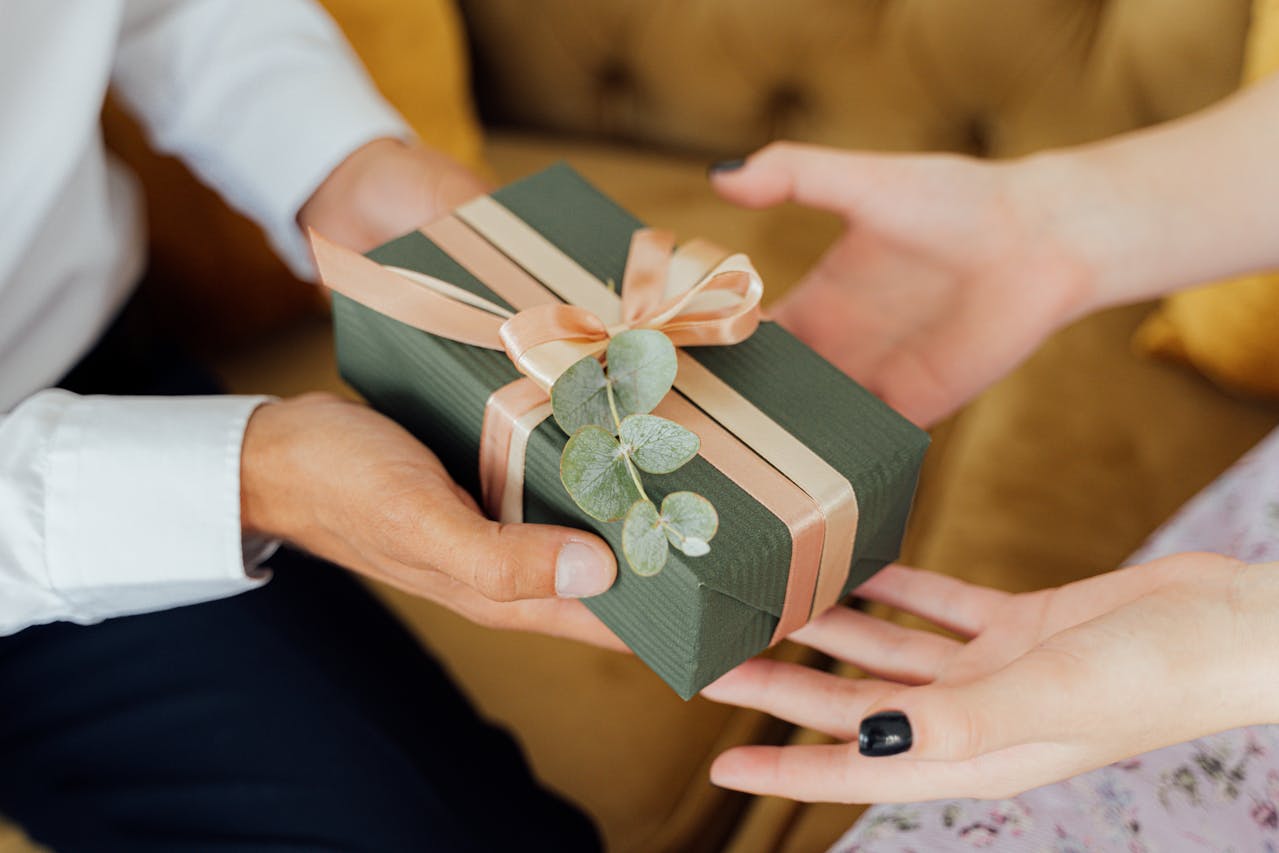
Winter holidays introduce gift math into new connections, and that quietly changes timelines. Someone who starts dating in late autumn suddenly faces questions about presents, trips, and family events. To avoid unspoken pressure, many pairs agree on small or handmade gifts, or decide to skip presents entirely the first year. Talking honestly about money this early can feel awkward, yet it quickly reveals values. The way each person navigates expectations around generosity and fairness often says more than any polished story told over dessert. In that way, winter quietly forces big questions early, showing how each person defines care.
8. Weather-Permitting Plans And Flexible Swaps

Weather and costs together create a new etiquette of weather permitting plans. People add small disclaimers about snow, ice, or transit trouble whenever they schedule a date, and most learn to stay flexible. A fancy night out may shrink into takeaway and a movie when a storm moves in, saving money and frustration. How each person reacts to these shifts becomes its own test. Patience, humor, and a willingness to pivot often matter more than the original plan, especially when both are tired from long weeks and early darkness. Over a season, that shared flexibility often feels more valuable than any smoothly executed night out.
9. Practical Cuffing With Shared Costs
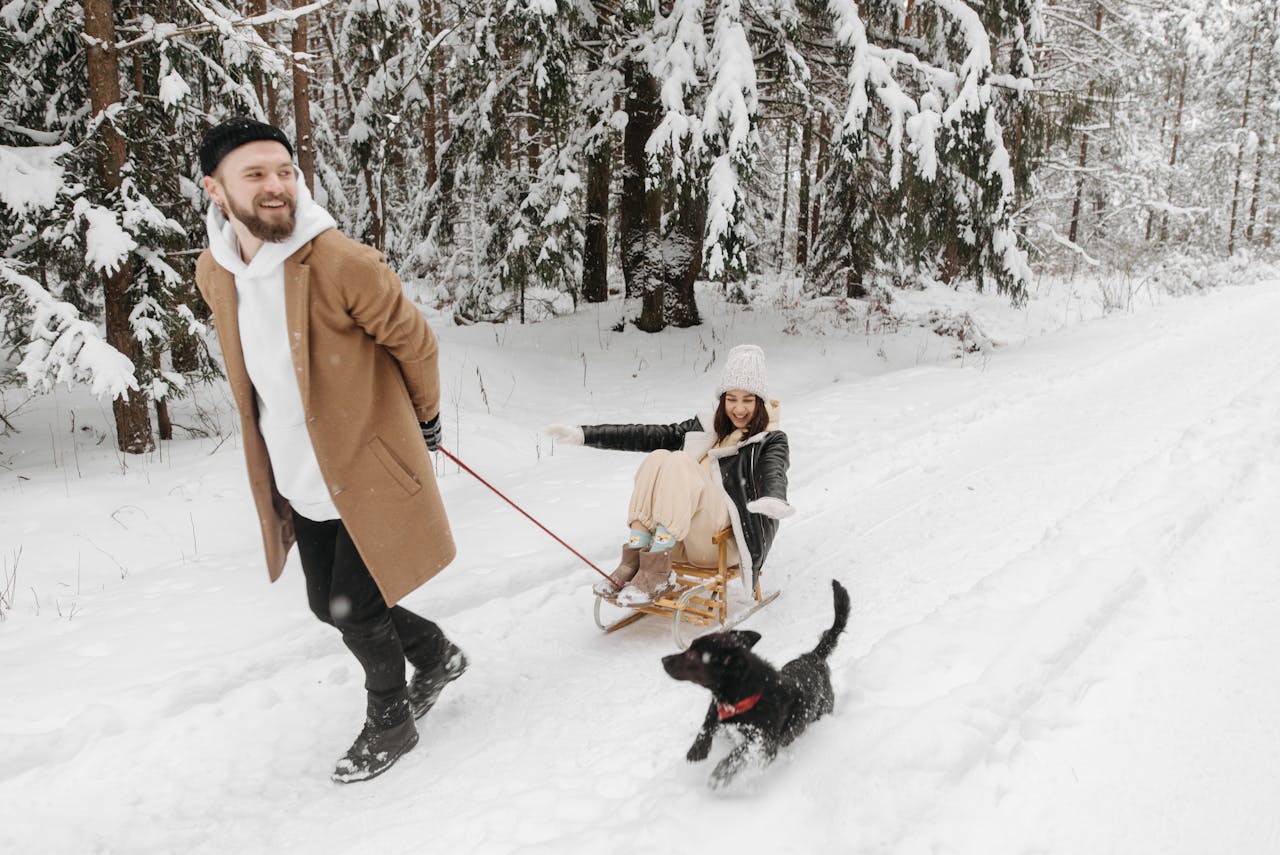
The idea of cuffing season is not new, but rising winter costs give it a practical edge. Casual dating with many different people can get expensive fast when every meeting involves rides, drinks, and heating a place alone afterward. As a result, many choose to narrow their focus, seeing one person more consistently and investing in shared nights at home. Splitting groceries, streaming passwords, or travel costs becomes part of the appeal. What starts as a way to manage money can slowly turn into a steady bond that would make sense in any season. In that mix of comfort and pragmatism, winter can reveal who feels like a real partner.