
Across many homes, the holidays are slowly shifting away from constant alerts and glowing screens toward something quieter and more grounded. Families experiment with phone baskets by the door, long walks without earbuds, and evenings built around books or board games instead of silent scrolling. The change rarely begins with a grand decision. It starts with small experiments, then grows as people notice how the room feels different. These tech free habits do not reject modern life; they simply protect a kind of attention that feels too rare the rest of the year. Over time, those pauses become what people remember most clearly.
Phone-Free Hours Around The Table

Many families now set specific hours when every phone leaves the room instead of just turning the volume down. Devices land in a basket by the doorway while cooking, eating, or playing, and screens stay dark on purpose. Without that constant glow on the table, jokes land better and stories stretch further, because no one is quietly reading messages between sentences. Children usually relax first, slipping into games and side chatter. Adults follow more slowly, then feel their shoulders drop as they realize nothing urgent waits behind a lock screen. For a little while, the focus in the room belongs fully to the people in it.
Analog Games As Evening Centerpiece
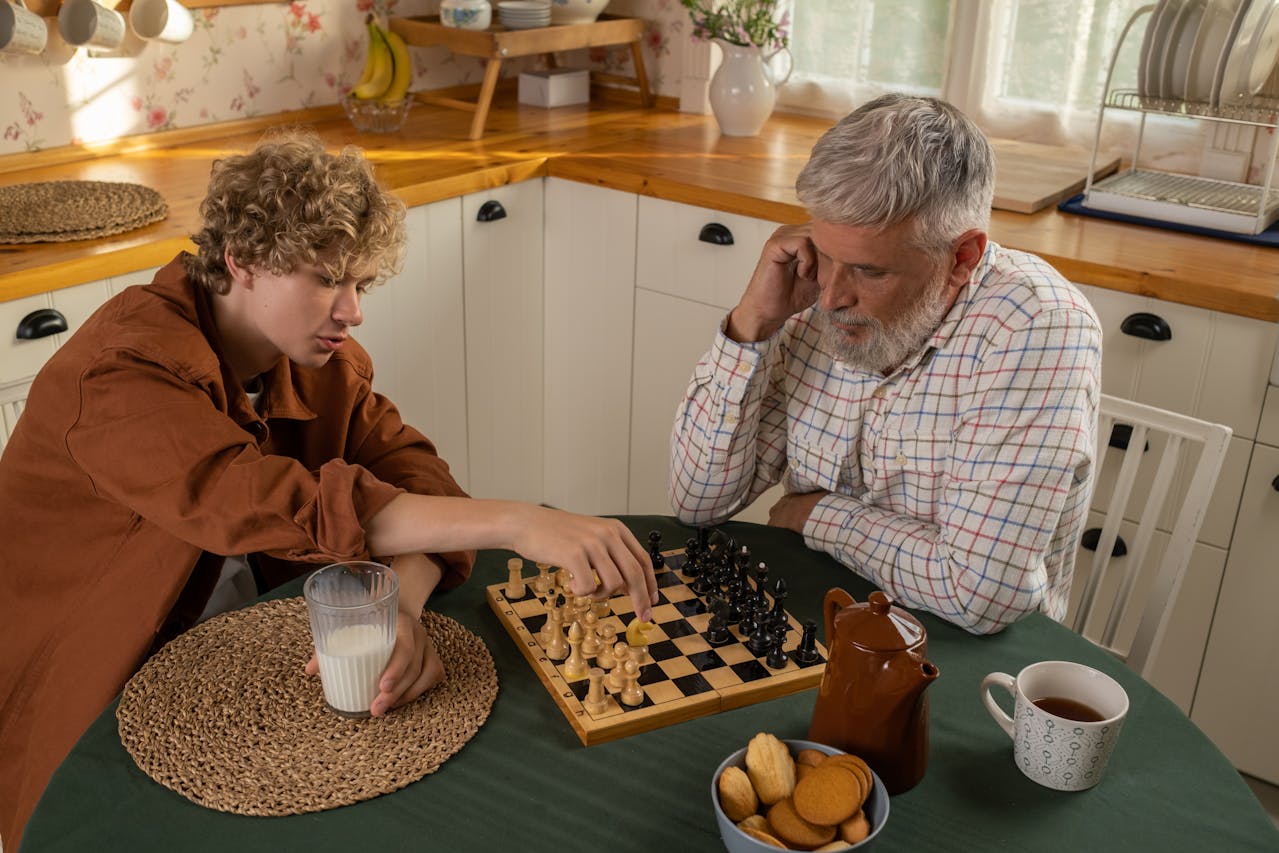
Analog games often become the quiet center of tech free evenings when streaming stays off. Decks of cards, dominoes, and worn board games finally come down from shelves, carrying old arguments about rules and scores with them. Turns move around the table, pulling shy relatives into the circle without forcing small talk. Laughter builds over lucky draws and terrible plays, leaving score sheets and crumbs scattered. People walk away remembering how it felt to lean in over the same board, not what they might have watched alone on a screen. That shared focus becomes a small anchor in the season, proof that attention can still gather in one place.
Handwritten Notes Returning To The Season
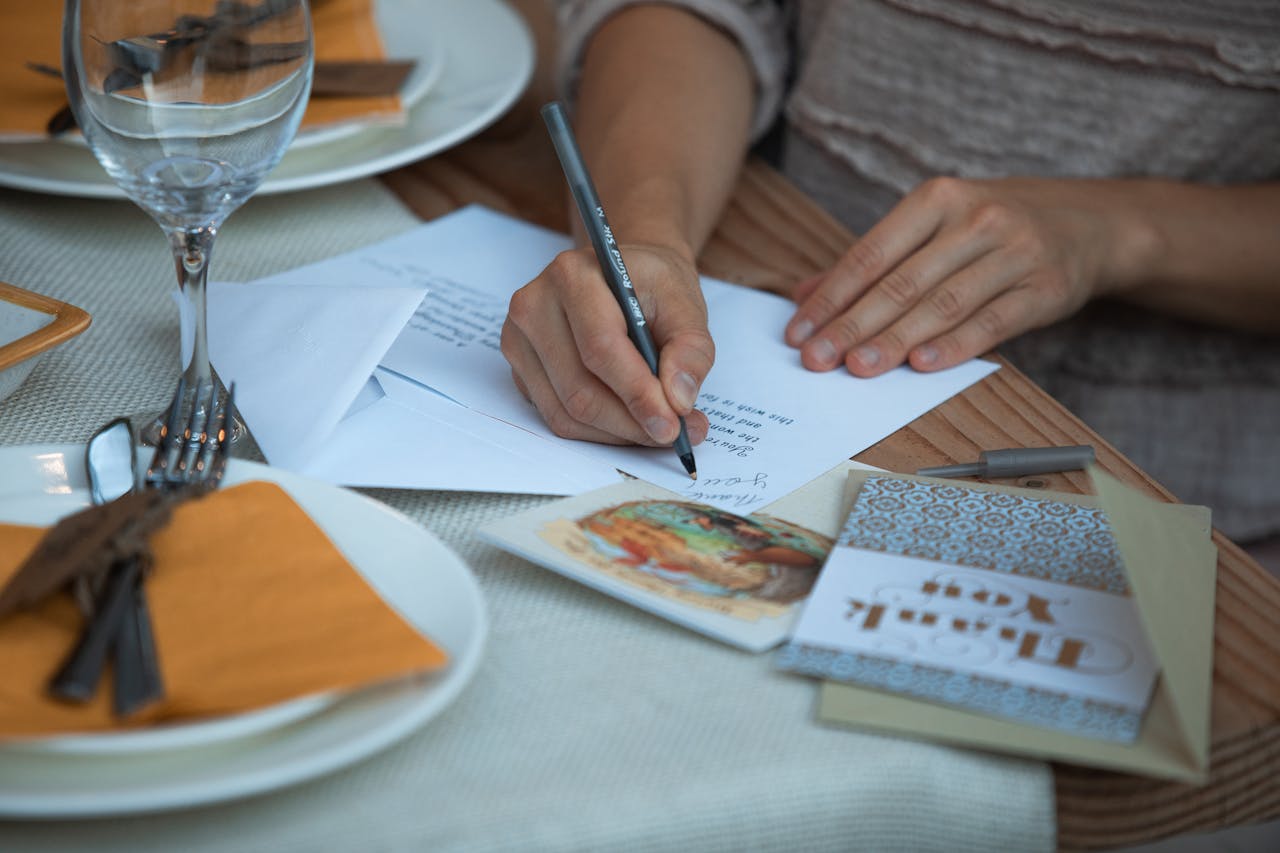
Handwritten notes slip back into the season once screens stop carrying every message and reaction. Some families leave stacks of cards and simple paper on a side table with pens that actually work, inviting anyone to write when the mood appears. Short letters to distant relatives, old friends, or future selves take shape slowly, without predictive text hurrying each line. Those notes end up taped to fridges, tucked into books, or saved in drawers, holding the sound of that room in ink long after decorations come down. The pause it takes to finish even a few honest sentences often reveals more than a long trail of quick digital replies.
Tech-Free Walks As A Daily Reset

Tech free walks between meals or gatherings give crowded rooms a chance to reset without much planning. Phones stay charging on counters while everyone pulls on coats and steps into the air, letting conversations untangle at their own pace. Small groups form and shift as people talk, fall quiet, or simply listen to feet on pavement and wind against branches. Without cameras, scenes are remembered instead of staged over and over. By the time coats come off again, shoulders sit lower and the house feels easier to share. After a few days, those short loops around the block start to feel like a daily reset that anyone, at any age, can join.
Cooking Together Without Screens Nearby

Cooking together without screens nearby turns the kitchen into a genuine gathering place instead of a hallway. Recipes come from memory, stained cards, or a single printed sheet taped to a cabinet, not from clips playing beside the cutting board. Tasks travel from hand to hand; someone chops, another stirs, someone else tastes and adjusts the seasoning. Stories about past holidays slip out while dough rests or pots simmer, filling the room with an easy kind of noise. Later, leftovers carry that shared work forward, each container holding a quiet reminder of time spent side by side. Many realize they missed that feeling.
Reading Circles In The Living Room
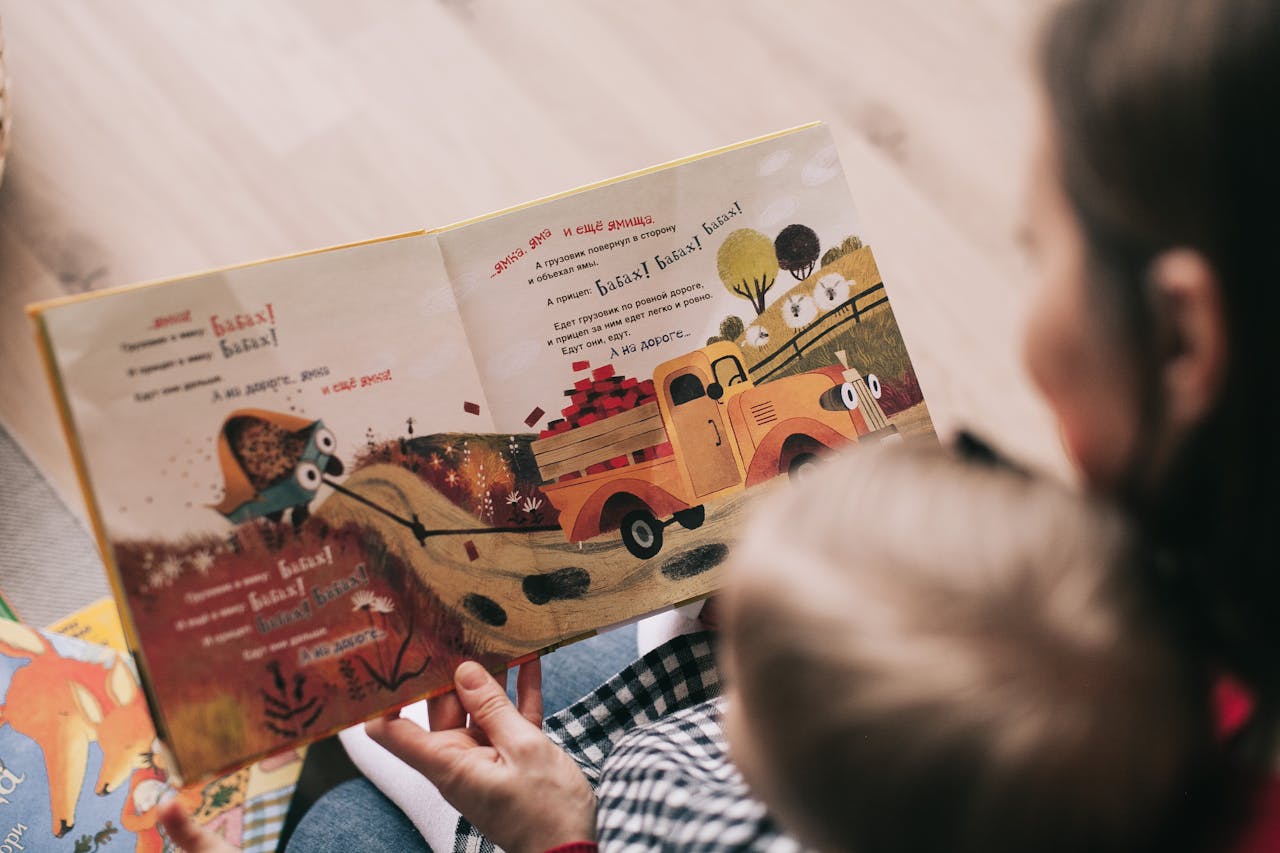
In some homes, reading circles quietly replace background television as the main evening soundtrack. One person reads a story or chapter aloud while others curl into chairs with blankets, knitting, or warm mugs. The room starts to move with the pace of the voice instead of the restless jump of changing scenes. When the piece ends, conversation arrives slowly, circling favorite lines or moments that stung a little. For many, that shared quiet becomes the calmest hour of the season, remembered less for the plot than for the feeling of listening together. It offers a kind of collective attention that daily life rarely leaves room for anymore.
Craft Tables As A Refuge From Scrolling
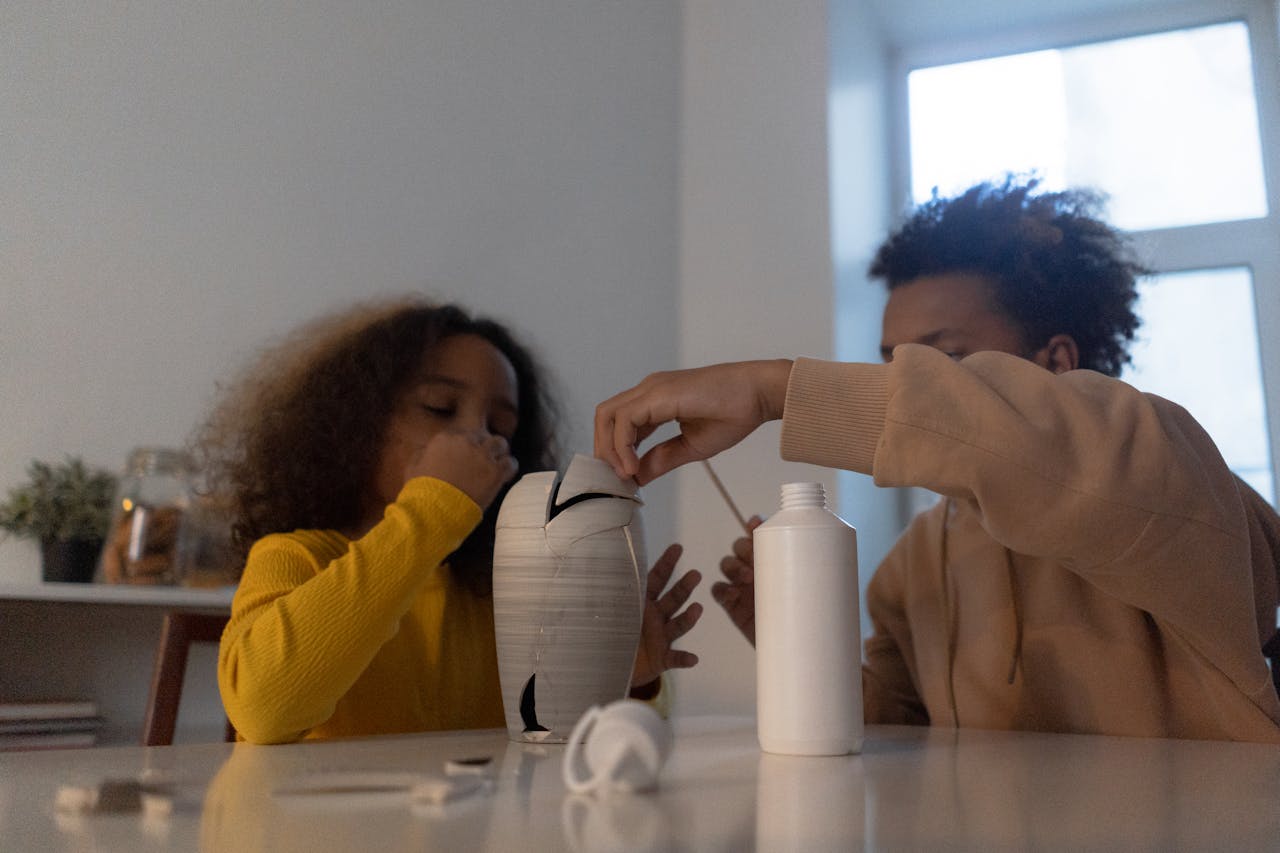
Craft tables offer a gentle refuge from constant scrolling, especially when energy is low but company still matters. A corner of the dining room fills with paper, crayons, beads, glue, or simple clay, inviting people to sit without needing a big plan. Hands fall into easy, repetitive motions, and talk finds its own path instead of being pushed. Quiet relatives can join without becoming the center of attention, while children drift from project to project. Finished pieces may be uneven, but they hold the mood of the room like small, colorful records of time spent together. Many families keep them later as proof the day truly slowed down.
Clear Tech Boundaries In Shared Spaces

Clear tech boundaries in shared spaces help holidays feel different from ordinary weeks without demanding anything extreme. Some households keep phones out of bedrooms, silence work accounts, or agree that streaming waits until after dinner and cleanup. These rules are less about control than about protecting attention that would otherwise leak into endless scrolling. As days pass, living rooms start to feel like places designed for rest again, not just charging stations with sofas. Even once screens return, the memory of that deeper quiet makes it easier to notice when old habits creep back in.