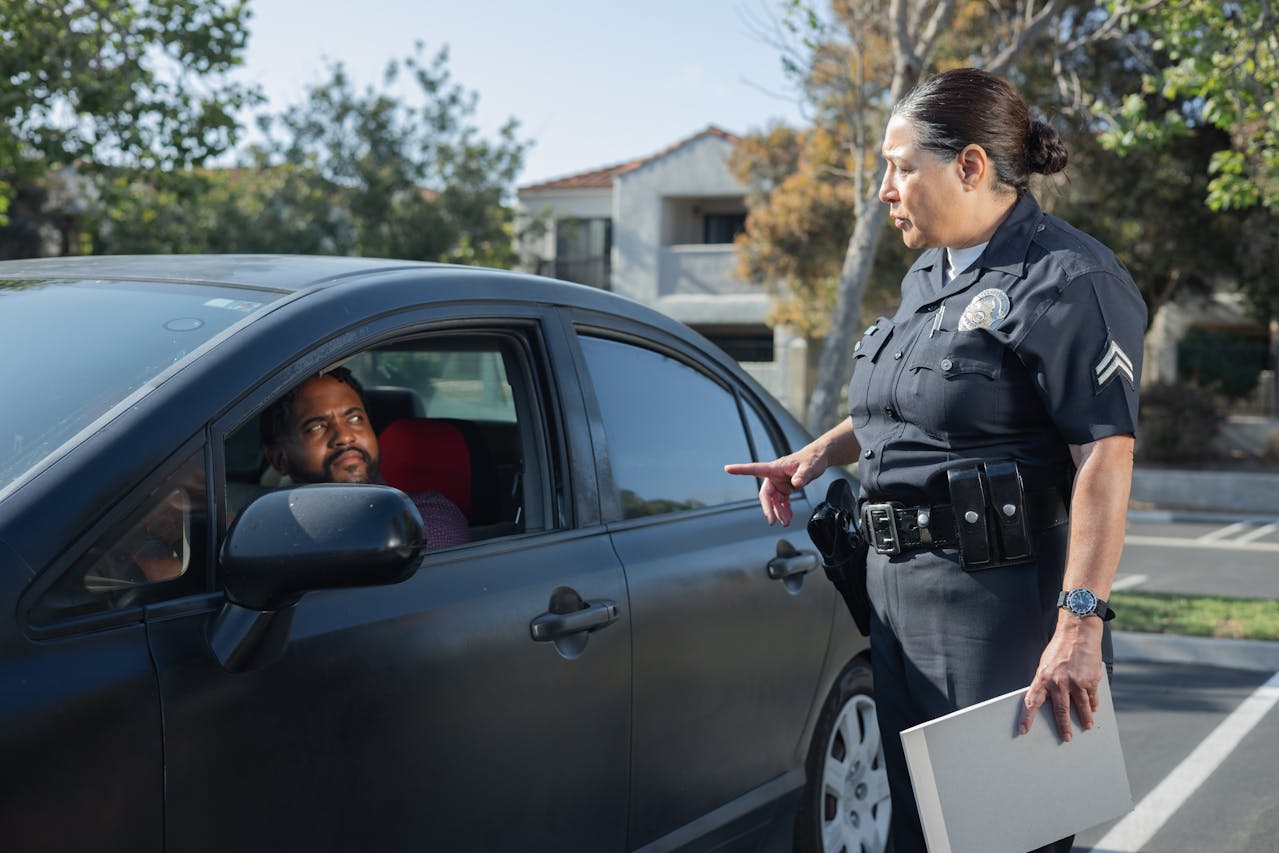
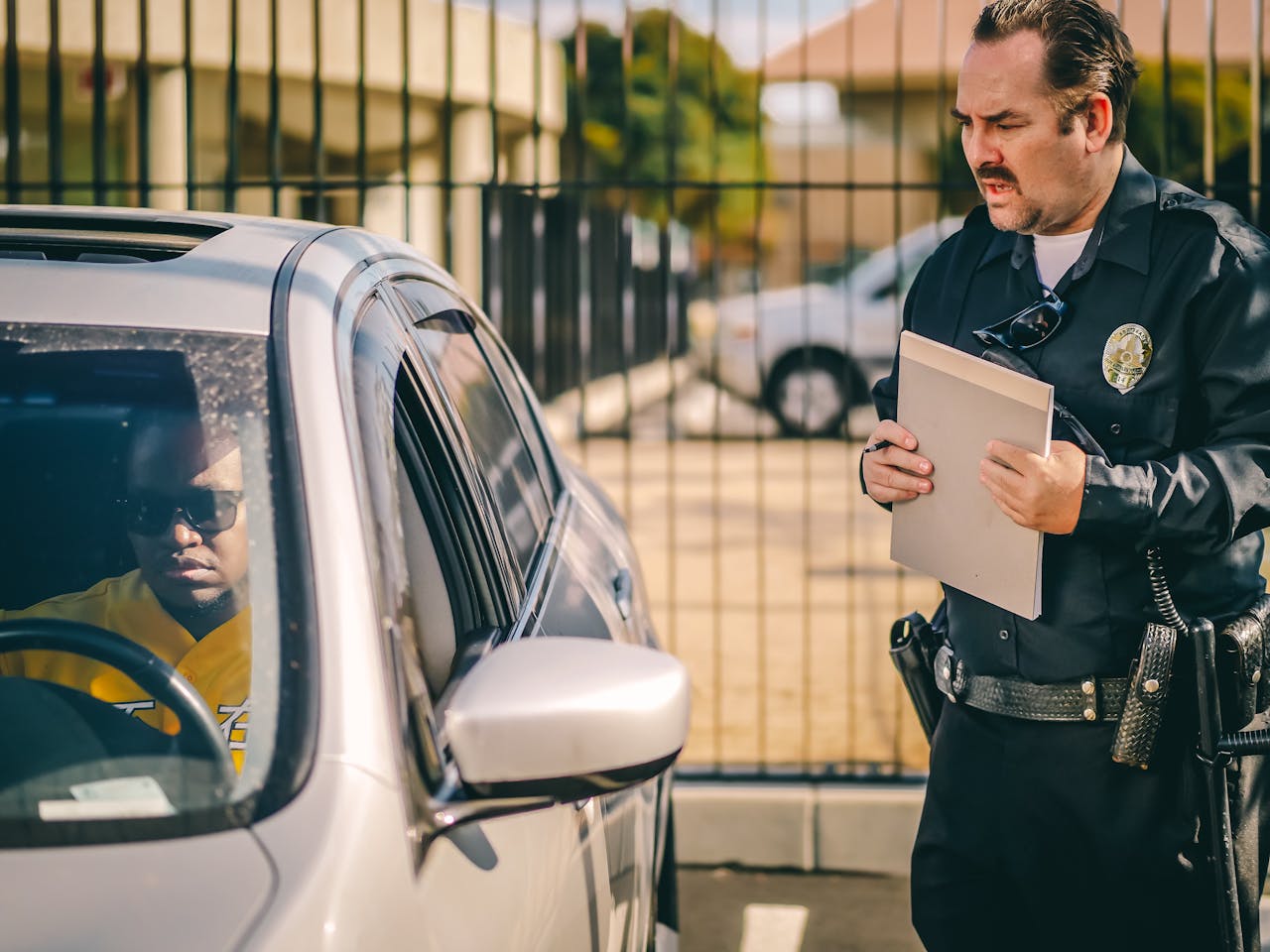
During a traffic stop, conversation can feel like an oral exam with invisible rules. Many drivers worry that one nervous sentence might turn a routine citation into something far more serious. In the United States, the Fifth Amendment protects the right to stay silent when words could be twisted or used as evidence. Paired with the Fourth Amendment’s limits on searches, that protection gives drivers choices. Understanding which questions invite documents and which invite silence helps keep a tense roadside encounter more controlled, respectful, and legally safer.
Where Are You Coming From Or Going?
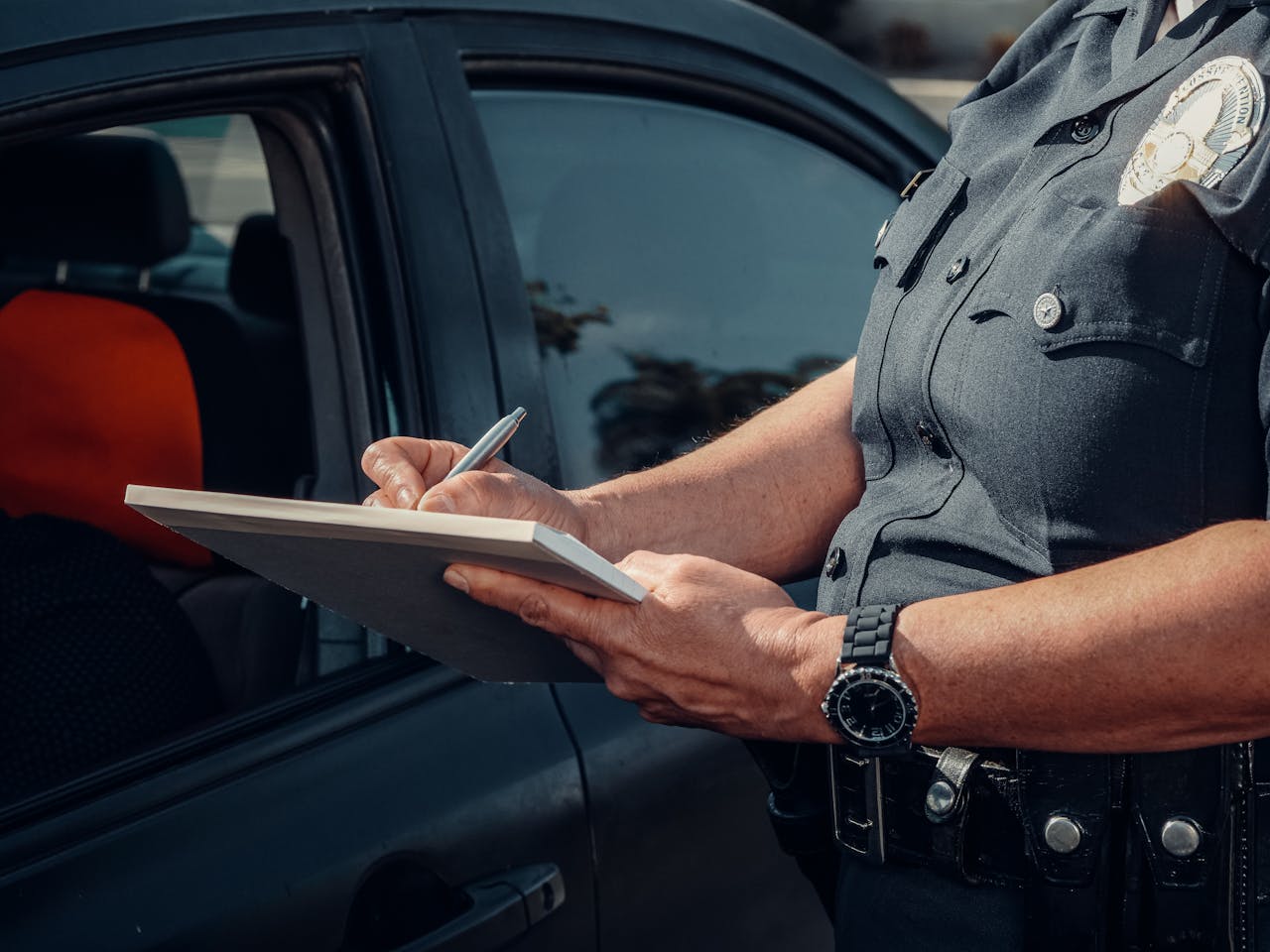
Officers often start with small talk about where a driver is coming from or going, but the question rarely stays casual. Details about work, nightlife, or relationships can be written into a report and later used to suggest inconsistent stories or suspicious detours. For a basic speeding ticket or broken taillight, travel plans usually do not matter. In most states, a driver must share license, registration, and proof of insurance, not a full diary of recent stops, errands, or private routines. Choosing silence on this question keeps the focus on the specific reason for the stop instead of opening the door to unnecessary probing about a person’s entire day also
Why Were You Driving That Way?
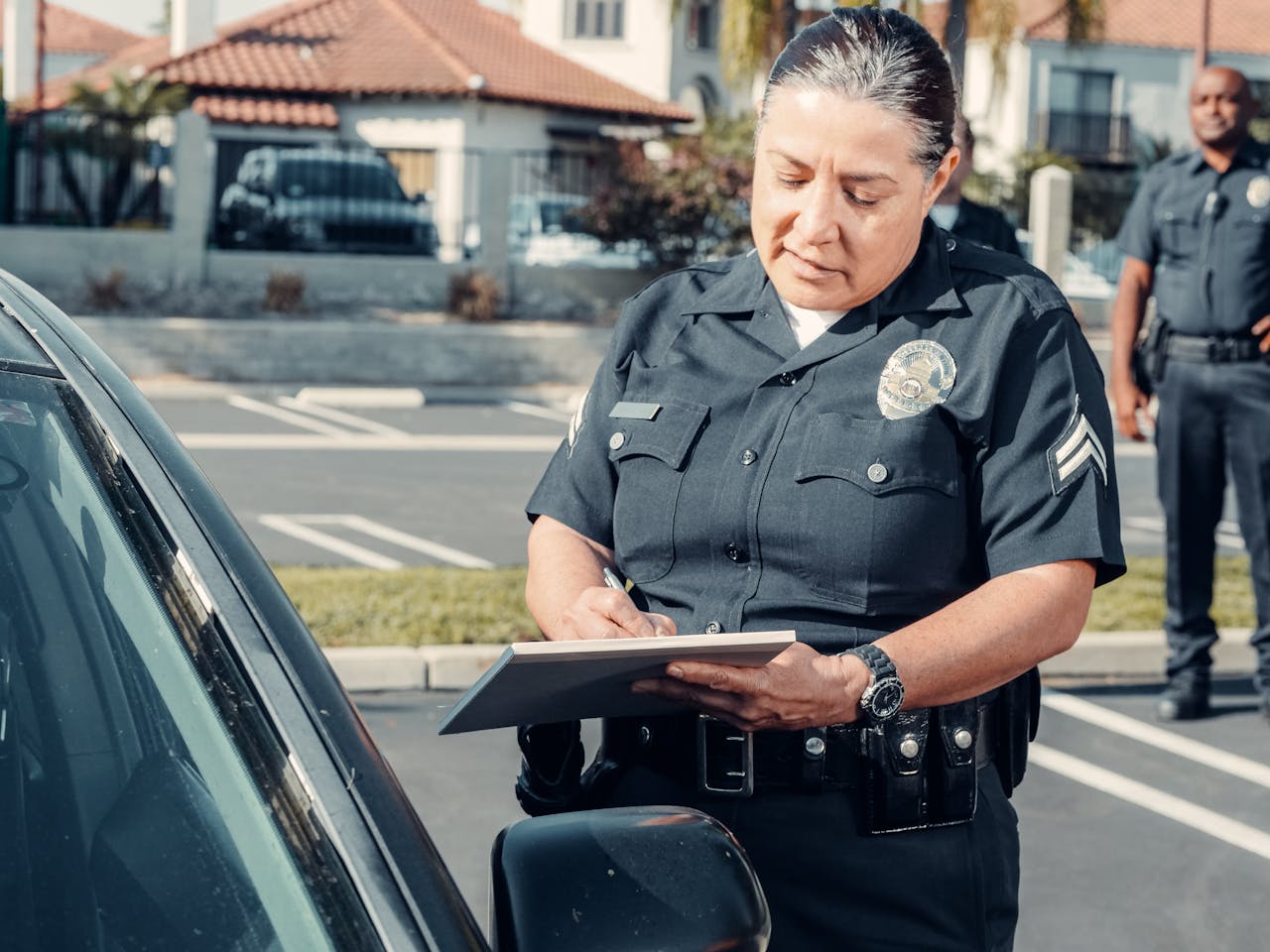
When an officer asks why a car was speeding, drifting, or rolling a stop, the question is aimed at an admission, not conversation. Any explanation or apology can sound like agreement that a traffic rule was broken. Comments about being late, distracted, or stressed may reappear in a report as proof the driver was careless. The Constitution protects against self incrimination, so a motorist may stay quiet, provide documents, and let the officer describe the alleged violation instead. Silence on this point does not block an officer from issuing a ticket or warning, but it avoids handing over phrases that a prosecutor or judge might later treat as a confession too
Do You Know Why I Pulled You Over?
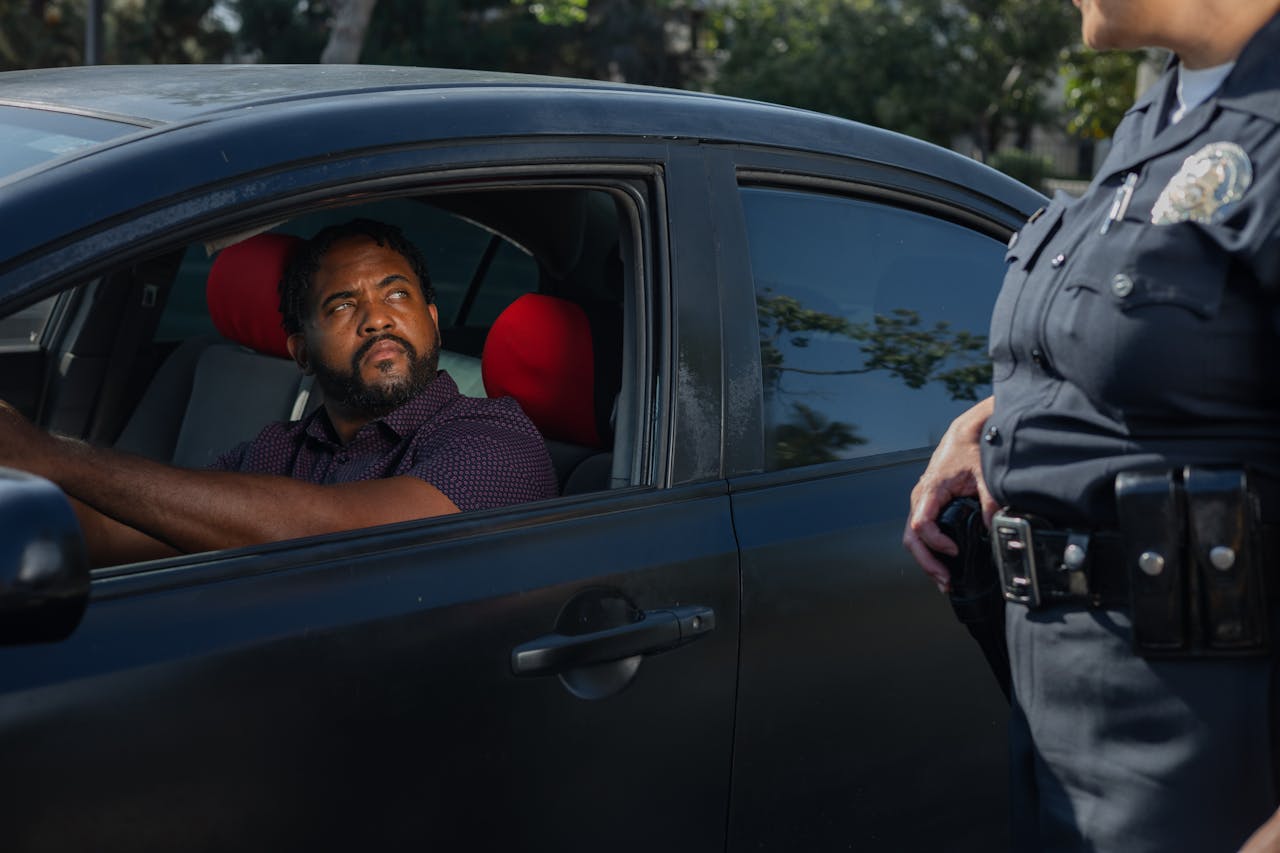
The familiar line about whether a driver knows why the car was pulled over is not a courtesy quiz. It is a wide open chance for someone to list possible mistakes and turn guesses into evidence. If a motorist mentions speeding, drifting, or missing a light, each suggestion can be written as a volunteered admission. The officer already must state the lawful basis for the stop, so the driver does not need to supply that answer or build a menu of extra violations. Staying quiet here keeps the record clearer and makes it easier for a future lawyer to challenge weak grounds for the stop without first working around a driver’s nervous attempt to sound helpful later on
Do You Have Anything Illegal In The Car?
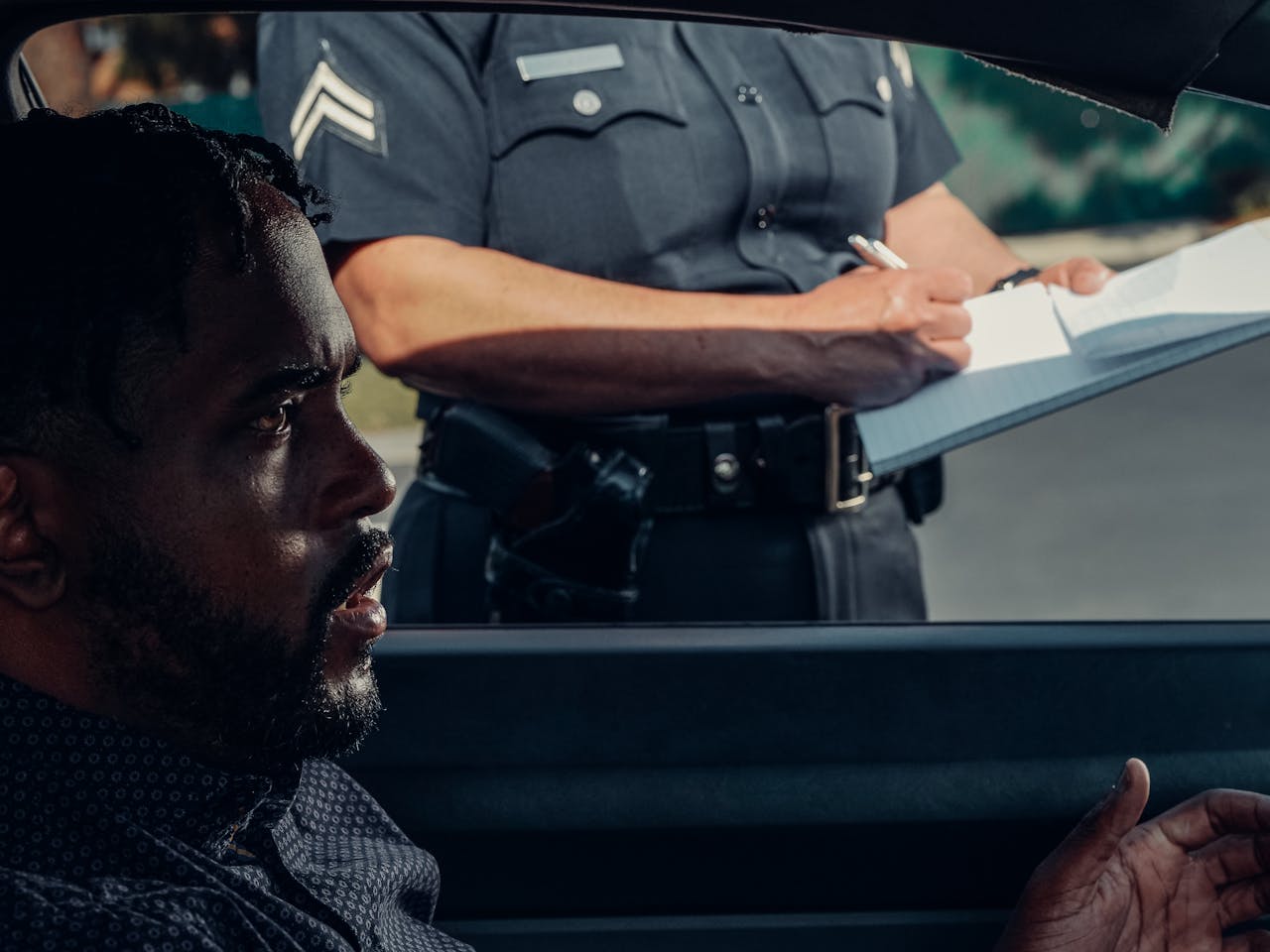
A direct question about illegal items in a car raises the stakes quickly. A shaky yes invites an immediate search, while a hasty denial can later be painted as deceptive if officers claim to find something. Because the answer goes straight to possible criminal conduct, the Fifth Amendment allows a motorist to stay silent without describing bags, pockets, or compartments. Silence here does not equal consent, so officers still need valid grounds such as probable cause, a warrant, or another clear legal exception. That line matters because once a search starts, anything officers find may be brought into court, even items unrelated to the first traffic concern also
Have You Had Anything To Drink Tonight?
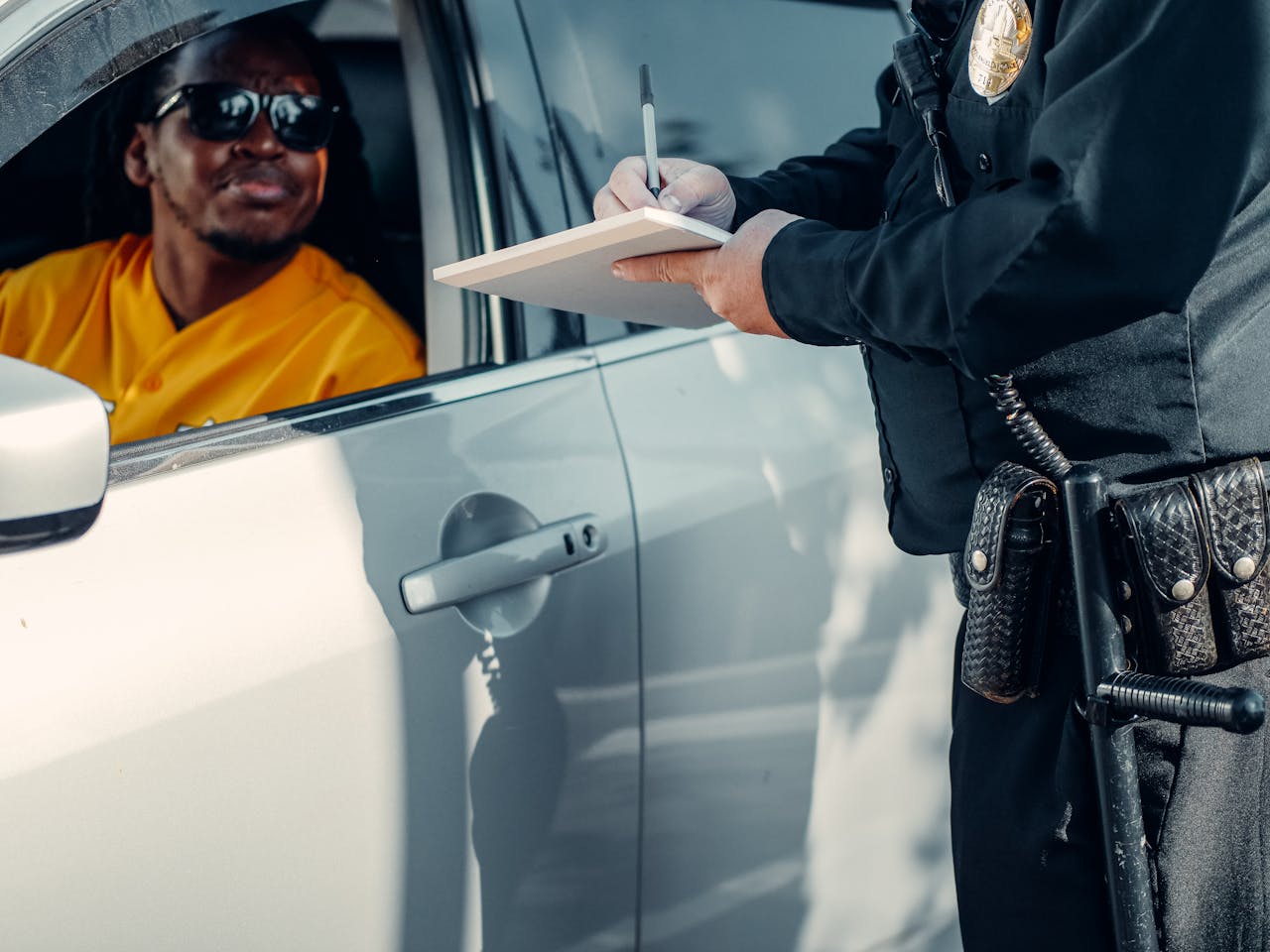
Questions about drinking can transform a simple stop into a full impaired driving investigation. Even admitting to one drink with dinner may give an officer reason to order field sobriety tests or extend the stop. Any rambling explanation about fatigue, medication, or stress might later be read as evidence of impairment instead of context. The right against self incrimination allows a driver to decline to talk about alcohol while still complying with lawful orders and any required chemical testing. That choice keeps attention on clear facts like driving pattern, speech, and test results instead of on a rushed roadside story retold later in later files and court
Will You Consent To A Search Of The Vehicle?
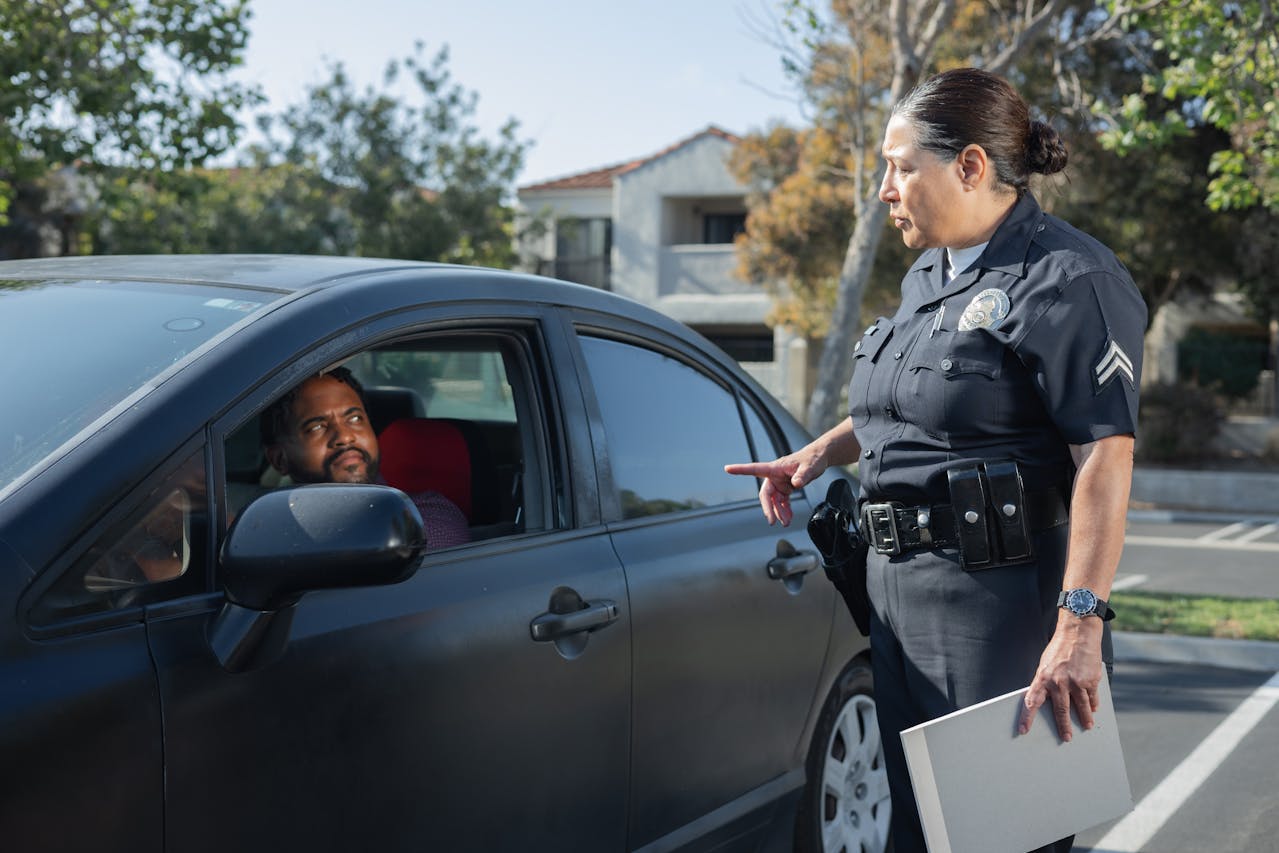
Requests to search a vehicle may sound routine, but they carry serious weight. Saying yes hands officers permission to look through seats, consoles, and bags that might otherwise stay off limits. Many people agree because they worry refusal will seem guilty, yet the Fourth Amendment protects the right to decline. Refusing consent does not block a lawful search based on real probable cause, but it forces officers to rely on actual evidence instead of hurried permission on the side of the road. A calm refusal, stated clearly, can mean the difference between a short stop and a search that exposes private belongings unrelated to the original concern in later review
Can You Tell Me Where You Live?
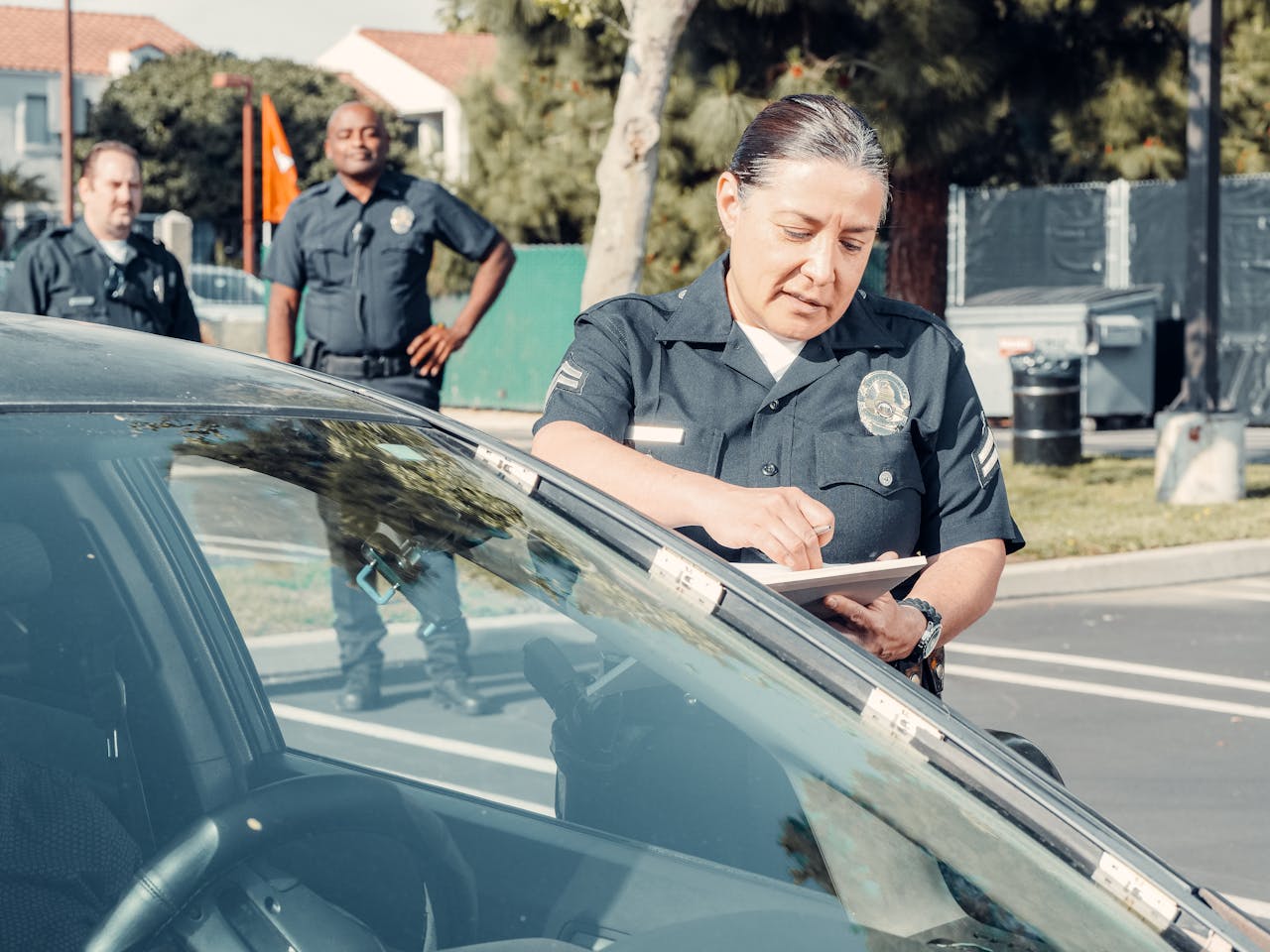
An officer may ask where a driver lives out of habit or curiosity, but the law does not always require an answer. If a citation is being written, accurate identifying details may be needed, including a current address tied to a license. Beyond that, extra information about roommates, neighborhoods, or housing plans can expand questioning. Once required documents are handed over, a motorist often has no legal duty to explain full living arrangements or offer a running commentary on private home life. Protecting that boundary keeps the stop centered on the narrow issue that triggered the lights instead of inviting a sweep through someone’s personal world and past
How Much Money Are You Carrying Right Now?
Questions about how much cash someone carries during a stop often feel jarring because money is deeply personal. In most routine traffic encounters, the total in a wallet or bag has nothing to do with an alleged violation. Large sums may trigger suspicion or even attempts at civil asset forfeiture, especially on certain highways known for drug interdiction. Since finances are generally unrelated to a broken light or late signal, a driver usually has no duty to total up bills or disclose private banking habits. Declining to answer that one protects financial privacy and preserves options if a judge later weighs whether officers stretched a minor stop too far out