Night settles in, and the house feels calm, but outlets keep working. A plug can leave a heating element primed, a clock display sipping power, and insulation under quiet stress for hours. Most evenings pass with nothing unusual, which is why the pattern turns invisible and easy to repeat. A pet can brush a switch, crumbs can smolder after dinner, and a tired cord can warm behind a cabinet during a small surge. The steadier habit is simple: let hot appliances cool, clear clutter, and unplug what does not need to run overnight. The U.S. Fire Administration advises unplugging small appliances when they are not in use.
Countertop Cooking Appliances
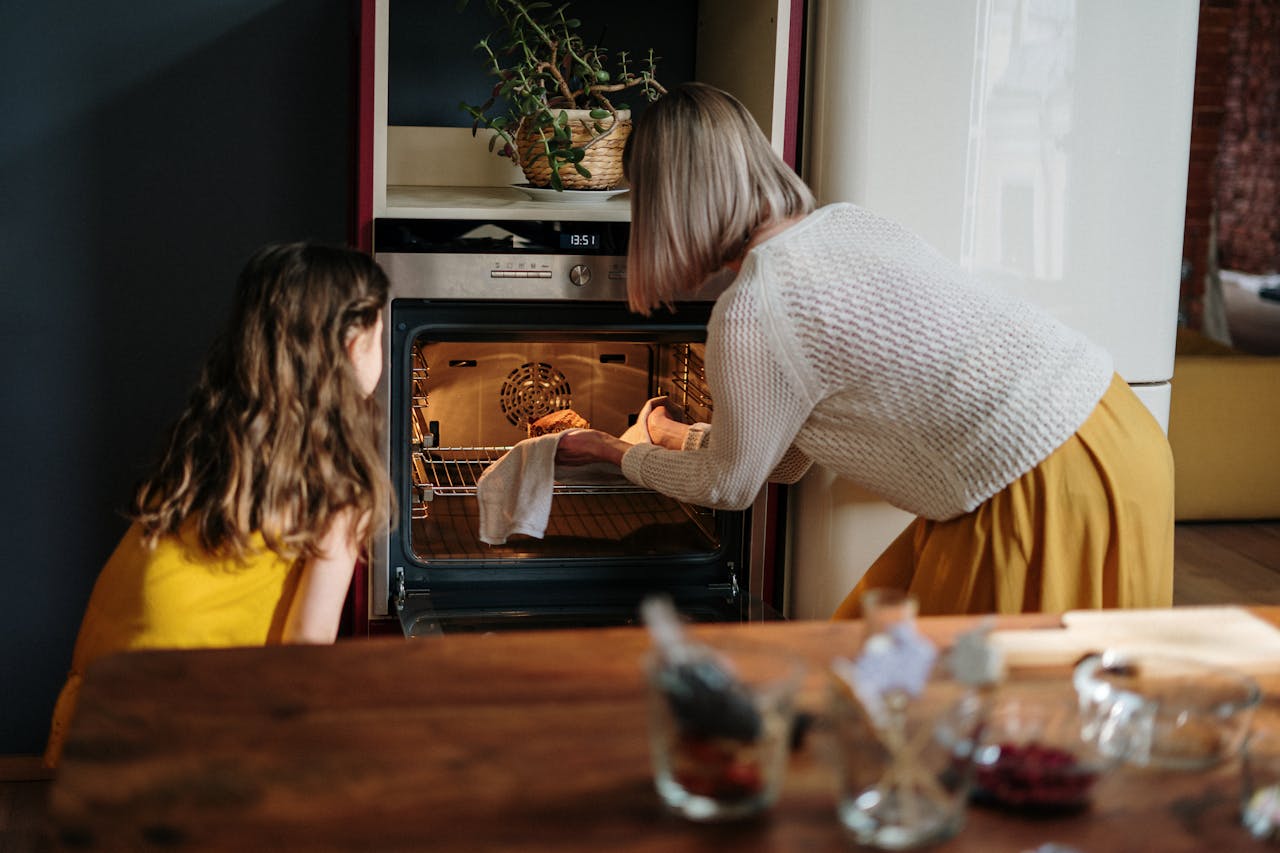
Toasters, toaster ovens, air fryers, pressure cookers, and slow cookers look harmless once the kitchen goes dark, but heat devices can still fail. Crumbs and oily residue can ignite, and a stiff dial or touch button can get bumped by a crowded counter, a loose cord, or a curious pet.
Faulty heating elements sometimes switch on unexpectedly after heavy use. After cooking, the steadier rhythm is to let the unit cool, wipe out the tray, and unplug it. That motion cuts the chance of an unintended heat cycle and keeps outlets clear, since the Fire Administration also recommends only one heat-producing appliance per outlet at a time.
Hair-Styling Tools
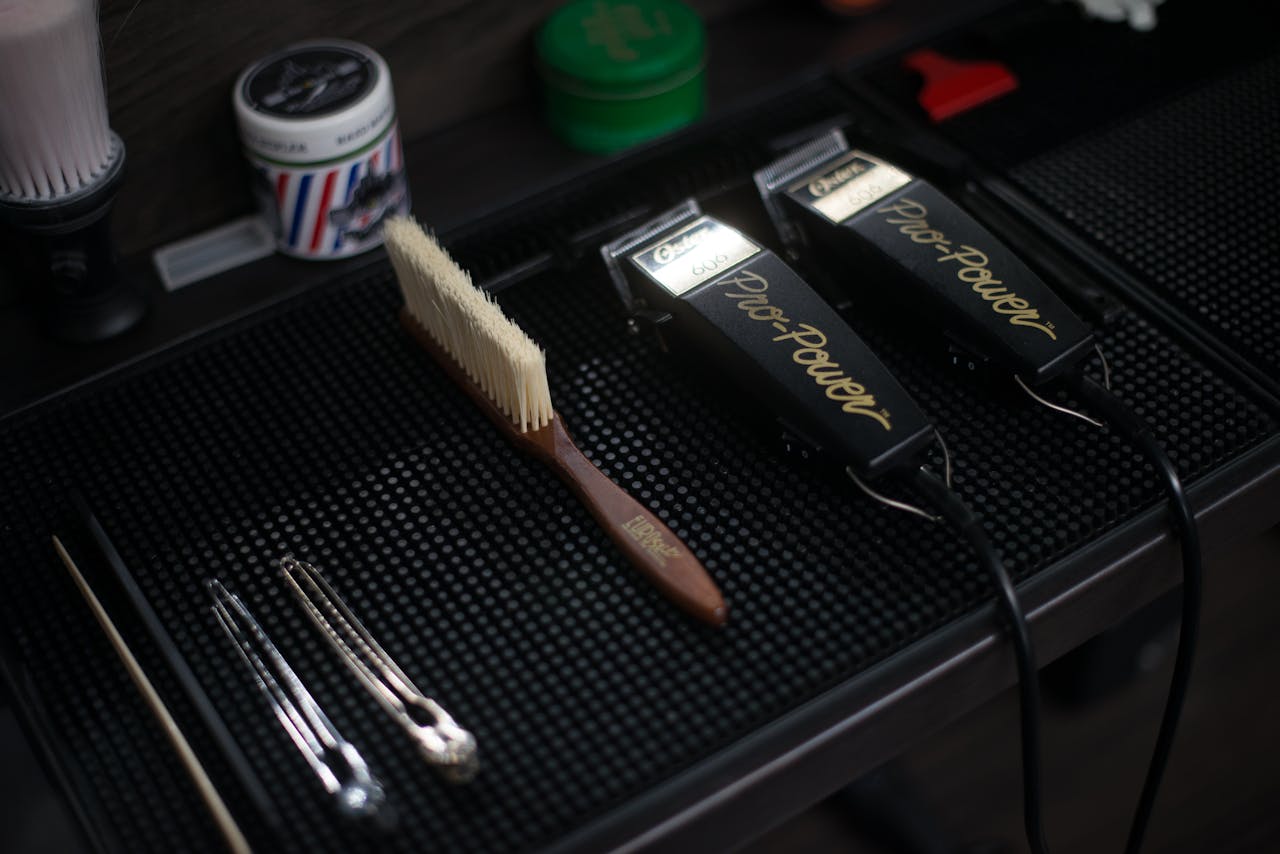
Curling irons, flat irons, and hair dryers may be switched off, yet power still sits at the plug and inside the tool. Auto shut-off helps, but it is not a guarantee, and repeated heat cycles can wear plugs and contacts.
Hair dryers collect lint that blocks vents, and styling products can bake onto hot plates, making nearby towels, tissue, or cotton pads riskier than they look. Cords get pinched behind drawers or wrapped too tightly after rushed mornings, stressing insulation over time. Around sinks, a live cord is one more problem. Unplugging, then storing after cooling, keeps heat and power from lingering in damp air.
Electric Kettles And Coffee Makers
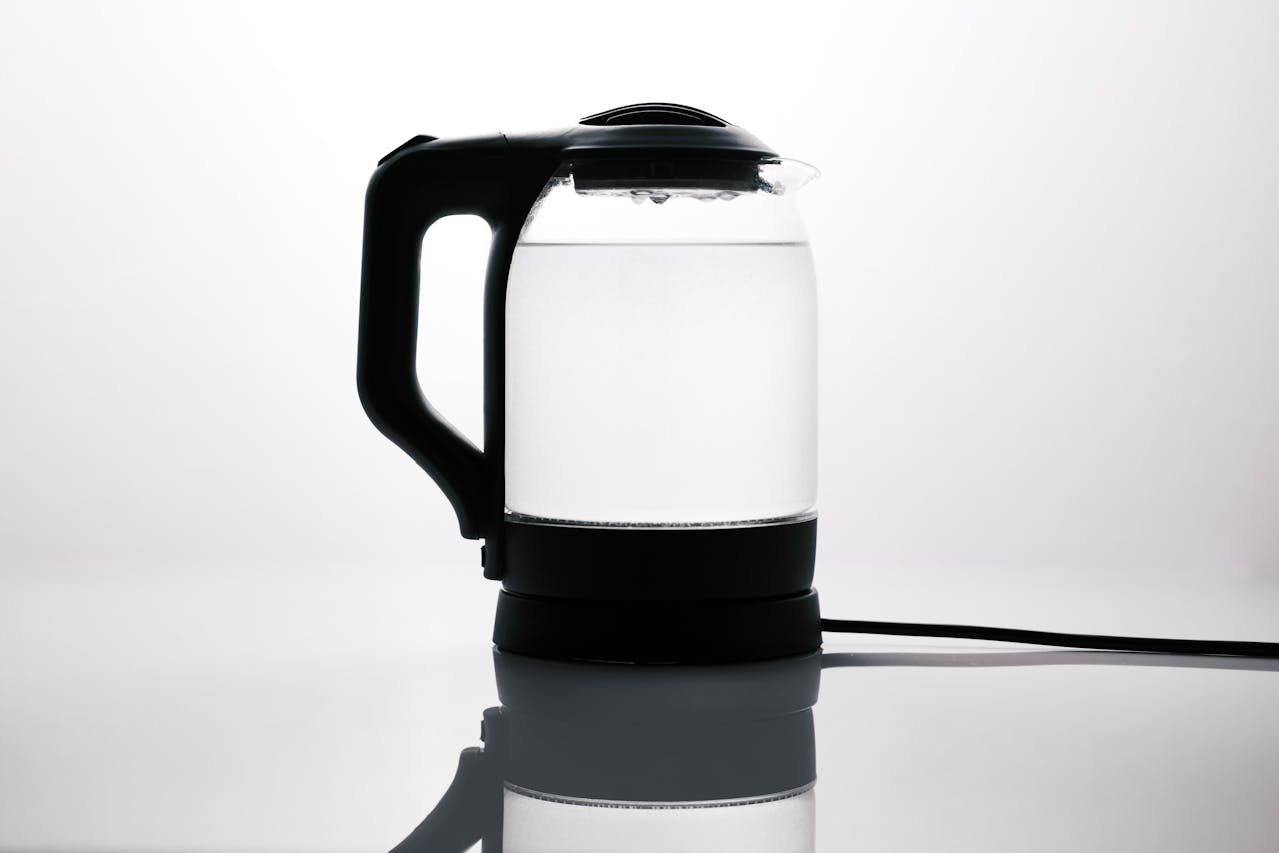
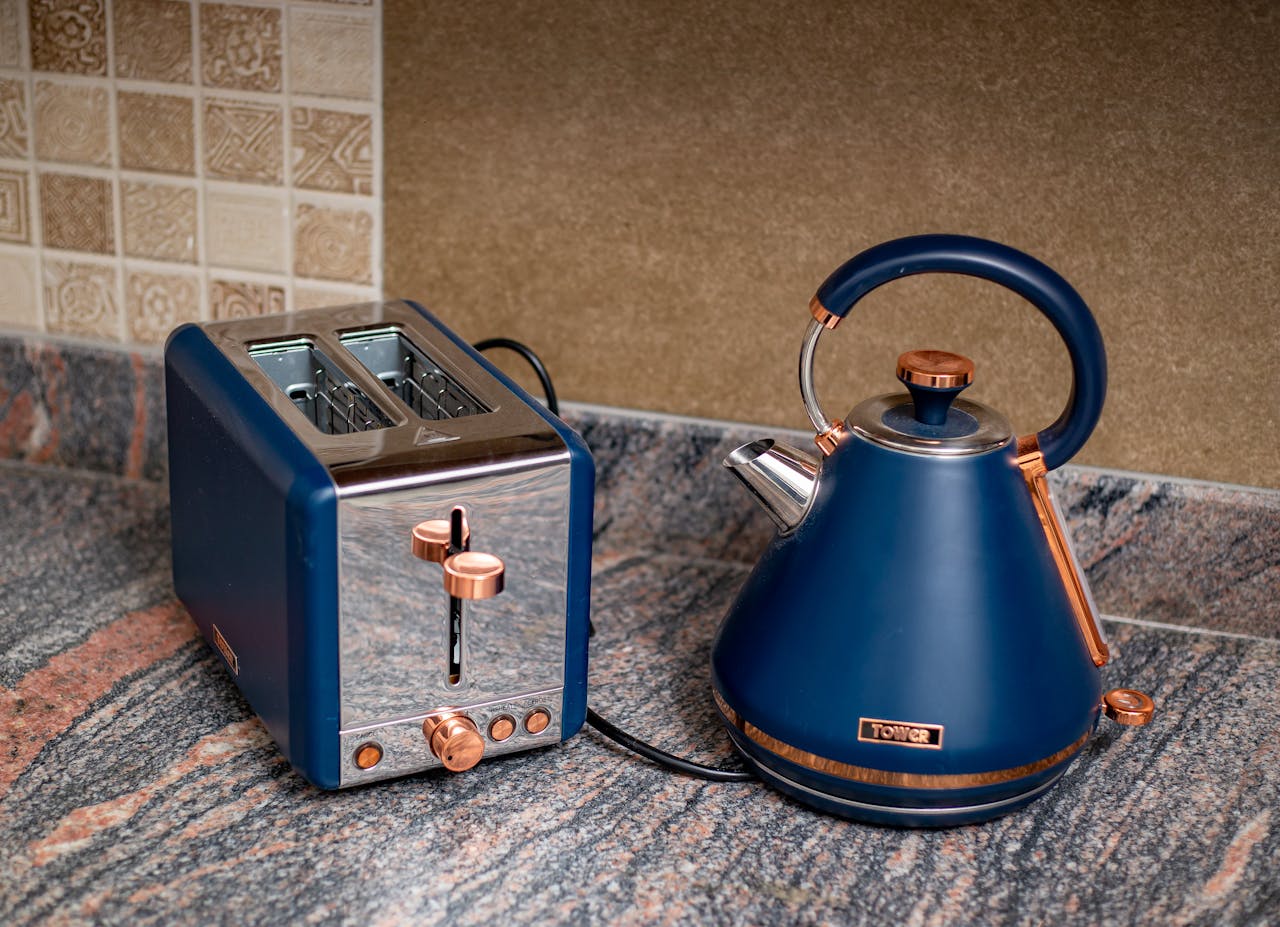
Electric kettles and coffee makers feel like morning-only machines, but many sit all night with a live heating element and a small control board. Paper filters, tea bags, and dish towels often sit close by. A worn cord, a sticky button, or a failing thermostat can spark odd behavior when nobody is watching.
Clocks and standby lights also draw power for no real purpose after the last cup. Unplugging cuts that phantom pull and frees the outlet, which matters because guidance often warns against stacking heat-producing appliances on one outlet. It is a quiet reset that leaves the counter calmer as morning comes every day.
Space Heaters
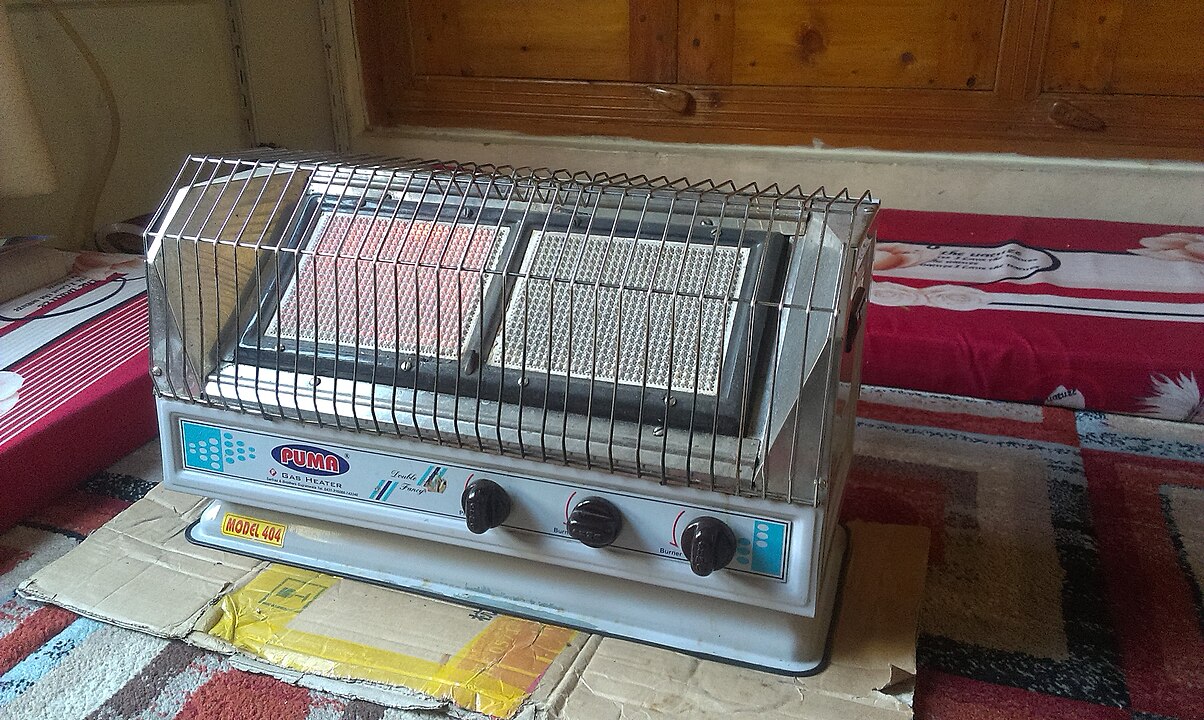
Space heaters bring warmth quickly, but they also pull heavy current and create intense heat in a small footprint, often near bedding or curtains. The National Fire Protection Association reports heating equipment as the leading cause of home fires from 2016 to 2020, with space heaters most often involved.
A heater can tip, have its intake blocked, or run against a cord that is not built for that load. The steadier habit is to use one only while someone is awake, keep clear space around it, avoid extension cords, and unplug it after each use. That routine makes warmth feel controlled, not like something lingering through the night.
Electric Blankets

Electric blankets are made for comfort, yet hours of unattended heat can stress wiring, especially on older models that have been folded or stored tightly. Weak spots often form along the cord path, and thick comforters on top can trap heat in ways the maker did not intend.
A calmer approach treats it like a bed warmer: run it 30 to 60 minutes before sleep, then switch it off and unplug it at bedtime. Keeping the cord flat, not pinned under a mattress, reduces strain. Seasonal checks still matter, since frayed fabric, scorch marks, stiff cords, or uneven warming signal it is time to replace the blanket before cold snaps.
Electronics And Chargers
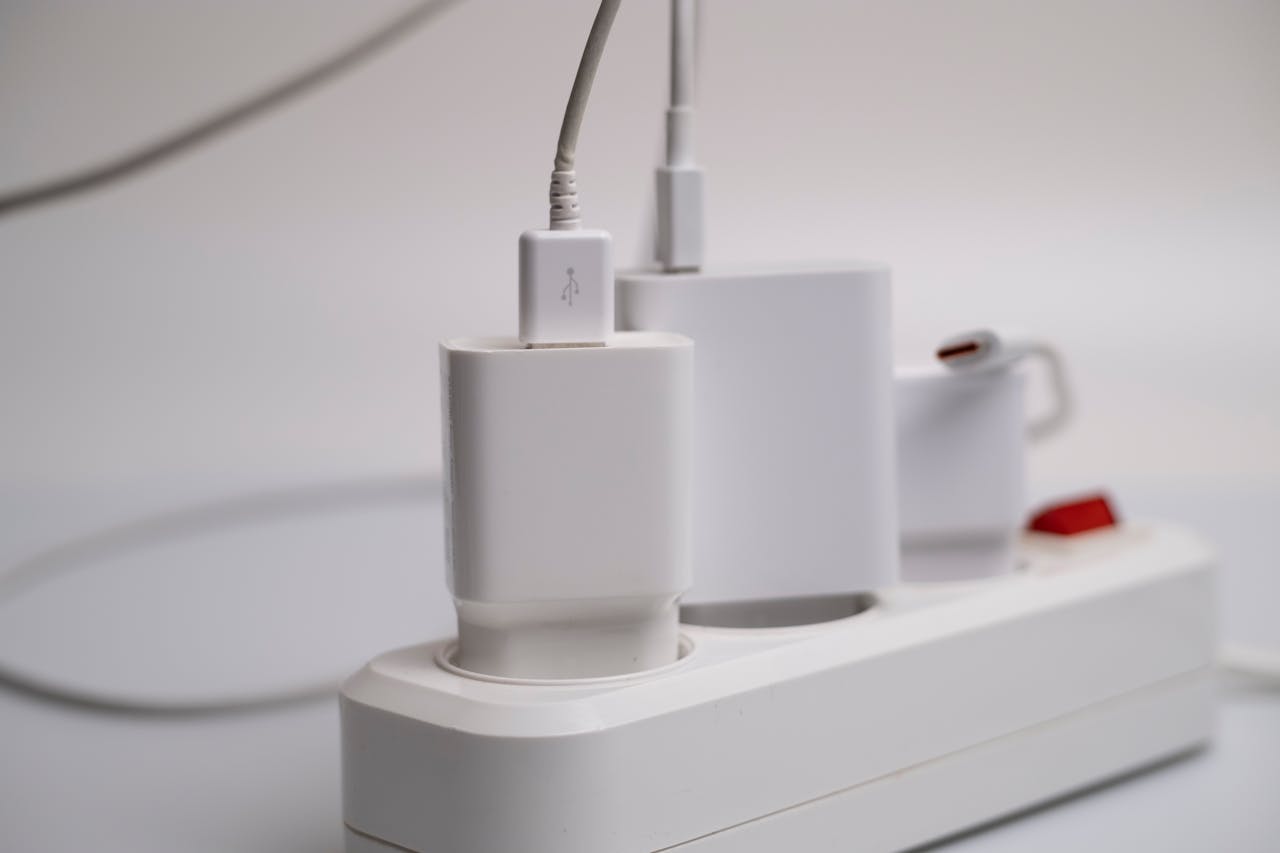
TVs, game consoles, computers, printers, and phone chargers often draw power even when they look idle. That phantom load keeps little transformers warm, leaves devices exposed to overnight surges, and rewards cords that are bent sharply behind furniture or frayed near the plug.
The risk is usually lower than with heating appliances, but the waste adds up, and a damaged cable can still cause trouble. A switched power strip can shut down a cluster at once, letting essential gear stay on while everything else truly powers down. It is a simple way to make nighttime quieter on the meter and calmer in the walls during hours of sleep.