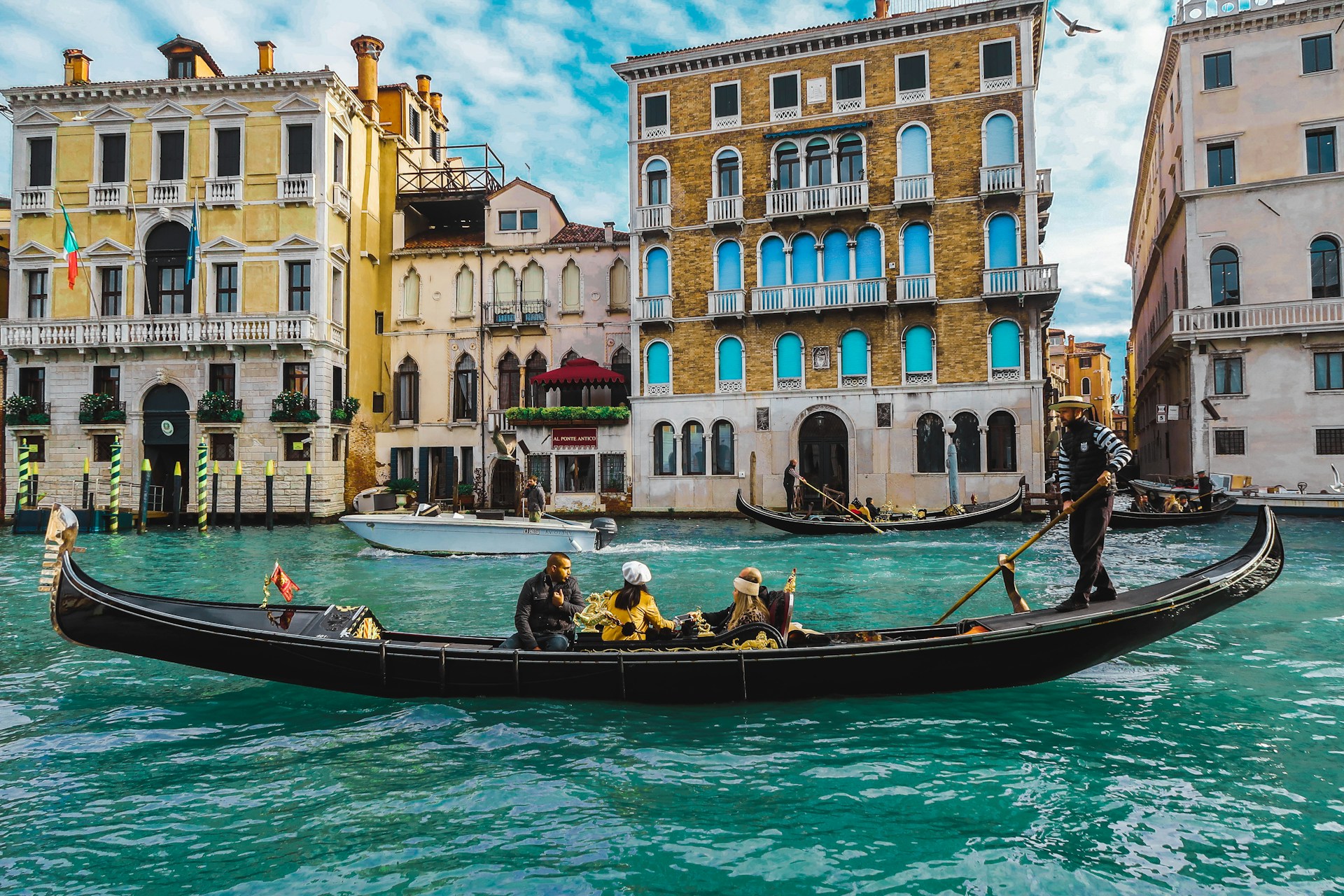
Travel can feel like a friendly exchange until daily life starts bending around it. In a handful of famous places, streets built for neighbors now carry nonstop foot traffic, while short-term rentals squeeze housing and push rents higher. When local services tilt toward visitors and cultural spaces turn into backdrops, irritation stops being private. The pushback shows up as louder marches, new rules, and neighborhoods drawing clearer boundaries. These destinations are still magnetic, but the social agreement that kept tourism pleasant is being renegotiated in real time. What surfaces is not hate, but a demand for balance.
Barcelona, Spain: Water Guns and Warning Signs

Barcelona’s frustration turned visible in summer 2024, when protesters in the Gothic Quarter used water pistols on café terraces and left warning graffiti in heavily visited lanes. A July 2024 march drew about 3,000 people, and some groups taped hotel exits or cordoned tourist services in public squares.
The anger is rooted in housing. Activists say short-term rental pressure has lifted rents by about 40% in areas like Barceloneta and El Raval since 2018. Visitor totals were about five million in 2024, roughly 100,000 fewer than 2023, a small dip that still feels overwhelming on the ground, especially during crowded weekends.
Mallorca and the Balearic Islands: Living in Cars
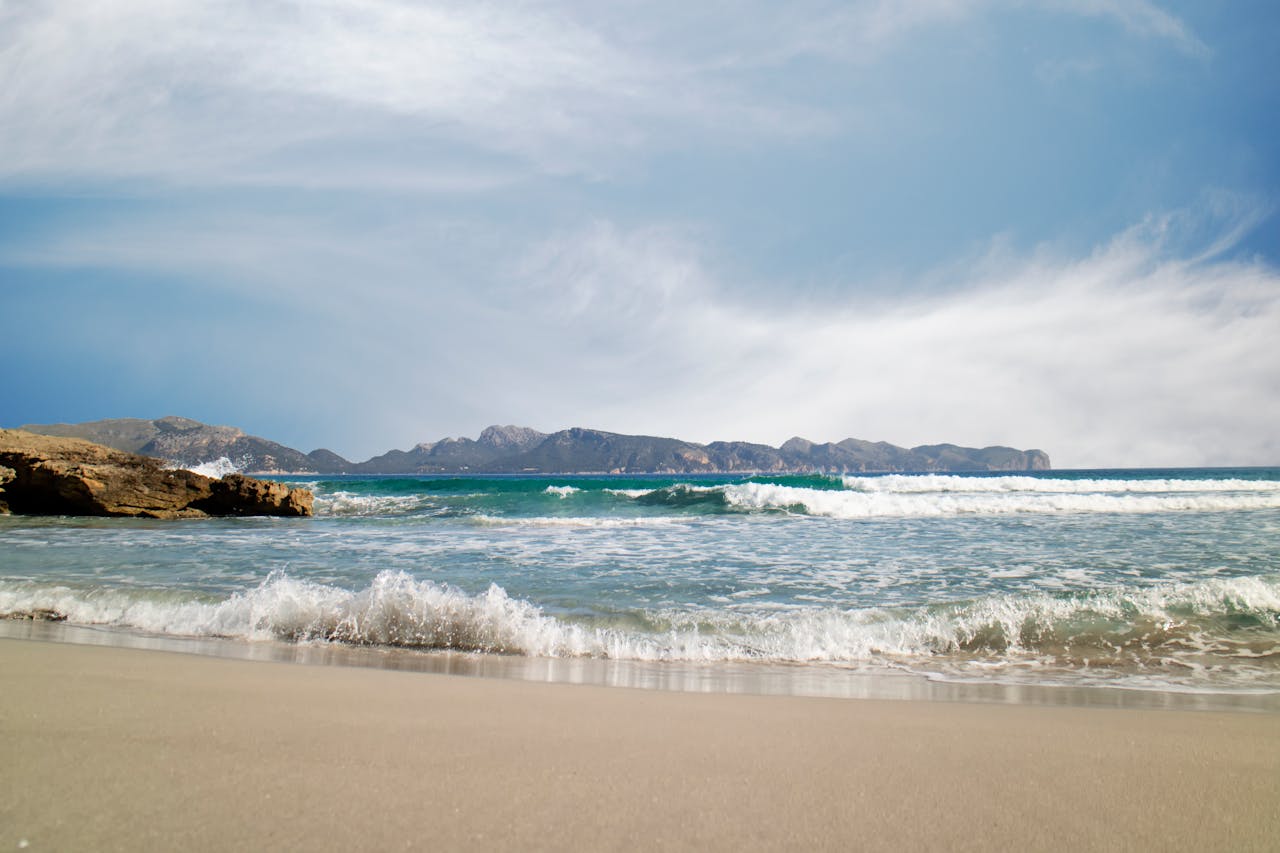
Mallorca’s backlash starts with housing. By 2024, about 1,000 residents on the island were living in vehicles as short-term stays outbid long-term leases. In Palma, protests on May 26, 2024, drew about 10,000 people, after earlier actions on May 25 across Mallorca, Menorca, and Ibiza.
An evening march on July 21 grew to as many as 50,000, showing how broad the frustration runs. Locals argue tourism revenue does not keep rents stable or wages livable. In the Canary Islands, about one-third of residents were at risk of poverty in 2023 despite the tourism boom, a nearby example that made the warnings feel urgent. For many families.
Venice, Italy: A Fee for a City That Is Emptying Out
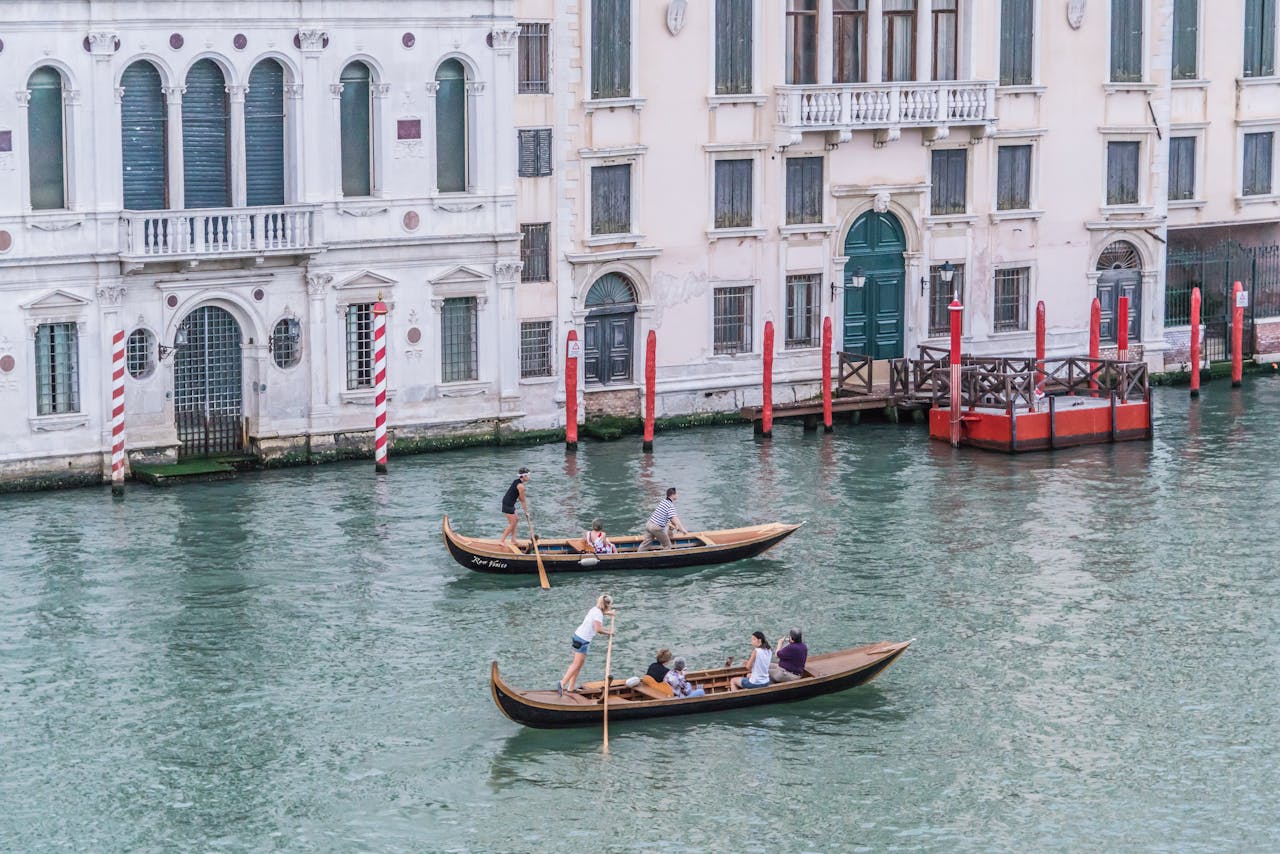
Venice has been thinning out for decades, dropping from about 170,000 residents in the 1950s to under 50,000 roughly 75 years later. Against that backdrop, around 20 million people visited last year, and the city introduced a €5 day-tripper fee in April 2024 to reduce pressure.
The fee did not calm everyone. Venetians marched at the main bus terminal with banners calling for services and housing, not tickets. Tourist beds have now surpassed resident-owned beds, and six in 10 homes are considered tourist-only rentals, reinforcing a fear that the city is being traded for a visitor economy. That shift hits schools and shops first.
Kyoto, Japan: Banned Alleys, Clearer Boundaries

Kyoto’s tension is less about volume than about boundaries. From April 2024, officials barred tourists from entering narrow backstreets in parts of Gion to protect geisha and maiko from constant photo pursuit. Complaints included visitors blocking paths, tugging at kimono fabric, pulling hair ornaments, and insisting on posed shots.
Authorities had already introduced penalties in 2019, but behavior kept spilling into daily work. New signs made the rule plain, backed by a 10,000 yen fine, about $65. Respect became policy. The goal was not to shut out guests, but to keep a living tradition from being treated like street theater.
Tulum, Mexico: Paradise With a Sharper Edge
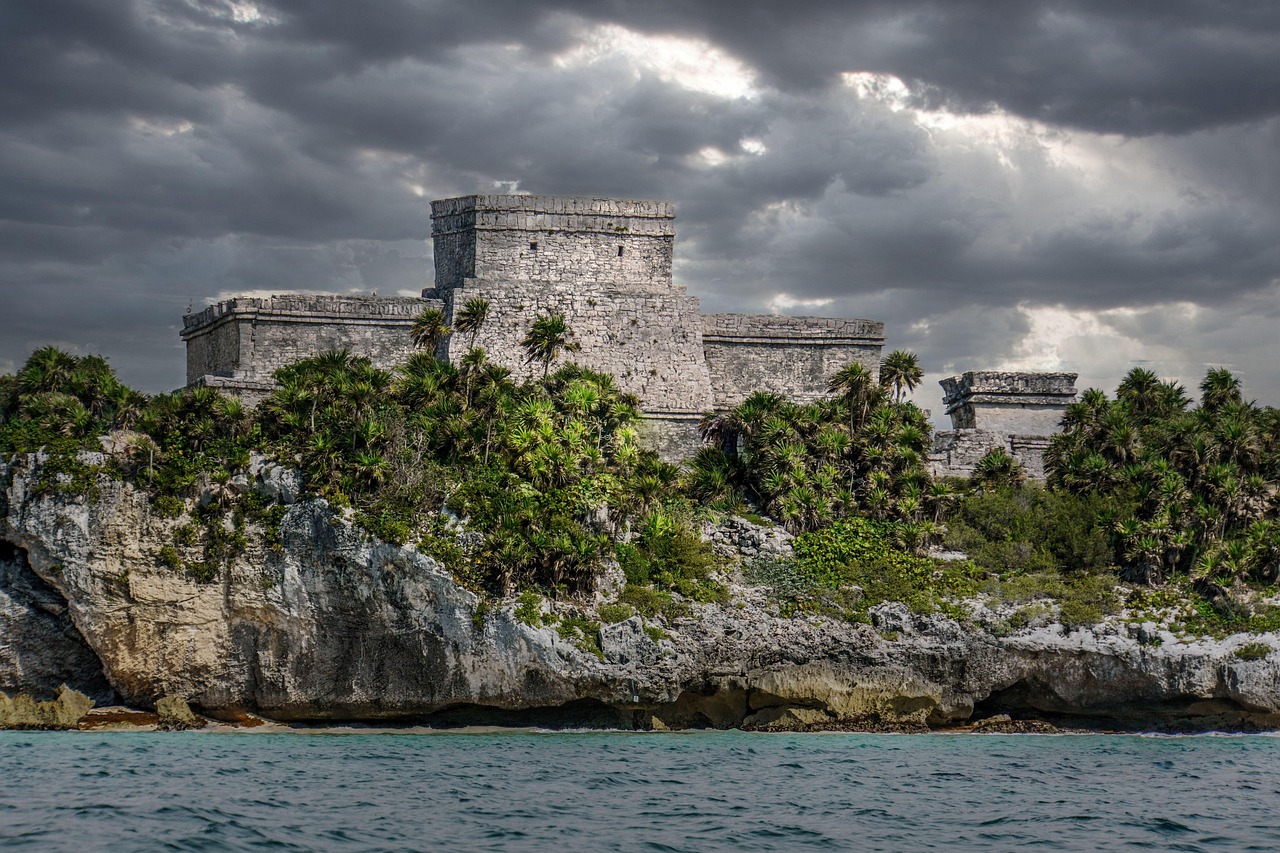
On Mexico’s Caribbean coast, the strain is tied to safety. Cartel rivalries have at times surfaced near tourist corridors, including an Oct. 2023 shooting at Cancún’s airport that resulted in two gang deaths. In Quintana Roo, officials recorded 611 homicides in 2023, up from 554 the prior year.
The U.S. State Department has warned of increased violent crime in the state, including armed robbery and assault. A recent snapshot in the same reporting notes 46 homicides between Sept. 2024 and Aug. 2025, about 9 per 100,000 residents. The mood can shift fast, even around well-known resorts. Tourism pays bills, but locals want calm.