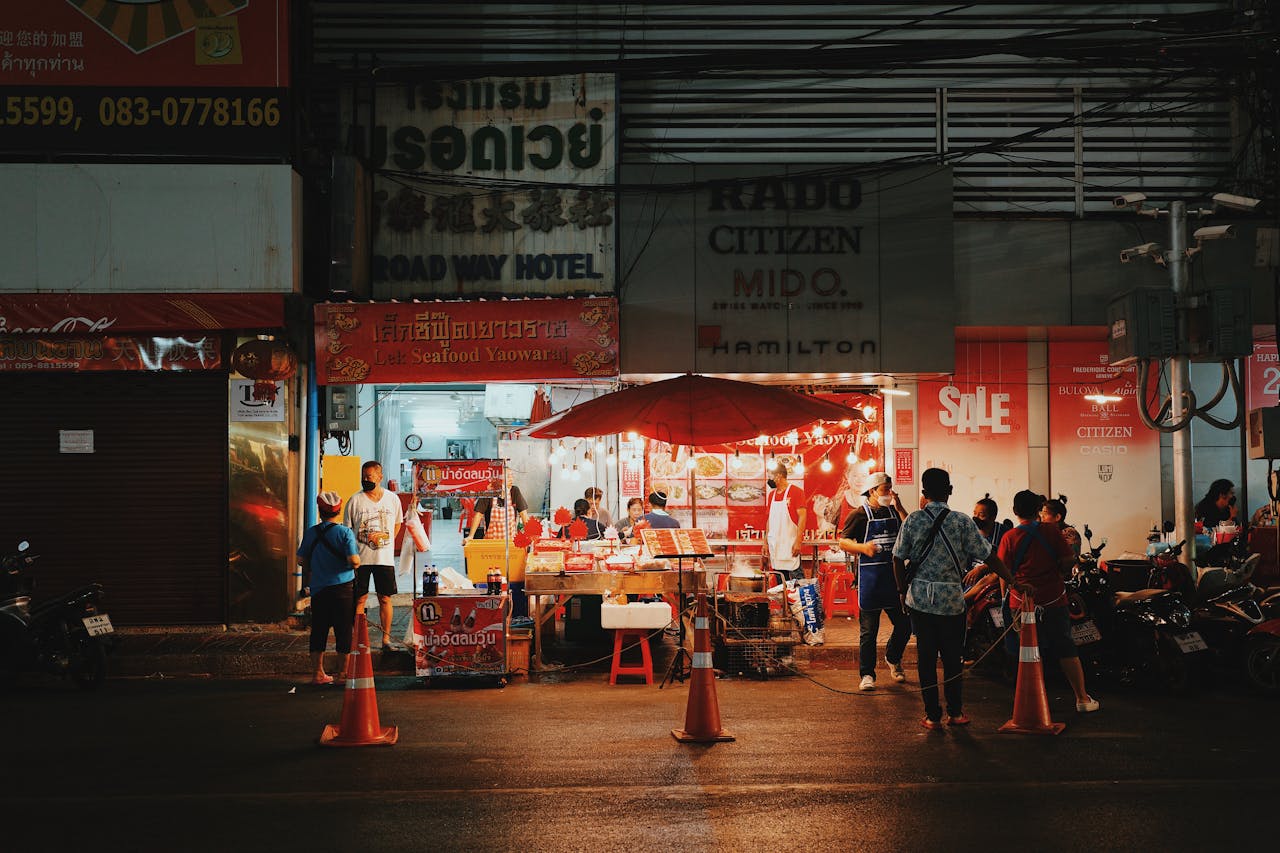
Late-night markets once gave cities a second heartbeat. After dinner, workers, students, and insomniacs followed light and smoke to stalls that sold supper, fruit, and small necessities. Prices were flexible, and vendors learned orders by name.
The hours felt forgiving. Radios hummed, steam fogged the air, and conversations drifted between strangers. A quick stop for noodles or tea could turn into routine.
Across many places, those rituals are thinning out. Higher rents, stricter permits, and app-based delivery pull commerce indoors and earlier. When the last cart rolls away, whole streets go silent at the hour they used to feel most alive.
Street Supper Lanes After Midnight
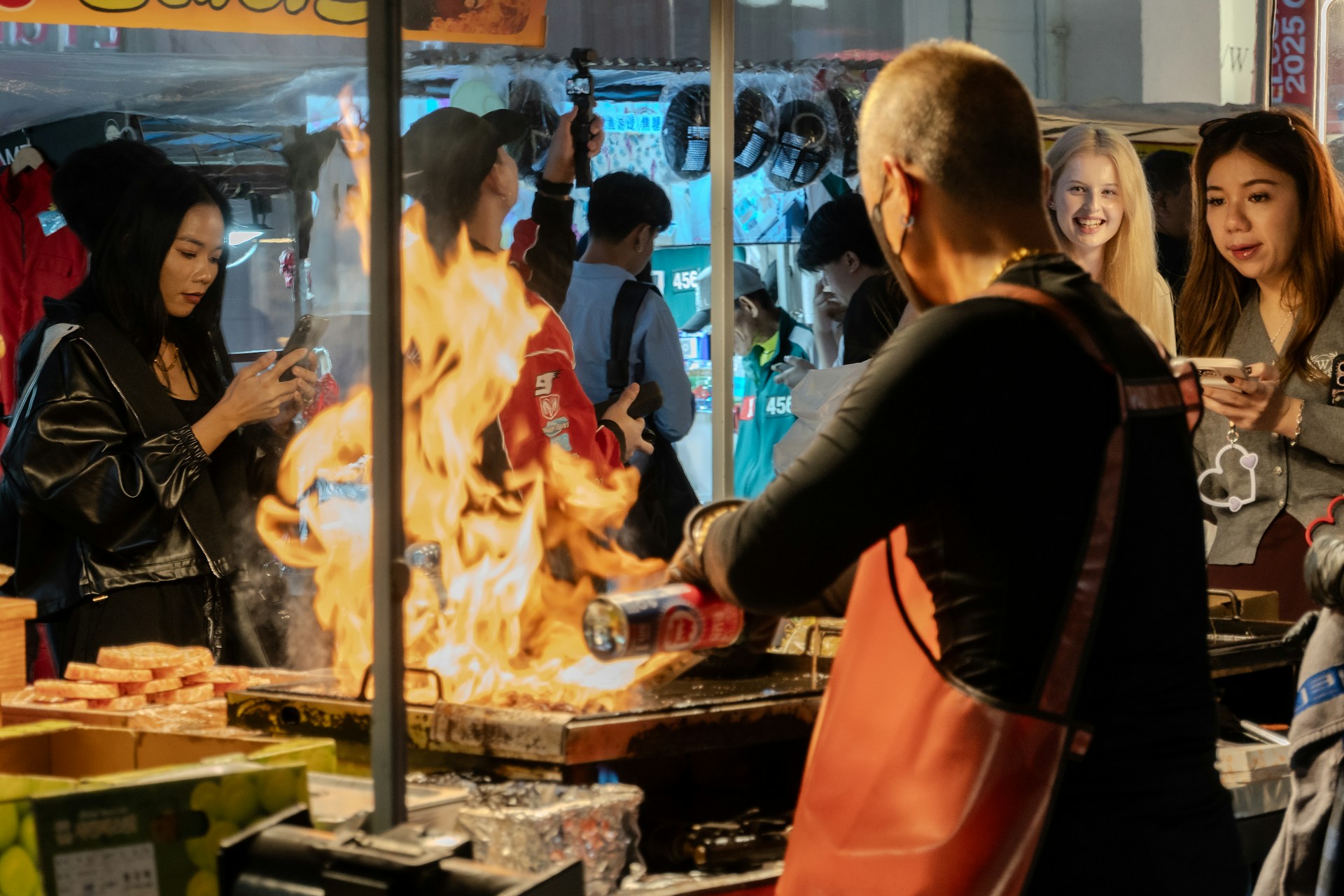
Some streets used to come alive after midnight, when small grills stayed hot and cheap stools filled fast. Night-shift workers ate shoulder to shoulder, and the cook moved by feel, flipping skewers while taking cash with the other hand.
The menu stayed simple: one soup, one noodle dish, a plate of fried bites. Regulars came for the same flavors and the easy talk that floated between tables.
More lanes now close by 11 p.m. as rents rise, staffing thins, and inspections discourage late hours. Delivery orders replace walk-up lines. When shutters drop early, the street loses its warmest shift. The smell fades sooner, and the corner feels empty.
Pre-Dawn Fish Auctions Turning Private
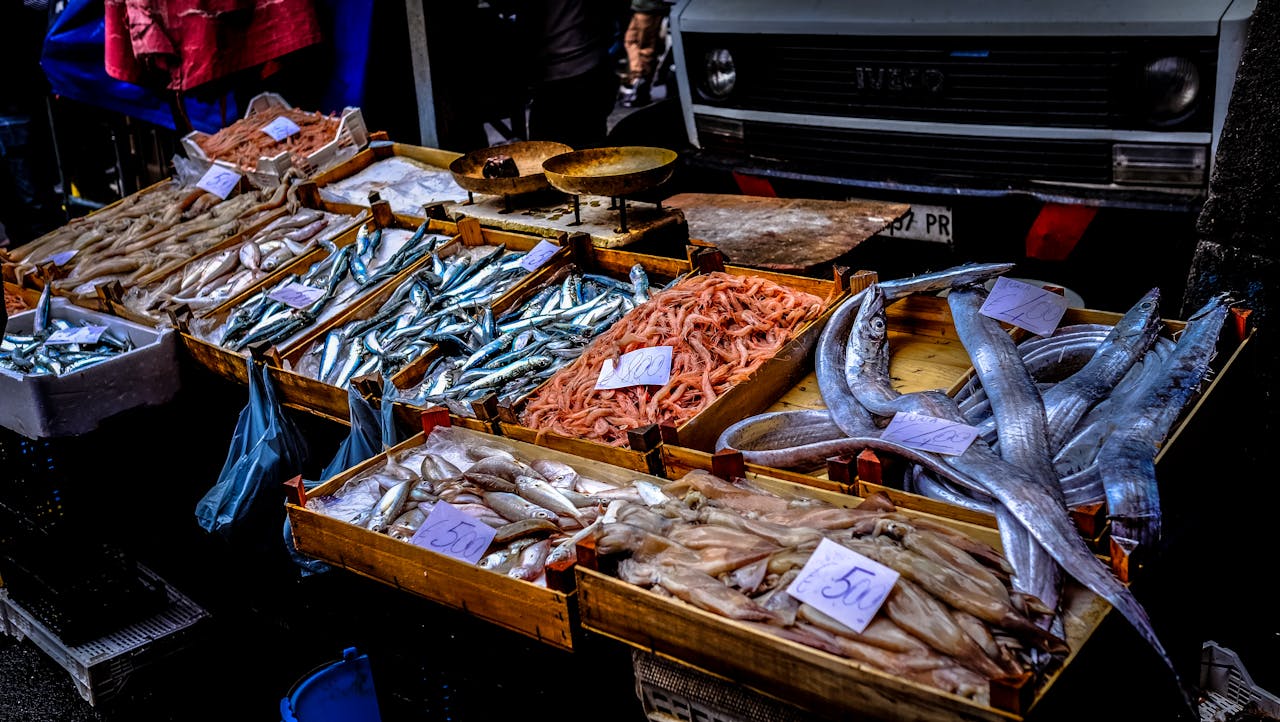
Before sunrise fish markets once worked like a clock. Buyers watched crates hit the floor, checked eyes and gills, then bid in quick bursts before the ice melted. Chefs learned the day’s menu by what the sea delivered, not by a spreadsheet.
The public energy mattered. Porters hauled boxes, elders offered blunt advice, and newcomers learned fast where quality hid in a pile.
Many auctions still exist, but access is narrowing. Contracts, private docks and digital bidding favor big buyers, while small kitchens struggle to compete. The shoreline stays active, yet the ritual feels quieter. The crowd fades, and the city loses its salty soundtrack.
Midnight Flower Runs Losing Their Crowd
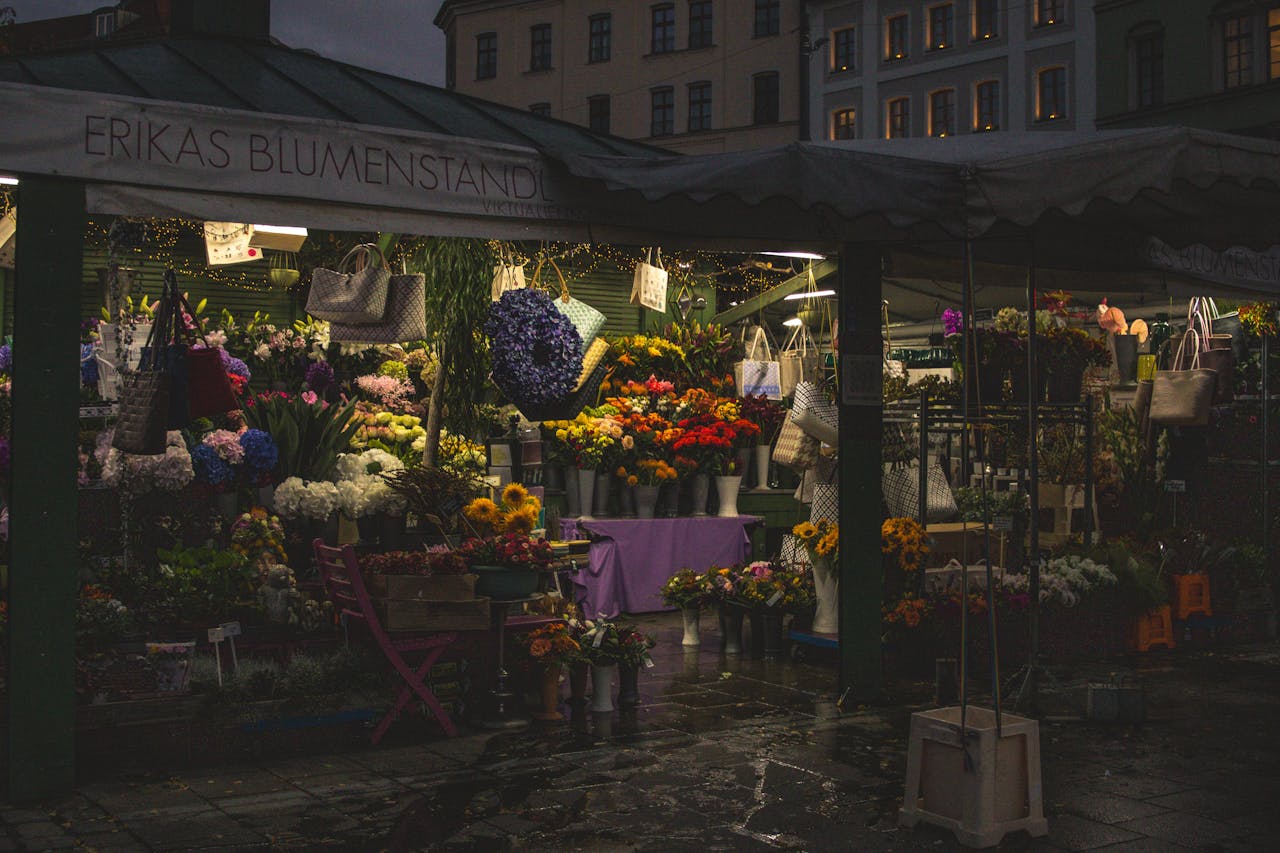
Wholesale flower rows once bloomed at odd hours. Florists walked buckets at 1 a.m. snapping stems, checking petals and building bundles before dawn deliveries began. The best sellers offered clear warnings about what would open by noon and what would wilt fast.
Those runs were social. People traded event gossip, compared prices, and left with wet hands and full carts, feeling like the day started early for a good reason.
Now many orders arrive pre-packed, with stricter minimums and tighter security. Fewer small growers means less choice, and quick pickup windows discourage browsing. Without lingering buyers, the market loses its quiet talk.
Night Flea Markets Replaced by Phone Screens
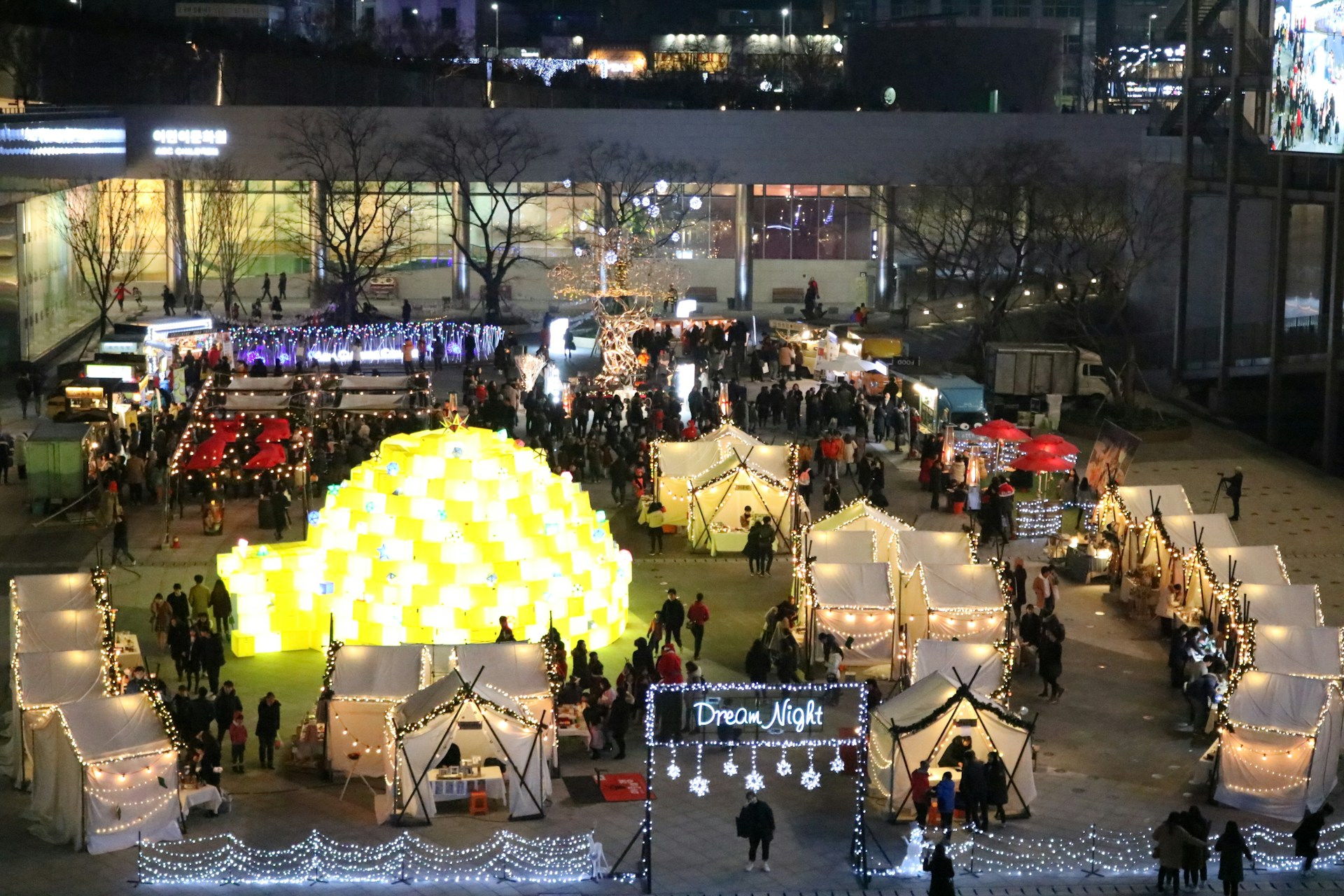
Late-night flea markets were built for wandering. Under bulbs, sellers spread tools, records, and old photos on blankets, and buyers moved slowly, listening for the story behind each item. Bargaining felt like a friendly contest, not a transaction.
The best moments happened late, when serious collectors stayed and casual crowds thinned. A single purchase could come with advice, a repair tip, or a bit of local history.
Online resale has pulled that hunt onto screens. Higher stall fees, stricter rules, and quick police checks push informal sellers out. Without the midnight crowd, whole blocks lose their small surprises, and streets sleep now.
Festival Night Bazaars Becoming Shorter Seasons
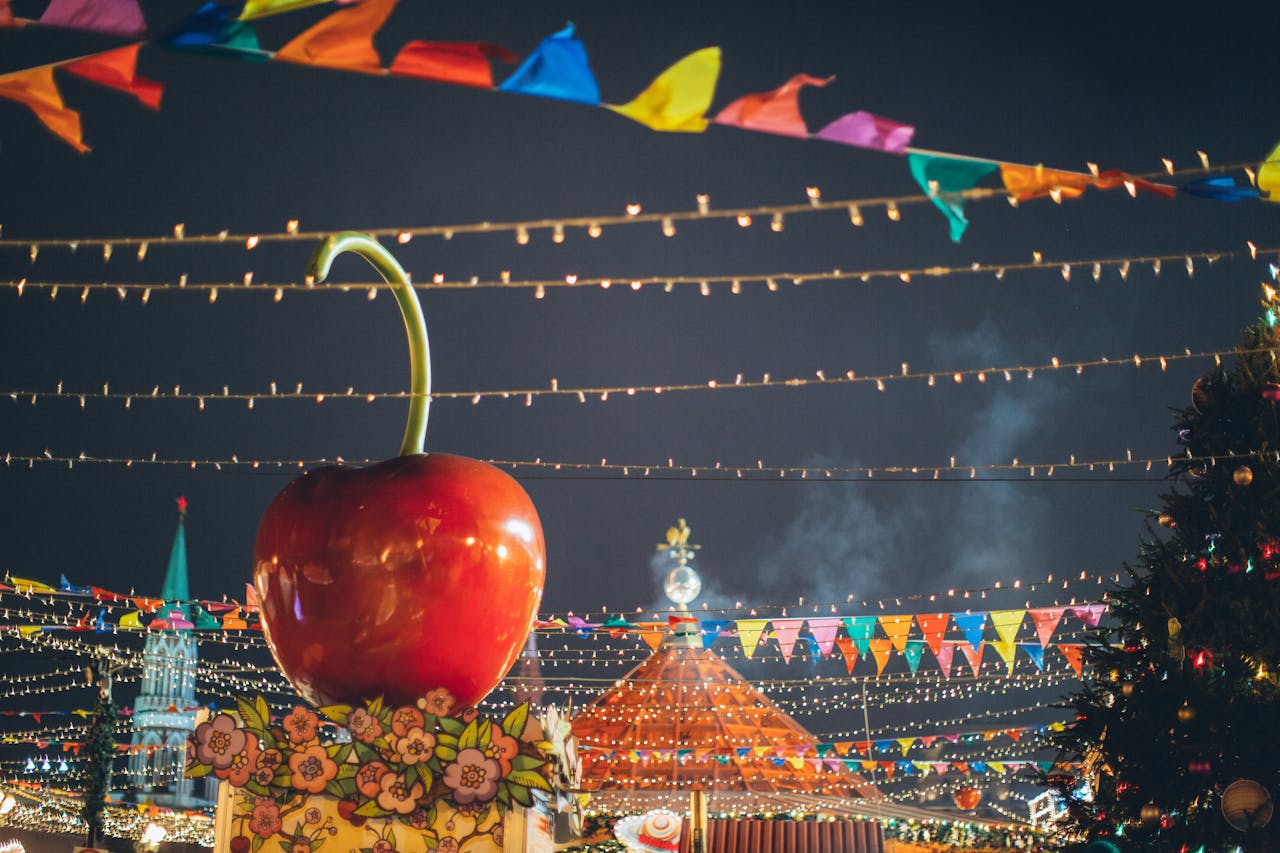
Seasonal night bazaars once stretched for weeks turning plain streets into lantern-lit corridors of snacks small rides, and pop-up games. Families arrived after dinner, and the real business started late when the air cooled and performers pulled circles of onlookers into the road.
The late hours were part of the charm. Vendors counted on the after-10 p.m. rush, and neighbors accepted the noise because it felt temporary and joyful.
Now the season often shrinks. Permit costs, insurance, security staffing, and stricter sound limits push events into weekends or earlier hours. When the lights switch off sooner, a familiar ritual stops returning.