14 Outrageous Laws in U.S. History That Sound Fake but Are Real

14 Outrageous Laws in U.S. History That Sound Fake but Are Real
Tara Winstead/Pexels
Discover 14 outrageous U.S. laws from history that sound fake but are real, backed by their historical context and implications.

Throughout the history of the United States, many laws have been enacted that seem downright absurd today, yet they were once considered necessary. Some were based on the social and political issues of their time, while others reflect outdated beliefs or priorities that seem out of touch with modern values. From bizarre bans to strange prohibitions, these laws provide a fascinating look into the history of legal systems and societal values. In this article, we’ll explore 14 outrageous laws in U.S. history that sound fake but are real, each rooted in real events, and the reasons behind them.

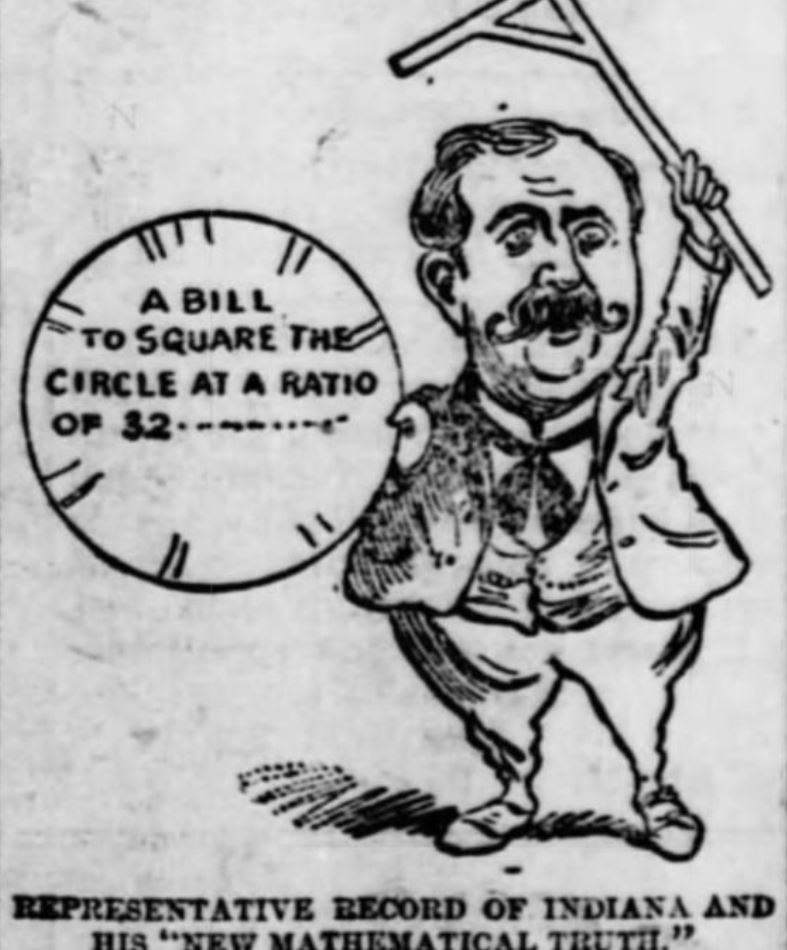
1. Anti-Obscenity Law in Indiana (1897)
Anti-Obscenity Law in Indiana (1897)
Public Domain/Wikimedia Commons

In 1897, the state of Indiana passed a vague anti-obscenity law designed to censor materials deemed “immoral.” The law, which applied to books, art, and other media, was part of a broader trend in the late 19th century aimed at maintaining moral standards. The vague wording of the law led to widespread censorship and legal challenges, affecting free speech and artistic expression. The law’s ambiguity led to it being criticized, and it was eventually repealed, but its impact on censorship in the state was far-reaching at the time.

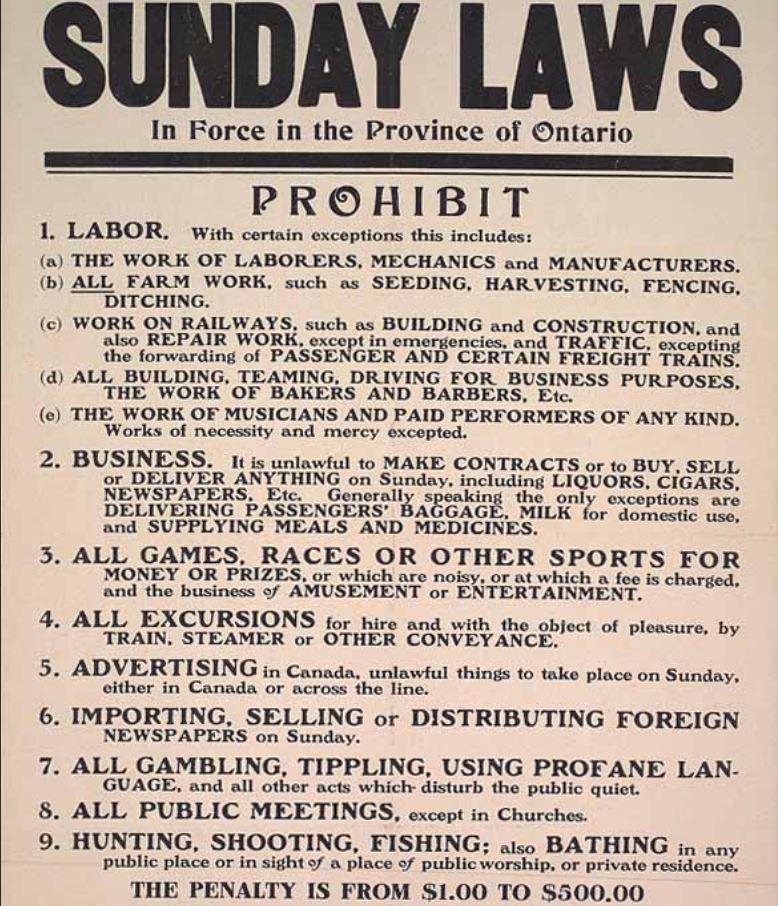
2. Blue Laws in Connecticut (1650s)
Blue Laws in Connecticut (1650s)
Public Domain/Wikimedia Commons

In the 1650s, the colony of Connecticut passed a strict set of regulations known as the “Blue Laws,” which were designed to regulate Sunday activities. These laws prohibited a variety of activities, including dancing, playing cards, and even unnecessary walking. The goal was to preserve the sanctity of the Sabbath by limiting frivolous activities. Though these laws have been largely relaxed, traces of them still exist in some areas of the U.S. through “blue laws” that govern business hours on Sundays.

3. Prohibition of Spitting on Sidewalks in New York (1896)

Bike Riding Rules on Sidewalks
Paul Krueger, CC BY 2.0/Wikimedia Commons

To combat the spread of tuberculosis, New York City passed a law in 1896 that banned spitting on sidewalks. At the time, tuberculosis was rampant, and public health officials believed that spitting in public spaces contributed to the spread of the disease. The law aimed to maintain hygiene and prevent further transmission, but it was also seen as an early example of legal measures taken to regulate public health. Although this law was not always enforced strictly, it marked a notable moment in the development of public health laws in urban settings.

4. Women’s Voting Ban in New Jersey (1797)
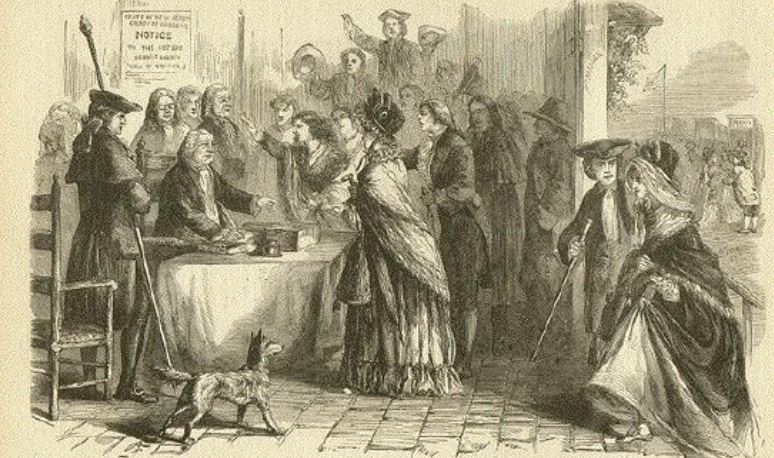
Women’s Voting Ban in New Jersey (1797)
Public Domain/Wikimedia Commons

New Jersey, an early leader in women’s suffrage, allowed women to vote under its 1776 constitution, but this right was rescinded in 1807. In 1797, the state passed a law that specifically restricted the vote to male citizens, effectively ending women’s suffrage in the state. This move reversed the progressive stance on women’s rights and marked a shift toward the widespread disenfranchisement of women in the U.S. It wasn’t until the 19th Amendment in 1920 that women regained their right to vote nationwide.

5. Law Against Fortune Telling in New York (1930s)
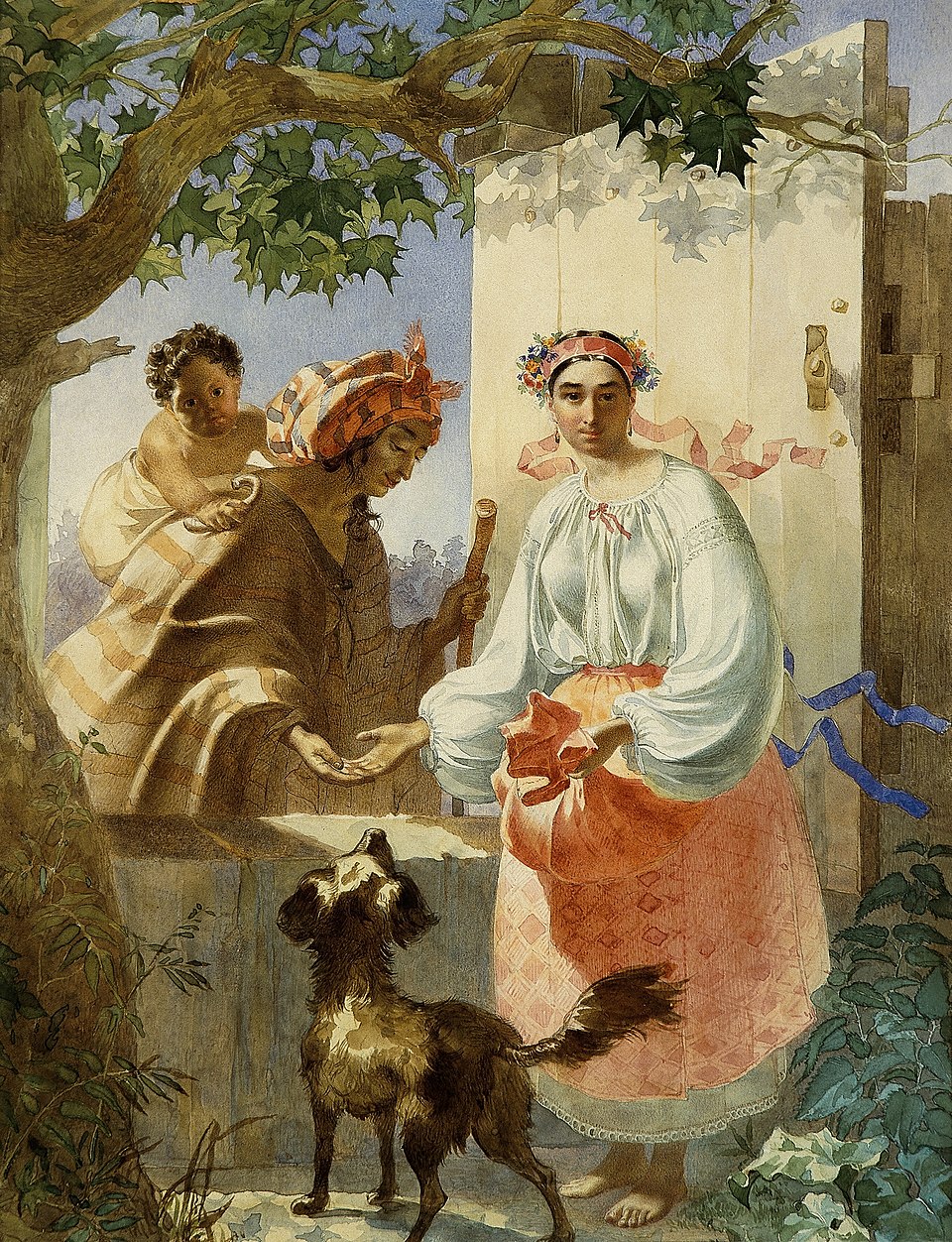
Law Against Fortune Telling in New York (1930s)
Public Domain/Wikimedia Commons

In the 1930s, New York State passed a law that made fortune-telling a misdemeanor. The law aimed to curb fraudulent psychic practices that preyed on vulnerable individuals seeking answers or guidance. Fortune-telling, as well as palm reading and other forms of divination, were classified as fraudulent activities under the law. Though it is rarely enforced today, the law remains on the books, reflecting the state’s ongoing interest in preventing deception in spiritual or mystical services.

6. “No Beer in Cans” Law in Michigan (1930s)
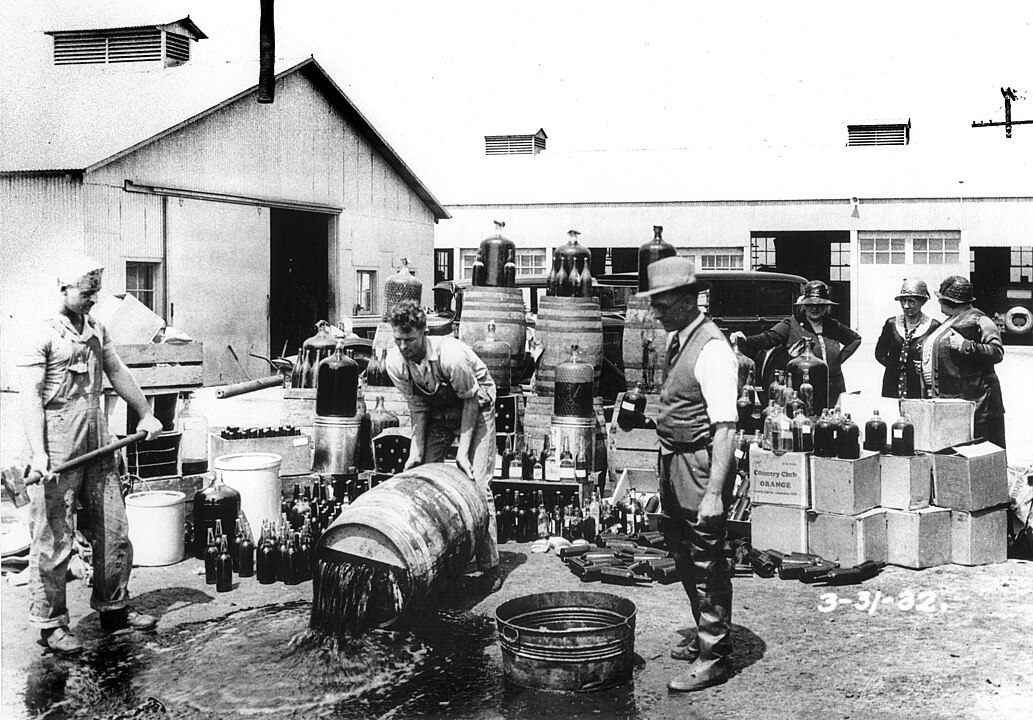
"No Beer in Cans" Law in Michigan (1930s)
Orange County Archives, CC BY 2.0/Wikimedia Commons

During the 1930s, Michigan passed a law that banned the sale of beer in cans. This law was influenced by the power of glass bottle manufacturers, who lobbied to keep cans off the market. The belief at the time was that glass bottles were a higher-quality method of packaging beer, and the can was viewed as inferior. The law was part of a broader movement of state regulations around alcohol during the Prohibition era, which aimed to control alcohol sales in various ways. The law was eventually repealed, but it remains a curious chapter in Michigan’s legislative history.

7. “No Dancing on Sundays” Law in Utah (1960s)
Breakdancing cardboard mats
Wahrmund, CC0/Wikimedia Commons

In Utah, a law was passed in the 1960s that prohibited dancing on Sundays. This was part of a larger set of “Blue Laws” that sought to maintain the sanctity of the Sabbath by limiting recreational activities on Sundays. The law aimed to prevent what was seen as sinful or unnecessary activity, including dancing. Over time, the law was repealed, but it reflects the moral and religious influence of the time, particularly in the state of Utah, where conservative religious beliefs played a central role in shaping laws.

8. Anti-Obscenity Law in Michigan (2013)
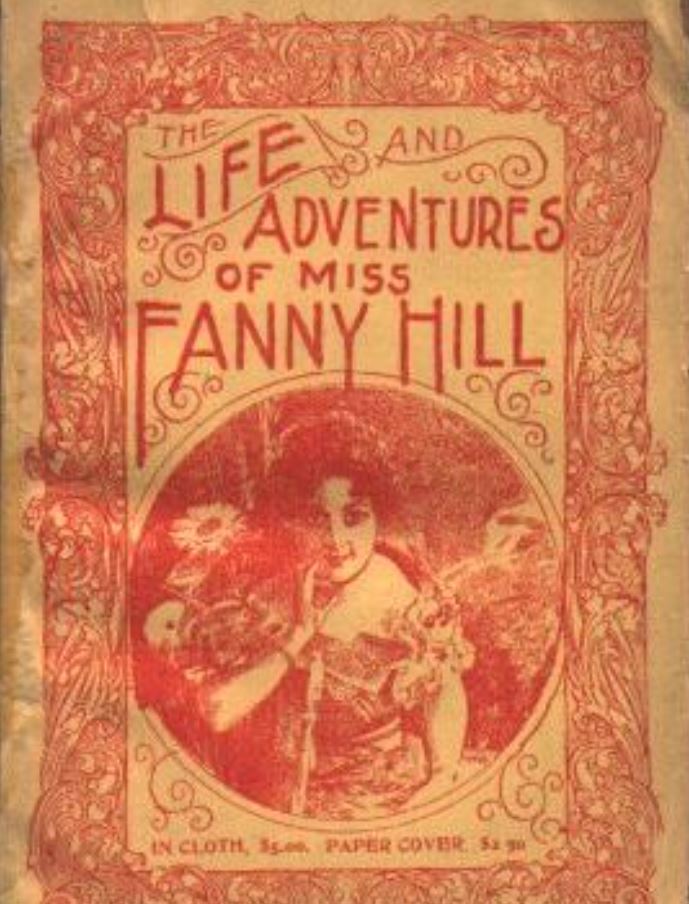
Anti-Obscenity Law in Michigan (2013)
Public Domain/Wikimedia Commons

Contrary to some misleading reports, Michigan did not pass a new “anti-pirate” law in 2013. The myth of an “anti-pirate law” in Michigan arose from a satirical or misrepresented news report and has no basis in reality. While Michigan has passed laws aimed at regulating piracy on the Great Lakes in the past, no new legislation was passed in 2013 specifically targeting pirates or piracy activities in the state.

9. Snowball Fights Ban in Colorado Springs (1920s)

Snowball Fights Ban in Colorado Springs (1920s)
Liza Summer/Pexels

The idea that Colorado Springs passed a law banning snowball fights in the 1920s is based on a misinterpretation of local public nuisance ordinances. While there have been laws and ordinances in many cities aimed at regulating public behavior, there was never an official law in Colorado Springs specifically banning snowball fights. The story likely grew out of a broader push to limit throwing objects in public spaces, but the myth of a snowball fight ban remains unsubstantiated.

10. Law Against Singing in Public in Florida (1930s)

Singing Off-Key, North Carolina
RDNE Stock project/Pexels

There is no record of a Florida law from the 1930s that banned public singing without a permit. This claim likely arises from a misunderstanding of local noise ordinances, which were common in many cities to prevent disturbances. Public nuisance laws were frequently used to regulate noise levels in urban areas, but there was never a specific ban on singing in Florida, let alone one that required a permit.

11. Kentucky’s “No Coffins in Cars” Law (1800s)

Kentucky's "No Coffins in Cars" Law (1800s)
Pavel Danilyuk/Pexels

The claim that Kentucky passed a law prohibiting coffins in cars in the 1800s is a fabricated myth with no historical evidence. This is a typical example of the bizarre “weird laws” lists that circulate online, but there is no verifiable documentation of such a law in Kentucky or anywhere else. It remains a staple of urban legends but is not based in fact.

12. Law Against Fake Mustaches in Alabama (1890)

No Fake Mustaches in Church, Alabama
ArturSkoniecki/Pixabay

The claim that Alabama passed a law banning fake mustaches in 1890 is yet another urban myth with no factual basis. This is a widely circulated story, often included in lists of “weird laws,” but there is no historical record to support this claim. It appears to be a playful addition to the bizarre laws myth, but it does not reflect any actual legislation in Alabama.

13. “No Unmarried Women Can Ride in Cabs Alone” (New York, 1908)
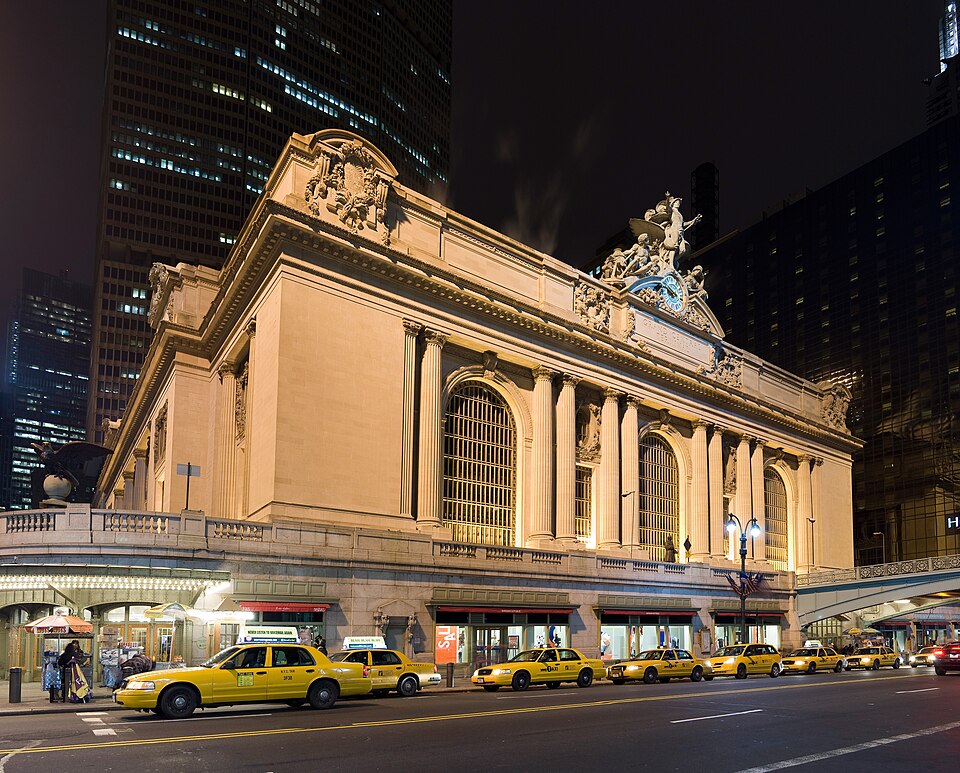
"No Unmarried Women Can Ride in Cabs Alone" (New York, 1908)
Fcb981, CC BY-SA 3.0/Wikimedia Commons

While women in the early 20th century faced many societal restrictions, there is no historical evidence of a specific law in New York City in 1908 that prohibited unmarried women from riding in cabs alone. This myth likely stems from the restrictive social norms of the time, but there was no actual law banning this behavior. The story is more reflective of the gendered expectations of the era than a real legal statute.

14. “No Ice Cream on Sundays” Law in Georgia (1924)

Ice Cream Cups
Killarnee, CC BY-SA 4.0/Wikimedia Commons

The story of a Georgia law banning the sale of ice cream on Sundays is a widely circulated urban legend with no substantiated historical record. While Sunday laws regulating certain activities did exist in some states, there is no evidence to support the claim that Georgia ever passed a law specifically banning ice cream sales on Sundays. This myth continues to be repeated but lacks any factual foundation.


1 Shares:
You May Also Like
7. Gift Math And Adjusted Timelines
Read More

10 Souvenirs That Replaced Postcards, and Why They Took Over

# 10 Souvenirs That Replaced Postcards, and Why They Took Over Postcards used to be the official proof that someone had gone somewhere else, even for a weekend. One photo, a rushed note, and a stamp did the job. As phones made updates instant and mailing got fussier, the postcard shifted from habit to novelty. Shops did not stop selling memories, they just changed the format. People started picking objects that stayed in daily circulation: something to wear, use, taste, or display. These souvenirs carried place and personality without requiring neat handwriting or a correct address. The result is a quieter kind of storytelling, where the trip keeps resurfacing in kitchens, pockets, and routines long after the suitcase is zipped away. Even the smallest keepsake can outlast paper. ## Fridge Magnets Postcards showed up late, then got buried, no stamp, no address, no delivery gamble saving the moment. Fridge magnets solved that by living in plain sight, pinning grocery lists and kid art under the same skyline, ferry silhouette, or metro line diagram, so the memory stayed active instead of archived. Shops moved past generic landmark photos into neighborhood slogans, food sketches, and mini maps, because one glance could bring back market chatter and platform noise; they pack flat, survive rentals and moves, and invite multiples, turning a single fridge door into a casual, constantly updated timeline of places that still matter. ## Travel Stickers And Decals Stickers turned souvenirs into something that traveled again. Instead of mailing a postcard to one person, a decal could live on a laptop, water bottle, bike frame, or scuffed suitcase, building a layered map of routes through station codes, park crests, bookstore logos, and hand drawn mascots that sparked conversation in cafés and airport lines. Because they are waterproof, cheap, and sold in sets, they became easy gifts and easy trades, and wear looks honest, not ruined; each scratch and overlap shows what came after, making the object feel like a passport with a growing, visible history that never needs framing. ## Enamel Pins And Patches Enamel pins and patches gave the postcard image weight and texture, turning a skyline or mascot into something that could be worn. A tiny badge of a mountain ridge, museum logo, or neighborhood diner sat on a jacket or backpack for years, acting like a quiet signal in transit stations and coffee lines, not a message begging for postage. Shops leaned into limited runs, artist collaborations, and city only series, so the souvenir felt chosen, not generic; extras were gifted, swapped, or used to cover a tear, and the metal or thread handled rain and repeat trips with ease while a pinboard at home kept the timeline intact. ## Keychains And Bag Charms Keychains and bag charms replaced the postcard rack impulse with something that had a job to do. Keys get grabbed every morning, and charms ride on zipper pulls and backpacks, so a metal tag or leather fob kept the trip in circulation, stamped with coordinates, an arrival year, or a street sign shape that felt like a postmark without the paper. Many versions doubled as bottle openers or tiny tools, so the souvenir earned its space, and pocket wear became part of the story, turning scratches and softened edges into proof that the memory moved through real weekdays, rentals, and commutes, not just a perfect weekend photo. ## Tote Bags, Tees, And Caps Apparel made souvenirs feel less like clutter and more like identity. A tote from an art bookstore, a tee from a surf town, or a cap from a ballpark got worn again and again, carrying the place into errands, classes, and casual nights out, and sometimes turning into the default travel uniform on the next flight. Shops shifted from generic landmark photos to sharper typography, neighborhood slang, and local brand logos that signaled taste as much as geography; the best pieces were soft, well cut, and easy to pack, so gifting one felt practical, and the souvenir kept earning attention without taking up shelf space or needing a frame. ## Mugs And Local Drinkware Mugs turned travel into a daily ritual instead of a mailed update, because morning coffee landed in ceramics printed with a neighborhood map, a museum crest, or a local roaster logo and the memory resurfaced when the kettle clicked off. Cafés and galleries pushed limited designs, handmade glazes, and seasonal runs, so the purchase felt closer to a small piece of art than a generic souvenir. Tumblers, pint glasses, and tea cups also solved storage: they stack, survive moves, and look better with use, and they show up at dinners and chats, letting one shelf hold years of trips without becoming a dusty pile of paper. ## Snacks, Spices, And Pantry Finds Edible souvenirs did what postcards tried to do, but faster, because a jar of chili crisp, a regional spice blend, or a bag of saltwater taffy could be opened the night someone got home and turn storytelling into tasting. Markets and airports helped by selling sealed sweets, vacuum packed coffee, and sturdy tins built for carry ons, so the food survived long routes and still felt tied to the place where it was found. It also dodged clutter: once shared at an office desk or family table, it disappeared, yet the flavor lingered, and people often remembered a street, a song, or a shopkeeper’s grin more clearly than any glossy photo. ## Ornaments And Tiny Home Decor Ornaments became postcards with a return date, because a hand painted bauble from a night market or a miniature landmark for the tree reappeared every December and unboxing it felt like rereading a message from an older self. Outside the holidays, tiny home décor did the same work: coasters, tea towels, ceramic tiles, and matchboxes that lived on counters, ready to be noticed during ordinary mornings. These pieces asked for no postage and no framing, only a place in the house, and they resurfaced at the right moments, when guests arrived, when winter gatherings started, or when a quiet afternoon made nostalgia feel welcome. ## Art Prints, Zines, And Pocket Books Small prints and zines gave the postcard a smarter cousin, because instead of the same sunset photo, travelers brought home risograph posters, line drawings of street corners, and pocket guides written by locals, sometimes signed or numbered, which made the memory feel chosen, not grabbed. The message lived in the taste of the selection, not the handwriting, and the paper felt worth keeping because it had a point of view. Unframed pages fit clip rails, journals, or gallery walls, and buying from an artist table or neighborhood bookshop let the souvenir support the place directly, keeping the trip alive through design, not postage. ## Tattoos As Travel Keepsakes For some travelers, the replacement became permanent, and that permanence was the appeal. A tiny wave, coordinates, or a symbol developed with a local artist could not be lost in a move or tossed in a cleanout, and booking an appointment made the souvenir feel like commissioning art, not grabbing merch near the register. It also solved the postcard problem cleanly: no postage, no delay, no single recipient, just a story carried forward on skin, whether it is a port city anchor or a mountain contour line, quiet until a sleeve rolled up or a wrist turned and the place appeared again, right on time in conversation or solitude. The postcard never really lost its charm; it lost its role. Modern souvenirs win because they do not ask for extra steps, and they refuse to stay hidden. A magnet gets touched, a mug gets lifted, a spice blend gets passed across the table, and a pin rides through another trip. That repetition is the secret. Instead of proving travel happened, these objects let the memory keep happening, in small flashes that feel honest. In the end, the best keepsake is the one that blends into daily life and still pulls a place back into focus, without fanfare. **Excerpt (130 characters):** Postcards faded, but magnets, mugs, stickers, snacks, and small art brought travel home, letting memories live in real life still.