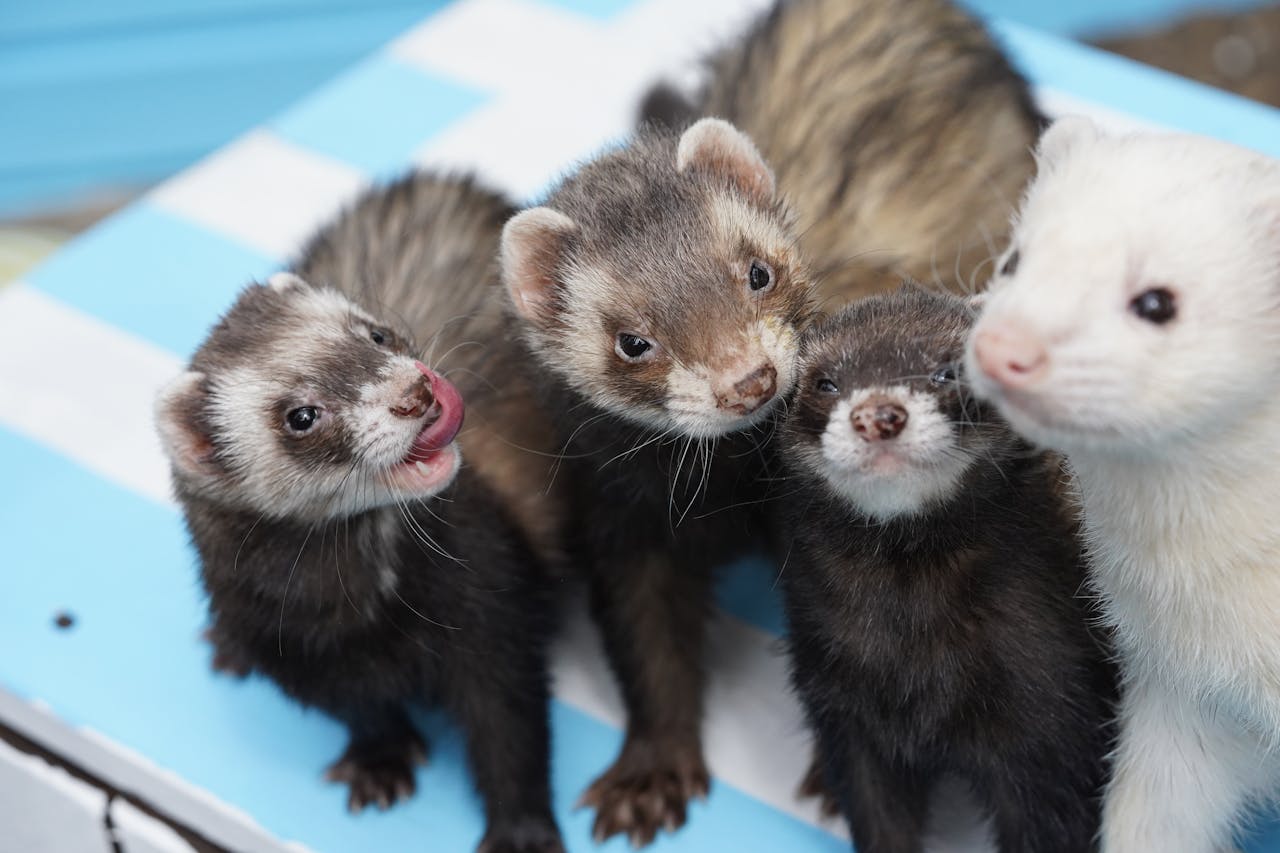
Laws that limit which animals can live in homes often grow from research, local history, and conservation work. Many creatures that look calm or gentle online depend on landscapes, social bonds, and patterns that homes cannot recreate. These rules aim to protect the animals as much as the community, guiding them toward places built for their wellbeing. Each species reflects a story about care, space, and respect, and those stories explain why some of the world’s most captivating animals remain off-limits as pets.
Big Cats: Lions, Tigers, and Other Large Felids
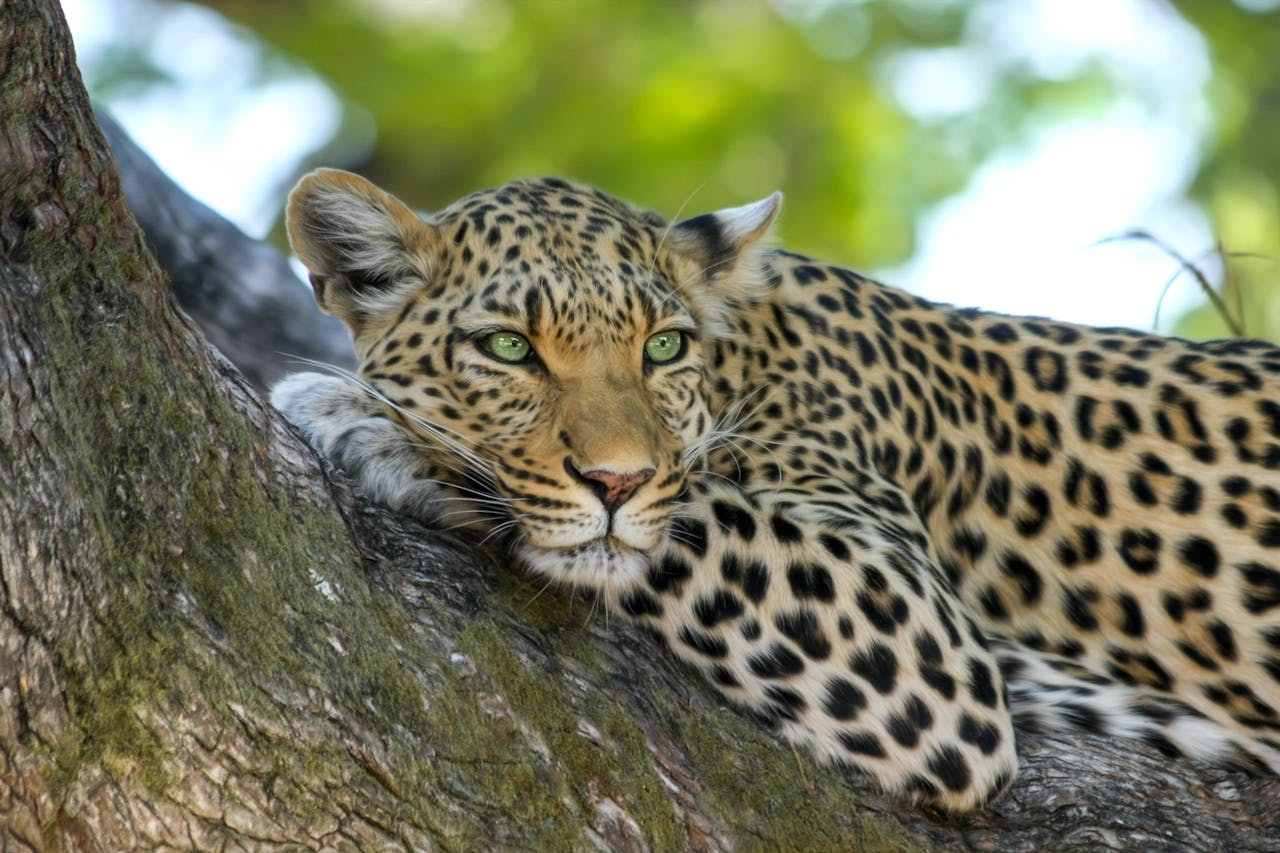
Big cats impress people with their beauty and calm focus, but they grow into animals that need open land, careful routines, and expert support. A young cub may feel manageable, yet it quickly develops needs tied to movement, diet, and structure that private homes cannot match. Many regions limit ownership to accredited facilities equipped to create safe, stable environments. These rules help ensure big cats grow in settings shaped around their wellbeing instead of improvised spaces that cannot meet their long-term needs.
Monkeys, Apes, and Other Primates
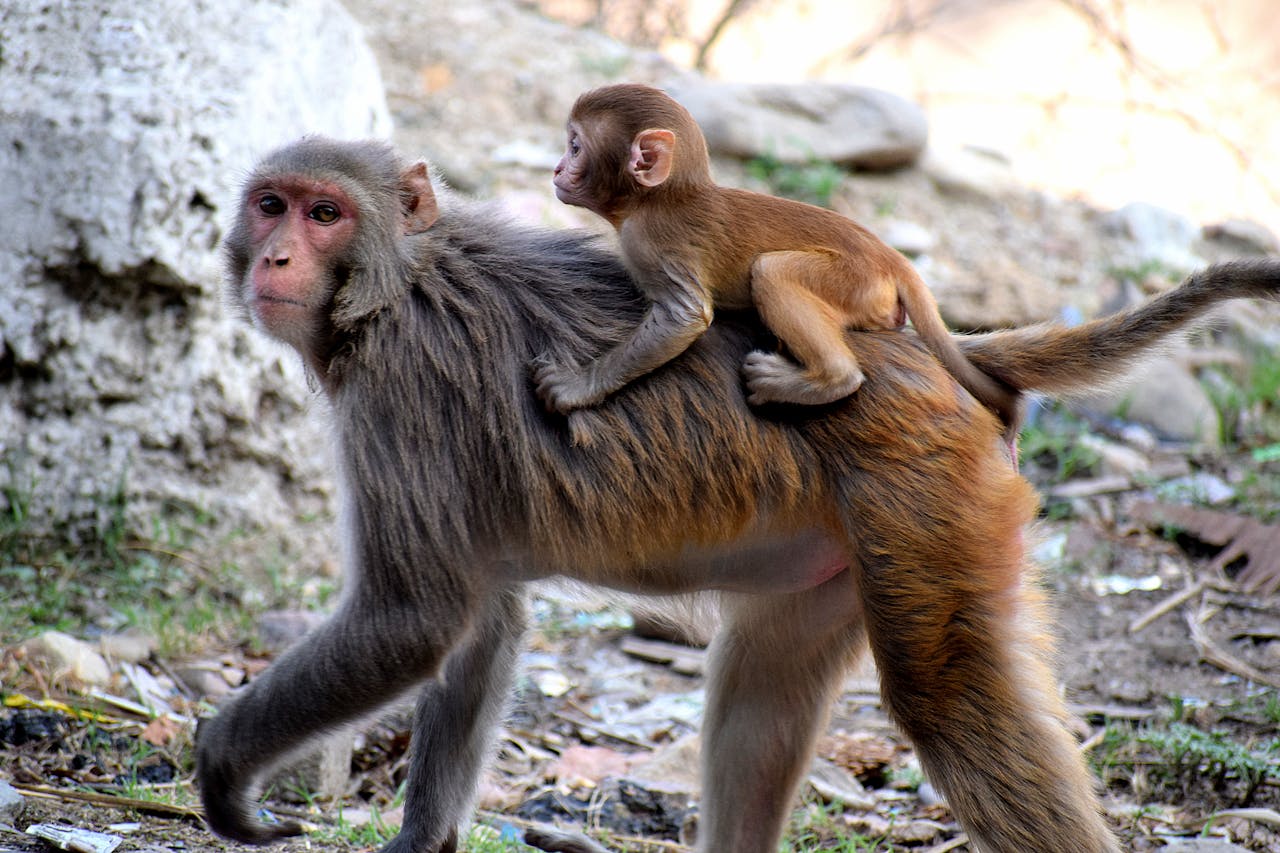
Primates communicate with bright eyes and expressive gestures, which can make them seem like ideal companions. In truth, they rely on social groups, mental challenges, and varied surroundings that households rarely provide. Without these elements, they often become unsettled or withdrawn. Many states restrict ownership so primates remain in environments that respect their emotional and physical needs. These measures support the animals by guiding them toward places where trained caretakers can provide structure that mirrors life in the wild.
Slow Lorises With Big Eyes and Delicate Needs
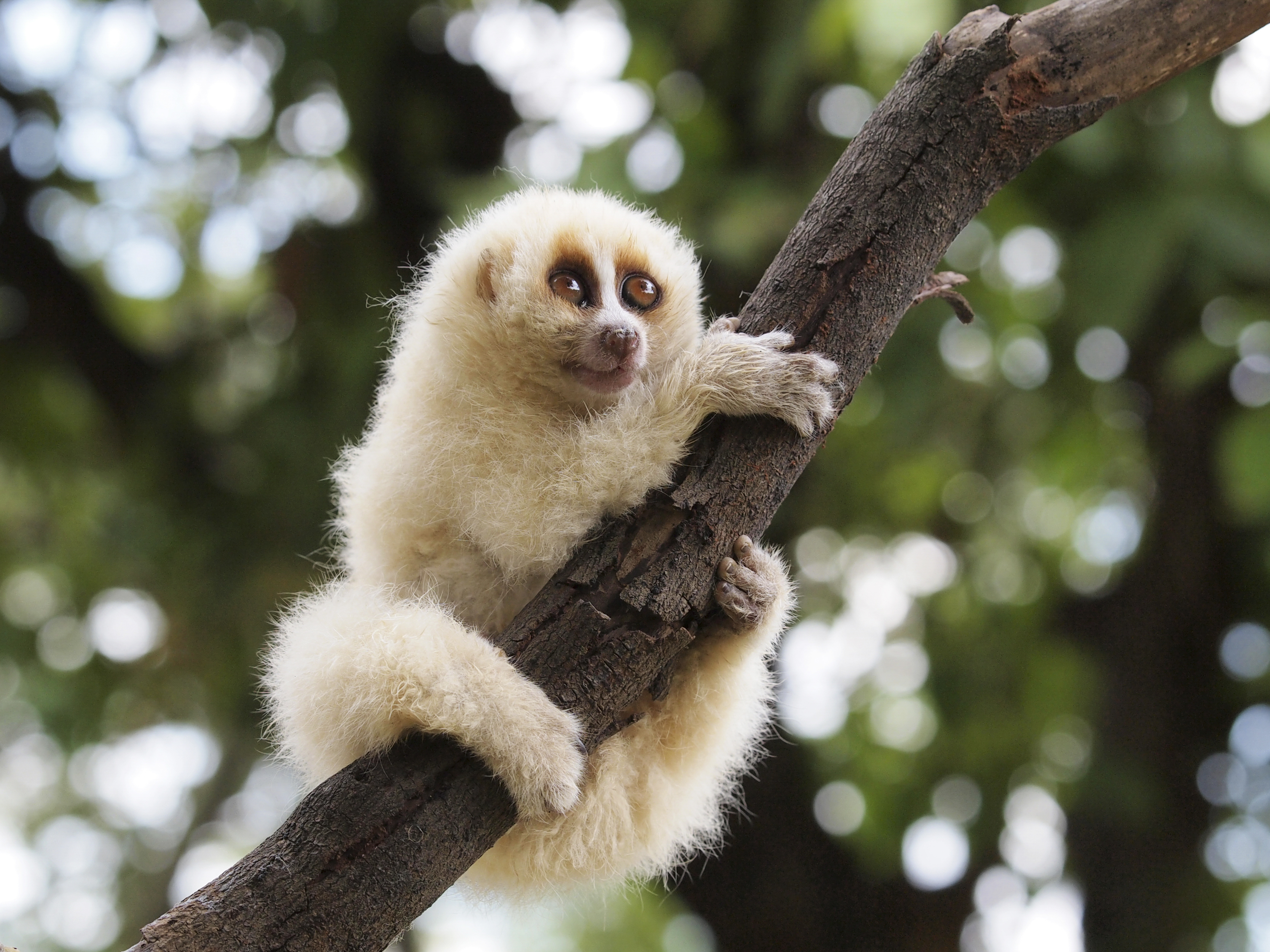
Slow lorises look peaceful and gentle, yet their needs are far more complex than their appearance suggests. They depend on quiet nighttime routines, forest-like spaces, and plant-based diets that require thoughtful preparation. Many individuals found in illegal trade are removed from natural habitats, adding pressure to vulnerable populations. Countries restrict loris ownership to prevent this and direct any rescued animals toward sanctuaries prepared for their care. The goal is to give these gentle creatures a chance to live in calm, protected environments.
Hedgehogs and Their Surprising Legal Limits
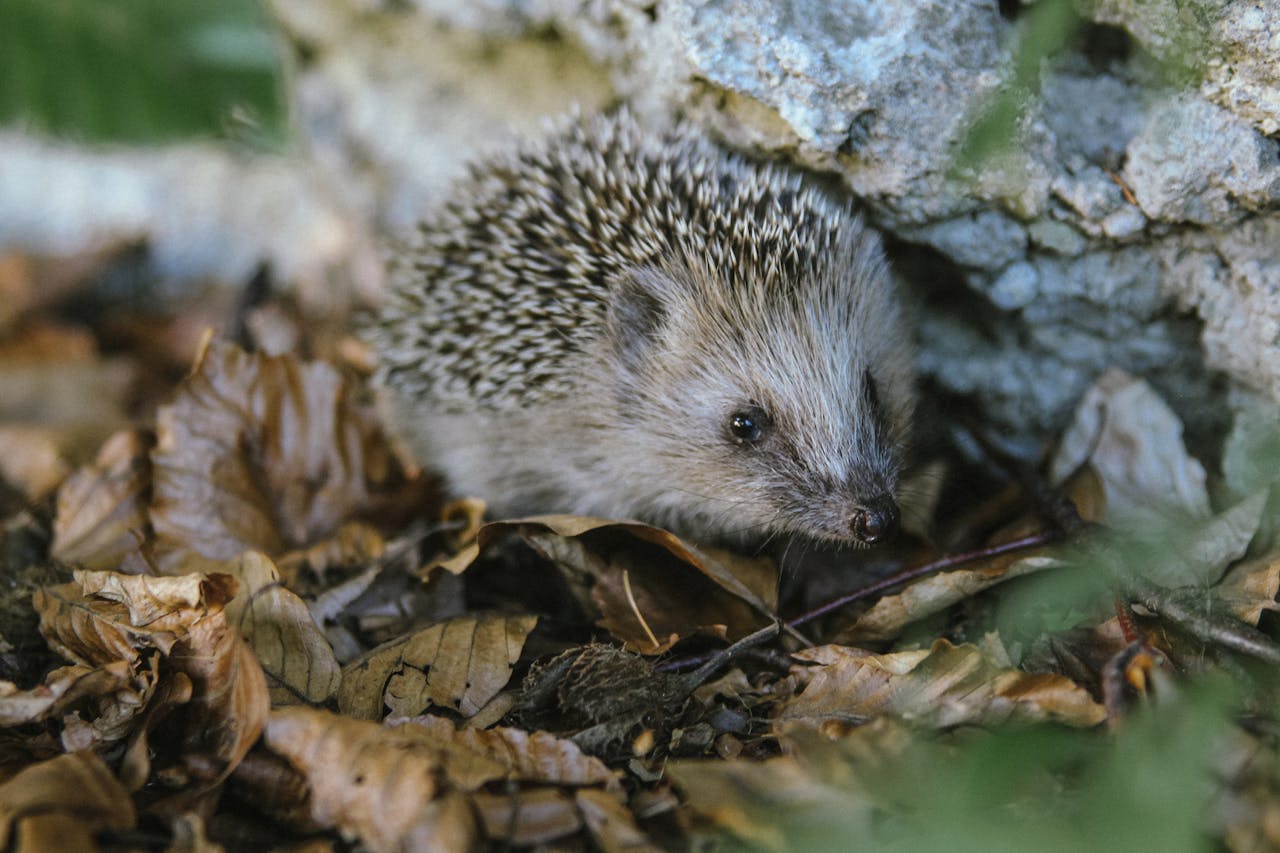
Hedgehogs seem easy to care for, but several states classify them as restricted wildlife because they could affect local species if released. Their wellbeing depends on steady warmth, specialized food, and low-light spaces that not all homes can offer. Regions with stricter rules require permits or limit ownership entirely to prevent ecological challenges. These guidelines help ensure hedgehogs live in places suited to their sensitive routines and protect surrounding environments from the impact of an unfamiliar species entering the ecosystem.
Ferrets and Their Patchwork of State Rules
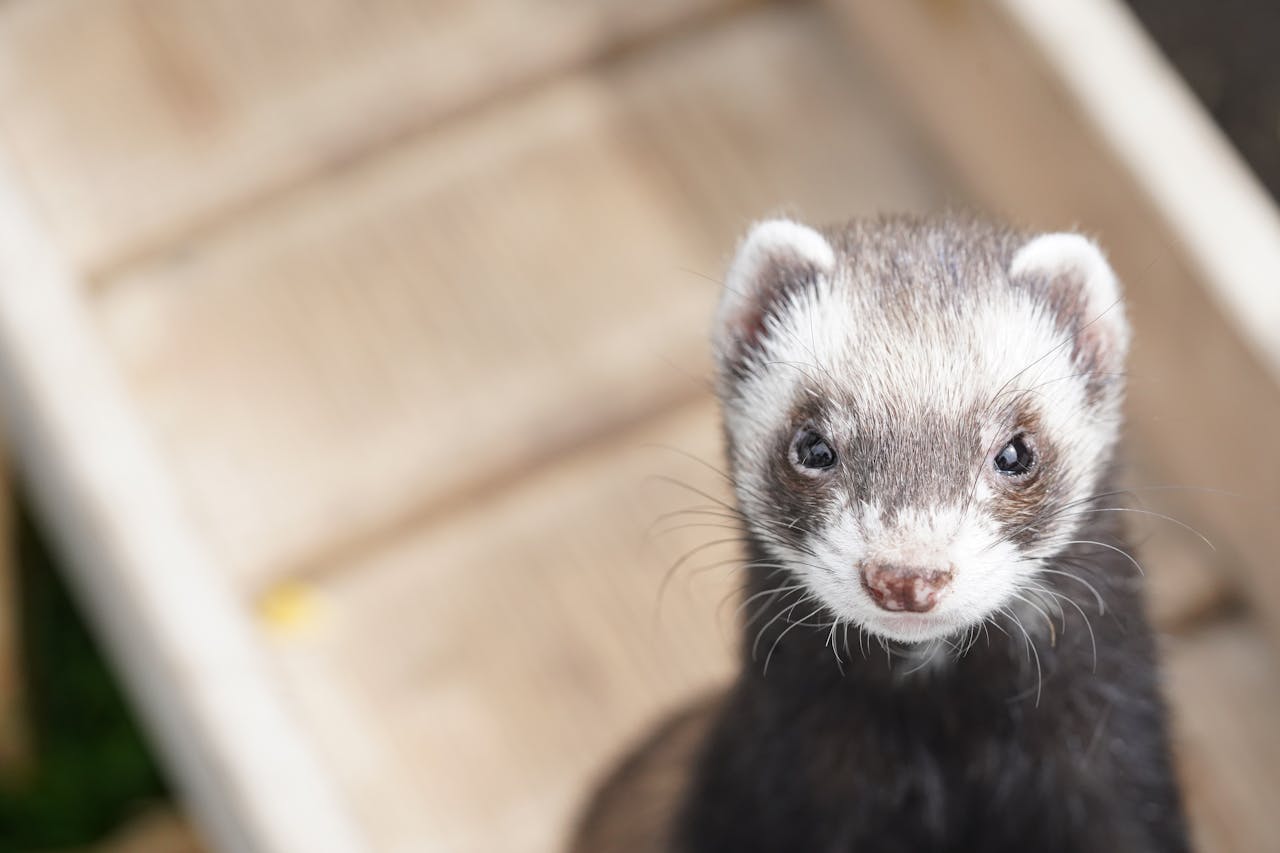
Ferrets attract people with lively curiosity, yet their legal status shifts widely across states. Some regions restrict them due to concerns that escaped animals could form small groups that disrupt native species. Even in areas where they are legal, secure housing and routine care are essential. These regulations aim to balance the appeal of an active companion with responsibility toward local ecosystems. The varied rules remind people that even familiar pets can require thoughtful oversight to thrive safely and comfortably.
Raccoons and Their Persistent Curiosity
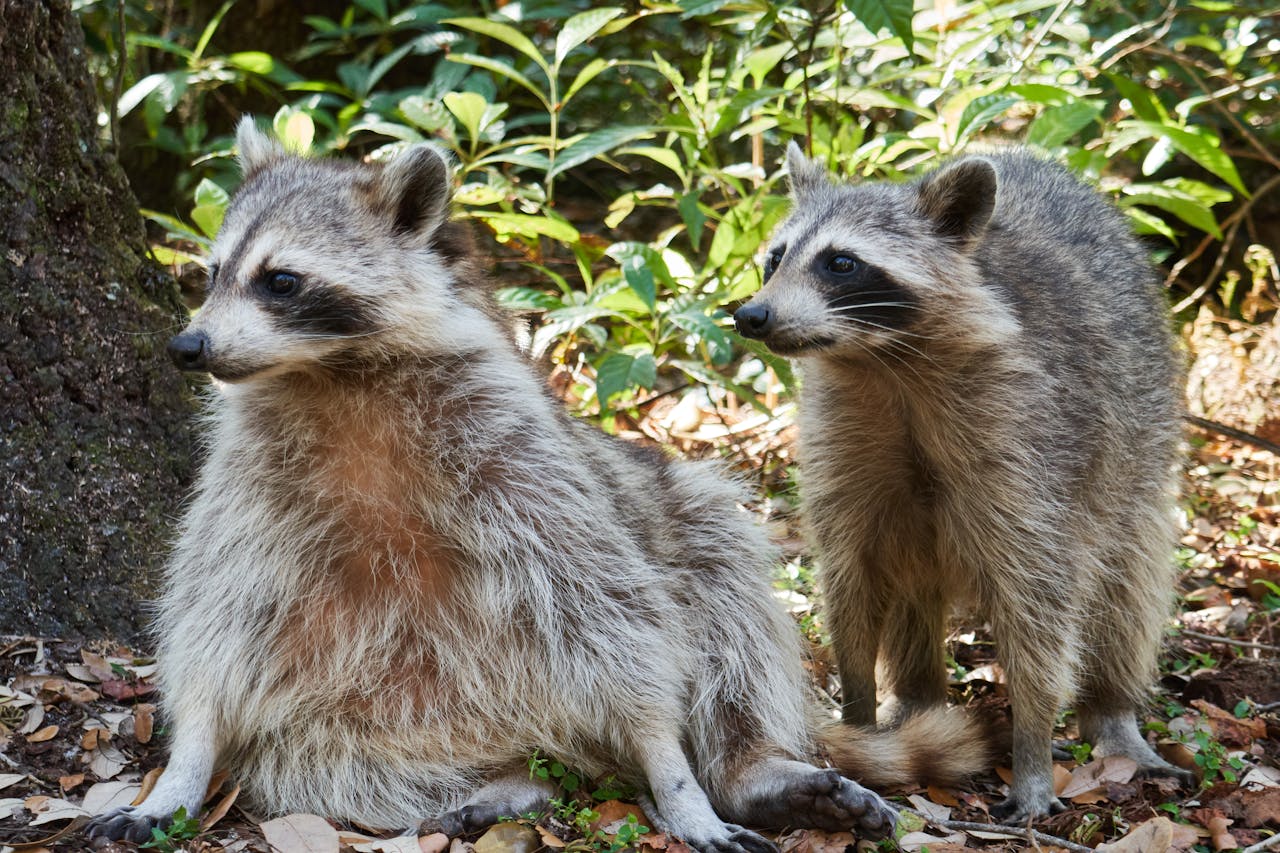
Raccoons look charming in home videos, but they have energetic instincts that suit outdoor landscapes far better than indoor routines. They need constant enrichment, opportunities to explore, and space to express natural behaviors. Without that, they can become stressed or overwhelmed. Many states restrict ownership so raccoons remain in habitats or licensed rehabilitation centers that understand their needs. These limits protect raccoons from situations where their curiosity leads to unpredictable challenges and help them stay in environments better suited to their nature.
Capybaras and Their Space-Heavy Lifestyle
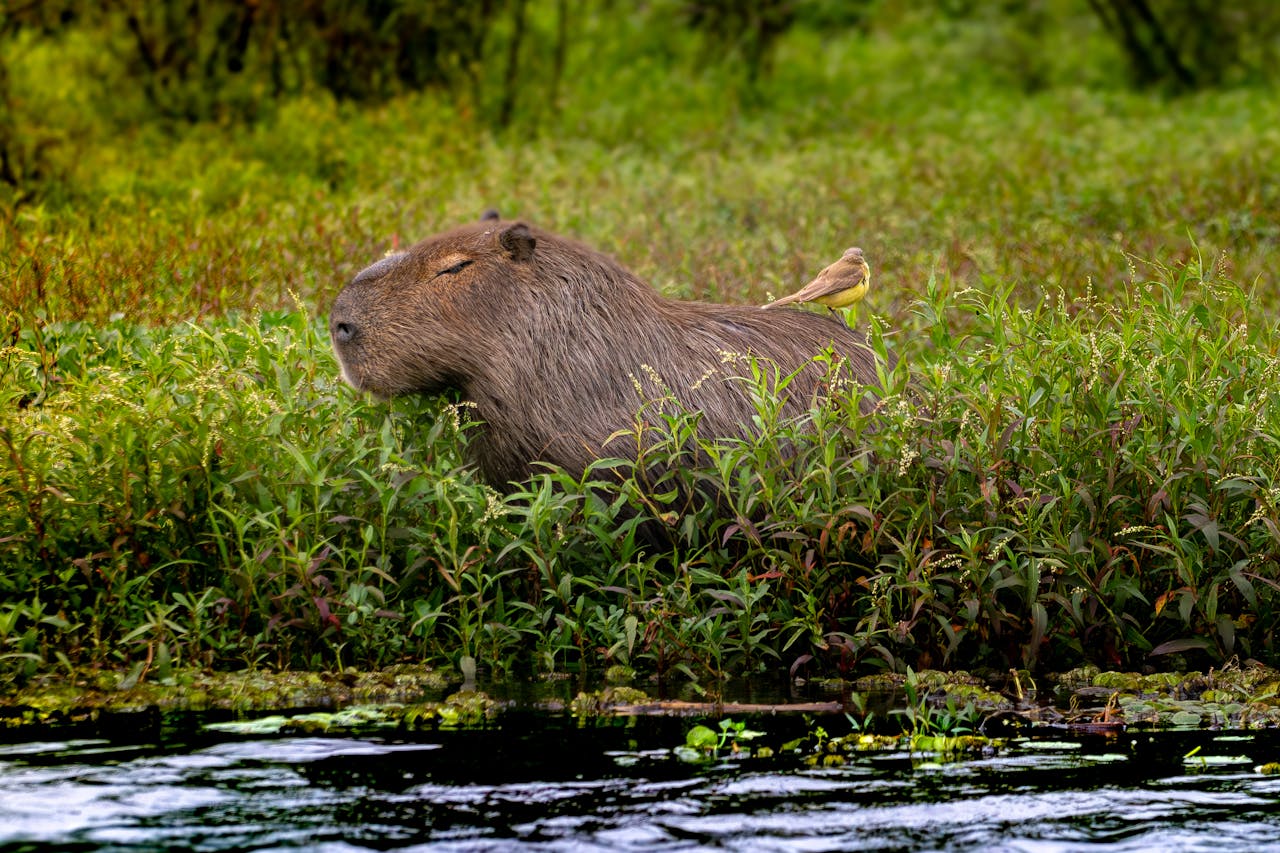
Capybaras project a calm, friendly presence, yet they rely on large grazing areas, steady access to water, and companionship from their own species. When these needs go unmet, they may become uneasy or restless as they search for comfort. Several states restrict ownership or require enclosures that function like small pastures. Such guidelines help ensure capybaras grow in spaces that match their calm rhythm and protect surrounding areas from the impact of a large grazing animal settling where it does not belong.
Prairie Dogs and the Caution Learned From Past Events
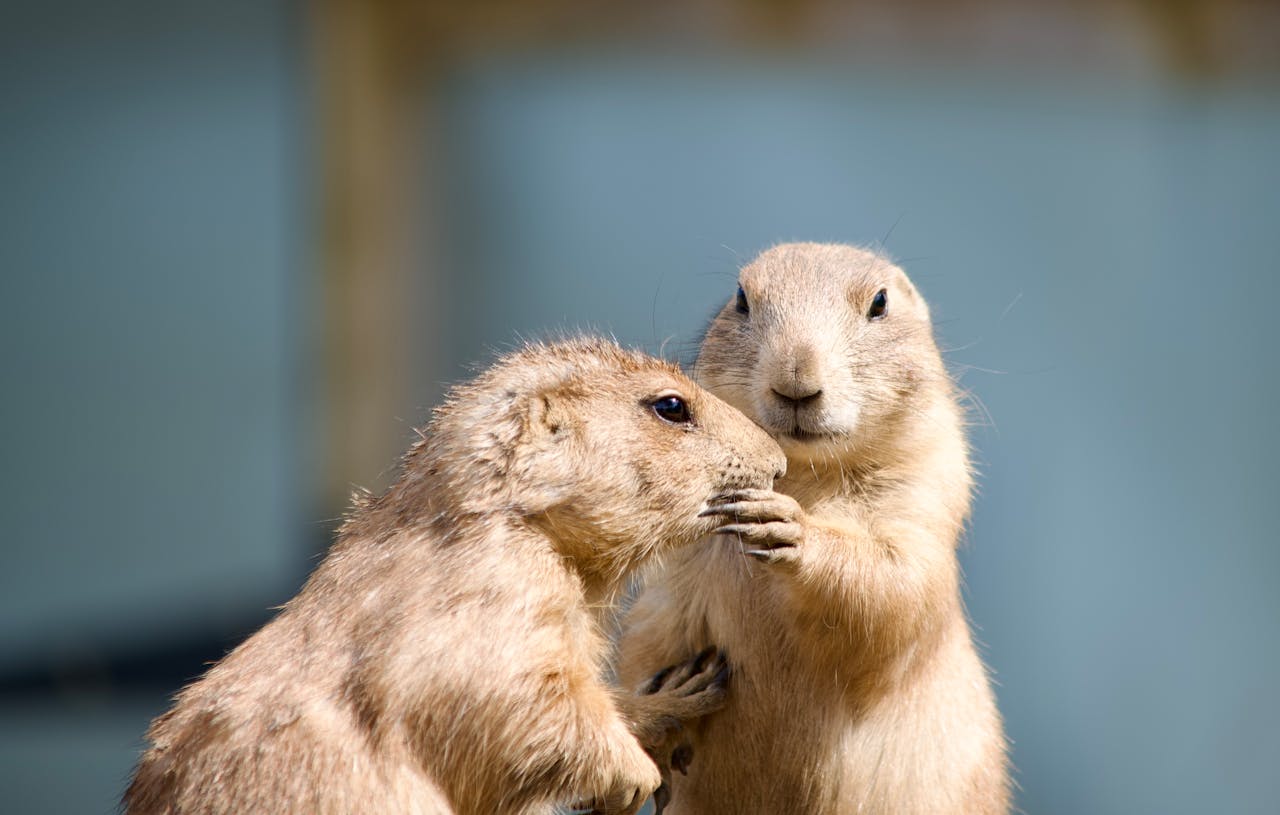
Prairie dogs once appeared in specialty shops, but a past disease event involving imported rodents led officials to pause their sale and movement. The situation demonstrated how quickly illness can spread when wild animals shift through commercial channels. Prairie dogs also depend on structured colonies and spacious burrow networks, making indoor life difficult for them. Many regions now guide these animals toward protected habitats or licensed care. The limits reflect lessons learned and place wellbeing at the center of future decisions.
Alligators and Crocodiles Unsuitable for Home Settings
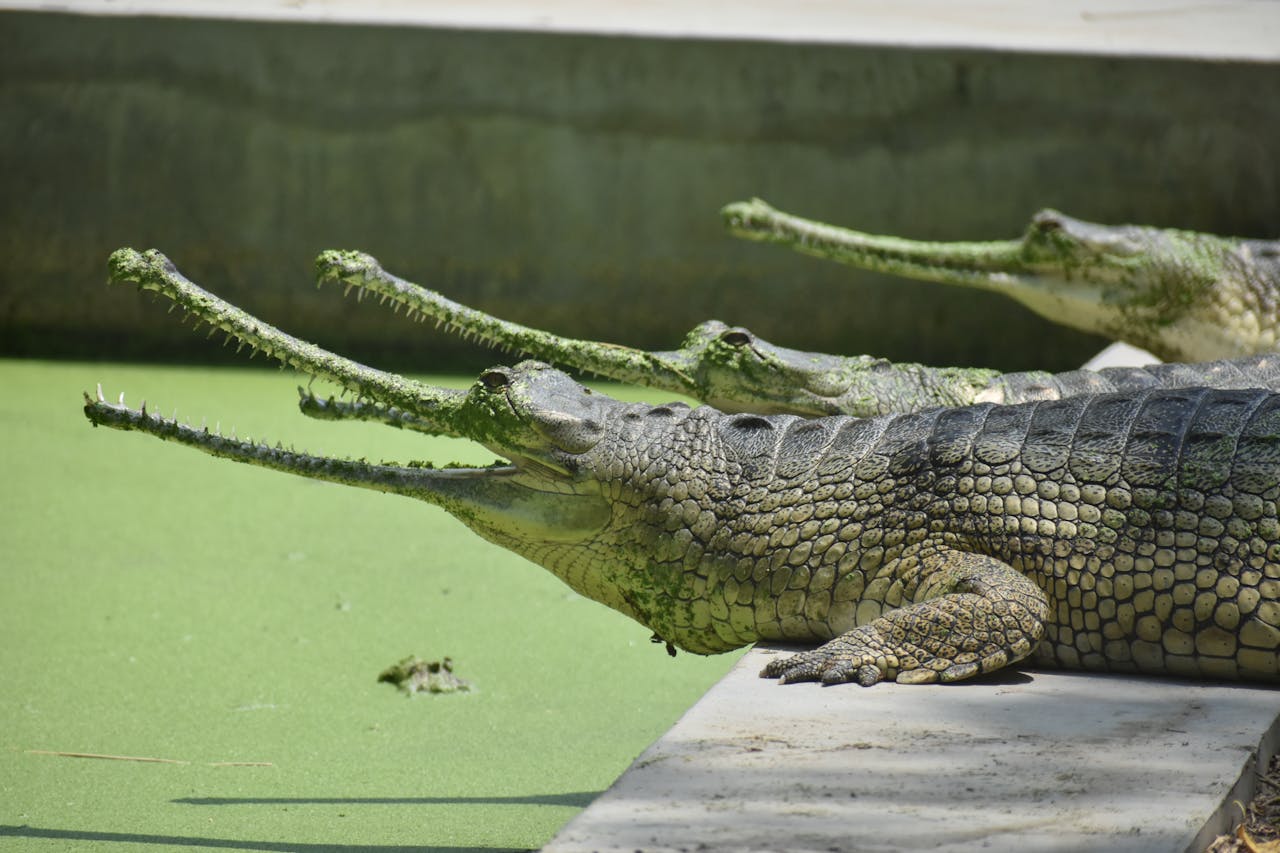
Young alligators and crocodiles may seem manageable at first, but they soon need deep pools, precise temperatures, and steady, experienced handling. Their growth is consistent and their routines demand strong, secure enclosures that private homes rarely provide. States often limit ownership to qualified facilities with trained staff and proper infrastructure. These rules help ensure each animal receives attentive, long-term care and prevent situations where they are kept in spaces that do not match their natural needs or steady development.
Venomous Snakes and the Skill They Require
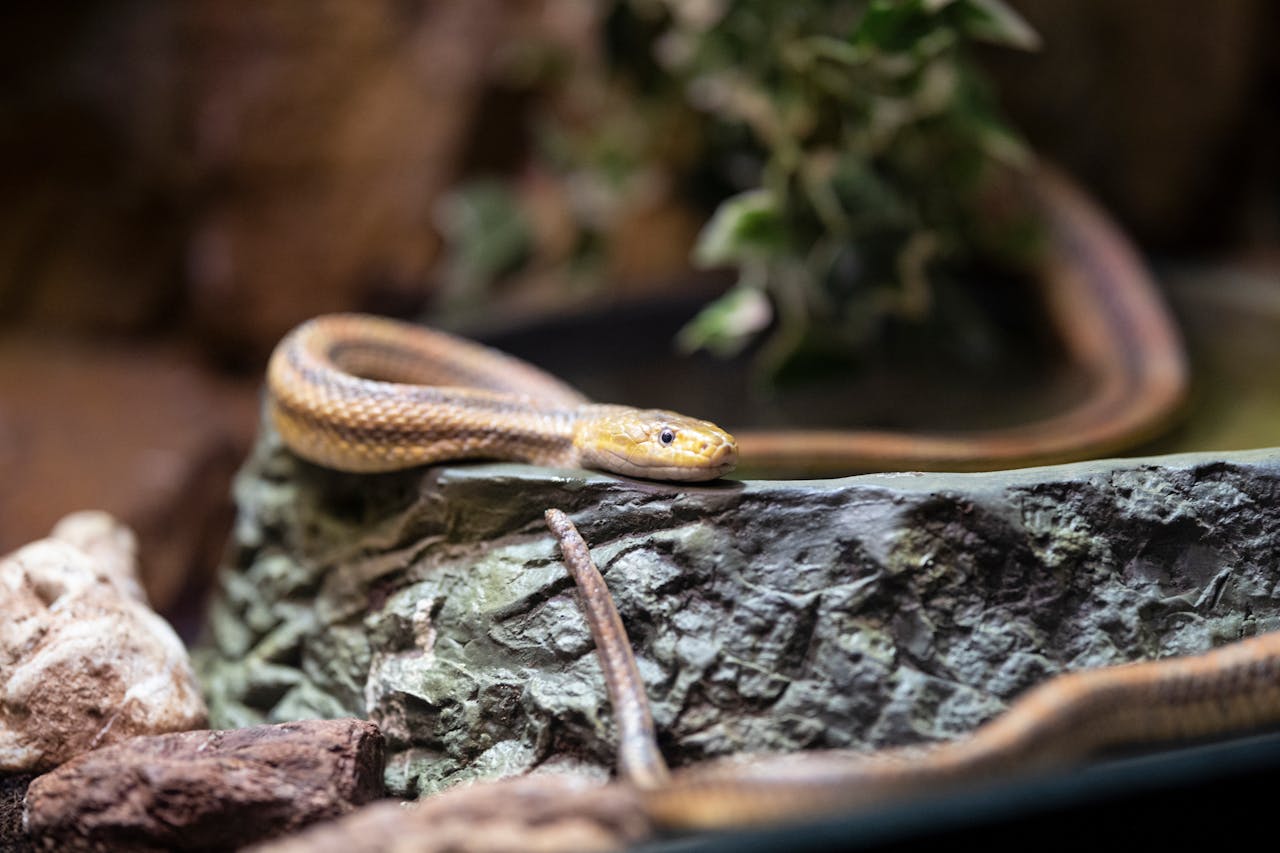
Venomous snakes attract admirers with quiet movement and striking patterns, yet safe care requires training, reinforced housing, and readiness for situations that most households cannot manage. A small setback can create challenges for both the community and the animal. Many states permit only licensed experts to keep these species, placing them in controlled environments with proper support. These guidelines protect the snakes by ensuring they live in places designed with their routines in mind and help maintain order within surrounding neighborhoods.
Bats and Their Highly Specialized Care
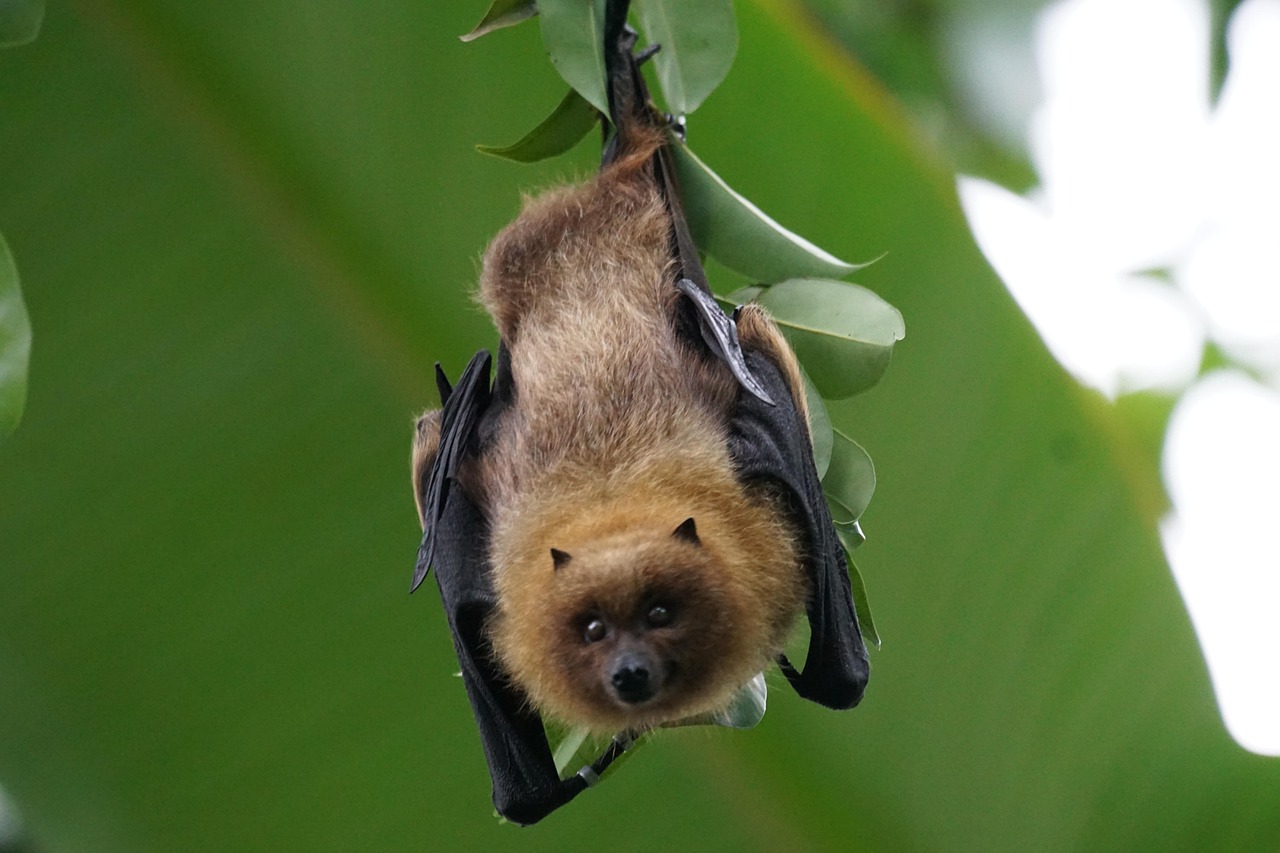
Bats play an important role in nature, yet their needs are too specific for typical homes. They require flight space, controlled light cycles, insect-rich diets, and careful temperature management. Some species may carry illnesses that must be handled by trained professionals. Most regions restrict ownership so injured bats reach licensed rehabilitators equipped to help them recover and return to their natural habitats. These rules support both the bats and the people who work to protect their populations with knowledge and care.
Skunks and the Limits on Keeping Them Indoors
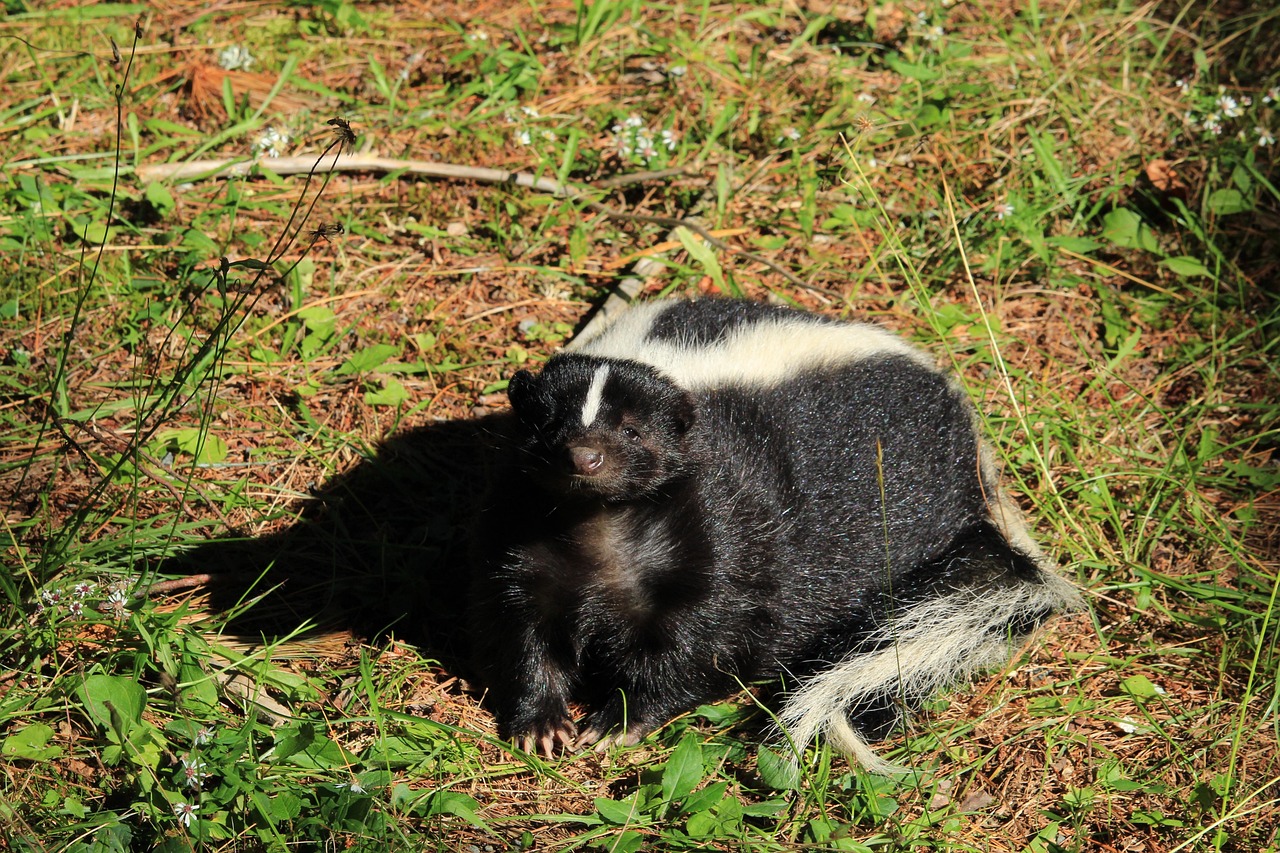
Skunks may seem gentle, especially when young, but their instincts revolve around digging, exploring, and following scents through wide outdoor areas. They need steady routines, varied food, and secure spaces that indoor living cannot reliably provide. Many regions restrict ownership due to health considerations and the challenge of offering appropriate care. These guidelines direct skunks toward rehabilitation programs and conservation groups familiar with their natural behaviors, allowing them to grow in calm environments that support comfort and stability.