11 Train Routes That Look Like Movie Sets

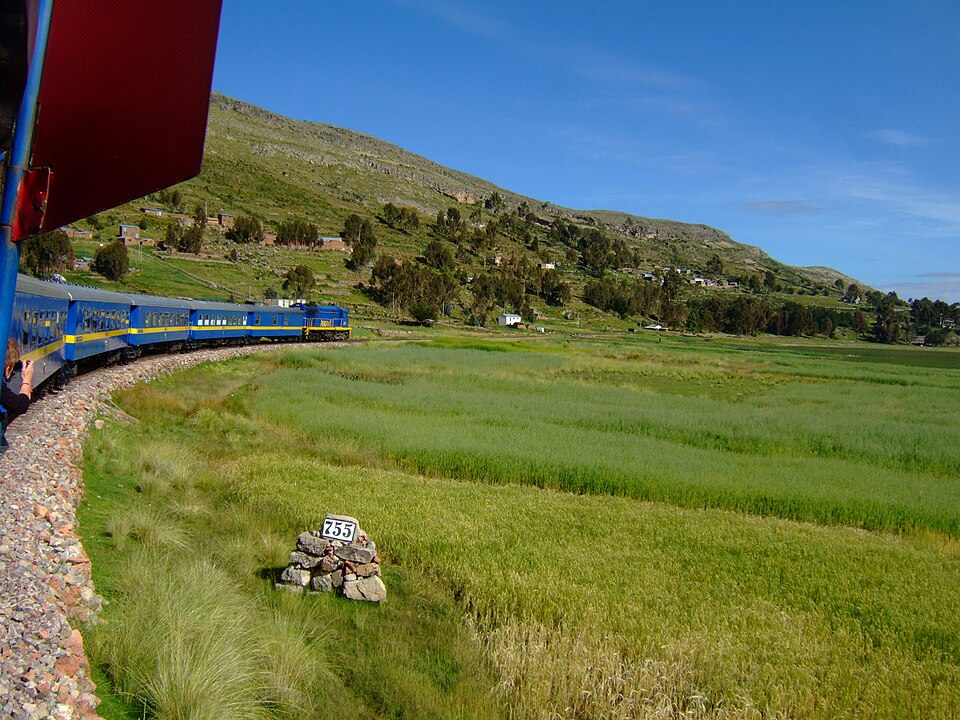
PeruRail to Machu Picchu, Peru
John Seb Barber, CC BY 2.0 /Wikipedia Commons
Eleven rail journeys pour cinematic light through carriage windows, turning valleys, passes, and coasts into scenes that linger long after arrival.

Trains have a way of staging the world like a slow tracking shot. Light changes, valleys open, and a window becomes a frame with its own rhythm. Some routes layer engineering with landscape so well that every curve feels scripted. Villages appear with a bell tone, forests part for a bridge, and time loosens around a dining table or vestibule rail. These journeys prize patience, detail, and mood, offering scenes that do not need dialogue. The credits never roll. The scenery keeps writing.

The Jacobite, Scotland
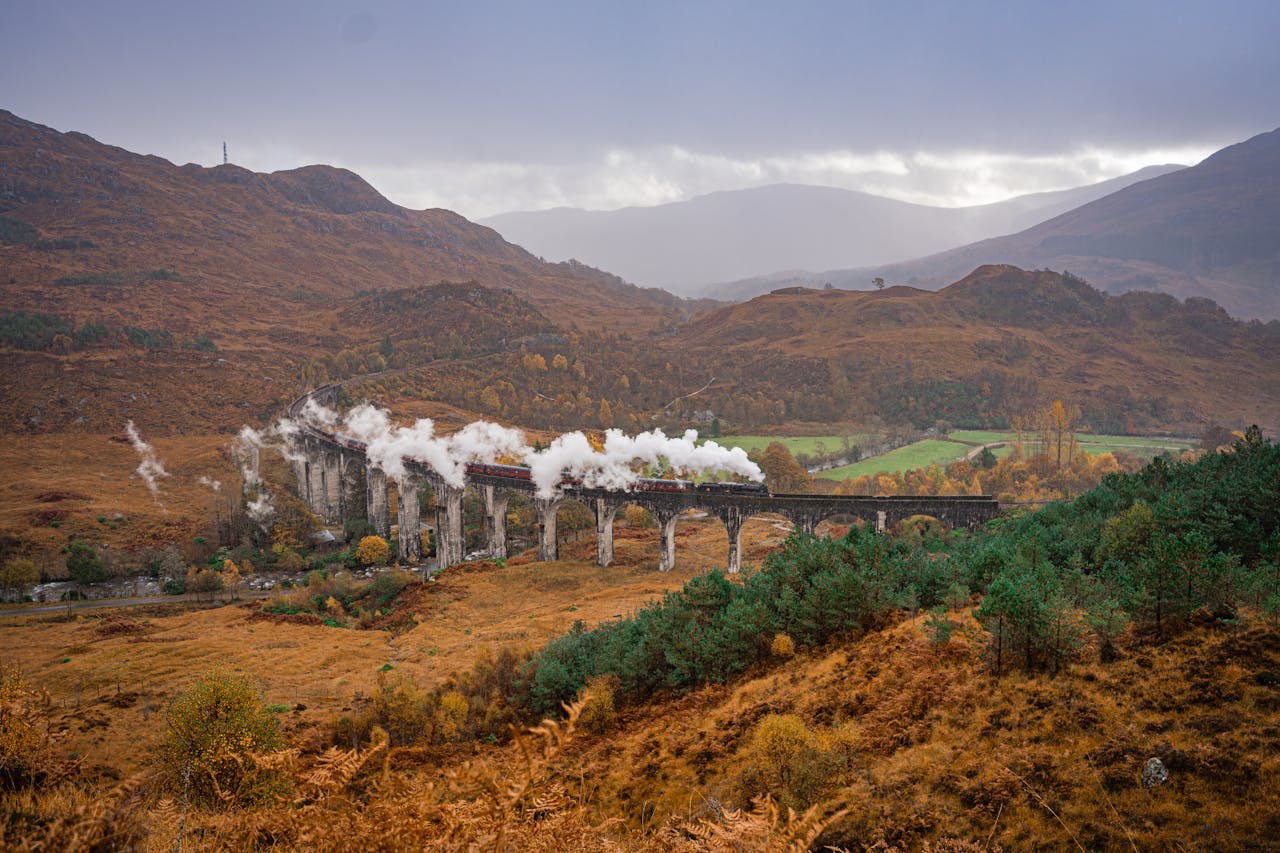
The Jacobite, Scotland
Clément Proust/Pexels

Steam drifts past stone arches as the Jacobite climbs toward the Glenfinnan Viaduct, where sea loch, heather, and curve meet in one clean shot. West Highland scenery works like an old studio light, revealing silver water, sheep pastures, and the shadow of Ben Nevis. Wooden carriages creak, tea rattles in cups, and gulls lift from the shore. The route feels familiar from pop culture, yet the real drama is weather, which rewrites color and contrast every few minutes.

Glacier Express, Switzerland
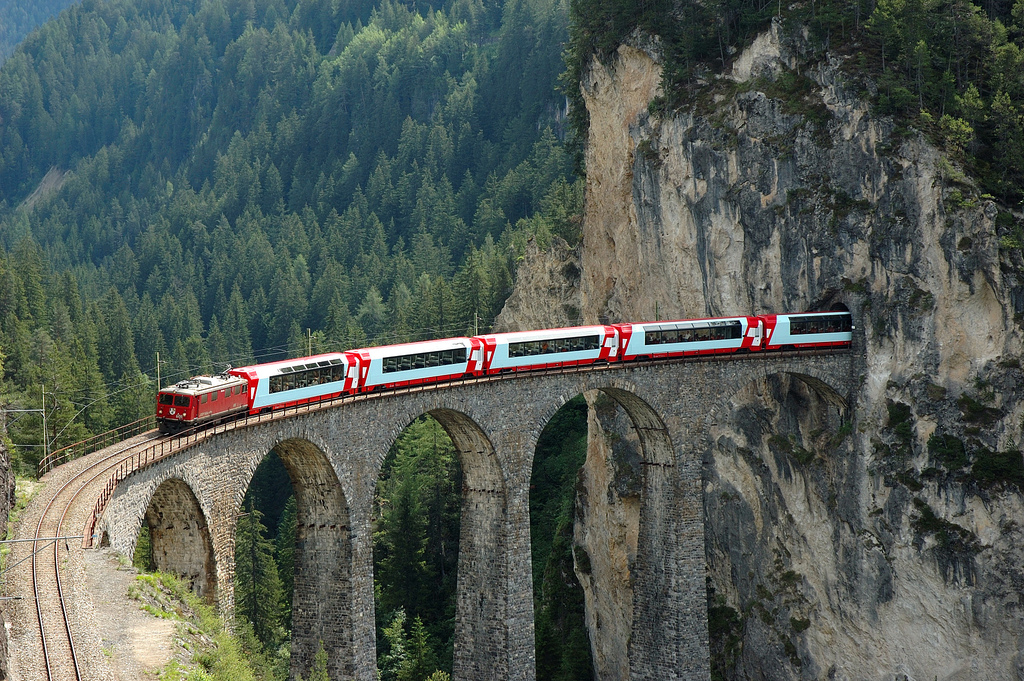
Glacier Express, Switzerland
Champer, CC BY-SA 3.0 /Wikipedia Commons

From Zermatt to St. Moritz, the Glacier Express threads valleys and high passes with a measured pace that suits the view. Broad windows frame stone viaducts, deep gorges, and villages stacked like set pieces against green slopes. The Oberalp Pass brings snow even in late spring, then the Rhine Gorge narrows to limestone walls that read like a location scout’s dream. Service is unhurried, plates clink softly, and the camera never needs to cut away.

Bernina Express, Switzerland to Italy
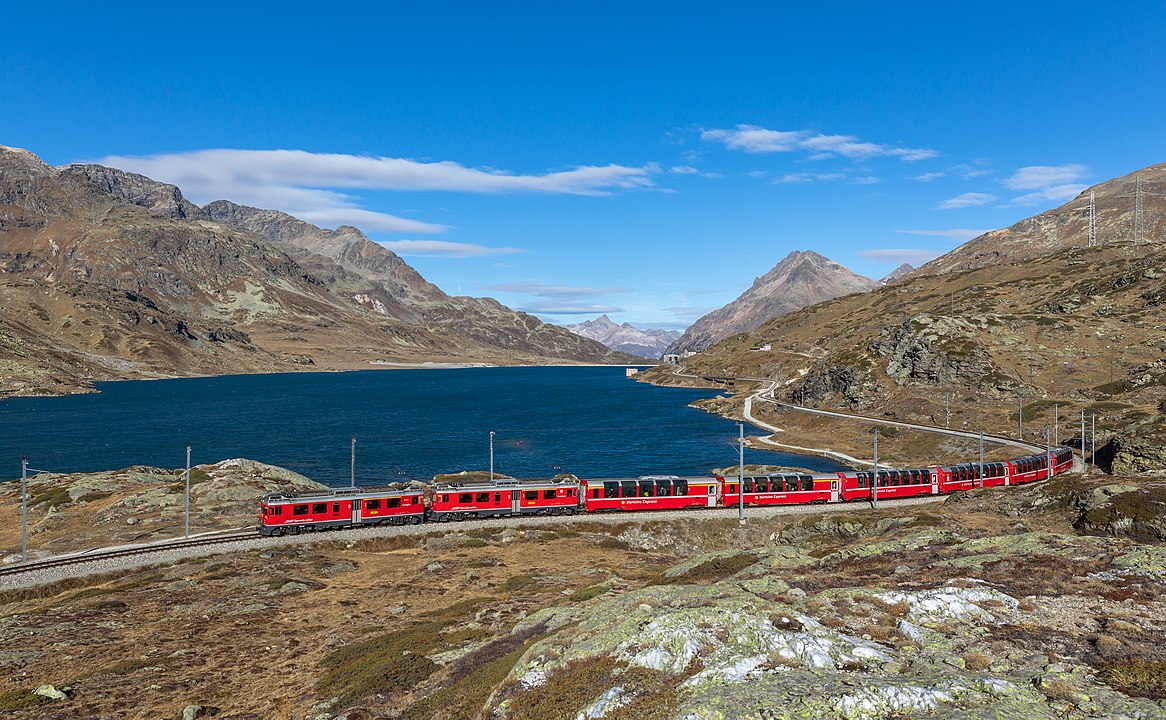
Bernina Express, Switzerland to Italy
Kabelleger / David Gubler, CC BY-SA 4.0 /Wikipedia Commons

This alpine crossing climbs to the Bernina Pass, then curls down past the Morteratsch Glacier toward palms at Tirano, a one day jump from ice to piazza. At Brusio, the train loops on a spiral viaduct so elegant it feels staged for a crane shot. Light flashes off lakes, hairpins fold the track onto itself, and the line wanders through streets near arrival. It is an atlas leaf turned by hand, each scene clear and specific.

TranzAlpine, New Zealand
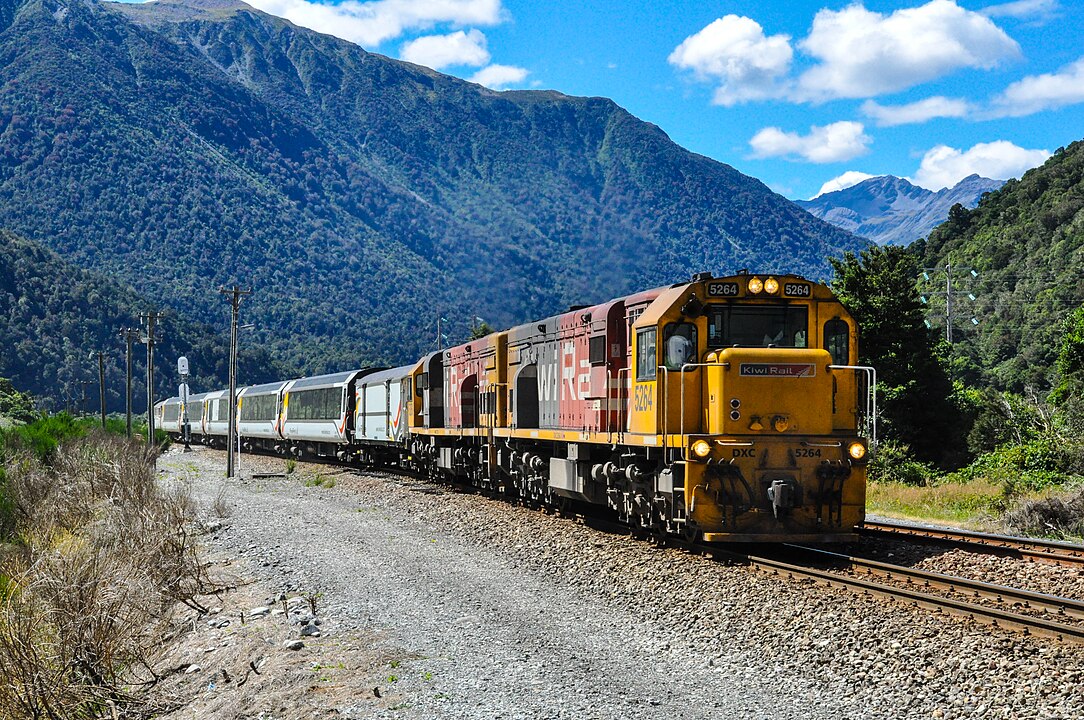
TranzAlpine, New Zealand
Kevin Prince, CC BY-SA 2.0 /Wikipedia Commons

The TranzAlpine runs from Christchurch to Greymouth across the Southern Alps, where braided rivers spill like silver threads on the Canterbury Plains. The train climbs into beech forest, crosses the Waimakariri on long steel spans, then breaks into Arthur’s Pass with snow on the ridges. On the far side, rainforest thickens and light softens as the Tasman Sea draws near. The contrast is theatrical, a country showing both faces in one act.

Flåm Railway, Norway
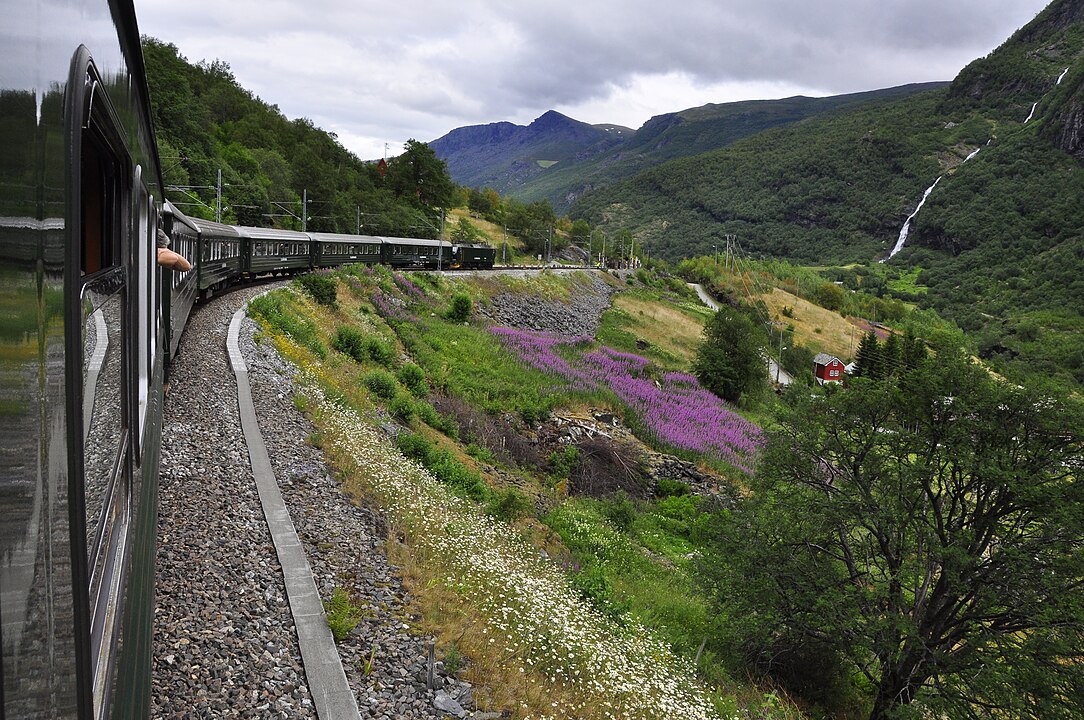
Flåm Railway, Norway
Karen, CC BY 2.0 /Wikipedia Commons

From Myrdal to Flåm, the line descends a narrow valley carved by water, with waterfalls so close they mist the air. Tunnels arrive in quick sequence, each revealing a new wall of rock, a farm clinging to a ledge, or a river in full rush. The stop at Kjosfossen feels like a set built for sound, the roar filling every carriage. Fjord light waits at the foot of the line, slate blue and calm, like a closing shot.

Rocky Mountaineer, Canada
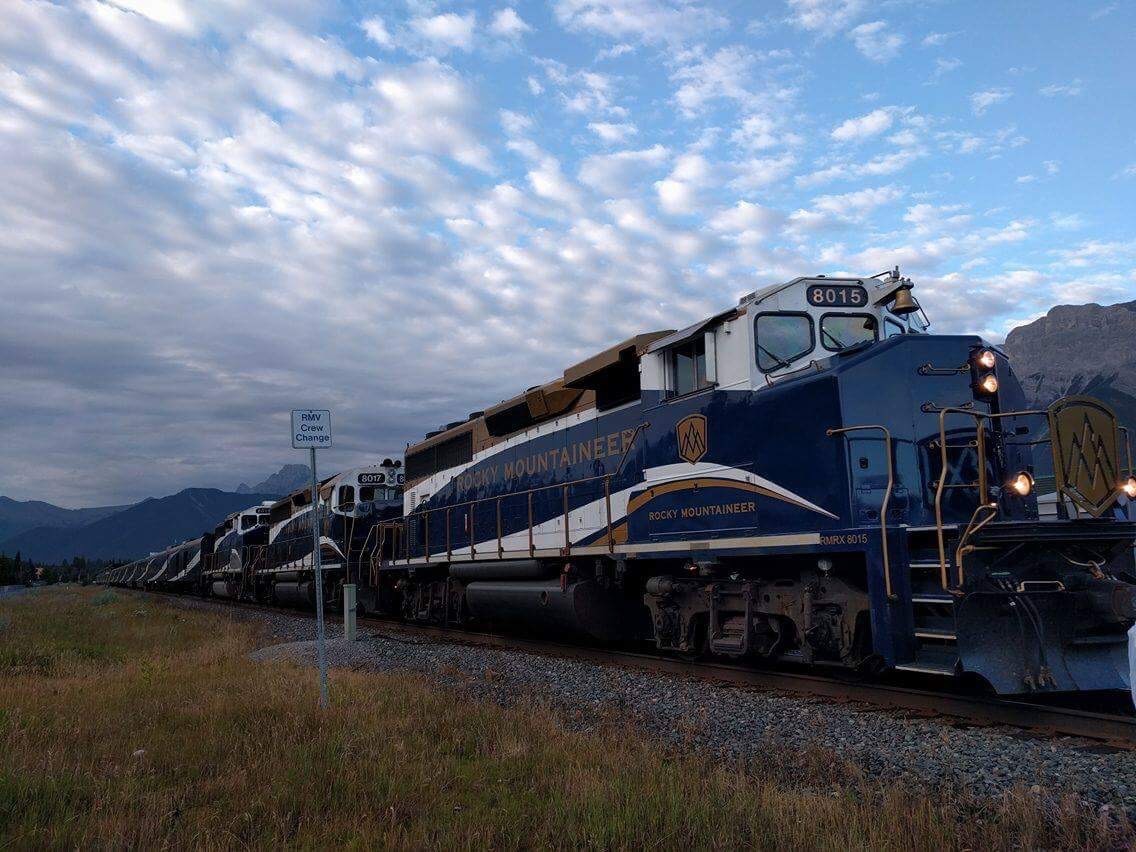
Rocky Mountaineer, Canada
Cwojtun, CC BY-SA 4.0 /Wikipedia Commons

Between Banff and the Pacific, glass domes capture the Canadian Rockies as if the train were a rolling dolly. Spiral Tunnels twist the track through mountain bones, while peaks carry snow into late summer and rivers braid around gravel bars. Wildlife appears without schedule, then slips back into timber. Service is polished, narration stays light, and the pace lets bridges, canyons, and distant icefields land with the clarity of wide cinema.

The Ghan, Australia

The Ghan, Australia
Roderick Eime, CC BY 2.0 /Wikipedia Commons

The Ghan crosses a continent from Adelaide to Darwin, trading vineyards for red center and finally for tropical light. Long straight rails slice through ochre plains where heat shifts the air like a lens. Off train tours add detail, but the cabin view is its own story, especially at sunrise when termite mounds cast long blue shadows. The sense of scale is the plot, and the horizon carries it for hours.

PeruRail to Machu Picchu, Peru
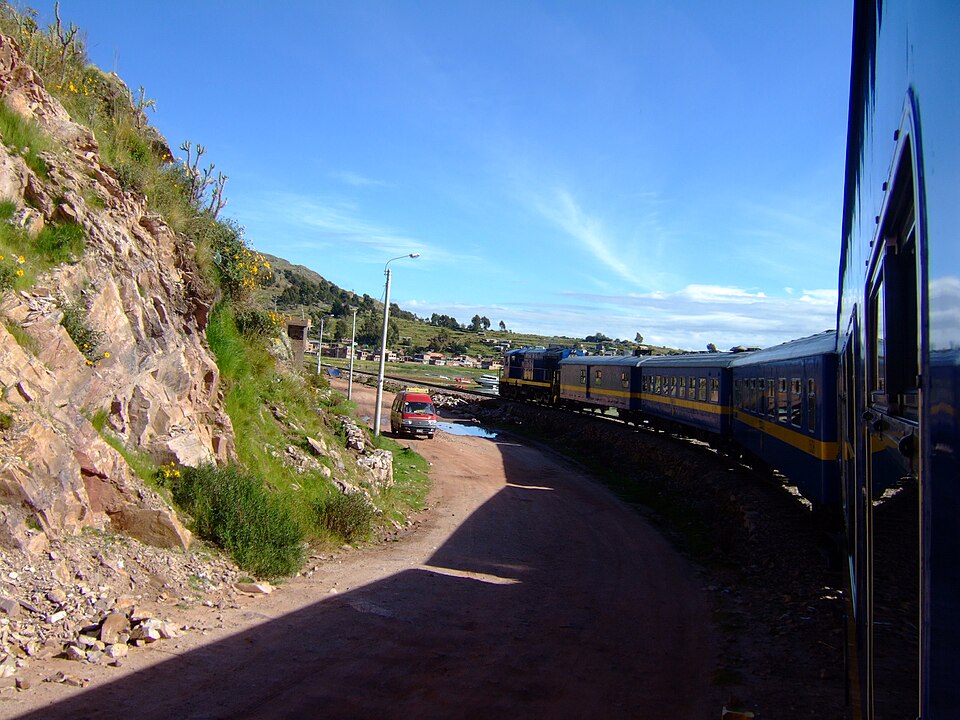
PeruRail to Machu Picchu, Peru
John Seb Barber, CC BY 2.0 /Wikipedia Commons

Tracks follow the Urubamba River past terraces and cloud forest, with mountains pressed so close they read as painted flats. Windows catch orchids on rock walls, footbridges, and sudden shafts of sun in the gorge. Near Aguas Calientes, the line slows as if to respect the site above, a city set in ridge lines and mist. Music and coffee drift through the car while the landscape tightens around the rails like a final scene.

Chepe Express, Mexico
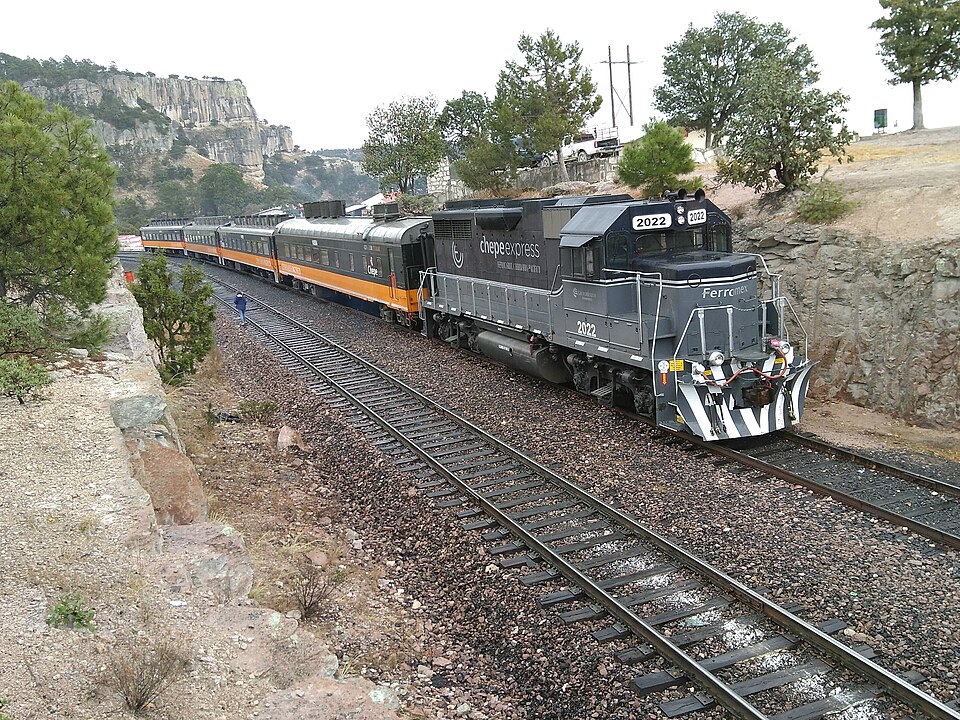
Chepe Express, Mexico
Robert FERREOL, CC BY-SA 4.0 /Wikipedia Commons

The Copper Canyon route moves from high desert to deep gorges through a web of tunnels and bridges that feels handcrafted for camera moves. Tarahumara villages appear on rims, then vanish as walls rise straight from the track. The train leans into cliffs, pulls across steel spans, and delivers wide canyon light that changes color by hour. It is rugged, spacious, and quietly grand, with each bend revealing another balcony over stone.

Darjeeling Himalayan Railway, India
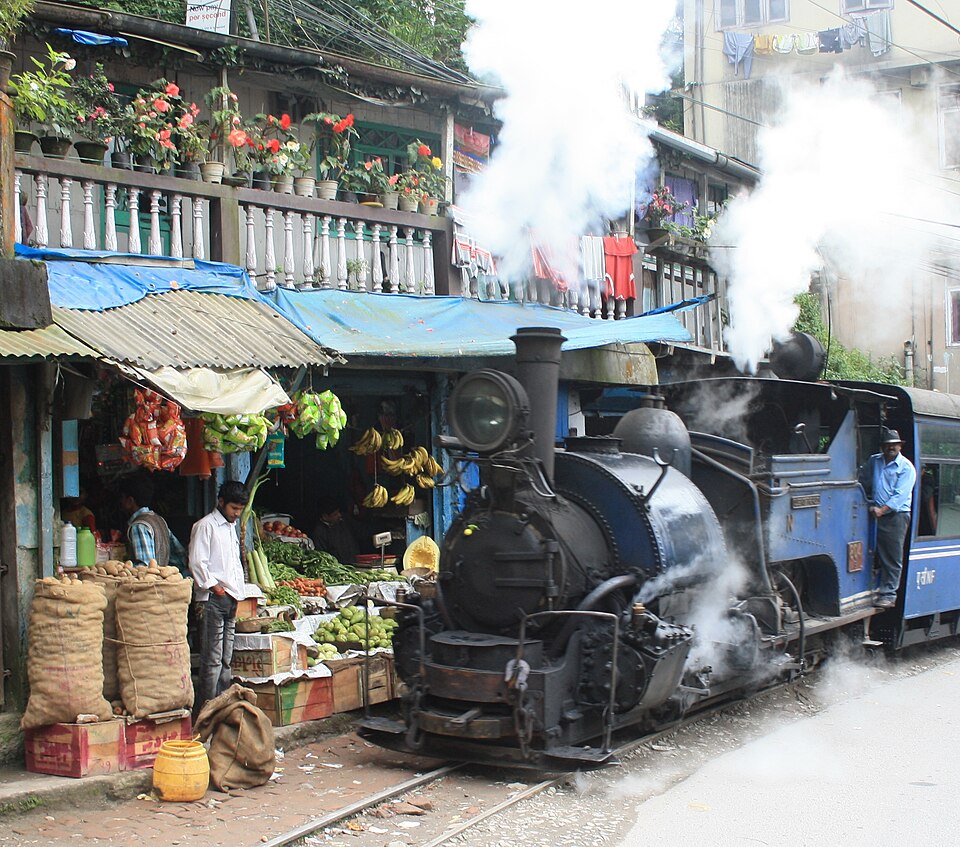
Darjeeling Himalayan Railway, India
Arne Hückelheim, CC BY-SA 3.0 /Wikipedia Commons

A narrow gauge toy train climbs from the plains to Darjeeling with loops and zigzags that turn track into choreography. Tea gardens roll like green corduroy, town life brushes the carriages, and the engine works audibly around each hairpin. At Batasia Loop, the line circles a garden while snow peaks cut a clean horizon. Everything feels close and human scaled, yet the backdrop reaches to the sky, a perfect balance of detail and distance.

Alishan Forest Railway, Taiwan
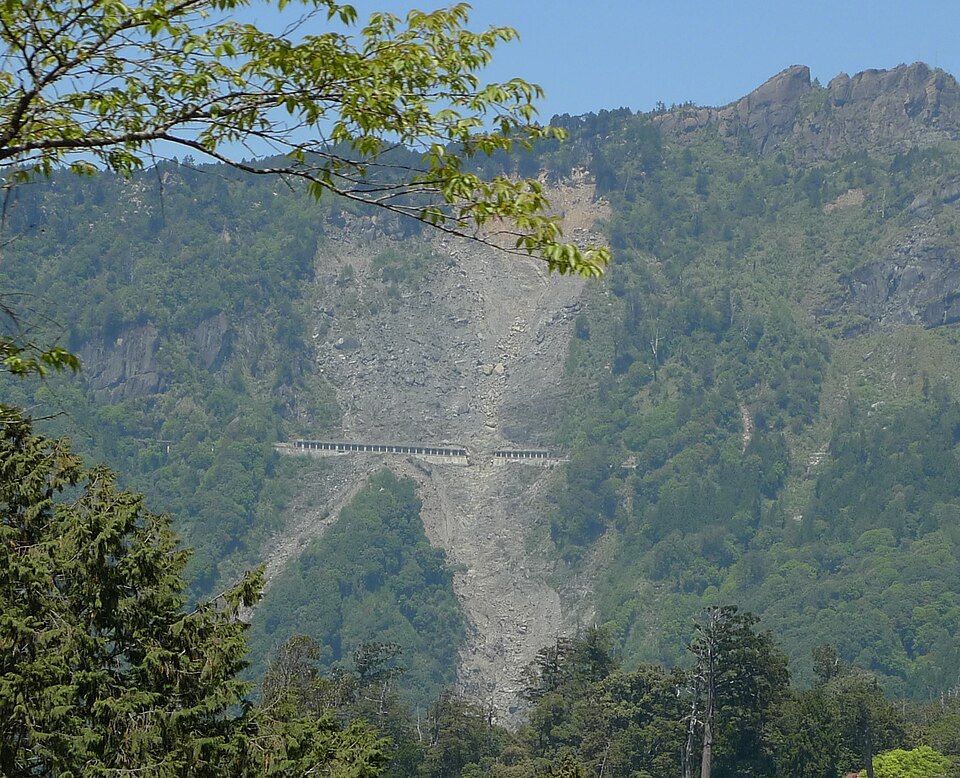
Alishan Forest Railway, Taiwan
BenjaminWKI, Public Domain /Wikipedia Commons

Cypress forest, mist, and switchbacks give this mountain line a layered, almost studio fog quality. Trains climb through cool air that smells of wood and rain, then arrive to sunrise platforms where hills sit like islands in cloud. Old trestles and red painted coaches add period touches without affectation. The pace invites quiet, and the sound of steel on timber ties frames the trees as if a cinematographer chose every angle.


0 Shares:
You May Also Like
Read More

8 Natural Sites Closing to Protect Fragile Ecosystems

# 8 Natural Sites Closing to Protect Fragile Ecosystems Across the world, some of the most photographed coves, canyons, and beaches are quietly stepping out of the spotlight. Park managers, tribal leaders, and scientists are choosing tide charts and nesting maps over ticket sales, and that shift can feel jarring at first. Yet every locked gate and seasonal rope line carries the same message: fragile places need room to breathe. These closures show how travel is changing, and how saying not now can be the only way to keep a landscape alive for the long haul. ## Komodo National Park, Indonesia Komodo National Park spans volcanic islands, dry hills, and coral reefs that attract photographers from every continent. Heavy footfall on Padar Island and crowded bays have pushed Indonesia to cap daily visitors and restrict access to the steepest viewpoints. Fewer boats and bodies mean less erosion, less trash in the sea, and quieter feeding grounds for manta rays and reef fish. Stricter permits also send a clear signal that this dragon kingdom is not an amusement park but a living laboratory for evolution and resilience. For local guides and boat crews, smaller groups mean slower days yet better odds that work will still exist for their children. for decades. ([The Times of India][1]) ## Maya Bay, Thailand Maya Bay on Koh Phi Phi Leh became a global obsession after a famous film, and the tiny cove nearly collapsed under its own fame. Thailand shut the beach for years to let coral and seagrass recover, and now enforces an annual closure from August to October. Boats must stay outside the bay, swimmers are tightly managed, and daily visitor counts are capped. Blacktip reef sharks have returned in greater numbers, a living reward for treating a postcard view as a patient, not a prop. Closure weeks hand the bay to rangers who measure water clarity and fish counts instead of ticket lines, proof that firm limits keep the reef breathing and local work steady for longer. ([5 Star Marine Phuket][2]) ## Fjadrargljufur Canyon, Iceland Fjadrargljufur Canyon looks like something carved for a fantasy novel, with pale water twisting below moss covered cliffs. Viral music videos turned it into a must see stop, and fragile vegetation quickly gave way under thousands of careless footsteps. Iceland’s environment agency began closing the area during wet months so trails and plants could heal. Rangers add fencing, reroute paths, and keep cars back from the softest ground. Each temporary closure trades a few missed photos for the long slow return of moss, lichen, and calm. Each closure notice becomes a quiet lesson in patience, a reminder that the canyon sits on a narrow edge between fame and loss yet. ([Iceland Review][3]) ## South Stack Cliffs, Wales On Anglesey’s rugged coast near South Stack, a 1.8 mile strip of cliffs has been placed off limits for six months of the year. Unregulated coasteering, rope routes, and sea cliff traverses were scouring soil from ledges where seabirds and rare butterflies rely on thin coastal turf. The new exclusion zone still allows walkers on the main coast path above, while banning high impact adventure lines below. It gives choughs, peregrine falcons, seals, and tiny insects a full breeding season with far fewer surprises from above. Many locals admit the quiet cliffs feel more like a sanctuary, proof that a coastline can stay beautiful without serving as a stage for sports. ([Natural Resources Wales][4]) ## Parker River National Wildlife Refuge, USA On Massachusetts Plum Island, the broad Atlantic beach at Parker River looks like a simple place for summer picnics, yet large sections close each spring. From April into August, most of the sand is reserved for piping plovers and terns that nest just above the tide line. Their eggs and chicks are the color of pebbles and nearly impossible to see, which makes them easy to crush. Roped corridors, closure signs, and volunteer wardens turn a noisy shore into a rare safe nursery for a threatened bird. Human routines bend a little, with picnics shifting to open stretches and boardwalks while the plovers hold the sand for a season. That pause helps broader migration! ([fws.gov][5]) ## Olive Ridley Nesting Beaches, India Along the Odisha coast, nights from November to April belong to Olive Ridley sea turtles that arrive in synchronized waves. To protect these mass nesting events, state authorities have banned visitors from key beaches, including Rushikulya and Gahirmatha, during peak season. Bonfires, loud music, and phone flashes can disorient nesting females and new hatchlings, pushing them inland instead of toward the surf. Quiet, dark sand gives rangers space to count tracks, relocate at risk nests, and shepherd thousands of hatchlings down the glittering tide line. Patrol boats offshore and bamboo barriers on land turn the sand into a maternity ward rather than noisy beach. ([The New Indian Express][6]) ## Bhitarkanika Mangrove Estuaries, India Bhitarkanika National Park, India second largest mangrove forest after the Sundarbans, closes to tourists from May through July each year. The estuary becomes a guarded nursery for saltwater crocodiles that lay dozens of eggs in mounded nests along muddy banks. Boats are banned so females can defend clutches without chasing propellers and camera shutters. Forest teams use the quiet months to count nests, repair boardwalks, and enforce strict rules on plastic waste. When visitors return in August, they step into creeks that have just had time to reset. The pause also lowers risk for visitors and gives staff time to check nests, repair paths, and count crocodiles. ([Bhitarkanika Mangrove Homestay][7]) ## Gros Morne Mountain, Canada High above western Newfoundland, the summit trail on Gros Morne Mountain offers sweeping views of fjords and tundra like barrens, but it shuts from May to late June. Parks staff close the eight kilometer loop to give Arctic hares, ptarmigan, and caribou space to birth and raise young on lingering snowfields. Without steady lines of hikers, animals can move between feeding patches without stress. When the trail reopens, fresh tracks and cropped plants quietly reveal how much life depends on a brief window of undisturbed time. Closure can annoy some hikers. It protects calving grounds from becoming a shortcut to photos and gives wildlife first use of the slopes. ([Facebook][8]) Taken together, these closures sketch a different kind of travel story, one that values what cannot be rebuilt on a construction schedule. A quiet beach, a resting cliff, a snowfield crossed only by hooves say as much about a place as any lively market. When communities choose to pause access so dunes, reefs, and nesting grounds can repair themselves, they are voting for a future in which wild beauty is still something that exists, not only something that can be remembered. Beloved bays, cliffs, and beaches close their gates so reefs, turtles, birds, and quiet shorelines have a real chance to recover. [1]: https://timesofindia.indiatimes.com/life-style/travel/destinations/why-this-famous-national-park-in-indonesia-has-restricted-tourist-entry-suddenly/articleshow/124502268.cms?utm_source=chatgpt.com "Why this famous National Park in Indonesia has restricted ..." [2]: https://5starmarinephuket.com/2025/05/12/maya-bay-is-now-closed-august-1st-2025/?utm_source=chatgpt.com "Maya Bay is Now Closed: August 1st, 2025" [3]: https://www.icelandreview.com/news/fjadrargljufur-canyon-closed-due-to-damaged-vegetation/?srsltid=AfmBOoqoemAqL6uwTwYosjqbDxFJh0k20CjN4fdXFI-5QxPodyn5Somo&utm_source=chatgpt.com "Fjaðrárgljúfur Canyon Closed Due to Damaged Vegetation" [4]: https://naturalresources.wales/about-us/news-and-blogs/news/exclusion-zone-to-prevent-damage-at-protected-site/?lang=en&utm_source=chatgpt.com "Exclusion zone to prevent damage at protected site" [5]: https://www.fws.gov/refuge/parker-river/visit-us/activities/beach-combing?utm_source=chatgpt.com "Beach combing at Parker River National Wildlife Refuge" [6]: https://www.newindianexpress.com/states/odisha/2024/Mar/14/odisha-bans-visitors-from-olive-ridley-nesting-sites?utm_source=chatgpt.com "Odisha bans visitors from Olive Ridley nesting sites" [7]: https://www.bhitarkanikamangroveshomestay.com/2025/09/12/wildlife-season-calendar-crocodile-nesting-park-closure-dates-stay-at-the-best-hotel-in-bhitarkanika/?utm_source=chatgpt.com "Wildlife Season Calendar: Crocodile Nesting, Park Closure ..." [8]: https://www.facebook.com/GrosMorneNP/posts/-annual-gros-morne-mountain-closure-may-1-to-june-27-2025-to-protect-wildlife-du/1103226128508581/?utm_source=chatgpt.com "ANNUAL GROS MORNE MOUNTAIN CLOSURE – MAY 1 ..."