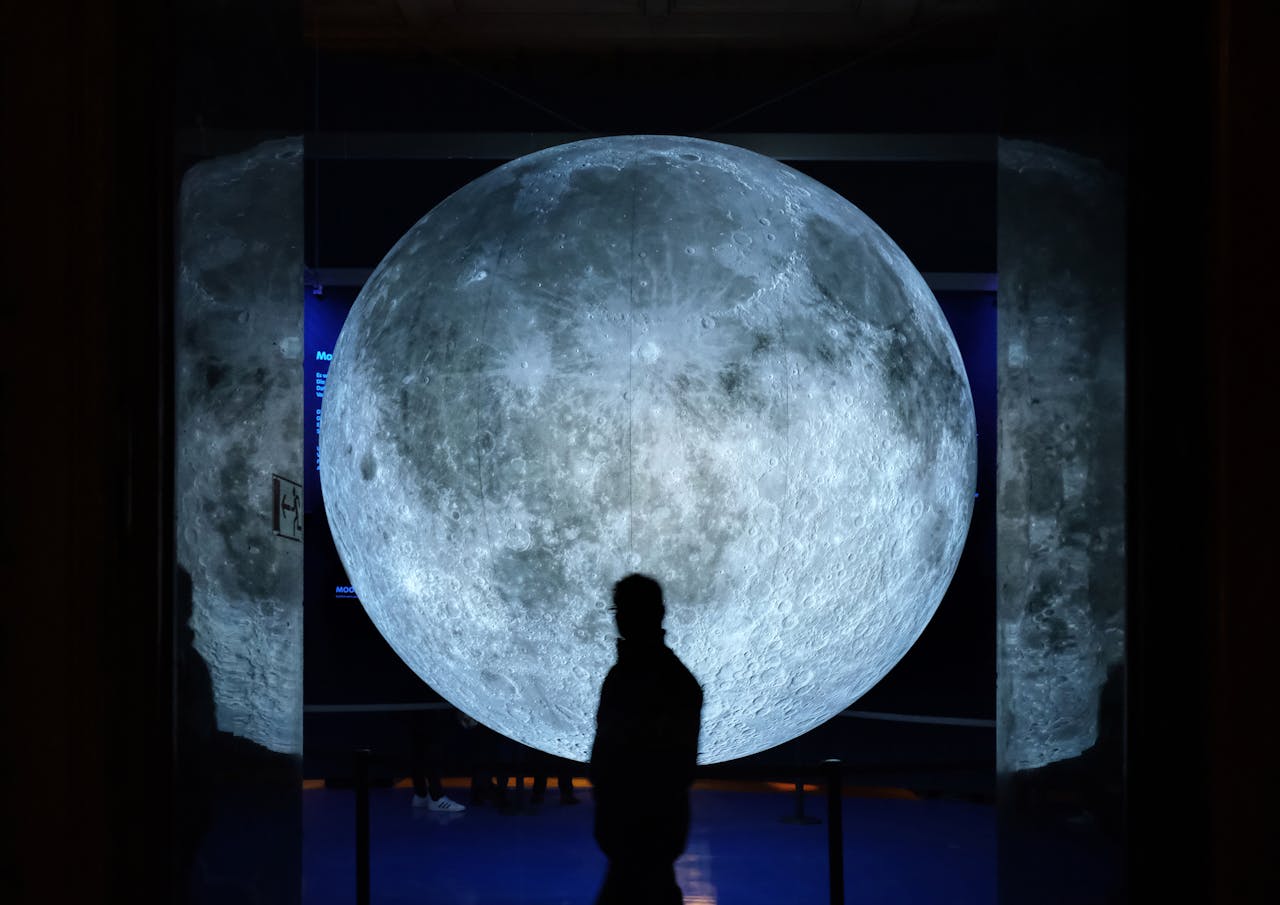
People have always tried to pin down what tomorrow will look like, and the results age in surprising ways. From the atomic boom years to the early days of the internet, specialists and dreamers promised lives that would be tidier, easier, and almost fully automated. Looking back, many of those visions feel more like marketing than prophecy. They reveal how each era mistakes its favorite technology for destiny, and how the real future keeps slipping sideways instead of falling in line.
Nuclear-Powered Vacuum Cleaners In Every Hall Closet
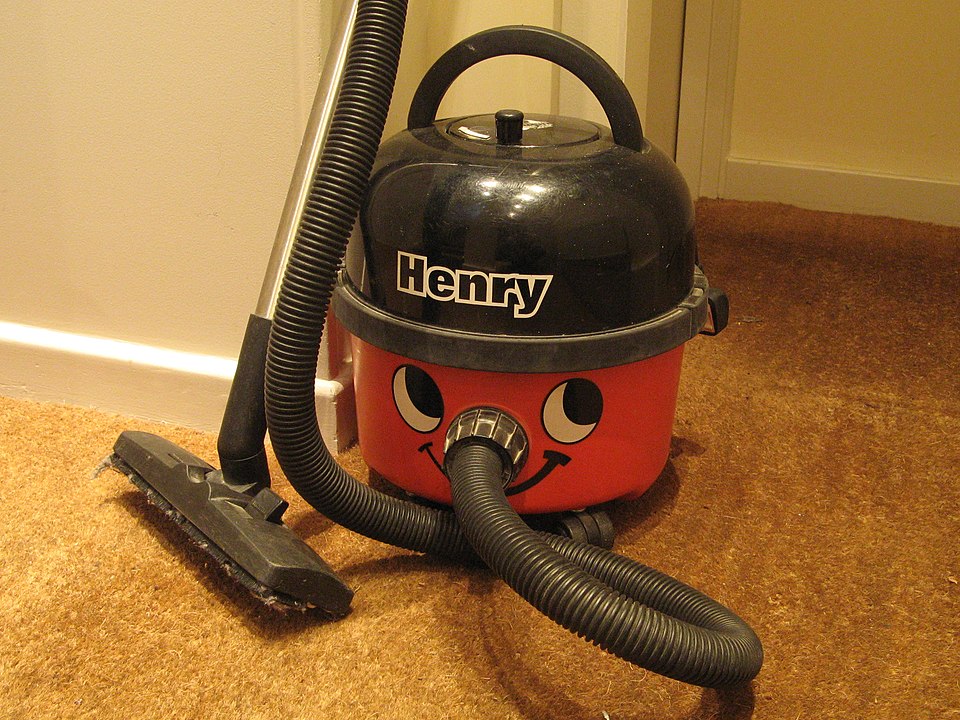
In the 1950s, nuclear energy was treated like a magic key that could power anything, including household gadgets. One vacuum executive even predicted that compact nuclear-powered cleaners would sit in hall closets within a decade. The idea ignored radiation risk, cost, and basic common sense, but at the time it sounded bold instead of reckless. Today, the thought of a fission core humming away next to winter coats feels closer to parody than serious product planning.
The 15 Hour Workweek And Endless Leisure

Economist John Maynard Keynes once imagined that rising productivity would give future generations a 15 hour workweek. He pictured a world where technology handled routine tasks, leaving people with long stretches of leisure and only modest paid hours. Instead, phones blur the boundary between office and home, and many workers juggle overtime or side gigs. The forecast got one thing right, though. Productivity did soar, it just flowed into bigger profits, higher expectations, and a culture that glorifies staying busy.
Dinner Replaced By A Single Meal Pill

For decades, futurists loved the idea that families would stop cooking and simply swallow compact meal pills. The pitch was simple. No shopping, no chopping, no dishes, just a perfectly balanced tablet taken between appointments. What this overlooked was how much emotional weight sits around food, ritual, and taste. Shakes and supplements exist, but people still gather around stoves, swap recipes, and argue about sauce. The fantasy of frictionless nutrition never came close to replacing the messy joy of real meals.
Flying Cars And Jetpacks For The Commute
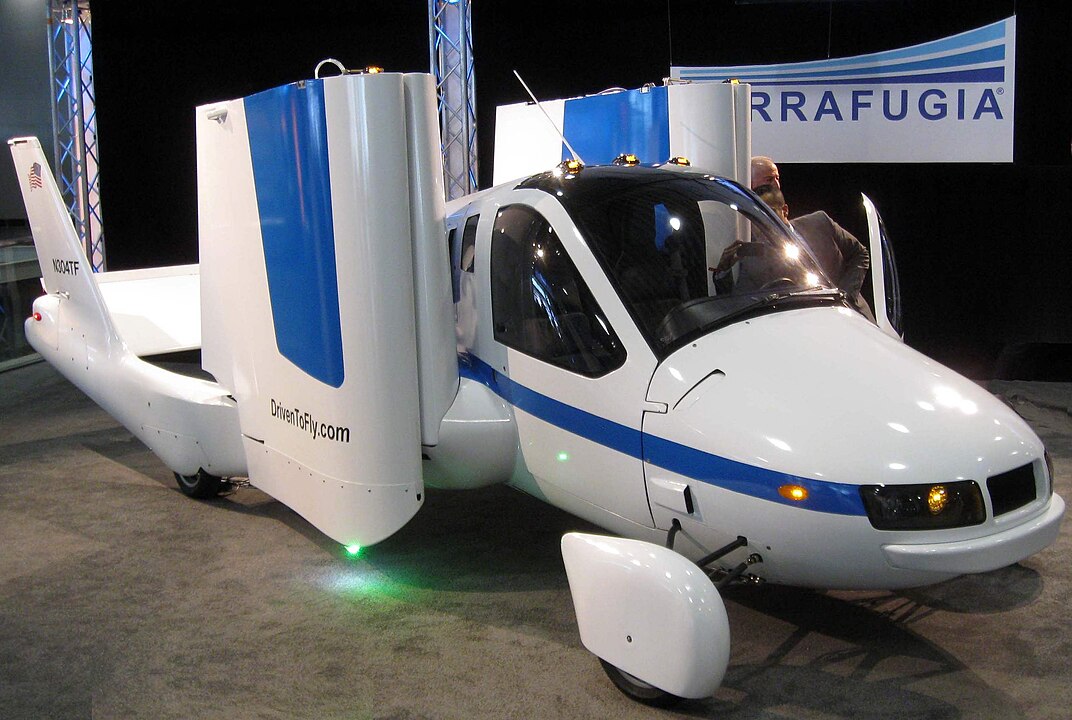
Midcentury magazines filled their pages with families commuting in flying cars and office workers zipping between skyscrapers on jetpacks. Traffic jams were supposed to move into the sky, where everyone would glide above the grid. Reality brought different problems. Noise, safety, fuel, regulation, and cost all piled up faster than the technology could mature. The closest version today is a mix of drones, helicopters, and test vehicles, while most commuters are still stuck on highways, inching between exits at rush hour.
The Fully Paperless Office By 1990

In the 1970s, tech visionaries promised that computers would soon eliminate paper from office life. Reports, memos, and records were expected to live entirely on screens, making filing cabinets obsolete. What happened instead was a strange hybrid world. Email arrived and printing exploded, as people generated more documents than ever and then printed many of them anyway. Even in the age of cloud storage, contracts, sticky notes, and physical notebooks cling on, proving that habits and trust do not shift overnight.
Nobody Needing A Computer At Home

When early computer companies looked ahead, many leaders assumed machines would stay in offices, labs, and government buildings. One prominent founder even argued that no ordinary person would ever need a computer at home. At the time, those machines were enormous, expensive, and aimed at specialized tasks. The idea of a teenager editing videos or managing friendships from a handheld device would have seemed absurd. The misfire shows how hard it is to imagine new uses before they exist.
Disposable Paper Wardrobes For Everyday Life

In the 1960s, disposable paper clothing briefly appeared as the next big thing. Some designers and marketers claimed people would soon wear outfits once and then toss them out, skipping laundry entirely. It played into a fascination with space age convenience and novelty over durability. The trend fizzled fast as garments tore easily, felt uncomfortable, and raised obvious questions about waste. Looking back, it reads like an early warning about throwaway culture, not a serious blueprint for future fashion.
Lunar Cities And Routine Trips To Space
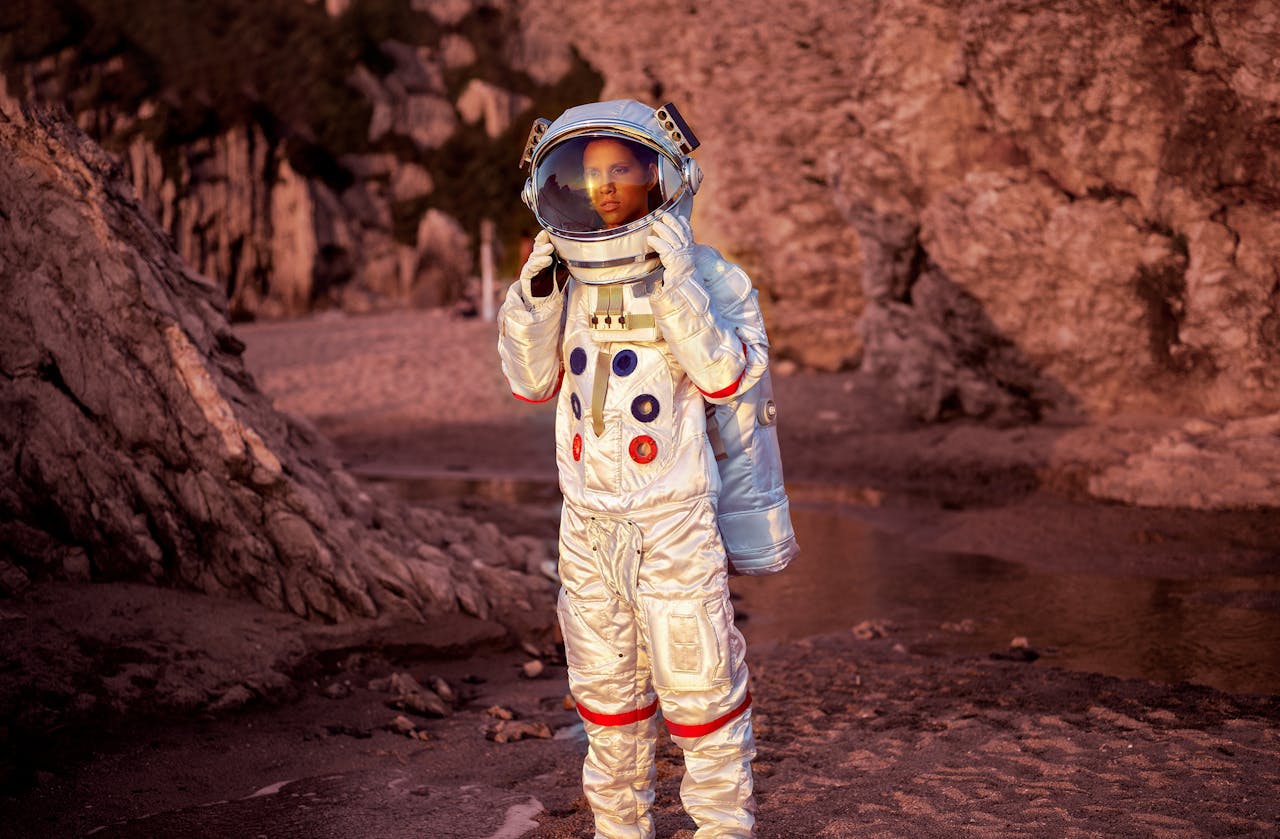
During the space race, public reports and glossy illustrations confidently described permanent cities on the moon by the early 2000s. Astronauts were supposed to live in domed habitats, mine lunar resources, and treat Earth orbits like another suburb. Instead, human footprints have not touched the lunar surface since the 1970s, and every planned mission is still framed as a rare milestone. Budgets, politics, and risk slowed the dream, leaving lunar cities in the realm of concept art and science fiction.
Robot Maids Handling Every Household Chore
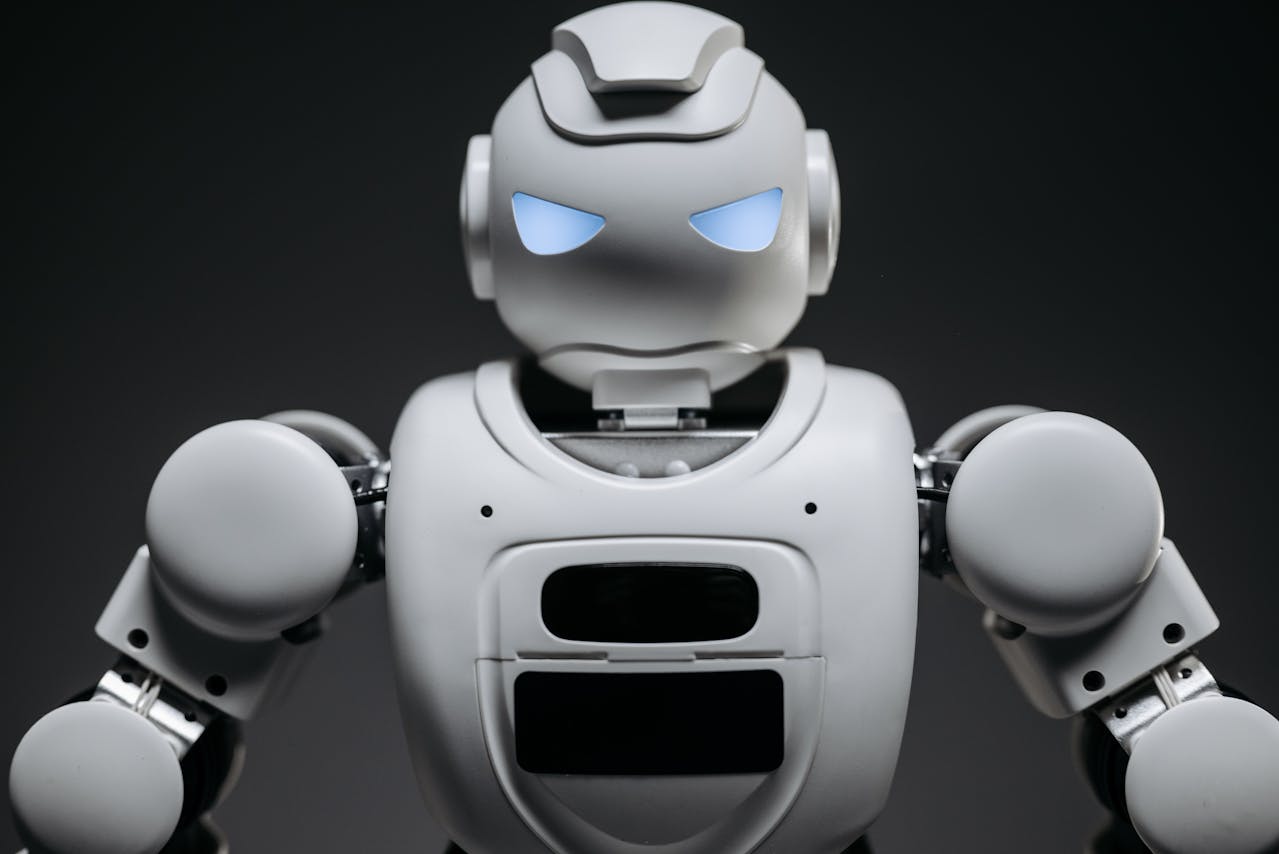
Retro films about the home of tomorrow often centered on robot maids running the household. These machines would cook, clean, fold laundry, and even manage schedules with polite mechanical patience. Today there are robot vacuums, smart speakers, and helpful appliances, but there is nothing close to a general purpose domestic helper. Human care is messy, emotional, and full of edge cases that scripts and sensors struggle to manage. In most homes, major chores still land on actual people, not metal arms.
Major Diseases Eradicated By The Year 2000

Mid 20th century optimism treated many diseases as technical problems that would soon be solved for good. Some writers predicted that by around 2000, most major illnesses would be eliminated through vaccines, new drugs, and hospital advances. Medicine has delivered remarkable breakthroughs, extending lives and taming once deadly infections. Yet chronic illnesses, new viruses, and unequal access to care remain stubborn realities. The timeline was wrong not because progress stalled, but because biology and society both turned out to be moving targets.