Before online carts and overnight shipping, toy and hobby shops worked like small neighborhood engines of wonder. Kids walked in with allowance money folded in a fist and walked out with something that demanded time, not just a power button. Owners knew families by name and stocked shelves by instinct, not data. As rents, chains, and discounted shipping rise, many of these places shrink or vanish, taking with them a certain way of learning, collecting, and simply hanging around.
Independent Toy Stores On Main Street
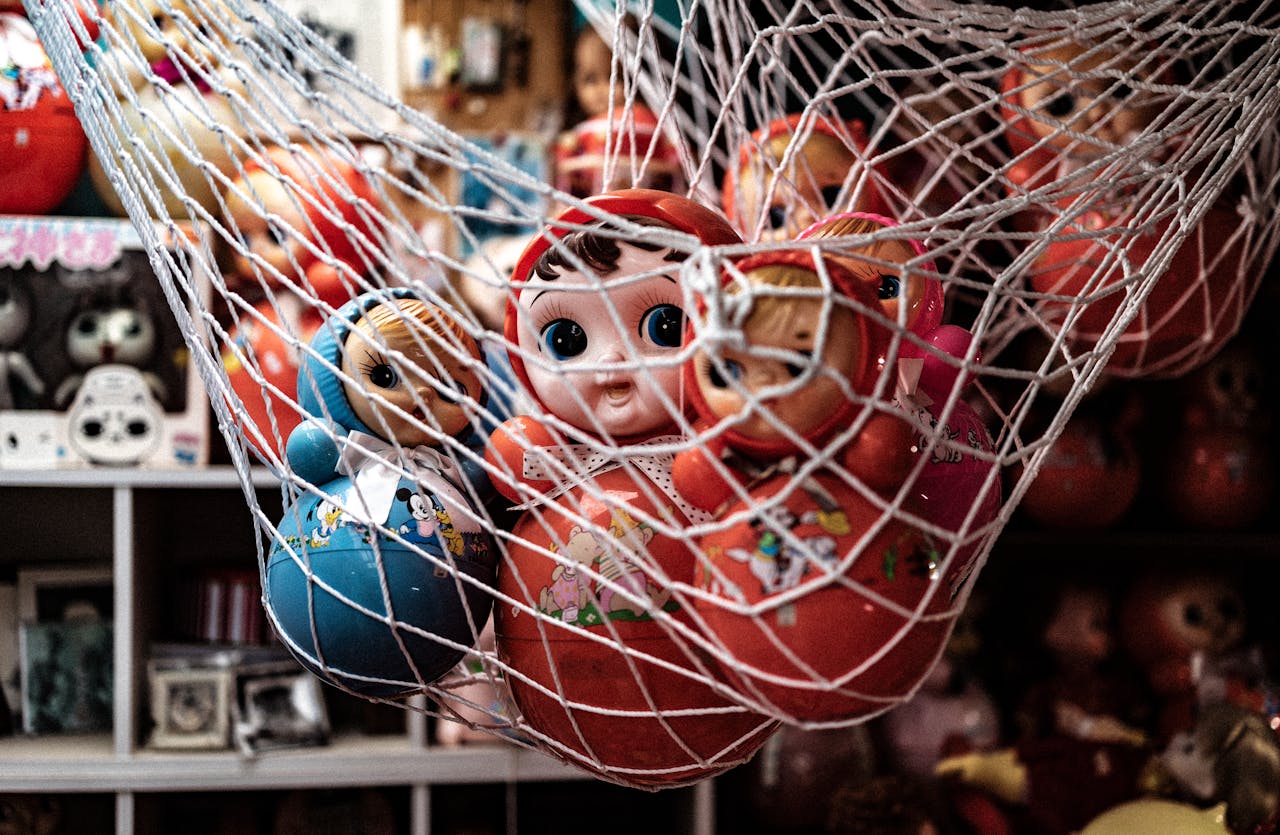
Independent toy stores once curated their shelves like personal treasure chests, mixing sturdy classics with odd little imports that no algorithm would predict. Regulars knew which aisle held noisy gadgets and which corner hid quiet, beautiful puzzles. Rising rents and big-box clearance bins chipped away at their margins, forcing many to close, relocate, or pivot into general gift shops. Where they survive, the sound of a door chime still feels different from a delivery notification.
Model Train Shops And Railfan Havens
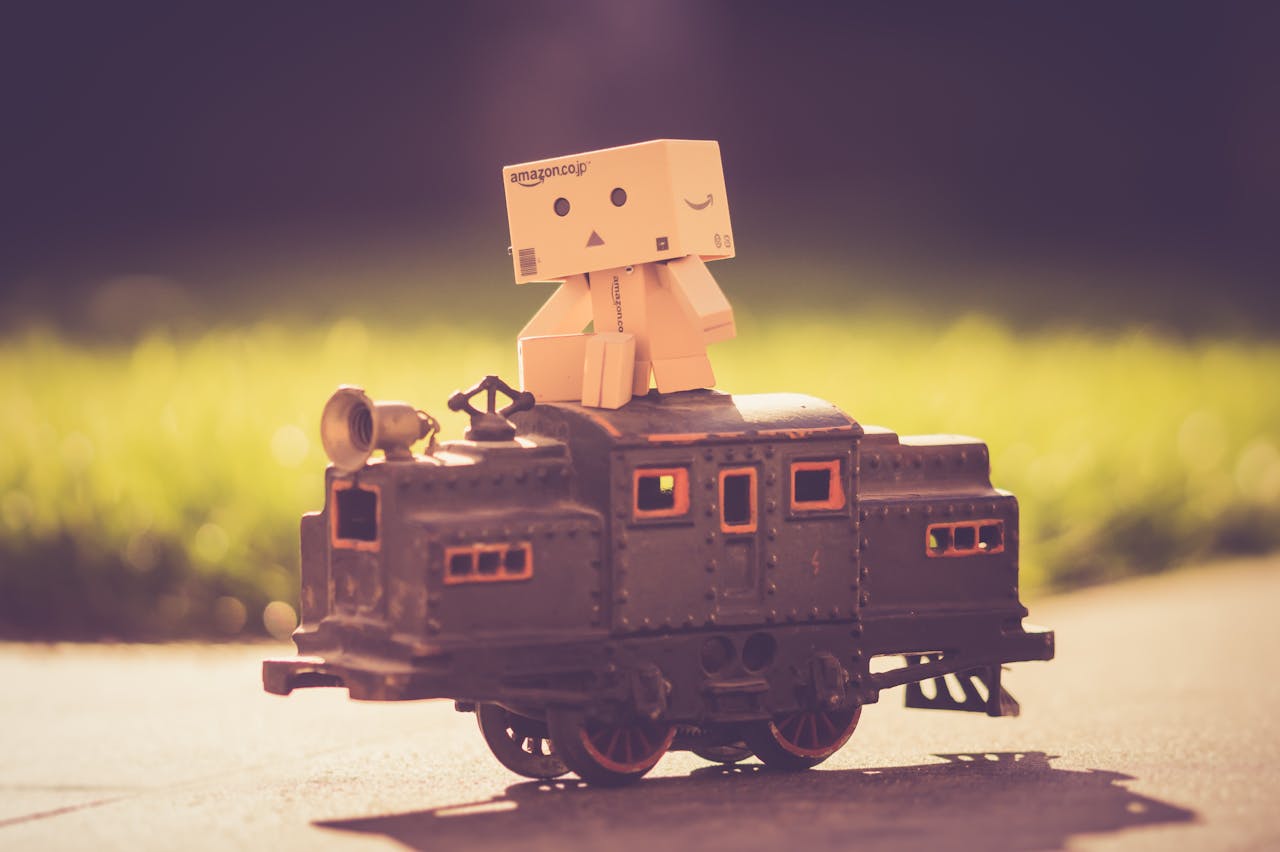
Model train shops felt like miniature depots, crowded with track pieces, scenery, and stories of real rail lines long gone. Owners happily explained gauges, wiring, and the right glue to keep a tiny bridge steady through countless loops. As basements shrink, apartments replace garages, and streaming takes over spare hours, fewer people commit to sprawling layouts. The shops that remain often double as informal museums, preserving both the hardware and the slow patience the hobby once demanded.
Radio Control Hobby Stores

Radio control hobby stores used to buzz with the sound of small engines and tools tapping on workbenches. Counters held servos, chargers, and spare wings for fixing hard landings before weekend meets. Step by step, online guides and direct factory sales have replaced in-person coaching, while parking lots turn into scattered solo flying fields. Surviving shops lean on club ties, indoor tracks, and repair help, proving that a shared test flight still matters more than a tracking number.
Comic And Trading Card Shops
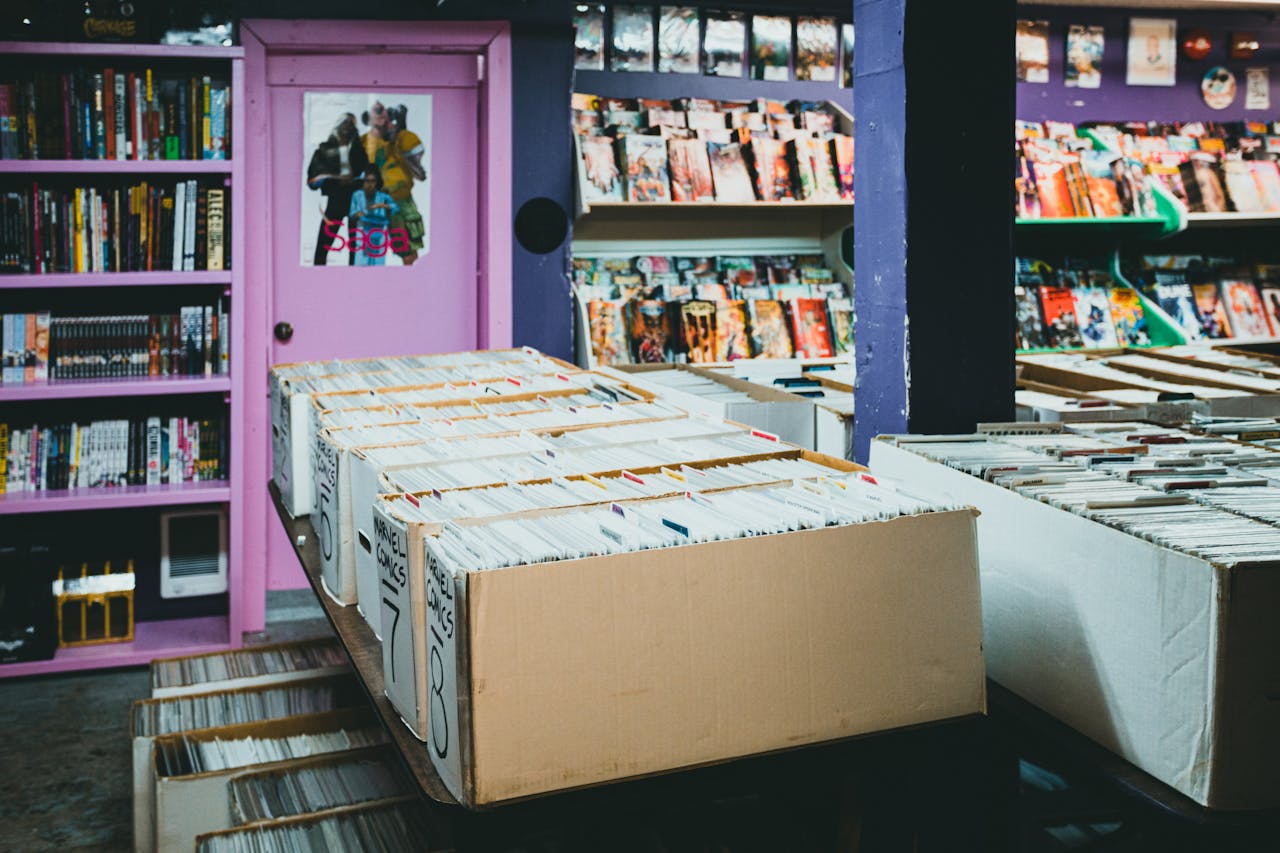
Comic and trading card shops mixed ink, cardboard, and conversation into a weekly ritual. New issue day brought familiar faces to crowded racks, where plot twists and rare pulls traveled faster than any official preview. Digital readers, grading services, and giant online marketplaces now siphon off casual buyers and price-conscious collectors. The remaining shops fight to stay relevant with tournaments, signings, and carefully curated back issue walls, holding space for stories that live best in hand, not on a screen.
Puzzle And Brainteaser Boutiques

Puzzle and brainteaser boutiques offered shelves full of wood, metal, and cardboard that rewarded quiet focus over quick swipes. Staff loved demonstrating how a simple twist or slide could change everything, then watched customers wrestle with each design. Phone games, training apps, and subscription boxes now crowd that same mental space while mall leases grow more expensive. The few boutiques that hang on often layer in events, rentals, and teaching tables, turning casual curiosity into something closer to a workshop.
Doll Hospitals And Specialty Doll Stores
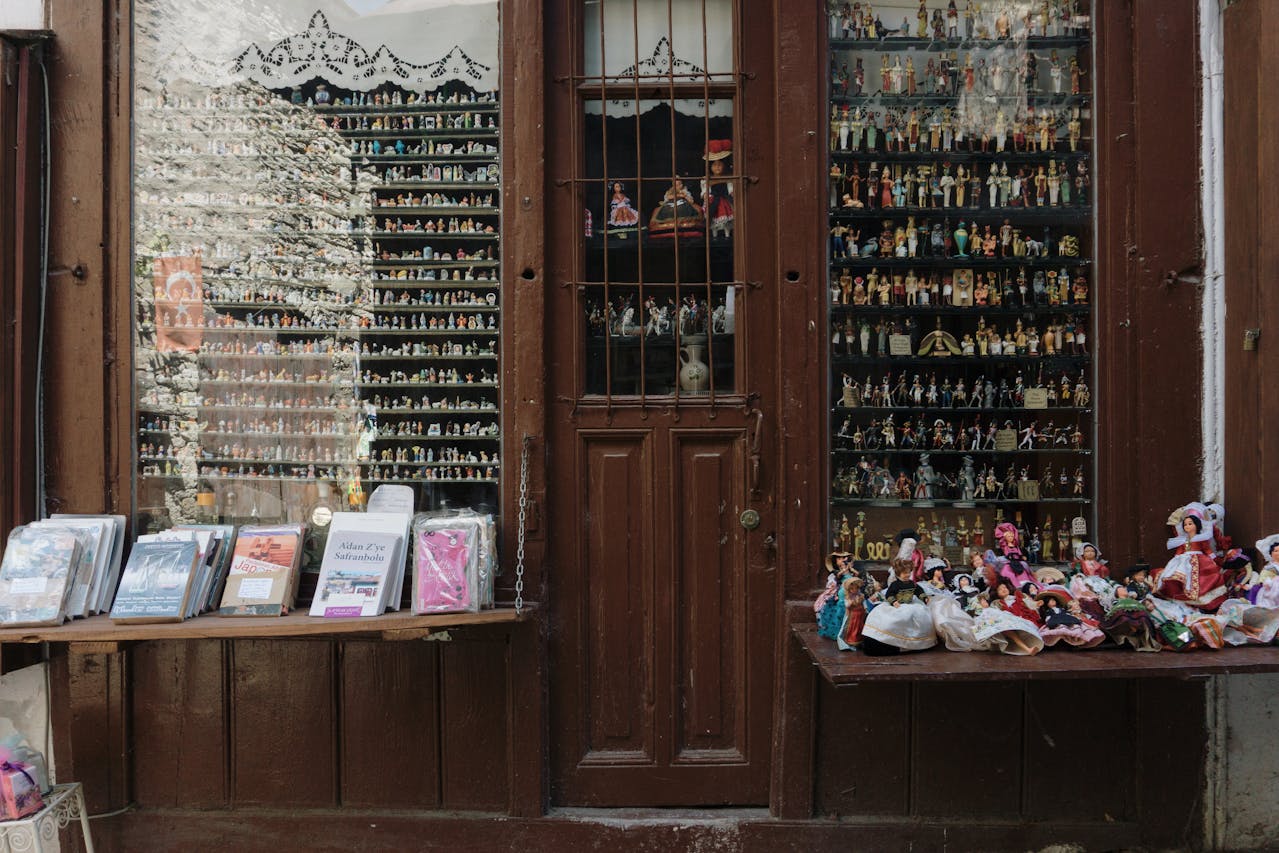
Doll hospitals and specialty doll shops once treated cherished toys like honored guests, logging each repair as carefully as a medical chart. Inside glass cases, porcelain and cloth figures waited for restringing, new wigs, or a matching replacement eye chosen from drawers of tiny parts. Cheaper toys, faster trends, and disposable fashion cycles have dulled demand for that careful restoration. Many of these repair skills now live in spare rooms or side businesses, quieter but still stitching together memories.
Scale Model And Miniature Painting Shops

Scale model and miniature painting shops smelled of paint, plastic, and coffee cooling beside open instruction sheets. Owners taught sanding, weathering, and brush control long before social feeds turned those techniques into quick clips. Online retailers now sell kits at lower prices, while many landlords prefer boutiques or cafes to messy hobby counters. Stores that endure often become community studios, hosting build nights and painting sessions that keep the craft social and grounded in real conversation.
Dedicated Kite Stores Near The Shore

Dedicated kite stores near the shore pulled the sky inside onto their walls, every shape and tail promising a different way to read the wind. Staff could glance at the water and recommend a stable diamond for kids or a stunt kite ready for sharp turns and fast dives. Discount beach stalls and general souvenir shops have replaced many specialists, flattening choice to a few bright seasonal designs. Where a true kite shop survives, it feels like an extra doorway to the open air.
Science And Educational Toy Stores

Science and educational toy stores turned ordinary shopping centers into small laboratories. Plasma balls, crystal kits, microscopes, and solar gadgets invited kids to prod, press, and ask questions while parents lingered nearby. Big-box aisles, online reviews, and flashy packaging now dominate the category, often favoring quick wow moments over depth. The remaining stores stretch their purpose with workshops, camps, and school partnerships, trying to keep hands-on discovery alive in a world that increasingly scrolls past it.
Neighborhood Game And Hobby Shops
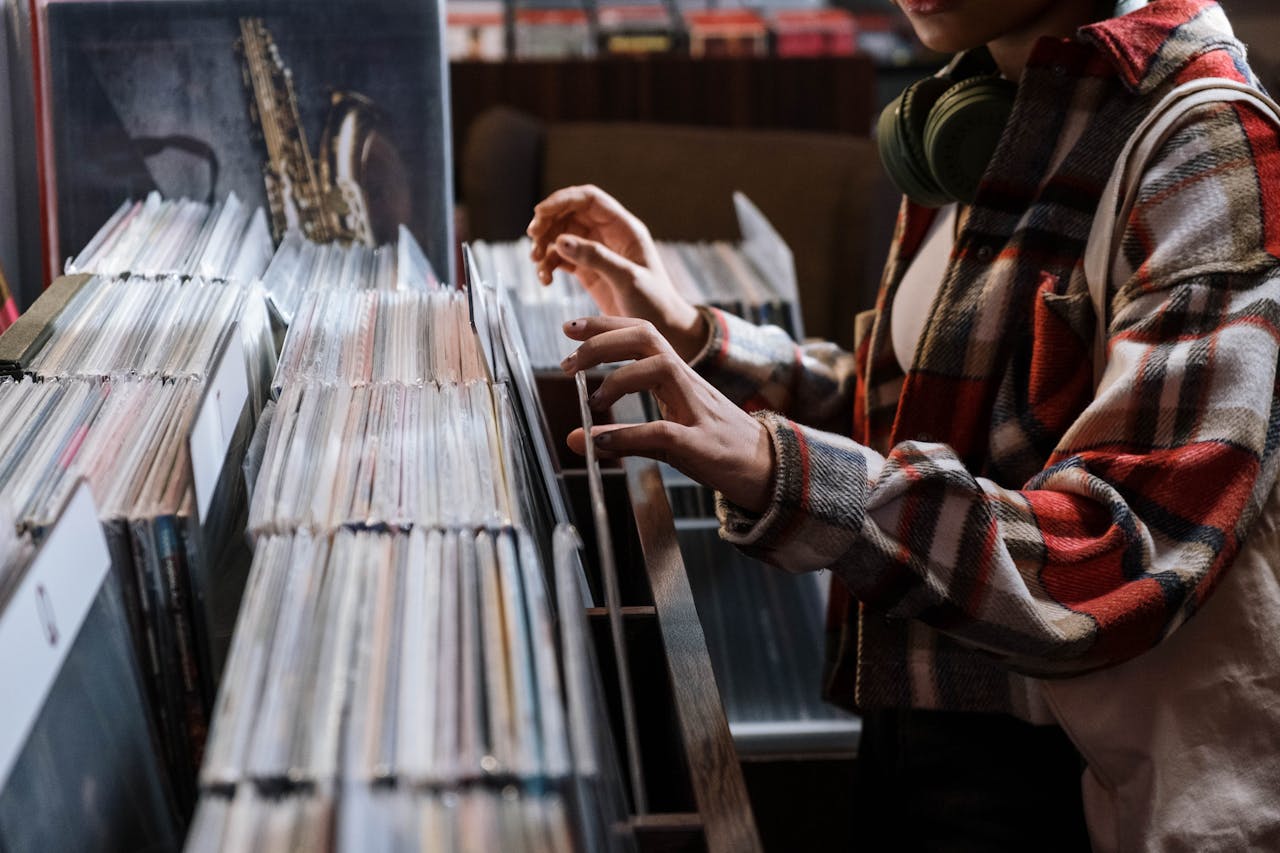
Neighborhood game and hobby shops built friendships around crowded tables, rulebooks, and late-night debates over strategy. Evenings meant stacking chairs, spreading out maps, and trading jokes while dice clattered until closing time. Deep discounts, online retailers, and streaming actual play shows now tempt many players to stay home or buy elsewhere. Shops that last embrace their role as community hubs, running leagues, launch nights, and casual meetups where the real draw is the people, not just the box on the shelf.