In 2026, bedroom design moves firmly toward rooms that feel slow, grounded, and deeply personal. Designers are less interested in quick makeovers and more focused on lasting comfort, mood, and function. Texture, light, and color work together to support rest instead of stealing attention. Darker palettes, smarter technology, and richer materials reshape how people end their day. The result is a shift from showroom perfect spaces to bedrooms that hold stories, soften stress, and age gracefully with the person who sleeps there.
Textured Ceilings

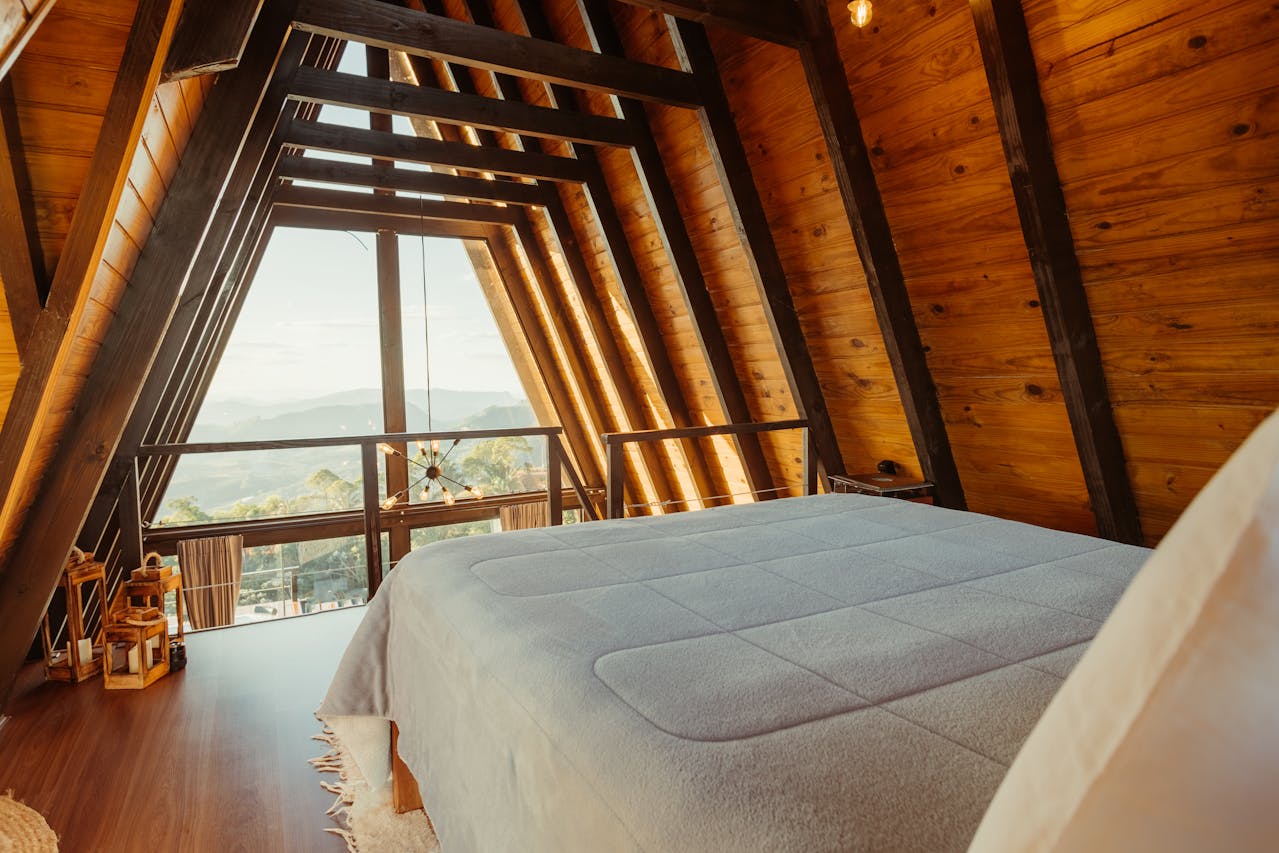
Ceilings step into the spotlight in 2026 as textured finishes migrate from living spaces into bedrooms with renewed design emphasis. Limewash, ribbed plaster, and slender coffers pull the eye upward and add soft shadows that make compact rooms feel more considered and spacious. A gently patterned or wood clad ceiling turns the area over the bed into a quiet focal point that frames every night and creates intimacy. Paired with low lamps, calm colors, and heavy curtains, the effect feels like a tailored sky that settles the mind and makes simple routines feel more intentional. The ceiling becomes an anchor for the entire room’s design language, grounding tired eyes before sleep.
Earthy Cocooning Palettes
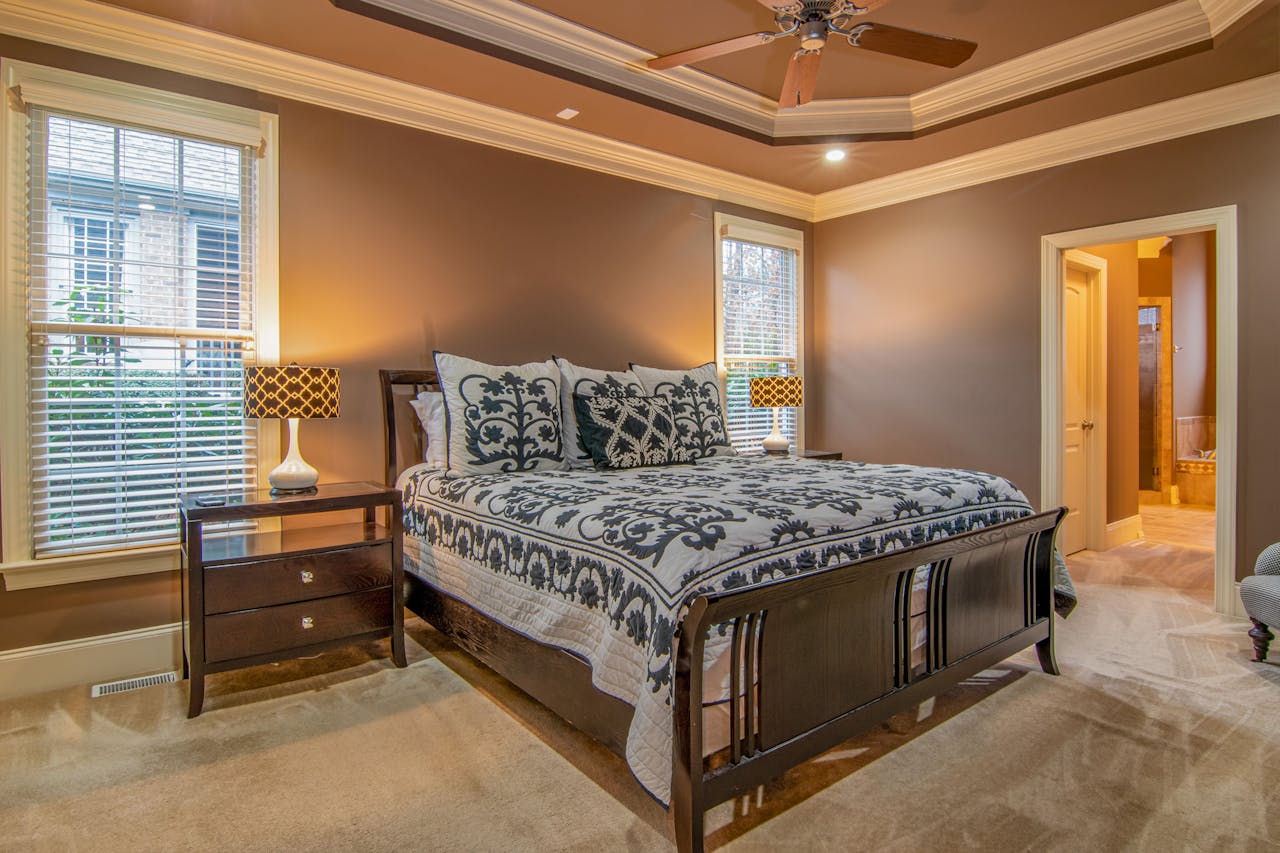
Color stories in 2026 lean into earthy cocooning, with palettes that feel grounded, muted, reassuring, and deeply personal. Cocoa, clay, mushroom, and soft olive wrap walls, bedding, and drapery in layered tones that read intimate rather than heavy or institutional. These hues sit easily beside plaster, linen, and dark woods, so nothing feels jarring or overstyled in its execution. The room becomes a kind of visual exhale after bright screens and long days outside. Small shifts in shade on headboards, rugs, and lamps keep the palette from feeling flat while allowing the space to evolve slowly. This subtle approach creates depth and richness naturally, inviting the eye to rest on warmth.
Dark Brown Wood Furniture
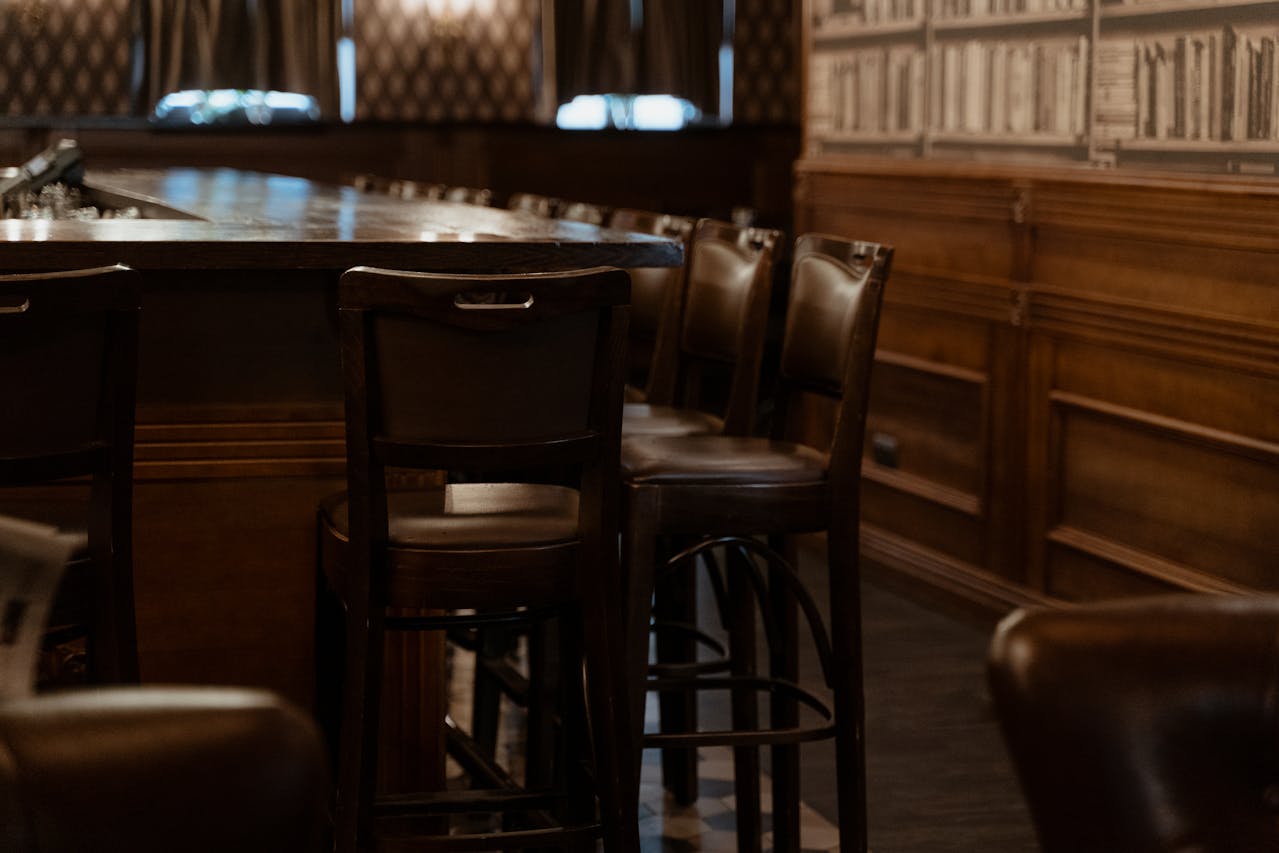
After long seasons of gray and bright white, brown bedroom furniture returns with real confidence and purpose in 2026. Walnut, mahogany, and richly stained oak anchor spaces with visible grain, depth, and a sense of history that lighter finishes rarely offer. Designers mix vintage and new pieces so the room looks built over years, not purchased in one weekend. Darker woods warm pale walls and pair well with both crisp cotton and relaxed linen. The furniture feels more like a long term companion than a trend, ready to move between homes and changing tastes. These pieces gain character with time and use, making them feel increasingly valuable. Dark wood creates grounding warmth and sophistication that age gracefully.
Patterned Accent Walls
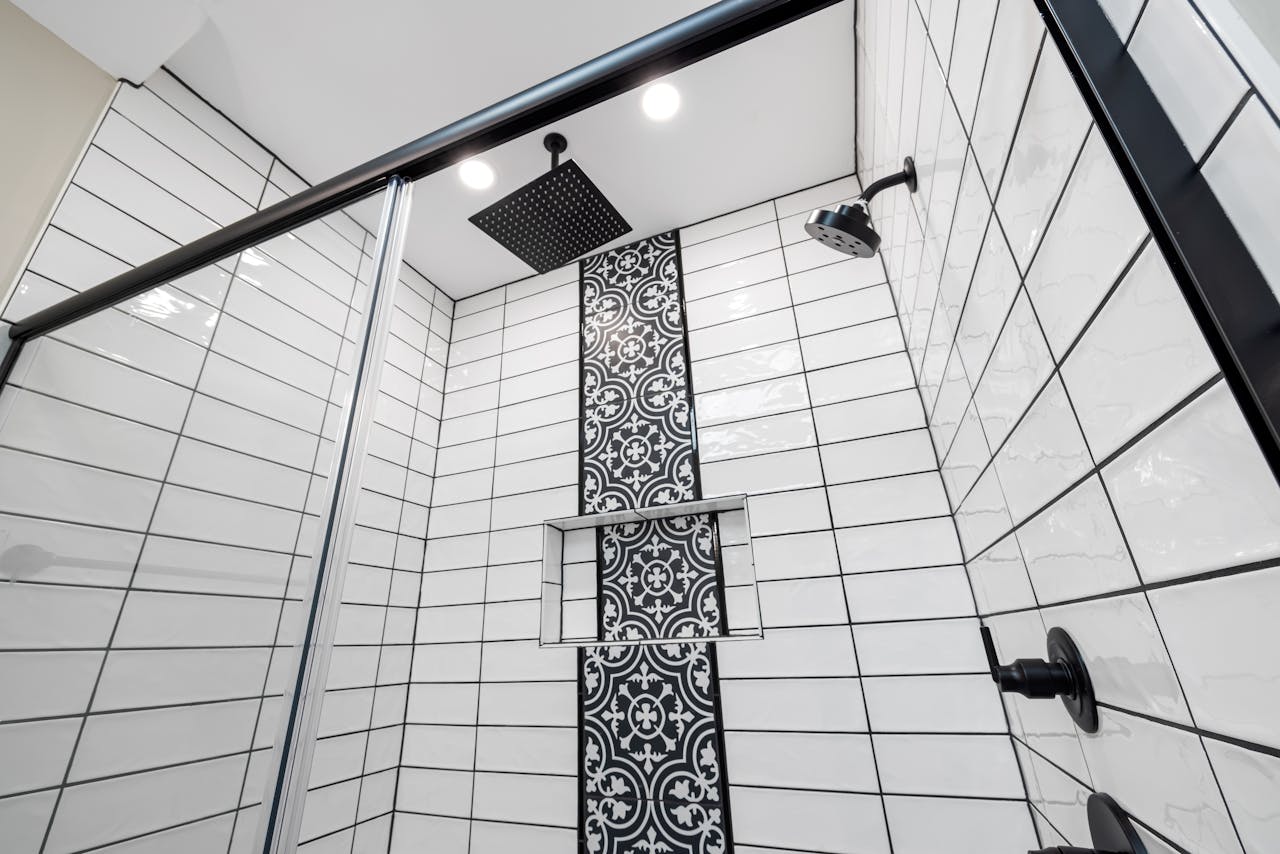
Patterned accent walls continue in 2026 but feel more deliberate, refined, and grown up in execution. Instead of loud contrasts that dominate, designers reach for murals, tailored stripes, geometric prints, or block prints that echo the room’s colors and overall rhythm. A focused wall behind the headboard draws the eye without swallowing the rest of the space, which matters in smaller rooms where every surface has a functional job. When the pattern repeats softly in pillows, lampshades, or drapery, the wall becomes part of a quiet story rather than a shout. Personality and character arrive without sacrificing the rest and calm needed for sleep.
Collected And Personal Schemes
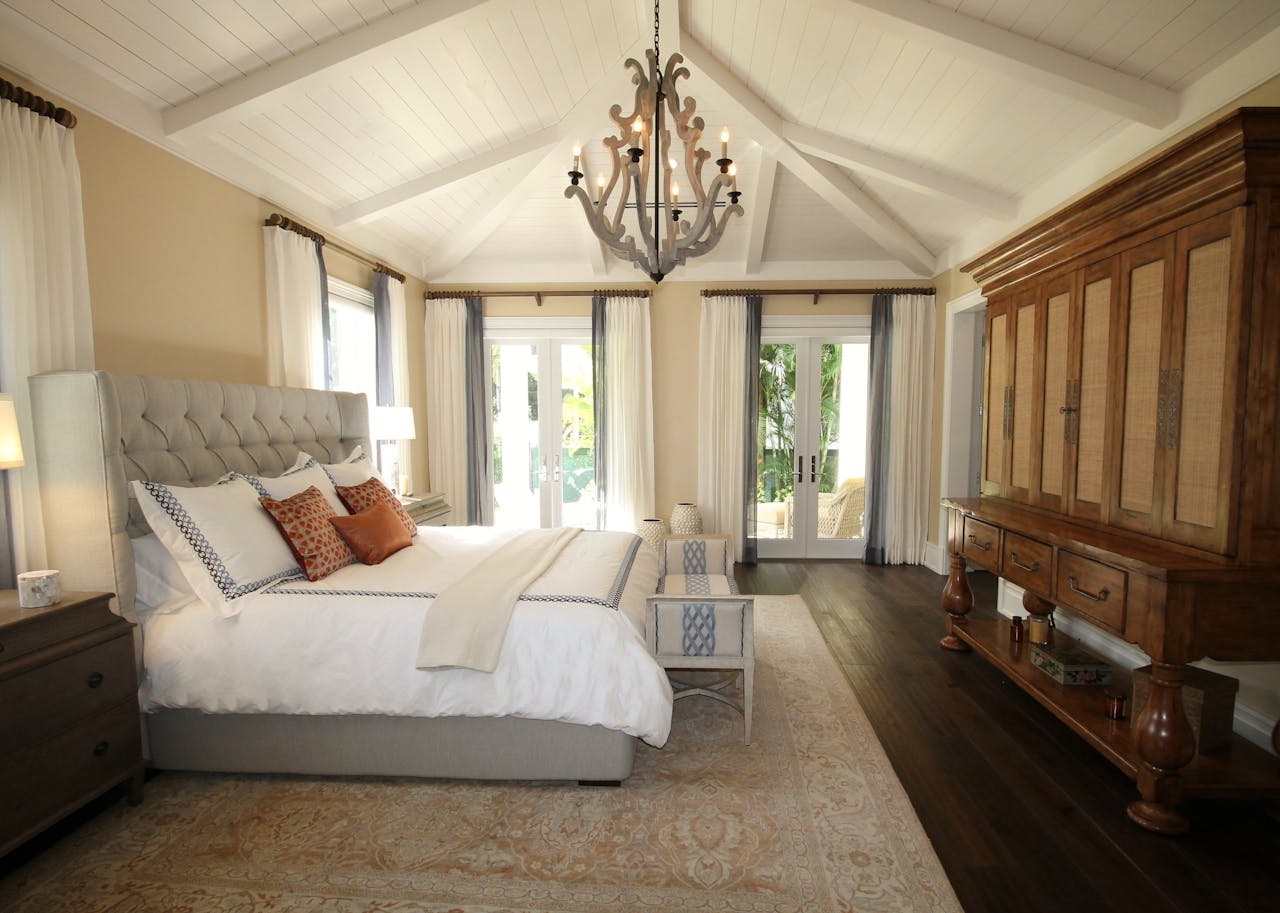
Collected bedrooms gain strength and character as people move away from matching sets and toward spaces that feel genuinely lived in. Designers pair vintage nightstands with heirloom art, hand built benches, and sculptural lamps so nothing looks straight from a catalog. Scratches, patina, and mixed wood tones add warmth that new pieces alone cannot fake. The room reads like a private archive of travels, gifts, and past homes rather than a trend board. This kind of scheme rewards time, inviting new layers without losing the sense of memory or emotional weight. Each piece tells a story and builds on the last.
Striking Moody Wallpaper
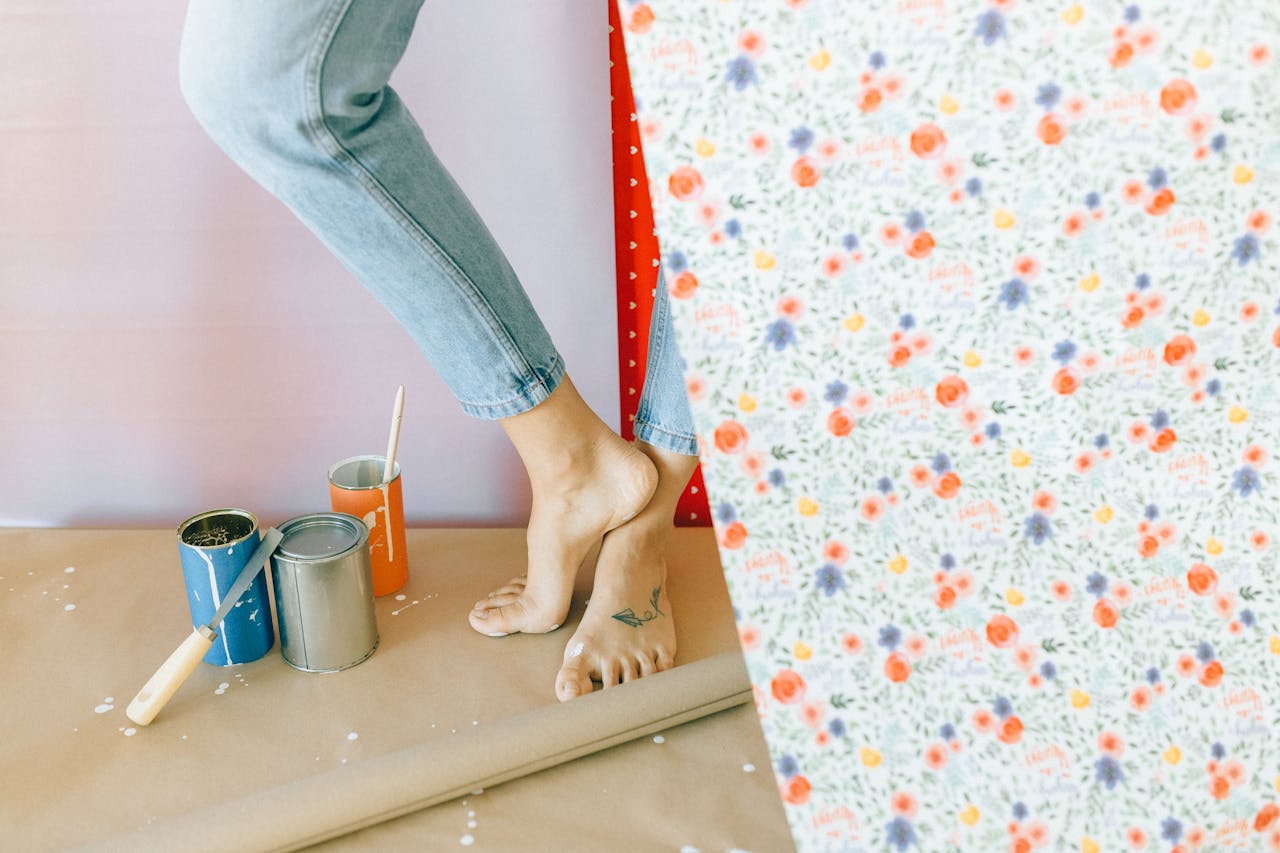
Striking wallpaper stays important in 2026, but the focus shifts decisively toward mood rather than novelty and shock value. Deep blues, teal greens, and softened charcoals wrap walls in a dusk like atmosphere, often paired with cream, linen, and velvet for contrast and softness. Large scale botanicals, brushy abstracts, or hazy landscapes turn the bedroom into a cinematic backdrop for rest. When lighting is layered thoughtfully with sconces, reading lamps, and soft ceiling glows, the paper feels enveloping rather than busy and stimulating. The result is a room that feels dramatic, deeply personal, and still profoundly calm. Pattern becomes part of the retreat rather than the distraction.
Smart Lighting And Automated Blinds
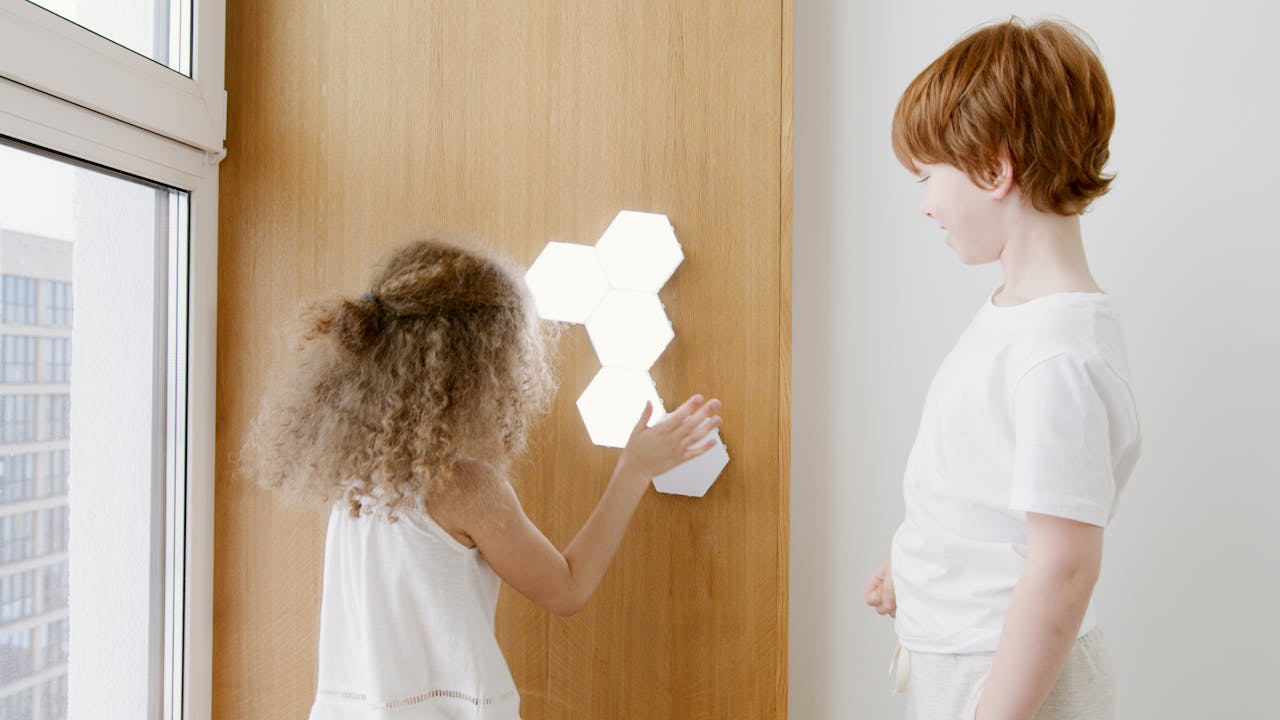
Technology in 2026 bedrooms becomes quieter, more invisible, and more caring about the user’s rest cycle. Automated blinds open slowly with the sunrise instead of a harsh alarm, while circadian lighting shifts intelligently from cool clarity in the day to warm amber glow at night. Controls sit in simple keypads or minimalist apps, so surfaces stay clean and free of visual clutter everywhere. The goal is not a gadget filled room but a space where light follows natural rhythms and patterns. With fewer abrupt jolts into bright white fluorescence, the body has an easier time winding down at night and waking gently. Sleep improves when technology works invisibly in the background.
Tailored Quiet Luxury
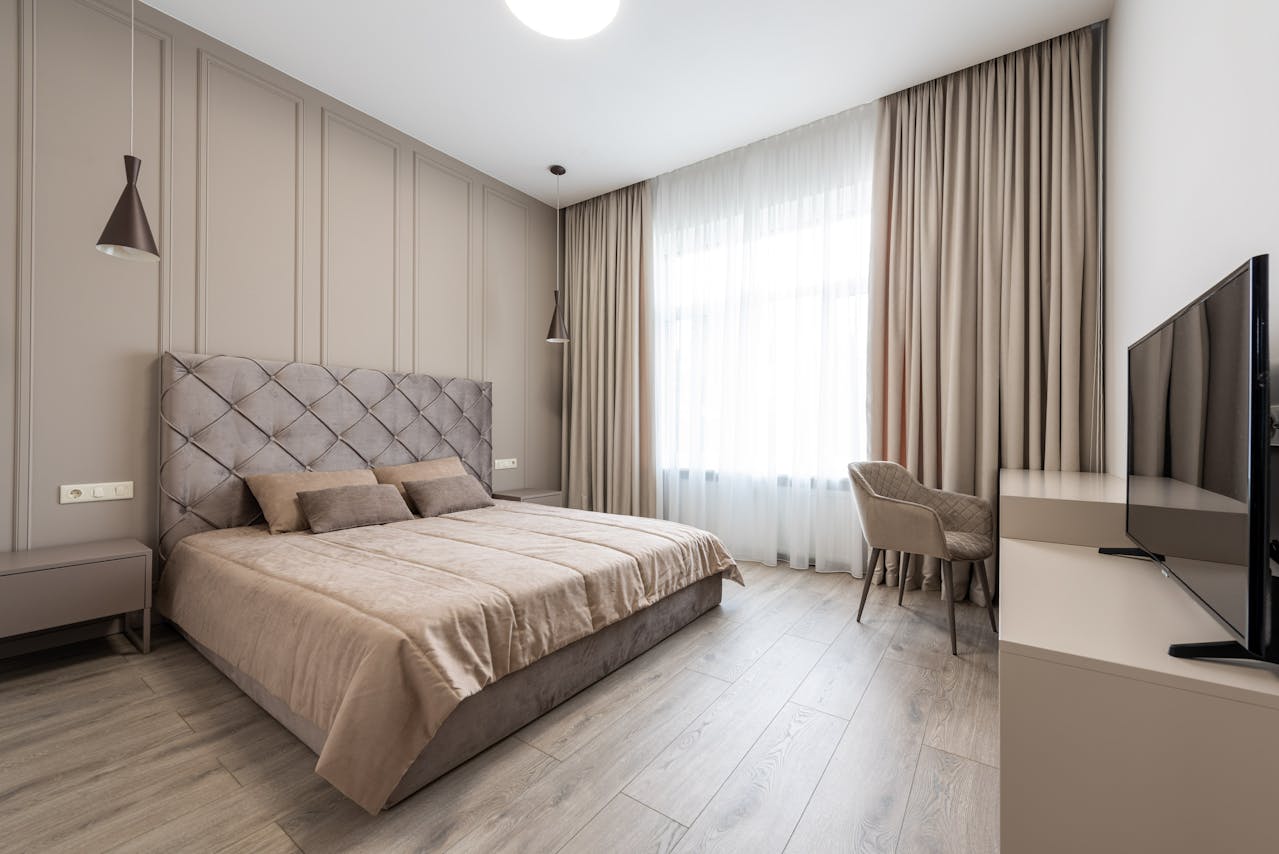
Tailored quiet luxury replaces showy logos with proportion, craftsmanship, and restraint applied thoughtfully. Vertical channel headboards, upholstered wall panels, and fully lined drapery lend structure without feeling stiff or overdone. Neutral bedding carries subtle pattern and texture so the room feels rich but never loud. Nightstands in dark wood or lacquer, finished with considered hardware and well scaled lamps, reinforce the idea of a space designed with genuine care. This approach respects daily routines, making a glass of water, a book, and a phone charger feel as considered as the textiles. Luxury becomes about quality and thought, not status.
Elevated Everyday Essentials
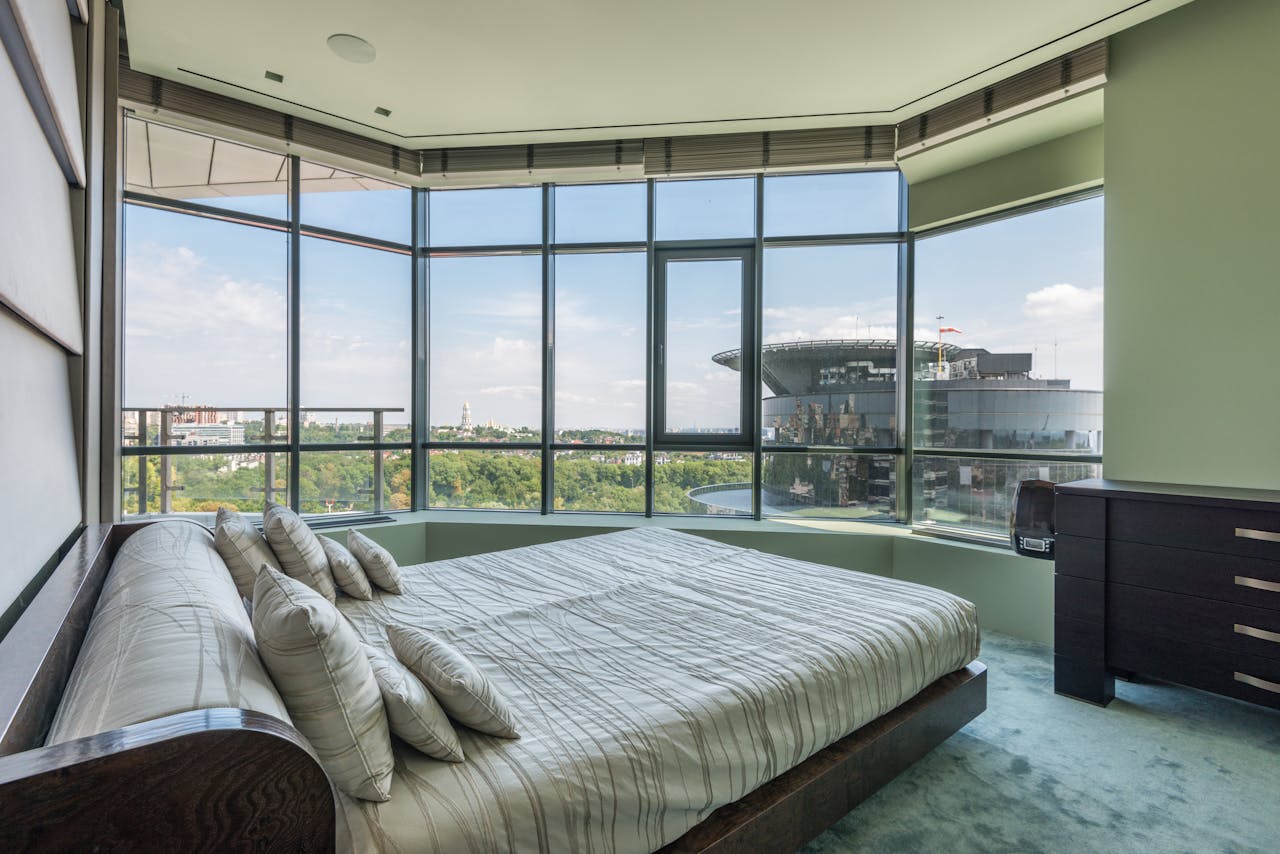
Small objects near the bed get considerably more attention in 2026, turning everyday items into genuine parts of the design narrative and story. Tissue box covers, decorative trays, carafes, and even alarm clocks are chosen deliberately for shape, finish, and how they sit in light. Branded packaging and visual noise move out of sight, so the eye can rest on natural wood, stone, and fabric instead of logos. Nothing feels unnecessarily precious, but everything feels intentional and considered. The bedside area becomes a calm little stage for daily routine, which quietly supports better rest overall and slower, more peaceful evenings. Every object contributes to the mood.
Moody Color Drenched Bedrooms
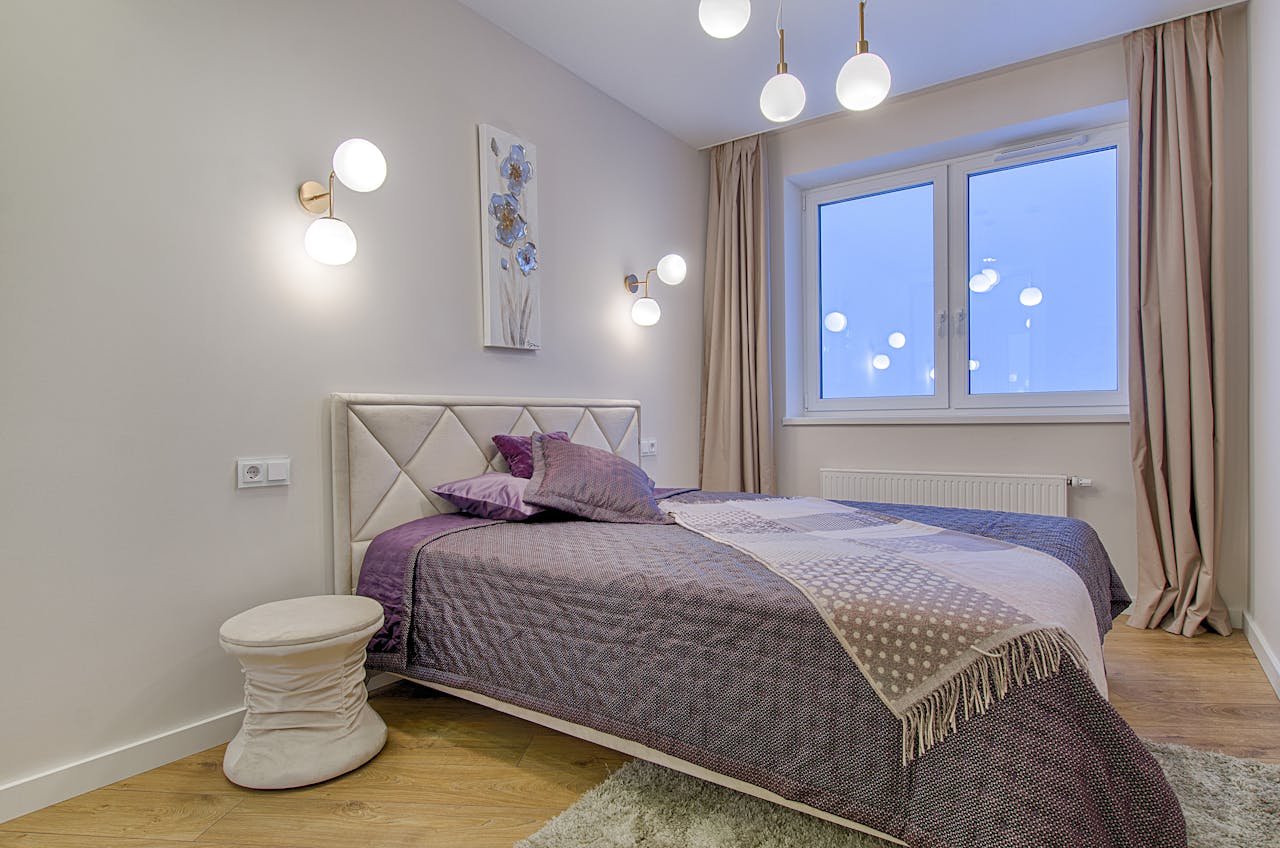
Moody, color drenched bedrooms stay powerfully strong into 2026 and grow increasingly more confident. Designers often pick one deep, resonant hue and carry it across walls, trim, doors, and sometimes furniture, creating a unified shell of saturated calm. Texture and sheen do the rest of the work, with velvet, boucle, and soft gloss finishes stopping the color from feeling flat and lifeless. In low, warm evening light these spaces feel like private retreats, absolutely ideal for reading, talking, or simply being still without distraction. Lighter accents arrive through art, bedding, and flowers rather than large surfaces that break the mood. Saturation becomes comfort.