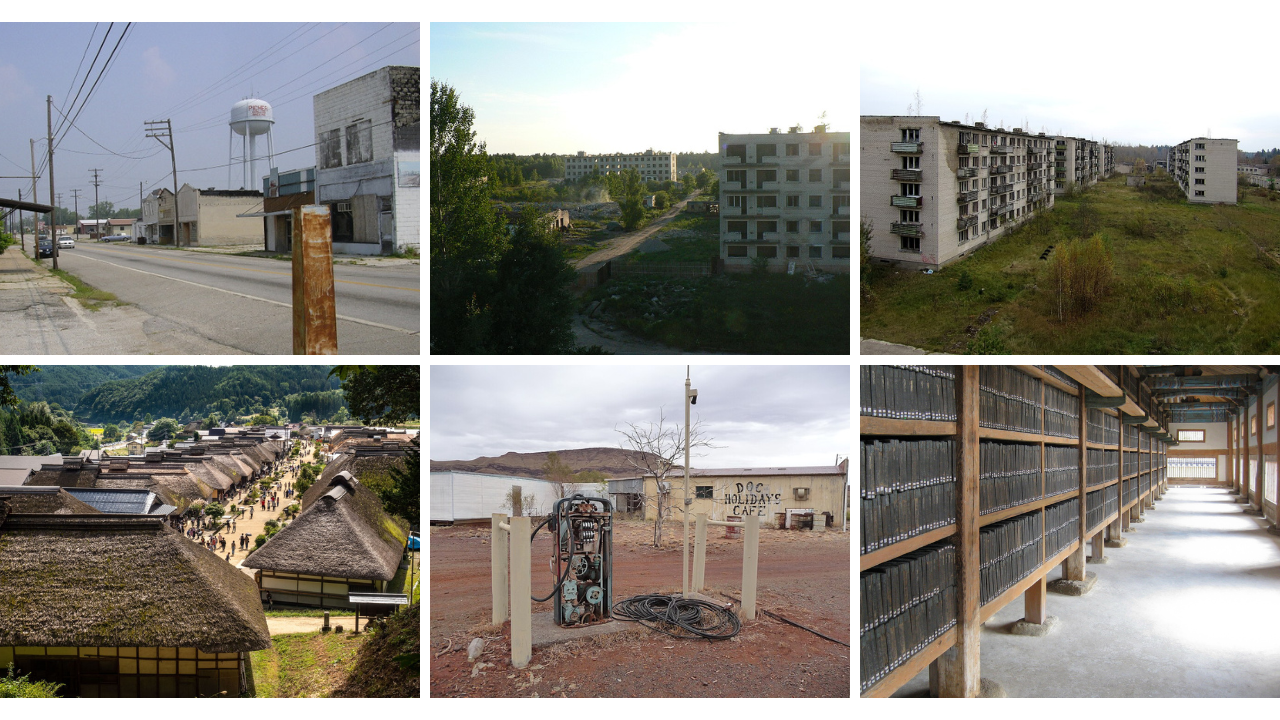
Silent streets, shuttered houses, and government warning signs tell stories most history books skim past. Around the world, entire communities were emptied in the name of national security, industrial disaster, or geopolitical conflict. These were not random settlements but places planned, sanctioned, or controlled by governments, then sealed off again when danger or politics made ordinary life impossible. What remains today are ghostly grids of roads and ruins that sit behind fences, gates, and legal restrictions, holding memories of risk, sacrifice, and secrecy.
Pripyat, Ukraine: Frozen Inside The Chernobyl Exclusion Zone
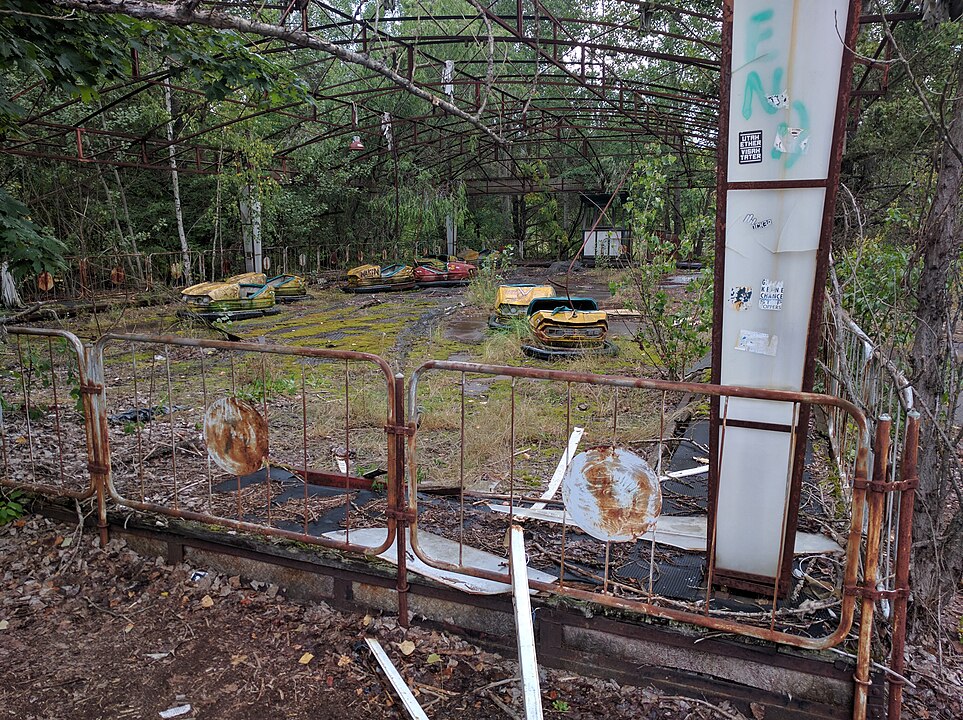
Pripyat was built in 1970 as a model Soviet company town for workers at the Chernobyl nuclear plant, complete with schools, an amusement park, and riverside promenades. After the 1986 reactor explosion, the entire population of about 49,000 was evacuated within days, leaving toys on floors and plates on tables. The city now lies inside Ukraine’s Chernobyl Exclusion Zone, where access is tightly controlled, especially since the 2022 invasion, and large areas remain off-limits due to lingering radioactive hot spots and collapsing buildings.
Wittenoom, Australia: A Town Erased For Asbestos
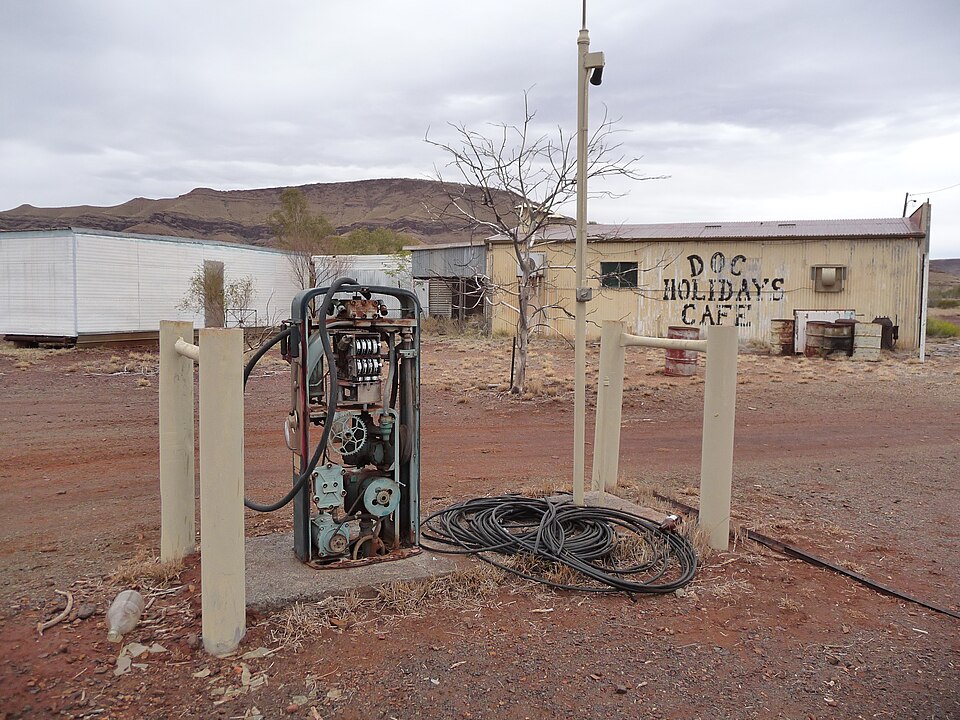
Wittenoom in Western Australia began as a government-backed blue asbestos mining town and grew into the Pilbara’s largest settlement in the 1950s. Decades later, thousands of deaths from asbestos-related disease turned it into a national scandal. The state degazetted the town in 2007, removed it from maps, and passed the Wittenoom Closure Act in 2022 to compulsorily acquire remaining properties and demolish structures. Today it is a declared contaminated site; roads are being closed, and authorities warn that unauthorized visits can lead to prosecution.
Centralia, Pennsylvania, US: Condemned Above An Endless Fire
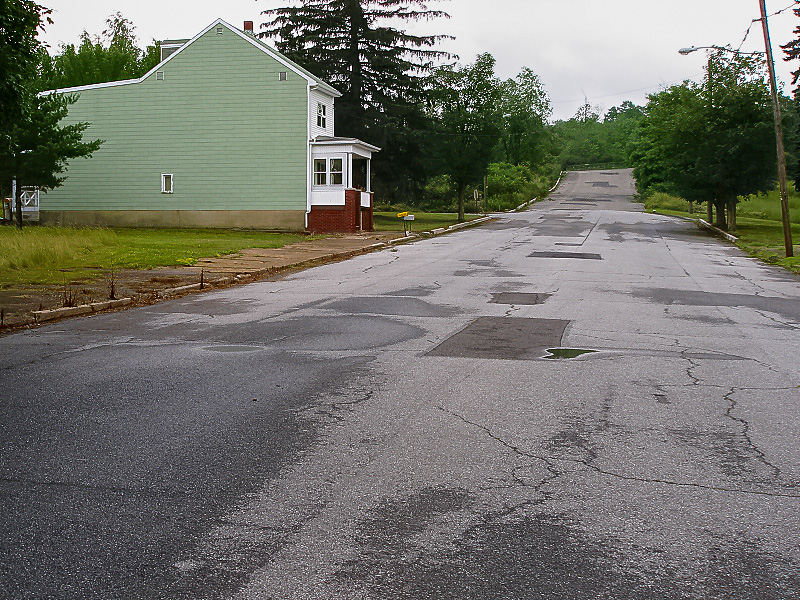
Centralia once looked like any other small coal town in Pennsylvania until an underground mine fire ignited in 1962 and quietly spread beneath homes, streets, and cemeteries. As toxic gases seeped up and sinkholes opened, federal and state authorities launched buyouts, seized properties through eminent domain, and stripped buildings from the landscape. Only a handful of residents were eventually allowed to stay under special agreements, while most of the town grid is closed, posted with warnings, and technically condemned because the coal seam fire is expected to burn for centuries.
Times Beach, Missouri, US: Dioxin Disaster Buried Under A Park
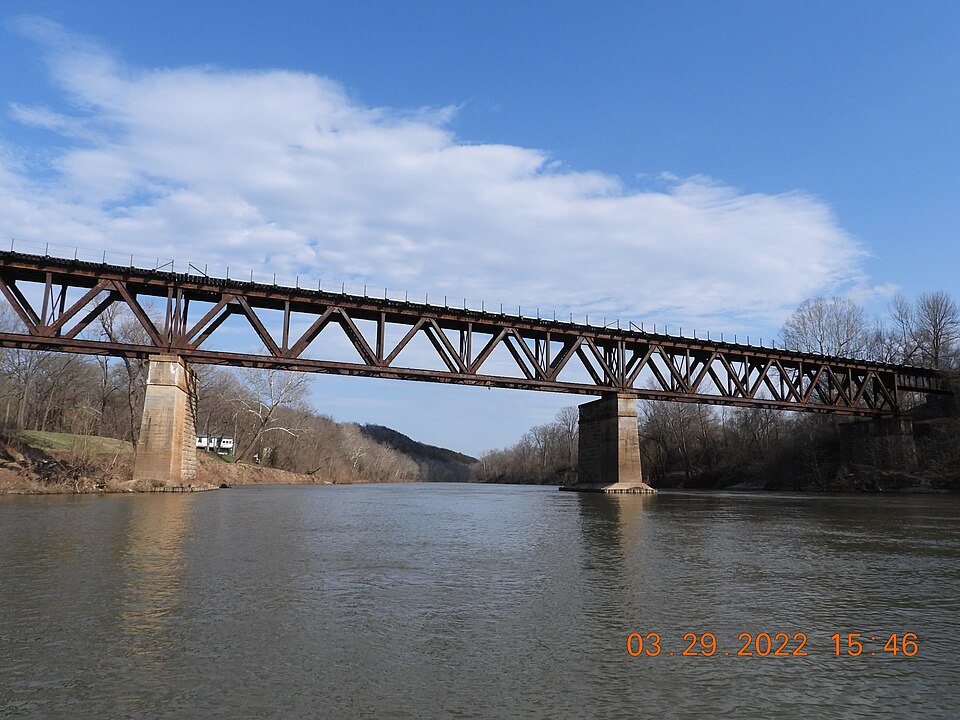
Times Beach, near St. Louis, was doused with waste oil in the 1970s to control dust, not realizing it contained TCDD dioxin, one of the most toxic industrial chemicals known. After contamination was confirmed and a devastating 1982 flood spread tainted soil, federal authorities funded a full buyout and evacuation. The town was disincorporated in 1985; homes and businesses were demolished and buried on-site. Today, the land is Route 66 State Park, but the original streets lie entombed under engineered mounds, a tightly managed landscape where a former community survives only in memorial displays.
Picher, Oklahoma, US: Poisoned By Its Own Mine Waste
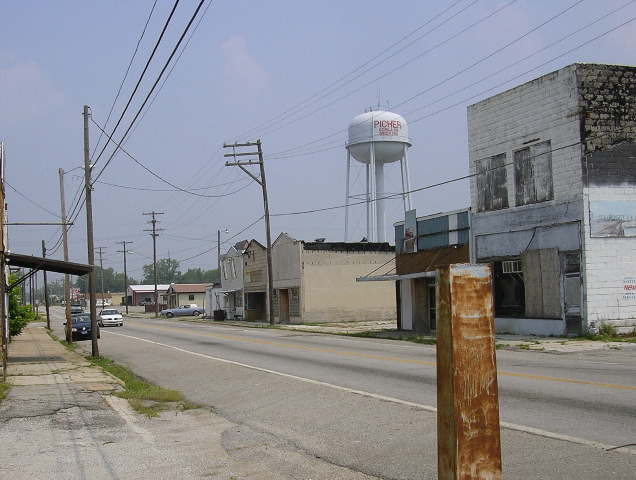
Picher grew around vast lead and zinc mines, with huge white “chat” piles looming over neighborhoods and playgrounds. Later testing showed extreme levels of lead in children’s blood and serious subsidence risks from the honeycomb of abandoned tunnels below. A massive federal Superfund effort and buyout followed, and a 2008 tornado accelerated departures. By 2013, the town was officially dissolved, its school and main streets abandoned. The area remains part of the Tar Creek Superfund site, with contamination and ground instability so severe that long-term habitation is considered unsafe.
Varosha, Cyprus: A Resort Trapped Behind Barbed Wire
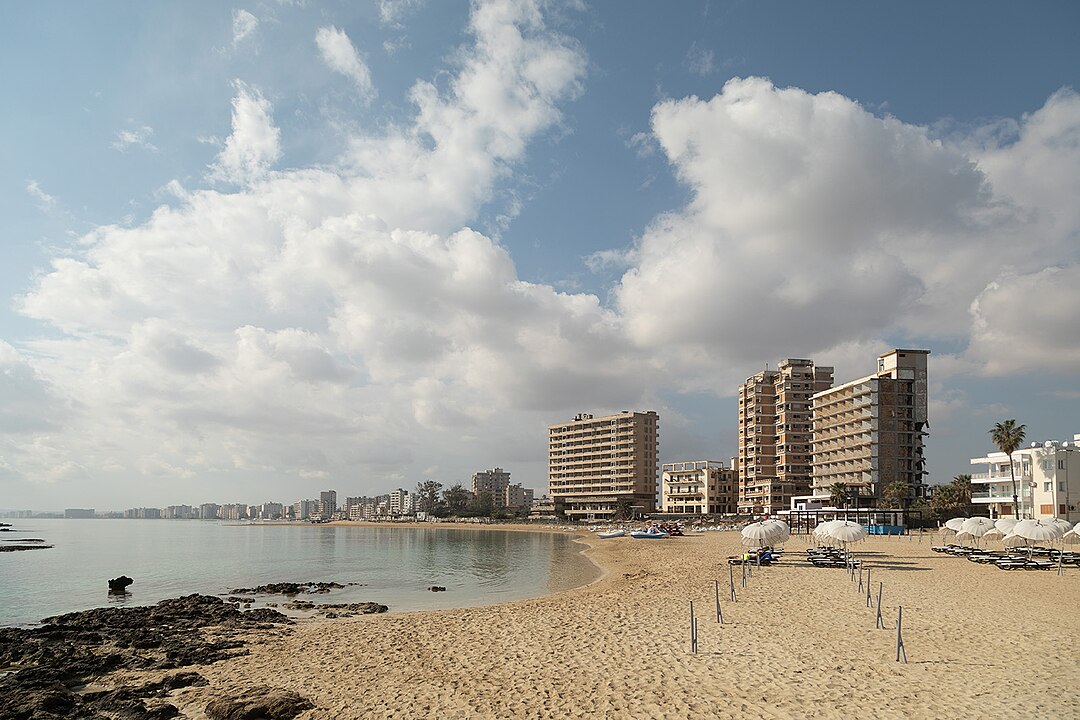
Varosha, once a glamorous beachfront district of Famagusta, drew celebrities and tourists to its modern hotels before the 1974 Turkish invasion of Cyprus. Residents fled during the fighting and never officially returned; the neighborhood was fenced off under Turkish military control, left to decay with curtains still hanging in high-rise windows. For decades, entry was forbidden to civilians, turning Varosha into a potent symbol of the unresolved conflict. Limited sections of the seafront have reopened since 2020, but most streets remain closed, patrolled, and highly contested in diplomacy and international law.
Skrunda-1, Latvia: A Closed Radar Town Turned Military Ground
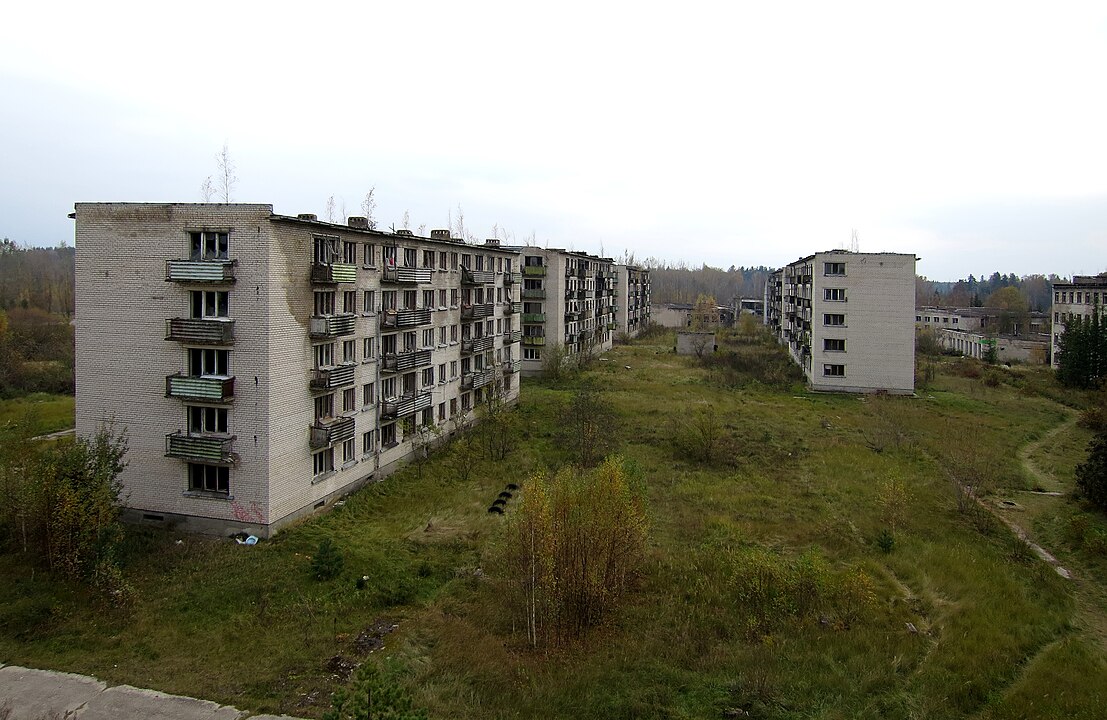
Skrunda-1 began as a secret Soviet radar city, housing several thousand personnel who operated early-warning radars aimed at Western skies. After Russian forces withdrew in 1999, apartment blocks, a school, and social clubs stood empty, forming one of Eastern Europe’s eeriest ghost towns. For a time, limited tourism was allowed, but the Latvian government later handed the area to the Ministry of Defense. The site is now a military training ground; as of 2018, public access is banned, and the crumbling high-rises serve as backdrops for urban warfare exercises rather than curious explorers.
City 404, China: The Hidden Nuclear Town In The Desert
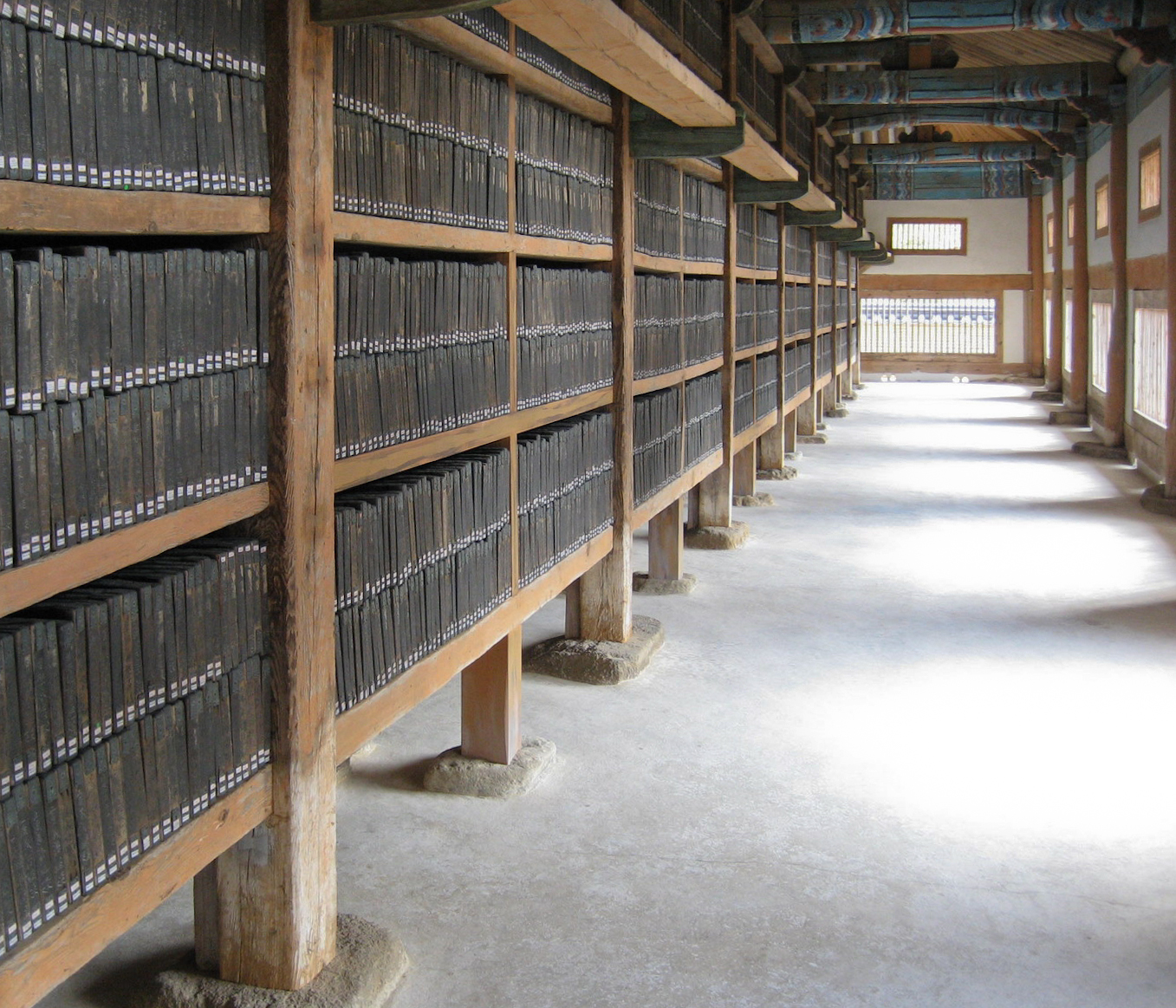
Known only by its code, 404 City was built in Gansu’s desert in 1958 as China’s first major nuclear weapons base, complete with its own government, courts, and underground defenses. At its peak, nearly 100,000 people lived in this closed town, which never appeared on ordinary maps and required special permits for access. After facilities aged and operations shifted, most residents were relocated to Jiayuguan in the 2000s, leaving deserted apartment blocks and sealed plants. The surrounding nuclear complex remains sensitive, and access for outsiders is tightly restricted as part of China’s strategic infrastructure.
Hanford Townsites, Washington, US: Farms Sacrificed To The Bomb
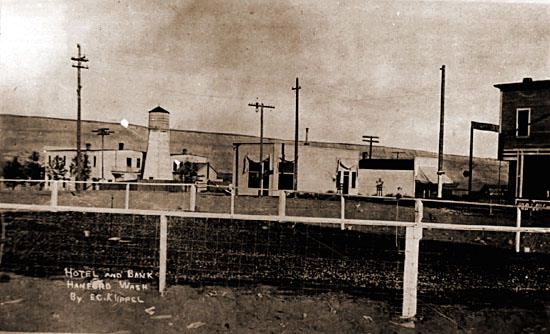
The farming communities of Hanford and White Bluffs in Washington’s Columbia River valley were condemned in 1943 to make way for the Hanford Engineer Works, a key site in the Manhattan Project. Residents received eviction notices with only weeks to leave as homes, orchards, and schools were bulldozed or repurposed for plutonium production. Today, their former streets lie inside the Hanford Nuclear Reservation, one of the most contaminated places in the United States. Limited heritage tours visit select buildings, but the broader landscape remains a controlled federal reservation with restricted access and ongoing cleanup.
Fukushima’s No-Go Towns, Japan: Evacuated After The Meltdown
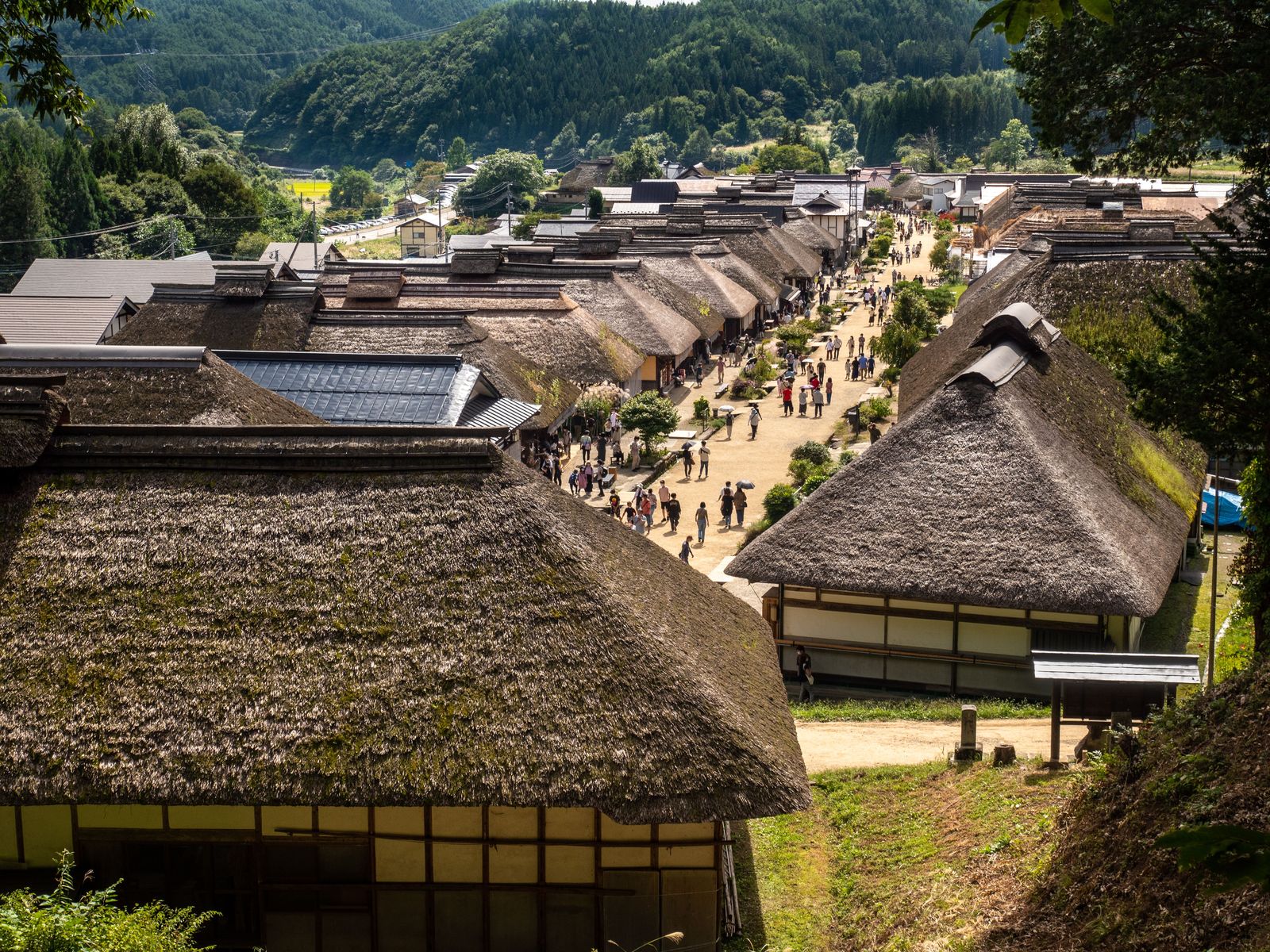
Towns such as Futaba and Okuma in Fukushima Prefecture once hosted coastal neighborhoods, schools, and small businesses near the Fukushima Daiichi nuclear plant. After the 2011 earthquake, tsunami, and meltdowns, the government ordered full evacuations, creating an exclusion zone where streets stood frozen with calendars still open to March 2011. Over time, some areas were decontaminated and partially reopened, but large “difficult-to-return” zones remain behind gates, with only short daytime visits permitted. Much of Futaba, in particular, still has only a tiny resident population and feels like a carefully monitored open-air time capsule of disaster.
Irbene, Latvia: A Vanished Town Built For Listening
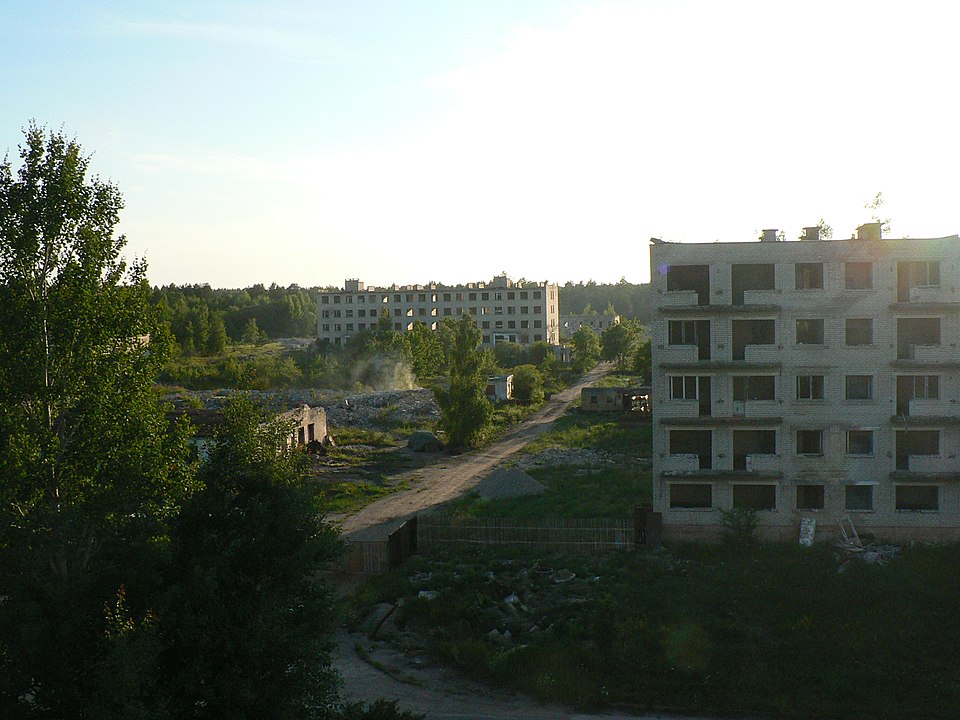
Irbene was established in the 1970s as a secret Soviet radar settlement supporting the “Zvezda” signal intelligence center near Latvia’s Baltic coast. The town had apartments, a school, and cultural halls, but it did not appear on public maps, and entry required special permits. After the Soviet military left in the early 1990s, residents moved away and buildings fell into disrepair among coastal forests and sand dunes. The massive radio dish is now used by an observatory, yet the surrounding housing blocks remain an abandoned, semi-restricted zone shaped by both Cold War secrecy and modern scientific reuse.