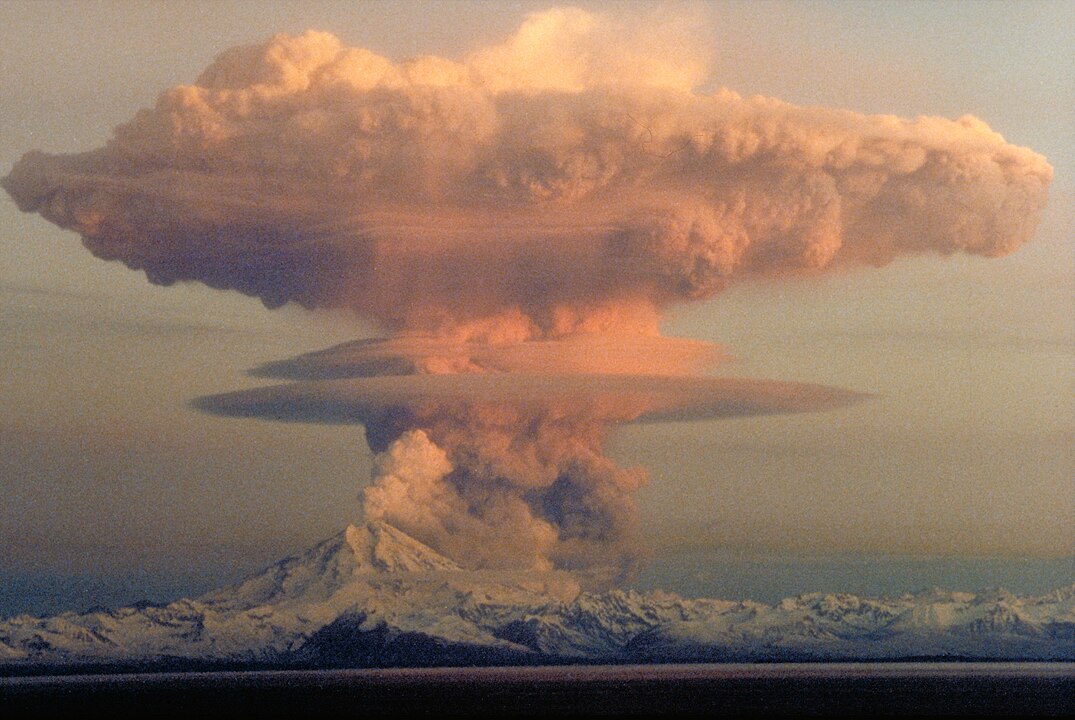
For most people, Hayli Gubbi was not a name at all, just an anonymous ridge in Ethiopia’s Afar region. Then, after roughly 12,000 years of silence, the volcano woke up and hurled ash high into the sky. Villages went gray, livestock struggled to graze, and some travelers in the desert simply stopped where they were. Far away, radar screens lit up with warnings as airlines rewrote routes in real time. A local event in Afar quickly turned into a global lesson in how fragile mobility can be.
A Quiet Volcano No One Expected To See
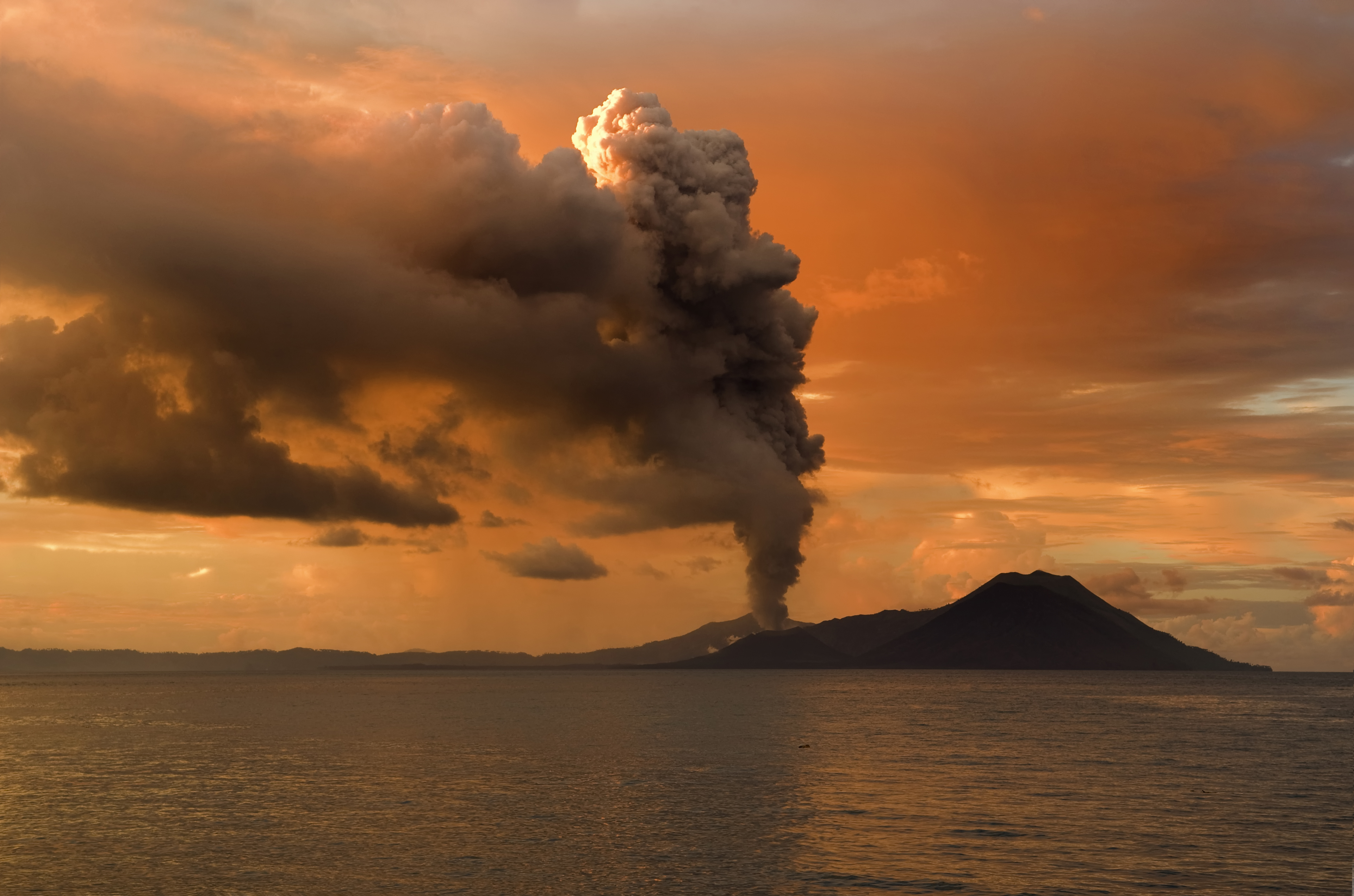
Hayli Gubbi sits in the Afar Rift, where three tectonic plates slowly pull apart and the ground is always restless. Yet this particular volcano had no recorded eruptions in the Holocene, so it slipped beneath public awareness, overshadowed by nearby Erta Ale and other fiery neighbors. When vents opened and ash roared out, residents were not reacting to a familiar threat. They were watching a landscape they thought they knew reveal a hidden chapter.
Ash Towering Into Flight Lanes
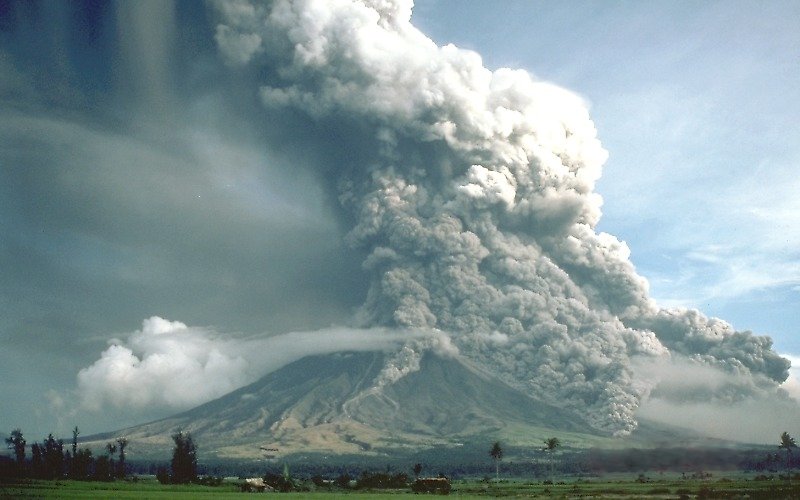
The eruption drove ash as high as about 14 kilometers, right into the cruising levels used by long haul jets between Africa, the Gulf, and South Asia. From satellite images, the plume looked like a soft gray smear drifting over the Red Sea. In reality, it carried microscopic volcanic glass that can sandblast aircraft windows and choke engines. As winds steered the cloud over Yemen and Oman and toward Pakistan and India, aviation agencies started redrawing the invisible highways in the sky.
Villages Wrapped In A Film Of Dust
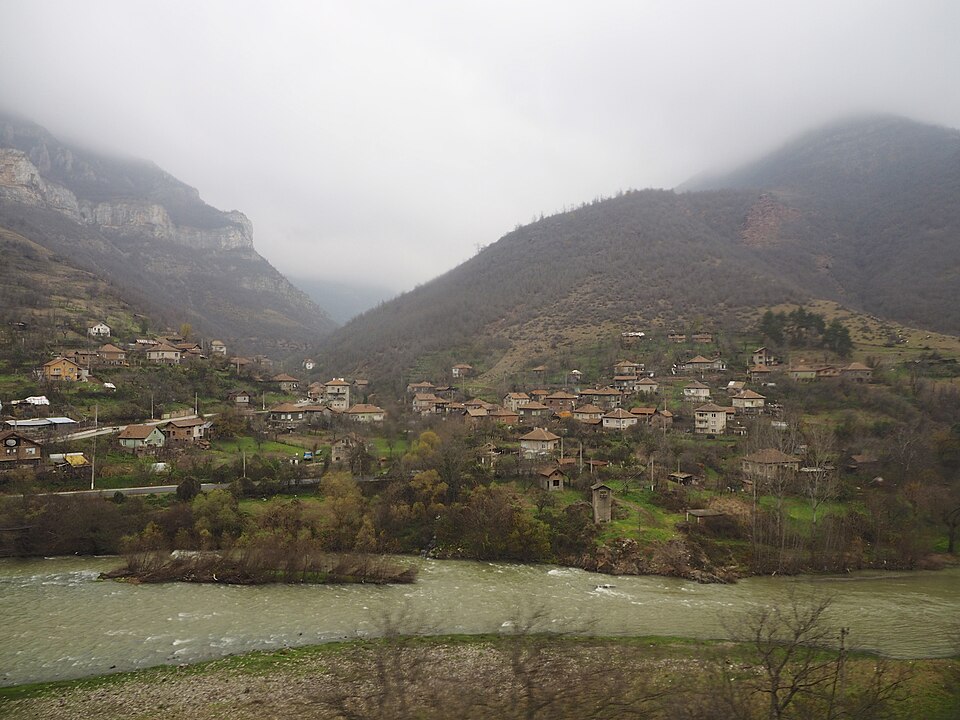
Closest to the crater, the problems were quiet and stubborn rather than dramatic. Villages in Afdera district saw roofs, shrubs, and water points coated in fine ash. Herders reported animals coughing and refusing to drink from contaminated pools. Ash on grazing land meant fewer places for goats and camels to feed, even though no lives were officially lost. Local authorities and aid groups scrambled to bring clean water, fodder, and medical checks into communities that already live at the edge of extreme heat and isolation.
Travelers Stranded In The Desert Heat
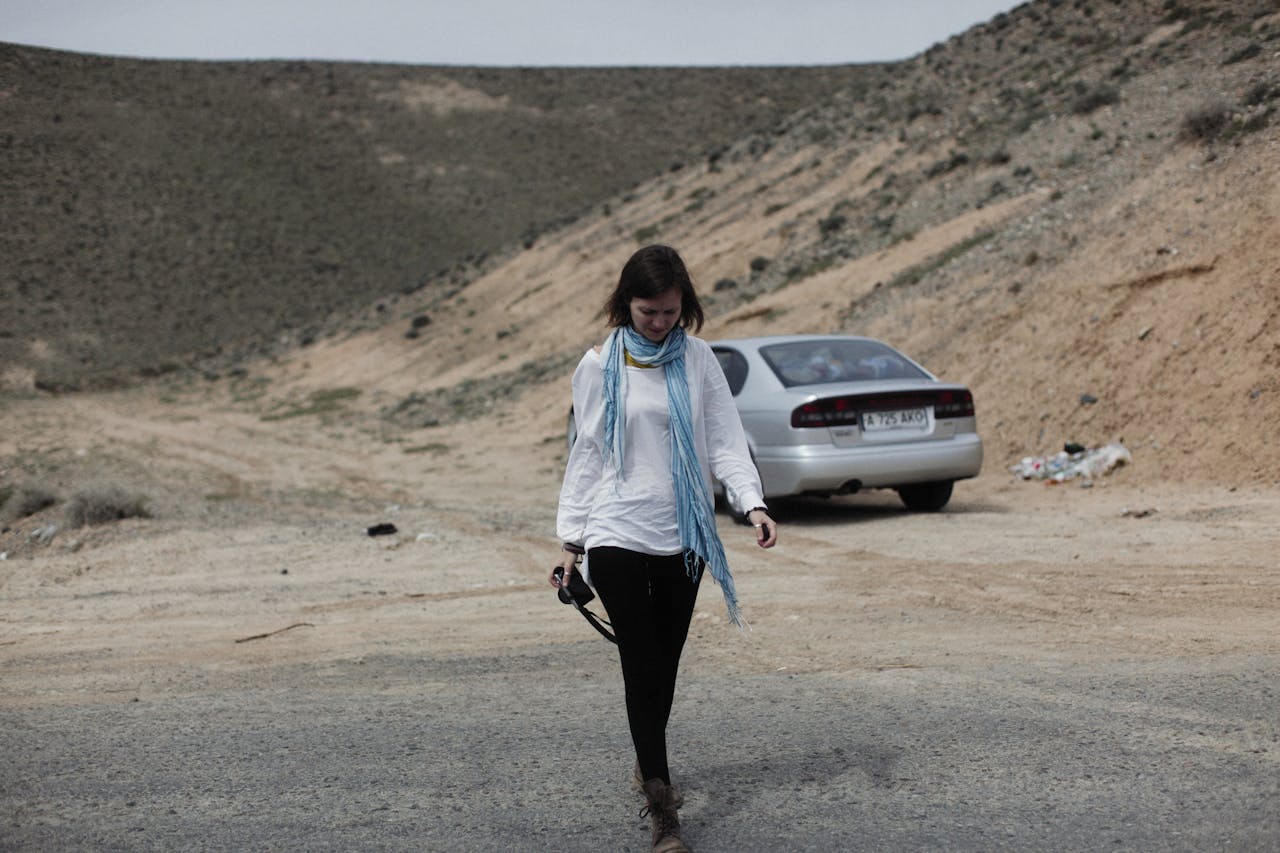
The Afar region attracts a particular kind of traveler, the kind who seeks lava lakes, salt flats, and intense heat. When Hayli Gubbi erupted, guides and visitors near the Danakil depression found roads dusted in ash and visibility suddenly limited. Some vehicles simply pulled over until conditions improved, while others turned back toward safer ground. There was no dramatic evacuation convoy, just scattered groups recalculating plans in an environment that became slightly more hostile with every passing hour of falling ash.
India’s Airspace On High Alert
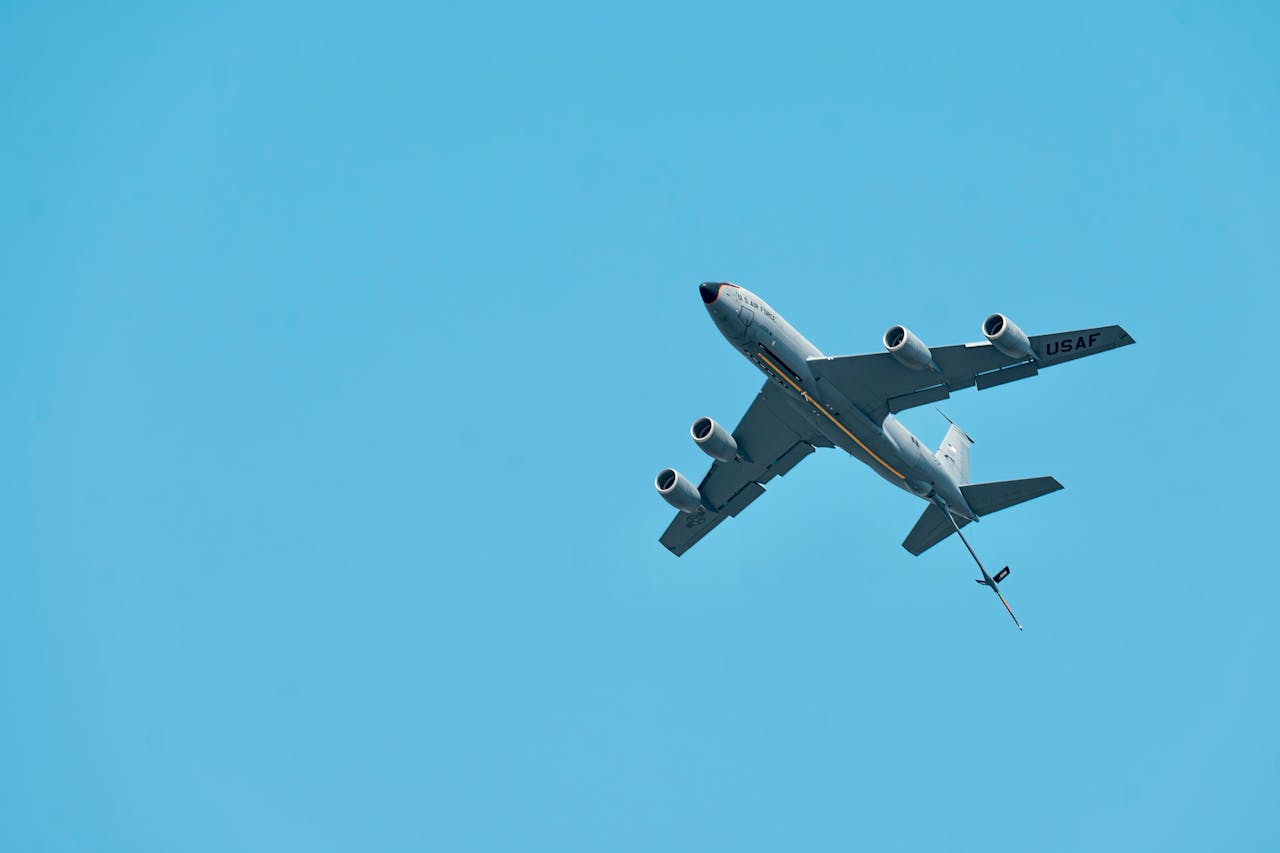
As the plume crossed the Arabian Peninsula and reached Gujarat, Indian meteorologists and aviation regulators moved quickly. Special advisories flagged affected flight levels, and controllers began guiding crews around contaminated corridors. The ash continued its slow sweep across Rajasthan, Maharashtra, Delhi, Haryana, and Punjab before heading toward China. For two days, India’s western and northern skies carried a reminder that events near the Horn of Africa could still dictate what happened over Jaipur or Mumbai, even without a single flake of ash falling on city streets.
Inside Airports Trying To Stay Ahead Of The Cloud

On the ground at major hubs like Delhi and Mumbai, the disruption felt familiar but with a strange origin. Operations teams watched live feeds from Volcanic Ash Advisory Centres while coordinating with the meteorological department and air traffic control. Runways were inspected for any trace of ash, even though most of the material stayed high aloft. Passengers saw only the consequence, as departures shifted on boards and staff tried to explain that the problem was not local fog or rain, but a distant volcano in another part of the world.
Airlines Choosing Safety Over Schedules
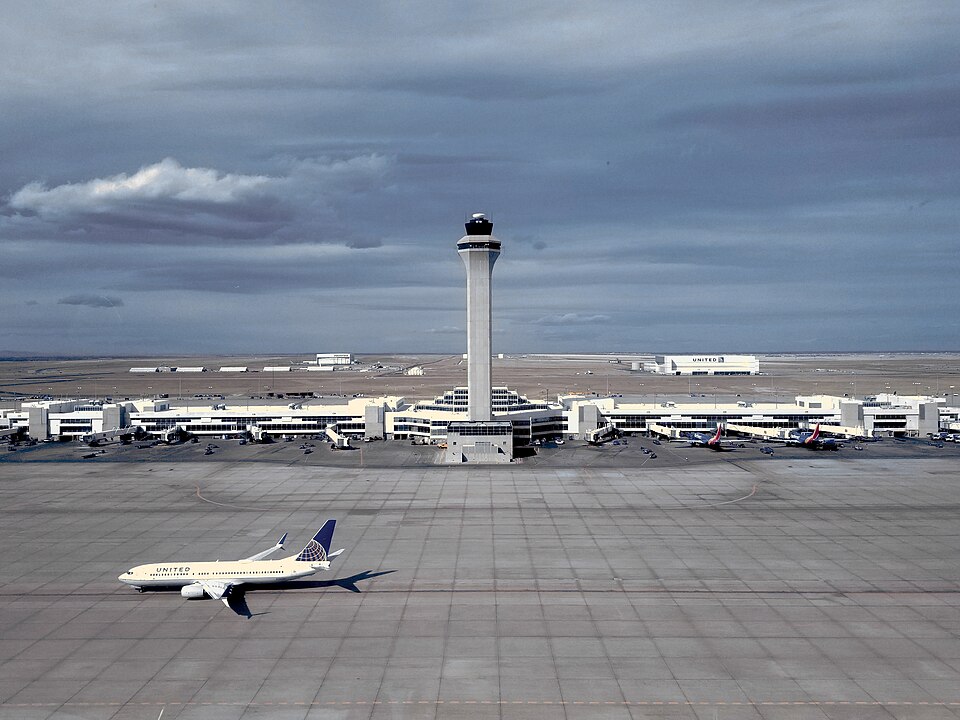
Carriers across the region decided it was better to cancel or divert than risk engines encountering ash. Air India grounded aircraft for detailed inspections and canceled multiple international and domestic flights. Akasa Air suspended services to Middle Eastern destinations, while IndiGo and others rerouted planes to avoid the densest parts of the plume. Some flights from Europe to Delhi never left their origin airports. For airlines already balancing tight schedules, the eruption became an unplanned stress test of crisis planning and communication with frustrated travelers.
Pollution Fears And Strange Evening Skies
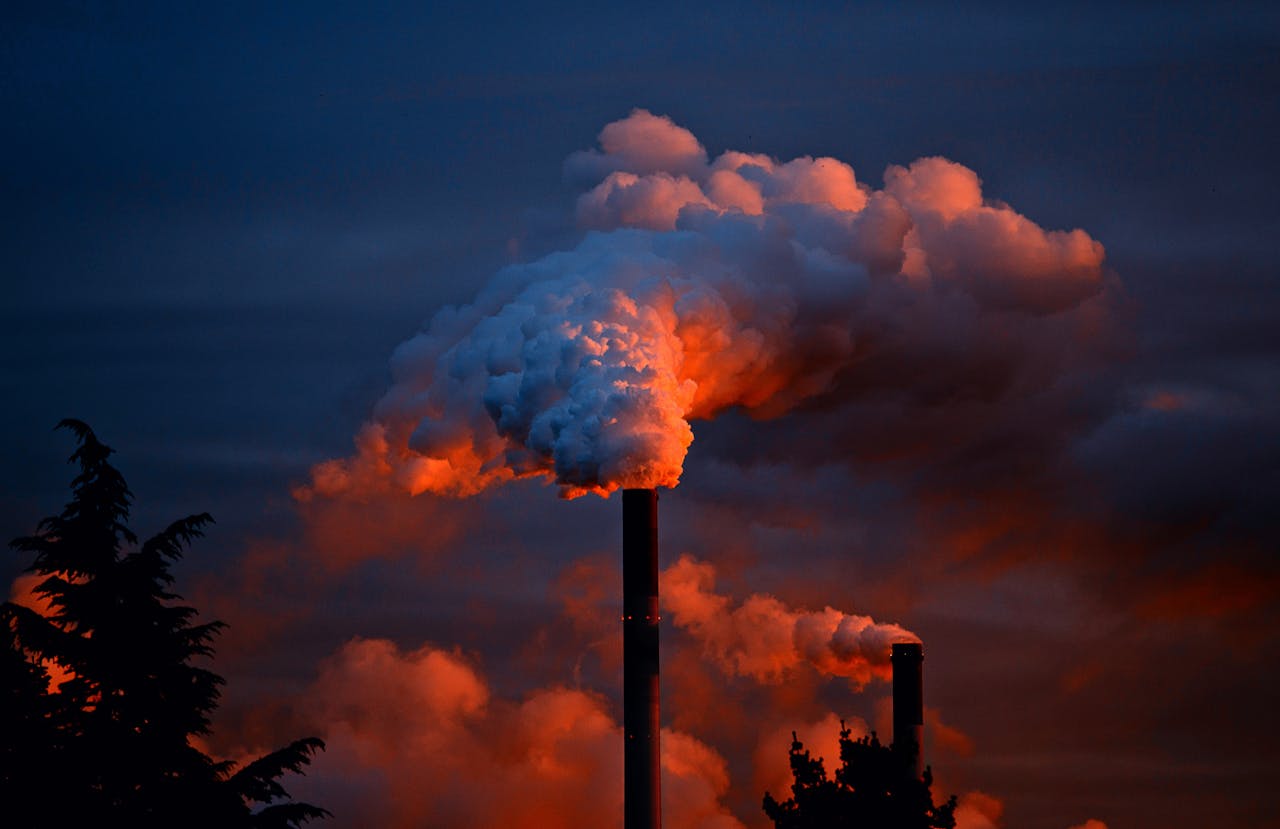
In northern India, where winter pollution already pushes air quality into unhealthy ranges, news of volcanic ash triggered immediate concern. Residents worried that another source of particles would push the Air Quality Index even higher. Meteorologists explained that most of the ash remained in the middle and upper troposphere, where it mattered more for aircraft than for human lungs. Local pollution still dominated ground level readings. Even so, the presence of distant ash subtly shifted the color of sunsets, turning some evenings into uneasy reminders of a volcano far away.
Scientists Reading A Twelve Millennium Pause

For geologists, Hayli Gubbi is now a live case study of how dormant does not mean finished. The volcano had been quiet for roughly 12,000 years, long enough that its behavior was largely guesswork. With this eruption, researchers can track gas emissions, ash chemistry, and seismic signals to understand how this part of the Rift Valley is evolving. The event also feeds into a larger question: how should hazard maps and risk models treat volcanoes with almost no written history but a deep geological memory of fire.
After The Ash, A Different Map Of Connection
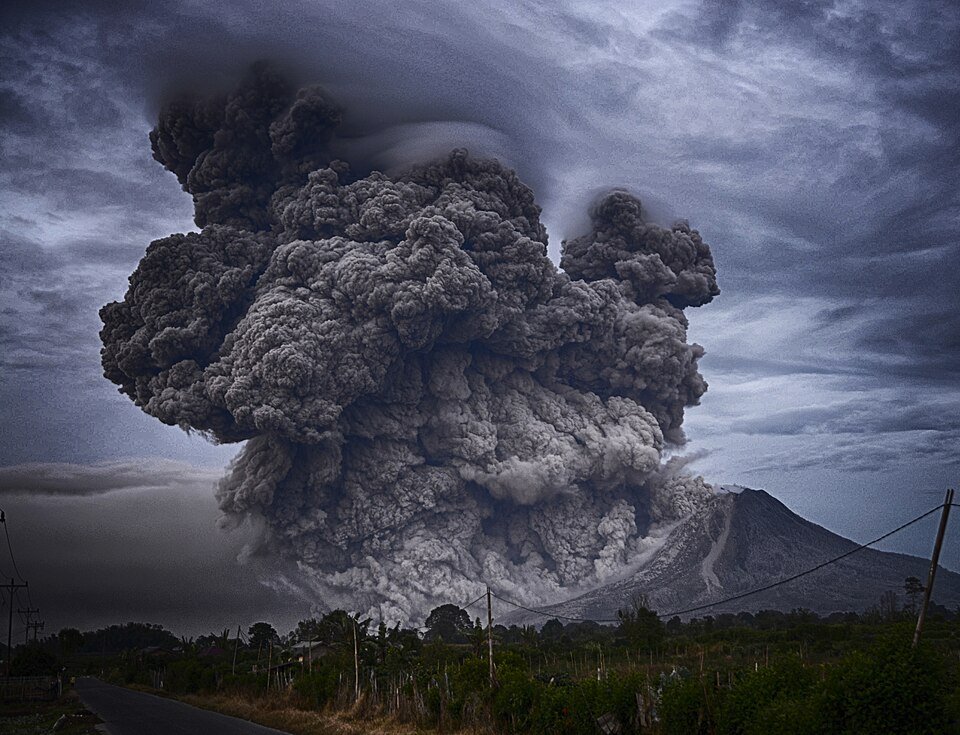
Once the ash plume moved beyond India and aviation slowly returned to normal, the effects did not simply vanish. Villagers in Afar continued to live with contaminated water and grazing land. Airlines worked through backlogs of passengers who missed events that will not be rescheduled. Scientists added another data point to global records of volcanic activity and climate interactions. The eruption briefly exposed an invisible network that links a remote crater, a crowded metro airport, and a herder watching goats under a sky that suddenly turned unfamiliar.