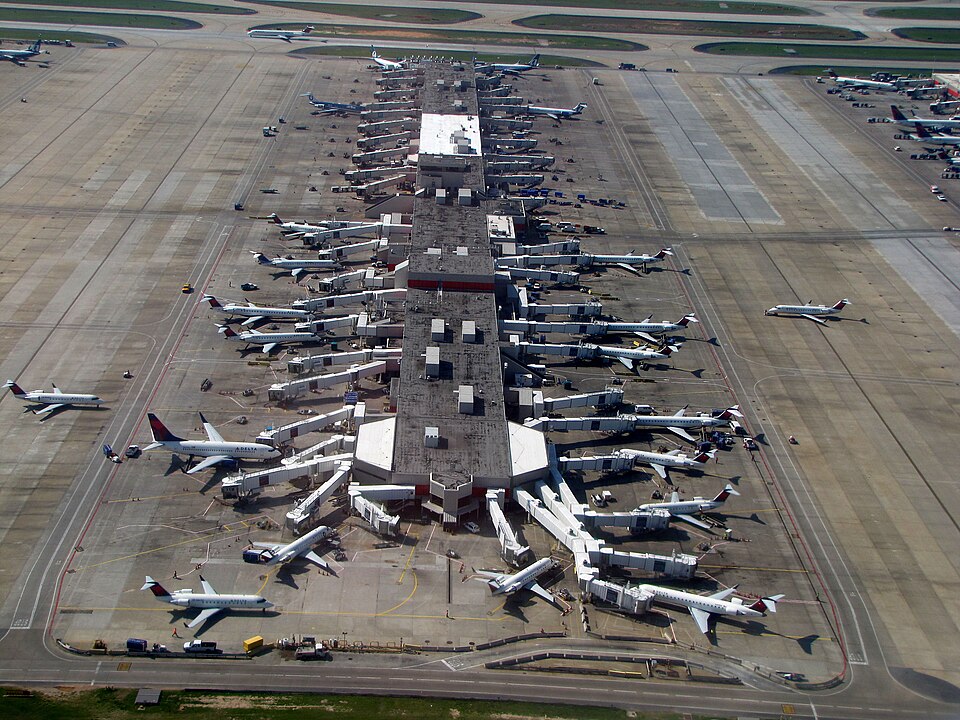
The longest federal shutdown in U.S. history did not just rattle Washington; it shook the aviation system from the inside out. Paychecks stalled, morale was tested, and airports pushed through heavy traffic with fewer resources than ever. Now, with holiday travel ramping up again, the TSA chief is sounding a careful warning. Recovery is underway, but it is not instant. Behind confident public statements sits a clear message: airports remain vulnerable, and travelers ignore that reality at their own risk.
Shutdown Fallout Still Ripples Through Airports
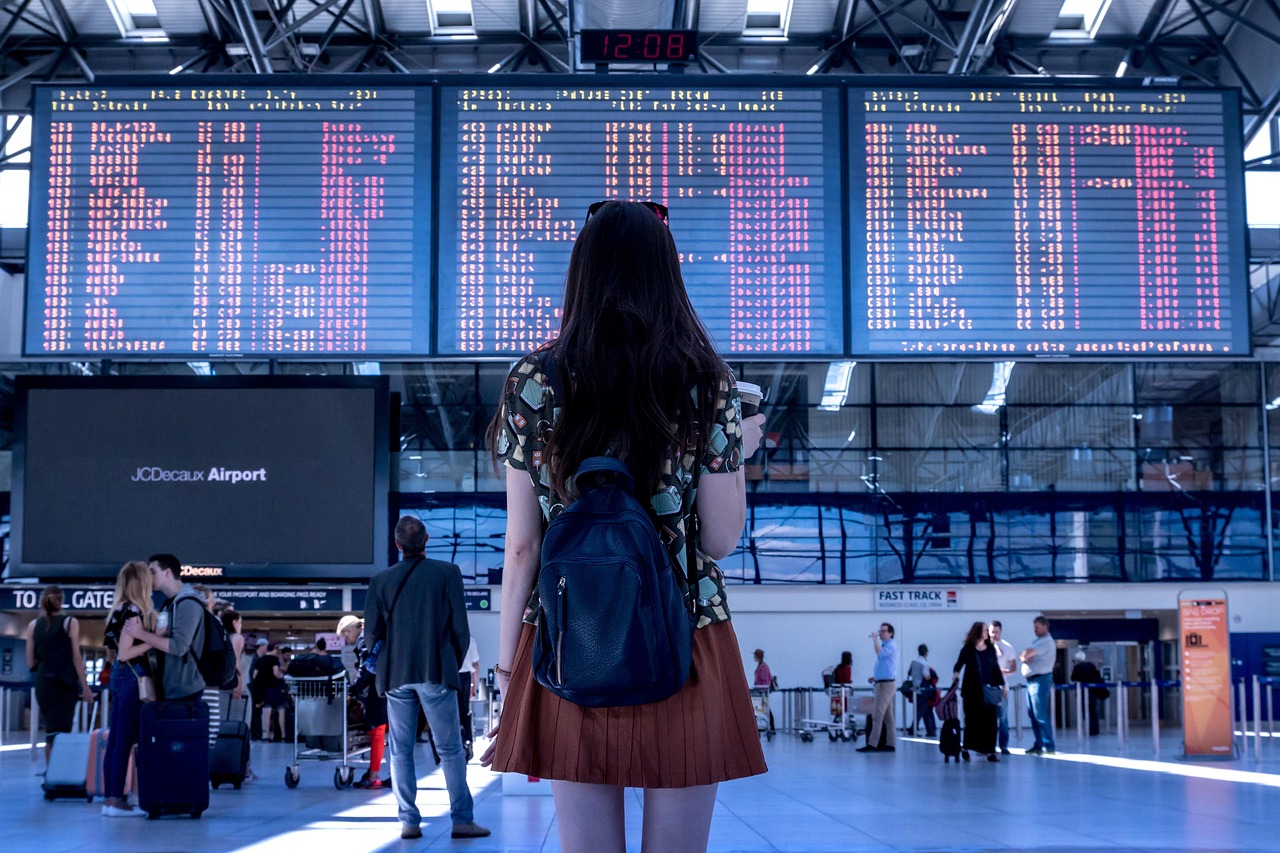
The record shutdown pushed the aviation system close to its limits, and those aftershocks have not vanished overnight. Security lines lengthened, schedules shifted, and airports were forced to rely on the goodwill of workers showing up without pay. The TSA chief’s warning grows directly from that stress test, underscoring that infrastructure and staffing are still rebuilding. Even with terminals buzzing again, the memory of how quickly things strained lingers just beneath the surface.
The fallout also exposed how dependent travel smoothness is on federal continuity. When one agency struggles, the entire network feels it, making the current warning less about fear and more about awareness of these fragile interconnections.
Recovery Will Take Time, Not Headlines
Experts like Ahmed Abdelghany have cautioned that reopening the government does not flip a magic switch. Canceled flights, partial refunds, and capacity constraints created a backlog the system cannot absorb in a single week. The TSA chief’s message reinforces this sober reality: the industry is climbing back, but it is climbing uphill. Smoother days are coming, yet the path between crisis and normal operations is measured in weeks and months, not in press conferences.
Capacity Cannot Absorb Every Displaced Passenger
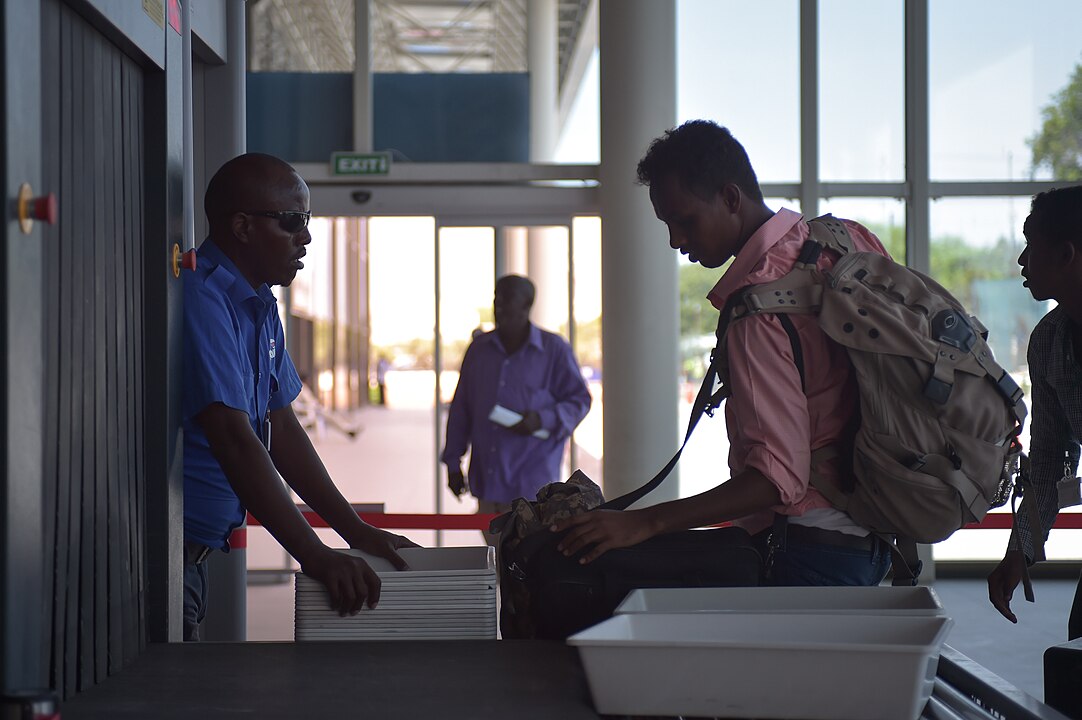
During the shutdown, some travelers had to be removed from future flights simply because there was no room left in the system. That tough math has not disappeared. The TSA chief’s warning highlights that airports and airlines operate on tight margins, where a shock can leave no spare seats or screening capacity. When schedules are compressed, every missed flight and every overbooked route adds pressure. The system may be open, but it is still crowded at the seams.
This constraint also affects route planning and staffing assignments, meaning operational flexibility remains tight even as airports return to full schedules.
Holiday Crowds Will Stress-Test Every Checkpoint
Thanksgiving and year-end holidays push airports to their highest volumes, and this year those crowds meet a system still regaining its footing. The TSA chief’s confidence about readiness sits alongside a warning: heavy traffic magnifies even small issues. A few extra absences, a short staffing gap, or a minor IT problem can quickly translate into bottlenecks. The message is not to panic, but to recognize that peak travel days now function as real-time stress tests for security lines nationwide
Warning: Expect A Lag Before “Normal” Returns
Stahl has been candid about a likely “lag” before operations fully settle. Unscheduled absences are trending down, but they have not vanished. That means occasional slowdowns, uneven wait times, or last-minute adjustments remain possible. The TSA chief is not predicting chaos; he is signaling realism. The machine is turning back on, yet some gears are still catching. For travelers, that translates into a period where patience, flexible planning, and early arrivals remain more than just good advice.
This lag also reflects the time needed to restore internal coordination everything from shift rotations to lane management which was disrupted for weeks and cannot be rebuilt overnight..
Dedication Is High, But Systems Stay Fragile
Stahl has praised TSA officers for their professionalism, dedication, and resilience. That pride is genuine, yet it arrives with a pointed reminder that no workforce can indefinitely outrun structural strain. When budgets tighten and pay is delayed, retention and morale eventually feel the impact. The warning here is subtle: gratitude cannot replace long-term investment. Travelers see uniforms and checkpoints; behind them stand people who pushed through crisis and now need stability to keep airports running smoothly.
TSA Workforce Endured Weeks Without Pay
For roughly 40 days and nights, TSA officers showed up while paychecks did not. Adam Stahl praised their resilience, but his praise also carried a quiet warning: that level of sacrifice cannot be treated as an endless resource. Working under financial strain takes a mental and physical toll, even on the most dedicated employees. The agency’s message is clear. The workforce proved its commitment, yet it still needs time to recover stability, rebuild savings, and reset routines.
Those weeks of strain also revealed how easily morale can be shaken, reminding leadership that long-term recovery requires more than restored paychecks it requires restoring faith that the system will not fail its workers again.
Slight Interruptions Can Trigger Major Delays
The shutdown revealed how small disruptions can cascade through the air travel network. A modest rise in absences at one airport, a short-term cut in screening lanes, or a minor staffing shortage can ripple into missed connections and crowded gate areas. The TSA chief’s warning leans on that lesson. Even when the system appears functional, it remains sensitive. The distance between “normal traffic” and “significant delays” can be just a few staff members or one unexpectedly busy morning.
Airlines Are Optimistic, But Not All-Clear
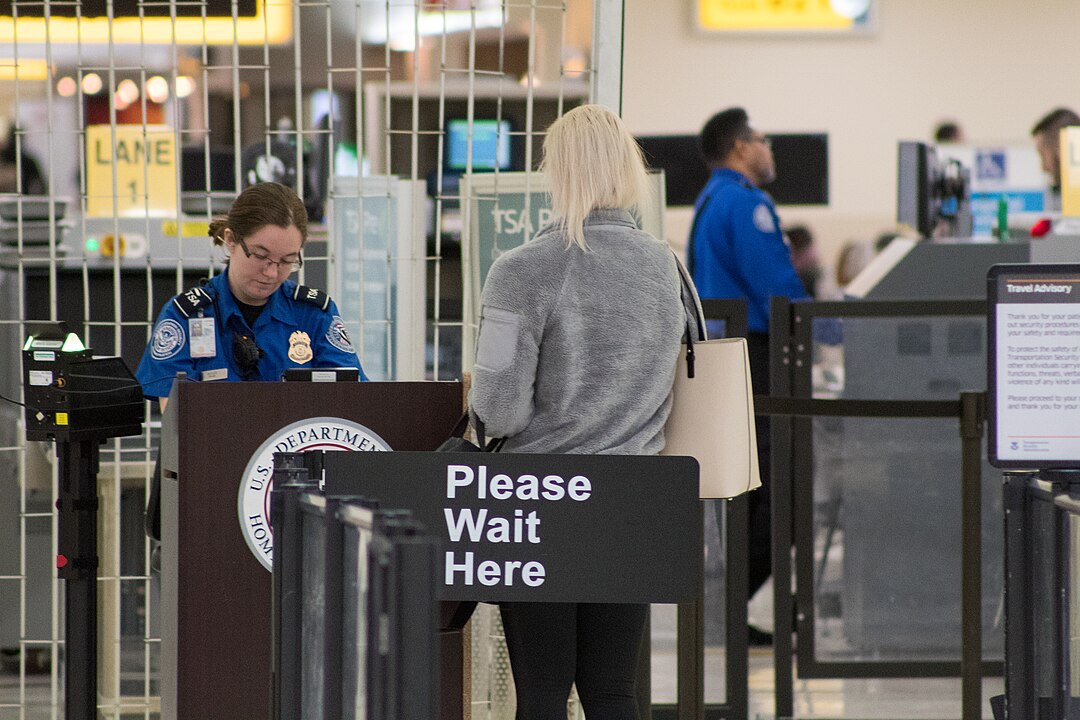
Leaders at Delta and Southwest have voiced optimism about handling holiday travel, aligning publicly with TSA’s confidence. Still, this upbeat tone does not erase the underlying warning. Airlines are ready, yet they cannot control every security checkpoint, weather pattern, or staffing curveball. The TSA chief’s message fits beside theirs: operational plans look strong, but they are built on a foundation still healing from disruption. Travelers benefit when that optimism is paired with realistic expectations.
The Real Warning: Do Not Take Stability For Granted
Beneath every reassuring interview lies a core point: the aviation system is more fragile than it appears from a departure lounge. The shutdown exposed how quickly momentum can break when paychecks stop and key staff are stretched. The TSA chief’s warning asks travelers, airlines, and lawmakers alike to remember that lesson. Stable funding, respect for frontline workers, and realistic planning are not luxuries; they are the only way to keep future crises from spilling into the nation’s airports again.
Sources:
- CBS News – TSA workforce interview and shutdown coverage
- Embry-Riddle Aeronautical University – Expert commentary on aviation recovery
- Delta Air Lines Newsroom – Ed Bastian holiday travel statements
- Southwest Airlines Newsroom – Bob Jordan operational readiness updates
- General reporting on federal shutdown impacts and holiday travel forecasts