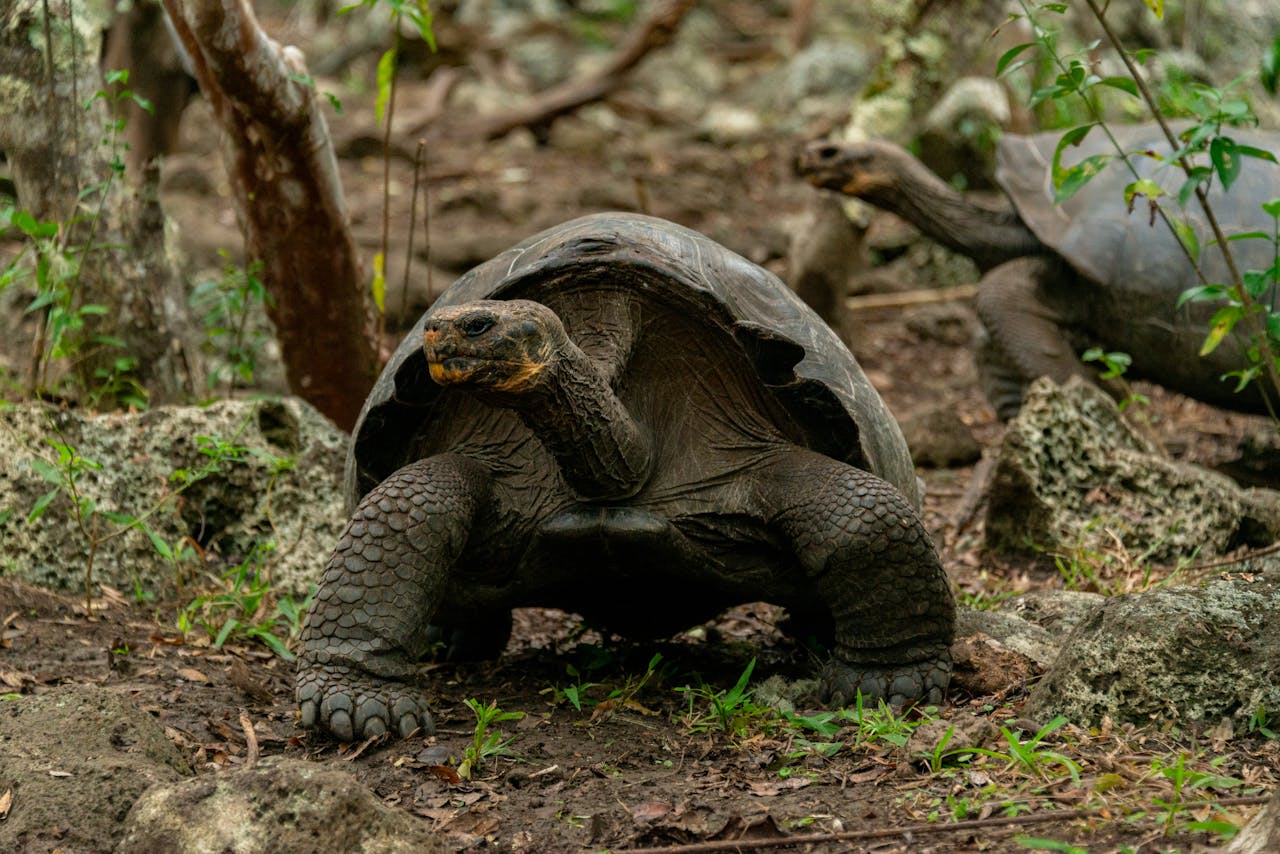
For more than a century, a single Galápagos tortoise watched the world change from the calm shade of an enclosure in San Diego. Known as Gramma, she arrived long before jet travel and streaming screens, yet outlived generations of visitors. Her life arced across wars, presidencies, and shifting ideas about wild animals. What began as a display animal became something else: a patient elder whose slow steps and steady appetite quietly stitched families and decades together. Her presence turned a busy zoo into a place of memory.
Born In The Islands Of Giants
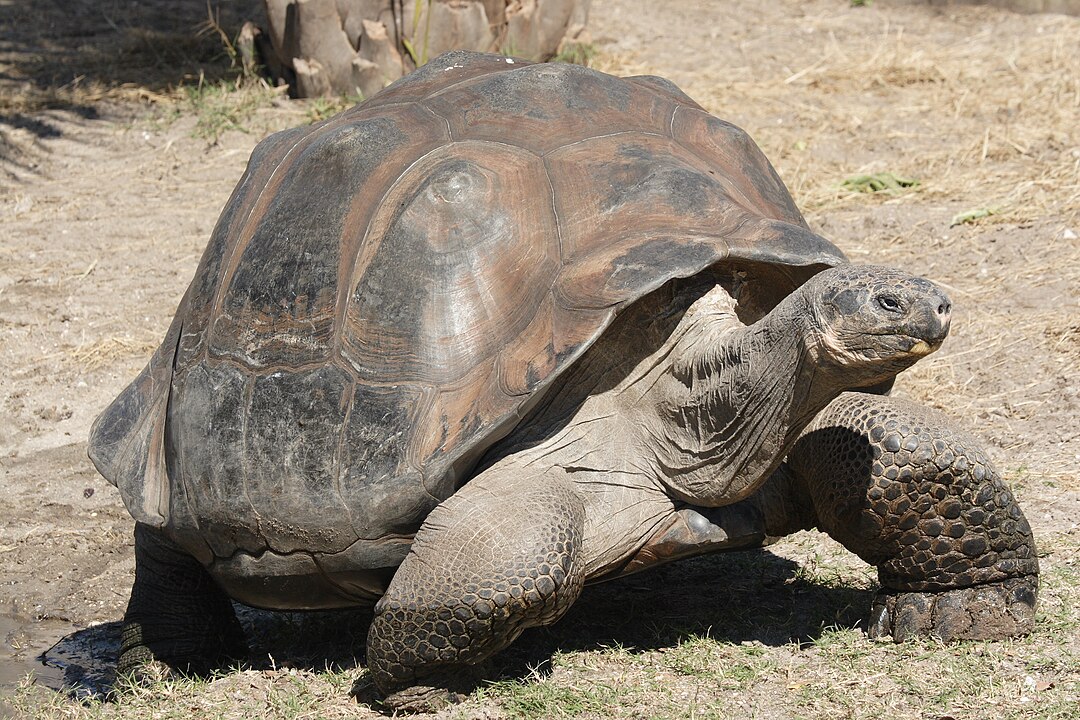
Gramma’s life began on the lava shaped slopes of the Galápagos Islands, where giant tortoises once wandered in huge herds and outlived most humans around them. She hatched into a world that still treated tortoises as cargo and curiosities, not yet as ambassadors or elders. Even as a small animal, she carried a shell built for distance, patience, and a lifespan that could quietly stretch across centuries.
From Bronx To San Diego
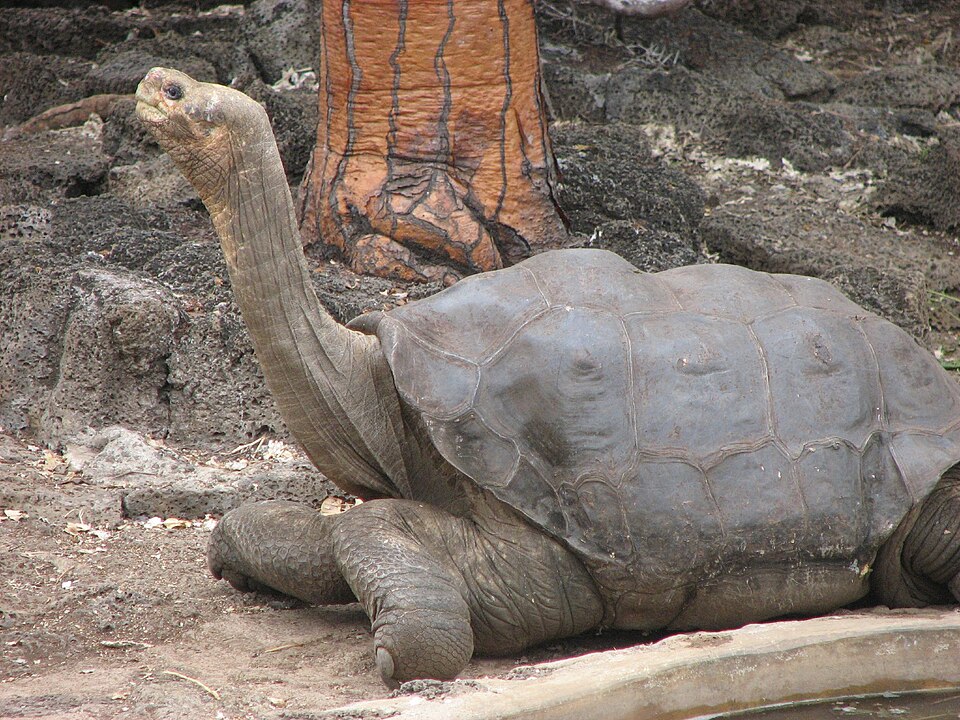
As a young tortoise, Gramma was collected from her island home and entered a new reality of crates, docks, and unfamiliar climates. She spent time at the Bronx Zoo before heading west, arriving in San Diego around 1930 as part of the zoo’s very first Galápagos group. That move placed her at the heart of a growing city that would change completely while she went on simply eating and sunning.
Finding A New Routine In Captivity
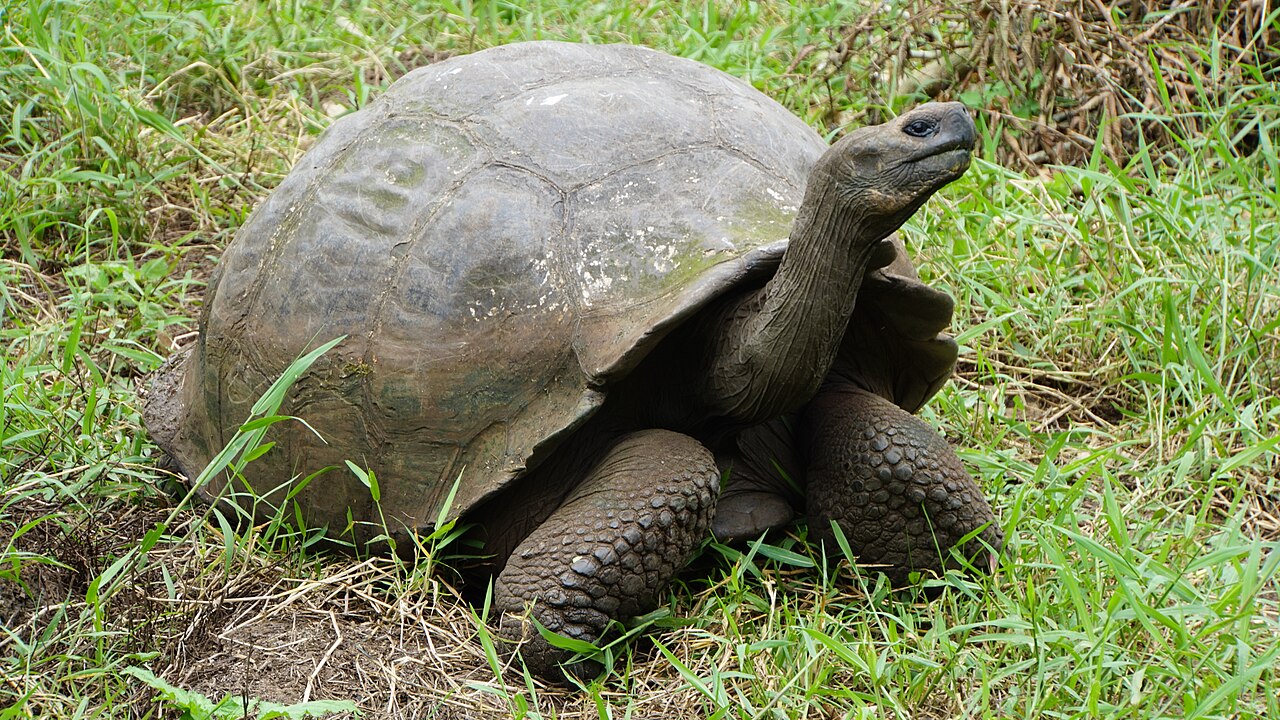
In San Diego, Gramma traded wild scrub for planted yards, filtered ponds, and predictable care from keepers who learned her rhythms year by year. Her days settled into a pattern of slow walks, long naps, and deliberate trips to favored basking spots. The enclosure around her modernized over time, yet her routine stayed remarkably steady, a quiet thread running through generations of zoo renovations.
Simple Meals, Quiet Joy
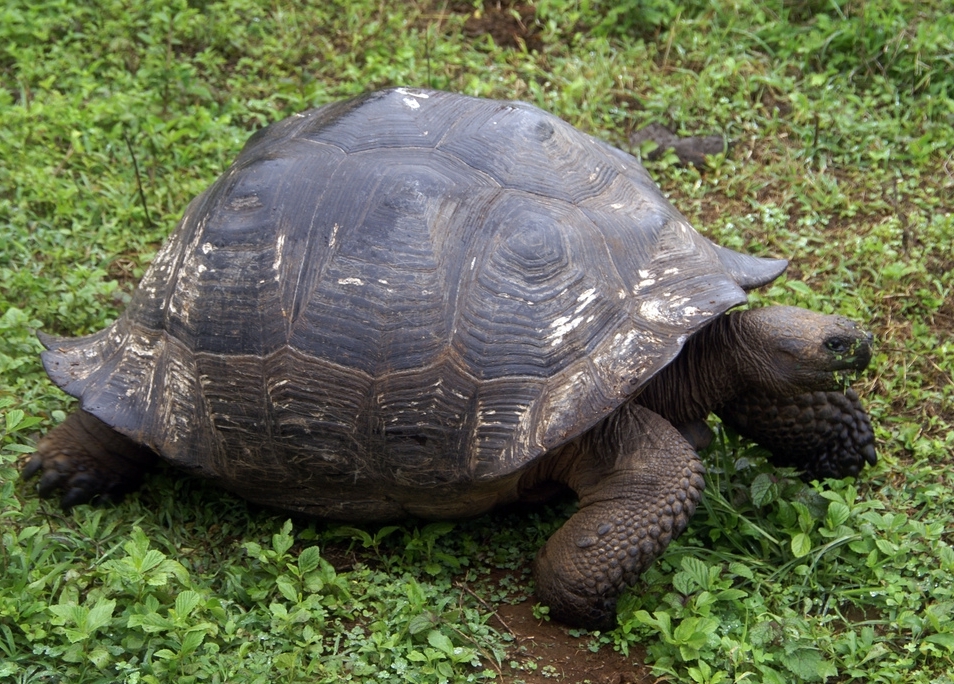
Romaine lettuce, cactus fruit, and leafy greens became the small rituals that defined Gramma’s happiest moments. Keepers watched her stretch her neck, blink with apparent contentment, and lean into each heavy bite as cameras clicked along the railings. Photos of her chewing turned into holiday snapshots, school project material, and phone backgrounds, giving her calm enjoyment a surprisingly wide audience.
Staff Crown Her Queen Of The Zoo
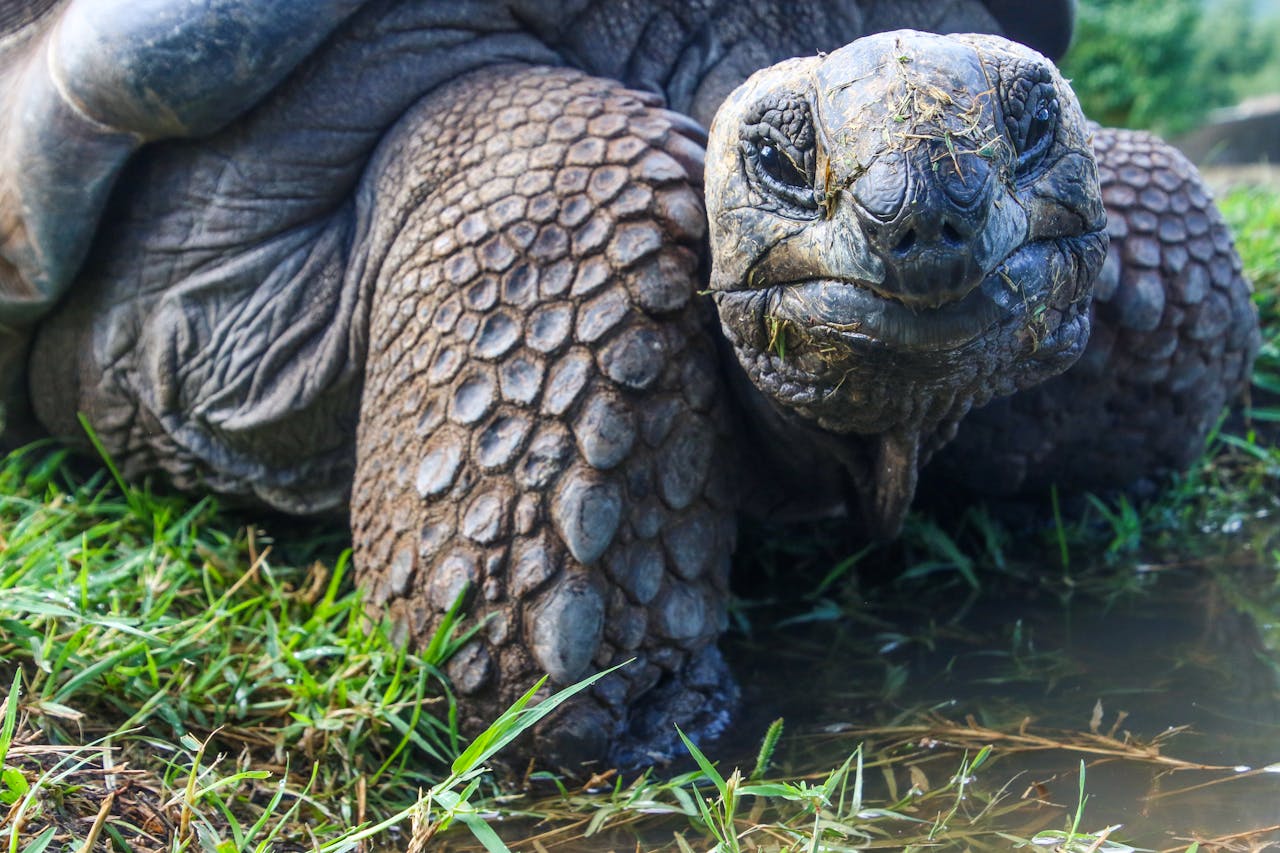
As the decades passed, staff began to describe Gramma as the queen of the zoo, a title that fit her seniority and unhurried presence. New employees heard her story early in their training and often asked to meet her on their first week. She anchored staff gatherings, media tours, and quiet morning checks, a living reminder that some coworkers measure tenure in entire human lifetimes.
A Century Of Change Around One Shell
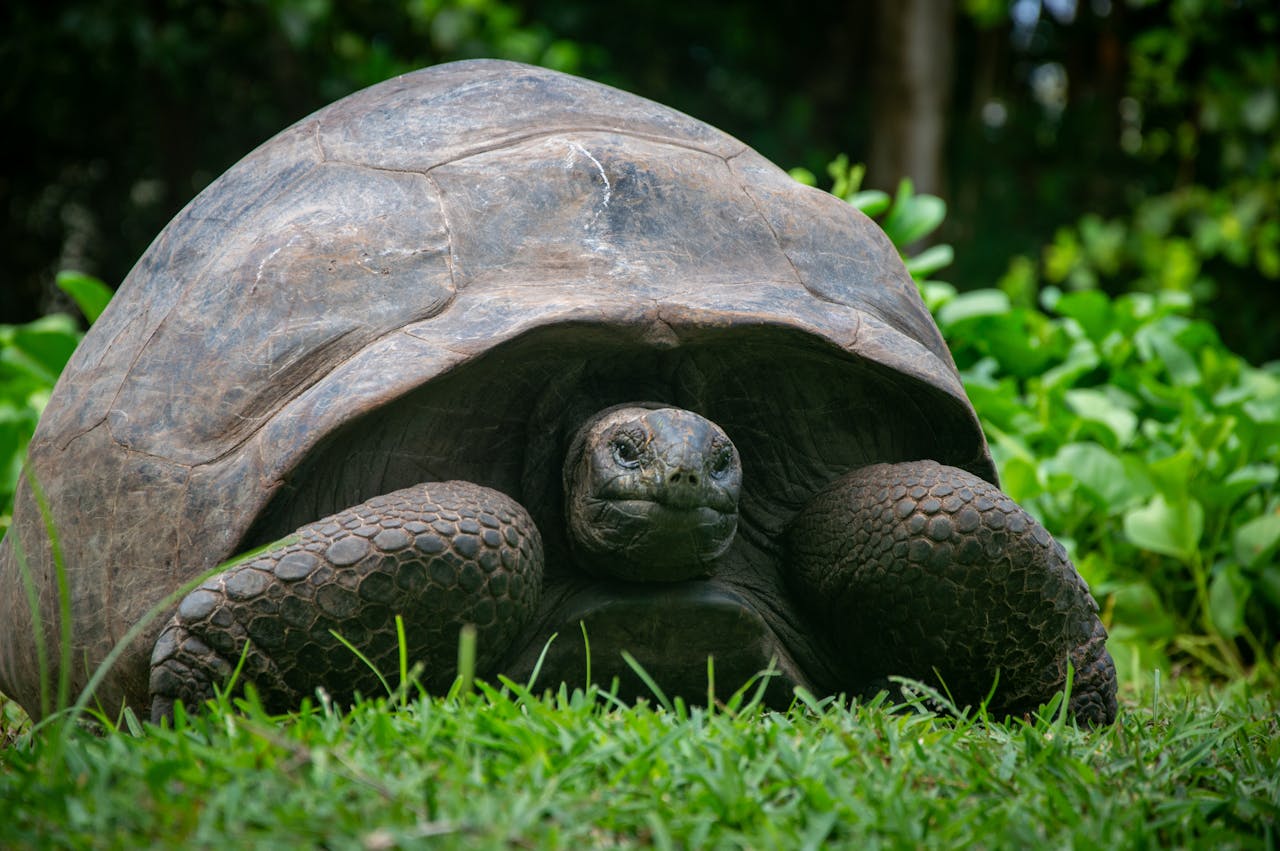
Gramma’s estimated 141 years stretched across two World Wars, 20 United States presidents, and seismic shifts in how people think about captivity. Early in her life, visitors even rode giant tortoises for photos, a practice that would later feel unthinkable. Her steady presence turned those changing norms into something personal, showing how quickly ethics can evolve within a single animal’s lifetime.
Visitors Who Grew Up With Gramma
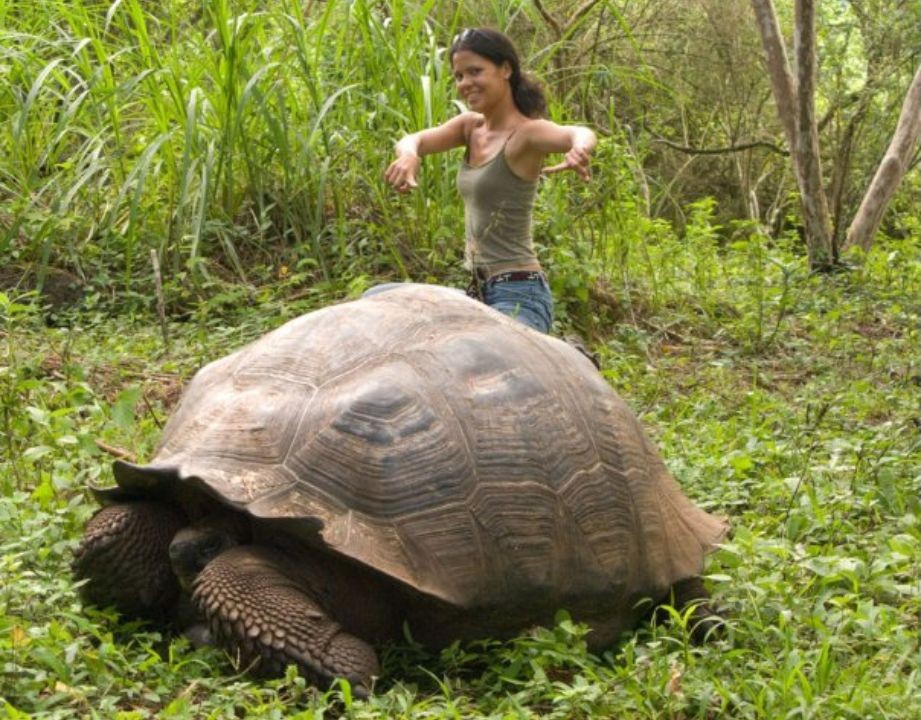
Many visitors marked childhood through encounters with Gramma, then returned decades later with children and grandchildren to point out the same patient tortoise. Social media tributes after her death read like shared family albums, filled with sun flared photos and scribbled ticket stubs. Some people traced careers in biology or rescue work back to that first moment of wonder at a shell larger than they were.
What Her Life Says About Galápagos Tortoises
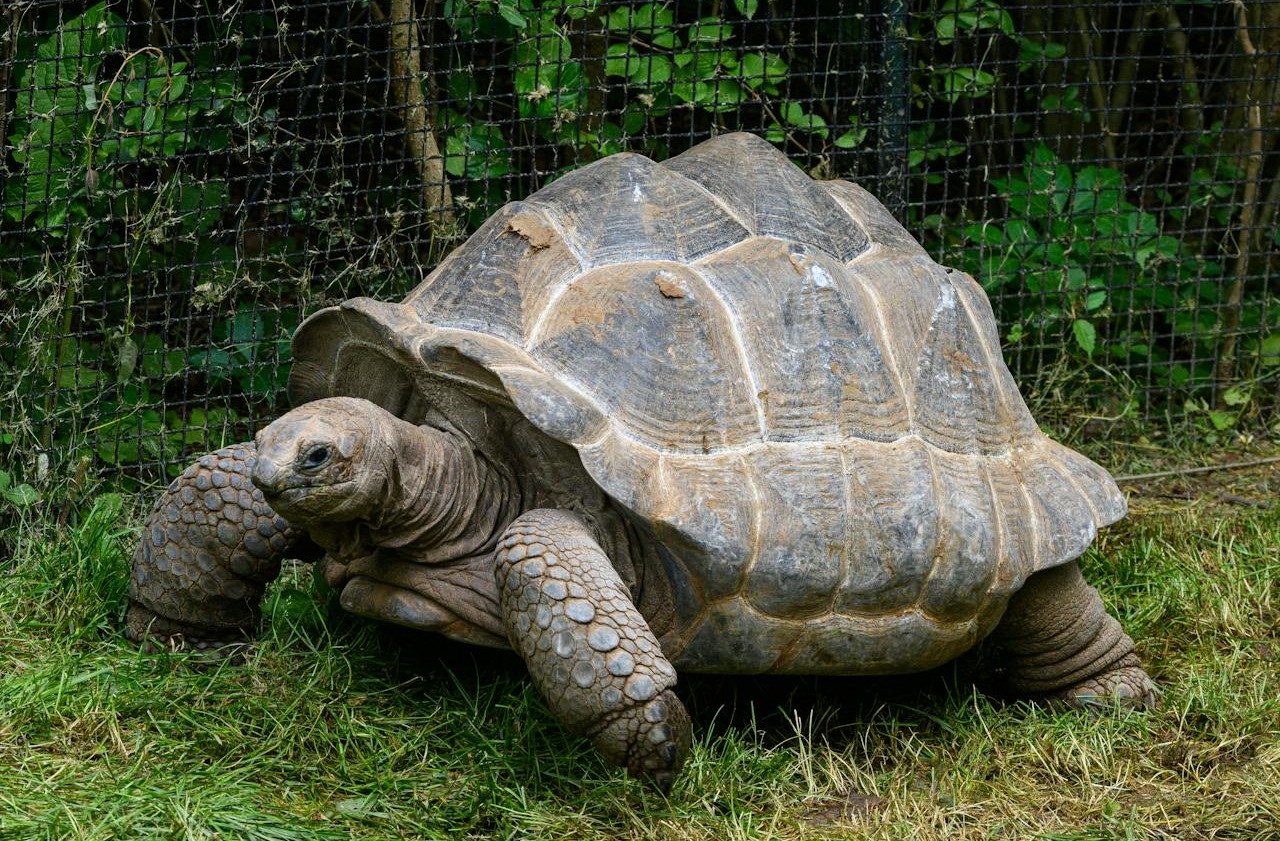
Gramma’s long life highlighted both the resilience and fragility of her species. Galápagos tortoises can live well past 100 in the wild and even longer in careful captivity, yet several subspecies have already vanished and others sit on endangered lists. Conservation breeding programs that hatched and released thousands of juveniles gained urgency and public support from animals like her who made the crisis visible.
Elders And New Beginnings Worldwide
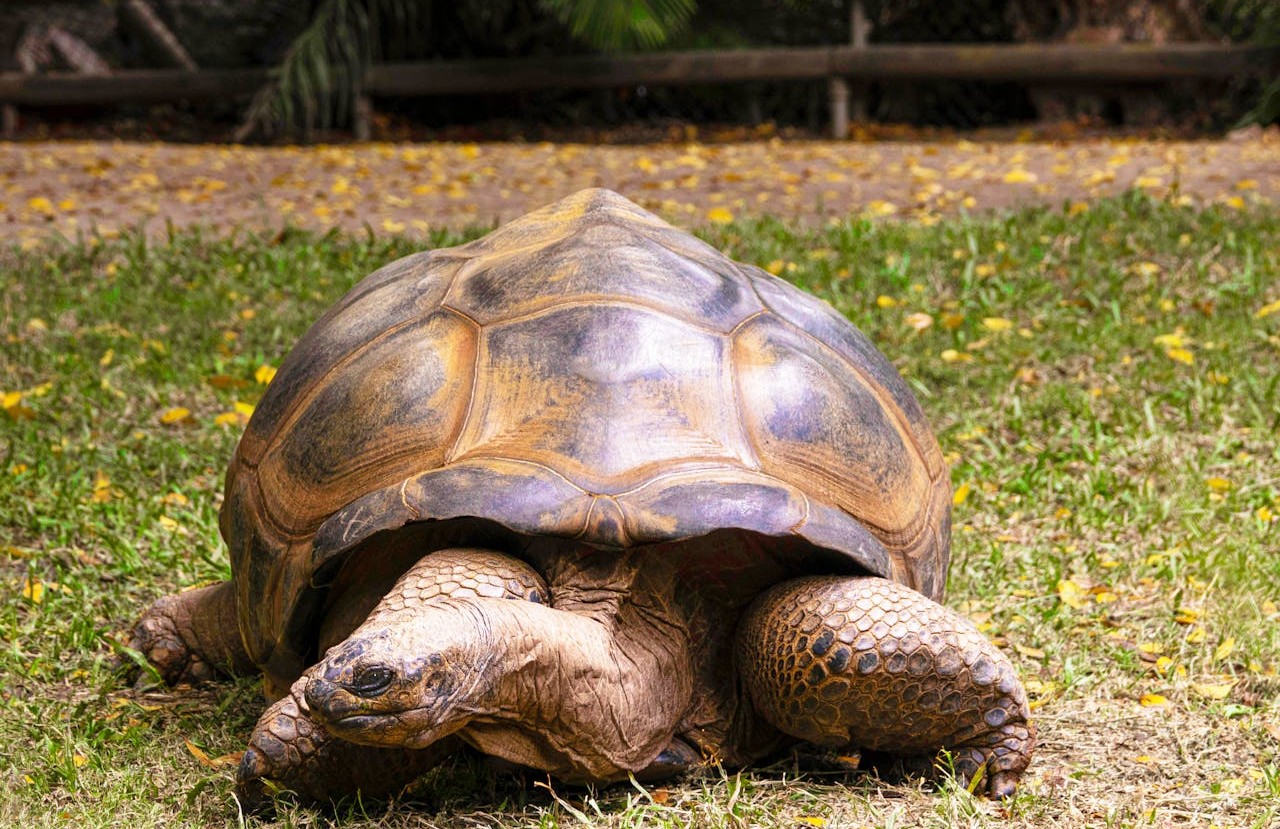
Gramma’s story sits alongside other famous elders such as Harriet in Australia, who reached about 175, and Goliath in Miami, who became a father at 135. Recent hatchlings at zoos in Philadelphia and elsewhere arrived to parents roughly a century old, proof that these reptiles can remain reproductively active long after many species slow down. Together they challenge assumptions about aging, productivity, and what a full life can look like.
Saying Goodbye And Carrying The Legacy Forward
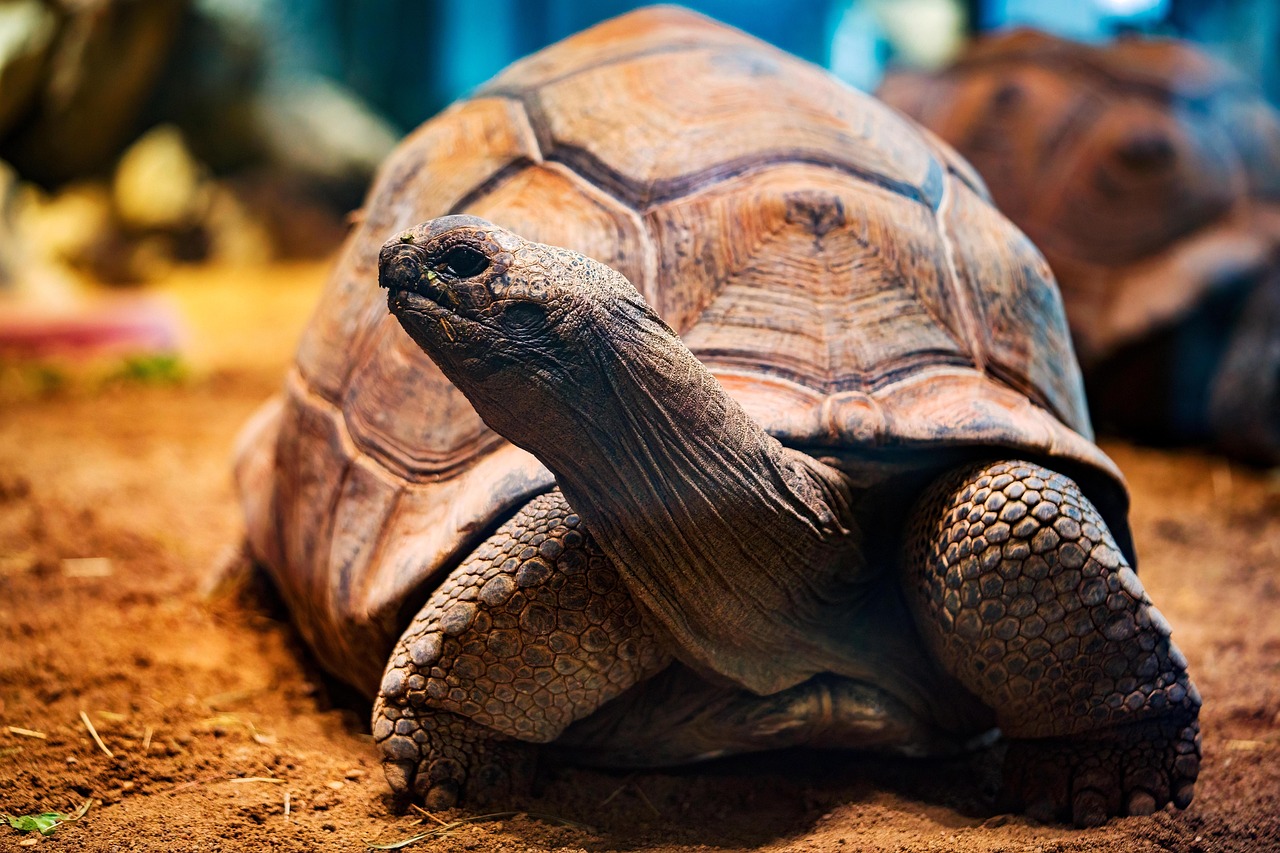
In her final months, bone problems associated with extreme age began to limit Gramma’s comfort, despite careful treatment and close watching. When the decision came to euthanize her in Nov. 2024, it was made with heavy hearts and a focus on dignity rather than spectacle. Her absence now lives in stories, memorial signs, and quiet commitments to protect the wild cousins she never saw again after leaving the islands.