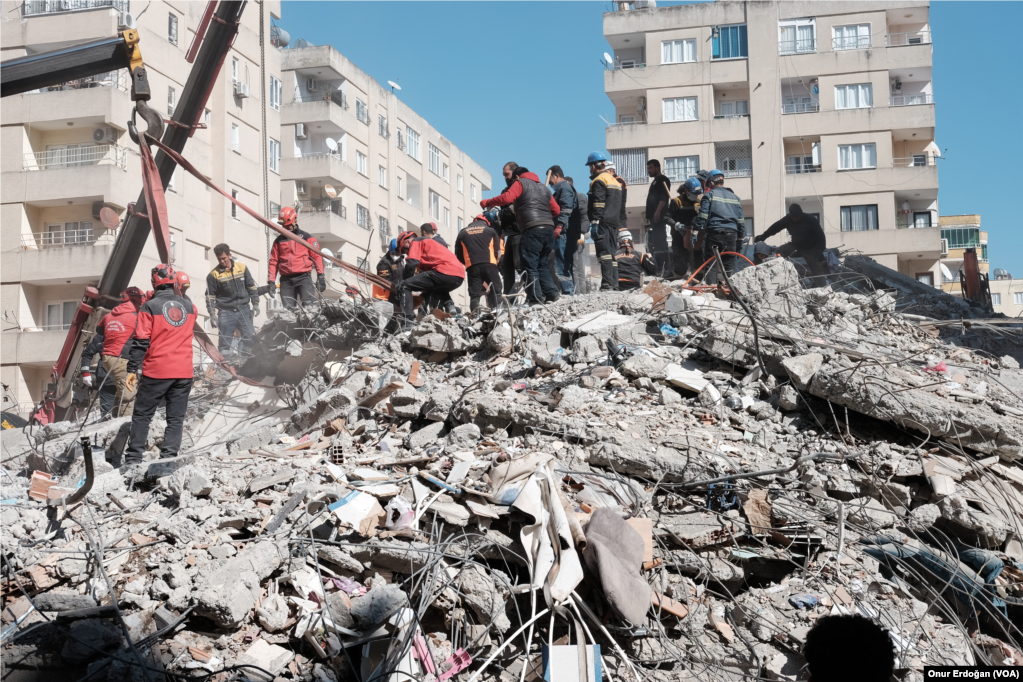
Scientists think a lot about daily weather, but the scenarios that haunt them sit on a different scale. In quiet offices and dense reports, they model earthquakes that swallow coastlines, volcanoes that dim sunlight, and ice sheets that quietly loosen their grip on land. Most of these events are unlikely in any single decade, yet their impact would be generational, rewriting where people live, farm, and trade, and how entire regions understand their place on the planet and each other.
Cascadia’s Overdue Megaquake And Tsunami
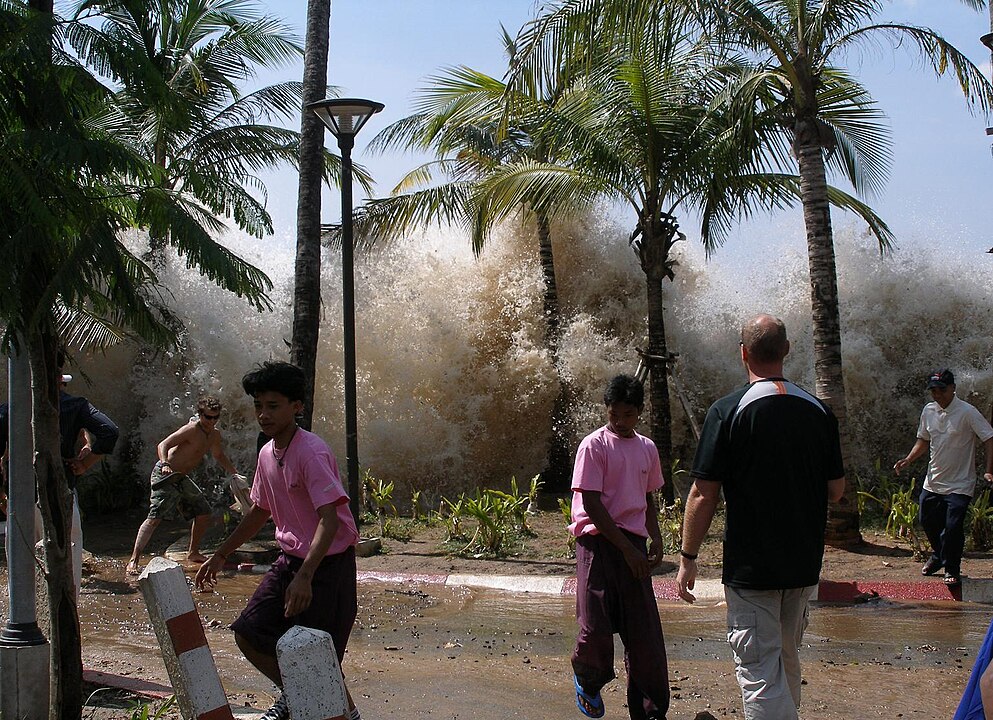
Along the Pacific Northwest coast, the Cascadia Subduction Zone stores enough strain to drive a magnitude nine earthquake followed by a racing wall of water. Scientists expect collapsed bridges, liquefied soils, and days of disruption that leave cities without power, clean water, or roads. Such a rupture would not just damage buildings; it could decide which coastal communities recover and which ones never truly return.
Yellowstone’s Sleeping Supervolcano
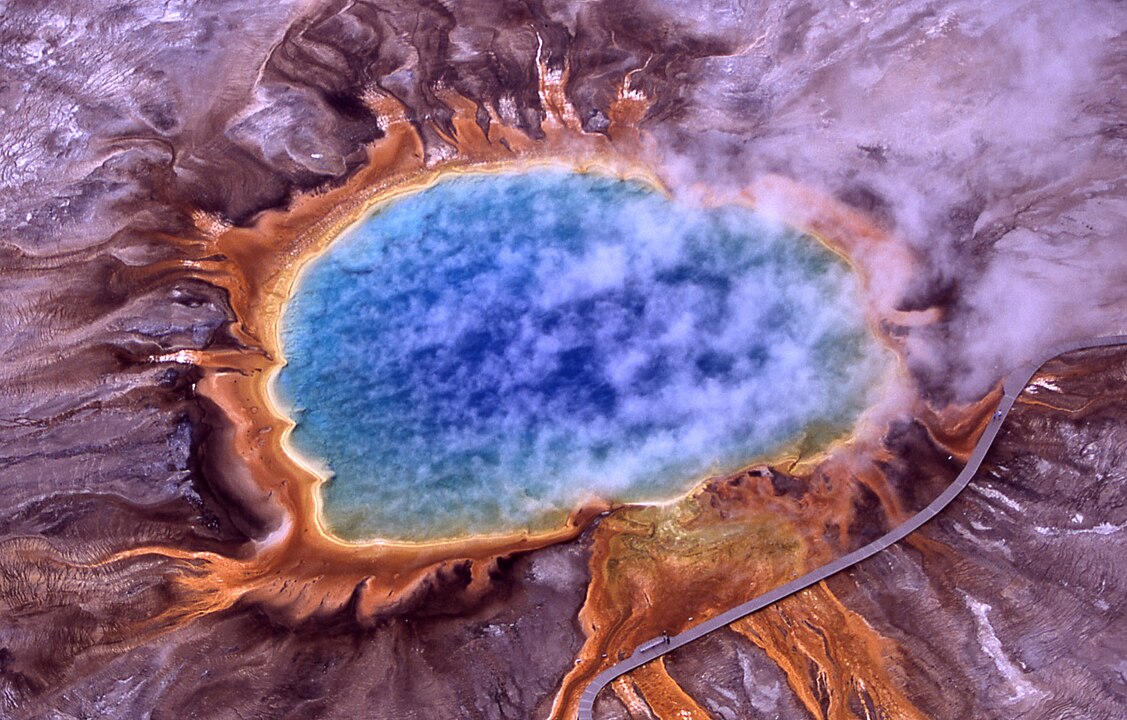
Beneath Yellowstone, a vast magma system powers geysers and hot springs while holding the memory of enormous eruptions in ancient ash deposits. Experts stress that a true super eruption is unlikely soon, yet their models show how one blast could blanket farmland in ash, ground flights across continents, and chill global temperatures. Even quiet years there remind planners that volcanic risk is not limited to neat cones on far horizons.
A Himalayan Quake That Spans Borders
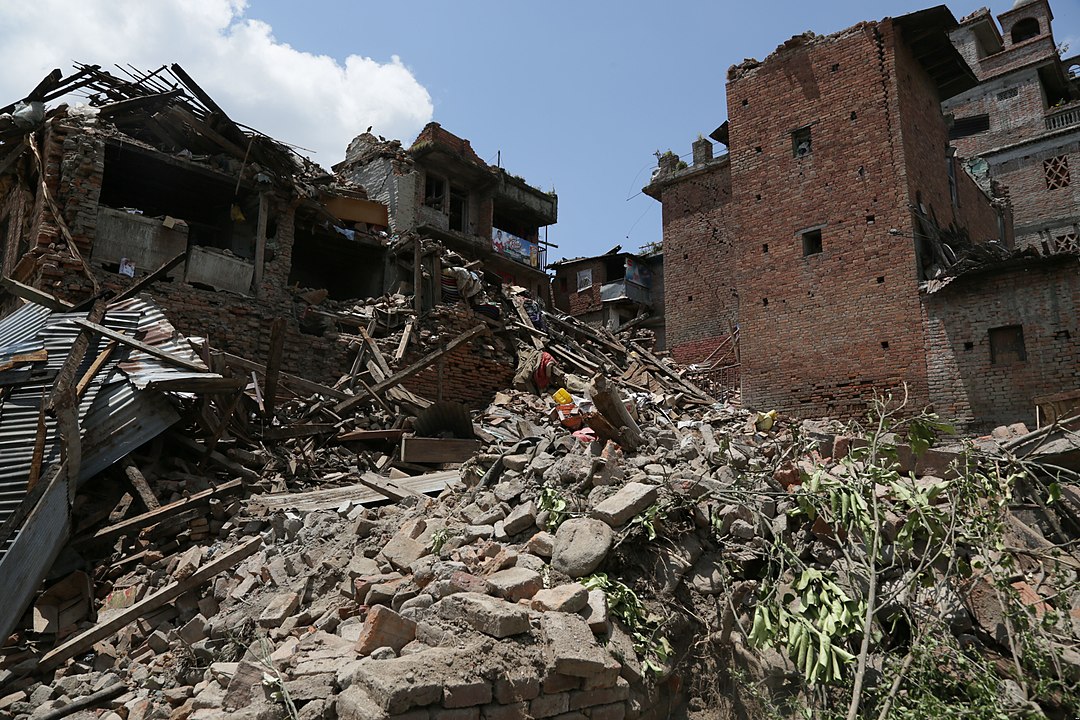
From Pakistan to Bhutan, the Himalaya mark a grinding collision between tectonic plates that lifts mountains and stores seismic energy. Historical records and trench studies hint that long stretches of fault may be overdue for a powerful rupture capable of toppling dense towns and remote villages in the same grim hour. A single event could cut highways, dam rivers, and reshape how millions move through this steep, crowded region.
West Antarctica’s Doomsday Glaciers
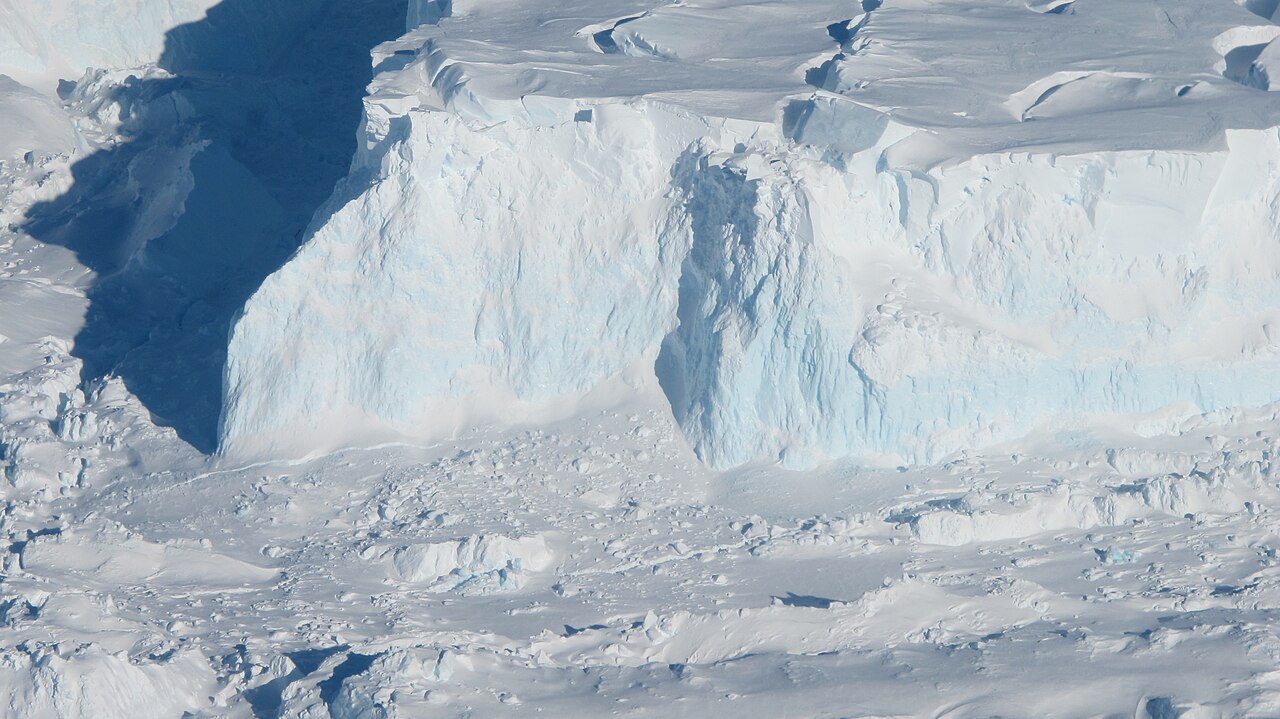
Far from most headlines, the West Antarctic Ice Sheet may be one of the most influential places on Earth. Glaciers such as Thwaites are thinning as warmer water nibbles at their base, threatening to unlock several meters of long term sea level rise. If key ice shelves fracture and retreat, ports, deltas, and low lying neighborhoods from Florida to Bangladesh would face chronic flooding that slowly erases familiar shorelines.
An Atlantic Current On The Edge
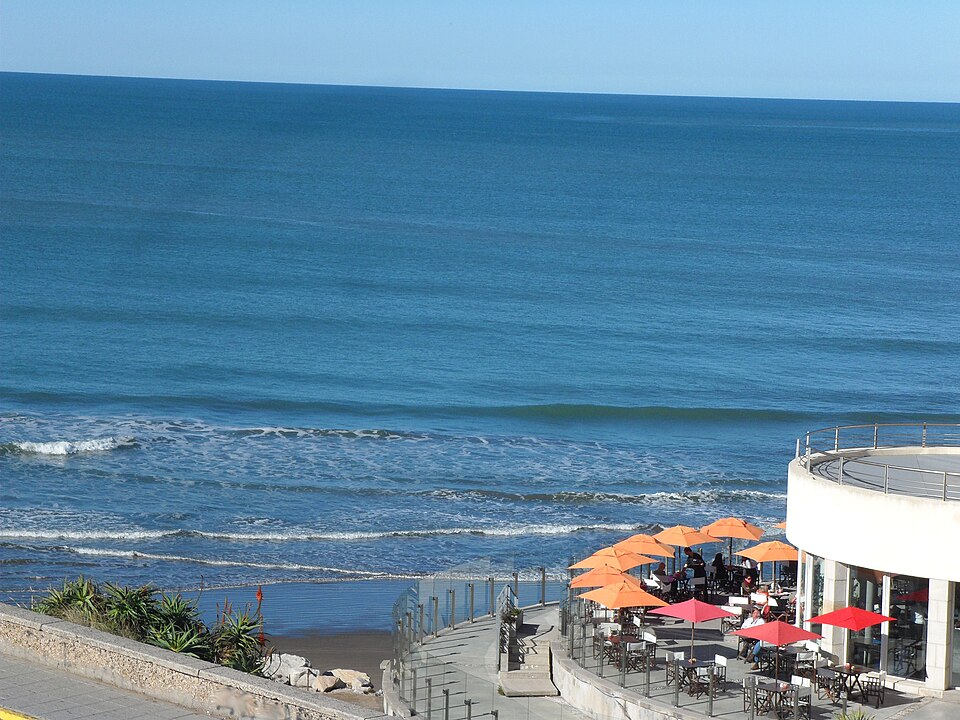
In the Atlantic, a vast conveyor belt of currents known as the overturning circulation carries heat from the tropics toward Europe and shapes storms worldwide. Measurements suggest that this system is weakening, and some studies warn of a possible tipping point under high emissions. A sharp slowdown would not trigger an instant ice age, but it could bring harsher winters, shifting rain belts, and faster sea level rise along key coasts.
California’s ARkStorm Megaflood Scenario
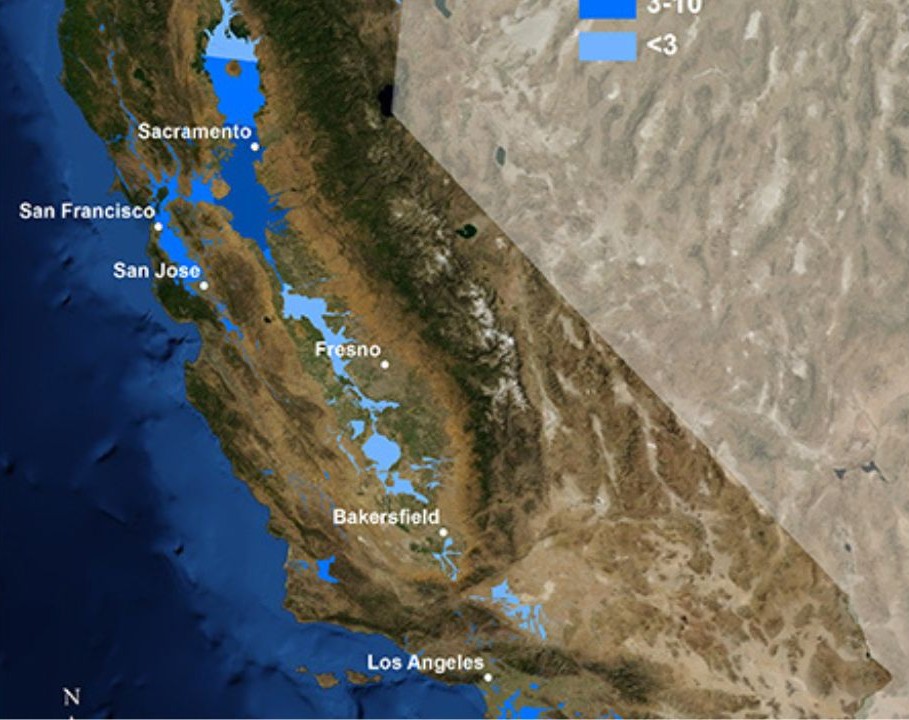
For California, the nightmare scenario is not only the next big earthquake but a month long train of Pacific storms called an ARkStorm. In simulations, repeated atmospheric rivers dump so much water that the Central Valley becomes a temporary inland sea, while parts of Los Angeles and the Bay Area see neighborhoods flooded to rooftop level. Modern levees and dams help, yet the scale could overwhelm defenses built for shorter storms.
The Colorado River’s Relentless Megadrought
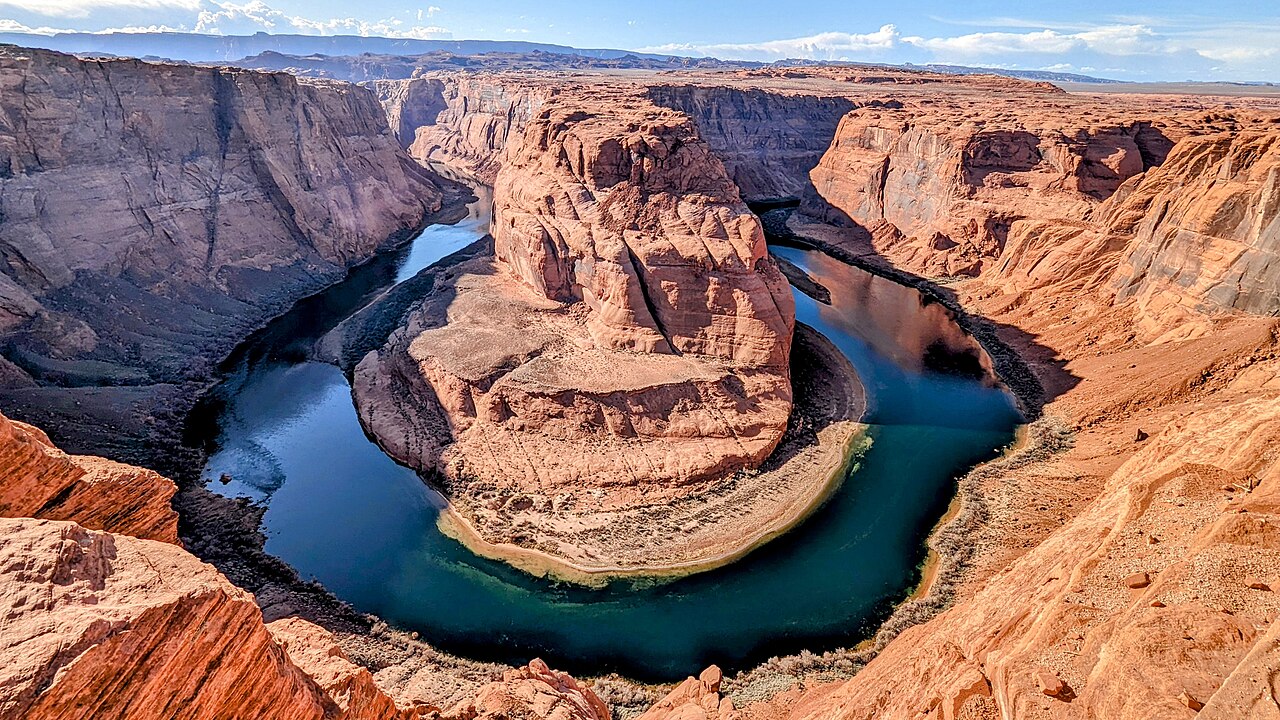
Across the American Southwest, the Colorado River basin is living through a megadrought that is reshaping water politics in real time. Shrinking snowpack, rising heat, and heavy withdrawals have pushed major reservoirs toward historic lows, forcing emergency cuts and tense negotiations. If aridification deepens, some desert cities, farms, and energy projects may face hard decisions about relocation, fallowing land, or reinventing how much growth the region can actually support.
Volcanic Flank Collapse And Local Mega Tsunamis
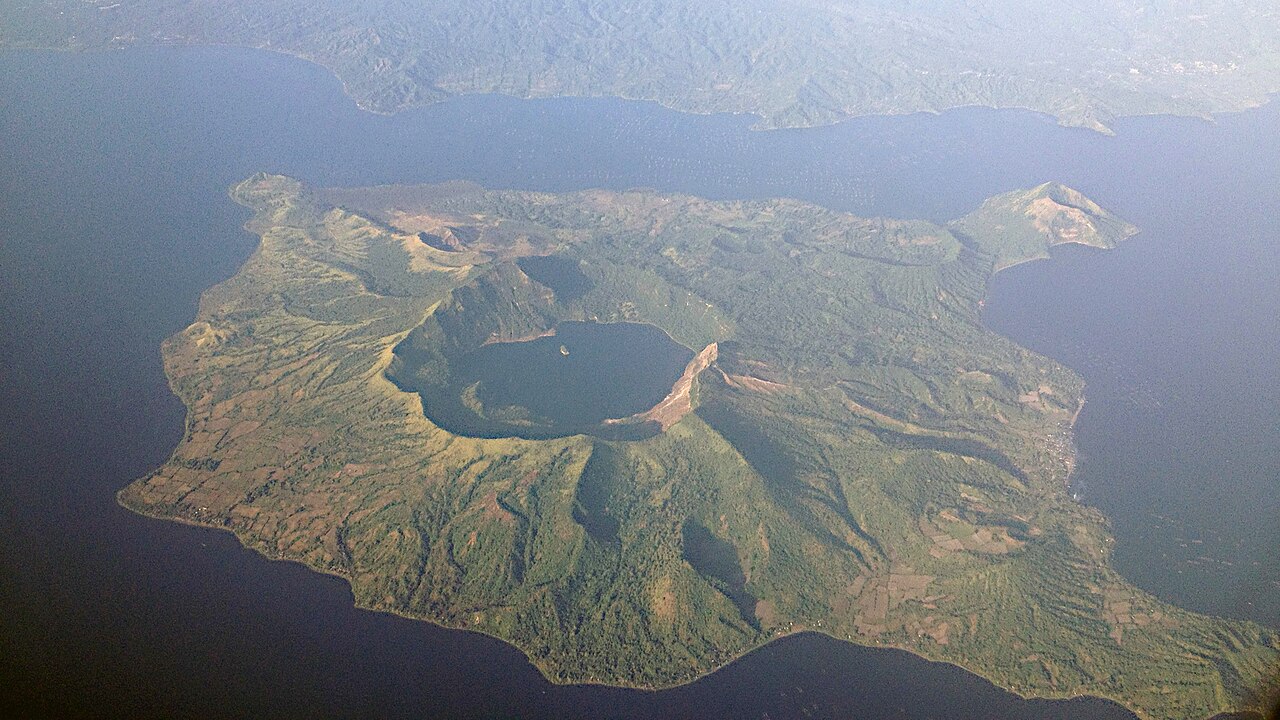
On volcanic islands, the real threat sometimes comes not from an eruption column but from the sudden collapse of an oversteepened flank into the sea. Geological records show past landslides that traveled dozens of miles across the ocean floor and launched towering local tsunamis. Even a moderate modern collapse could slam nearby coasts with little warning, wiping out ports, resorts, and fishing towns built right at the water’s edge.
Antarctic Sea Ice And Southern Ocean Tipping Points
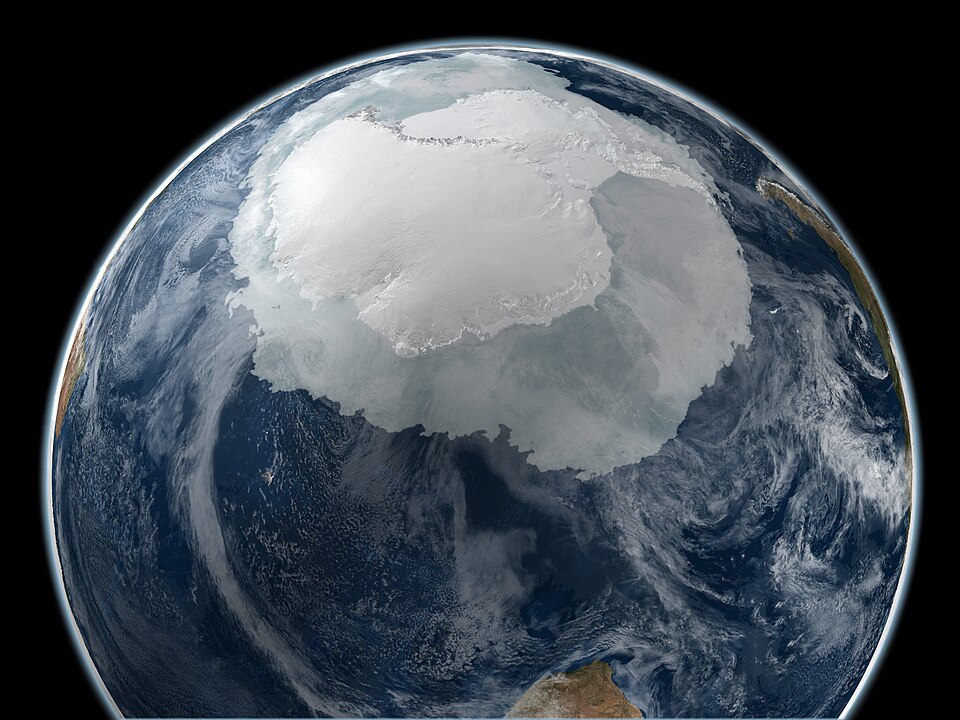
Around Antarctica, recent sharp declines in winter sea ice have surprised researchers who once saw the region as relatively stable. Less ice means darker water that soaks up more heat, which can weaken currents and squeeze penguins, krill, and other species that rely on seasonal platforms of frozen ocean. If this feedback loop continues, weather, fisheries, and sea levels from South America to the Indian Ocean could feel the shift for centuries.