
Some months feel heavier than others. November 2025 was one of those stretches when obituaries started to look like a cross section of culture itself. Sports, film, television, music, activism, gaming, and even rodeo all lost people who had been quietly carrying more weight than most of us realized. They were not always the faces on posters, but they were often the reason those posters mattered.
These were the names you spot in opening credits, liner notes, and late-night thank-yous. A defensive back who reshaped a position, a bandleader who kept network TV loose, an advocate who made disability stories impossible to ignore. Their deaths did not just close careers; they shifted the atmospheres around teams, scenes, and communities that had come to rely on them. November 2025 left many corners of the world a little less bright.
Coaches and Court Generals
John Beam’s death landed hard in Oakland. For more than forty years, he treated football as a tool for building futures, starting at Skyline High and later at Laney College. His teams won, but his real stat line lived in graduation rates and transfer offers, in players who went from rough circumstances to four-year schools and even the NFL. Many remembered him less as a coach and more as the first adult who refused to lower the bar.
Kenny Easley and Micheal Ray Richardson showed what happens when talent collides with both opportunity and risk. Easley played safety with a kind of controlled fury, stacking interceptions and awards during a career cut short by kidney disease, then slowly receiving Hall of Fame recognition. Richardson tore up courts for the New York Knicks and other teams before drugs blew up his NBA career, only to rebuild overseas and later as a mentor. Both men left behind complicated, deeply human legacies.
Musicians Who Scored Our Late Nights

Todd Snider’s passing at fifty-nine felt like losing an entire subculture of late-night storytelling. Onstage he braided jokes, tall tales, and songs into nights that felt half party, half confession booth. Across more than twenty albums, from early records in the nineties to later cult favorites, he gave shape to the lives of drifters, working musicians, and people who never quite fit the main road. Fans will be trading live bootlegs and favorite verses for years.
Cleto Escobedo the Third brought a different kind of soundtrack into millions of homes. As the longtime bandleader on Jimmy Kimmel Live, he turned what could have been background music into a character of its own, relaxed and playful without losing precision. Years on the road with major pop acts had honed his feel long before television caught up. The fact that his father played alongside him on that stage says everything about how he saw music and family as one thread.
Together, these performers remind us that live entertainment relies on people who commit their entire bodies and nights to the work. From cramped clubs to late-night stages and glittering European theaters, they held attention with sound and movement. When those presences vanish, the silence is more than the absence of noise; it is the loss of a shared rhythm audiences had taken for granted.
Journalists and Advocates Who Spoke Up

Jim Avila spent decades proving that journalism is less a career than a long haul. He worked his way through local radio and television in major American cities before landing on national beats that demanded stamina and judgment. Covering high profile trials, administrations, and diplomatic shifts, he built a reputation for asking hard questions without turning people into props. Even after a kidney transplant, he stayed in local news, still chasing stories when others would have stepped aside.
Alice Wong changed who gets to tell the story about disability in the United States. Growing up with spinal muscular atrophy, she moved through higher education and into policy work without accepting the idea that disabled voices belonged in the background. Her role on a national disability council and her founding of the Disability Visibility Project brought forward stories that had been sidelined. Through essays and books, she framed disability as culture, community, and political identity, not just a medical label. Her death at fifty-one left a noticeable gap in that conversation.
Actors Who Carried Whole Stories

Lee Tamahori’s career showed how a director can stretch national cinema into global view without losing its roots. Once Were Warriors was a shock to audiences who had rarely seen Māori stories told with such intensity and honesty. The film opened doors for Indigenous actors and crew, while forcing viewers to reckon with social realities many preferred to ignore. Tamahori later took on studio projects, including a James Bond outing, proving that a filmmaker steeped in local stories could navigate global franchises.
e took obvious pride in his children and grandchildren, and in seeing more Māori talent step into creative leadership. Tributes after his death at seventy-five highlighted both his technical eye and his insistence on emotional truth. The industry lost not only a director with a distinctive visual style, but also a mentor who taught that representation is not a box to tick; it is a commitment to who gets to be at the center of the frame.
Pioneers From Code to Rodeo Arenas
Rebecca Ann Heineman turned arcade skill into a pioneering career in video games. Winning a Space Invaders championship as a teenager set her on a path that would include helping found Interplay, shaping influential role playing titles, and porting games across early platforms. She pushed for game preservation long before it was trendy and became an important figure for queer and trans developers who saw pieces of their own story in hers. Her death from cancer at sixty-two felt, to many, like losing a living archive of game history.
Cleo Hearn rewrote what rodeo history looks like when you tell it honestly. Starting in Oklahoma and moving into national circuits, he cut through barriers that kept Black cowboys pushed to the margins. A landmark win in Denver proved that skill could force attention, but he did not stop with personal trophies. By founding what became the Cowboys of Color Rodeo, he built a platform where riders from many backgrounds could see themselves reflected. Even after retiring from competition, he kept shaping that world through mentorship and community work.
Directors Who Changed the Frame
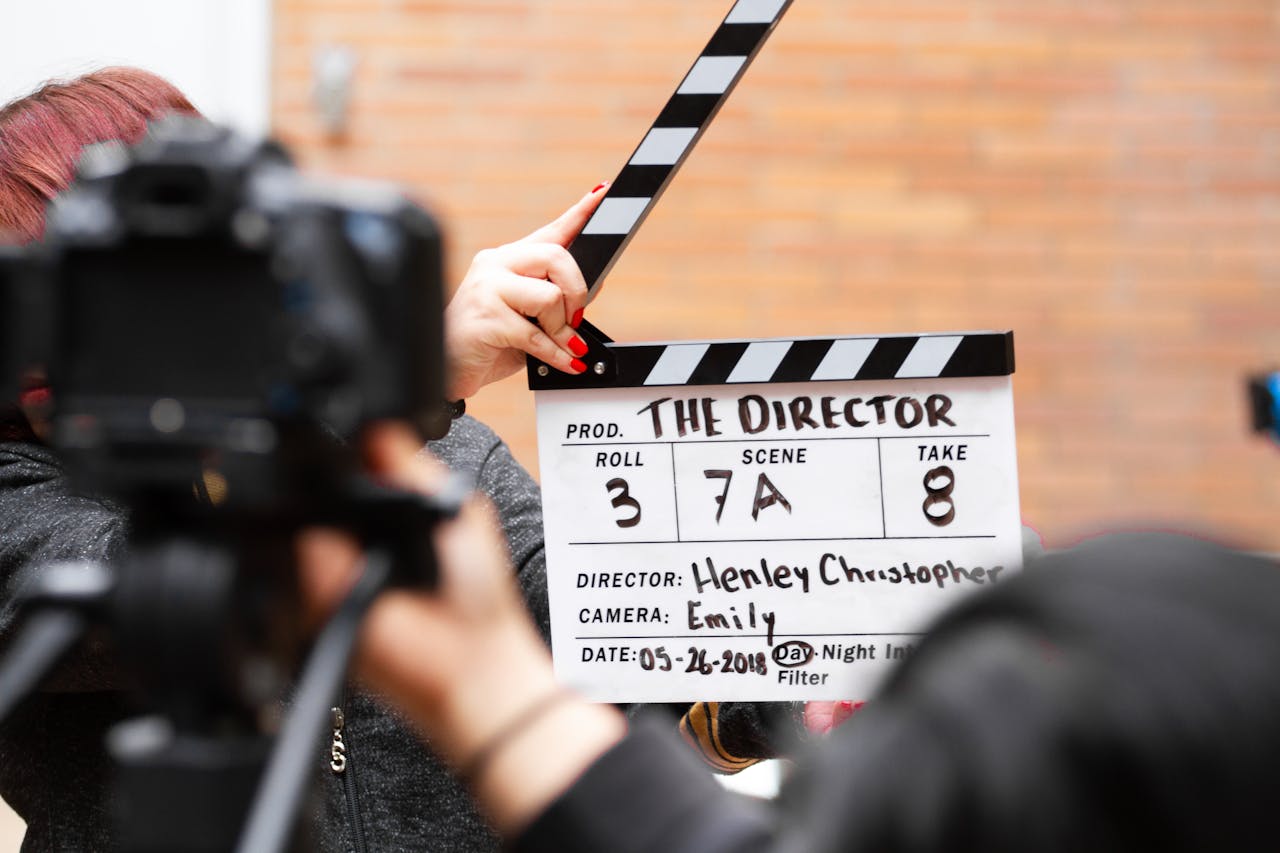
Lee Tamahori’s career showed how a director can stretch national cinema into global view without losing its roots. Once Were Warriors was a shock to audiences who had rarely seen Māori stories told with such intensity and honesty. The film opened doors for Indigenous actors and crew, while forcing viewers to reckon with social realities many preferred to ignore. Tamahori later took on studio projects, including a James Bond outing, proving that a filmmaker steeped in local stories could navigate global franchises.
He took obvious pride in his children and grandchildren, and in seeing more Māori talent step into creative leadership. Tributes after his death at seventy-five highlighted both his technical eye and his insistence on emotional truth. The industry lost not only a director with a distinctive visual style, but also a mentor who taught that representation is not a box to tick; it is a commitment to who gets to be at the center of the frame.
Why November’s Losses Feel So Heavy
Seen together, these lives underline how culture actually works. It is easy to focus on headliners, but long term impact often belongs to coaches, character actors, bandleaders, coders, and organizers who hold things together year after year. John Beam or Cleo Hearn might not trend on social media, yet the people they helped will spend decades passing along lessons learned on fields and in arenas. That kind of influence rarely shows up in box office totals.
Sources