By 2028, an ordinary flight could feel less like a gamble and more like a promise. Behind the scenes, a multibillion dollar overhaul of air traffic control is quietly rewriting how planes move, how storms are handled, and how delays spread. Aging radar, copper wiring, and worn out control rooms are being swapped for faster links and smarter tools while jets keep flying. If the work holds together, millions could feel the difference in calmer trips and fewer days lost to chaos.
From Copper Wires To High Speed Arteries

The heart of the overhaul is blunt but powerful: replace miles of tired copper wires with fiber, satellite, and modern wireless networks. Data that once crawled will move at digital speed, carrying radar feeds, weather, and routing updates in near real time. Controllers gain a clearer view of traffic patterns, bottlenecks, and storms before they explode into disruption. When the plumbing of information improves, every schedule, gate change, and reroute can rest on information that is fresher, faster, and harder to knock offline. Over time, that shift should feel like fewer delays and more flights that just work.
Sharper Views Of Aircraft In Busy Skies

Modernization also transforms how controllers actually see the sky. Newer radar, satellite based tracking, and smarter displays promise fewer blind spots and smoother handoffs as planes cross busy airspace. A sharper picture of altitude, speed, and spacing lets teams design routes that bend around storms and bottlenecks instead of stumbling into them. When every blip on the screen carries richer data, near misses are easier to avoid, and small anomalies are caught before they swell into real scares for crews and passengers. Over time, those gains could mean shorter delays and fewer nights stuck in terminals.
A Digital Operations Hub As Mission Control

The overhaul also creates a digital operations hub, a kind of mission control for the national airspace. Instead of scattered tools and paper strips sliding across consoles, a shared platform can pull together traffic flows, network health, weather, and maintenance alerts. When storms flare or a key link fails, decision makers see the pattern forming across regions rather than one airport at a time. That wider view makes it easier to move planes, crews, and equipment without losing hours to confusion. Over time, that coordination can keep small glitches from snowballing into long breakdowns felt across the map.
Big Money, Bigger Stakes For Reliability

The plan begins with a $12.5 billion injection from Congress and a request for roughly $20 billion more, a scale that reflects years of deferred work. Peraton, chosen as prime integrator, will push the upgrade forward with the FAA while planes keep flying above. Past efforts like NextGen ran into delays and overruns, so incentives and penalties are built into this contract. Industry leaders, long frustrated with floppy disks and paper strips, see this as a rare chance to reset the system instead of patching it again. If funding holds, travelers may quietly see fewer breakdowns during storms and peak seasons.
Repairing The Cracks In Aging Facilities

A recent review of air traffic control facilities described leaking roofs, outdated radar, and telecom systems labeled unsustainable, a quiet crisis in concrete and wiring. The upgrade plan reaches into these physical spaces, replacing fragile links that fail under heat, storms, or simple age. Reinforced power, cooling, and backup systems may not draw headlines, yet they decide whether a key radar or telecom node stays alive on a rough night. Infrastructure that once limped through each season can finally be built to hold. In practice, those fixes keep key rooms dry, powered, and ready on the worst days.
Airlines Chasing Smoother, Smarter Schedules
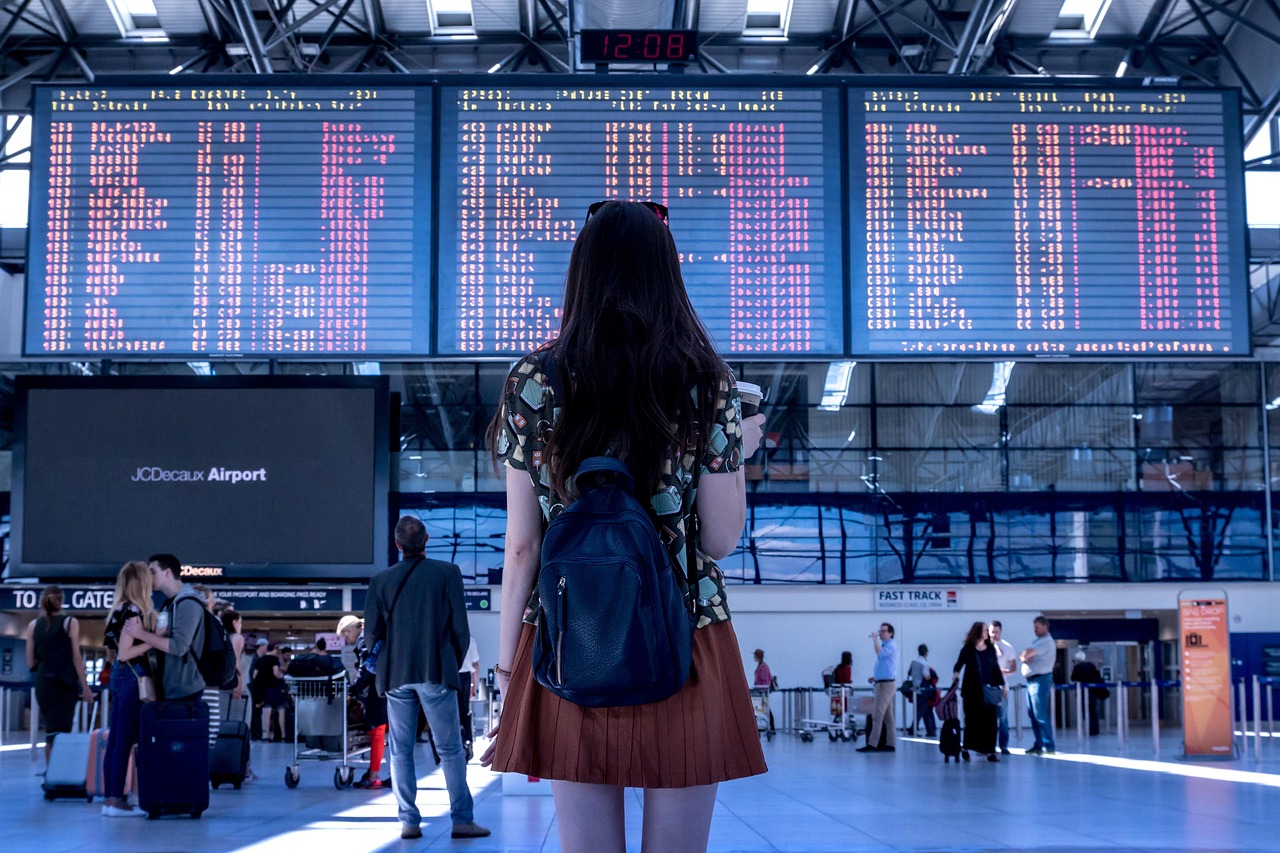
For airlines, faster and more reliable networks promise schedules that are less wishful and more grounded in reality. Clearer traffic data and steadier routing let planners match crews, fuel, and maintenance to what will actually happen rather than to a best guess. When a storm forms or a key hub slows, operations teams can adjust earlier and with more precision. Over time, that means fewer rolling delays that spread through the day and fewer days when minor trouble becomes a national event. Passengers may never see dashboards in the background, yet they will feel fewer missed connections and calm recovery days.
Passengers Feeling The Changes At The Gate
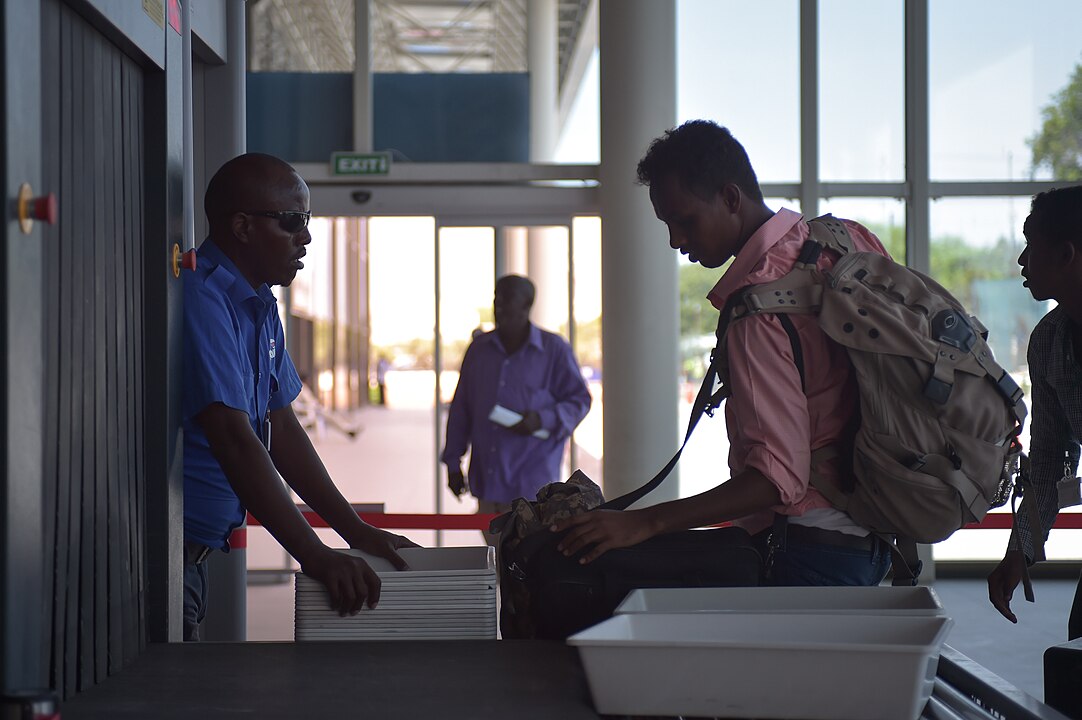
From the traveler’s point of view, the changes will rarely arrive with fanfare. Improvements show up as departure boards that match reality more often, as staff who have clearer answers, and as disruptions that end in hours rather than days. When controllers, pilots, and operations teams share the same clean data, they can choose reroutes and ground holds with less panic. Even when trips still go wrong, communication can feel steadier, and the path back on track less confusing and exhausting. For families chasing connections and workers guarding days off, even a small drop in chaos can change how travel feels.