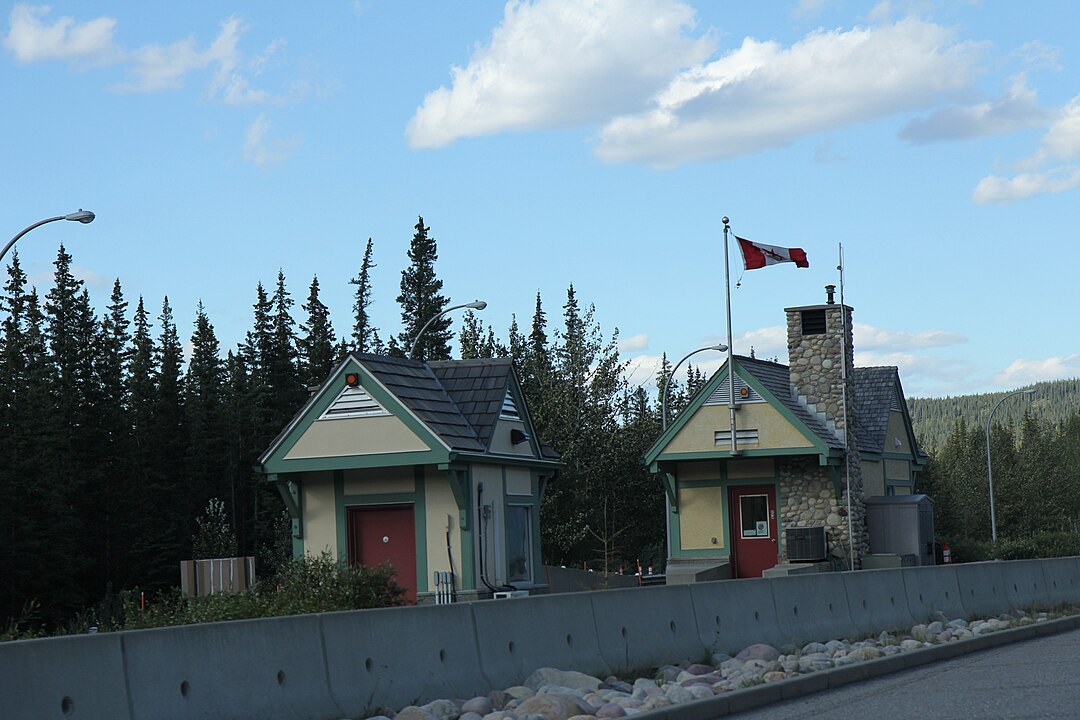
Across the national park system, a quiet rule change scheduled for 2026 is starting to unsettle guides, gateway towns, and frequent visitors. Annual passes that once felt like simple keys to the landscape will soon come with ID checks, residency questions, and stark price differences for international travelers. What sounds like a bureaucratic tweak in a policy memo could, in practice, decide who gets waved through the gate, who pays more at the window, and who turns around after a long drive feeling shut out.
ID Checks Become Part Of The Deal

At the center of the 2026 shift is a simple but powerful change: anyone age sixteen or older entering many of the busiest parks will be asked for a government-issued photo ID that matches the ZIP code used when the pass was purchased. The pass itself still matters, but it is no longer enough to hold up from the car window as a kind of membership card. Rangers will be checking names and addresses, making sure discounted resident passes actually belong to the people presenting them. For travelers who treated passes as flexible, the new rules turn that familiar card into something more personal and more easily questioned. Even a forgotten wallet or a teen who rarely carries ID can mean paying higher fees or being turned away after hours on the road.
Why A Pass Alone Will Not Be Enough
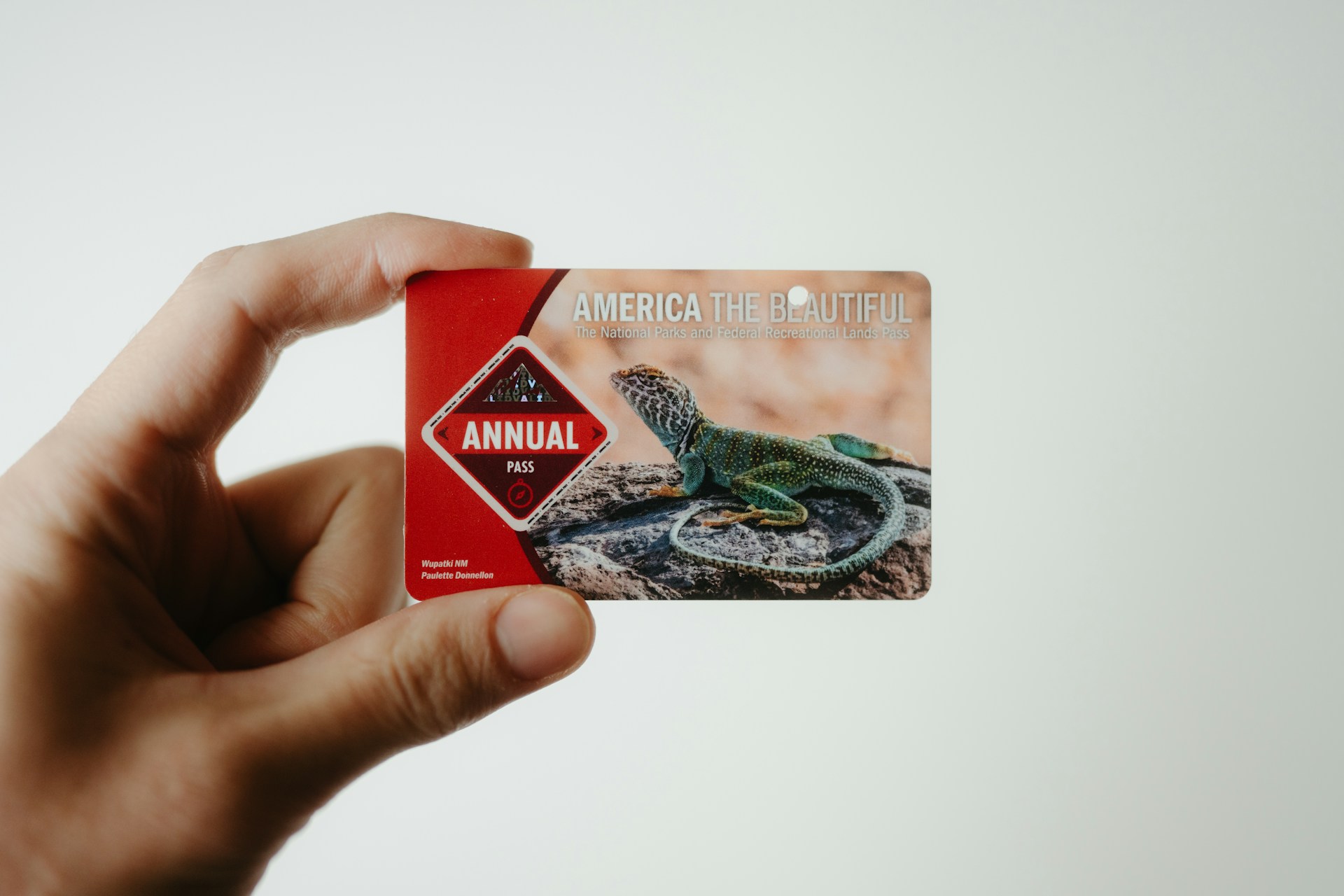
For years, a national park pass signaled that the hard part of planning was done. Once it sat in the glove box, entry felt as smooth as rolling down a window and offering a quick smile. Under the 2026 rules, that small ritual becomes more formal, because access now depends on identity and residency rather than just possession. A missed ID becomes a real barrier instead of a minor inconvenience. Families who assumed one pass covered everyone may discover that each adult must show identification, turning a simple entrance stop into an unexpected checkpoint. That shift adds an edge to what used to be a moment of excitement, reminding visitors that even well-planned trips can hinge on small, easily overlooked details.
The New Price Gap For International Visitors
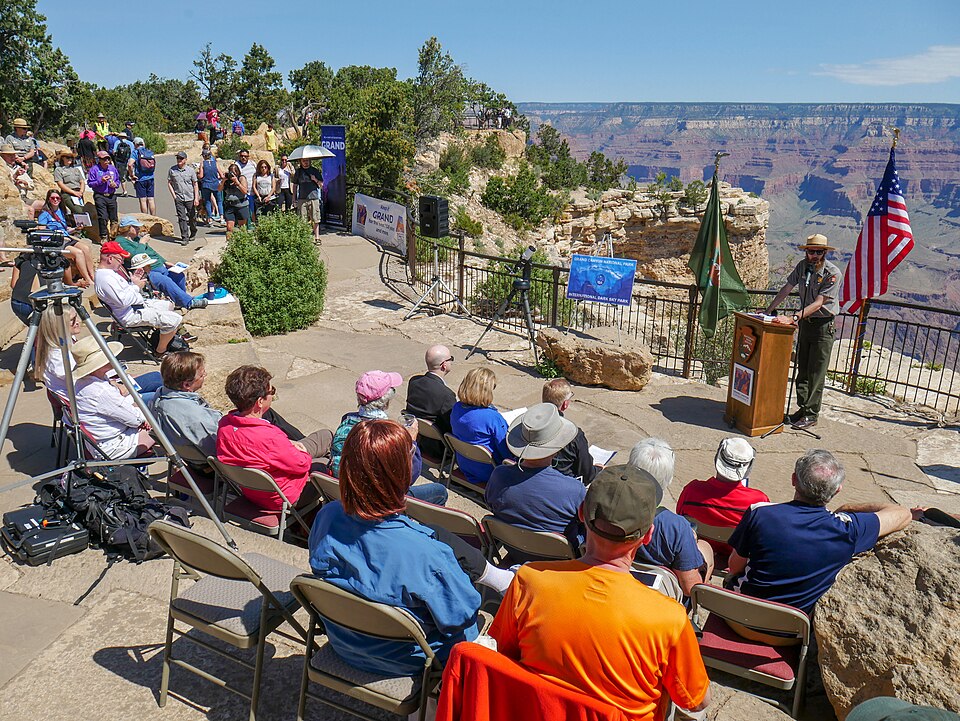
The most visible part of the upcoming rule is the new $100 surcharge applied to international visitors at eleven major parks, added on top of existing entrance fees. For adults and teens planning a week in places like Yosemite, Yellowstone, or Zion, that single line item can reshape a vacation budget. Annual passes for non-U.S. visitors rising to $250 further widen the gap and push some families to reconsider destinations they once viewed as essential stops. Supporters see the added revenue as a way to support maintenance without raising costs for residents, while others worry the change sends an unintended message that some visitors are less welcome. That feeling can linger long after the last overlook or trailhead.
Longer Lines And New Friction At The Gate
ID checks and residency verification unfold at entrances already tested by seasonal surges. A process that once took seconds now demands extra conversation, comparison, and explanation. On busy summer mornings, those small moments accumulate into long lines that stretch down park roads, testing patience before travelers even catch a glimpse of the scenery they came to see. Delays that used to be caused by full parking lots or shuttle waits may now start at the very first booth. The tone shifts subtly from anticipation to caution, and rangers find themselves holding the emotional weight of confused or frustrated guests while trying to keep traffic moving.
Extra Pressure On Already Thin Staff

Behind the gate, the rule adds pressure to park employees who already juggle maintenance backlogs, crowded trail systems, safety calls, and visitor questions. Verifying IDs and sorting residency-based fees asks them to serve as administrators before they can turn to the work that drew many of them to the job in the first place. With limited staffing and constant turnover, every new requirement forces tough decisions about how to prioritize time and attention. Over the course of a long season, that strain adds up, making it harder to maintain trails, support educational programs, or respond to wildlife concerns with the same focus and energy.
Gateway Towns And Guides Feel The Ripple
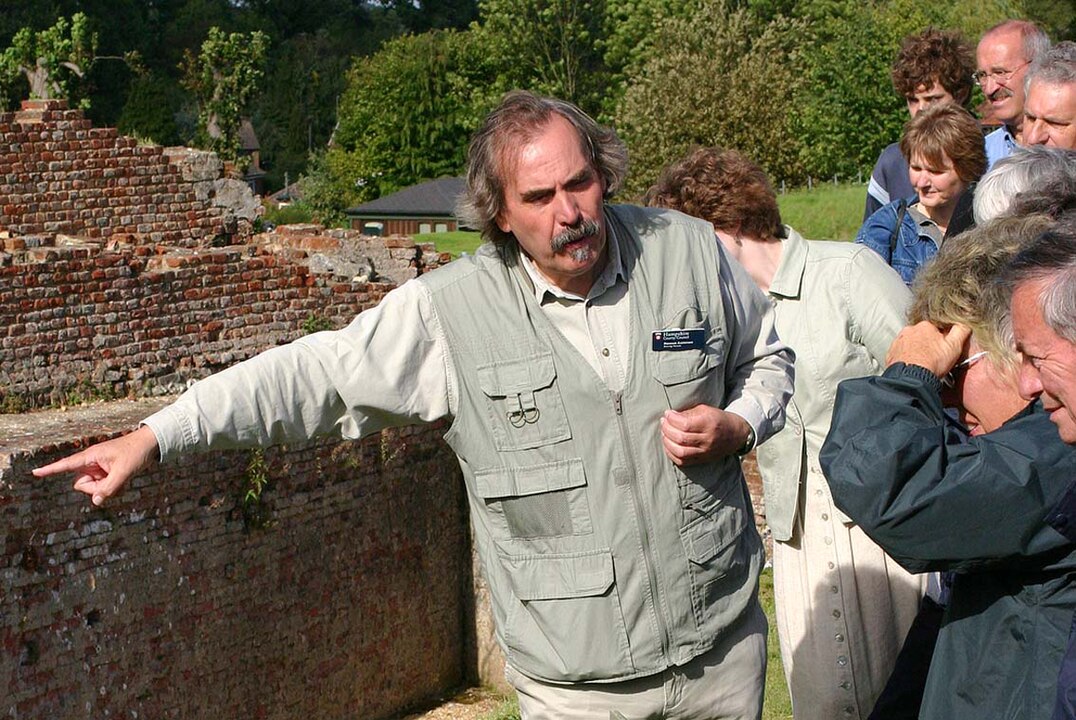
In small communities surrounding the parks, travelers’ decisions shape entire local economies. Guides who rely on international guests are already seeing hesitation as visitors weigh the higher costs against other global destinations. A canceled tour affects more than one business: it touches lodges, restaurants, and shops that depend on steady seasonal traffic. Owners talk about the challenge of planning when the number of overseas travelers becomes less predictable, and how even small changes in policy ripple through hiring decisions and long-established routines. For many, the uncertainty is harder to manage than the fees themselves.
Questions About Fairness And Belonging
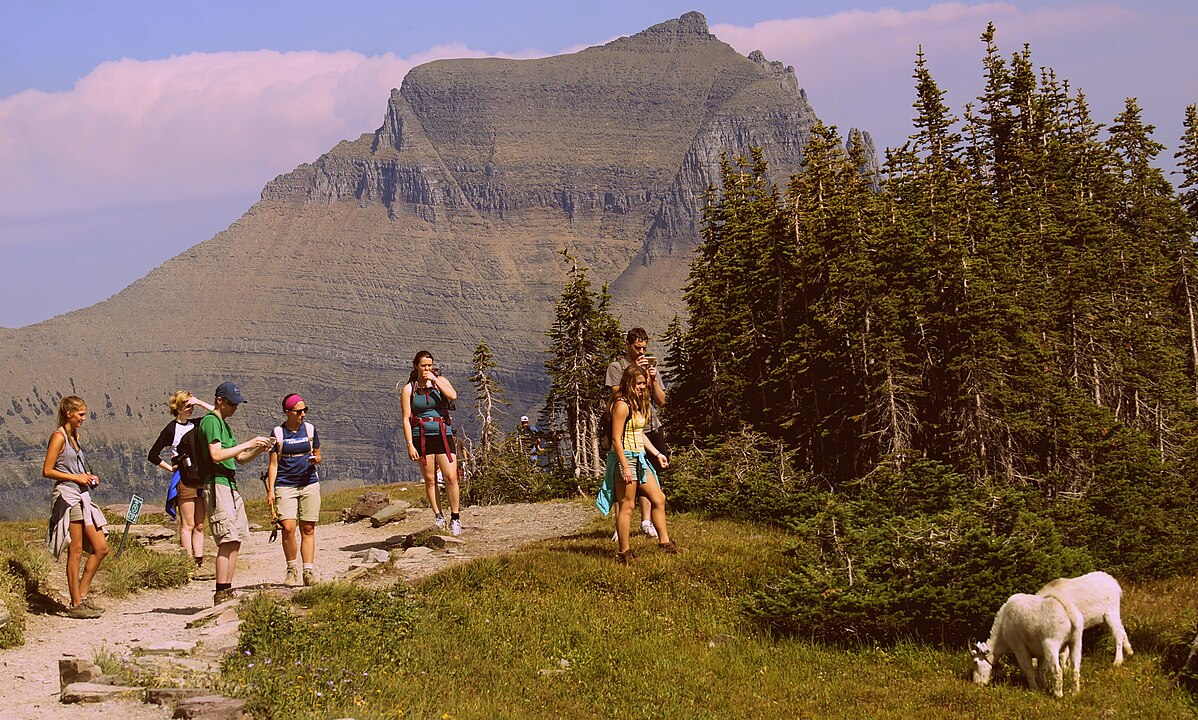
The fee structure and ID checks also revive deeper questions about who is being invited into these landscapes. Some believe that residents who support the parks through taxes deserve a break at the gate. Others feel uneasy when price differences and document checks create distinct paths for different groups of visitors. For travelers already cautious about official scrutiny, presenting IDs at a booth can change the atmosphere of a visit, even if the intention behind the rule is financial rather than enforcement-driven. Those impressions shape how people talk about their experiences, affecting not only future travel plans but the broader sense of who public land is meant to include.
How Travelers May Try To Adapt

With the rule approaching, travelers and businesses are adjusting quietly. Some visitors plan to secure passes before the price changes, knowing current passes remain valid until they expire. Others are mapping alternative routes through state parks and quieter public lands that offer similar landscapes without extra paperwork or higher fees. Guides are revising pre-trip communication, emphasizing the importance of carrying identification and previewing the new process at the gate. These adaptations may smooth out the early months of the transition, but they also reshape patterns of visitation, shifting attention away from traditional hotspots toward places less touched by the new rules.
What This Says About Public Lands
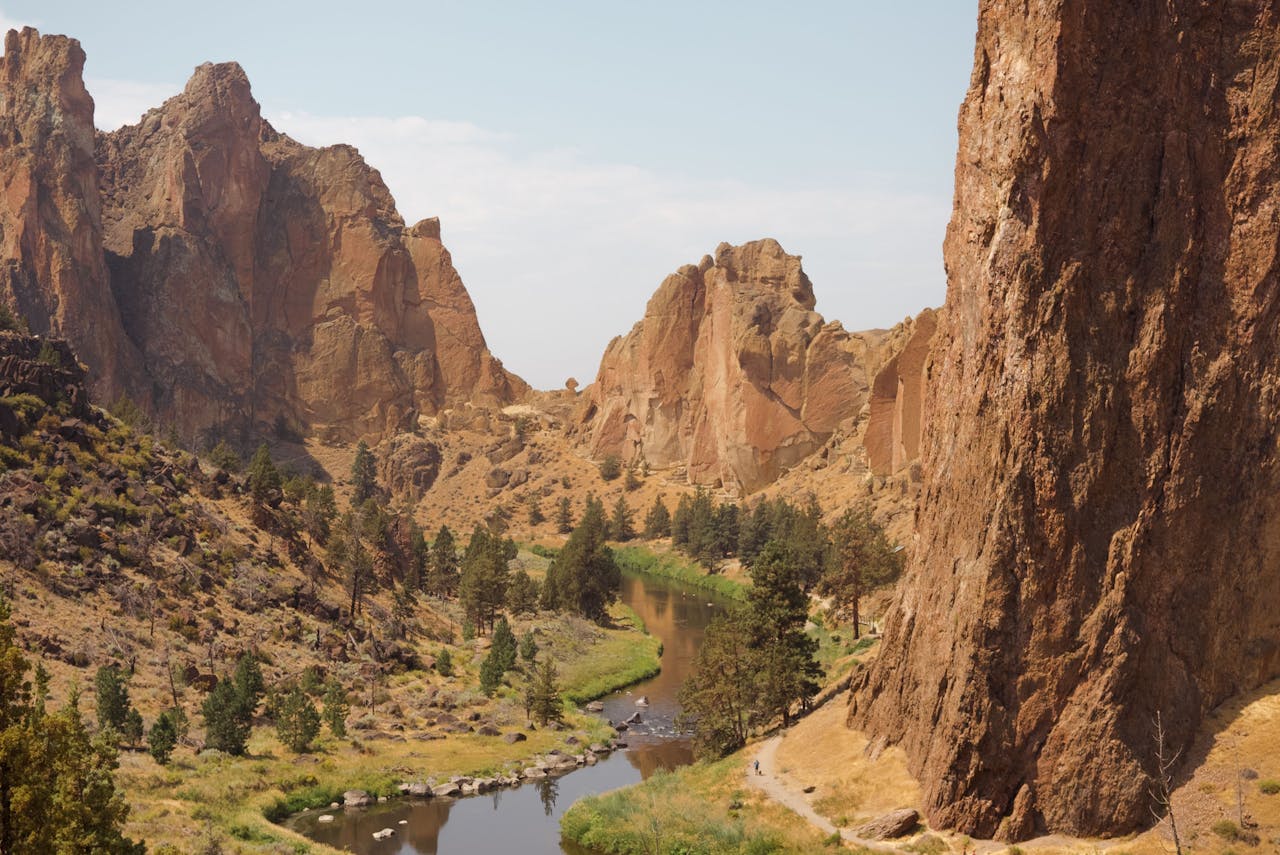
The 2026 rule circles a broader debate about how to fund, manage, and share crowded landscapes. Some see it as a pragmatic attempt to steady budgets without raising prices for residents. Others see a system drifting toward a more divided experience of public land, where a simple gate stop reflects economic status and national origin as much as a love for wild places. As discussions continue, the rule sparks a larger conversation about access, fairness, and the meaning of a system built on the idea that certain places should belong to everyone who seeks them out.