UNESCO status often points to places that shaped science, cities, and ecosystems long before they became travel goals. North America hides quiet marvels behind farm fields, fishing towns, and jungle canopy, where fossils read like diaries and earthworks map whole cultures. The sites below carry deep time and living tradition, with trails and small museums that keep stories grounded. What they offer is perspective, not spectacle, and a sense that history breathes best when the crowds are light. Nine under the radar inscriptions reveal how place, craft, and resilience shaped the continent.
Poverty Point World Heritage Site, Louisiana
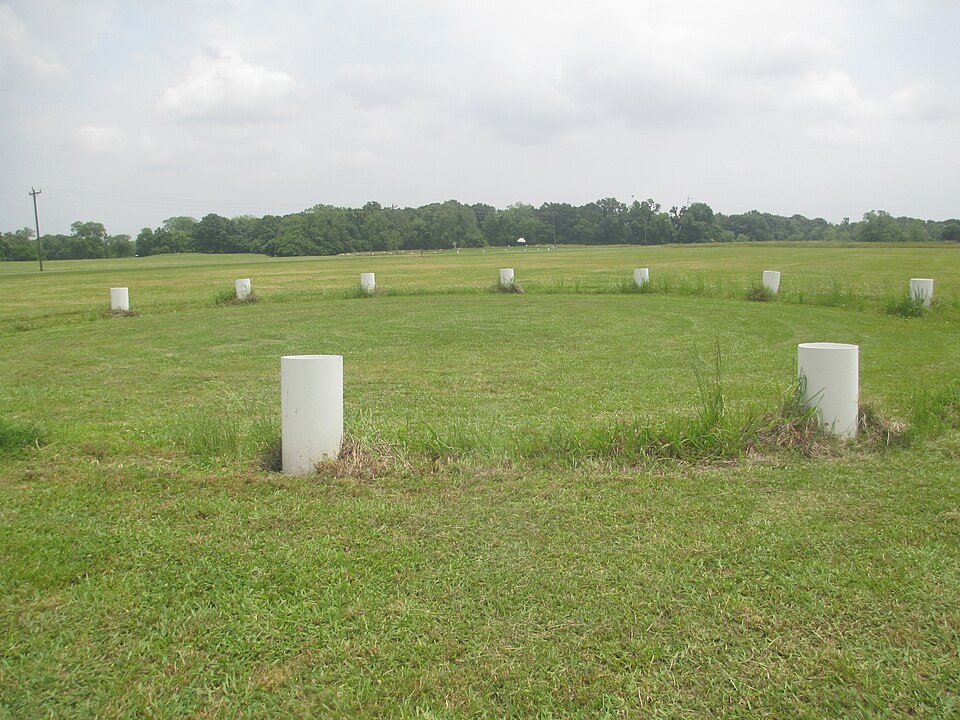
In the lower Mississippi Valley, Poverty Point preserves massive earthen ridges and mounds shaped between 1700 and 1100 BCE. Seen from above, the concentric arcs form a planned settlement tied by causeways to a 60 foot ceremonial mound. Stone from distant quarries shows wide trade, while on site exhibits explain how baskets, not beasts, moved earth. It is a quiet landscape that reads like architecture, best understood by walking the curves and letting scale sink in.
Chaco Culture National Historical Park, New Mexico
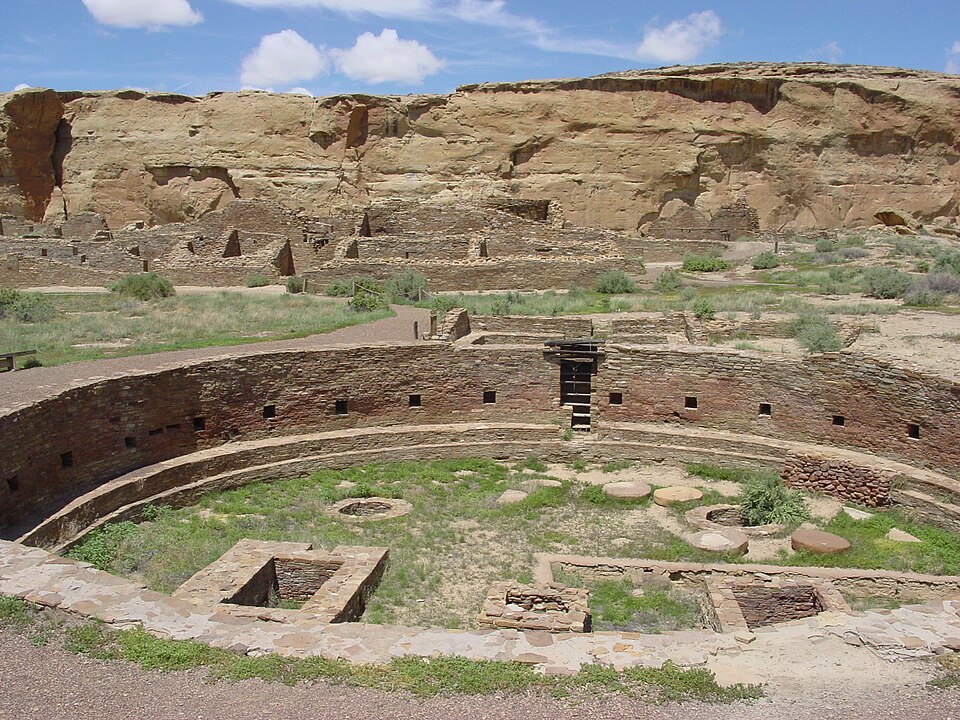
High desert mesas in northwest New Mexico hold Chaco Culture National Historical Park, a network of great houses built between the 800s and 1200s. Massive sandstone walls align with solstice and lunar standstill events, and roads radiate miles across the plateau. Room blocks rise around plazas where traders met, a scale that surprises in such an isolated place. Ranger talks and night skies round out the story, linking architecture, astronomy, and community.
Cahokia Mounds State Historic Site, Illinois
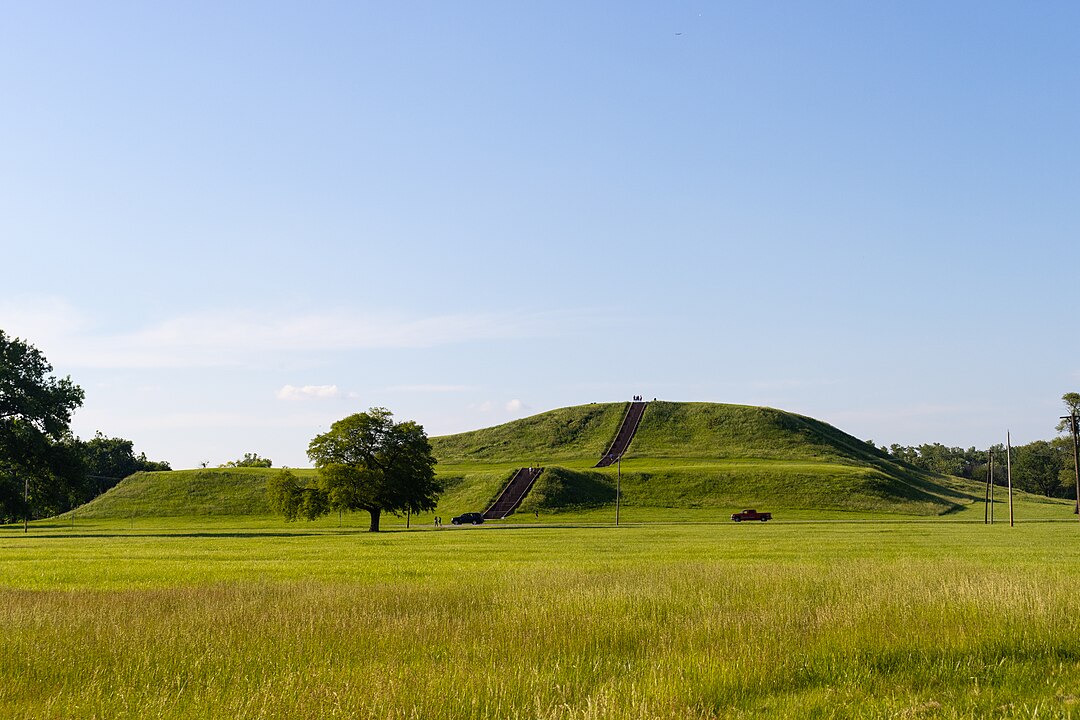
Across the river from modern St. Louis, Cahokia Mounds protects the remains of a pre-Columbian city that peaked around 1050 to 1200. Monks Mound anchors a complex of plazas, neighborhoods, and a woodhenge calendar, evidence of urban planning on a grand scale. Exhibits trace farming, trade, and social life, and trails climb to views that take in the old river routes. The site reframes North American history with a city built of earth and organized labor.
Joggins Fossil Cliffs, Nova Scotia
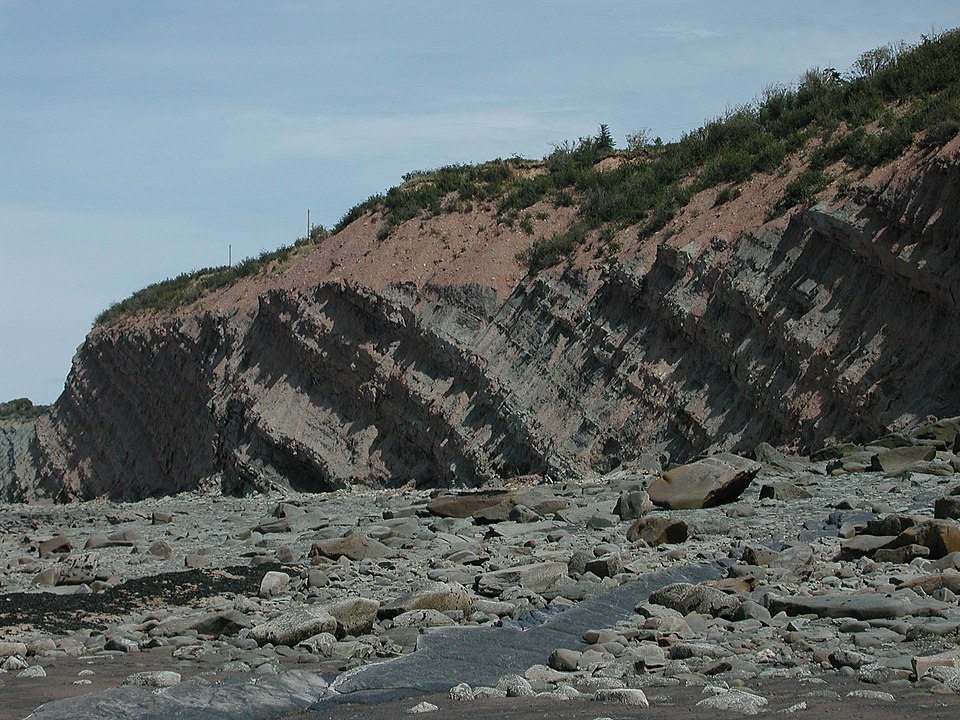
On the Bay of Fundy in Nova Scotia, Joggins Fossil Cliffs expose a vertical slice of Carboniferous forest turned to stone. Tree trunks stand as hollow casts, and shore walks reveal trackways of early reptiles and giant millipedes set in tidal rock. Tides carve new pages daily, and the museum pairs guided beach walks with exhibits that keep context and care at the center. It is deep time at eye level, dramatic and precise along a windy shoreline, always.
Mistaken Point Ecological Reserve, Newfoundland and Labrador
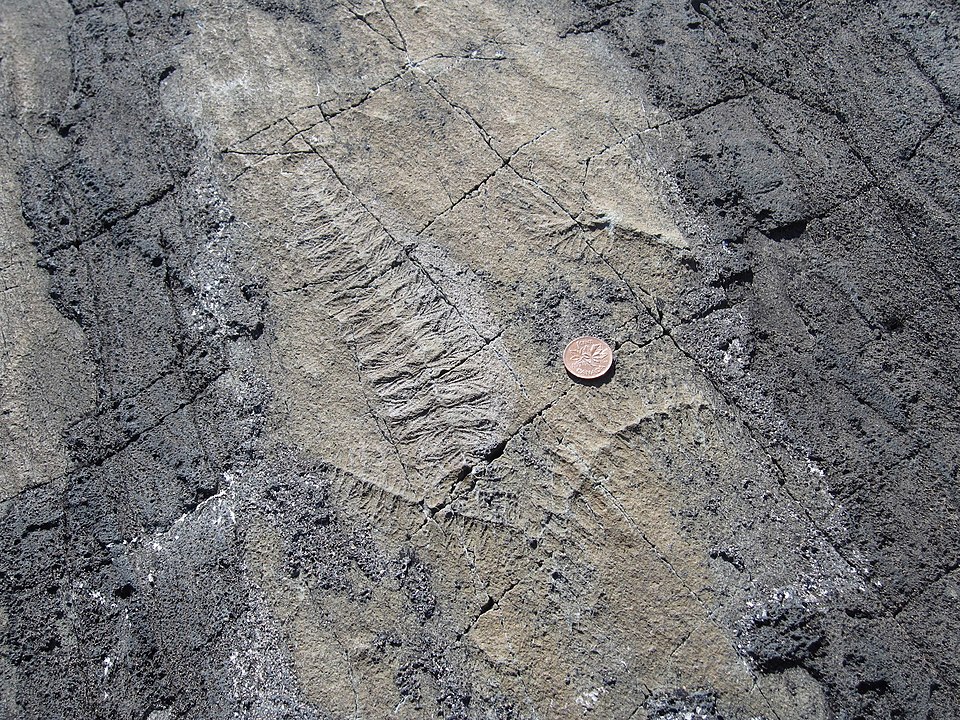
At Newfoundland’s Mistaken Point Ecological Reserve, wave washed slabs hold the world’s best record of Ediacaran life, soft bodied organisms preserved as impressions. Guided hikes tread carefully over bedding planes where quilted fronds and discs mark an ecosystem older than shells and bones. Scientists read growth, reproduction, and community from shapes in stone, and visitors see the exact pages cited in research. It is science in place, windy and austere, with the Atlantic as a constant backdrop.
Ancient Maya City and Protected Tropical Forests of Calakmul, Mexico
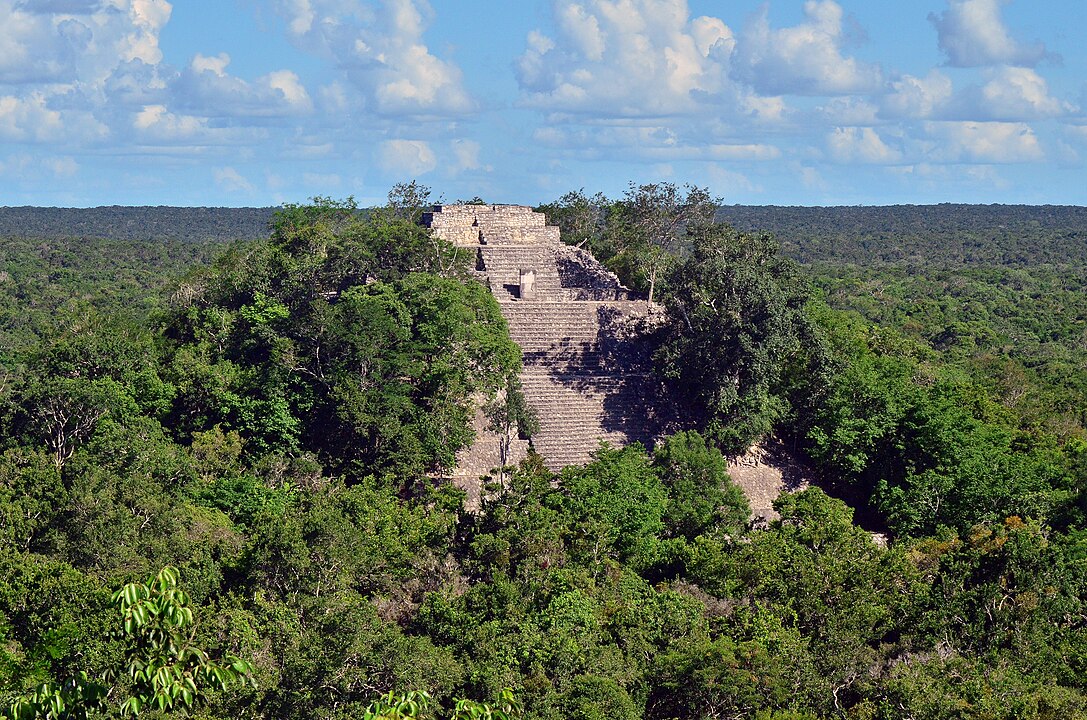
Deep in Campeche, the Ancient Maya City and Protected Tropical Forests of Calakmul combine towering temples with one of Mexico’s largest biosphere reserves. Pyramids rise above canopy alive with howler monkeys and toucans, and stelae record royal lineages that rivaled Tikal. The long drive keeps crowds light, so wildlife and echoes share the plazas. Archaeology and conservation meet here, proving heritage can thrive with a living forest around it.
Prehistoric Caves of Yagul and Mitla, Oaxaca
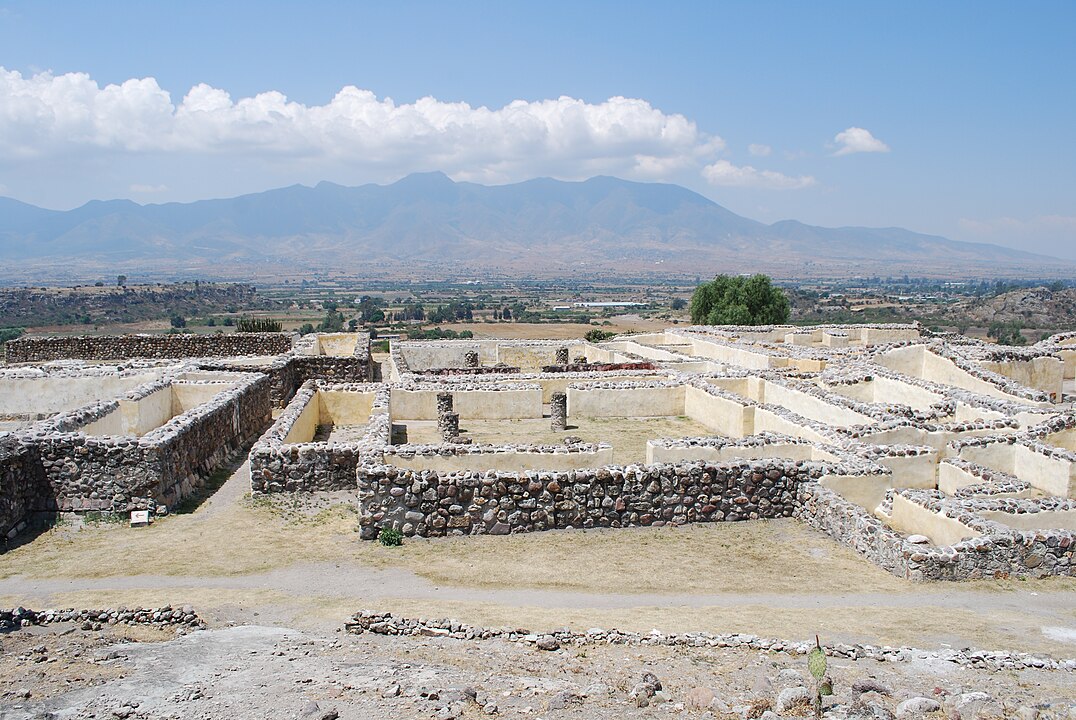
In Oaxaca’s Central Valleys, the Prehistoric Caves of Yagul and Mitla preserve rock shelters where early farmers domesticated squash and maize. Grinding stones, plant remains, and painted walls trace a shift from foraging to cultivation that rewrote daily life across the region. Nearby Zapotec centers show the later city building arc, but the caves hold the first steps. The landscape reads as ordinary hills until the evidence turns them into a cradle of agriculture.
El Pinacate and Gran Desierto de Altar, Sonora
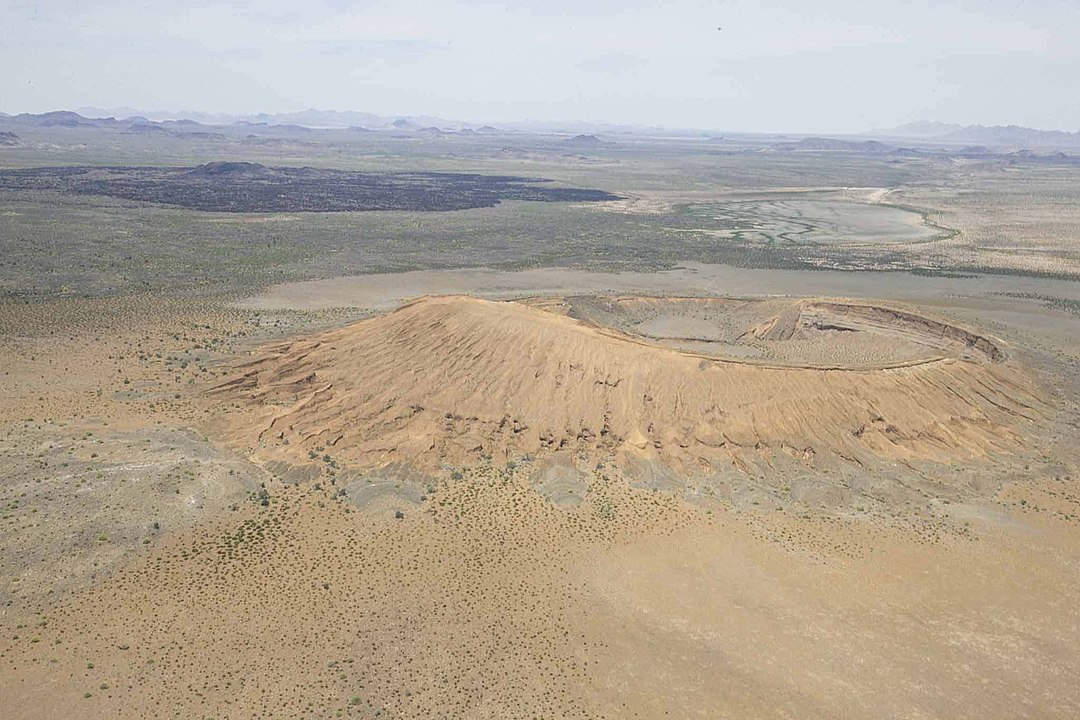
El Pinacate and Gran Desierto de Altar in Sonora blend a black volcanic shield dotted with giant maars and a sweeping dune sea. Trails skirt cinder cones and ropey lava, while scenic drives reveal star shaped dunes that shift with the wind and light. Desert bighorn ghost through arroyos, kit fox tracks cross morning sand, and night skies turn the horizon to silver. It is stark and beautiful, a textbook of fire and sand set beside the Gulf of California.
Blue and John Crow Mountains, Jamaica
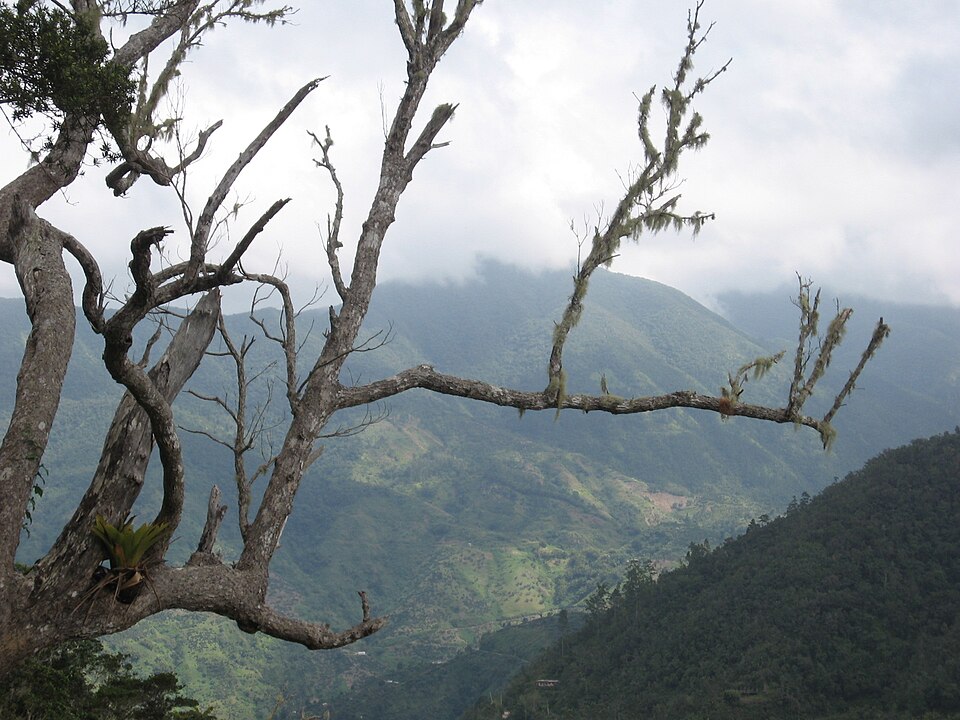
Jamaica’s Blue and John Crow Mountains protect cloud forest and Maroon heritage, a rare mix of biodiversity and living culture. Trails climb through tree fern and moss to views over the island, while coffee plots and small villages hold stories of resistance and refuge. Endemic birds flash in the canopy, and guides share paths that once hid communities built in freedom. The designation honors both land and memory, a partnership written into the hills.