
Across cultures and generations, people have met fear with small, deliberate rituals meant to keep bad luck at arm’s length. A knock on a tabletop, a murmur against the evil eye, a charm tied to a bag handle all promise a sliver of control when life feels unpredictable. Some of these customs still slip quietly into daily habits, while others survive mainly in stories. Together they reveal how deeply people negotiate with fate in ordinary moments. Each ritual holds a memory of someone trying not to feel helpless.
Knocking On Wood To Muffle Fate

In many countries, knocking on wood works like a quick insurance policy against tempting fate. After speaking of good news, people tap a table, doorframe, or even a nearby tree to keep jealous forces from listening. Folklore links the habit to spirits that once lived in sacred trees and to later beliefs tied to holy relics and altars. Whatever the root, the soft rap of knuckles still helps people relax after they dare to hope out loud, as if putting a lid on danger.
Flinging Salt Over The Left Shoulder

Spilled salt has long meant trouble in European folklore, so the response had to be fast and simple. A small pinch goes over the left shoulder, where old stories placed the devil or lurking spirits just out of sight. Those sharp grains are meant to hit misfortune in the eyes before it can settle in and spread. The custom dates back to a time when salt was precious, yet many modern kitchens still see that quick, almost automatic flick of the hand.
Whispered Ftou Ftou Ftou In Greece

Across Greece, talk about illness, envy, or sudden success often ends with a soft ftou ftou ftou. The sound mimics spitting without the mess, and it is aimed at confusing the evil eye before it locks on and does harm. Parents use it for babies, new houses, exam results, even a fresh haircut at the salon. The words carry a mix of humor and seriousness, turning casual gossip into a tiny ritual of protection shared across generations and neighborhoods.
Red Strings Against The Evil Eye
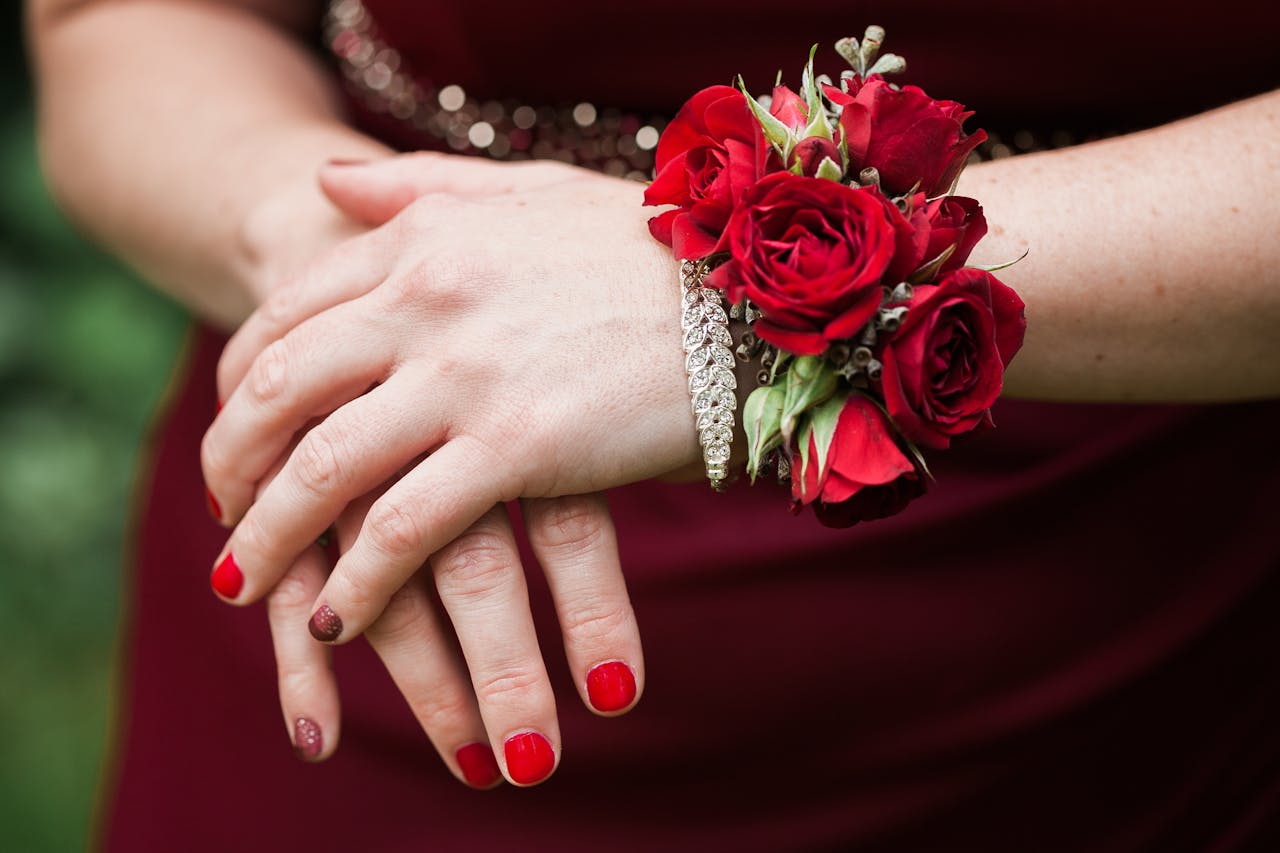
From Jerusalem to Latin America, a thin red string tied around a wrist or crib rail serves as armor against bad luck and the sting of envy. In some traditions it is wrapped at a holy site or blessed by a spiritual guide before being cut into cords for family and friends. The color is tied to life, blood, and stubborn energy that refuses to fade. Though mass produced versions now exist, many wearers still treat each thread as a quiet, personal shield.
Japanese Omamori That Must Stay Closed
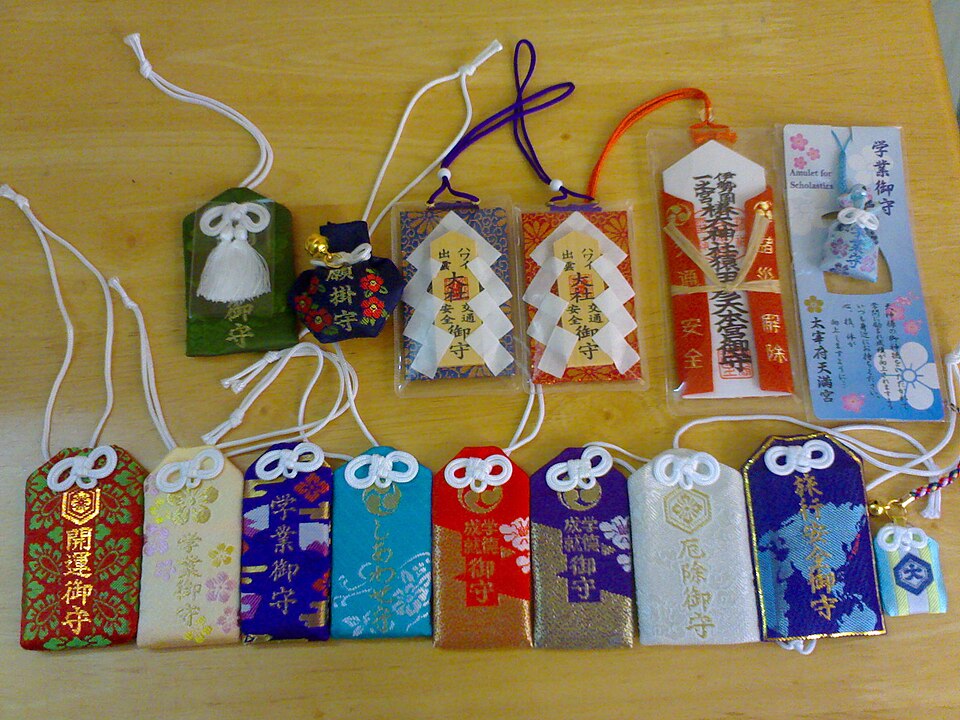
Across Japan, fabric pouches called omamori dangle from schoolbags, rearview mirrors, and apartment keys as compact guardians. Each one comes from a shrine or temple and carries a prayer for travel, health, exams, or simple good fortune in everyday life. People are told not to open the pouch, or the blessing may slip out and vanish. Even when the cloth fades and the cord frays, it is hard to throw away something that has silently watched over commutes, tests, and hard seasons.
Filipino Pagpag After A Funeral

In many Filipino communities, leaving a wake means making one extra stop before going home, a ritual called pagpag. Mourners visit a shop, a food stall, or another house to shake off any spirit that might have followed them from the vigil. The pause keeps grief from clinging too tightly and protects the household from uneasy visitors drawn by sorrow. Over time, the custom has blended with the comfort of eating and talking together after a hard final goodbye, softening the walk back to normal life.
Scotland’s Midnight First Footers

On Hogmanay in Scotland, the first person who crosses a home’s threshold after midnight is believed to set the tone for the year ahead. The ideal first footer is tall and dark haired, carrying gifts like coal, bread, or whisky as symbols of warmth, food, and plenty. Families once took this so seriously that neighbors planned routes in advance and children waited outside for their moment. Even where the custom has faded, stories about lucky arrivals still color New Year memories and small town legends.
Sitting On The Suitcase Before A Journey

In Russian households, the last moments before a big trip often include a quiet pause called sitting on the suitcase. Everyone stops rushing, sits together for a minute among packed bags, and lets the room grow still enough to hear small sounds. The habit is said to help travelers remember what they might have forgotten and to invite a calm, safe road ahead. For many families, the ritual matters just as much as tickets, passports, and phone chargers lined up by the door.
Winged Phallus Amulets In Ancient Rome
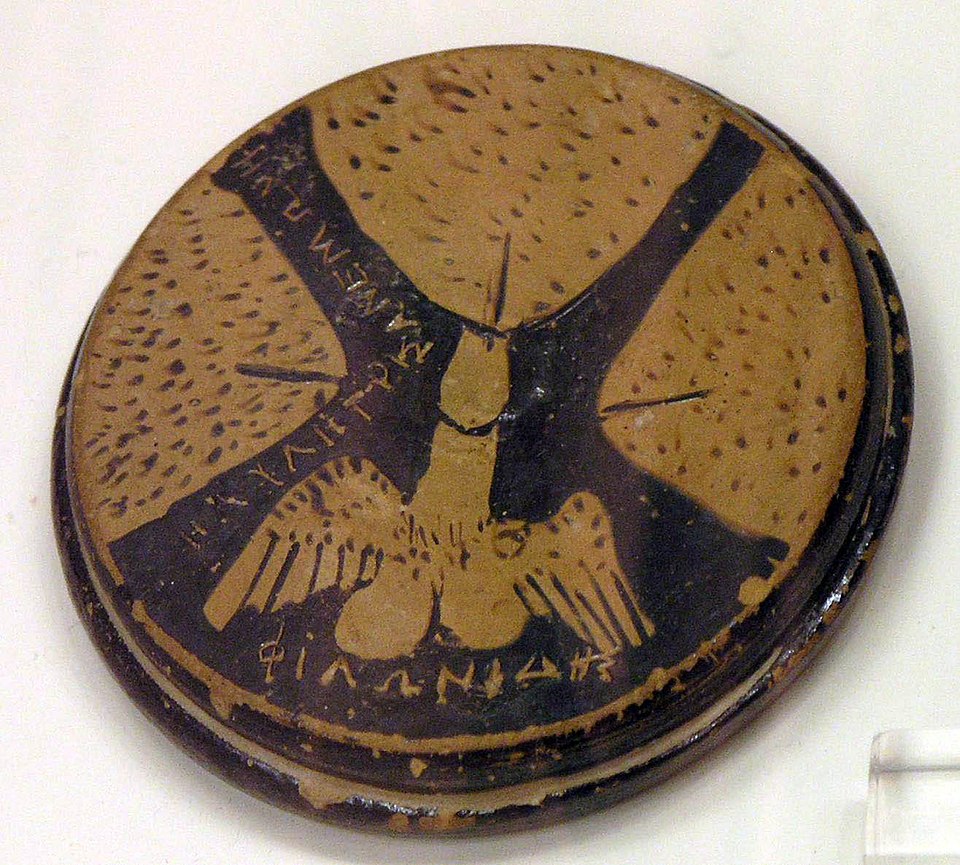
Ancient Romans sometimes trusted a very bold charm to block misfortune, a small figure shaped like a winged phallus known as the fascinus. These amulets hung above doorways, on jewelry, and even from chariots to fight the evil eye with shock and laughter, not quiet prayer. To modern visitors they look strange, even crude and out of place in a museum case. To Roman parents and shopkeepers, they once promised strong health, luck in trade, and protection that could outrun any jealous glance.