Some islands sit on the map like closed doors. Their outlines are clear, but access is blocked by patrol boats, private ownership, fragile ecosystems, or stories that have grown heavier than any anchor chain. Governments write formal rules, locals tell quieter tales, and the result is the same: the shoreline stays out of reach. Together, these places show how mystery, history, and protection can still win against mass tourism, leaving a few stretches of sand to live mostly in memory and imagination.
Hashima Island, Japan
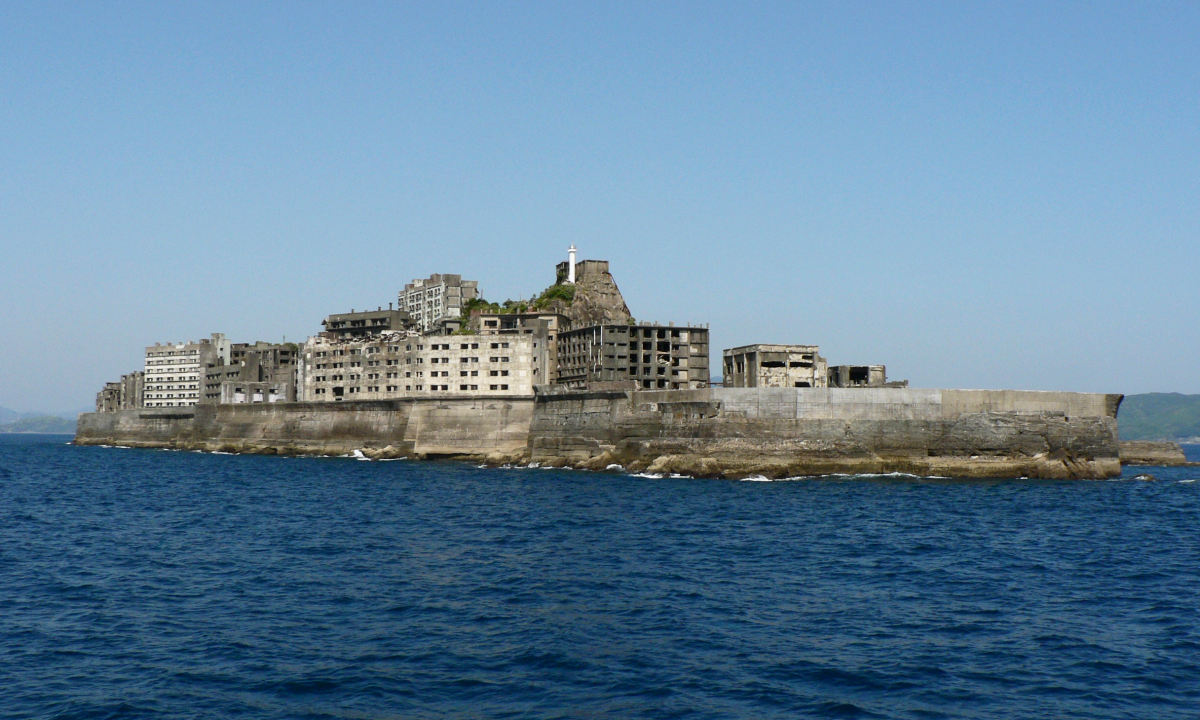
A short ferry ride from Nagasaki sits Hashima, once one of the most densely settled islands on Earth. Abandoned coal mines, collapsing apartments, and wave-battered concrete leave the entire island frozen mid-story. After decades of being completely off-limits, only restricted guided access is allowed on safe walkways, with most ruins closed for safety. The city-like silhouette is so haunting and intact that it inspired films, documentaries, and ghost tales long after residents left. Even today it feels like a place where life stopped in one instant and was never allowed to resume.
Niihau, Hawaii
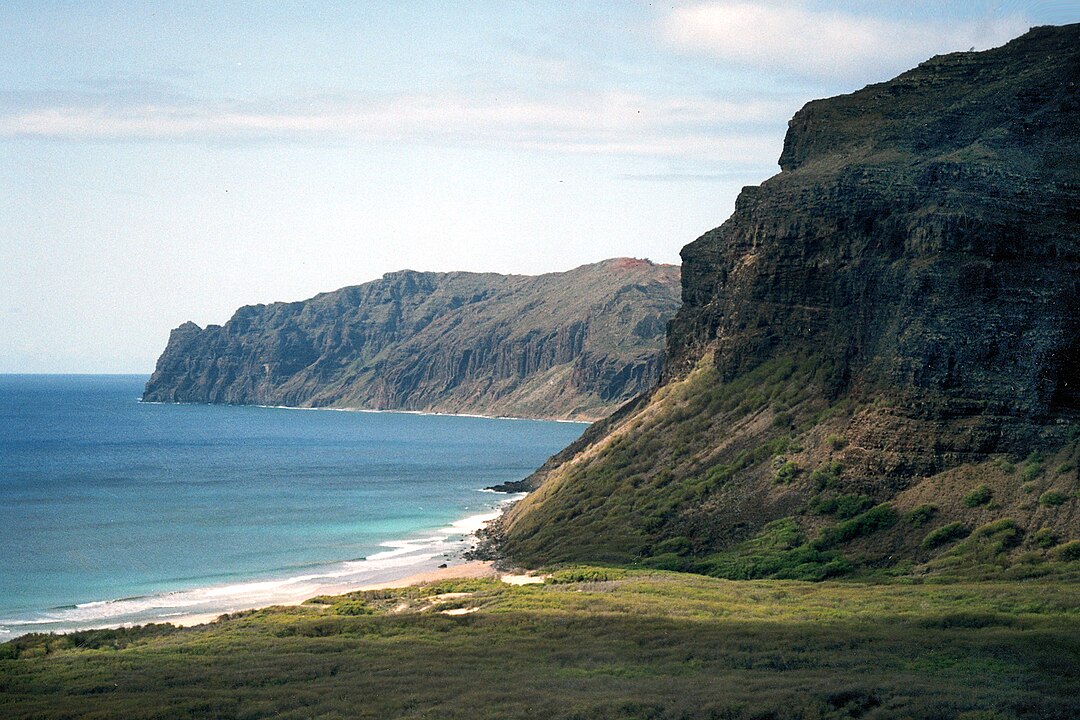
Niihau, often called the Forbidden Island, sits just off Kauai yet feels a century away. Privately owned and sparsely populated, it maintains a small Native Hawaiian community where the Hawaiian language, subsistence living, and tight social ties sit at the center of daily life. Uninvited landings are not allowed, and only limited work or guided visits reach its edges. From neighboring shores, Niihau appears as a low, quiet silhouette that hints at a different path the islands might have taken.
Snake Island, Brazil
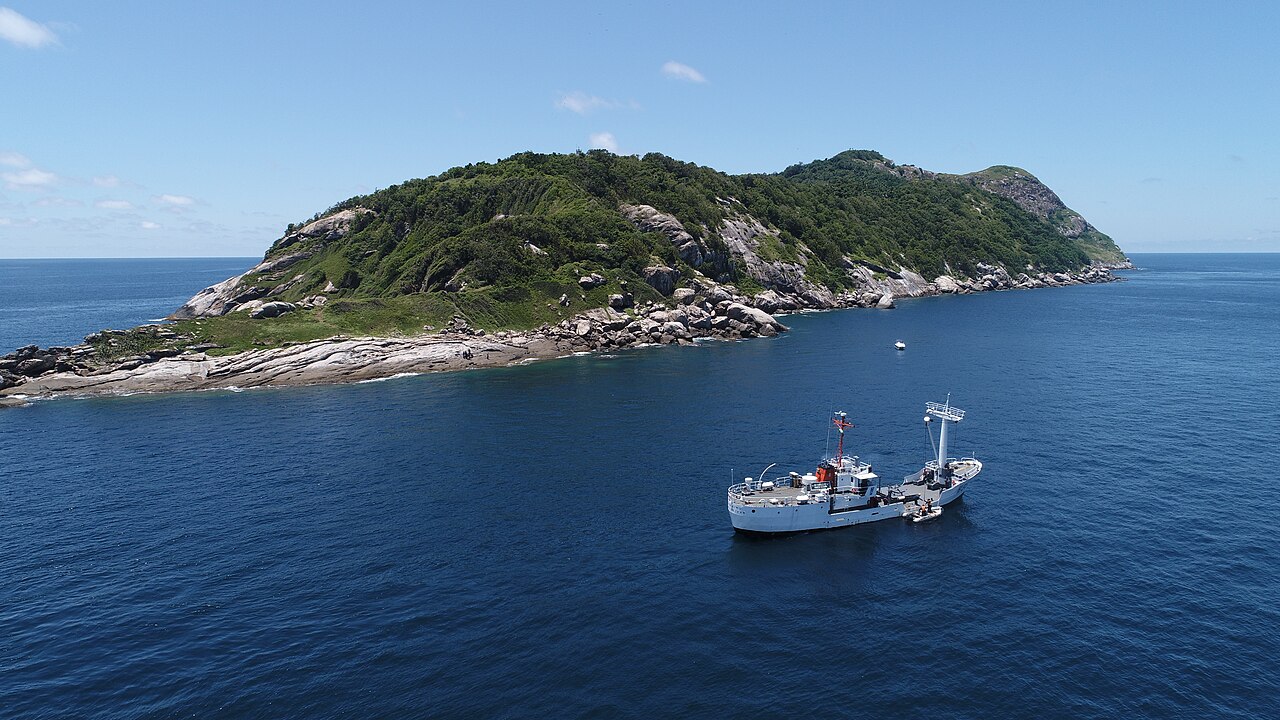
Off the coast of Brazil, Ilha da Queimada Grande has earned its nickname Snake Island with unsettling ease. The rocky slopes and forest clearings are home to thousands of golden lancehead vipers, a rare and highly venomous species found nowhere else on Earth. Brazilian authorities restrict access to scientists and approved teams, effectively closing the island to casual curiosity. Over time, the mix of real danger and official secrecy has turned this small outcrop into a near perfect breeding ground for legends.
Surtsey, Iceland

Surtsey is one of the few places on the planet where scientists can say exactly when land appeared. Born from volcanic eruptions in the 1960s off Iceland’s south coast, it has been kept almost entirely off-limits to protect a living experiment. Only researchers with permits step ashore, tracking each new plant, insect, and bird as life slowly claims fresh lava and ash. From passing boats, Surtsey looks like a bare, wind-beaten island, but in scientific circles it reads like a rare open notebook.
Diego Garcia, Chagos Archipelago
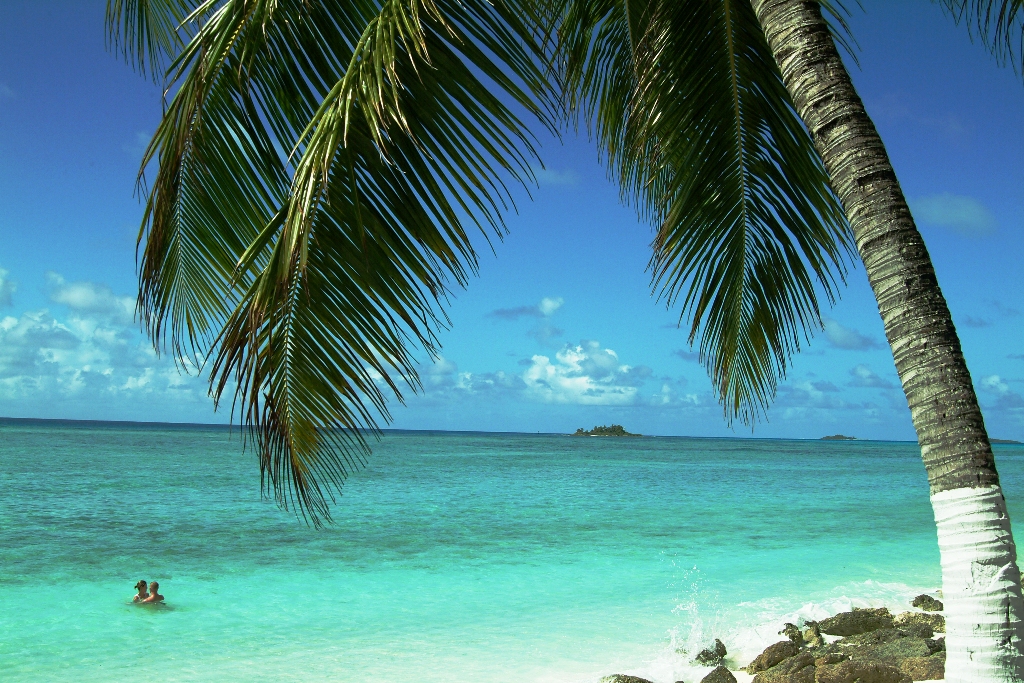
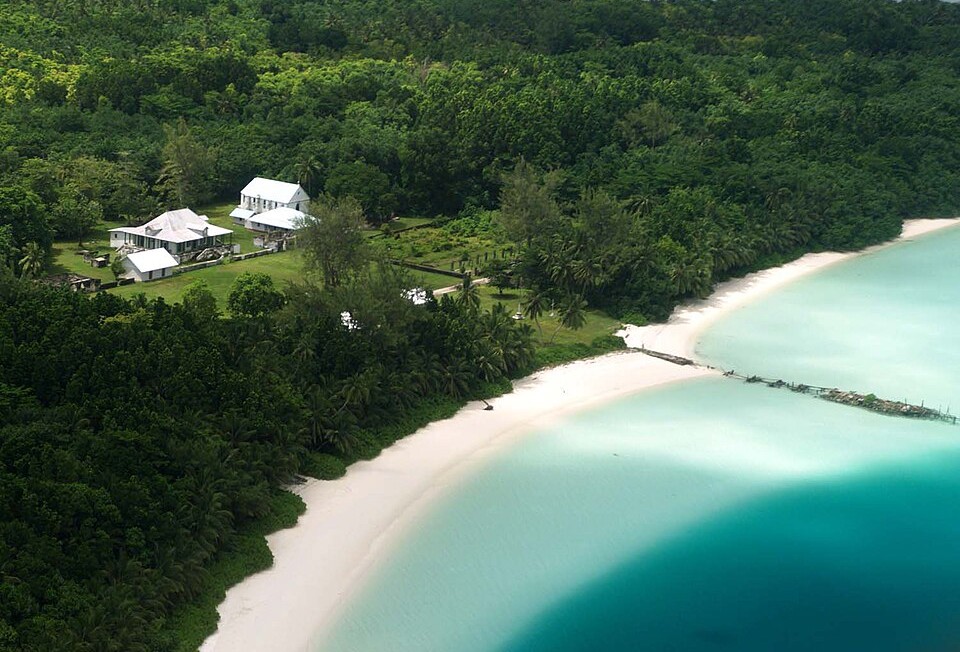
Diego Garcia curves around a turquoise lagoon in the middle of the Indian Ocean, yet its airstrips and antennas define it more than its beaches. Once home to Chagossian communities, it was cleared during the Cold War and turned into a major military base, with access tightly controlled by treaties and security rules. Civilian travel is essentially off the table, leaving only satellite images and official statements to shape its public image. The human displacement behind that silence keeps debate simmering far from its shores.
Navassa Island, Caribbean
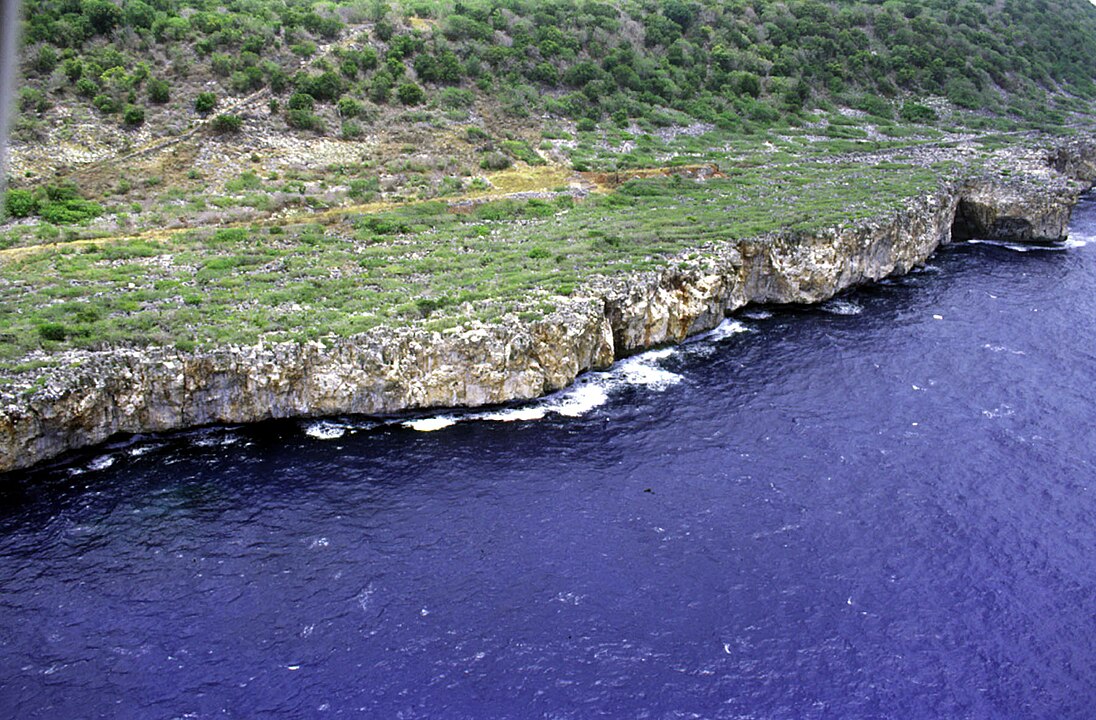
Navassa Island rises sharply from the Caribbean between Haiti and Jamaica, more fortress of limestone than inviting tropical stop. Steep cliffs and rough seas make landings tricky, while its status as a protected wildlife refuge closes it to casual visitors. An abandoned lighthouse, crumbling paths, and traces of old phosphate mining hint at a busier past now surrendered to seabirds and scrub. In shipping lanes and coastal towns, Navassa often shows up more in rumors and maritime charts than in anyone’s travel memories.
Heard And McDonald Islands, Southern Ocean
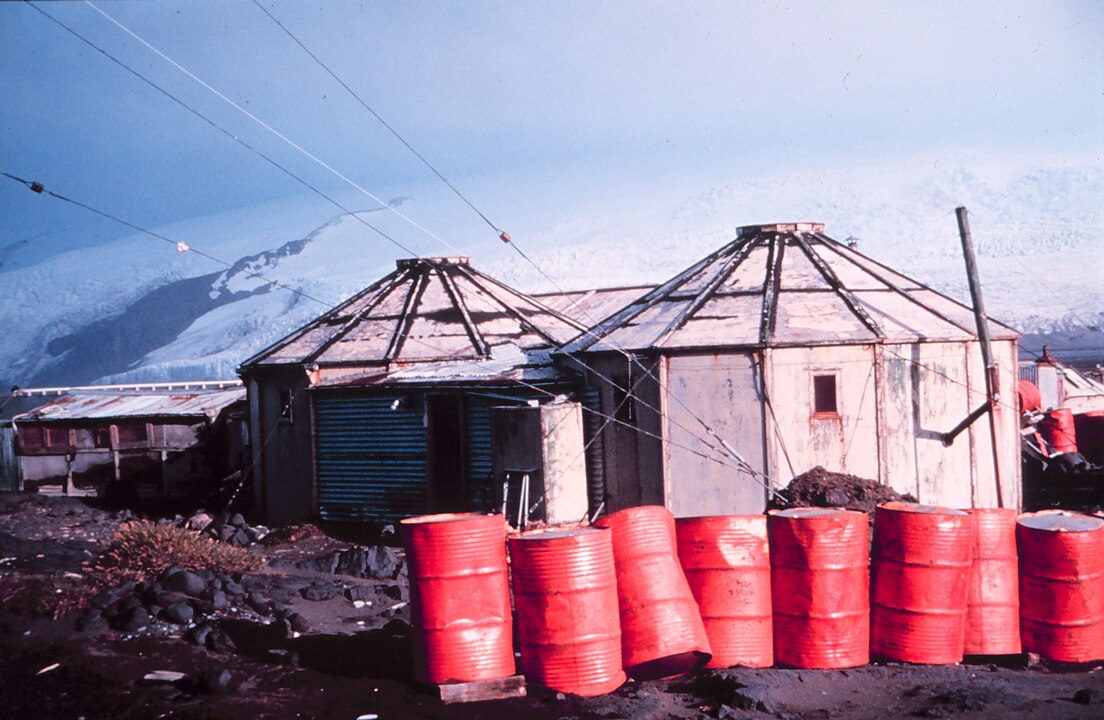
Heard Island and the McDonald Islands sit deep in the Southern Ocean, far from regular shipping routes and friendly harbors. Glaciers spill down volcanic slopes, penguins crowd the beaches, and fierce winds thread between black rock and ice. Australia manages the territory as a strict conservation zone, and only rare scientific expeditions make the long, uncomfortable journey south. For most people, these islands exist as satellite photos and expedition journals, proof that some corners of the planet still feel almost unreachable.
Bikini Atoll, Marshall Islands
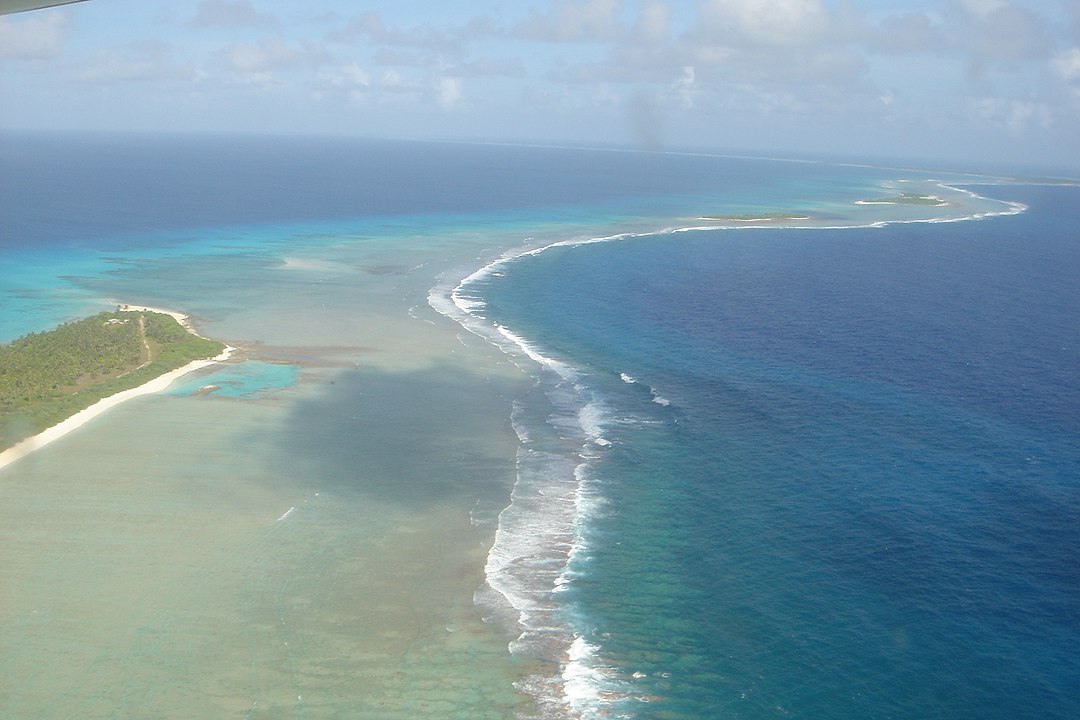
Bikini Atoll looks, at first glance, like the dream of a quiet Pacific lagoon: clear water, coral ring, soft palm shadows on sand. Beneath the surface, though, lies a fleet of sunken warships and the legacy of nuclear testing that displaced local residents and reshaped the atoll’s future. Limited scientific and diving access exists under tight controls, but permanent resettlement remains complex and contested. The contrast between postcard scenery and heavy history gives Bikini a haunting gravity that lingers long after photographs fade.
Poveglia, Italy
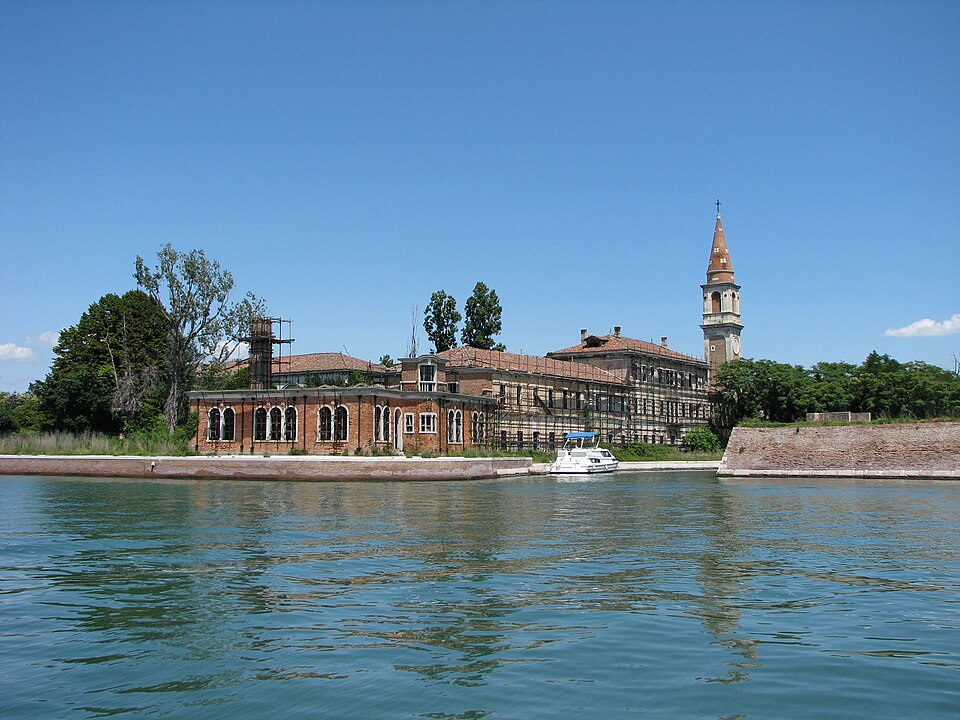
Poveglia drifts in the Venetian Lagoon like a half-forgotten sentence. Over centuries it has served as quarantine island, mass burial site during plague outbreaks, and later as a psychiatric institution, before sliding into decay. Today, broken roofs, overgrown courtyards, and a lonely bell tower sit behind signs and rules that keep most visitors away. The combination of genuine hardship, incomplete records, and whispered ghost stories has turned Poveglia into one of Italy’s most enduring pieces of dark waterfront lore.