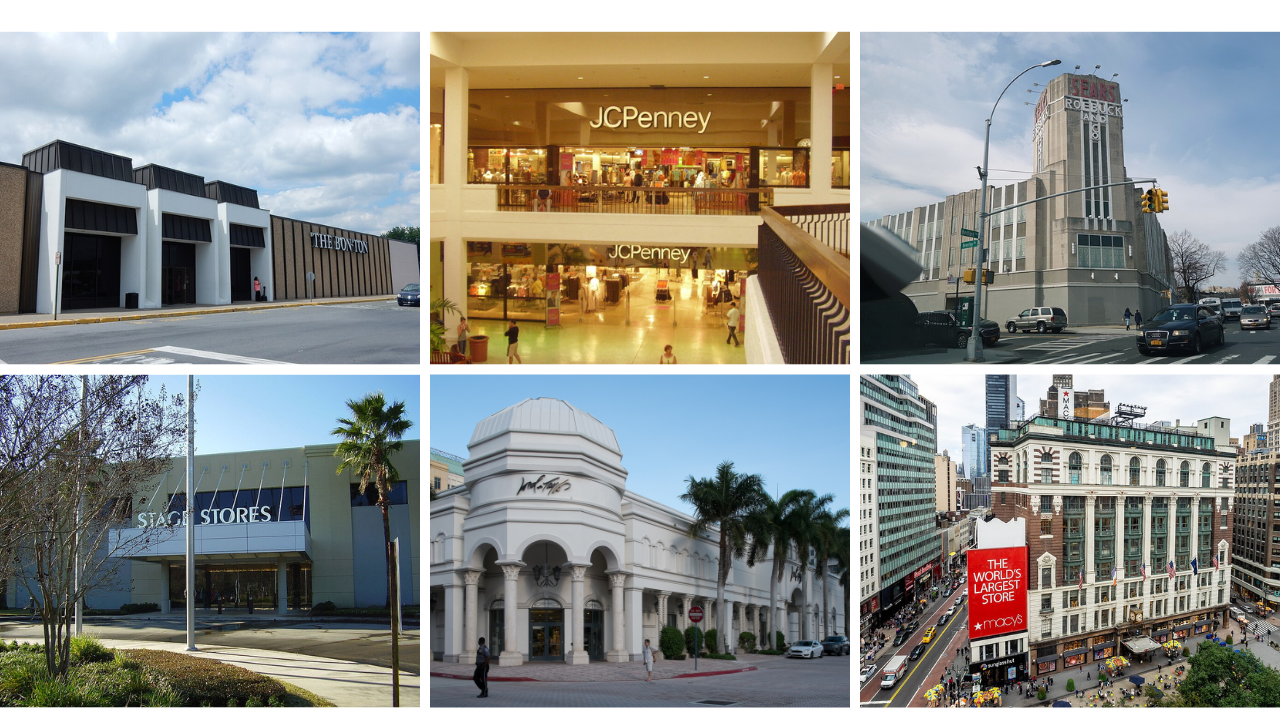
Department stores used to feel permanent, like part of the architecture of childhood and city life. Now many of those anchors are shrinking fast, closing locations in waves that rarely make front page news but quietly reshape whole neighborhoods. Behind the scenes are high leases, heavy debt, and shoppers who split their spending between discount chains and online carts. Vacant escalators and dark display windows tell a simple story. A retail model that once promised everything under one roof is giving way to something leaner.
Macy’s
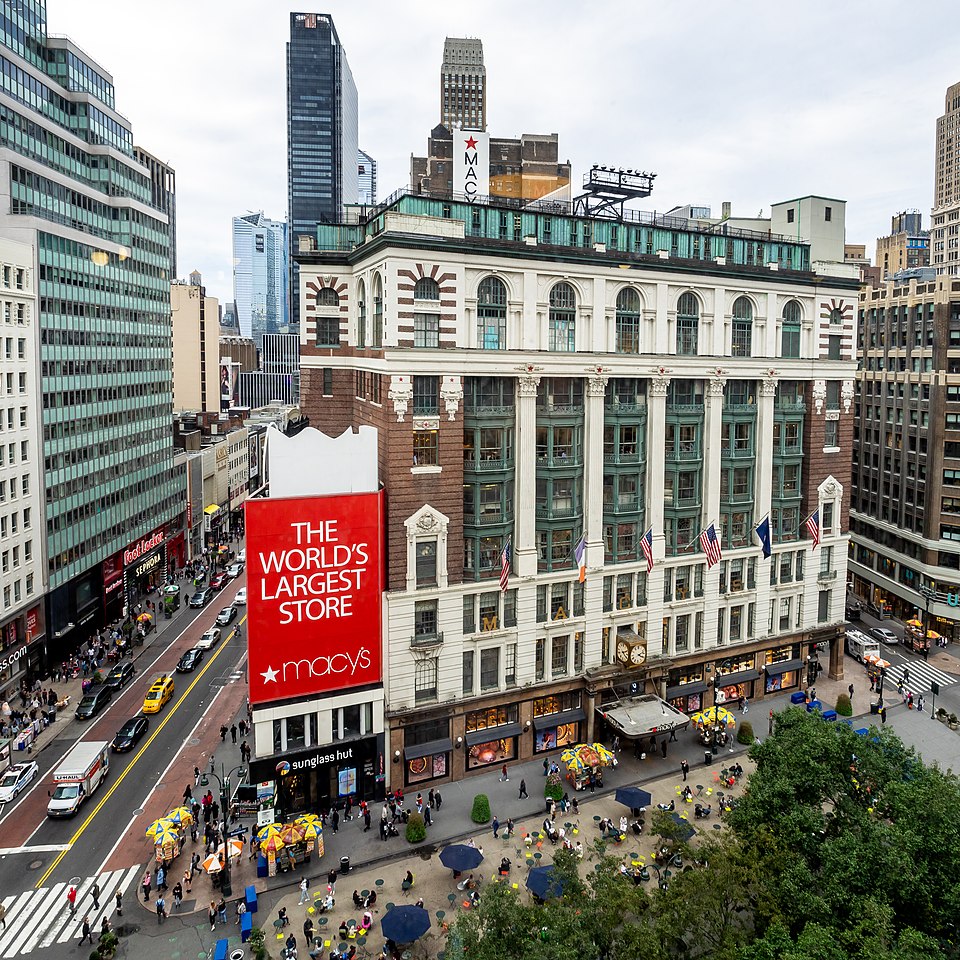
Macy’s is still a powerhouse during major holidays, yet the brand is actively pulling back from underperforming malls. The company has laid out a multiyear plan to shut dozens of weaker stores while concentrating investment on flagships, luxury beauty, and smaller off mall formats. Mall managers see the closures as a turning point. Once Macy’s leaves, it is rare for another full line department store to take on that footprint, so mixed use redevelopment quickly becomes the realistic path.
JCPenney
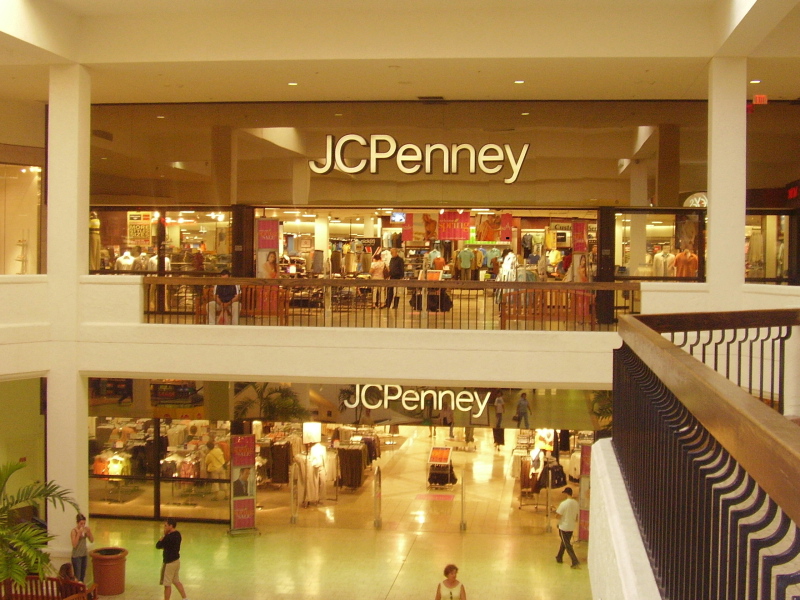
JCPenney has been in survival mode for years, cutting locations, rewriting brand strategy, and revamping stores that still perform. Recent rounds of closures tend to target aging malls where traffic has thinned and renovation would be expensive. What remains is a leaner chain focused on reliable basics, home goods, and private labels meant to keep middle income families coming back. In towns that lose a Penney’s anchor, the absence is obvious, especially during back to school and holiday shopping.
Sears
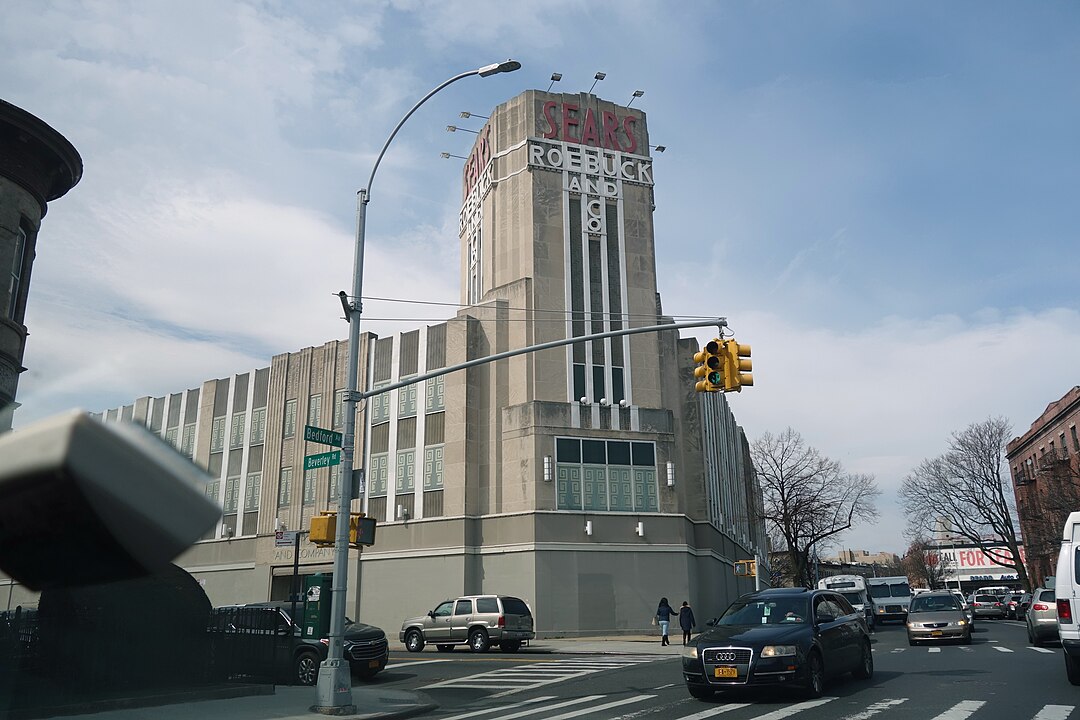
Sears once taught Americans how to outfit entire homes, from tools to appliances to Sunday clothes. Now the chain is down to a small scattering of locations after repeated closure waves and years of financial strain. Each shutdown feels less like a surprise and more like the last chapter of a very long story. Former Sears buildings are becoming storage facilities, entertainment centers, or simply sitting empty, with faded brand signs still clinging to the concrete and sparking memories.
Kmart
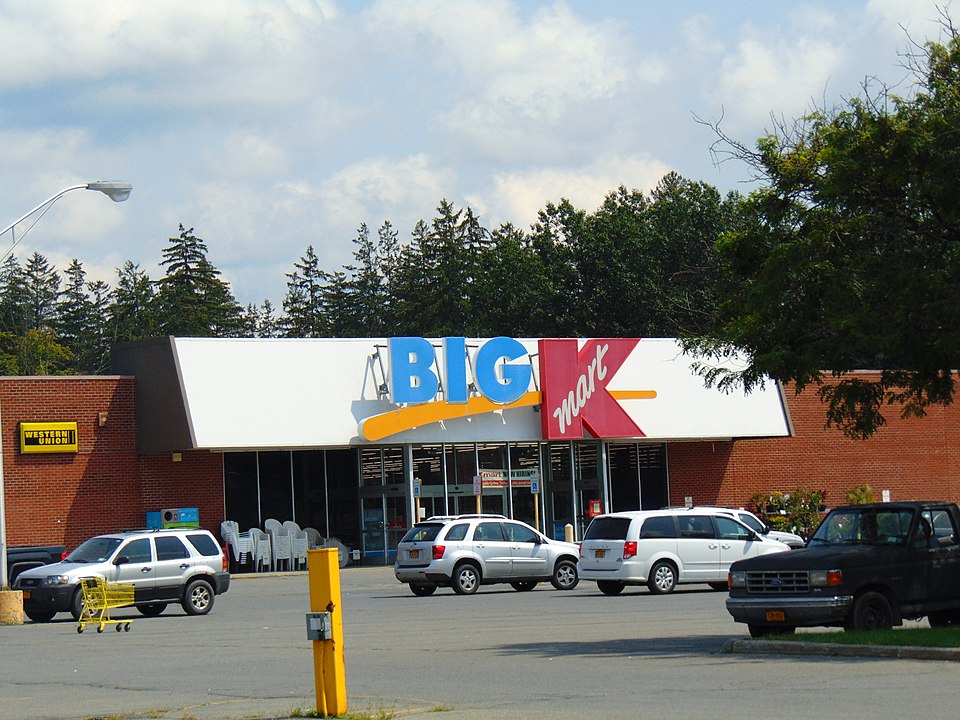
Kmart’s decline has shadowed Sears, often sharing owners, parking lots, and final liquidation banners. From blue light specials and busy discount aisles, the company has slipped to only a few remaining stores spread across the map. Many communities have watched their local Kmart shut with little fanfare, replaced by smaller chains or nothing at all. The closures leave behind wide aisles, low ceilings, and a wave of nostalgia for an era when a weekend stop at the discount department store felt routine.
Hudson’s Bay
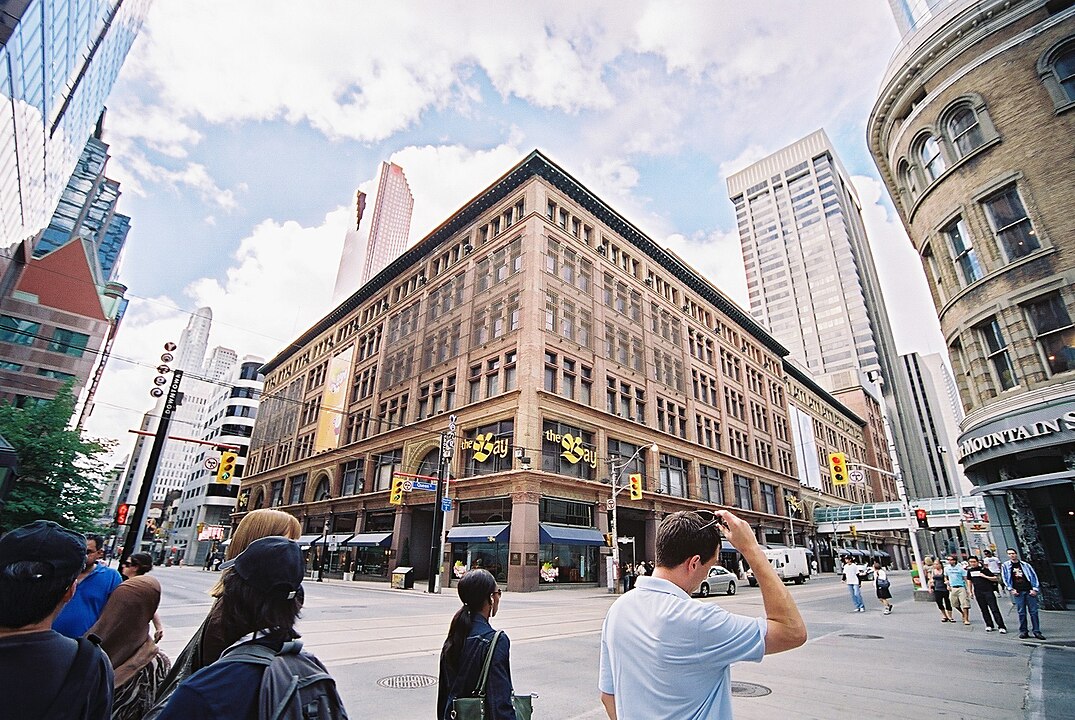
Hudson’s Bay carried deep Canadian roots and grand downtown buildings, but tradition could not offset heavy costs and changing shopping habits. The chain has now closed or sold off most department store sites, even as it experiments with other concepts and real estate plays. City blocks that once framed holiday window displays are being redrawn as office towers, hotels, or residential projects. For longtime shoppers, the loss of such a historic name lands harder than a typical retail exit.
Debenhams

Debenhams anchored many British high streets, balancing affordable fashion with familiar cosmetics halls. After years of pressure from online rivals and discount players, the company finally collapsed, shuttering its remaining department stores and moving the brand into a digital only format. Those closures left large gaps in central shopping districts, where new tenants range from fast fashion outlets to leisure complexes. The Debenhams name survives on screens, but the physical experience of wandering its floors has become a memory.
Bon Ton
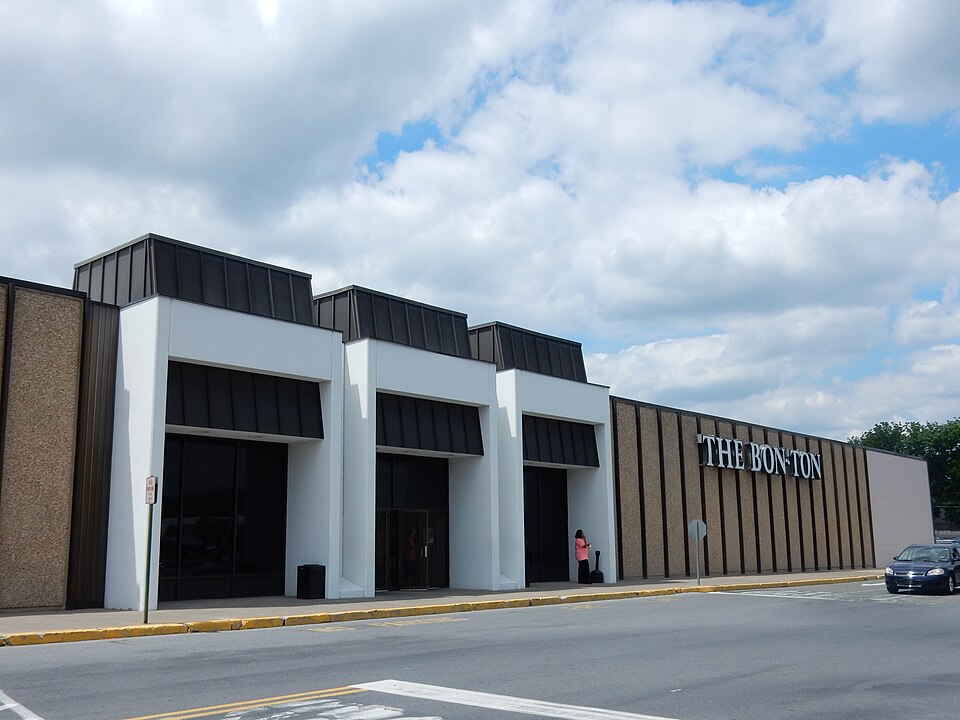
Bon Ton and its sister banners once stitched together a network of regional department stores across smaller American cities. When the company slid into bankruptcy, liquidation arrived swiftly and took hundreds of locations with it. In many markets there was no immediate replacement, only darkened anchors and clearance signs that slowly came down. Local shoppers lost a familiar place to find dresses, coats, and home goods, and mall owners gained another big box puzzle to solve in a difficult leasing climate.
Lord & Taylor
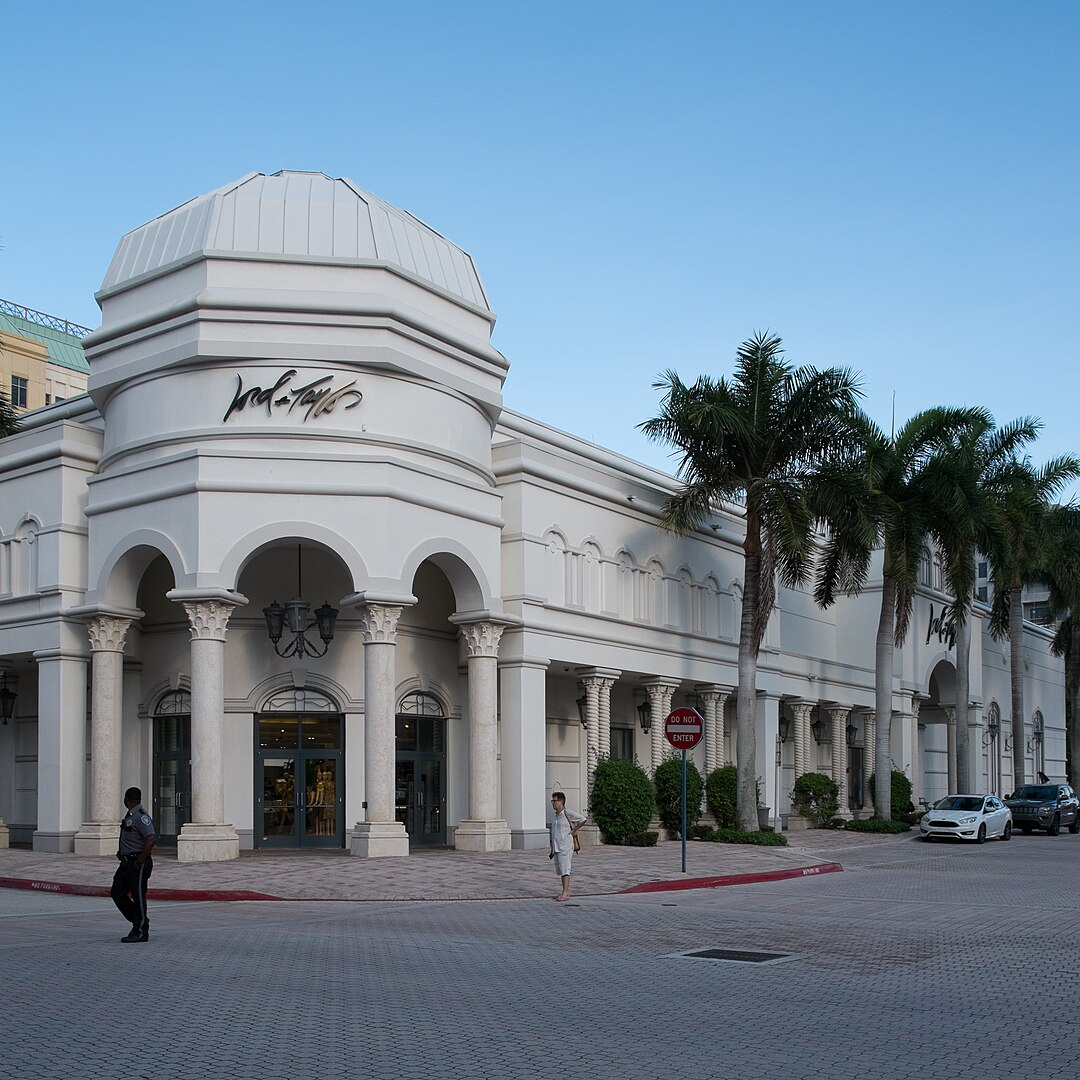
Lord and Taylor carried an air of old school elegance, especially at its historic urban flagships. Years of ownership changes, aggressive discounting, and the shock of the pandemic finally pushed the brand into a full store closure plan. The physical chain is gone, even as the name continues online under new management. Grand buildings that once hosted fashion shows and elaborate window displays are being sliced into offices and coworking hubs, turning a traditional department store into a flexible workplace.
Stage Stores
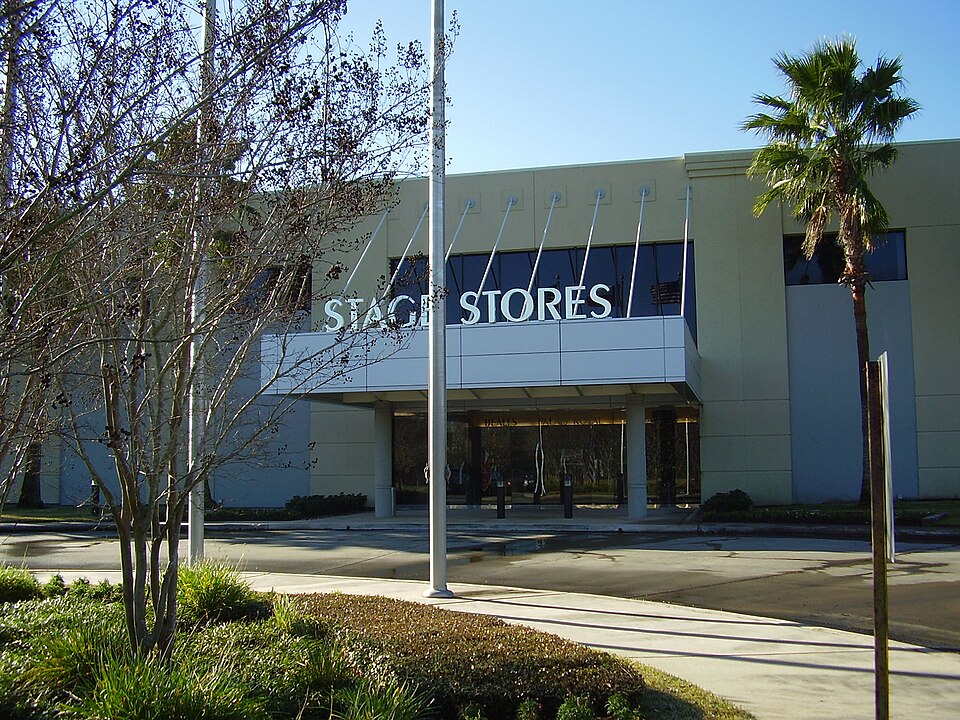
Stage Stores never enjoyed global name recognition, but its regional chains filled a quiet role in small towns and rural hubs. When the company could not recover from mounting losses, it closed hundreds of locations under banners such as Goody’s and Peebles. Those anchors often sat in modest shopping centers that lacked other large apparel options. After the closures, shoppers in those communities were left with long drives to bigger cities or a heavier reliance on parcel deliveries for everyday clothing.