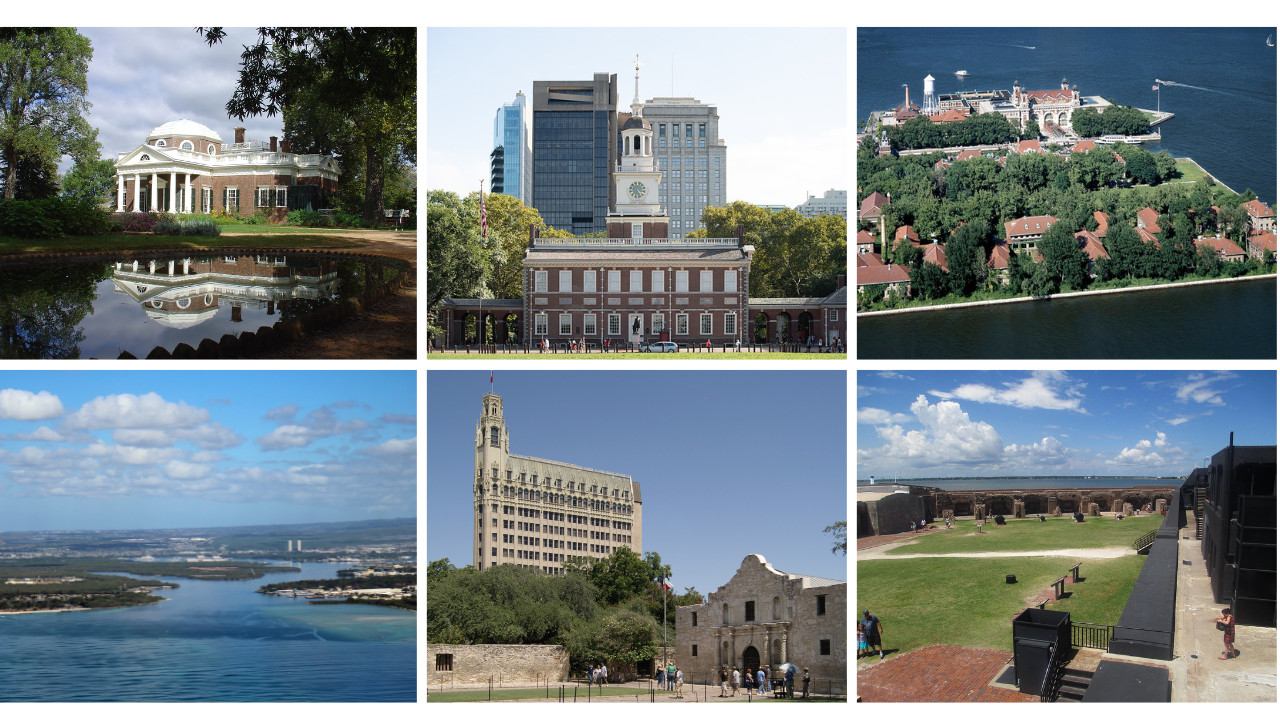
Across the United States, beloved monuments often double as mirrors, reflecting both national pride and painful contradictions. Grand estates, forts, and engineering projects rose on land taken, labor exploited, and stories carefully edited. Looking beyond polished plaques reveals messy legacies of enslavement, displacement, and hard bargaining over who belongs. By tracing these deeper currents, travelers gain a fuller sense of how power, sacrifice, and memory still shape the landscape, and why honest history matters.
Mount Vernon, Virginia: A Patriotic Estate Built On Enslaved Labor
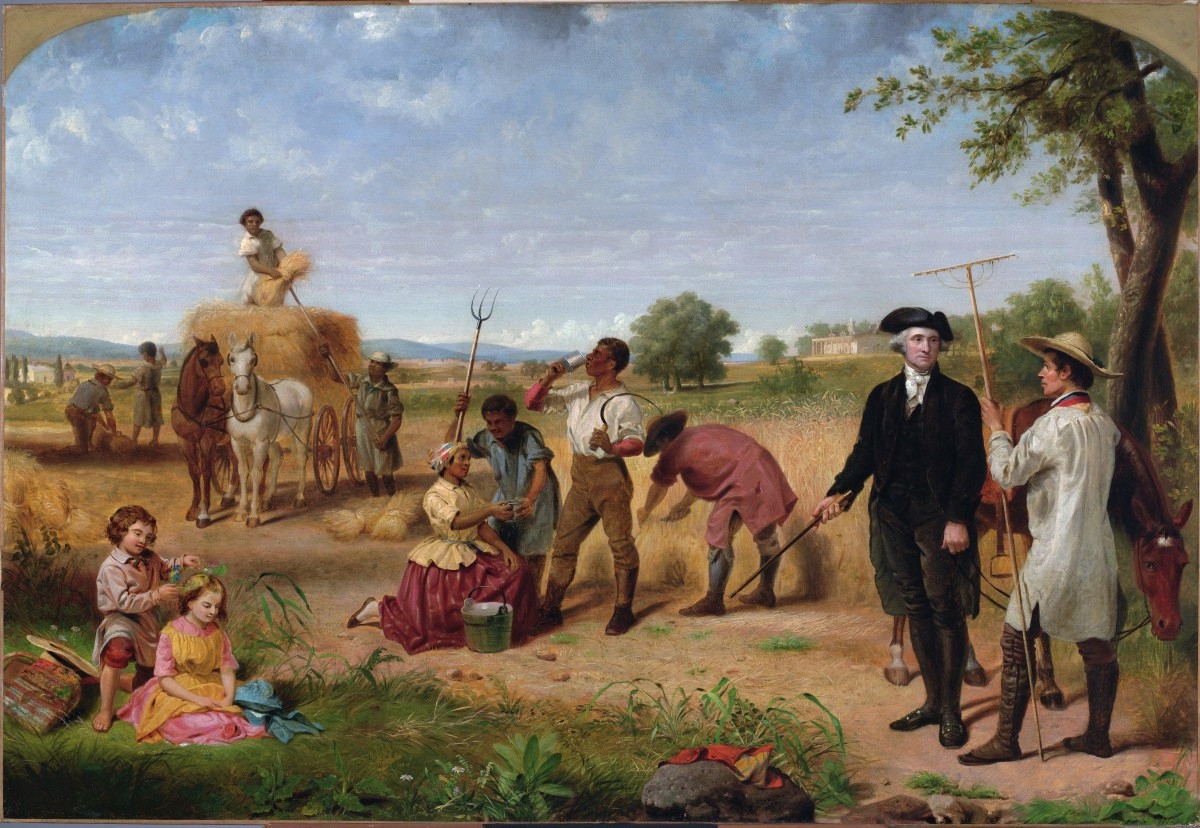
At first glance, Mount Vernon feels like a graceful riverside retreat, yet the estate functioned as a tightly controlled slave labor complex. More than 300 enslaved men, women, and children worked fields, kitchens, and workshops from before sunrise into the night, under constant surveillance and the threat of sale. Archaeology has revealed quarters, workrooms, and discarded belongings that trace lives of skill and exhaustion. Modern tours now speak more plainly about these realities, letting admiration sit uneasily beside the truth of how the estate survived. The river view carries new weight, especially at dusk.
Monticello, Virginia: A Hilltop Vision Entwined With the Hemings Story
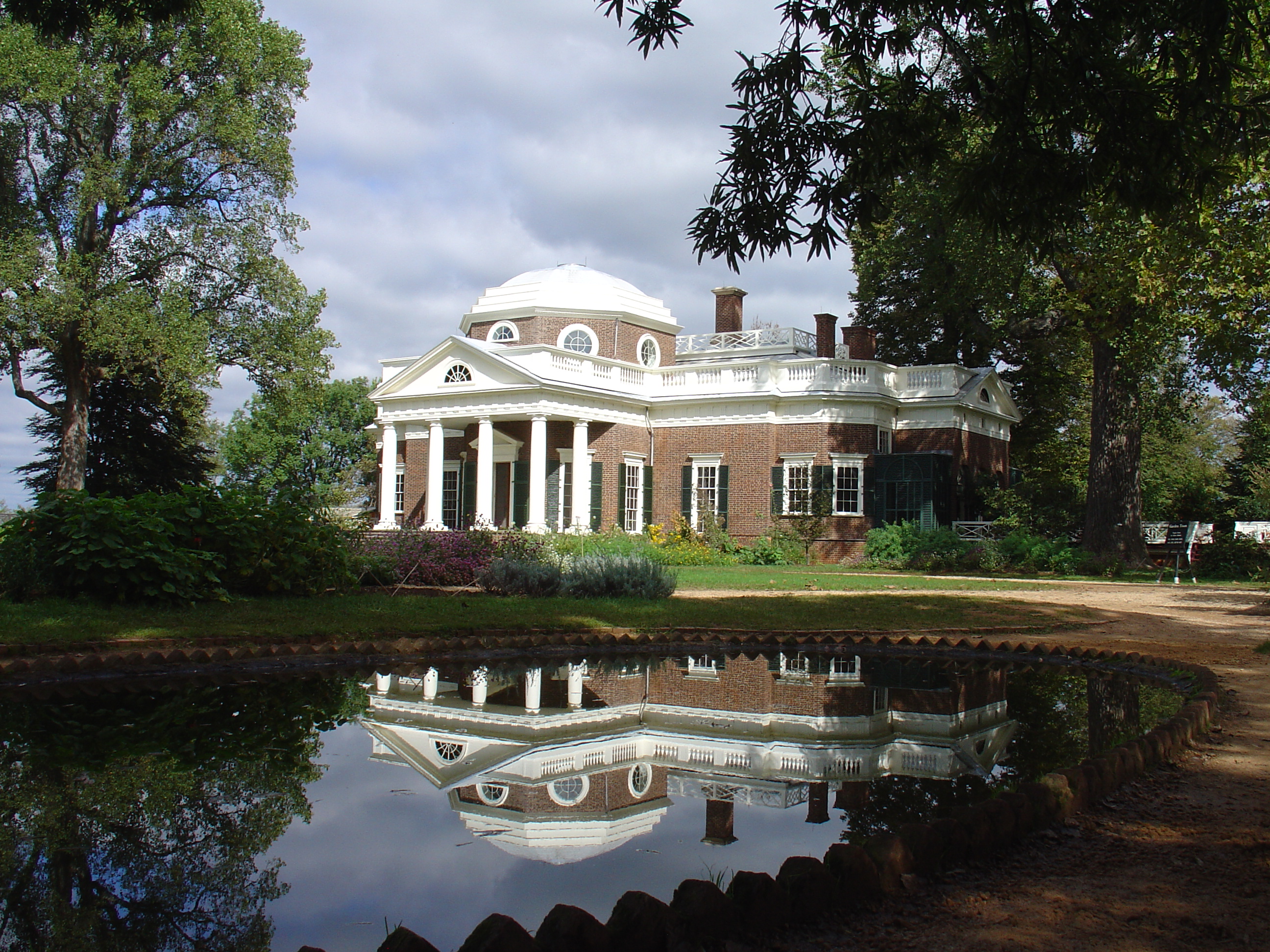
Monticello crowns a Virginia hill with elegant brick, terraces, and inventive design, yet that harmony rested on the labor of an enslaved community that sometimes exceeded 400 people. Families like the Hemingses lived where intimacy and coercion blurred, providing skilled work while remaining legally unfree. DNA evidence confirmed that Jefferson fathered children with Sally Hemings, turning rumor into a public reckoning. Restored quarters and updated tours now trace these intertwined lives, so the house reads less as a monument and more as a conflicted workplace. The lawn carries that history into each breeze.
The Alamo, Texas: Heroic Myth On Contested Ground

The Alamo looms large in American memory as a symbol of bravery against impossible odds, yet its story is tangled up with slavery, land hunger, and competing national claims. Many Texan fighters opposed Mexican limits on enslaved labor that underpinned their wealth, even as later tales framed the battle in simple terms of freedom. Indigenous communities had already seen missions and settlements spread across their territory. Recent interpretation works to add those layers back in, so the old stone walls now speak of more than one cause. Visitors still line up for photos, but the narrative behind them grows heavier each year.
Independence Hall, Pennsylvania: Liberty Debated Amid Enslavement
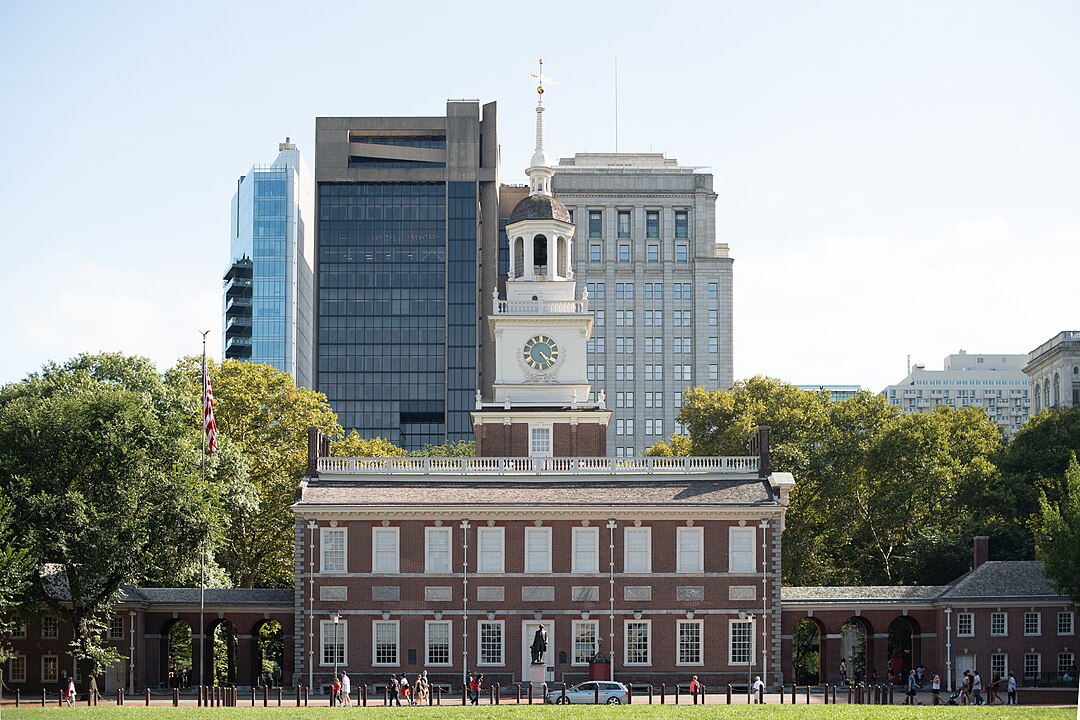
Independence Hall is celebrated as the birthplace of American democracy, where delegates argued over rights, rebellion, and representation. Several of those men owned enslaved people, and the surrounding city relied on Black labor that rarely appeared in official accounts. Archaeology near the site uncovered human remains and work yards that point to a deeper story of forced service and fragile freedom. New exhibits now pair soaring political language with these findings, so the red brick building reads less like a pure shrine and more like a crossroads. The contrast between ideals and daily life lingers long after the tour ends.
Pearl Harbor, Hawaii: Sacred Harbor With a Political Backstory
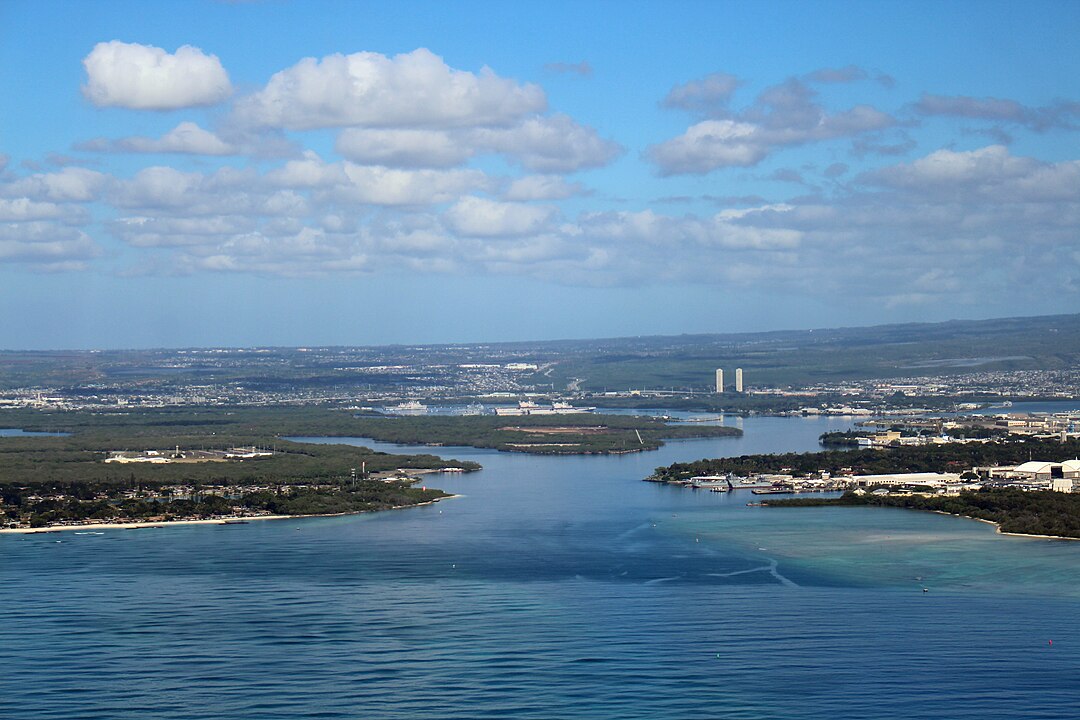
Pearl Harbor is honored as the site of the Dec. 7, 1941 attack that killed 2,403 Americans and pulled the United States into World War II, yet the harbor’s story reaches further back. U.S. business and military interests helped topple the Hawaiian Kingdom in the 1890s, clearing the way for annexation and large scale base construction. Native families lost land and access to traditional fishing areas as runways, fuel tanks, and docks spread. For many locals, remembrance of the attack now shares space with grief over that earlier loss. The memorial sits at the junction of these memories, solemn yet unsettled.
Fort Sumter, South Carolina: First Shots in a War Over Slavery
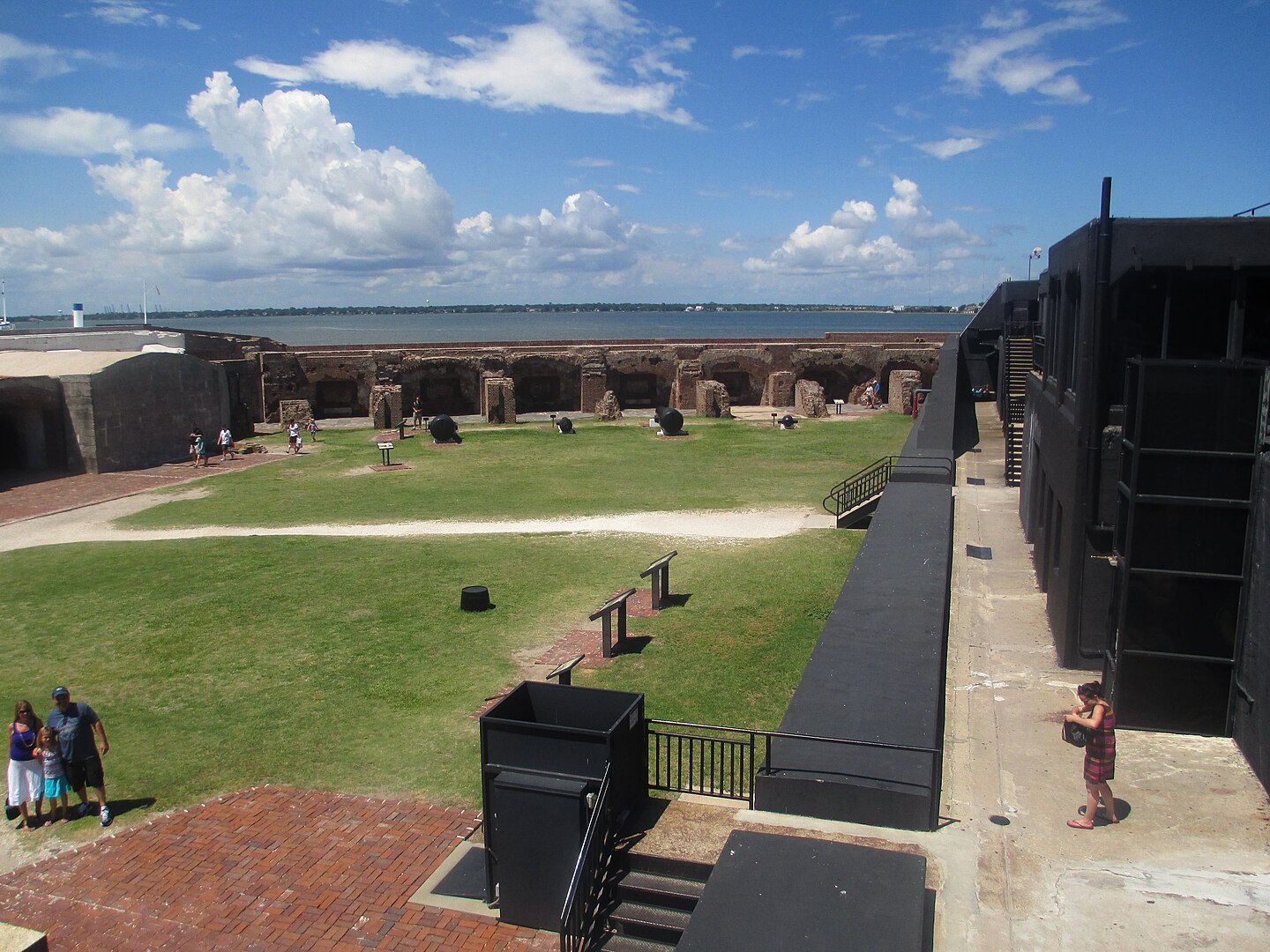
Fort Sumter marks the opening cannon blasts of the Civil War in April 1861, a dramatic bombardment that echoed across the country. For decades, park narratives leaned heavily on troop counts, flags, and tactical details while echoing Lost Cause myths that treated slavery as background noise rather than the central dispute. More than 4 million people lived in bondage when the guns opened fire. New programming now highlights their stories and the secession documents that named slavery outright, reworking the small sea fort into a stark classroom on cause and consequence. The quiet boat ride out feels different when that focus shifts.
Bodie, California: Frozen Gold Rush Dreams and Harsh Realities
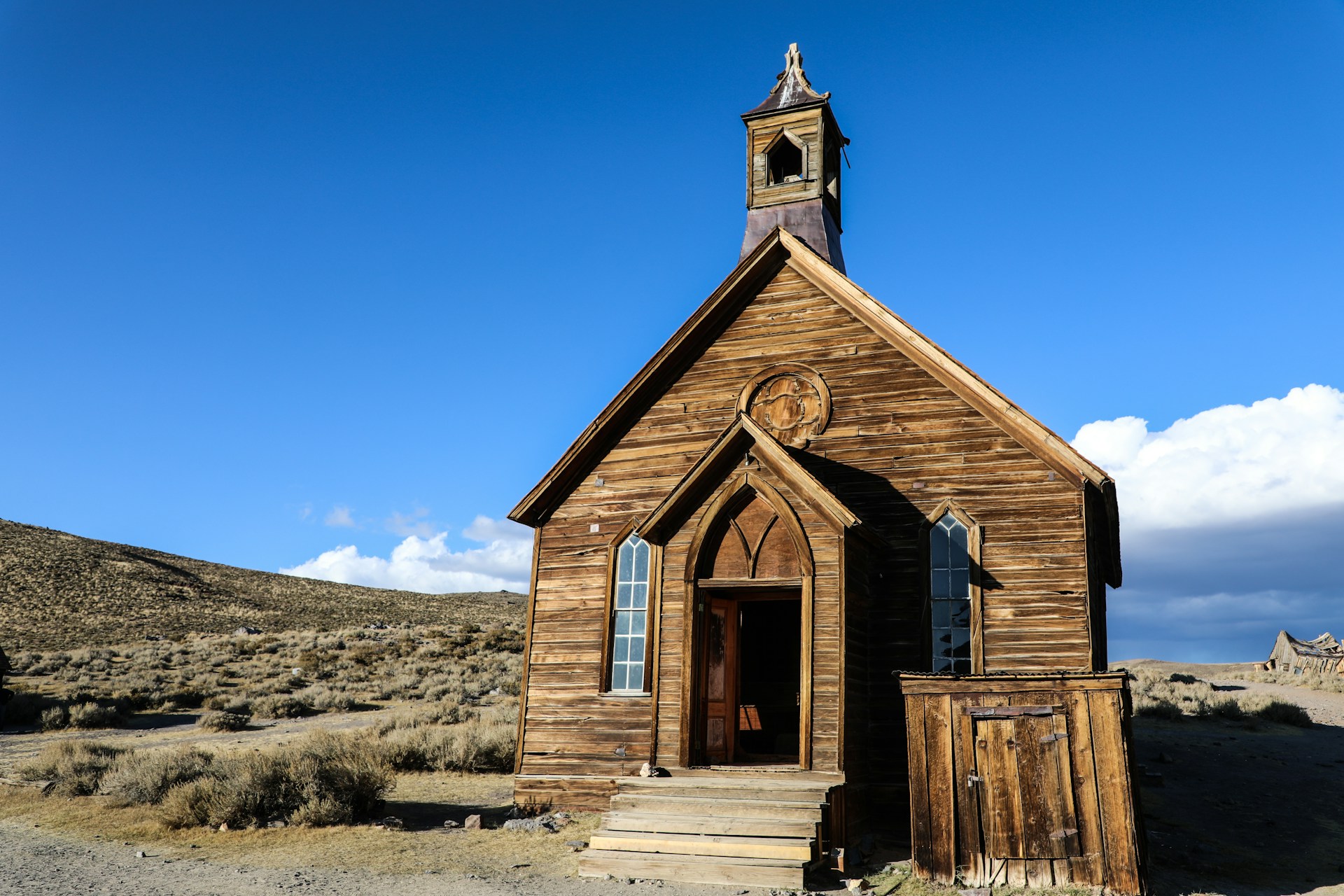
High in the Sierra Nevada, Bodie draws visitors with sun-bleached storefronts, leaning houses, and the promise of a town frozen in time. During its gold rush peak, nearly 10,000 residents lived with brutal winters, mine accidents, saloon fights, and fires that could erase a street in a night. Immigrant laborers often took the most dangerous jobs for the lowest pay. The state now preserves Bodie in what it calls arrested decay, leaving cracked windows and rusted boilers in place. The result is haunting, beautiful, and quietly unsettling. Under the tourist curiosity sits a record of how easily dreams of quick wealth slid into risk and grief.
Hoover Dam, Nevada/Arizona: Concrete Power Built On Risky Labor
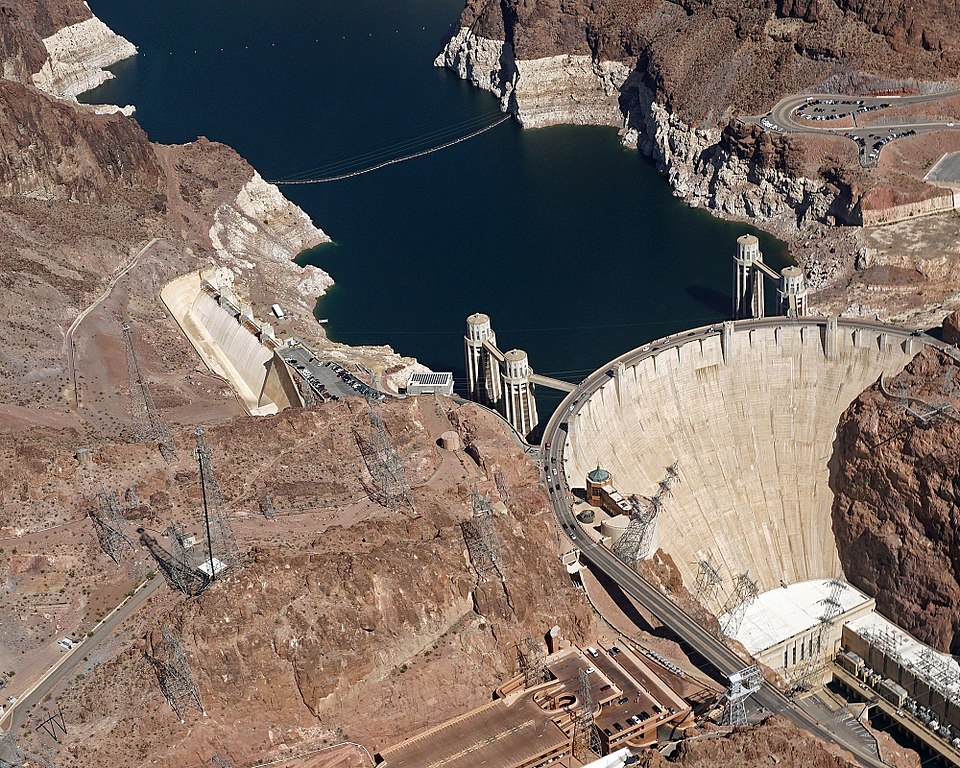
Hoover Dam towers above the Colorado River as a concrete symbol of New Deal ambition, promising power, water, and control in the 1930s. More than 21,000 workers drilled, poured, and blasted in heat that could soar above 120 degrees inside the tunnels, with official records listing 96 deaths and historians suspecting more. Many families lived in cramped company towns, their cabins hot, noisy, and crowded. The finished structure is impressive, yet every curve of its face also marks the risks taken by laborers who had few other options in the Depression. Standing on the rim, that sacrifice feels as present as the engineering.
Ellis Island, New York: Gateway of Hope and Gatekeeper of Exclusion
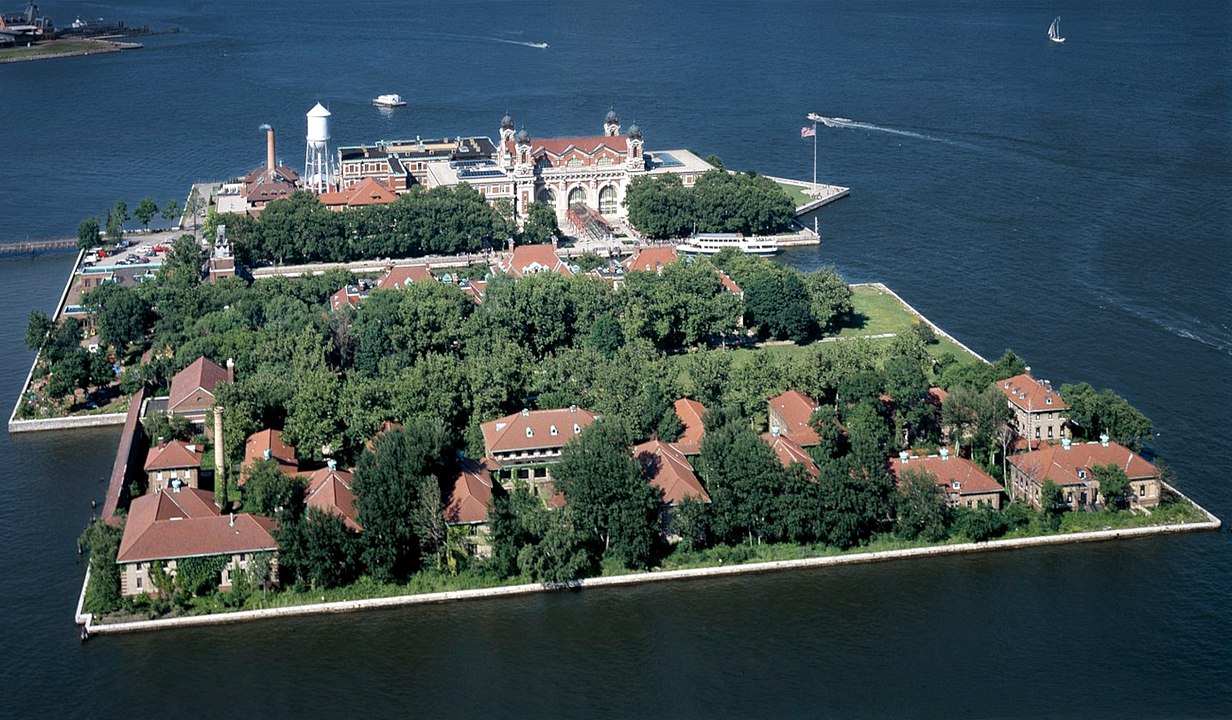
Ellis Island often appears in family stories as a bright gateway, where more than 12 million immigrants first stepped into an uncertain future between 1892 and 1954. The same halls also served as a filter shaped by fear of poverty, disease, and difference. Medical checks, language exams, and financial questions decided who passed and who stayed in detention, sometimes for weeks. Roughly 2 percent of arrivals were sent back. Museum exhibits now highlight both the relief and the rejection, reminding visitors that welcome and exclusion operated side by side. The skyline just beyond the windows did not look the same to everyone who saw it.