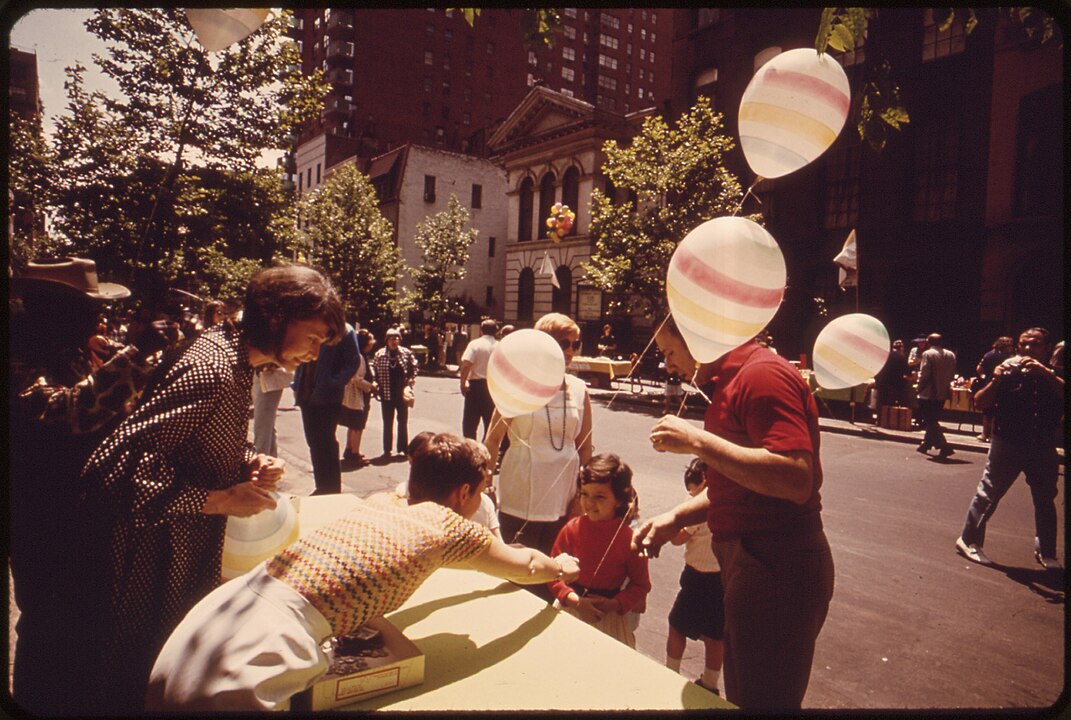
Childhood in the 1970s carried a kind of rough edged freedom that feels almost unreal in a time of GPS tracking and constant check ins. Parents often handed kids a house key, a few simple rules, and the expectation that they would figure things out. Scrapes, wrong turns, and close calls were treated as part of growing up, not instant emergencies. Looking back, many everyday habits from that decade now land somewhere between charming and alarming, and they reveal just how much norms around risk and responsibility have shifted.
Walking Home From School Alone
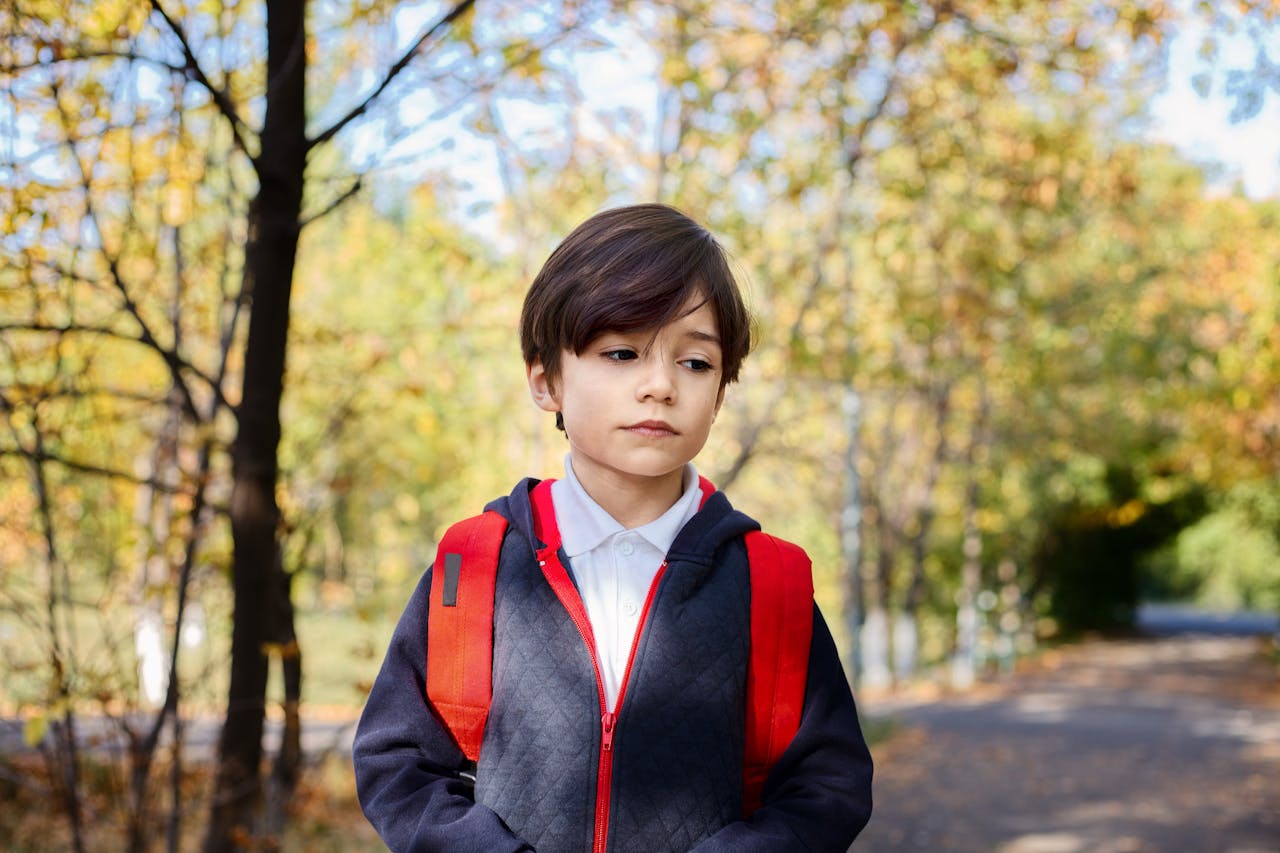
For many ’70s kids, walking home alone started in early elementary school and felt completely ordinary. Long blocks, busy intersections, and shortcuts through alleys or empty lots were all fair game, with only a rough warning to watch for cars. The house key rode on a shoelace or hid under a doormat, and getting lost meant asking a stranger or trying again the next day. Today, that same scene would likely trigger worried calls between parents, teachers, and neighbors.
Riding Bikes Without Helmets Or Gear
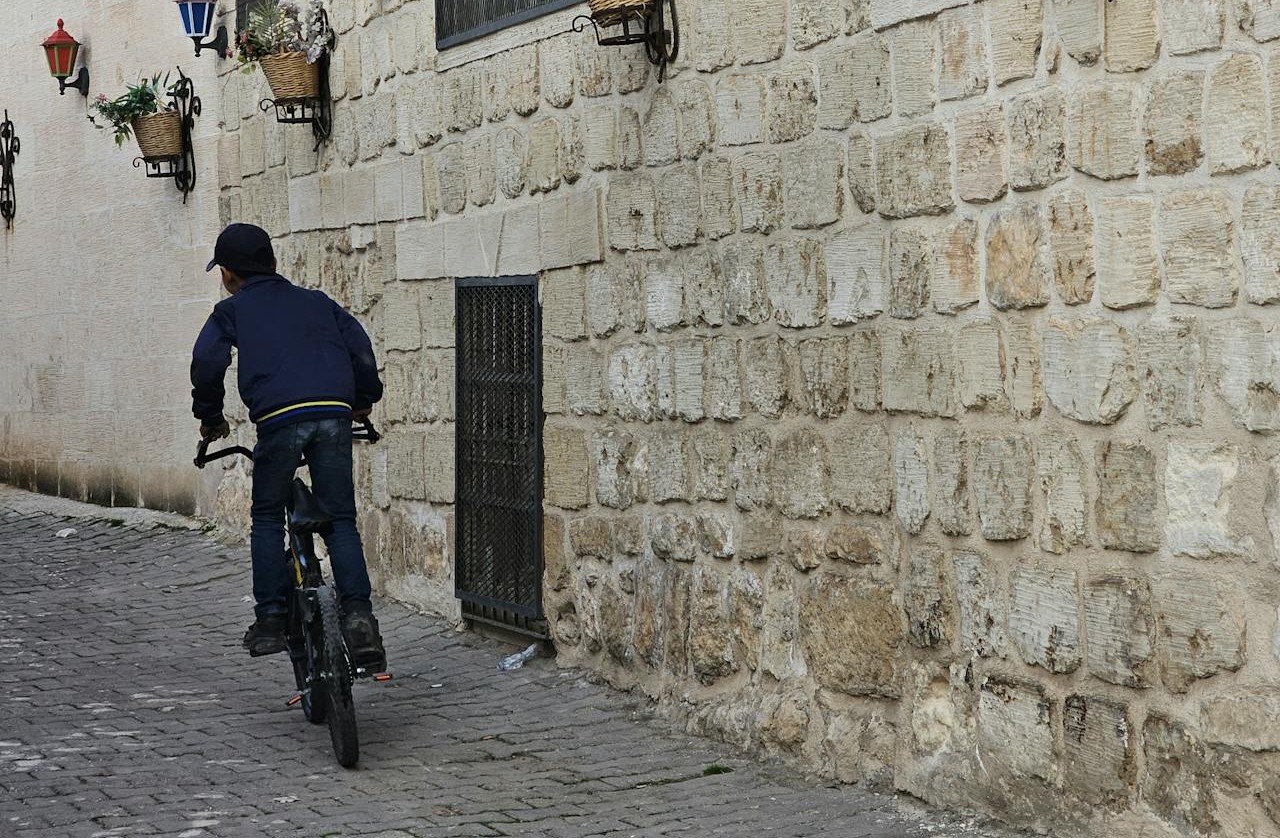
Neighborhood streets once filled with kids on banana seat bikes, pedals spinning, hair flying, and not a helmet in sight. Makeshift ramps, gravel driveways, and steep hills turned into personal stunt courses, with scraped knees and bloody elbows treated as routine badges of honor. Adults rarely hovered at the curb with rules or gear, as long as everyone came back by dinner. In a culture now steeped in bike helmets, reflective strips, and safety campaigns, those bare headed rides feel both nostalgic and unsettling.
Latchkey Afternoons At Home
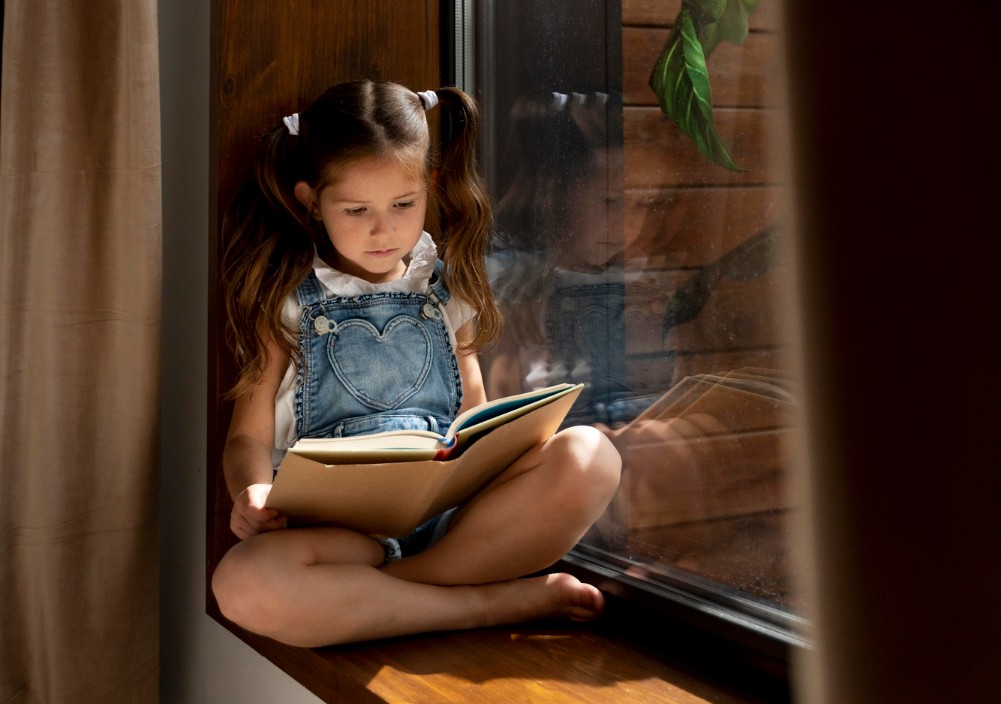
The latchkey routine defined many afternoons for children whose parents worked full time. After school, a kid might let themselves in, drop a backpack, turn on cartoons, and make a snack, all in an empty house. Instructions might be scribbled on a note by the phone, along with a number to call only in a real emergency. Older siblings often juggled homework with keeping an eye on younger ones. Modern expectations about supervision, childcare, and after school programs make that amount of solo time almost unthinkable.
Sleepovers With Minimal Parental Vetting

A sleepover in the 1970s could come together with one quick phone call and a ride in a wood paneled station wagon. Parents often knew only a first name, a street, and the vague assurance that someone’s mom or dad would be home. Once dropped off, kids disappeared into basements, backyards, or rec rooms stocked with board games and sugary cereal. Today, families tend to ask detailed questions, check social media, and trade texts about house rules, a level of vetting that rarely existed then.
Babysitting Younger Siblings Very Young

By age ten, many kids were considered responsible enough to manage younger brothers and sisters for hours at a time. Parents headed to work or out for the evening while a child supervised dinner, TV arguments, and bedtime routines with little backup. Payment could be a few dollars, extra dessert, or simply the expectation of helping the household run. That kind of early responsibility shaped confidence and patience, but it also rested on a level of risk that many modern parents would never accept.
Playing Outside Until The Streetlights Came On
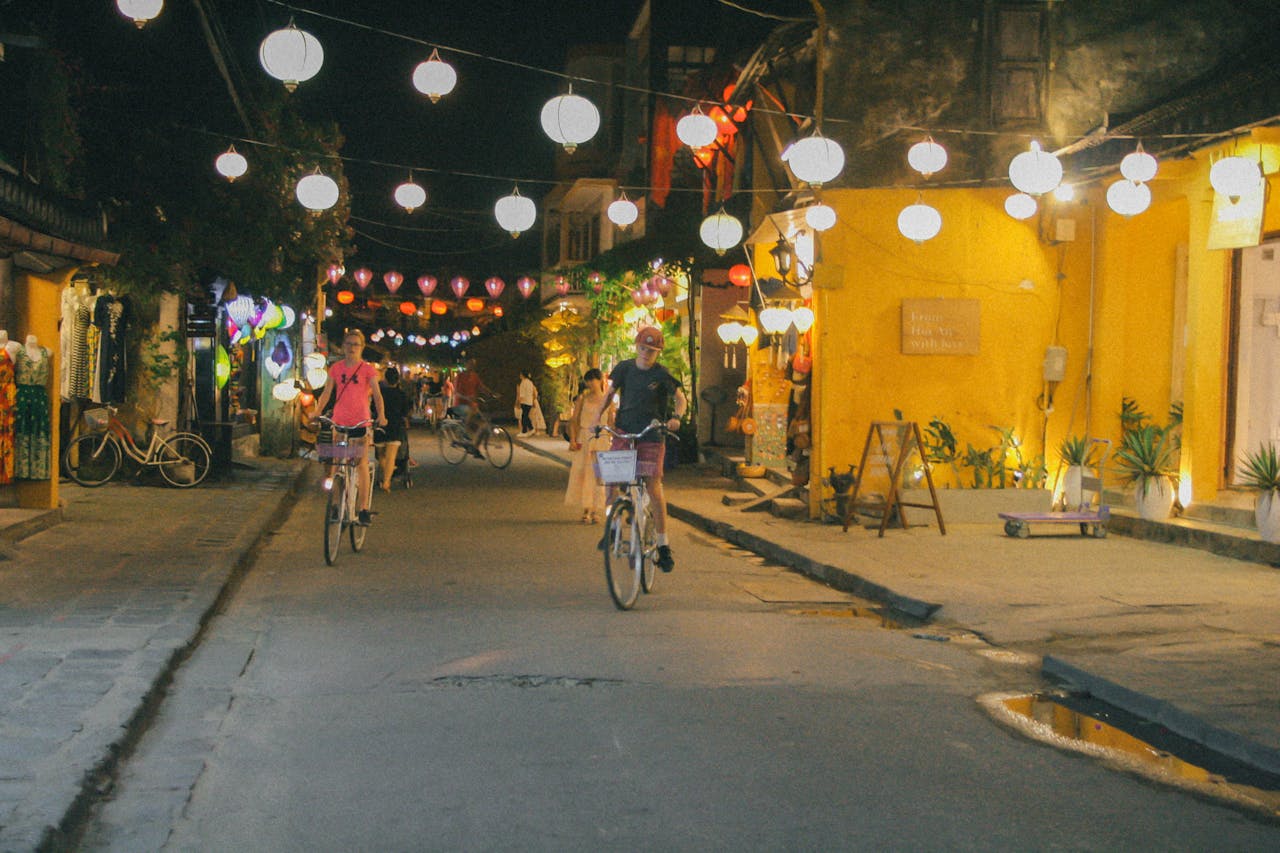
Unstructured outdoor play was a core part of life, not a special outing. Kids spent entire afternoons roaming vacant lots, creek banks, and neighborhood fields, inventing games with whoever showed up. There were no constant check ins, just a loose understanding that streetlights or a familiar shout meant it was time to head home. Occasional scares, like a twisted ankle or a tumble off a fence, were folded into the story of the day. Today’s focus on schedules, supervision, and organized activities makes that open roaming feel distant.
Using The Stove Or Oven Young
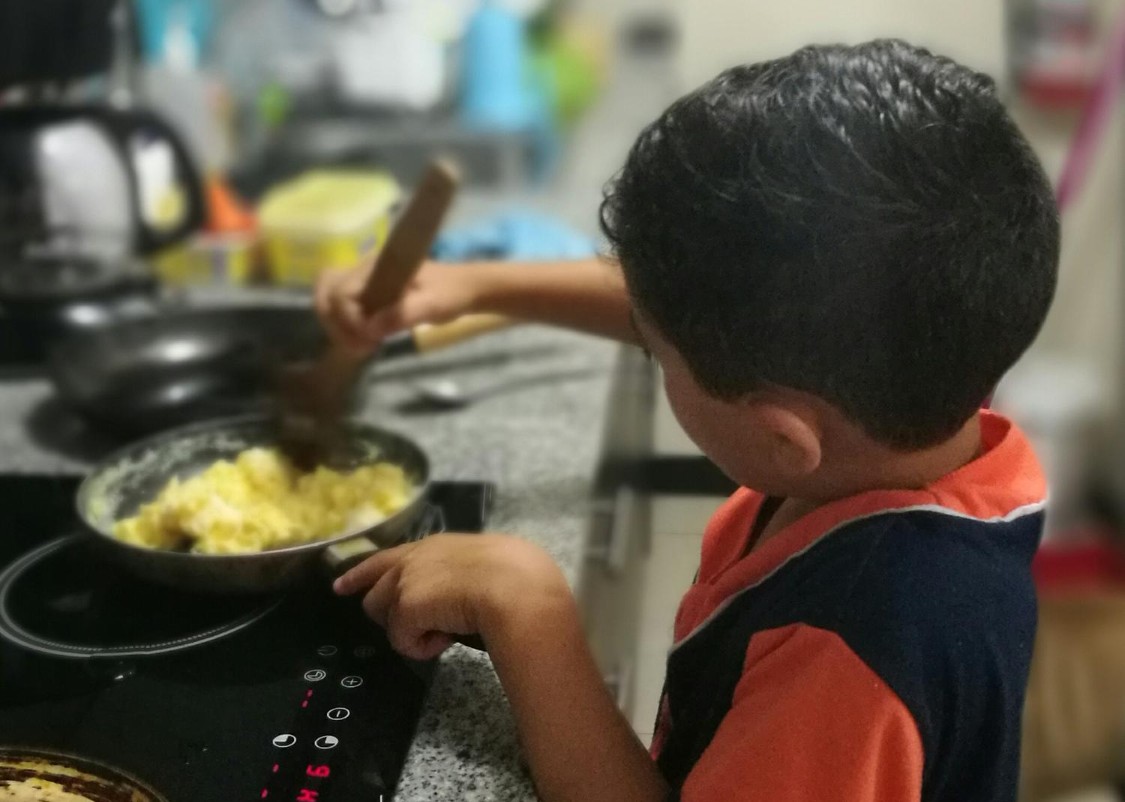
Learning basic cooking skills often meant real heat, not just toy ovens or microwave snacks. By late elementary school, many children handled pans, boiling water, and hot burners to make grilled cheese, macaroni, or canned soup when adults were busy. Smoke alarms became informal teachers, and a scorched pot was a minor disaster, not a reason to ban kitchen access. Current households tend to delay that level of independence, worried about burns, fires, and what can happen when inexperience meets hot metal and oil.
Taking Public Transportation Alone

In cities and suburbs with bus lines or trains, public transit served as a lifeline long before ride share apps or constant messaging. Middle schoolers and even some younger kids memorized routes to malls, movie theaters, and friend’s neighborhoods, pockets stuffed with coins or tokens. Getting turned around meant reading a printed map or asking the driver, not checking a digital screen. Today, increased concerns about stranger danger, crowded stations, and rapid news cycles have made unsupervised transit rides feel far riskier, even when systems are objectively safer.
Swimming With Little Or No Supervision

Warm weather drew kids to lakes, ponds, motel pools, and above ground backyard setups, often with minimal adult attention. Sometimes a parent glanced over from a lawn chair or an open kitchen window, and sometimes older kids simply promised to watch younger swimmers. Games pushed boundaries, from breath holding contests to daring dives off questionable ledges. Current standards around lifeguards, certified lessons, and strict pool rules cast those scenes in a very different light, mixing fond memories with a quiet sense of disbelief.