High heels and camouflage prints seem like harmless style choices, yet in some corners of the world they brush up against criminal law. From sun baked Greek ruins to laid back Caribbean beaches and crowded West African cities, fashion rules reveal deeper anxieties about heritage, security, and identity. These bans did not appear out of nowhere; they grew from chipped marble, political coups, and fears of impersonation. Together, they show how something as simple as a shoe or jacket can become a matter of national pride.
Greece’s Ancient Sites, Including the Acropolis

At Greece’s ancient monuments, high heels are not just impractical, they are actually against the rules. Since 2009, visitors are barred from wearing stilettos at sites such as the Acropolis to keep fragile marble from chipping and to reduce slips on polished stone. Guards may ask offenders to change shoes or leave, pointing to crack patterns that show how thousands of tiny heel points can slowly wound a very old landmark. The rule folds fashion into conservation, turning each outfit decision into a small act of historic care.
Barbados, Where Every Camo Print Is Off Limits
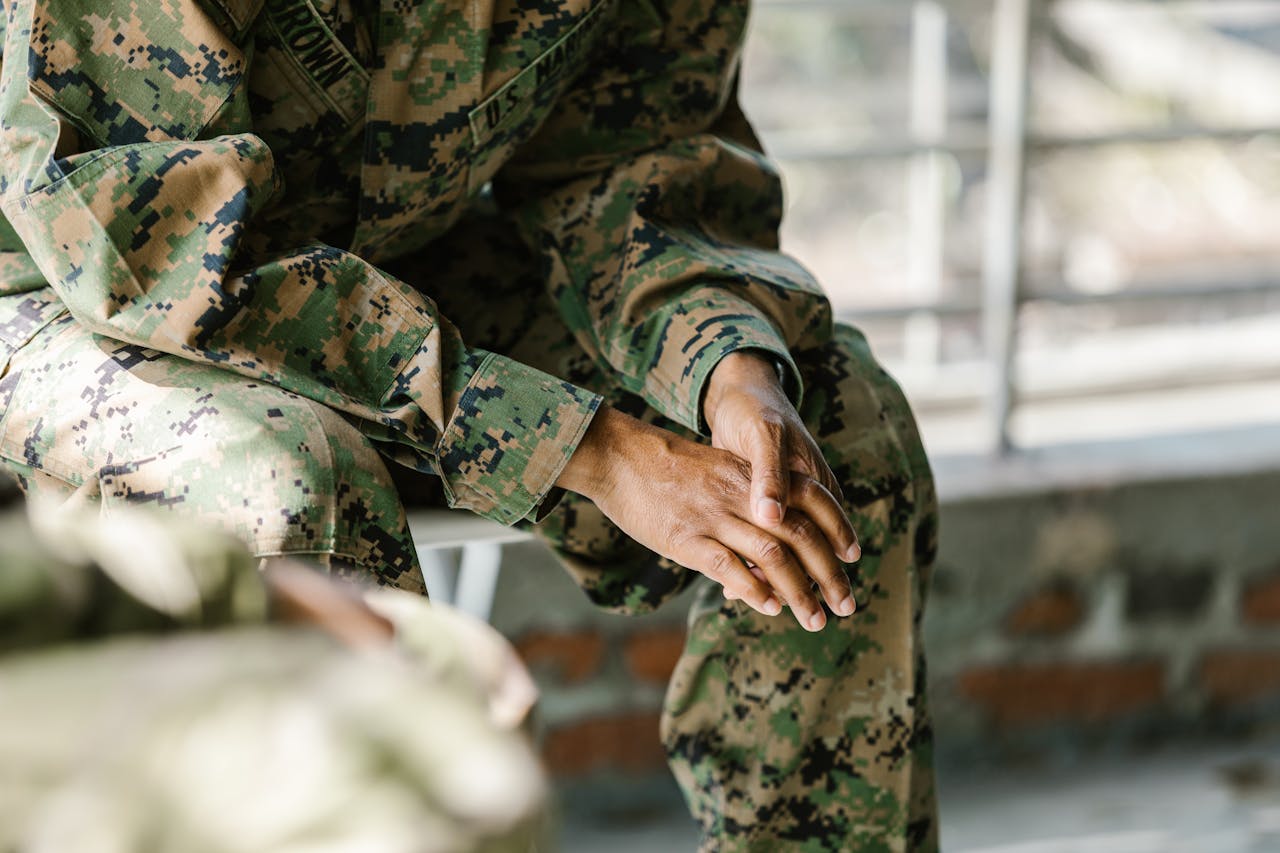
In Barbados, camouflage is not a playful beach trend but a protected visual code that belongs only to the military. Local law makes it illegal for civilians, including children and visitors, to wear camo patterns on clothing, bags, or hats, and police can confiscate offending items on the spot. The rule grew from fears of criminals posing as soldiers on a small island that depends on calm streets, steady tourism, and unmistakable uniforms. Over time it has also shaped local style, pushing residents and designers toward bold color instead of army green.
Jamaica, Where Camo Belongs To The Armed Forces

Jamaica’s relaxed soundtrack hides a strict rule about camouflage that reserves the pattern for the armed forces. Civilian camo clothing and fabric are restricted, and goods can even be seized at customs, which often shocks travelers whose wardrobes lean on cargo shorts and utility prints. The law reflects decades of concern over gang activity, police impersonation, and political violence, when uniforms carried a charged meaning that still echoes in crowded transport hubs. Street fashion now leans on dancehall flair, sports jerseys, and bright graphics while the true uniform stays carefully guarded.
Ghana, Drawing A Line Between Coup History And Street Style

In Ghana, camouflage belongs firmly to the barracks, not to weekend markets or beach bars filled with Afrobeats and food stalls. Civilians are barred from wearing camo prints that resemble military uniforms, and authorities can confiscate clothing or detain offenders, especially near checkpoints and government offices. The rule grew out of coups and unrest, when uniforms symbolized fear as much as order and a jacket could instantly shift the mood of a crowd. Modern style celebrates wax prints, tailoring, and sneakers instead, keeping the visual power of camouflage tied to formal parades.
Saint Lucia, Caribbean Paradise With A Quiet Camo Ban
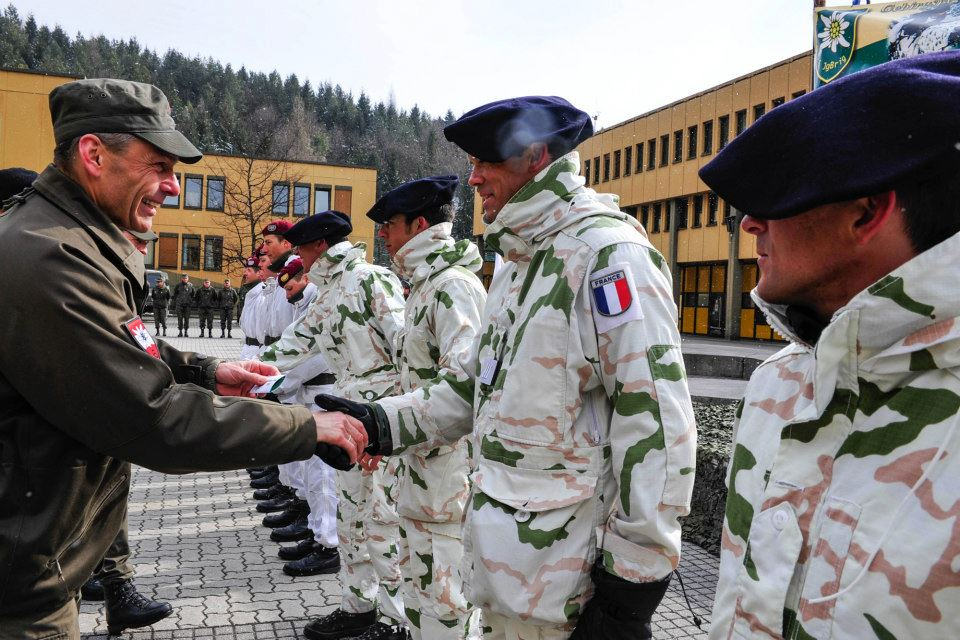
On Saint Lucia’s postcard beaches, camouflage is off limits to anyone not serving in uniform, no matter how casual the setting feels. Local regulations forbid civilians from wearing camo prints, and customs officers or police can issue fines or confiscate items when visitors arrive in patterned shorts, backpacks, or swimwear. Officials say the rule helps prevent confusion during emergencies and discourages would be impersonators in a country where security resources are finite. Resorts, markets, and festivals still feel relaxed, yet this quiet boundary keeps authority visually clear against the island’s easygoing backdrop.
Nigeria, Where Camo Signals A Serious Uniform
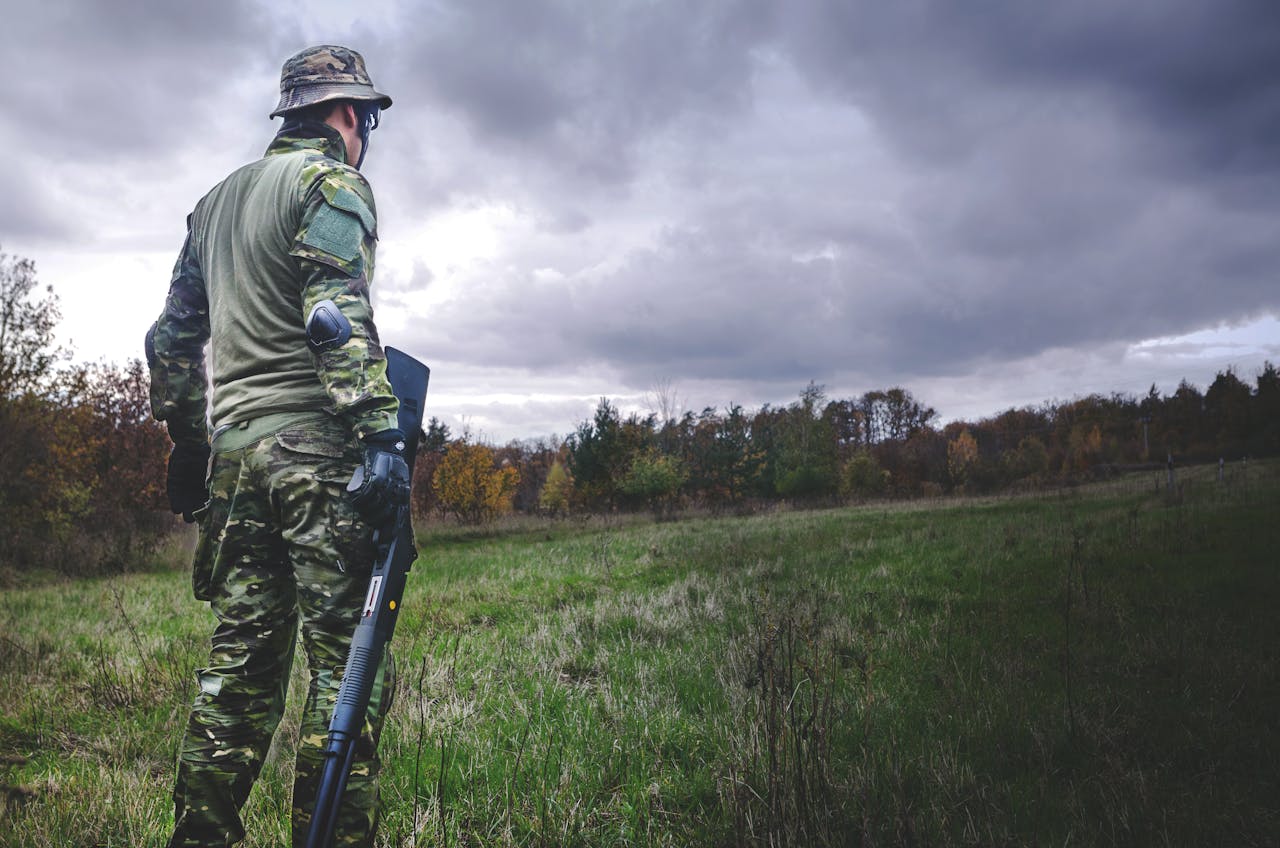
Nigeria treats camouflage as a clear badge of military authority rather than a streetwear trend that anyone can adopt. Civilian possession or wearing of camo style uniforms is prohibited, and security forces have been known to arrest offenders or seize clothing, particularly along highways, checkpoints, and restive regions. The policy reflects histories of coups, insurgencies, and kidnapping, when fake uniforms were used to disarm suspicion and lure travelers into unsafe situations. City life still pulses with football shirts, Ankara suits, and denim, while true camouflage stays tied to barracks and official ceremonies.
Uganda, Keeping Rebel Imagery Off City Streets

Uganda’s government bans camouflage for civilians outright, framing the print as a security risk instead of a neutral fashion statement. Officials point to cases where thieves and rebels used imitation uniforms to stage ambushes and roadblocks, blurring the line between impostor and officer. Today, travelers who arrive in camo may be told to change or surrender items, while local boutiques lean into bright fabrics and structured pieces that carry no hint of militia style. The rule functions as a kind of visual firewall, keeping symbols of conflict away from buses, markets, and schoolyards.
Trinidad And Tobago, Carnival Without Camouflage
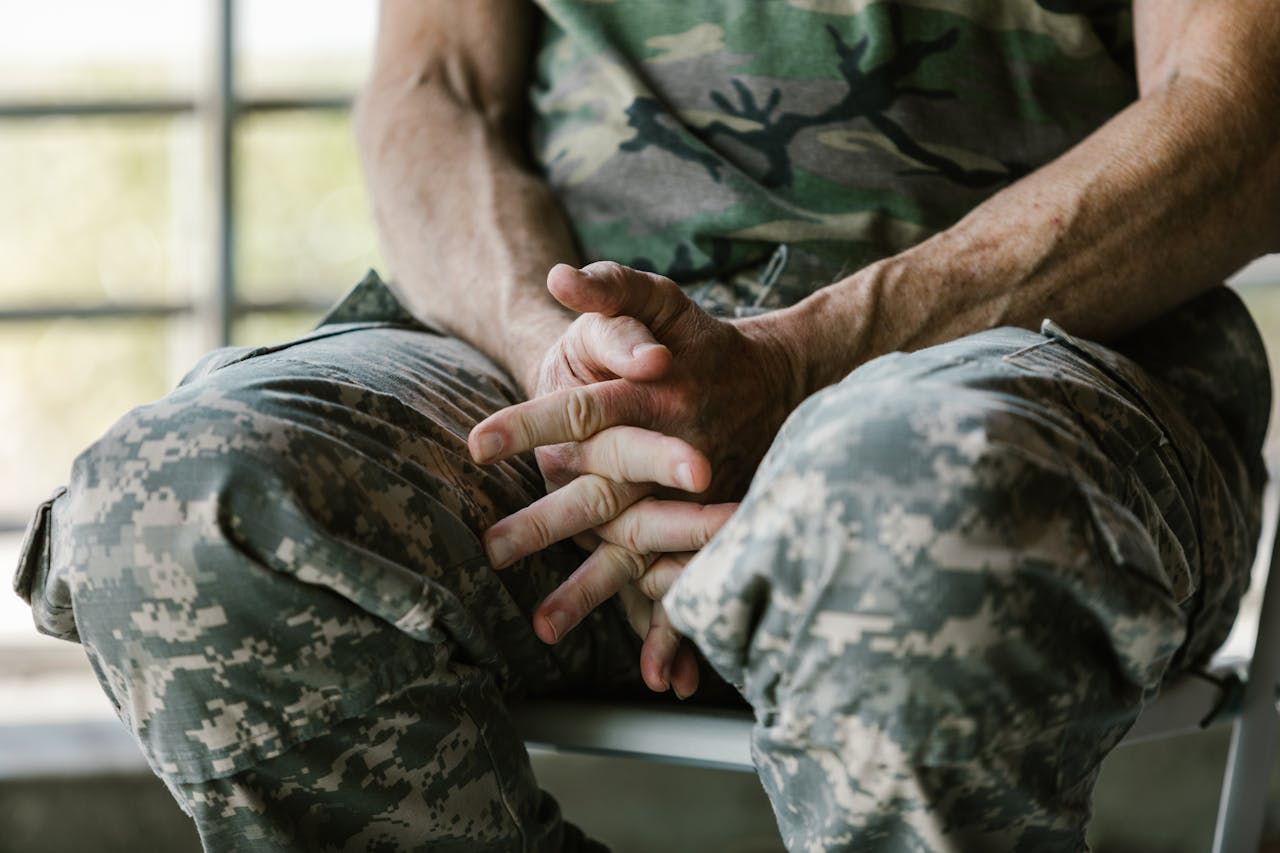
In Trinidad and Tobago, carnival costumes can be wildly inventive, yet camouflage sits firmly on the list of things that remain off limits outside the defense force. Law treats camo print as part of an official uniform rather than casual wear, and civilians risk fines or confiscation if caught in the pattern on streets, beaches, or carnival routes. Concerns over gang violence and officer impersonation sit quietly behind the rule, rarely spelled out in tourist brochures. Designers simply pour their energy into feathers, wire bras, sequins, and neon, proving that spectacle does not need soldier stripes.