Across cultures, moving into a new house is rarely just about keys, boxes, and contracts. Families carry old beliefs over the threshold, hoping to shield the space and invite softer days ahead. From cats hired by banks to beans tossed into bare corners, these rituals can look eccentric at first glance, yet they circle the same need. People want proof that luck, memory, and unseen company are on their side when walls are new, echoing, and not quite home yet.
Letting A Cat Cross The Threshold First

In parts of Russia and Japan, many households insist a cat should cross the threshold before any human does, tail held high like a small scout. Folklore casts cats as early warning systems, able to sense heavy energy and trouble long before people notice it. Letting the animal wander through empty rooms first is believed to tempt good luck inside, distract restless spirits, and signal that the home now belongs to a living family, not to whatever stories lingered there before. Some banks even keep office cats for move in day, turning superstition into a quiet form of four legged inspection for nervous movers.
Boiling Milk Until It Overflows
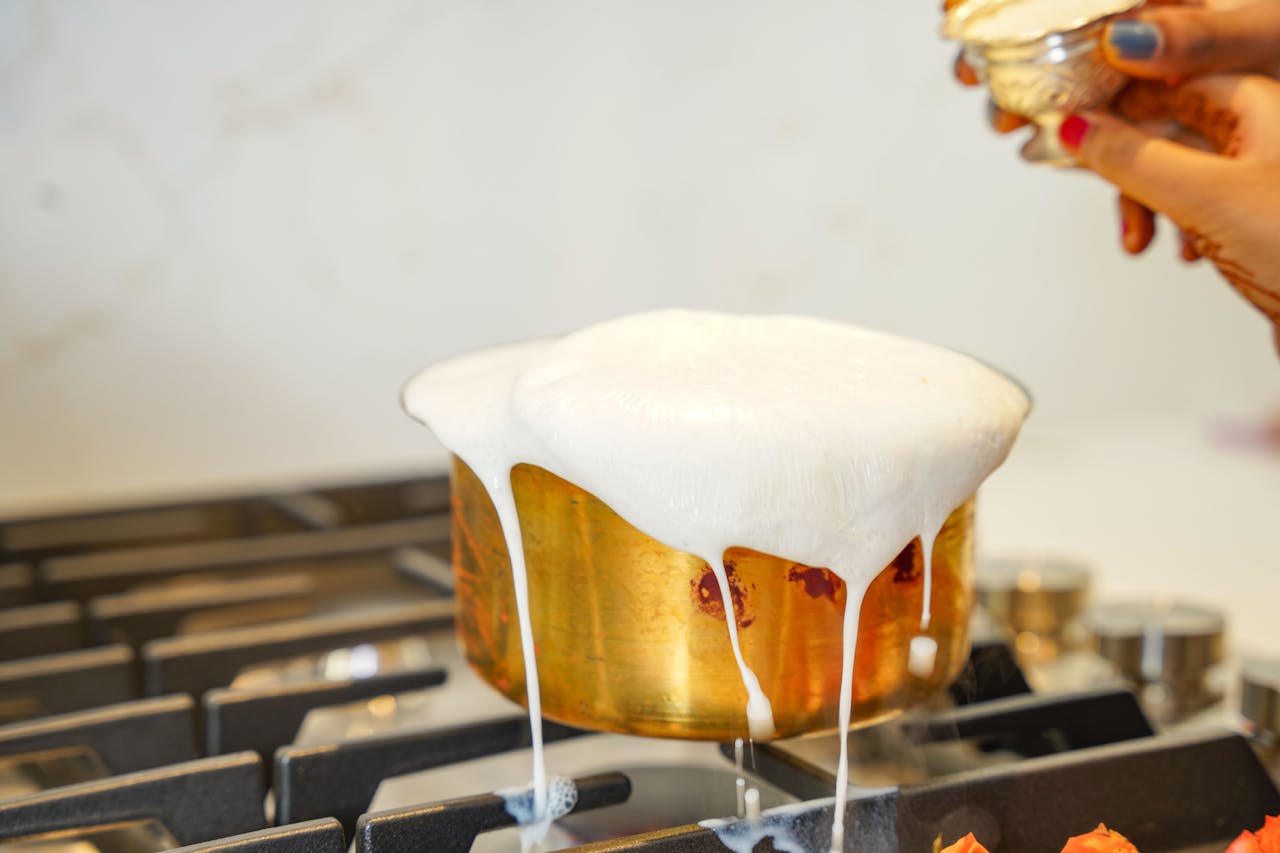
In many Indian homes, the first real act in a new kitchen is to boil milk in a shining pot until it rises and spills a little over the rim. The slow climb of the milk is treated as a sign of growing prosperity, a hope that food, money, and affection will also overflow rather than run dry. Rice or sugar may be stirred in and shared as a sweet first taste of the house, tying future meals to that moment. Relatives gather around the stove, reading comfort into every bubble and hiss. Long after, that first pot of milk often outshines the memory of unpacked boxes. It becomes a private story that clings to the walls more firmly than any paint.
Scattering Rice And Salt In Chinese Homes
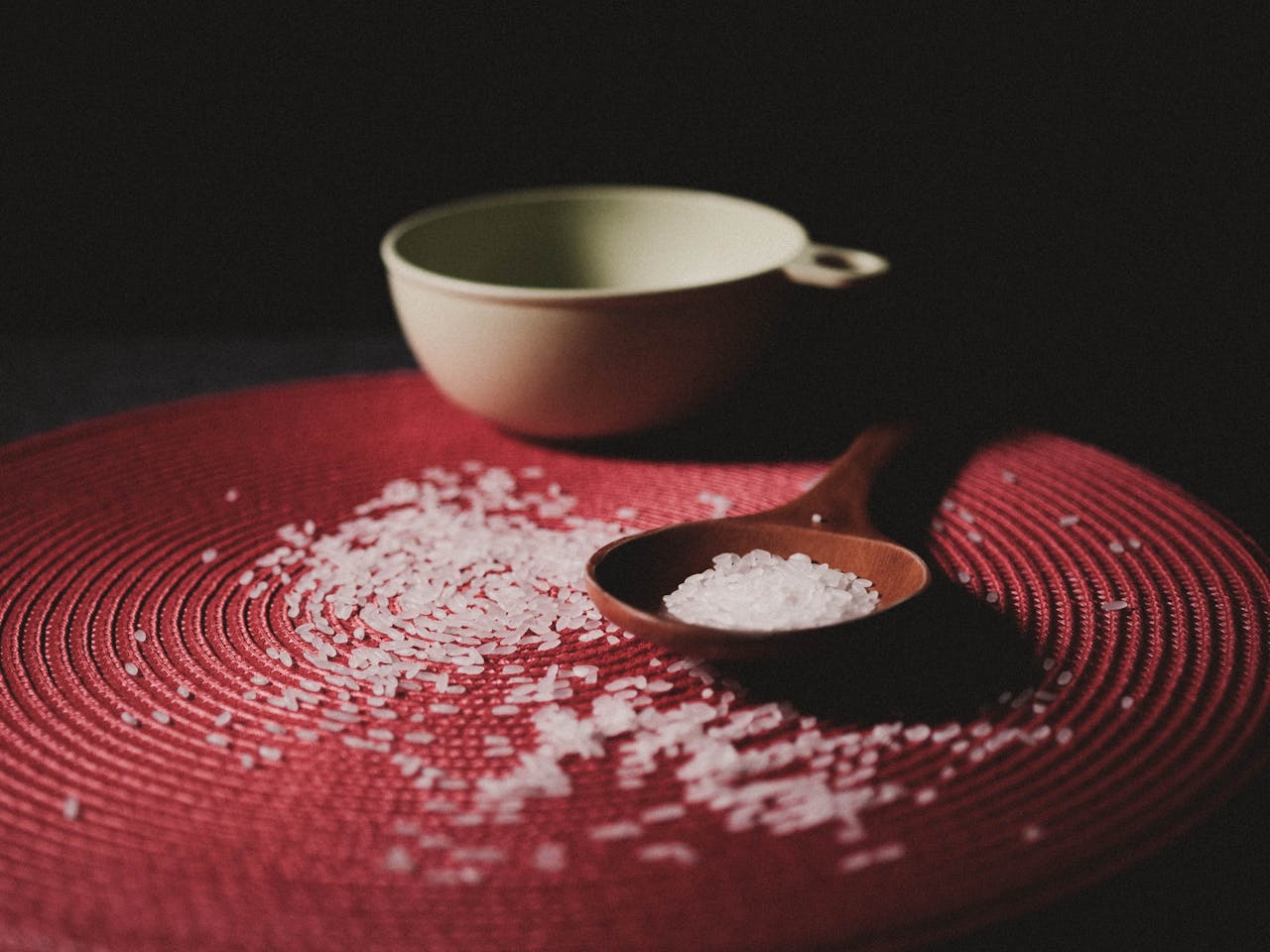
For many Chinese families, stepping into a new home begins with bowls of uncooked rice, salt, and sometimes beans or tea leaves held like small offerings. A handful is scattered into corners and along doorways to feed protective spirits, soak up stale energy, and anchor prosperity in the hidden frame of the building before furniture scrapes the floor. Fresh fruit, red paper charms, and incense often follow, layering smell, color, and smoke. By the final room, the space feels less like an empty box and more like a host that has met its guests. Even the soft patter of rice on tile seems to underline that invitation.
Rice, Coins, Salt, And Water In Filipino Houses
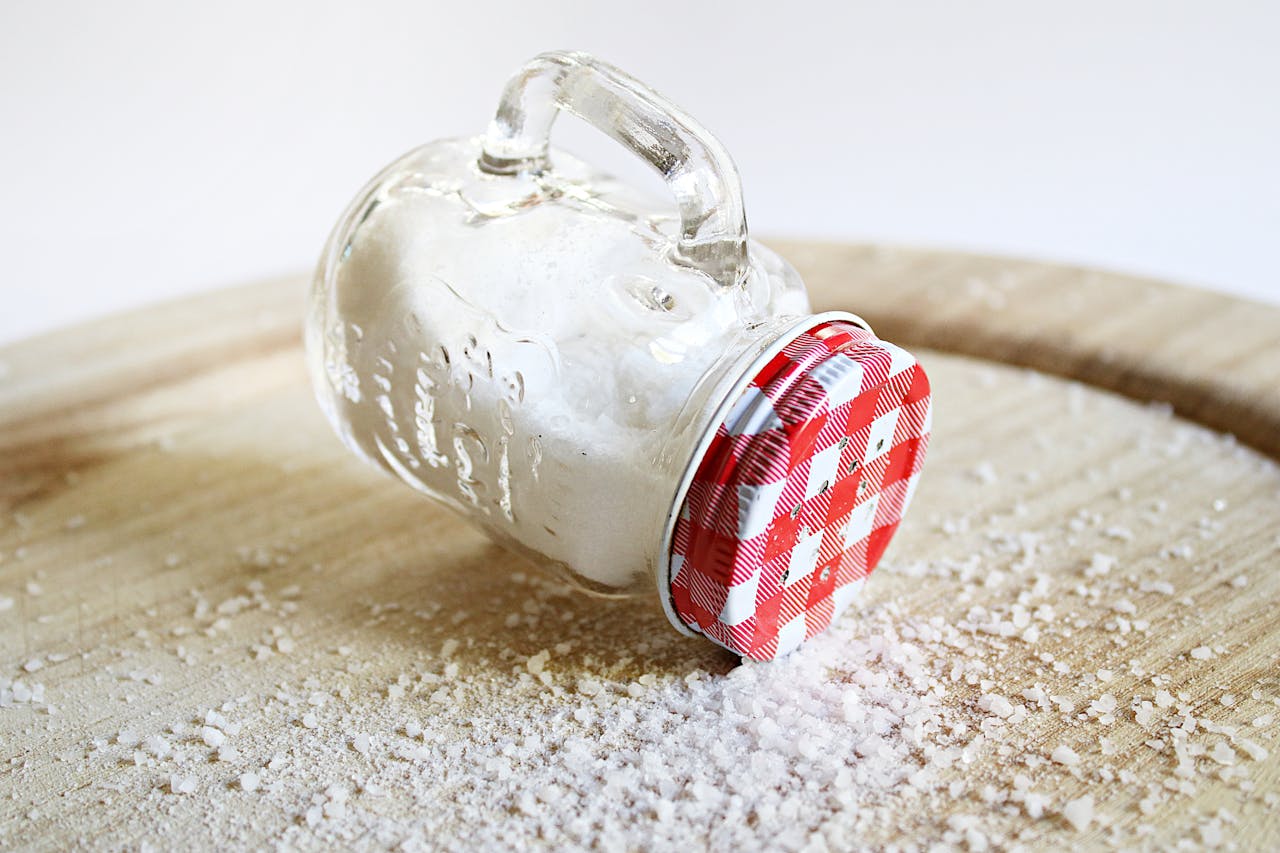
In Filipino tradition, moving day often begins with someone carrying rice, coins, salt, and sometimes water over the threshold before any bulky furniture. Each item carries a quiet hope stuck to it. Rice points to full pots and steady work, coins to income that arrives often enough to feel dependable. Salt is meant to keep bitterness and bad luck at bay, while water stands for life that keeps moving forward. As these tokens are placed, prayers and jokes drift through the rooms, stitching belief into bare walls. By the end, the house feels less like a stranger and more like a relative everyone is still getting to know.
Red Beans And Salt In Korean New Homes
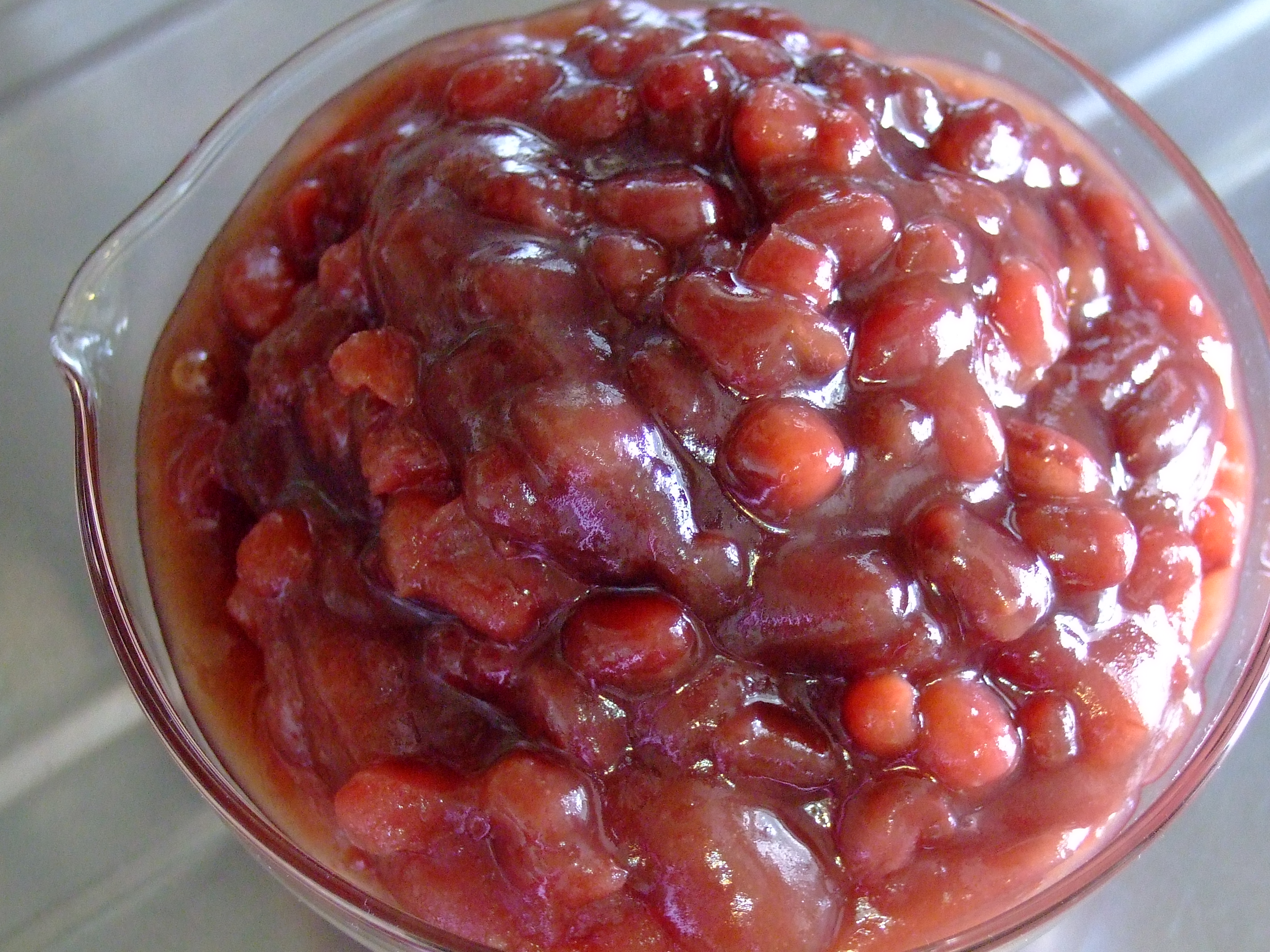
In Korea, red beans and salt often take the lead when an apartment still echoes and no sofa has touched the floor. Small handfuls of beans may be tossed into corners or left in bowls near the entrance, drawing on an old belief that wandering spirits dislike their sharp, fiery energy and will move along rather than linger. A pinch of salt scattered at thresholds adds another layer of protection. When the last grain falls, many people say the air feels lighter, as if the building itself has exhaled. It is a gentle way of saying that whatever sorrow or strain lived there before does not get to stay.
Smashing A Pomegranate At The Front Door
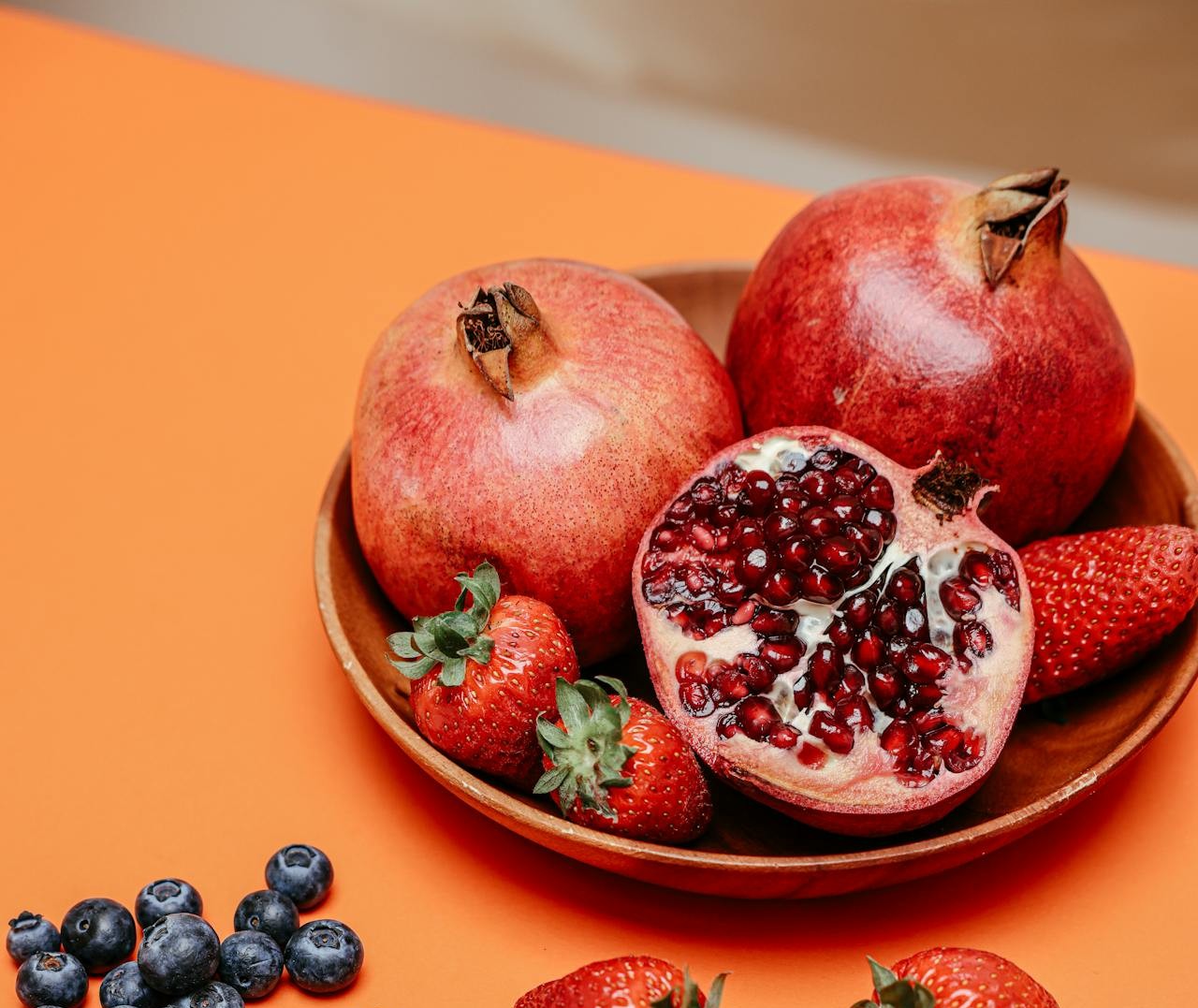
Across Greece and parts of Turkey, a pomegranate often meets the front door before any box does, heavy with seeds and expectation. On a chosen day, a family member stands at the threshold and throws the fruit so it bursts open, spraying red seeds and juice across the floor. Each scattered seed is treated as a symbol of luck, health, and wealth, turning the sticky mess into a quiet promise. The sharp crack and sweet smell often stay in memory as the moment the house truly woke up. Guests who arrive later may still hear the story told with pride, as if that single fruit personally approved the future unfolding there.
Carrying Bread And Salt Into The House
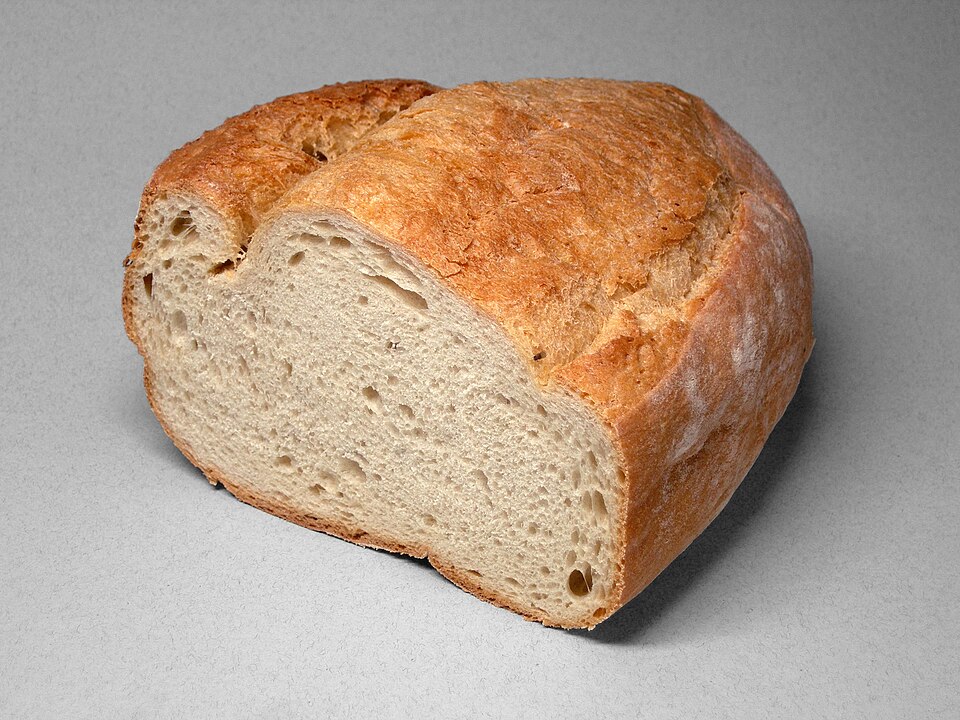
In many Jewish and Eastern European households, stepping into a new home with bread and salt in hand feels almost as necessary as having the keys. Bread stands for simple sustenance, a wish that no one under that roof ever faces real hunger, while its warm smell calms nerves frayed by paperwork and packing. Salt brings flavor and preservation, guarding the household from dull routine as much as from spiritual decay. That first loaf on a bare table often becomes the quiet starting point of the family story in that place. People remember it long after paint colors and furniture trends have changed.
Leaving The Old Broom Behind
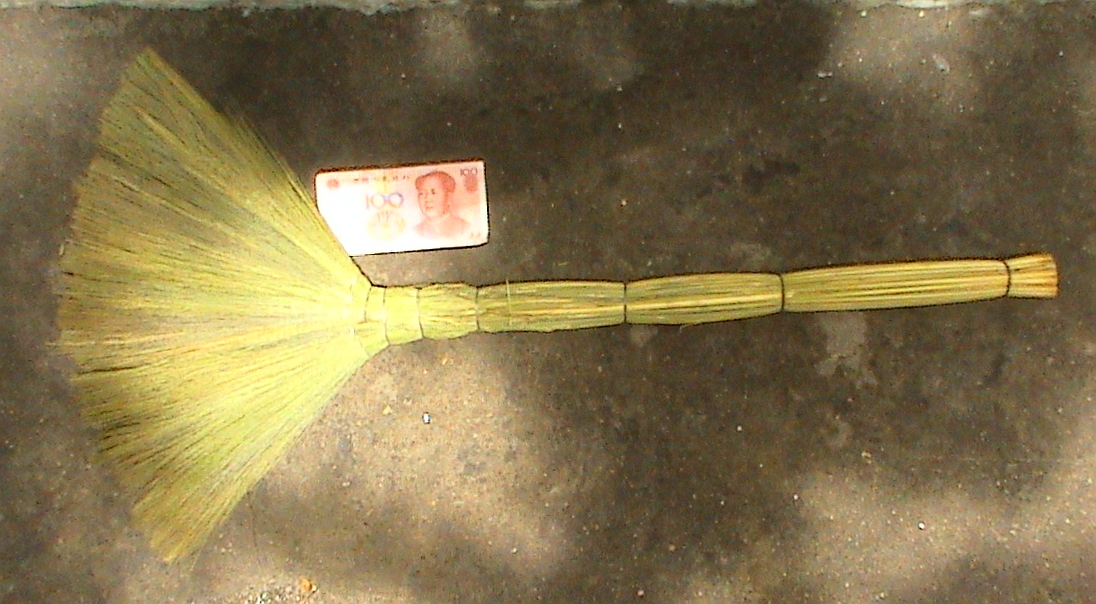
From old American folklore to modern feng shui advice, one rule repeats with surprising firmness when people move: leave the old broom behind. The idea is simple and oddly poetic. Bristles that swept up years of arguments, illness, and quiet disappointments should not drag those stories across fresh floors and pale new walls. Buying a new broom for move in day turns ordinary cleaning into a symbolic reset. Even skeptics often keep this custom, feeling that some part of the past is better left unswept into the future. It is a small purchase that quietly marks the choice to start speaking differently inside these rooms.