Childhood often tasted like corner stores, jingles, and foil that crinkled in homeroom. Some sweets burned bright, then vanished, leaving behind after school trades and Saturday matinee sugar rushes. Remembering them is less about ingredients and more about moments. Ballpark giveaways, mall arcades, and lunch tables turned wrappers into keepsakes. The brands that disappeared still echo through nostalgia because they felt personal. They were shared, saved, and swapped. The flavors faded. The feelings stayed.
Reggie! Bar The Baseball Legend’s Sweet Legacy
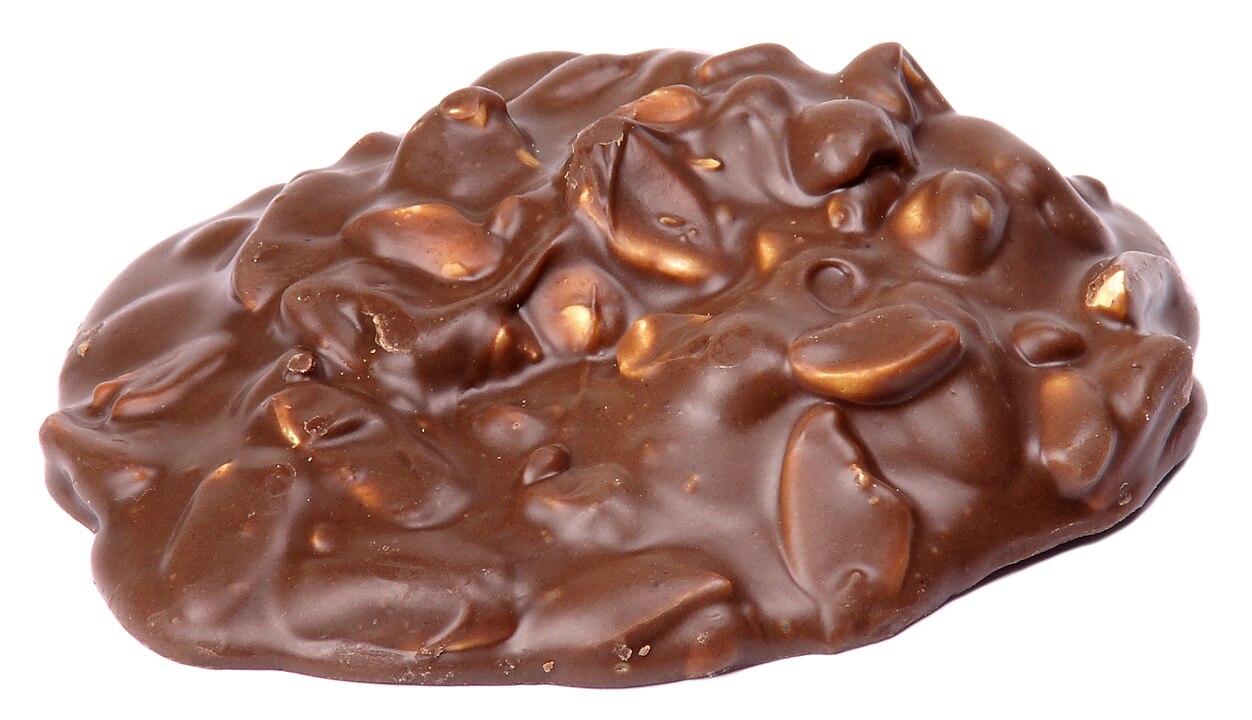
Introduced in 1978 and named for Reggie Jackson, this caramel and peanut bar felt like a souvenir of swagger. Stadium promotions and TV spots made buying one feel like joining a fan club. Under the milk chocolate shell was a satisfying crunch that earned loyalists well into the early eighties. Limited runs kept demand high, and unopened bars became collectibles. For many, the orange wrapper recalls floodlit nights, home run replays, and a city that loved a show.
Bonkers The Fruit Candy That Hit You Over the Head
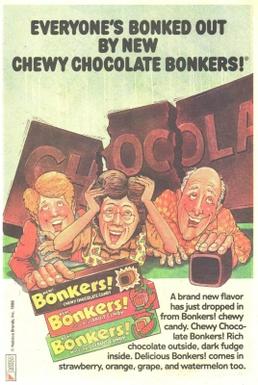
Bonkers arrived in the eighties with chewy fruit centers wrapped in a pale vanilla shell. The texture landed between taffy and gum, delivering quick bursts of cherry, grape, and more. Ads turned the name into a joke people repeated at recess, and the bright packaging looked like it belonged with toys. Trades happened fast because a pack was easy to split. It was quirky and shareable, and once the commercials lodged in memory, the candy felt bigger than a snack.
Butterfinger BB’s The Bite Sized Disaster
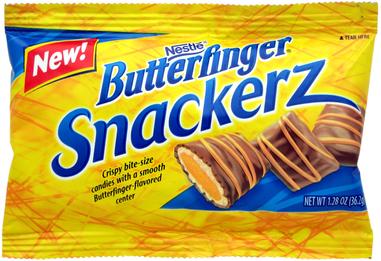
Launched in 1992, BB’s shrank Butterfinger into poppable spheres with a crispy peanut butter core under chocolate. Movie nights and bus rides loved the format, even if car seats did not. They tasted exactly like the bar, only messier, which became part of the story. Fingers, pockets, and cup holders paid the price, yet the craving won. BB’s became a cult favorite precisely because the experience was imperfect. People remember the flavor and laugh about the cleanup that followed.
Seven Up Bar The Multi Flavor Marvel
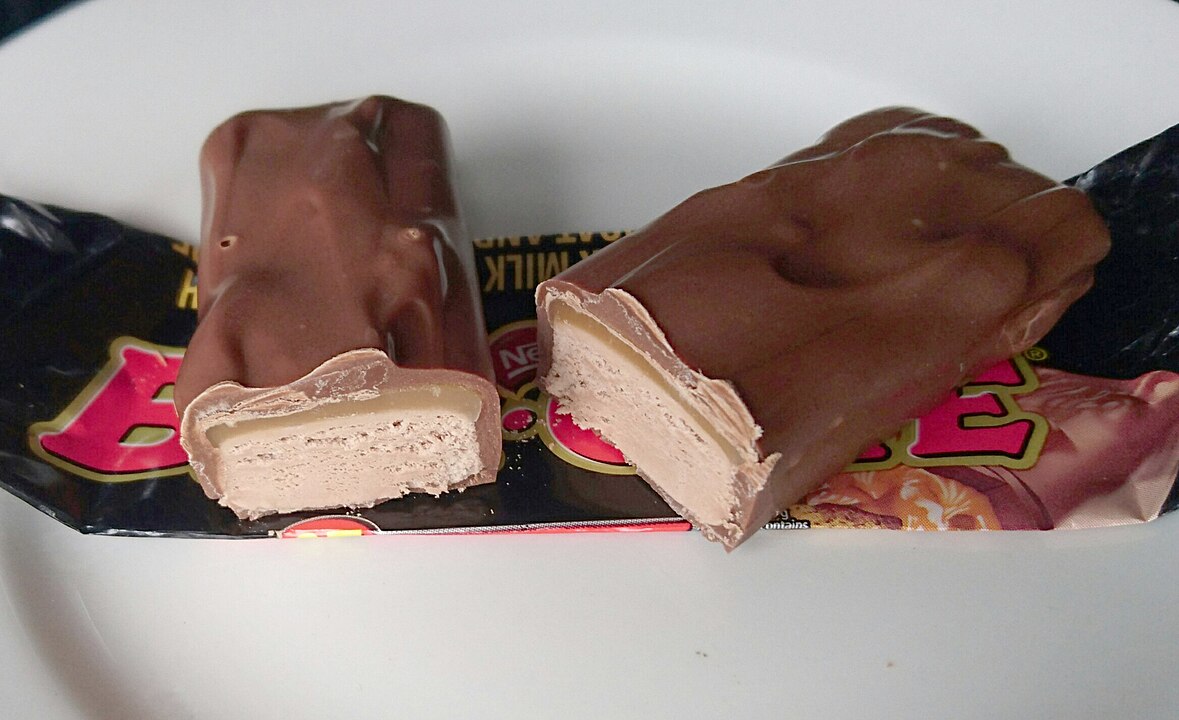
Pearson’s segmented chocolate from the 1930s packed seven fillings into one wrapper. Caramel, cherry, brazil nut, buttercream, mint, and nougat turned each square into a reveal. Before limited editions became routine, it offered a ready made tasting flight. Novelty won hearts, but complexity made it hard to keep on shelves. Ask anyone who tried it and they recall picking a square like drawing a card, then passing the bar around. It was candy as conversation and a small engineering trick.
Wonka Bar Charlies Dream Meets Reality
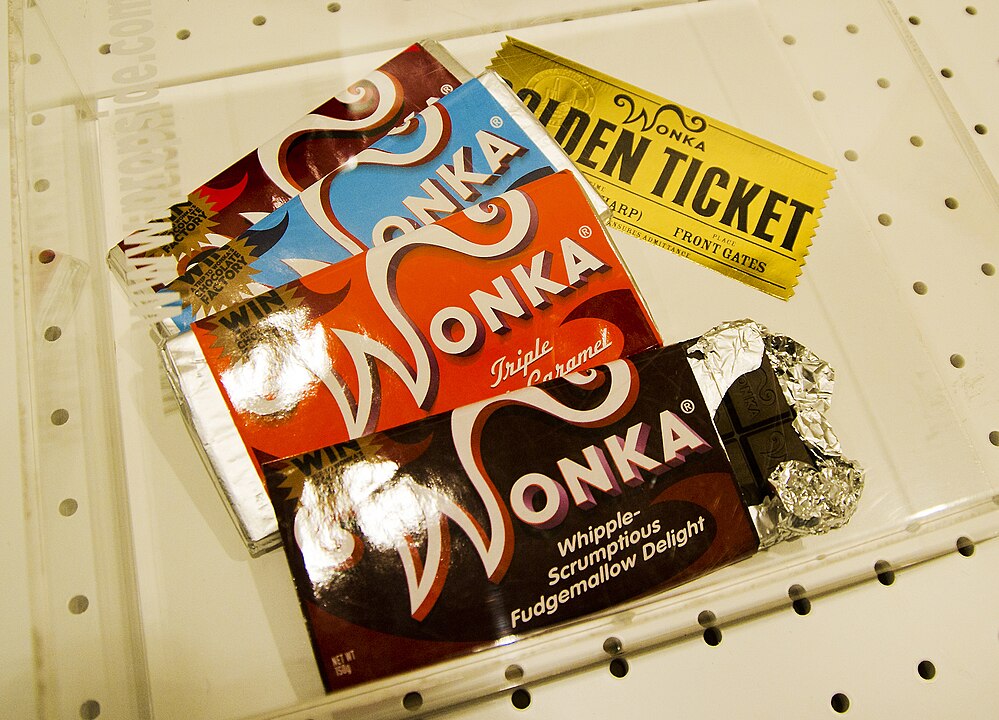
Revived in the late eighties and boosted by a 2005 Golden Ticket campaign, the bar turned checkout lanes into film sets. Kids scanned wrappers and imagined studio lights in fluorescent aisles. Making fiction taste magical is tougher than a promotion, and tie ins fade when the buzz cools. Still, the purple wrapper carried possibility. For a moment, ordinary afternoons felt enchanted. Even after the push ended, the memory of opening a ticket hunt stayed sweet and strangely cinematic.
Marathon Bar The Eight Inch Braided Giant
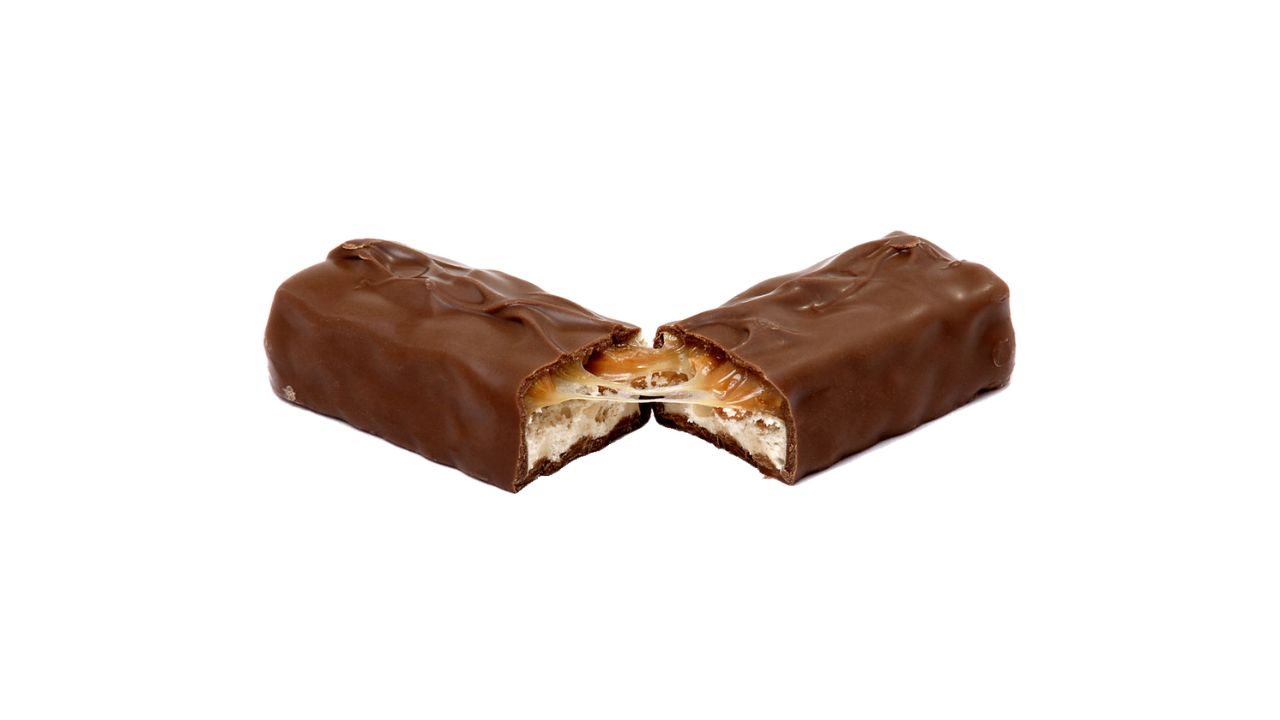
Long, braided caramel under milk chocolate leaned into spectacle, stretching a full eight inches. Through the late seventies and up to 1981, it rewarded patience and strong jaws. Fans remember the printed ruler as much as the flavor because it turned length into theater. Finishing one felt like winning a small, silly race. The bar bowed out after eight years, then grew into legend. Nostalgia keeps requesting a return, proof that sometimes size is not a gimmick but part of the pleasure.
NECCO Wafers America’s Oldest Maker Stumbles
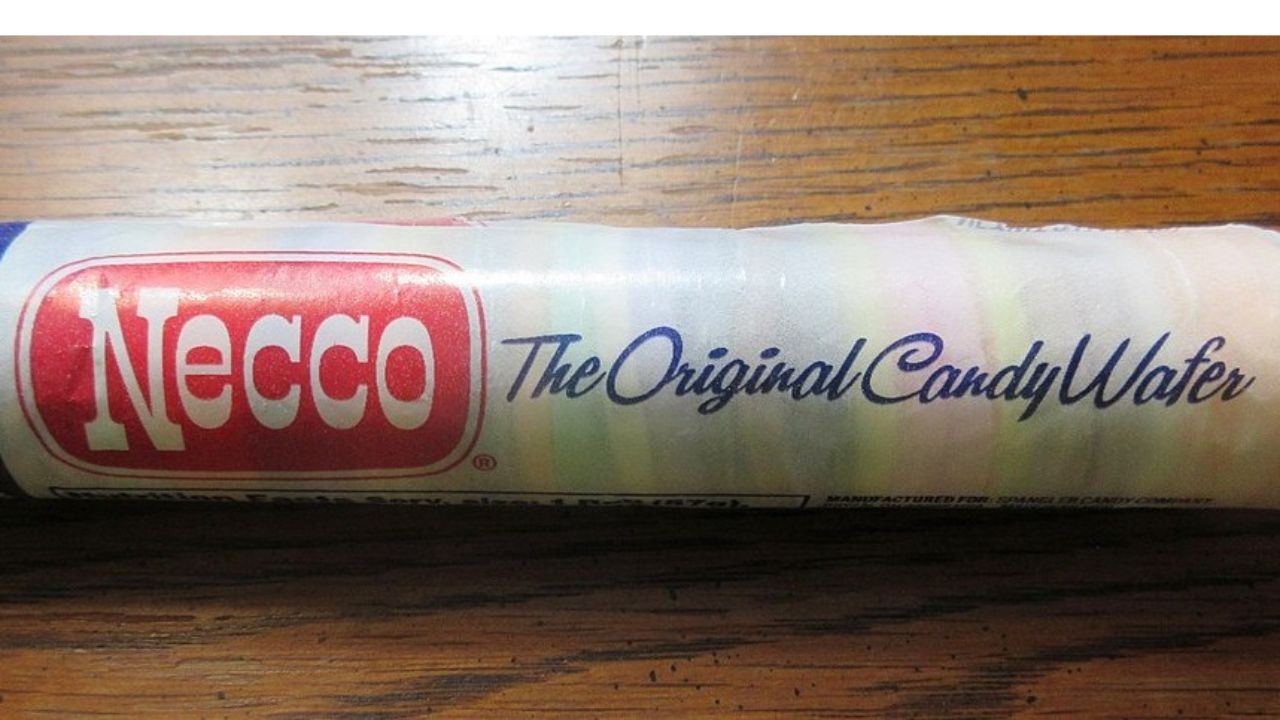
With roots to the 1840s, NECCO carried pastel wafers across generations and divided taste buds along the way. In May 2018, sanitation findings and a sale led to an abrupt shutdown in Revere, ending continuous production. Beloved lines later found lifeboats, with Spangler restoring wafers and Sweethearts. The pause broke a historic run and showed how heritage needs clean floors, not only fondness. The roll’s muted rainbow still sits in glove compartment memory, reliable, chalky, and oddly comforting.
PB Max The Peanut Butter Favorite That Vanished
Debuting in 1989, PB Max stacked creamy peanut butter on a sturdy whole grain cookie, then covered it in chocolate. The square edges and crunchy bits made a convincing case for peanut butter supremacy. Offices and dorms stocked it, and loyalty formed fast. Then it disappeared despite strong sales, which turned curiosity into devotion. Fans still describe the snap and the salty sweet balance like a recipe they cannot quite recreate. Absence made a good bar feel mythic.