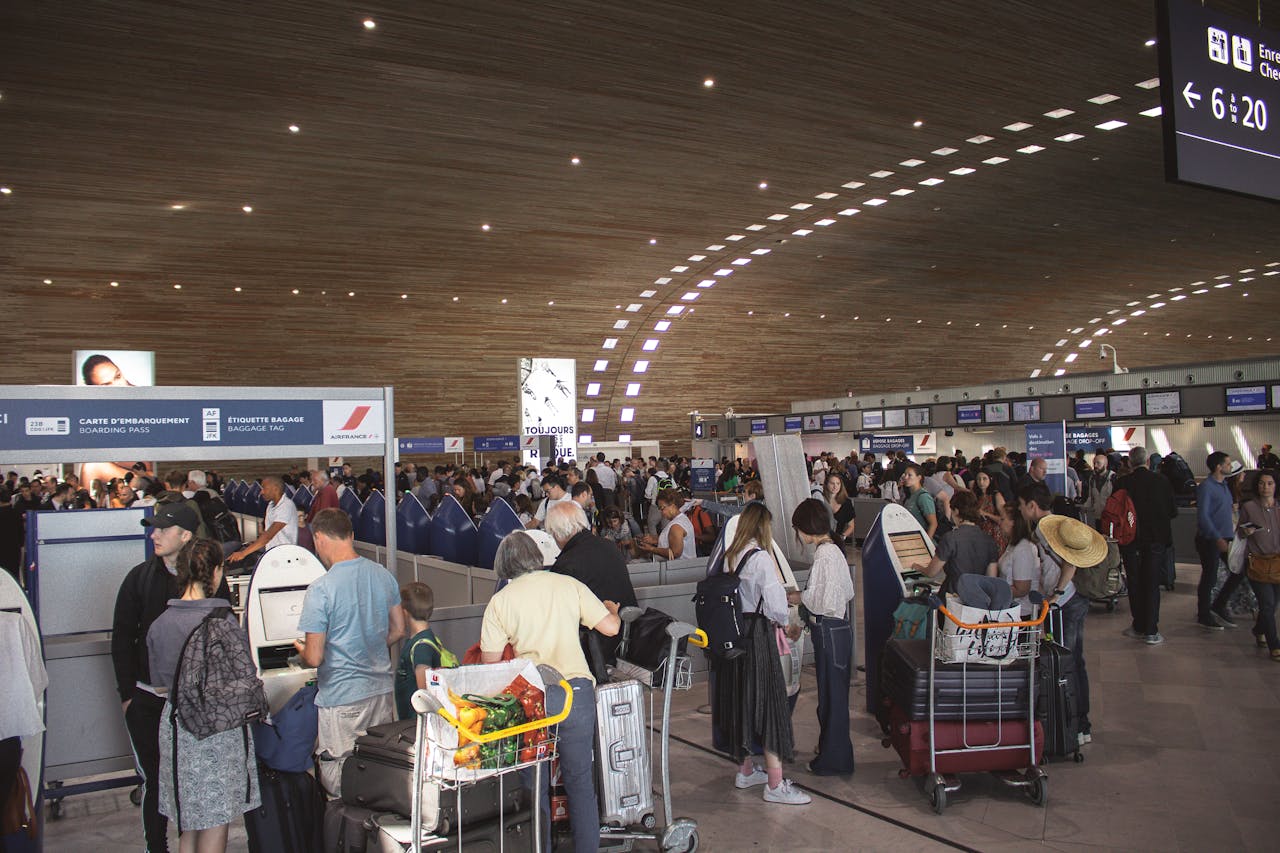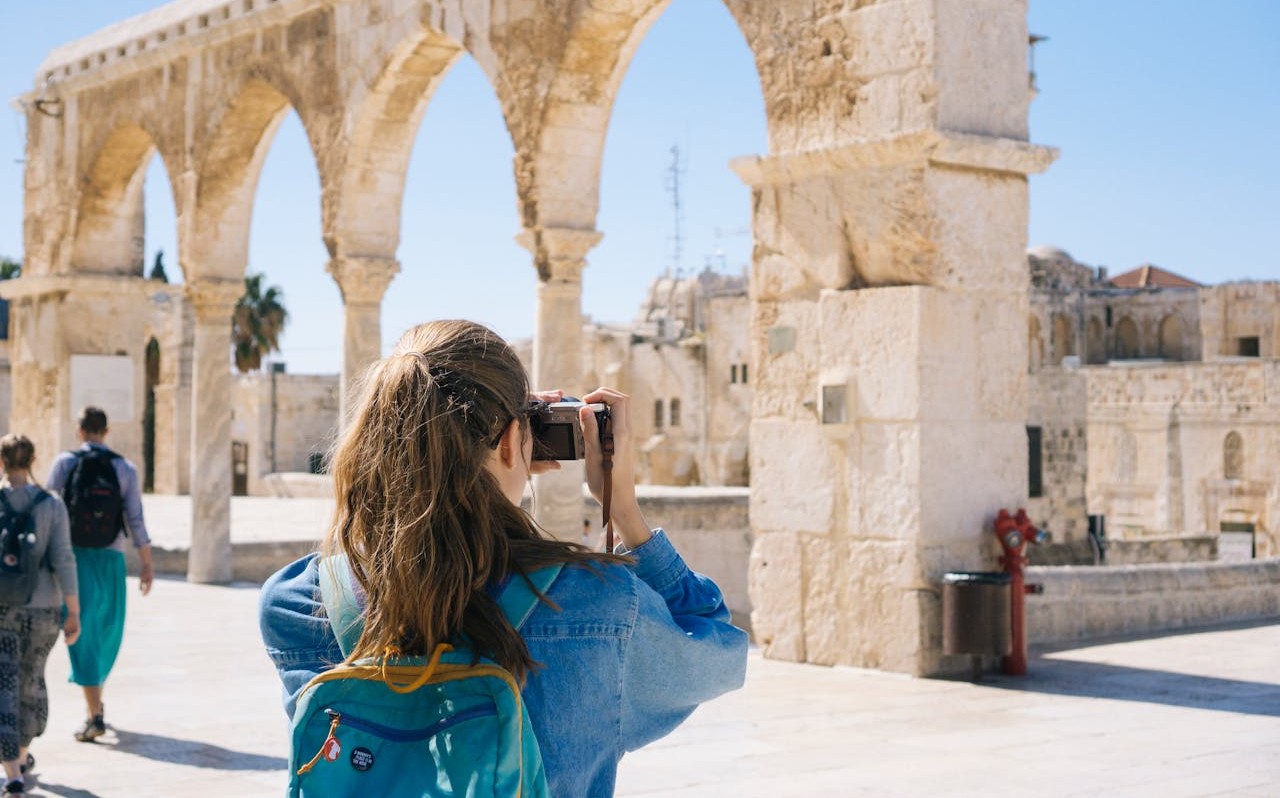
Travel now moves at the speed of a phone swipe, yet some of the most striking places on Earth insist on no photos at all. Their rules can surprise even seasoned travelers. Sometimes the concern is fragile artwork or sacred ritual, sometimes national security or copyright law. What stays constant is a belief that not everything belongs on a screen. In these spaces, visitors enter rooms where attention matters more than documentation and memory becomes the only allowed archive.
Grand Mosques Of Mecca And Medina, Saudi Arabia
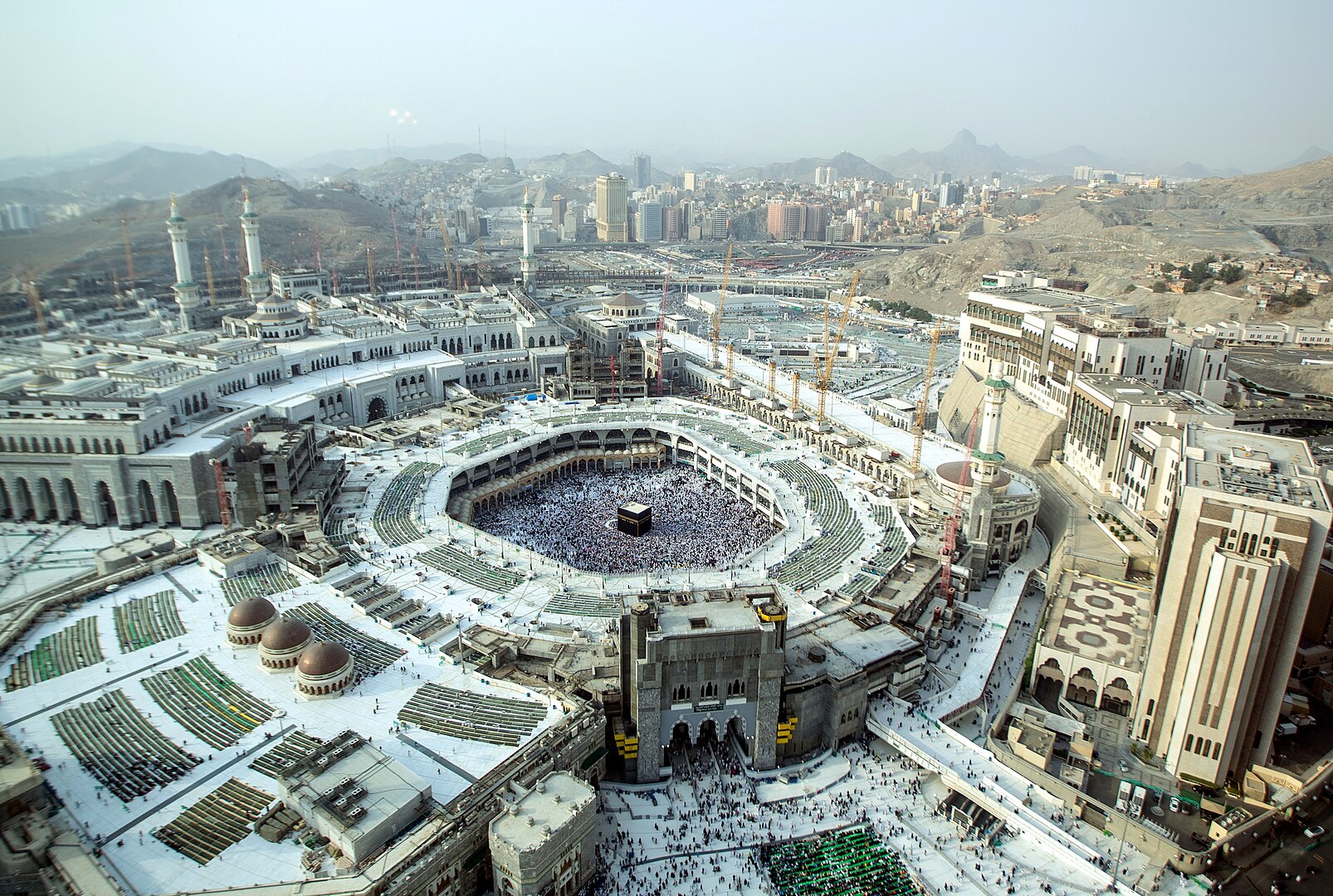
In Mecca’s Masjid al Haram and Medina’s Prophet’s Mosque, photo rules have tightened as worshipers turned sacred moments into social media. Authorities have at times banned photography in key areas, instructing staff to stop people recording crowded prayers and personal rituals. The goal is to protect privacy and restore focus. Pilgrims still arrive with cameras, but inside the holiest zones the expectation stays clear that worship always outranks documentation.
Sistine Chapel, Vatican City
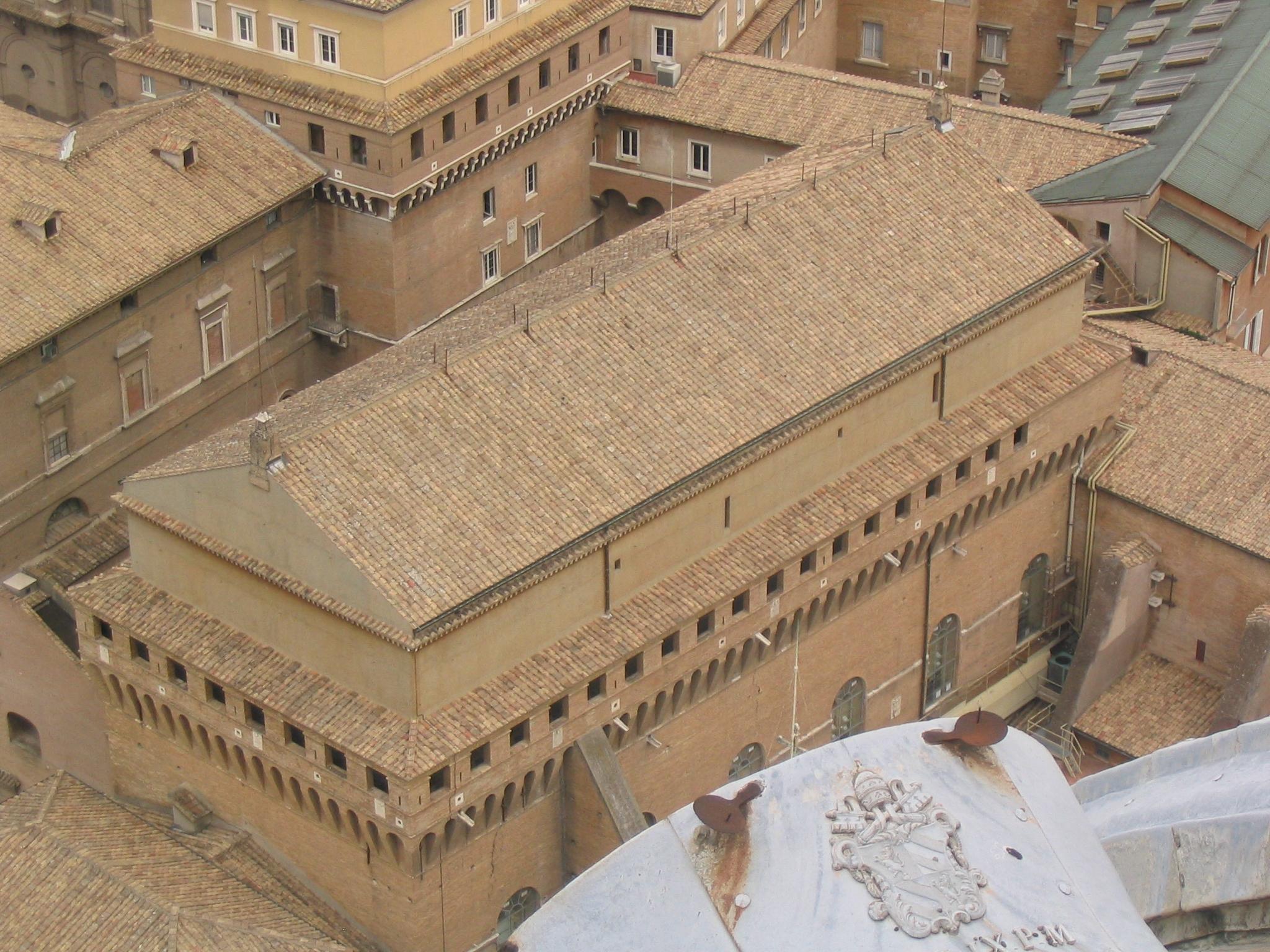
At the Vatican’s Sistine Chapel, guards watch for phones as closely as they watch the crowds. Photography and video are banned inside to protect the frescoes and keep the space anchored in prayer, not performance. Staff step in fast when a screen appears, and repeat offenders can be escorted out. The lack of cameras leaves visitors to stand shoulder to shoulder, necks tilted back, realizing that some ceilings are meant to be remembered instead of archived.
Taj Mahal’s Inner Mausoleum, India
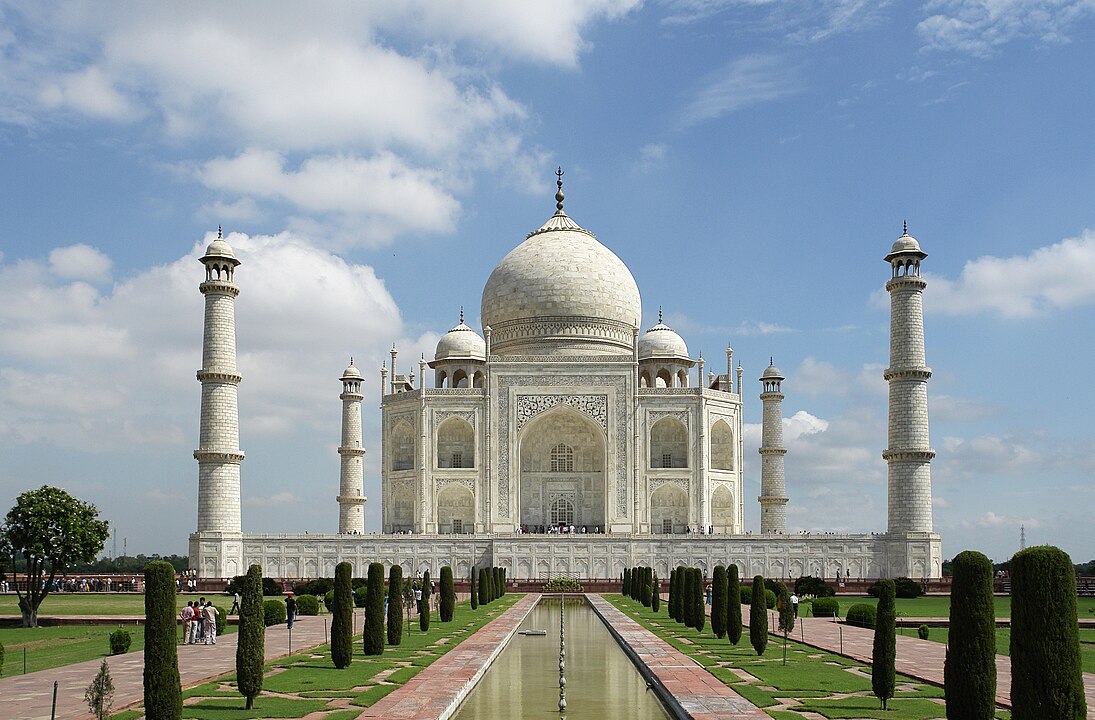
Marble paths around the Taj Mahal invite every possible photo, but the rules change inside the main tomb chamber. Photography is strictly forbidden near the cenotaphs, both to shield delicate inlay work and to preserve a sense of reverence. Guards remind visitors to lower phones and keep moving, even when whispers echo in the cool interior. Outside, images of the famous facade feel endless, while the most intimate space remains undocumented, held apart from the global stream of images.
Valley Of The Kings Tombs, Egypt
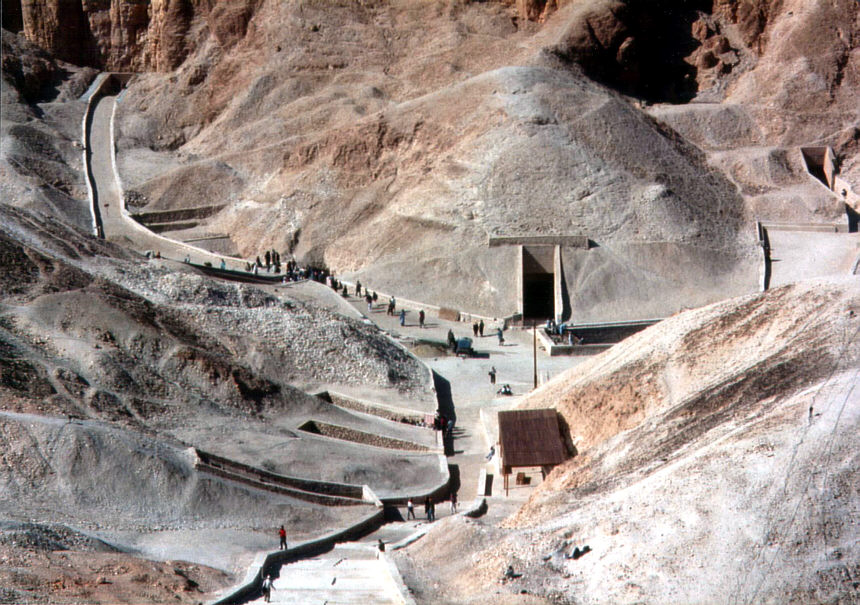
In Luxor’s Valley of the Kings, carved corridors plunge into the hill, glowing with painted gods and hieroglyphs. Many tombs either ban photography outright or allow it only with special permits and strict limits. Officials worry about extra heat and light from constant shooting, along with crowding at narrow choke points. Guides often become referees, asking travelers to enjoy the artwork first, then exit before anyone can sneak in a hurried flash along the ancient walls.
Kumsusan Palace Of The Sun, North Korea
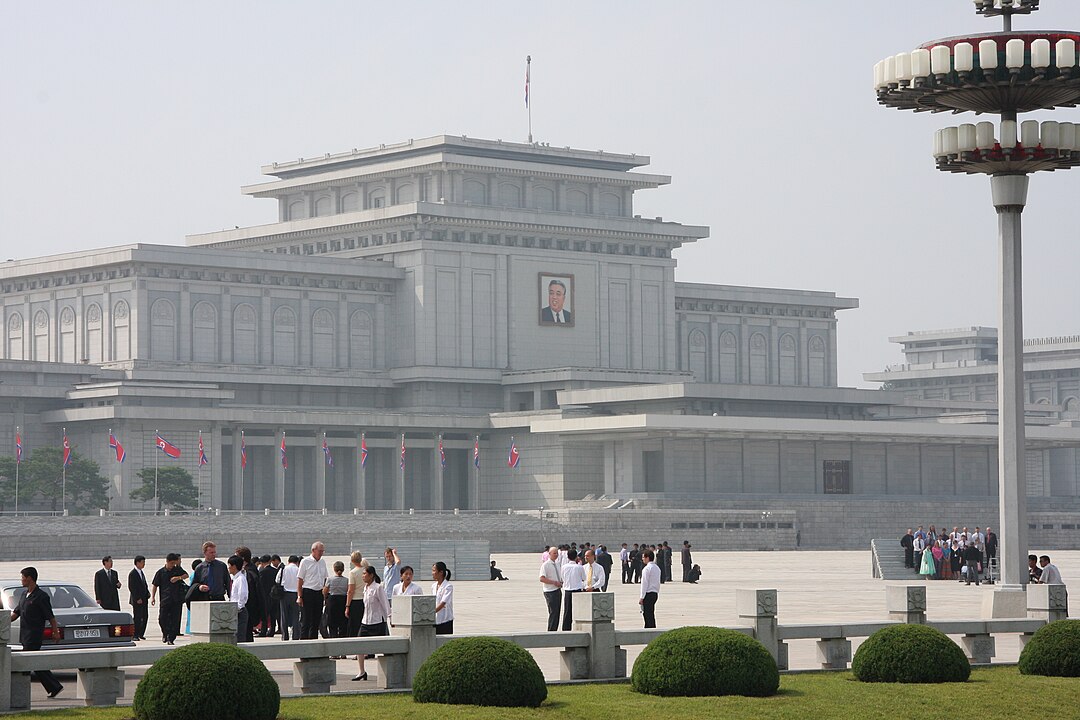
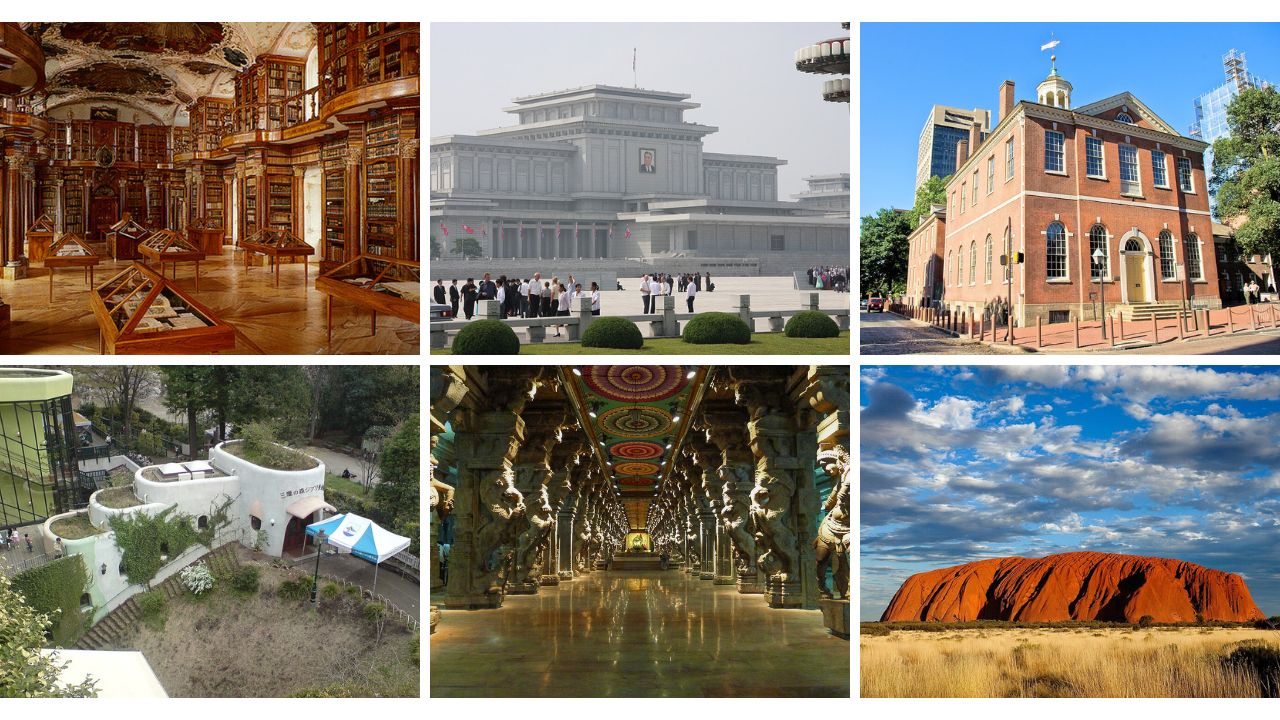
Kumsusan Palace of the Sun functions as both mausoleum and political stage, and cameras are treated as potential threats. Visitors surrender devices before entering, walk along prescribed routes, and pass through checkpoints watched by uniformed staff. Photography inside is banned, and even outside angles feel controlled. The visit is tightly choreographed, with bowed heads, polished marble, official portraits, and no chance to document the moment beyond whatever details stay in memory.
Jewel House, Tower Of London, United Kingdom
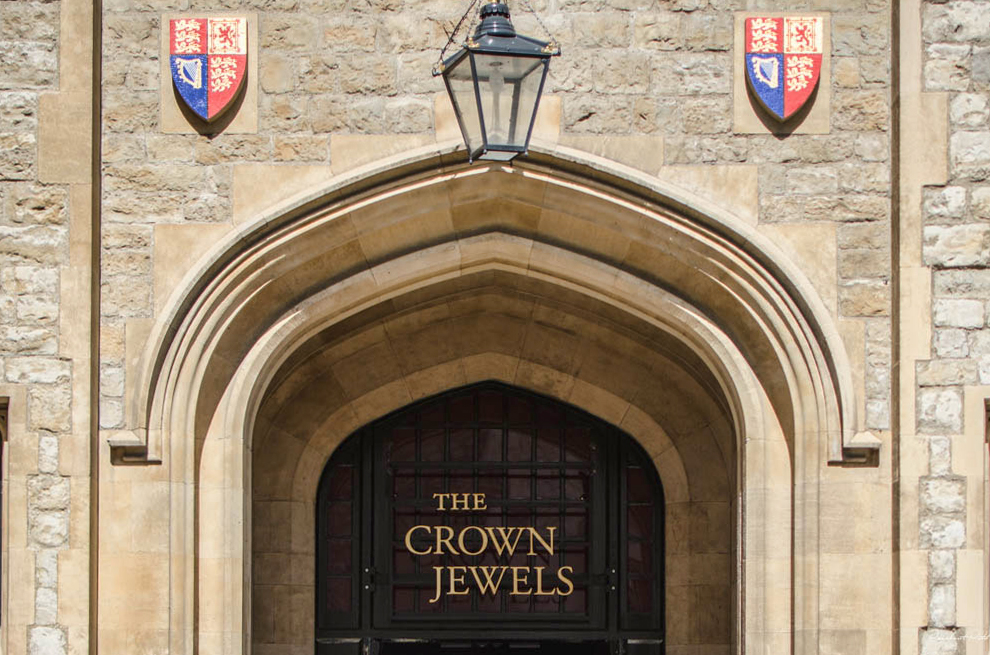
Inside the Tower of London’s Jewel House, the British Crown Jewels sit under bright lights and tighter security. Photography is not allowed in the gallery, a rule linked as much to protection and crowd control as to security details. Visitors ride a slow-moving walkway past crowns and scepters, watched by guards who quickly halt anyone lifting a camera. The ban keeps people moving, discourages detailed close ups, and leaves only impressions of glitter and history once outside.
Swaminarayan Akshardham Temple, New Delhi, India
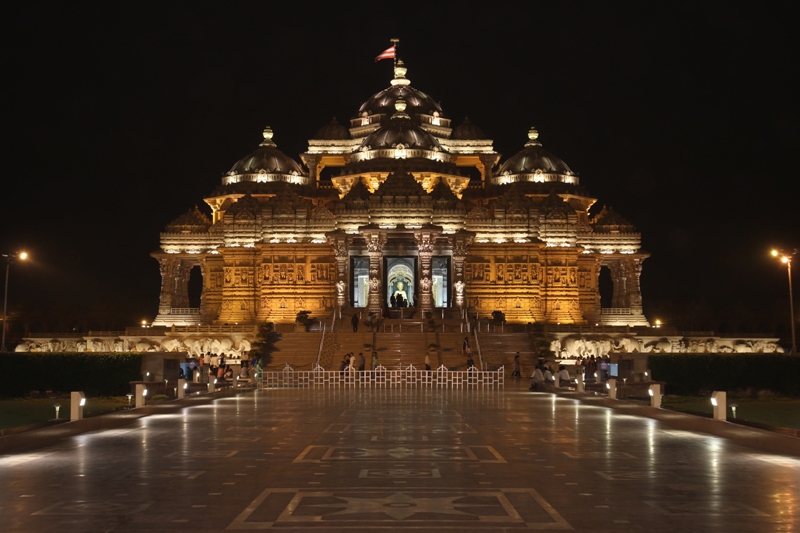
At Swaminarayan Akshardham in New Delhi, the no camera rule begins before anyone reaches the carved sandstone. Phones, tablets, and cameras are checked into lockers, leaving visitors to walk the complex with empty hands. The policy blends security concerns with a desire for device free worship. Inside, the absence of screens slows the pace, and people notice carved lotus petals, prayers, and water shows instead of watching everything through a small glowing rectangle.
Meenakshi Amman Temple, Madurai, India
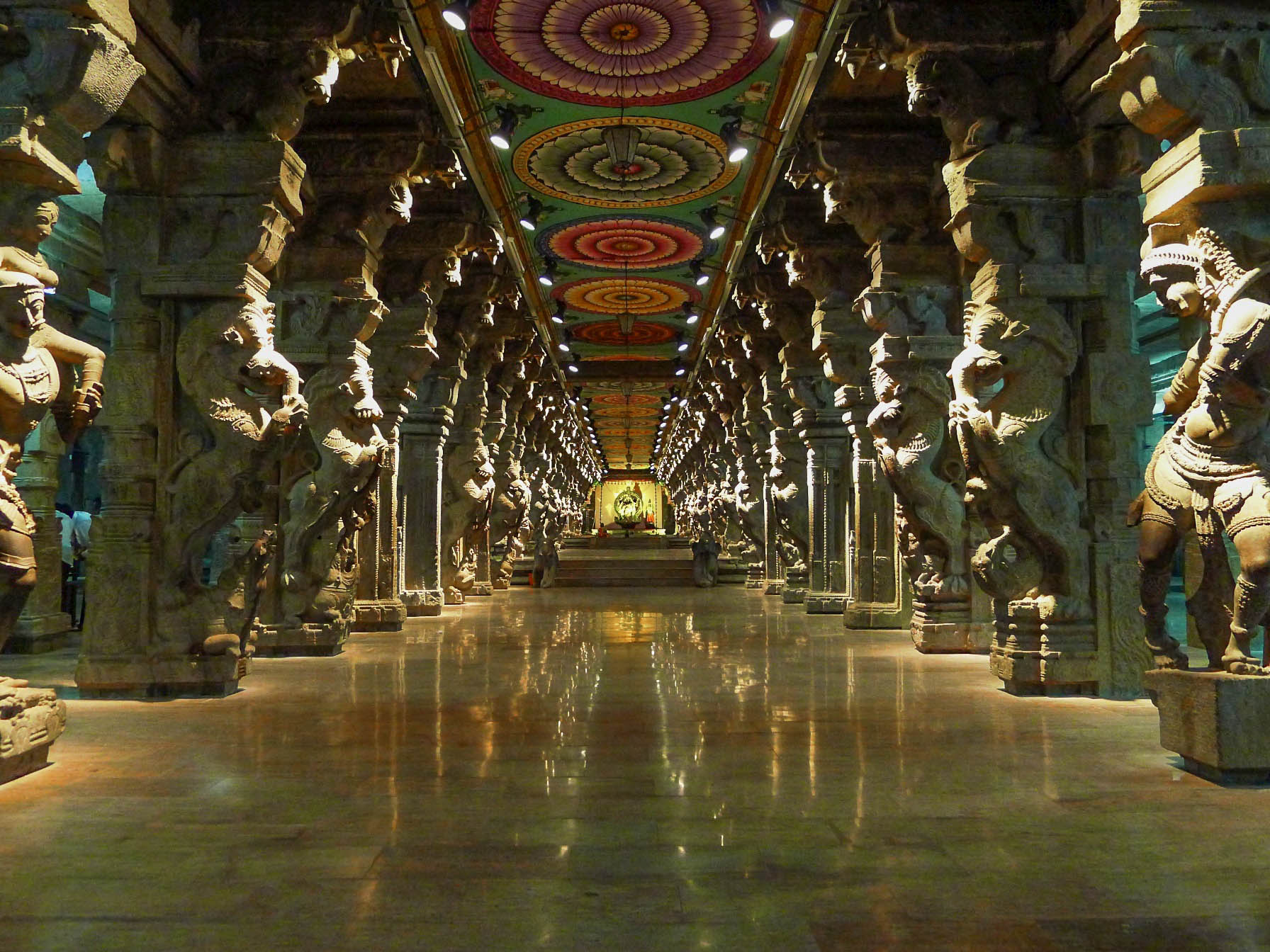
Meenakshi Amman Temple in Madurai hums with bells, incense, and moving crowds. Recent regulations sharply restricted phones and photography inside, partly in response to safety worries and fire risks. Many inner areas are now photography free, enforced at checkpoints and by watchful staff. The shift means the space feels more like an active temple than a backdrop, with pilgrims focused on offerings and stories rather than on holding still for a perfect frame.
Kashi Vishwanath Temple, Varanasi, India
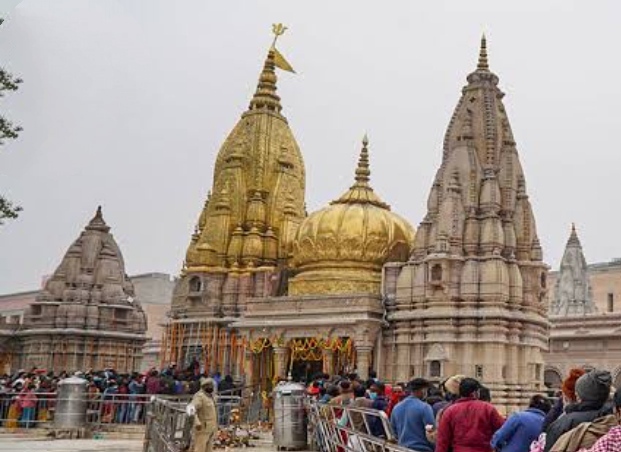
Kashi Vishwanath Temple sits just off the Ganges, wrapped in dense lanes, checkpoints, and security posts. Cameras and phones are not allowed inside the main complex, and visitors often store them in nearby lockers before passing through metal detectors. The ban reflects crowd control, past security concerns, and the desire to keep rituals from turning into content. Once inside, attention shifts toward chants, brass lamps, and the river’s pull, all experienced without the glow of any screen.
Abbey Library Of Saint Gall, Switzerland
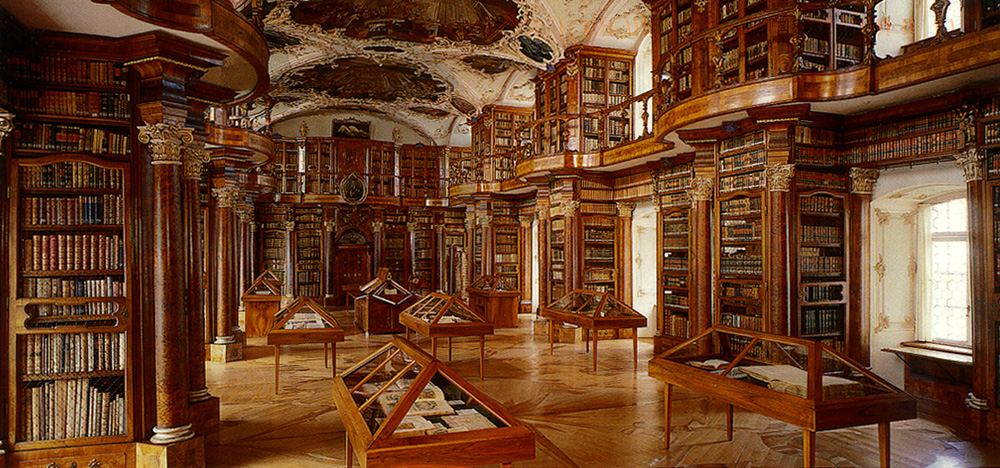
The Abbey Library of Saint Gall looks built for postcards, with curved balconies, frescoed ceilings, and ancient manuscripts. Yet photography is generally prohibited in the main hall without special permission. Staff cite concerns about preservation, crowding, and the risk of turning the room into a constant photo shoot. Visitors tuck phones away and move more slowly, taking in gilded carvings and glass cabinets while the only images created are in their own minds.
Ghibli Museum, Mitaka, Japan
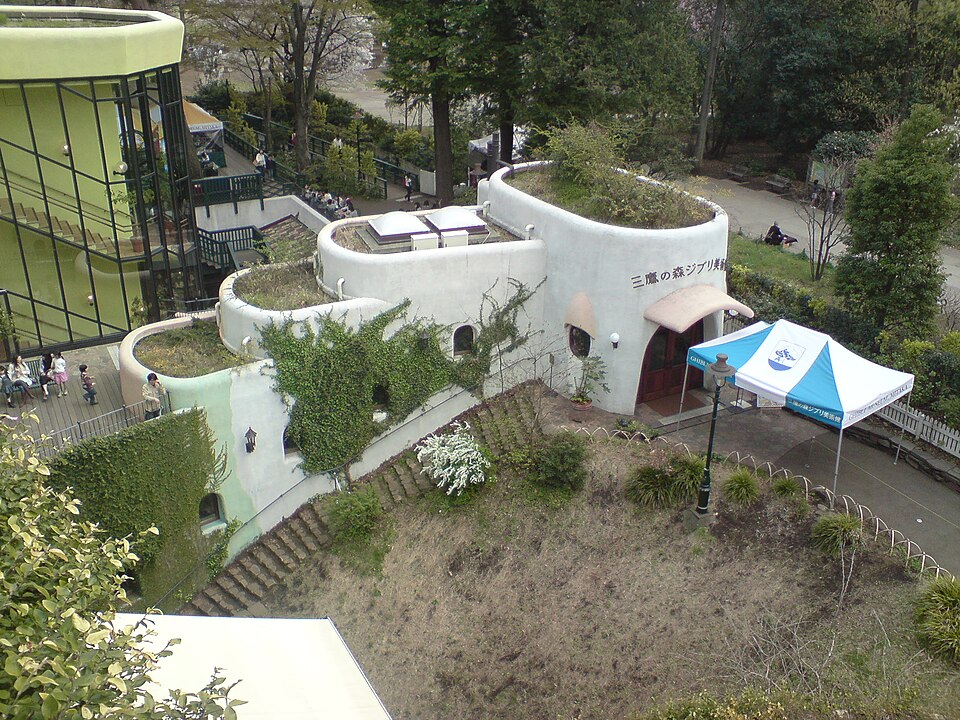
The Ghibli Museum in Mitaka treats cameras as unwanted characters in its story. From the moment visitors enter, signs and staff make it clear that photography is not allowed inside the exhibits. The rule protects fragile installations and keeps traffic flowing through tight staircases and small rooms. It also preserves a sense of surprise, since social feeds do not reveal every corner before a visit, and fans leave with sketches and mental snapshots instead.
Uluru’s Sacred Sites, Australia
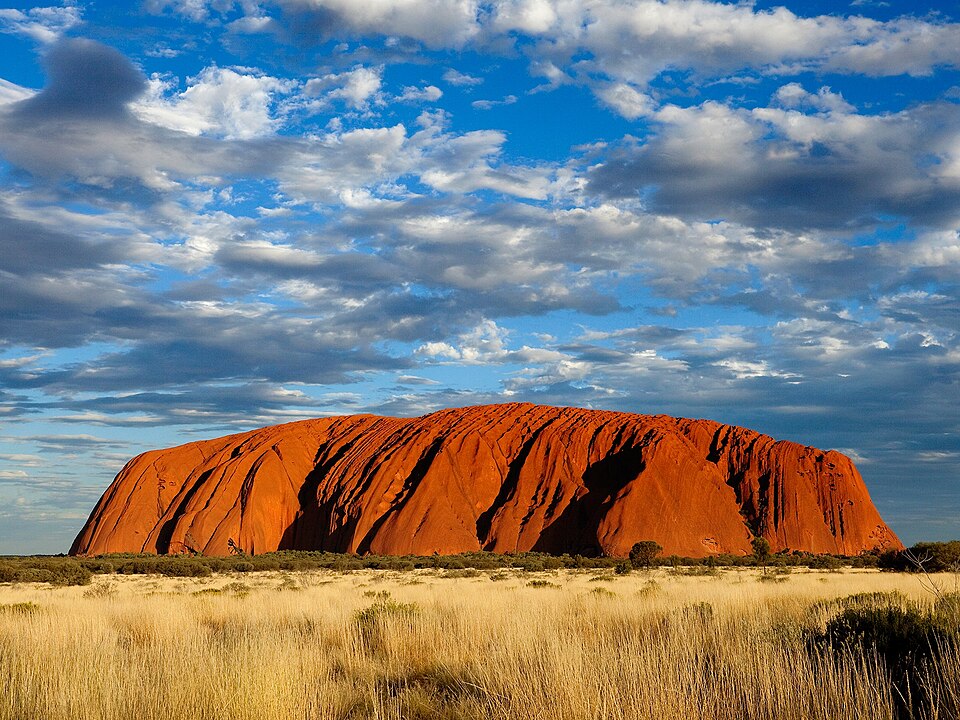
Uluru rises from the desert with angles that photographers chase from sunrise to dusk, yet not every view is permitted. Traditional owners have identified sections of the rock and nearby features as culturally sensitive, and those areas are marked as no photo zones. Rangers and signs explain the reasoning, asking visitors to lower cameras in specific directions. The restrictions do not end creativity; they redirect it, encouraging people to respect those unseen stories written into the stone.
Eiffel Tower Night Lights, France
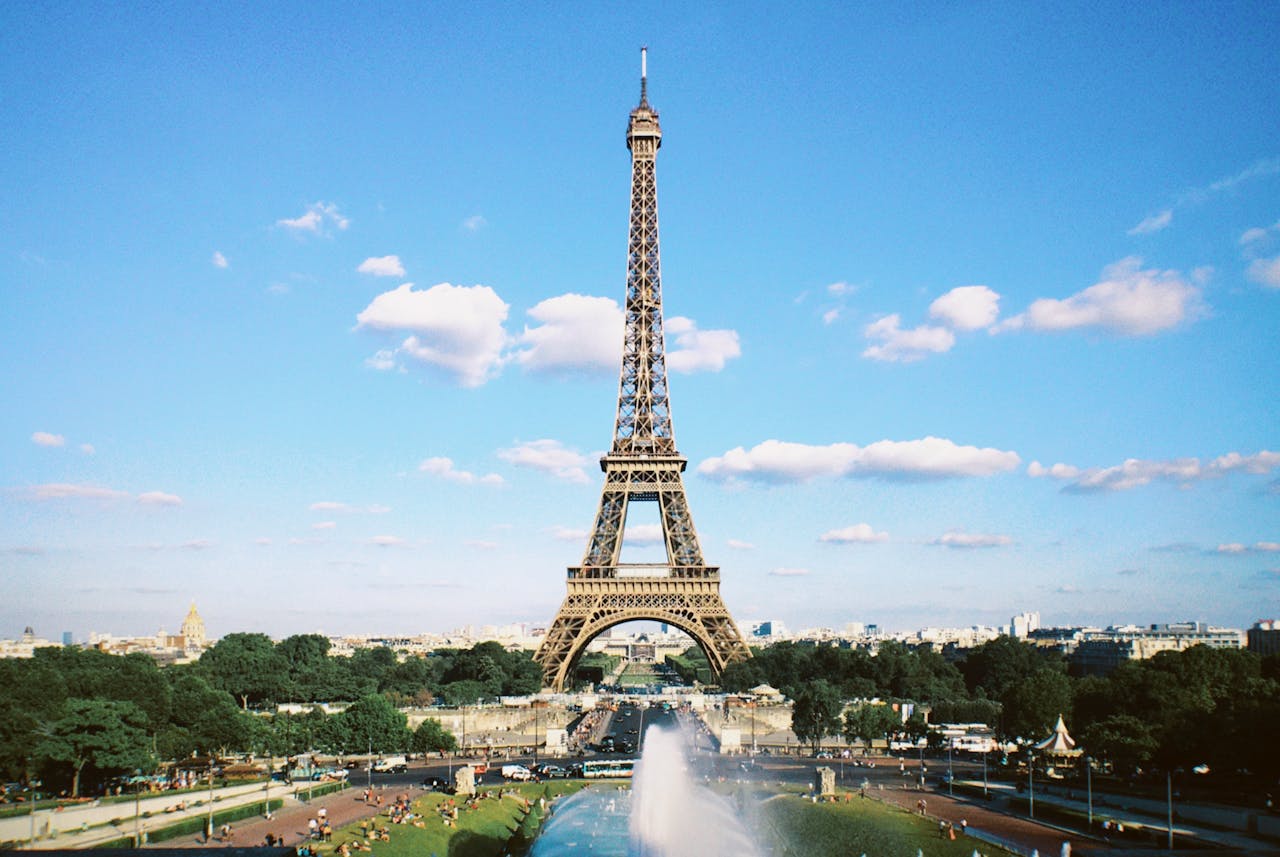
During the day, the Eiffel Tower is a straightforward subject; at night, copyright law makes things more tangled. The lighting design that illuminates the structure after dark is treated as a separate artistic work. Commercial use of photos showing the tower sparkling can require permission, which leaves some photographers cautious about how they share images. Casual visitors still snap personal shots, while professionals weigh contracts, licenses, and the risk of legal pushback.
U.S. Supreme Court Courtroom, Washington, D.C.
Inside the U.S. Supreme Court courtroom, cameras and recording devices are completely barred during sessions. The rule preserves decorum and keeps arguments focused on law, not on how someone might appear in a viral clip. Only sketch artists are allowed to render the scene visually, and their drawings become the enduring images of major cases. Visitors who attend oral arguments exit with vivid memories but no photos, a rarity in a capital city saturated with monuments and lenses.