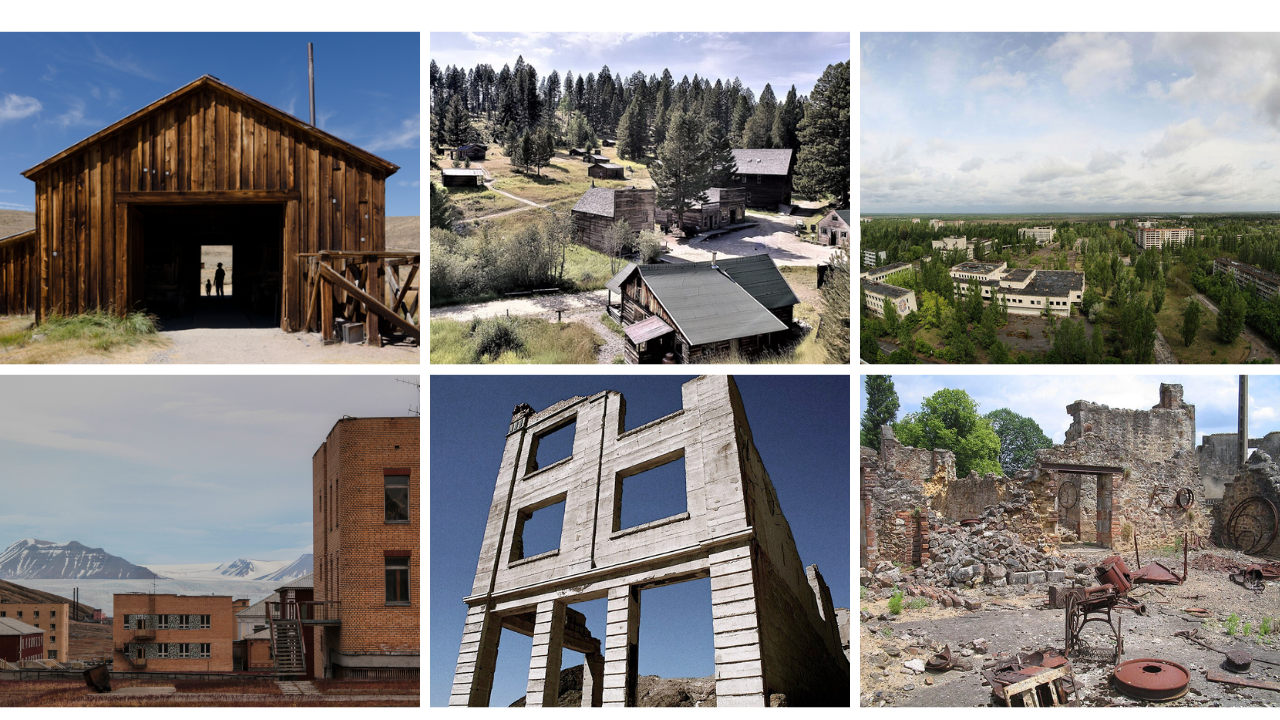
Abandoned towns tend to feel louder than they look. Wind bangs a loose door, metal creaks, and suddenly a whole vanished community seems awake again. Ghost towns capture the moment when work, weather, or war snaps a place in half and everyone leaves at once. Some have ticket booths and tour maps, others sit behind fences or patrols, strictly off limits. Together they chart how quickly human plans can dry up, and how long empty buildings keep telling the story.
Bodie, California
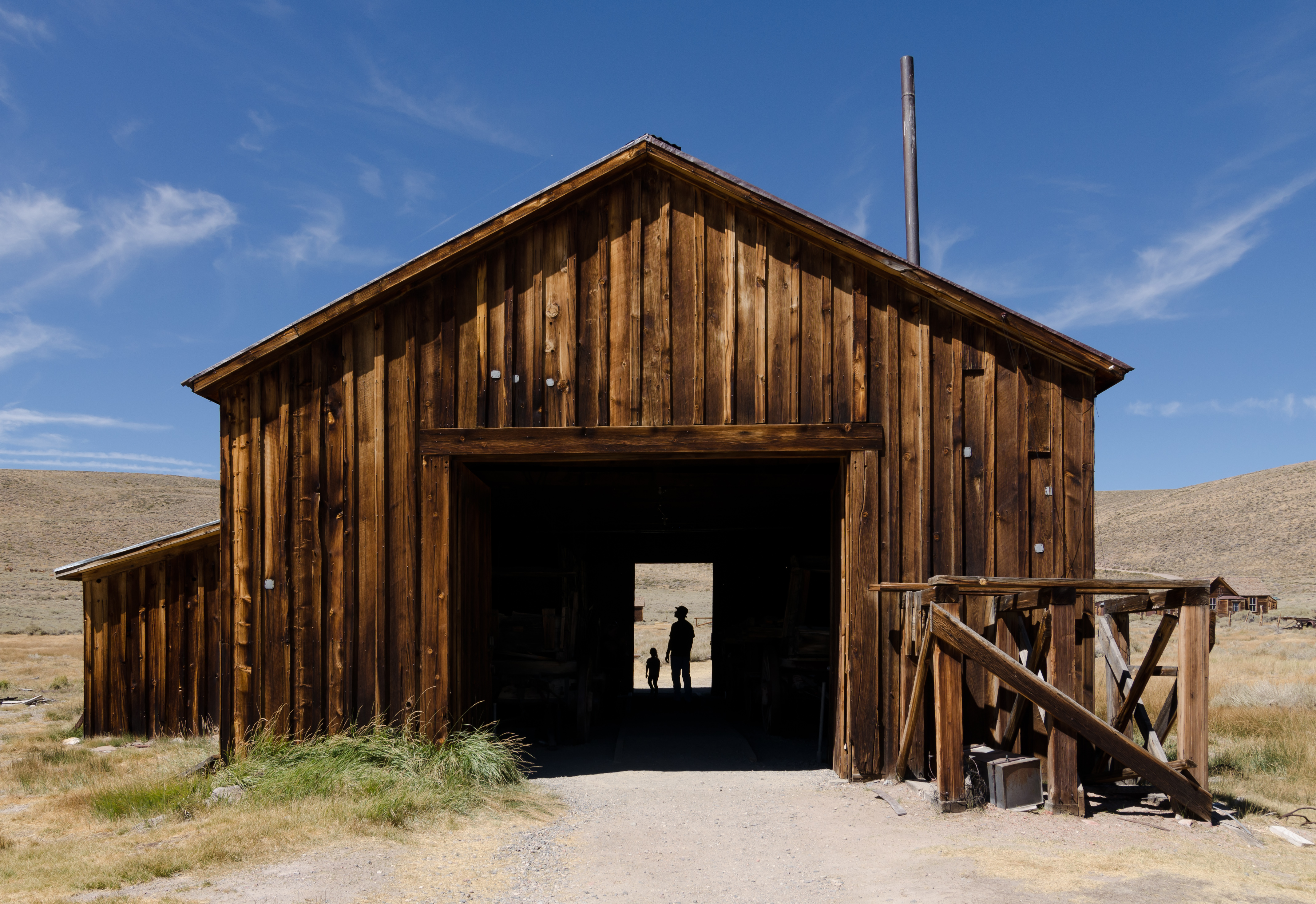
High in the Eastern Sierra, Bodie sits in a kind of carefully managed decay, as if the miners stepped out for lunch and never returned. Sunburned storefronts, a lonely church, and rusting cars still line the dirt streets. As a California State Historic Park, it welcomes visitors, but repairs are minimal so the town keeps its rough edges. Peering through dusty windows, people see plates on tables and goods on shelves, small details that make the silence feel strangely crowded.
Garnet, Montana
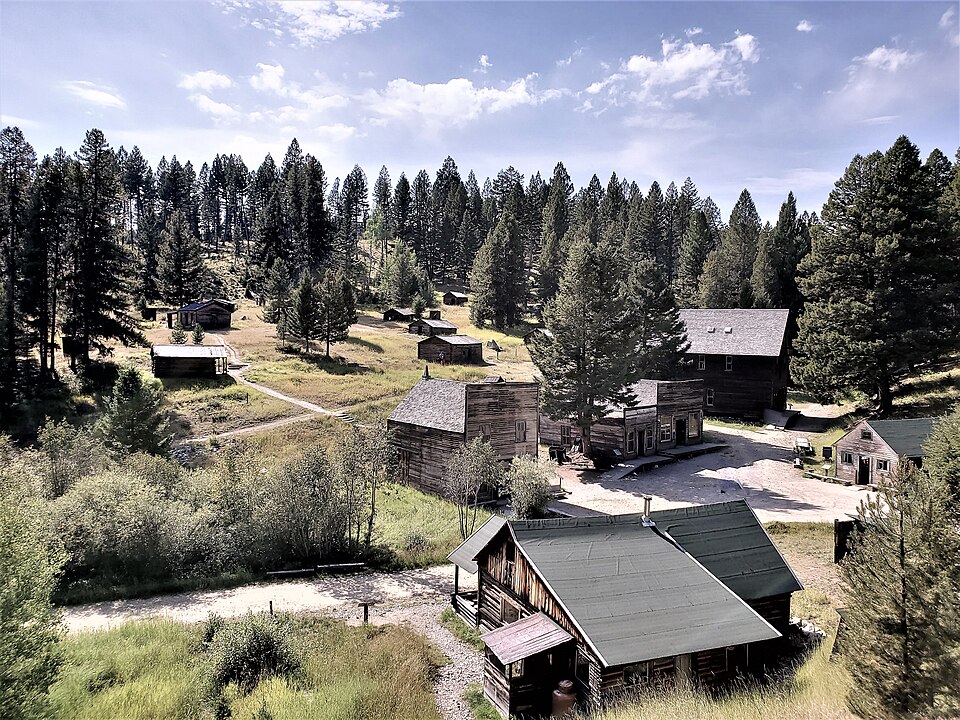
Hidden in the pine covered Garnet Range, this former gold town once buzzed with saloons, a hotel, and families trying to endure long winters. When the veins played out, residents drifted away, leaving cabins and false front shops to sag slowly into the hillside. Today the site is protected and open, with a visitor center and trails that loop through the ruins. In summer it feels like a faded frontier movie set, while in winter it turns into an almost storybook snowbound outpost.
Rhyolite, Nevada

Near the edge of Death Valley, Rhyolite rises from the desert in broken walls and empty window frames that glow at sunset. Early twentieth century investors poured money into this mining town, building multi story banks, a school, and even an opera house. The boom ended fast, and the grand buildings were stripped, leaving only shells. Travelers can drive right up to the ruins, walk the gravel paths, and see how quickly ambition can collapse in the harsh Nevada light.
Centralia, Pennsylvania
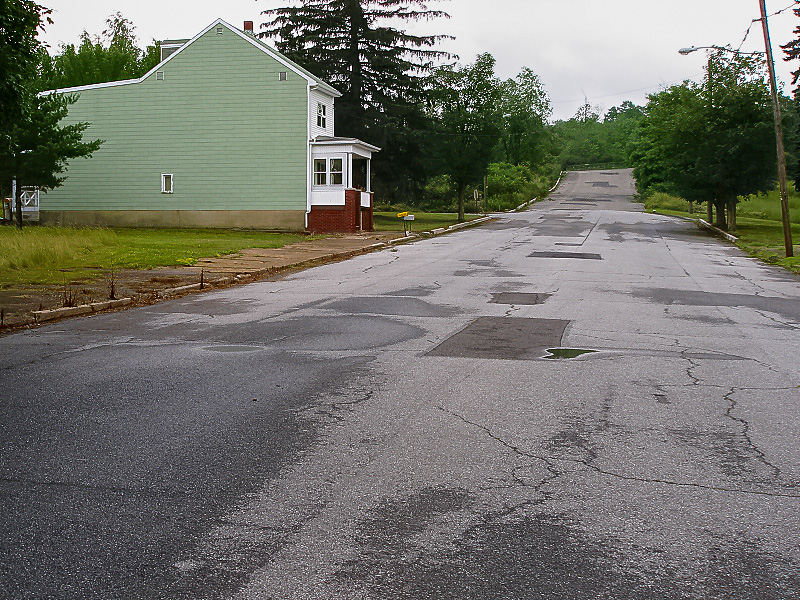
Centralia looks like a town slowly erased by a stubborn pencil. An underground coal fire that started in 1962 still burns, making the ground unstable and the air unsafe in places. Most homes were bought out and torn down, leaving dead end streets and a scattering of mailboxes with no houses behind them. Drivers still pass along the re routed highway, but only a handful of residents remain. Weeds, graffiti, and cracked pavement now mark a disaster that never announced itself with flames.
Kolmanskop, Namibia
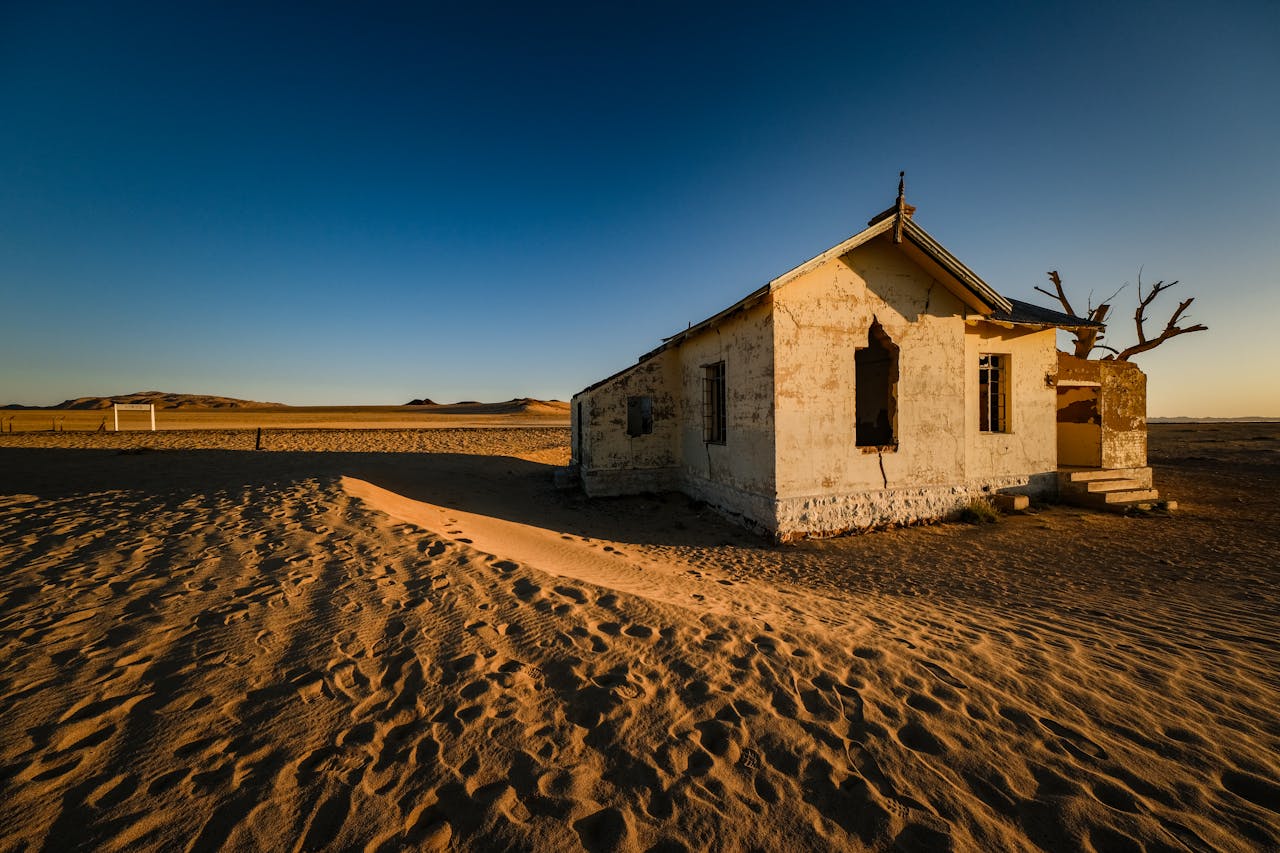
Kolmanskop sits in the Namib Desert like a mirage of European streets half eaten by sand. German colonists once flaunted diamond wealth here, with an ice factory, a hospital, and grand houses facing the dunes. When richer fields opened elsewhere, the town emptied and the desert walked back in. Wind pushes drifts through doorways and up staircases, creating rooms where only the tops of doorframes are visible. Guided visits turn each house into a strange gallery of color, light, and sand.
Kayakoy, Turkey
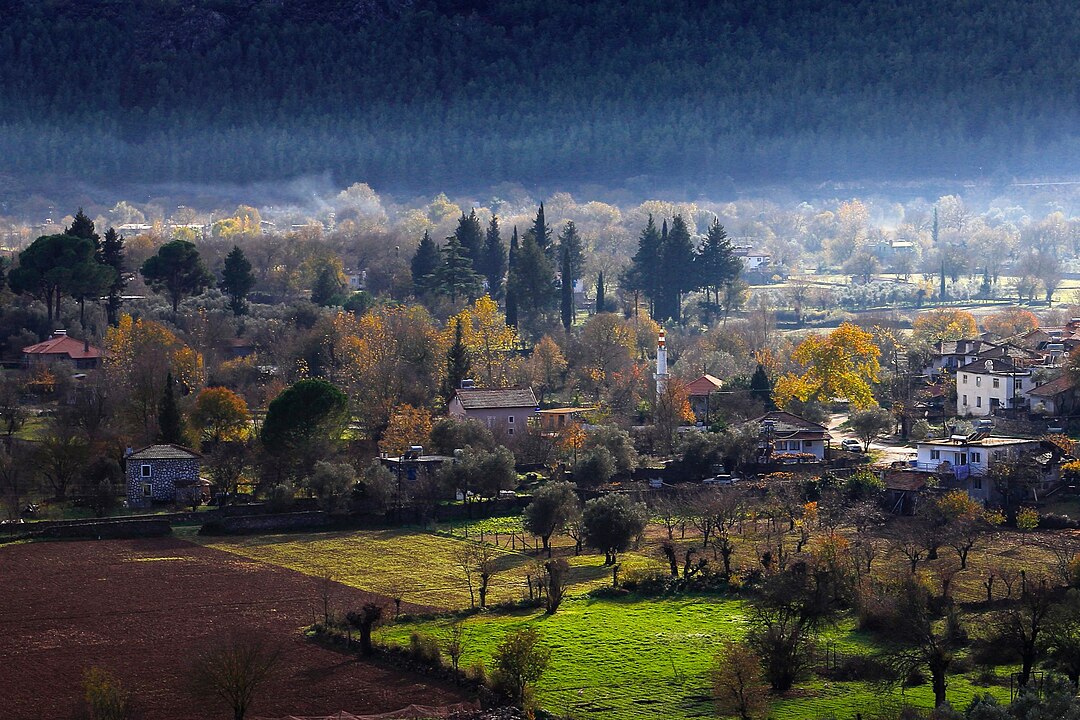
On a hillside above the Turkish coast, Kayakoy is a skeleton of stone houses and roofless churches climbing the slope. It was once a thriving Greek community, emptied after the population exchange between Greece and Turkey in the 1920s. The town was never truly re settled, and time chewed through the plaster. Now it functions as an open air museum and hiking stop, with goats grazing between walls and chapels. Each alley carries the weight of quiet departures and unfinished conversations.
Humberstone and Santa Laura, Chile
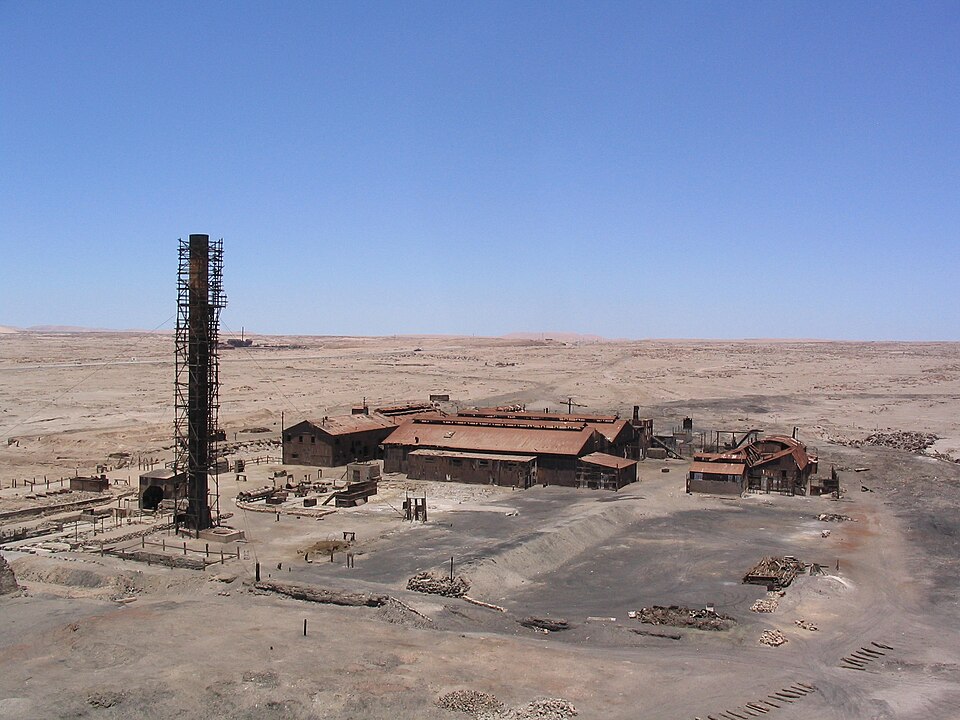
In the Atacama Desert, Humberstone and nearby Santa Laura preserve the harsh world of nitrate mining camps. Company towns once held workers from several countries, laboring in intense sun to harvest saltpeter that fed both farms and wars. When synthetic fertilizers arrived, the industry collapsed and the towns were abandoned. Today the site is recognized for its industrial heritage, with rusting machinery, a theater, and rows of workers housing open to visitors. Dusty boardwalks and echoing halls hint at both pride and exploitation.
Craco, Italy
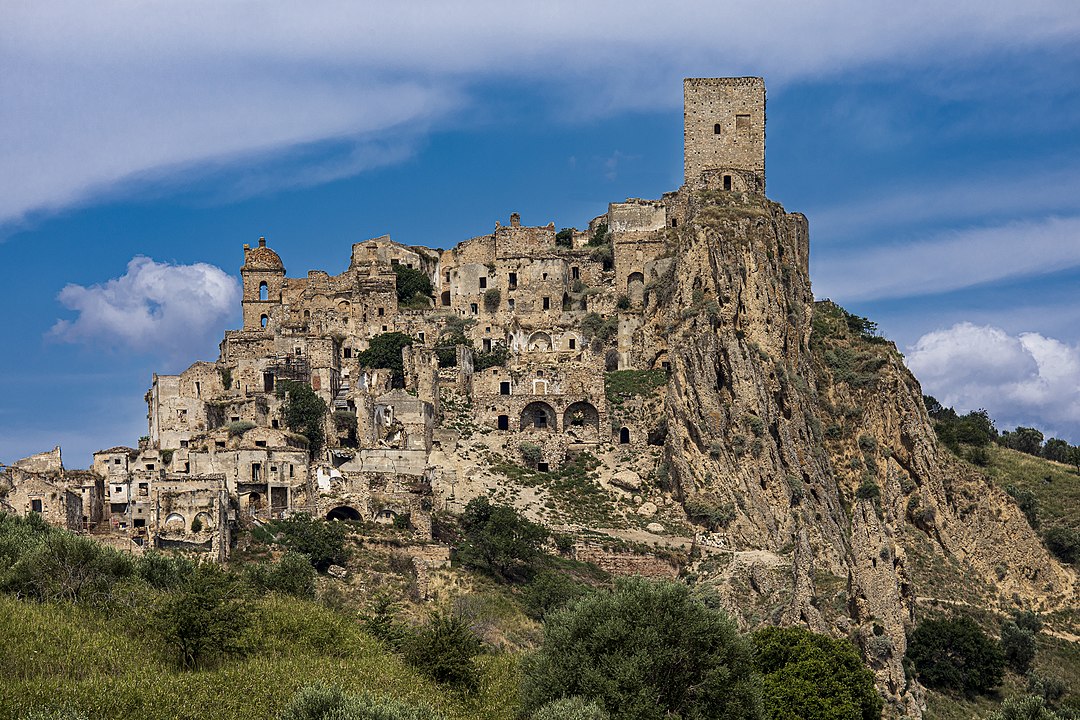
Perched on a steep hill in southern Italy, Craco looks like a stone ship run aground above the fields below. Landslides, earthquakes, and floods slowly drove residents away, until authorities finally evacuated the town in the late twentieth century. The remaining buildings are too unstable for wandering, so access is only by guided tour with safety gear. Towers, arches, and narrow lanes still form a striking skyline. Film crews love it, but between shoots the wind has the final word.
Pyramiden, Svalbard, Norway
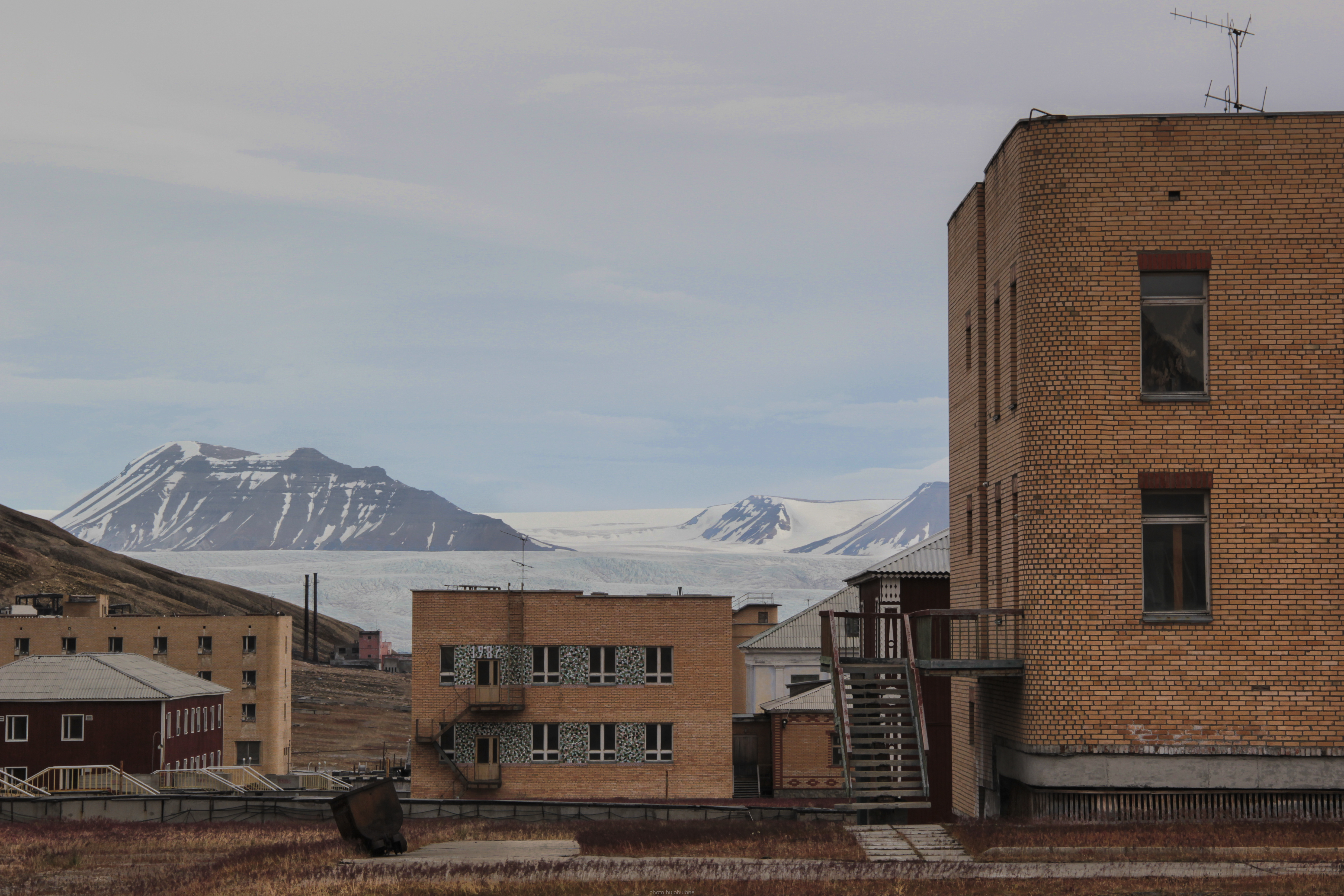
Far inside the Arctic Circle, Pyramiden preserves a Soviet mining town almost in ice. The settlement once displayed model housing blocks, sports facilities, and cultural halls, meant to show off a confident future in the polar night. When the mine closed and tragedy struck, residents left quickly, and the cold helped keep everything in place. Now a small staff runs a simple hotel and guided tours. Polar bears sometimes wander nearby, creating a strange overlap of ideology, wilderness, and deep silence.
Pripyat, Ukraine

Pripyat began as a planned city for workers at the Chernobyl nuclear plant, complete with a riverside promenade and a new amusement park. The 1986 reactor explosion turned it into an instant ghost town as buses evacuated families within days. Schools, apartments, and funfair rides still stand, softened by birch trees and moss. Strictly controlled tours move along fixed routes with radiation checks. Every peeling mural and abandoned toy underlines how quickly a modern dream city can become a warning.
Hashima Island, Japan
Off the coast near Nagasaki, Hashima Island, often nicknamed Battleship Island, rises from the water as a block of concrete and steel. Coal once fueled shipyards and cities here, and the island became one of the most crowded places on the planet, with cramped apartments stacked above tunnels. After oil replaced coal, residents left and sea air began to tear the buildings apart. Limited boat tours now land at designated platforms, but most of the ruined alleys and courtyards remain strictly off limits.
Oradour sur Glane, France

Oradour sur Glane is frozen at the exact moment of horror. In June 1944, German troops killed hundreds of villagers and burned the town, leaving metal bed frames, shop signs, and the skeletons of cars in the streets. After the war, a new village was built nearby, while the ruins remained as a memorial. Visitors walk quiet lanes that still hold melted church bells and rusted bicycles. It is fully open, but not as a tourist attraction, rather as a place of grief and witness.
Varosha, Cyprus
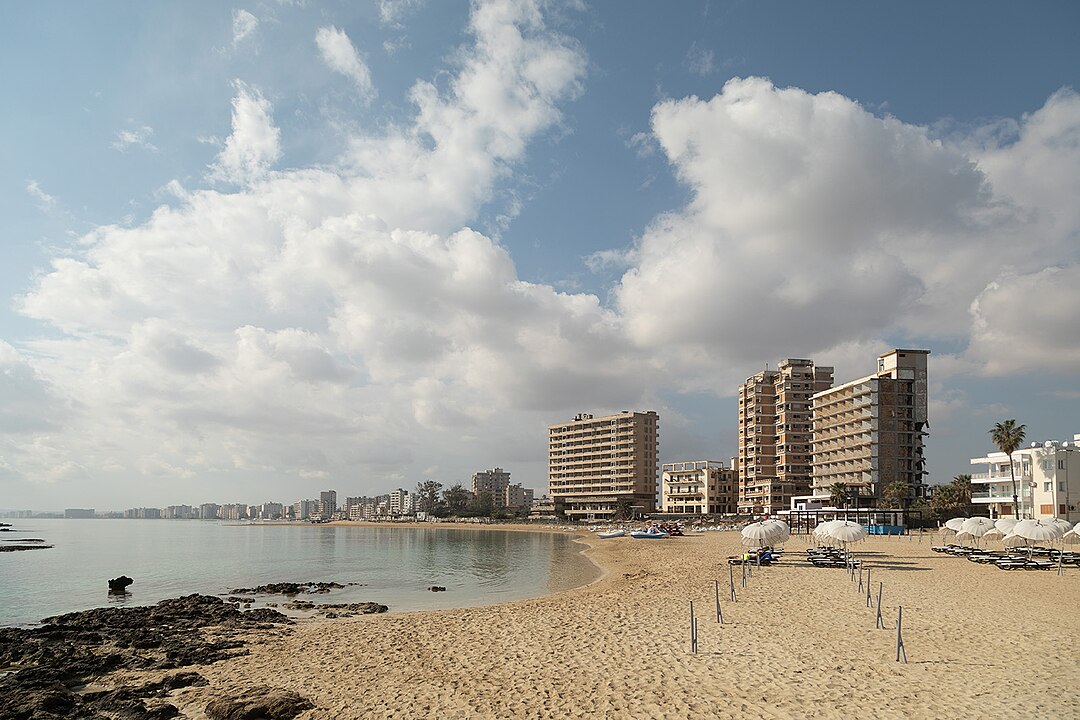
Varosha once thrived as a glamorous beachfront district of Famagusta, with modern hotels and packed summer promenades. The Turkish invasion of 1974 emptied it almost overnight, and the area stayed sealed behind fences and warning signs for decades. In recent years, parts of the seafront have reopened on a limited basis, while many streets remain closed and crumbling. Faded billboards, shattered windows, and sun bleached furniture capture a paused resort era, tangled with ongoing political tension and unresolved ownership.
North Brother Island, New York
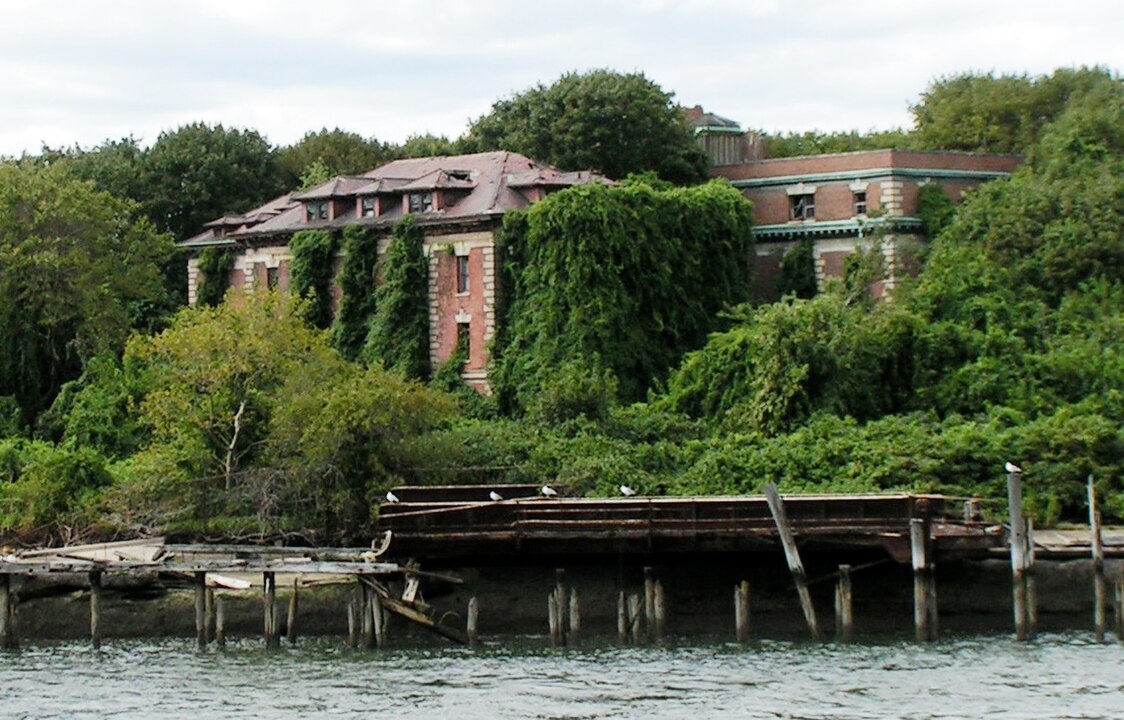
In the East River between the Bronx and Rikers Island, North Brother lies cloaked in trees that hide collapsing brick buildings. It once housed a quarantine hospital, later a facility for people with substance use issues, then fell entirely silent in the 1960s. Birds and vines now own the stairwells and wards. The island is designated as a bird sanctuary, completely closed to the public. Only researchers and city officials occasionally set foot on the broken docks and paths.