
School in the 1970s often looked less like a locked-down institution and more like a jumble of hardware store, chemistry lab, and smoking lounge. Hallways rattled with metal lunchboxes, pockets held blades and aspirin, and art rooms reeked of solvents nobody could pronounce. What once felt like ordinary childhood gear now clashes with zero-tolerance codes, health regulations, and anxious parents. Looking back at those objects reveals how fast ideas about danger, responsibility, and childhood have shifted in just a few decades.
The Trusty Pocket Knife
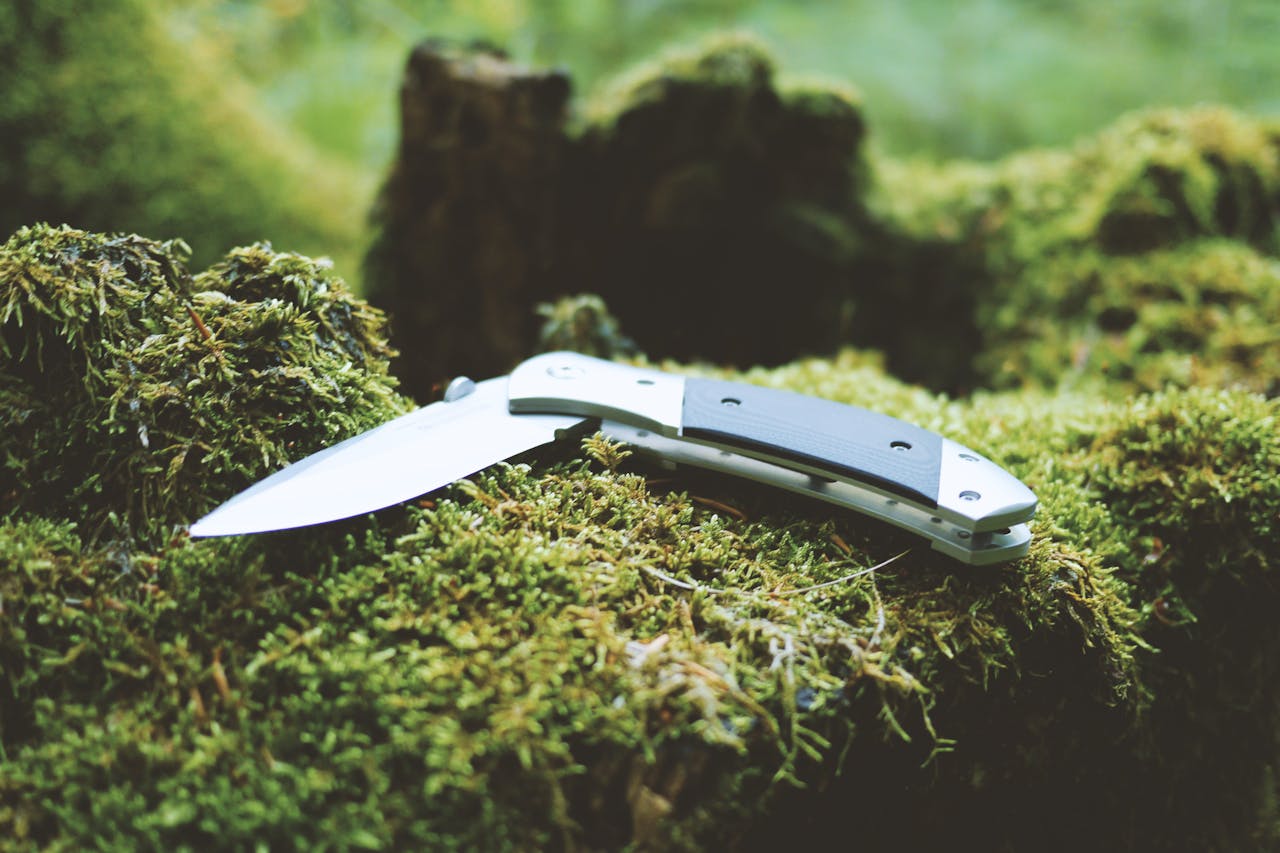
For a lot of 1970s kids, a pocket knife was less a weapon and more a badge of competence and trust. It sharpened pencils, sliced apples, pried open paint cans, cut fishing line, and carved initials into a bench after school without much drama. Parents saw it as proof a child could handle responsibility, and many teachers quietly agreed. Now any blade on campus is treated as a potential emergency. Zero tolerance rules erase motive, context, and history, turning yesterday’s everyday tool into grounds for suspension. Administrators are trained to think in terms of liability and threat assessments, not lost pocket change and whittled sticks.
Solvent-Based Rubber Cement

Art class once revolved around glass jars of rubber cement that smelled weirdly sweet when it hit the paper. Kids smeared it on posters, rolled the dried glue into bouncy pellets, and laughed while solvent fumes filled the room. Nobody talked about neurotoxins or ventilation; a cracked window felt like enough. Today, that same formula would be flagged as a chemical hazard and a potential inhalant. A student who dragged an old can from a basement craft box would probably meet the nurse, the principal, and a safety report. Schools that still use strong adhesives keep them locked away, with labels, checklists, and training that quietly admit how risky it was.
Heavy Metal Lunchboxes
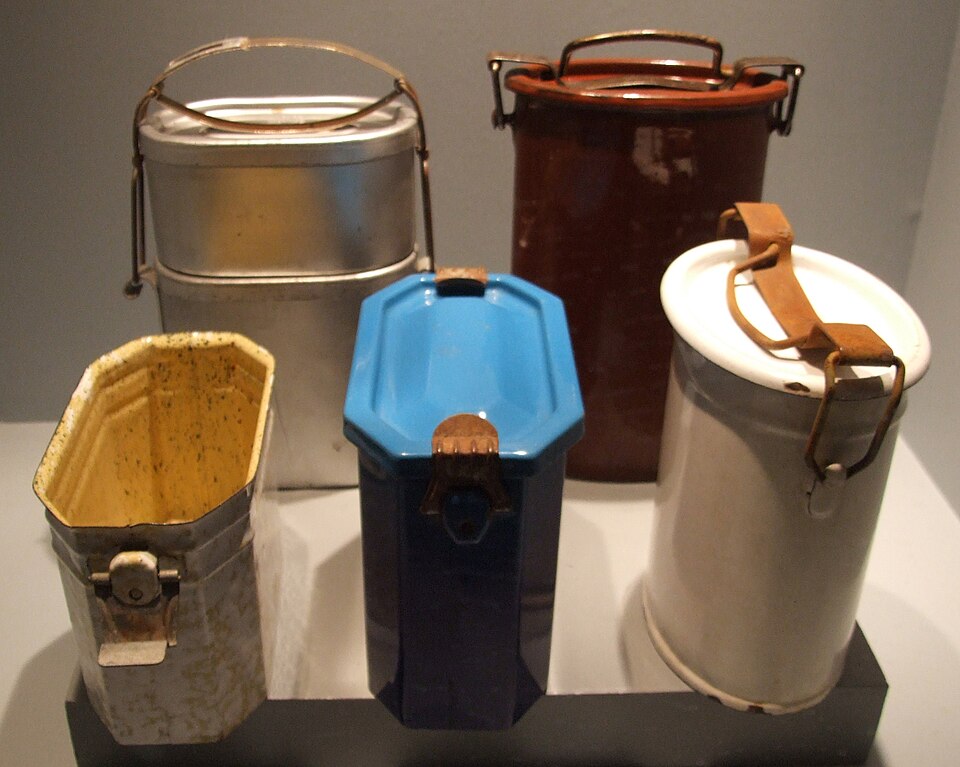
Steel lunchboxes in the 1970s felt like armor for a peanut butter sandwich. They clanged along the hallway, decorated with superheroes, bands, or TV shows, and doubled as seats, shields, and occasional battering rams in playground squabbles. Parents worried more about what was inside than how hard the box could swing. Once fights, injury reports, and changing safety attitudes entered the picture, metal gave way to foam and plastic. Walking into a modern school swinging that same box would draw stares, a quick confiscation, and nervous talk about potential weapons on campus.
Radioactive Chemistry Sets

The wilder 1970s chemistry sets promised real science with real danger mixed in. Kits sometimes included corrosive acids, salts that stained skin for days, and even tiny samples of low-level radioactive material meant for cloud chamber tricks. Students heated mixtures over open flames, wore no goggles, and trusted a cartoon manual to keep them safe. Modern school labs run on premeasured packets, locked storage, and tightly written protocols. Showing up with unlabeled powders or a chunk of uranium ore today would bring a lockdown, not a curious crowd around a kitchen table.
Candy Cigarettes
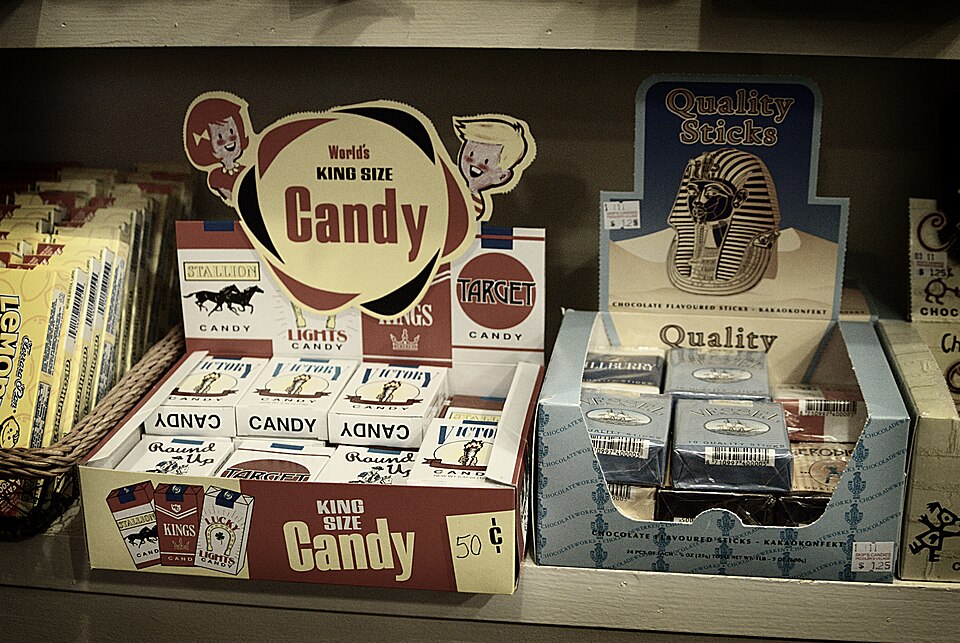
Candy cigarettes turned elementary sidewalks into miniature smoking lounges. Kids tapped the chalky sticks from cardboard packs, held them the way adults did, and blew out sugar dust like pretend smoke, all under the eyes of teachers who might head outside later for the real thing. Research eventually linked that playful imitation to higher odds of actual smoking, and public opinion shifted. Most schools now treat anything that mimics tobacco as part of the problem, not a joke, especially in buildings covered in anti-smoking and anti-vaping posters.
Liquid Correction Fluid
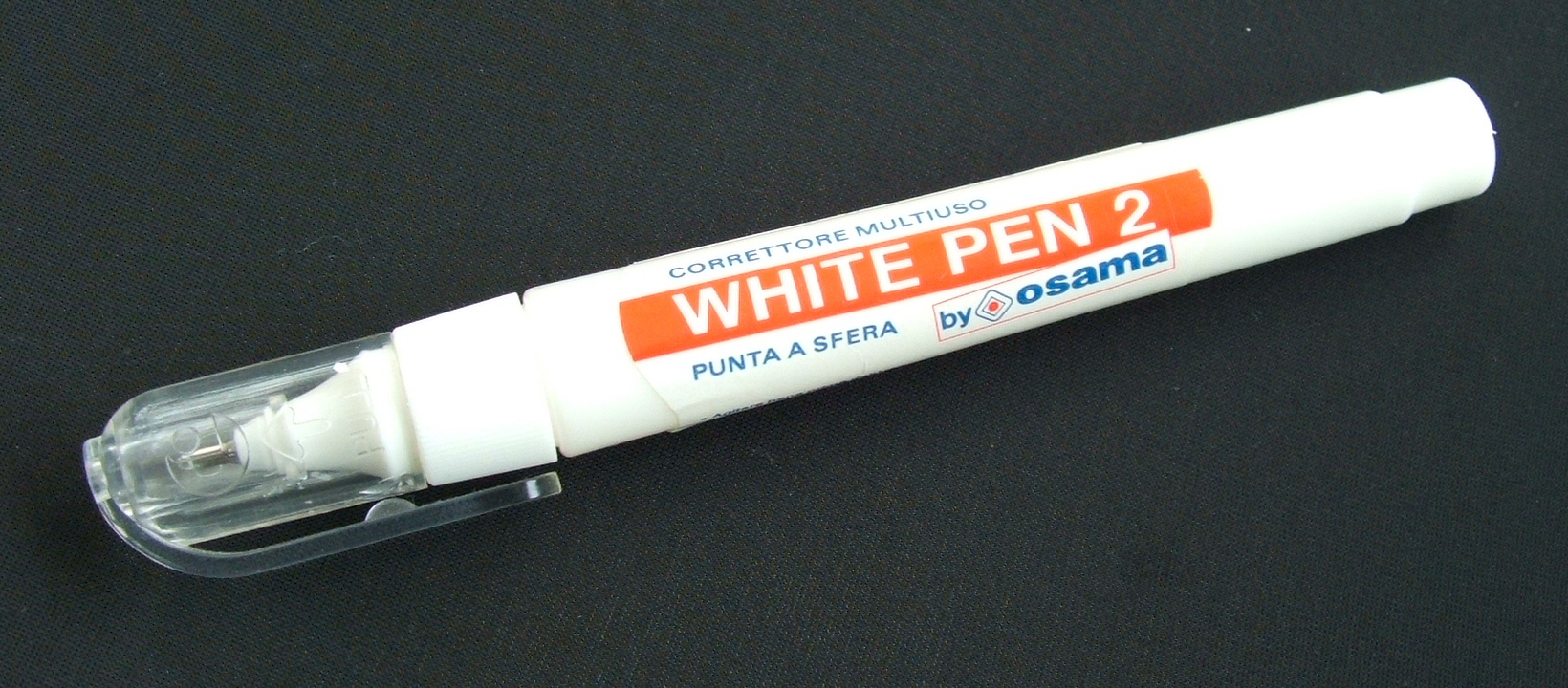
Before spellcheck, typed homework survived on little bottles of correction fluid stuffed into every backpack. The liquid went on thick and bright, full of fast-evaporating solvents that gave off a sharp smell some teens learned to sniff for a quick, dangerous high. Health warnings about heart rhythm problems and sudden death turned it from a mundane desk accessory into a substance abuse concern. Schools pushed students toward correction tape and water-based formulas. A kid caught huffing the old stuff today would face counselors, policy language about inhalants, and possibly a trip to the hospital.
Lawn Darts On Field Day

Lawn darts showed up at family picnics and school field days as if tossing metal spikes into the air near children were perfectly reasonable entertainment. Heavy, pointed, and designed to land tip-first, they worked fine until one throw went wide and hit the wrong person. Injuries and child deaths eventually forced regulators to ban them, turning the game into a cautionary story. Modern event planners reach for foam rockets and beanbags instead, and a school that let kids hurl weighted darts now would be inviting headlines and liability, not yearbook signatures.
Toy Guns And Finger Guns

In the 1970s, toy revolvers with caps, clear bubble guns, and neon water pistols were staples of recess. Kids played cops and robbers across the blacktop, shouting sound effects and making finger guns when plastic broke, while most adults shrugged at the theatrics. Today those same props sit at the center of zero tolerance policies shaped by shootings and lockdown drills. Districts have disciplined children for toy guns, pastry shapes, and simple hand gestures, treating any echo of a firearm as a possible threat instead of a joke.
Woodburning Art Kits

Woodburning kits gave 1970s kids a pen-shaped wand hot enough to scorch patterns into pine plaques and jewelry boxes. In shop or art class, a teacher might give a quick warning not to touch the metal tip and then turn to help someone else while the tool glowed on a shared table. Blisters, scorched desks, and the occasional singed sleeve were all part of the experience. Modern fire codes and insurance carriers see an unsupervised heating element as a serious hazard. Arriving at school with a live woodburner today would end with a call home, not a proud wall display.
Clackers On The Playground
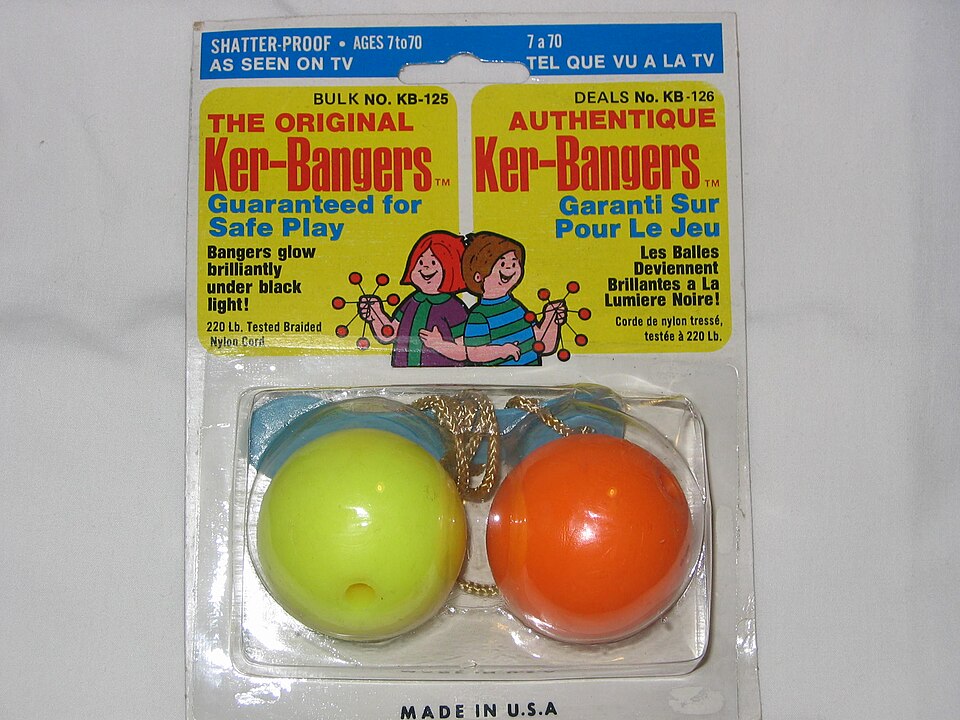
Clackers looked simple enough: two hard acrylic balls on a cord, swung so they smacked together above and below a hand in a rapid blur. The fun came from how fast they moved and how loud they cracked, right up until a cheap set shattered and sent sharp pieces flying toward someone’s face. Reports of eye injuries and broken toys pushed safety officials to act, and the fad collapsed. Today the combination of shrapnel risk and swinging weight would put clackers high on any banned list, long before they reached recess. A nostalgic adult pulling a vintage pair from a drawer would be met with instant confiscation, stern looks, and maybe a quick email to families.
Over-The-Counter Pill Stash

In the 1970s, a small bottle of aspirin or Midol in a backpack signaled preparation, not trouble. Students quietly shared tablets in hallways to tame headaches, cramps, or low fevers, and many teachers looked the other way or even accepted one. Policy has since redrawn that scene as drug distribution. Most districts now require every pill to pass through a nurse, with paperwork on file. A kid handing a friend basic pain relief can face suspension under rules written for serious substances, even when everyone involved knows it came from a pharmacy shelf.
Lead-Loaded Art Supplies

Those beautifully saturated paints and ceramic glazes that defined so many 1970s art rooms often owed their color to lead, cadmium, and other heavy metals. Students stirred them with bare hands, sanded dry projects, and sometimes chewed on painted pencil barrels without realizing any risk. Only later did research make it clear how even low doses could chip away at developing brains. Regulations eventually chased most of those pigments out of schools. A student who unpacked a vintage art kit today would be told to seal it, label it, and treat it more like hazardous waste than creative inspiration.
A Pack Of Smokes For Later
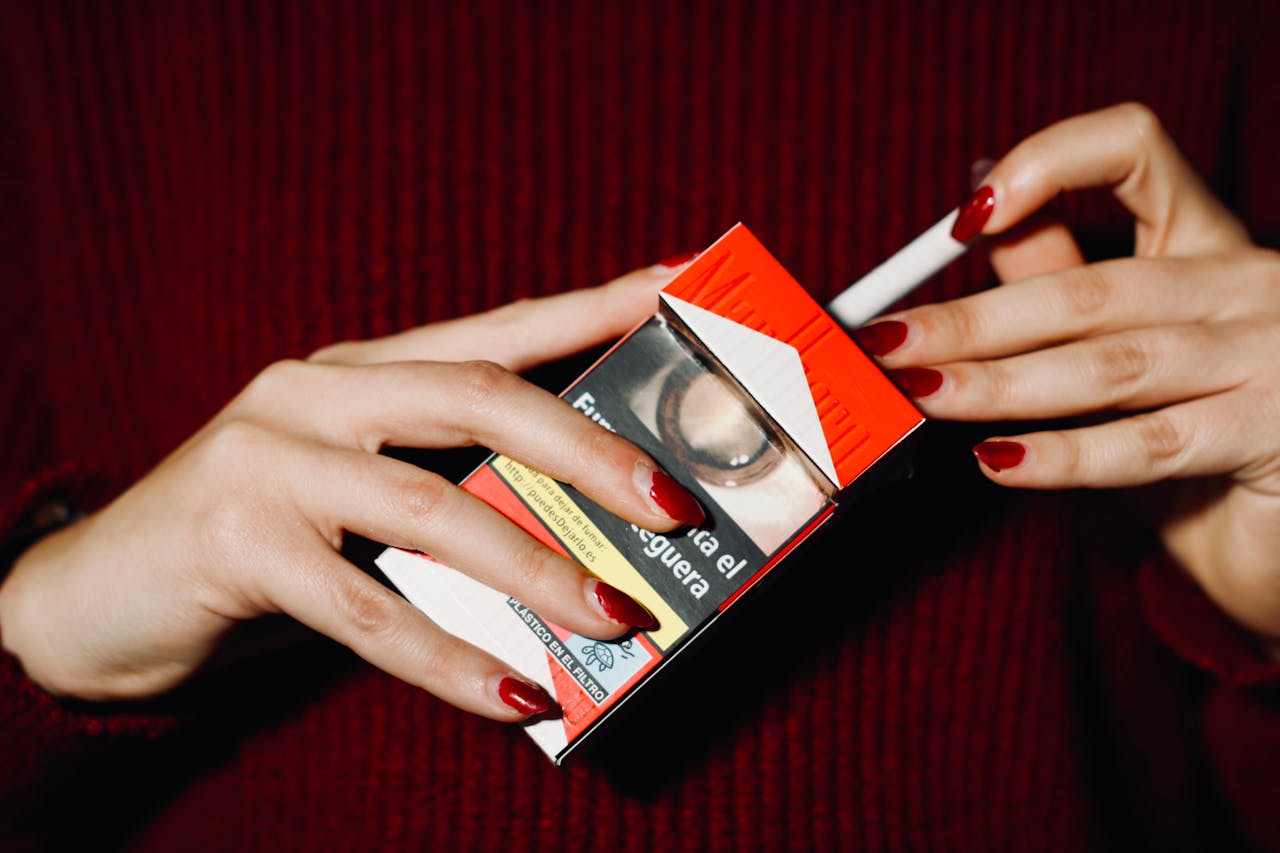
In some 1970s high schools, students smoked in designated pits just off campus, swapping brands and lighters while teachers passed through on their own breaks. Nearly a third of seniors lit up daily, and a crumpled pack in a backpack barely registered as remarkable. Public health campaigns, lawsuits, and laws banning smoking in schools changed that landscape completely. Modern campuses fold cigarettes into the same category as vapes and other nicotine devices: automatic contraband. A student caught with a pack now risks suspension, mandated classes, and a sharp call home about health and school funding rules.