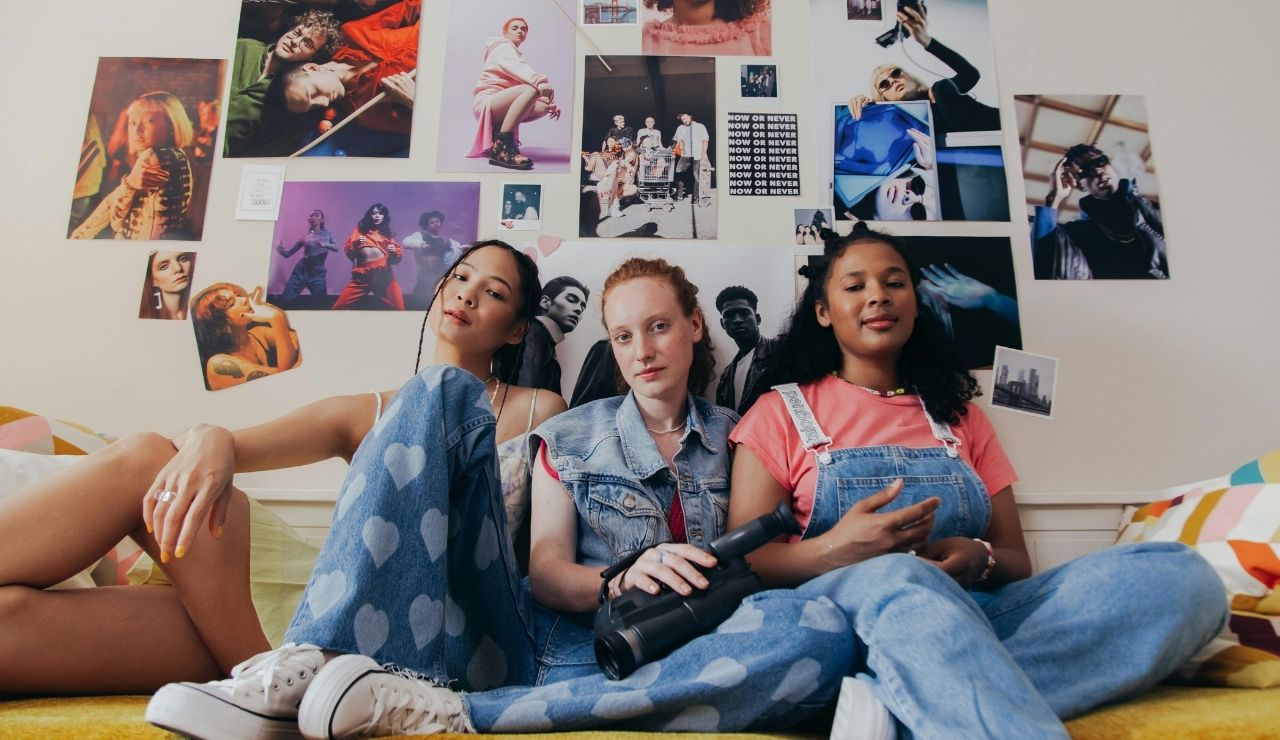
The 2000s felt like their own universe. Low-rise jeans, chunky highlights, MySpace drama, flip phone ringtones—it was the baseline for everyday teen life. Reality TV taught you how to dress and act. AIM chats happened at 2 a.m. with the stakes feeling enormous. Mall photo booths captured every goofy expression without judgment. Back then, it all worked. This was normal. Acceptable. Even expected. But flip forward to today and that same stuff reads as tone-deaf, reckless, or just plain mean. Teen culture has shifted so radically that a lot of what seemed harmless in 2005 would get serious pushback now. Not because morality changed overnight, but because we got better at recognizing what actually damages people, especially young people still figuring out who they are. The gap between then and now is wild, and it says something real about how our understanding of respect, safety, and mental health has evolved.
1. Bullying as Comedy

In the 2000s, bullying was a punchline. TV shows used laugh tracks to cover insults. Mean characters got the best one-liners. Gossip Girl, Saved by the Bell, sitcoms everywhere treated mockery as humor. Nobody questioned it. Fast forward, and that approach looks reckless. We’ve learned that watching cruelty normalized actually damages kids watching at home. Bullying isn’t funny when it’s tied to depression, anxiety, and real trauma. Today’s media understands that. Shows build characters with depth, not caricatures designed to be targets. The shift matters because entertainment shapes how teens see themselves and each other.
2. Magazine “Makeover” Shaming
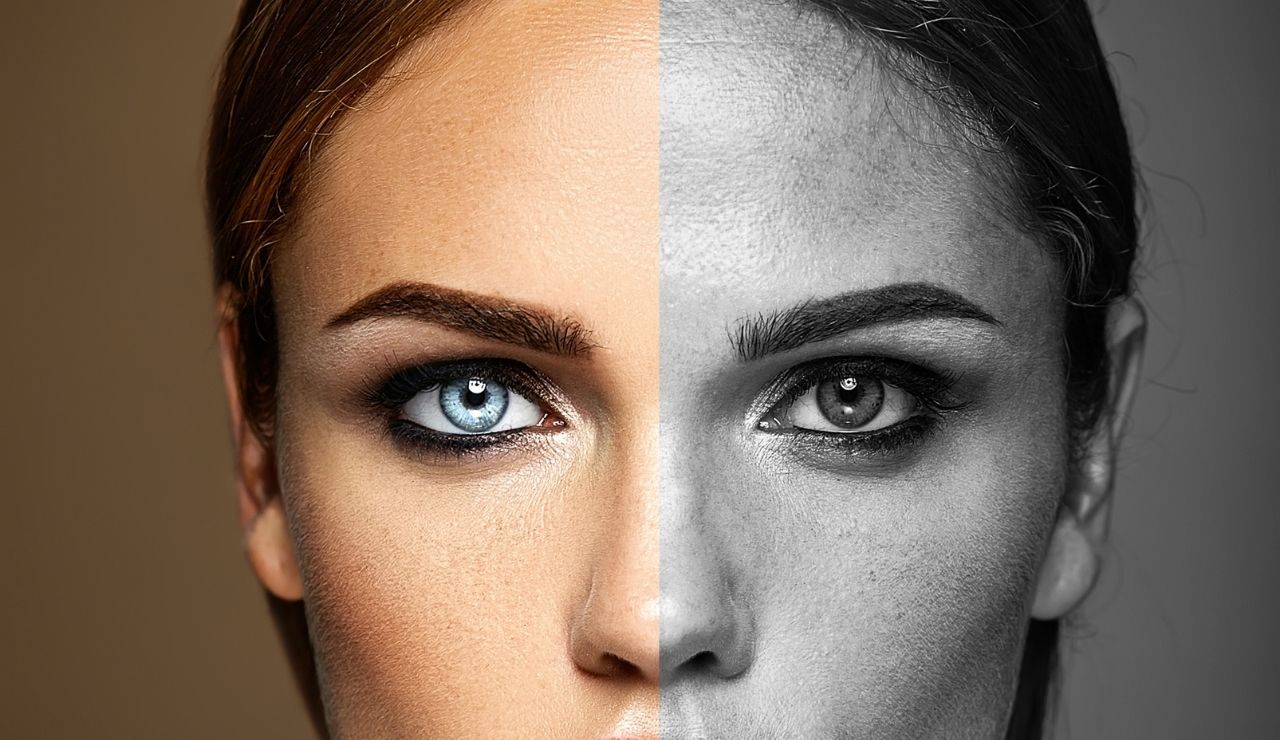
Teen magazines in the 2000s had a brutal setup. They’d show a girl’s face in a split screen, before and after a makeover, but never actually ask permission. The commentary was harsh: your hair looks flat, your style is dated, you need to be fixed. Seventeen and Teen People made transformation look like a rescue mission. The damage was real. Girls reading those pages internalized the message that their natural selves weren’t good enough. We now know this feeds eating disorders, body dysmorphia, and crushing self-doubt. Today’s magazines flipped the script. They celebrate how you look, not how you could look. That shift isn’t just politeness. It’s recognizing that shame works against confidence, not for it.
3. Ultra Low-Rise Jeans
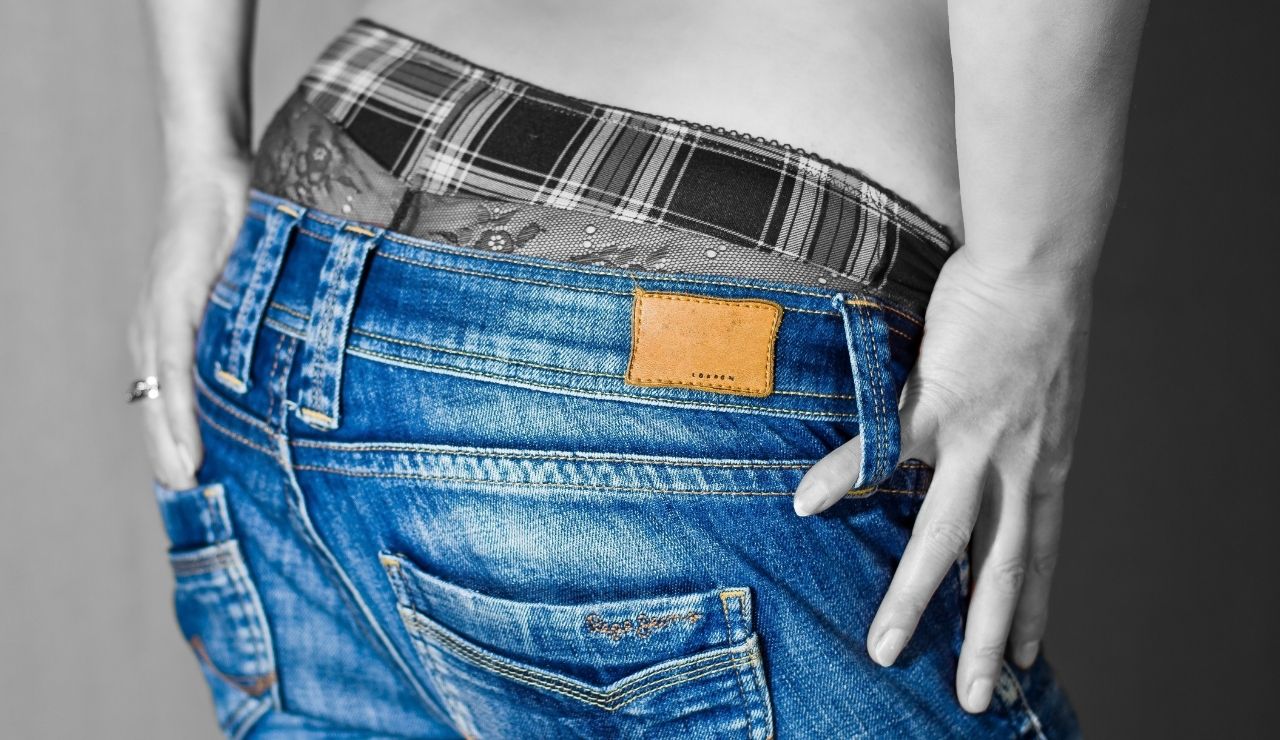
Ultra low-rise jeans weren’t just a style choice in the 2000s, they were a commitment. You had to adjust them constantly. Everything showed. Thong underwear, hip bones, stomach. It was uncomfortable and honestly impractical, but the more exposed you were, the more fashionable. The message was clear: your body should fit the clothes, not the other way around. Add to that the obsession with showing extreme thinness, and this trend became a physical statement about what bodies were supposed to look like. Today’s fashion is different. Comfort wins. Higher waistbands, relaxed fits, styles that work for different body types. Nobody’s shaming you for not wanting your underwear visible at the mall. That shift says something about valuing what people actually need, not just what looks trendy.
4. Reality Shows That Mocked Teens

Shows like Date My Mom, Elimidate, and Room Raiders turned public rejection into entertainment. You’d watch someone get eliminated in seconds, mocked by strangers for how they looked or dressed. The hosts delivered savage commentary. Contestants faced humiliation on camera, and audiences laughed along. It normalized public cruelty as fun. The psychological damage was real, but it wasn’t visible on screen. Today’s reality shows went a different direction. They focus on competition, talent, personality, collaboration. If someone gets eliminated, it’s about the game, not their worth as a person. Nobody’s building an episode around tearing down how a teen looks. That shift matters because reality TV is powerful. What people see influences how they treat each other. Moving from humiliation to respect wasn’t a small change.
5. Flip Phones and Limited Privacy
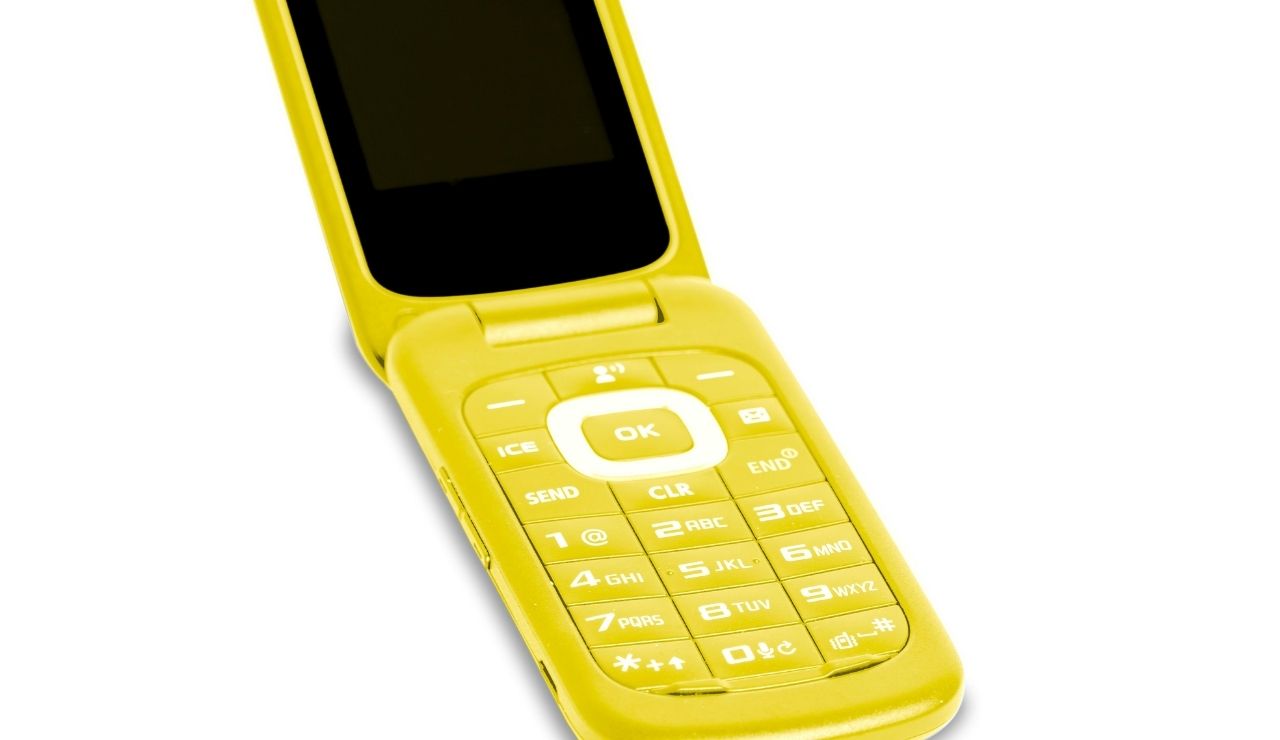
Flip phones were the tech of the 2000s, and they felt permanent. Photos taken, sent, saved. No password protection, no privacy settings. If your phone got stolen or passed around at a party, intimate photos or messages were just out there. Sexting was happening, but nobody talked about digital permanence. A photo sent to one person could end up everywhere. This was a real problem, but victims often didn’t report it because they didn’t know their rights. Today’s technology is built differently. Passwords, two-factor authentication, privacy controls. Teens understand their digital footprint matters. Apps have reporting mechanisms. Platforms require age verification and consent settings. It’s not perfect, but the shift from no protection to intentional privacy is massive. Technology now acknowledges that privacy matters, especially for young people.
6. Obsession With Thinness
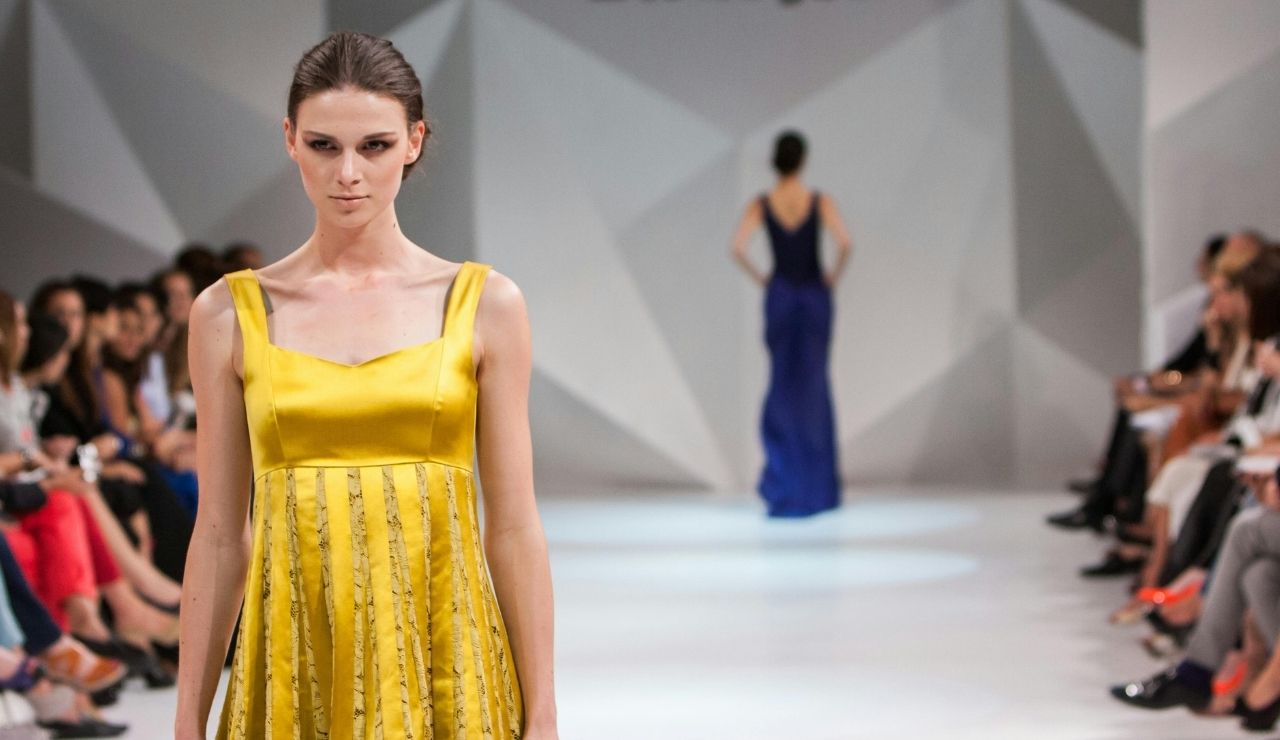
The 2000s had one body type, and if you didn’t fit it, you didn’t exist in media. Teen magazines showcased emaciated models in tiny sizes as the only option. Celebrities’ weights got discussed on red carpets like it was news. Even cartoon characters were drawn impossibly thin. The message was everywhere and relentless: thinness equals beauty, success, popularity. Everything else was invisible or mocked. This obsession wasn’t harmless. Eating disorders spiked in the late 2000s and early 2010s. Body dysmorphia, anxiety, depression followed. The research is clear now: restrictive body standards cause real psychological damage. Today’s media shifted. Diverse body types get featured. Plus-size representation exists. Health is acknowledged as individual, not one-size-fits-all. That’s not because everyone suddenly became nice. It’s because we understand that restrictive ideals hurt people, and we’re trying to build something different.
7. Gender Stereotypes in Everything

Pink was for girls. Boys don’t cry. Those weren’t just marketing slogans, they were defining rules. In the 2000s, gender was binary and rigid everywhere. Toys were segregated by gender. Sports were segregated. Clothing, colors, even emotions got assigned to boys or girls. This messaging didn’t feel limiting at the time, it just felt normal. But it was. It shaped what teens thought they could do or be. If you didn’t fit those boxes, you felt it. Today’s teens have room to exist outside those rigid boundaries. Unisex products exist. Brands celebrate self-expression without gendered expectations. Gender fluidity is increasingly understood and accepted. That shift isn’t frivolous. Restrictive gender roles actually damage people, especially young people trying to figure out their identity. Breaking those down matters more than it might seem.
8. Offensive Halloween Costumes

Offensive costumes used to be no big deal at 2000s parties. Mock someone’s culture, gender identity, or mental health? Sure, that was edgy humor. Stores sold them without hesitation. The assumption was that if something could be a costume, it was fair game. Today’s teens have a different take. They call it out when a costume relies on a stereotype. Mocking someone’s real lived experience isn’t humor anymore, it’s disrespectful. That shift comes from understanding that visibility and representation matter. What you wear sends a message about what you think is acceptable to laugh about. Teens are more aware of that now.
9. Photoshopped Magazine Covers

2000s magazine covers looked flawless. Airbrushed skin, slimmed bodies, digitally perfected everything. Nobody told readers that. The assumption was that these images were real. You saw them and internalized an impossible standard without knowing the standard was fake. Today’s audiences are smarter about it. Heavy editing without disclosure gets called out immediately. Social media influencers label posts as edited. Magazines face backlash for promoting unrealistic bodies. That transparency shift is huge. It means people can at least make informed choices about what they’re looking at, instead of comparing themselves to something that doesn’t actually exist.
10. “No Fat Chicks” Stickers and Shirts
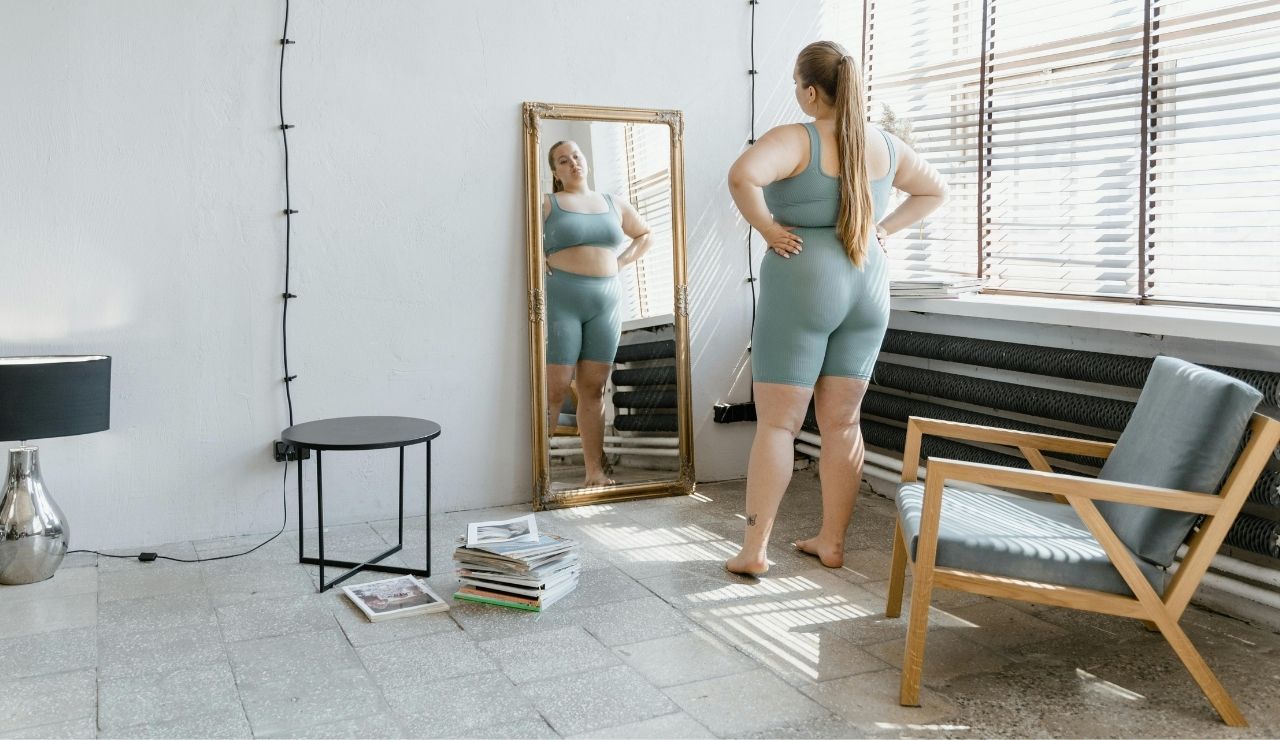
That slogan used to be everywhere. Bumper stickers, T-shirts, posters at parties. It was treated like a joke. The message was clear though: some bodies are excluded. Unacceptable. Wrong. Worth mocking. Nobody pushed back on it then. Today, that same slogan gets called out immediately for what it is: body-shaming and cruelty. The cultural conversation shifted because people understand now that mocking someone’s body contributes to shame spirals, eating disorders, depression. A joke isn’t just a joke when it affects someone’s mental health. That awareness might seem obvious now, but it’s a genuine shift from the 2000s mindset.
11. Public Rankings in School Yearbooks

Yearbooks had a joke built in. Best legs, worst dressed, most likely to get dumped. These categories targeted specific students. Everyone could see the labels. It felt harmless at the time, like a fun yearbook tradition. But it was public ridicule. That ranking stayed in print forever. Today’s approach is different. Schools protect mental wellbeing. Public labels about students’ appearances or romantic prospects are seen for what they are: damaging. That shift reflects understanding that what gets printed about you, especially in high school, matters. Humiliation might be funny in the moment, but it leaves lasting marks.
12. Overuse of Stereotypical Characters

2000s teen shows had a formula. The nerd, the cheerleader, the bad boy, the outcast. Each character fit a box, and that’s where they stayed. No room for complexity or character growth that challenged the stereotype. These archetypes showed up everywhere, and they taught viewers that people could be reduced to caricatures. Today’s audiences don’t buy it. Teen shows build characters with actual depth and contradictions. They show nerds who are popular, cheerleaders with insecurities and interests beyond socializing, bad boys with real motivations. That shift reflects understanding that real people are complicated. When stories only show stereotypes, they reinforce limiting ideas about who people can be.