Hanukkah usually gets most of the attention in winter conversations about candles and long nights, but it is not the only glow in December. Across continents, families and communities gather around lamps, bonfires, fireworks, and lanterns that have nothing to do with Christmas yet everything to do with endurance. These festivals honor enlightenment, rebirth of the sun, survival of culture, and the work of ancestors. Together they show how many ways humans answer the darkest weeks of the year with fire, color, and memory.
Hanukkah: Eight Nights Of Resistance And Joy
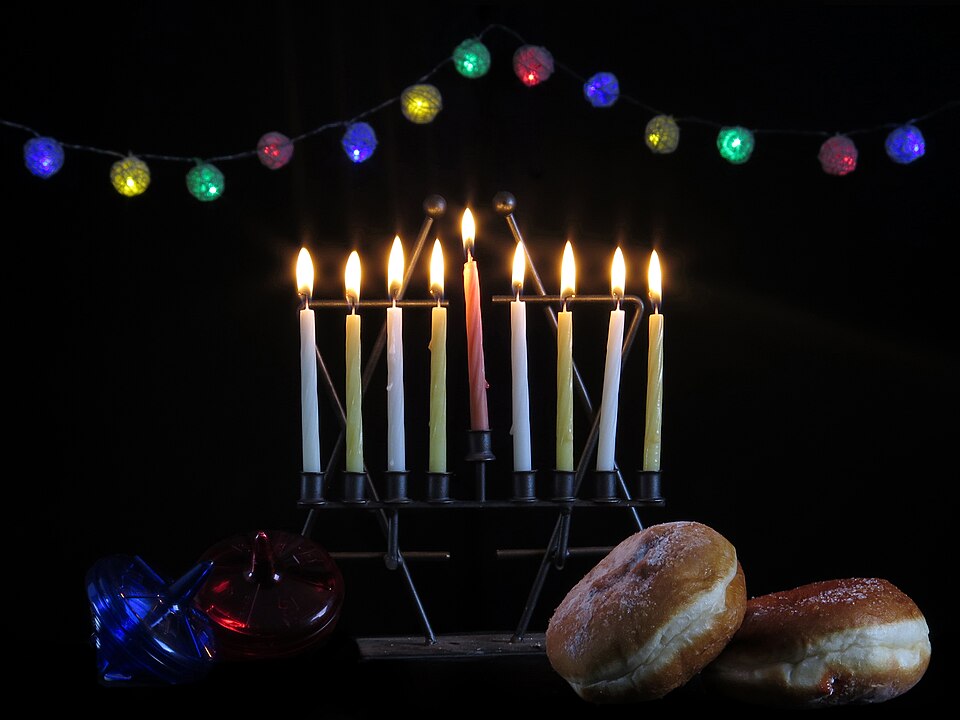
Hanukkah is a Jewish winter festival that often falls in December, remembering the rededication of the Second Temple and a small jar of oil said to have burned for eight nights. Families place a menorah in windows, adding one candle each evening until nine flames shine against the early dark. Children spin dreidels, adults trade stories, and tables fill with latkes and sufganiyot fried in oil. The mood is both playful and serious, a quiet insistence that identity, story, and joy still belong here.
Bodhi Day: Lights For A Sleepless Night Under The Tree
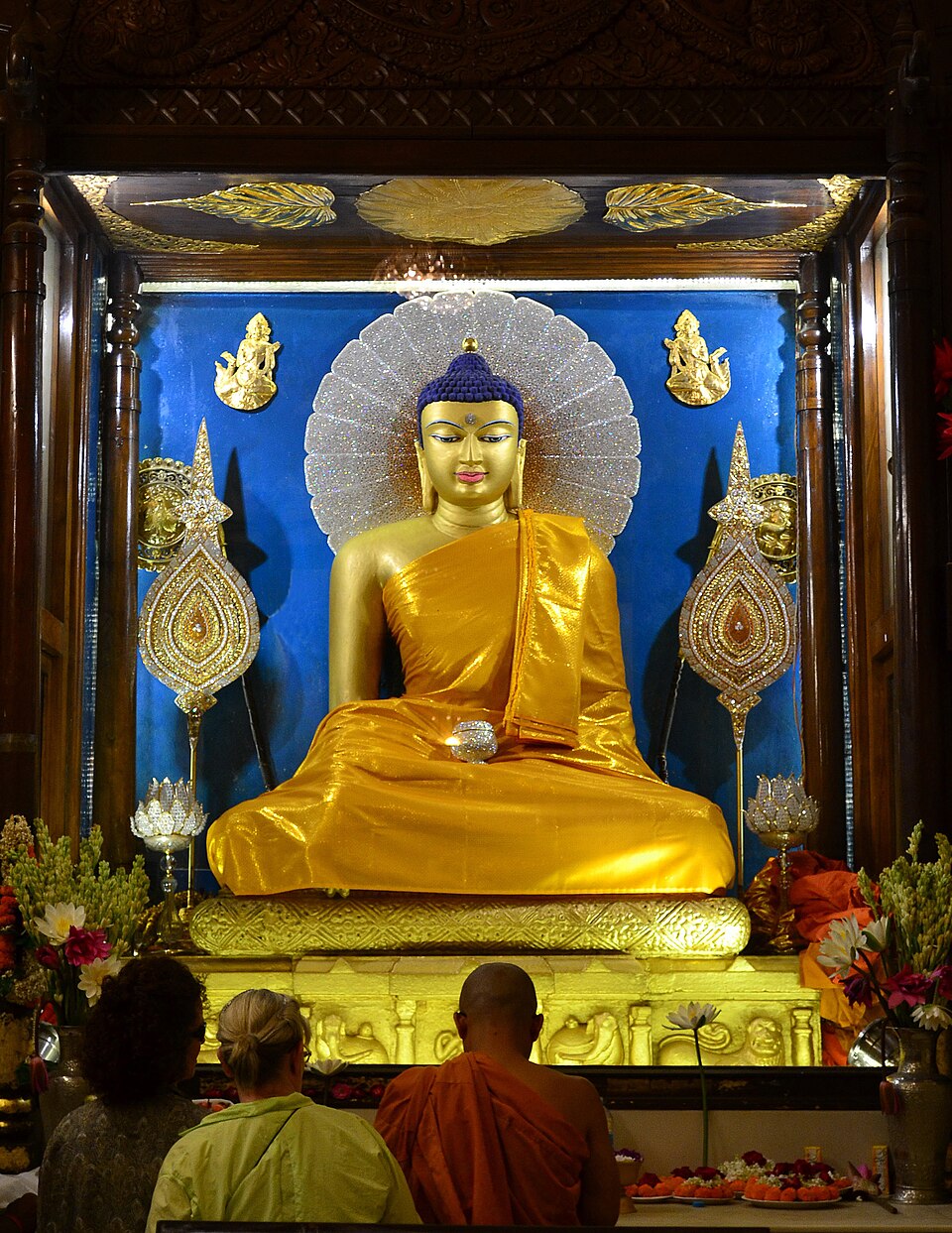
Bodhi Day on Dec. 8 marks the night Siddhartha Gautama reached enlightenment under the Bodhi tree, becoming the Buddha. Many Mahayana Buddhists treat it as a time for simple, steady practices rather than spectacle, meditating longer, studying sutras, or performing acts of kindness. Some decorate a ficus or branch with strings of small lights and beads, each glimmer a reminder that insight rarely arrives all at once. The gentle glow in a quiet room becomes its own tribute to patience, doubt, and awakening.
Galdan Namchot: Butter Lamps In The Thin Himalayan Air
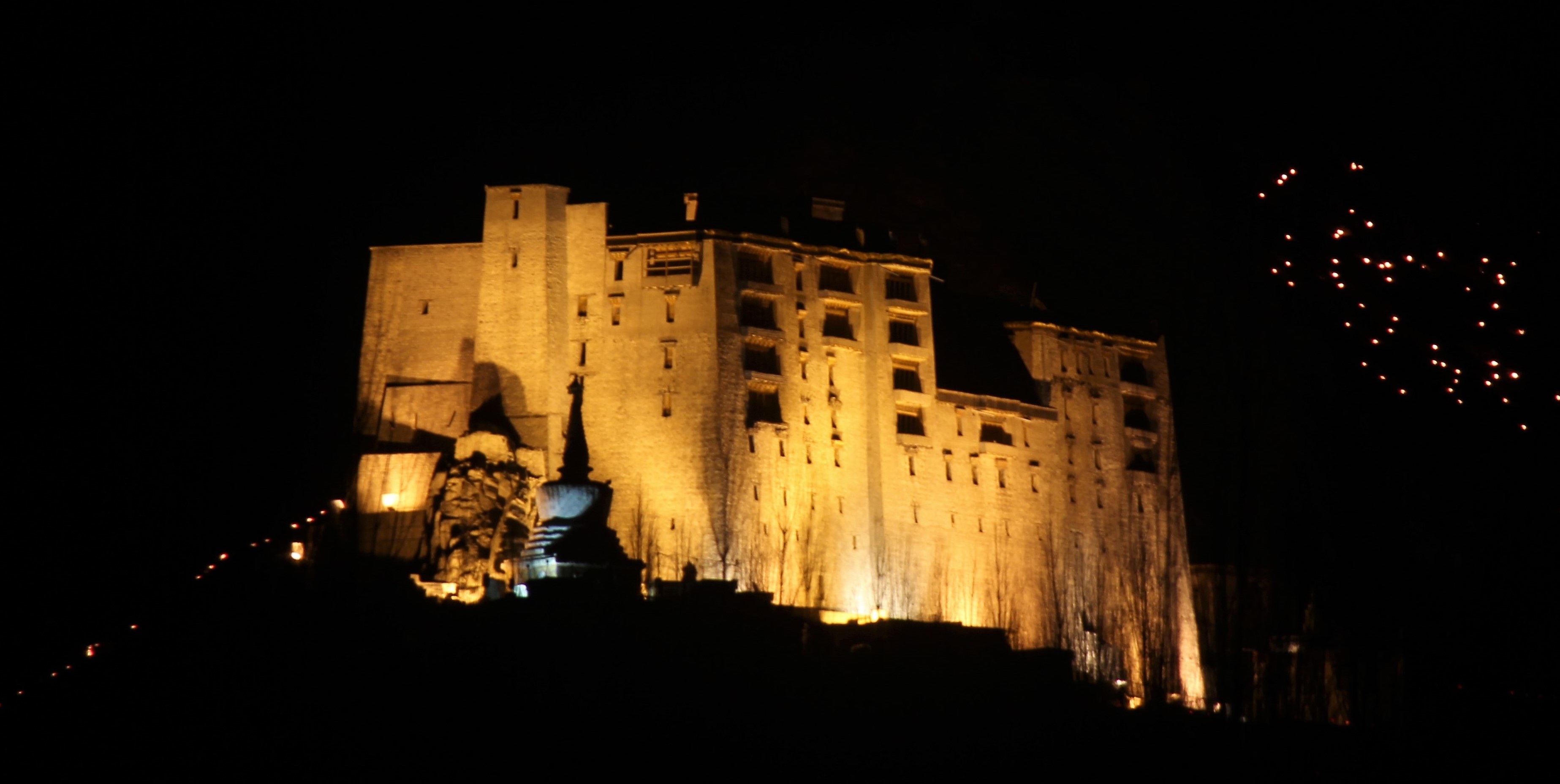
In Ladakh and parts of the Himalayas, Galdan Namchot arrives in December with snow on the mountains and frost in the courtyards. The festival honors Je Tsongkhapa, a key Tibetan Buddhist teacher, and also marks the start of Losar, the local New Year season. Monasteries, palaces, and rooftops are lined with rows of butter lamps that flicker in the wind, turning stone walls into rivers of gold. Families share rich dishes, visit shrines, and look out over valleys dipped in moonlight and flame.
Shab-e Yalda: Solstice Stories And Pomegranate Jewels
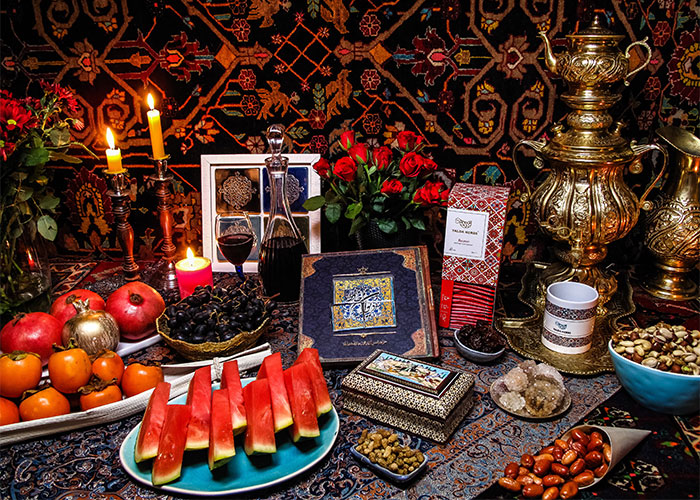
Shab-e Yalda, the Persian winter solstice celebration, falls around Dec. 20 or 21 and welcomes the gradual return of light. Families gather for an all-night vigil, reading poetry by Hafez, cracking nuts, and piling plates with watermelon and ruby pomegranate seeds that stand in for the awakening sun. Candles, lamps, and soft electric lights hold back the old fear that darkness is strongest on this longest night. Between jokes, fortunes, and verses, the gathering becomes a collective promise to outlast whatever the season brings.
Dongzhi: Lanterns, Dumplings, And The Turning Of Yin To Yang
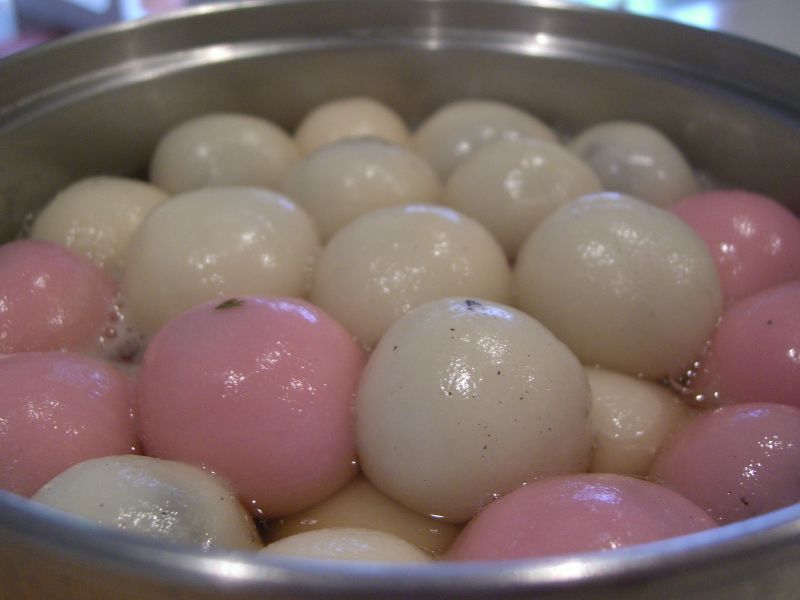
Dongzhi, the winter solstice festival across China and East Asian communities, marks the point when days begin to stretch again and yang energy is believed to grow. Families come together for bowls of tangyuan or dumplings, their round shape echoing unity, wholeness, and the circle of seasons. Some temples and neighborhoods hang red lanterns or bright banners, letting warm color spill over chilly streets. The light here is not loud or theatrical; it sits close to the table, honoring elders, ancestors, and shared endurance.
Soyal: Calling The Sun Back In Pueblo Country
Among the Hopi and some other Pueblo peoples in the American Southwest, Soyal around the winter solstice is a deep ceremonial time. Sacred rituals in kivas, prayer sticks, and blessings for homes and fields all work toward bringing the sun back from its most distant point. Fires, small lamps, and sometimes masked kachina dancers connect everyday life to a much older cosmic rhythm. Children receive gifts and stories, not as commercial treats but as reminders that each new cycle asks for respect and responsibility.
Yule: Pagan Fires For A Reborn Sun
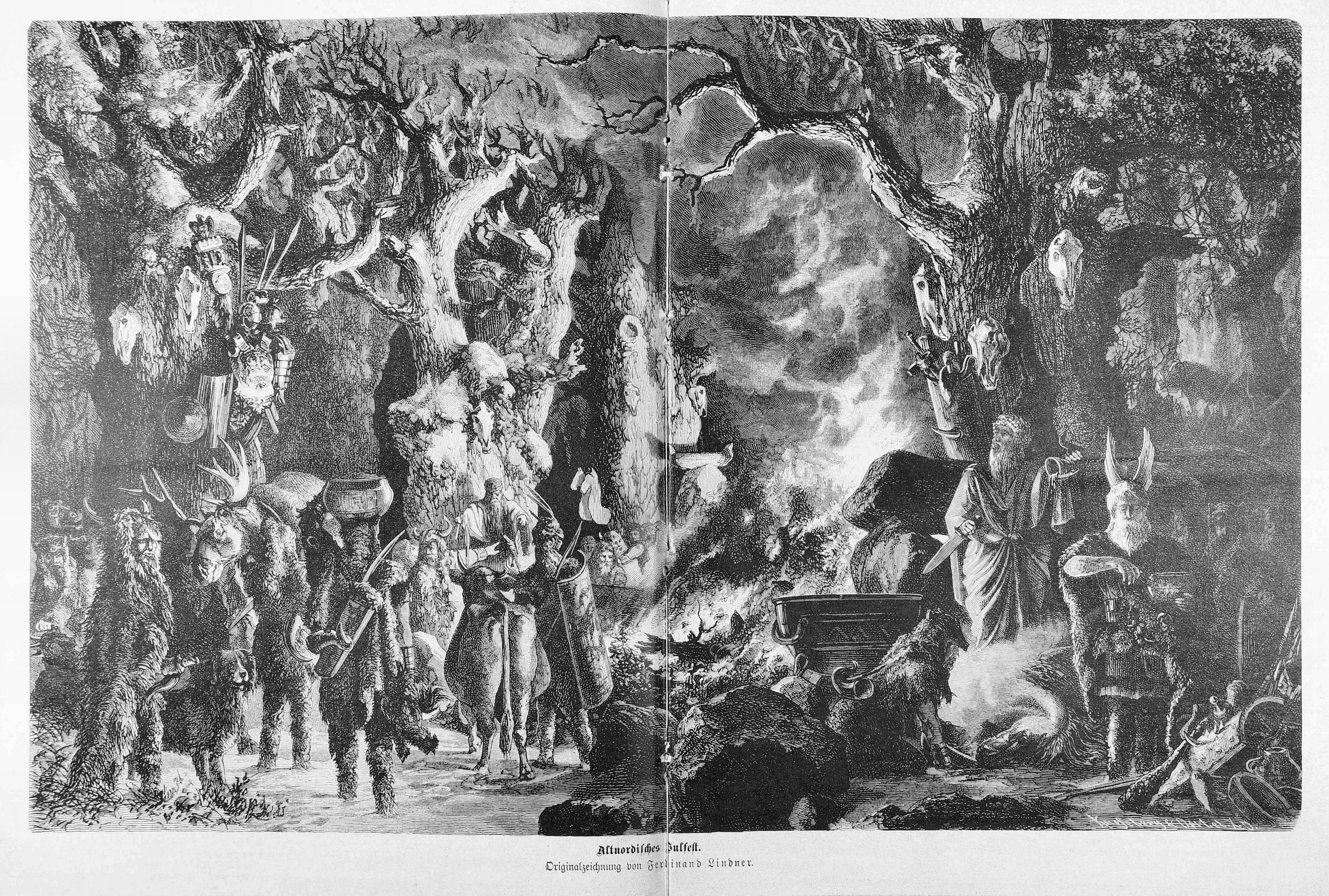
Modern pagans, heathens, and Druids celebrate Yule at the solstice with bonfires, candles, and evergreen branches, drawing on older European traditions of the reborn sun. A Yule log might burn all night, carved with runes or wishes, while wreaths and mistletoe hang as symbols of life that refuses to fade in winter. Some groups keep vigil until the first pale strip of dawn appears, greeting it with songs or simple silence. The fire is less about spectacle and more about staying present with the dark.
Saturnalia: Roman Torches In Modern Reenactments
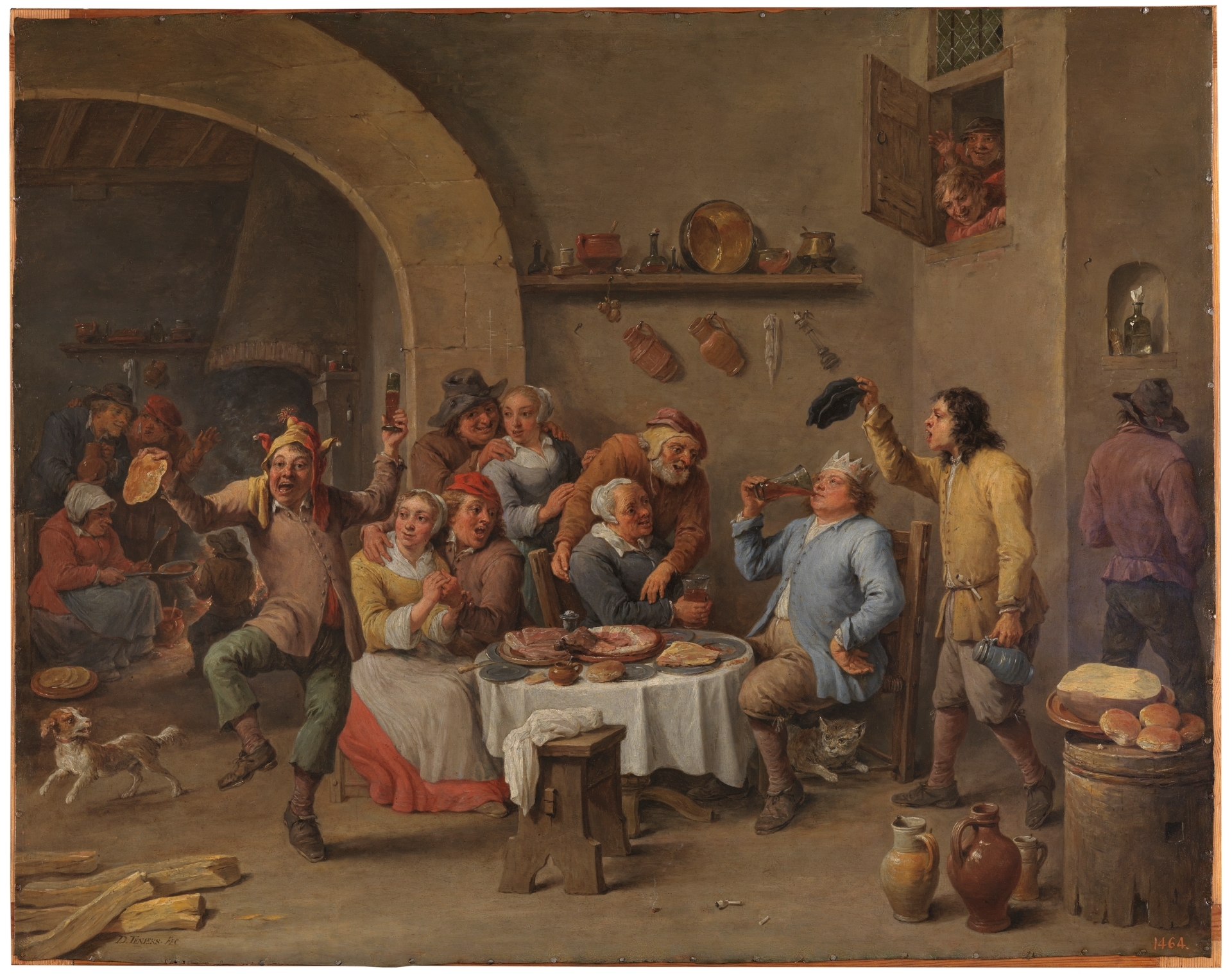
Saturnalia, once Rome’s wildest festival, ran from Dec. 17 to 23 with feasts, gift giving, and role reversals between enslaved people and masters. Ancient streets would have glowed with torches and wax tapers as crowds poured from temples into taverns and homes. Today, reconstruction groups, history fans, and some pagan circles revive parts of the feast with candlelit dinners and small fire rituals. The light becomes a bridge to another age, but also a reminder that even rigid societies once allowed brief, necessary mischief.
Pancha Ganapati: A New Hindu Festival For Modern Families
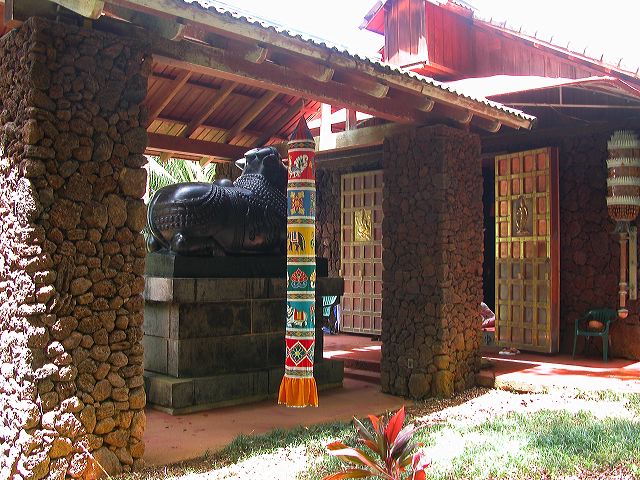
Pancha Ganapati, created in the late twentieth century as a Hindu winter holiday, runs from Dec. 21 to 25 and centers on Lord Ganesha as patron of culture and new beginnings. Families build a home shrine with a statue or image of Ganesha, surrounding it with oil lamps, strings of lights, and decorations in a different color each day. The five days focus on forgiveness, gratitude, and generosity within family, work, and community. As the lamp flames shift and dance, so do old grudges and stuck stories.
Kwanzaa: Kinara Candles For Principles And Pride
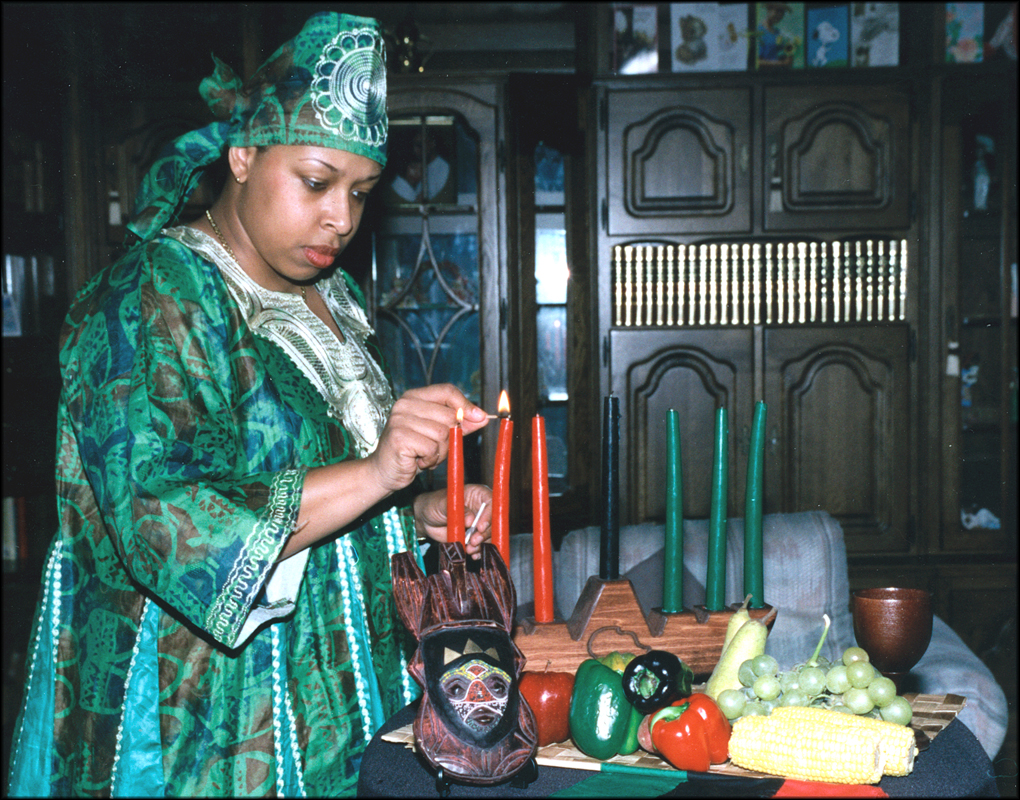
Kwanzaa, observed from Dec. 26 to Jan. 1, is a cultural holiday created in the 1960s to honor African American and Pan-African heritage. A kinara holds seven candles, each representing a principle like unity, purpose, or creativity, and one candle is lit each night as families discuss history and future goals. The glow frames shared meals, music, poetry, and storytelling that center Black experience and possibility. By the seventh night, the full row of flames stands as a small but steady answer to erasure.
Stonehaven Fireballs: Scotland’s Fiery New Year March
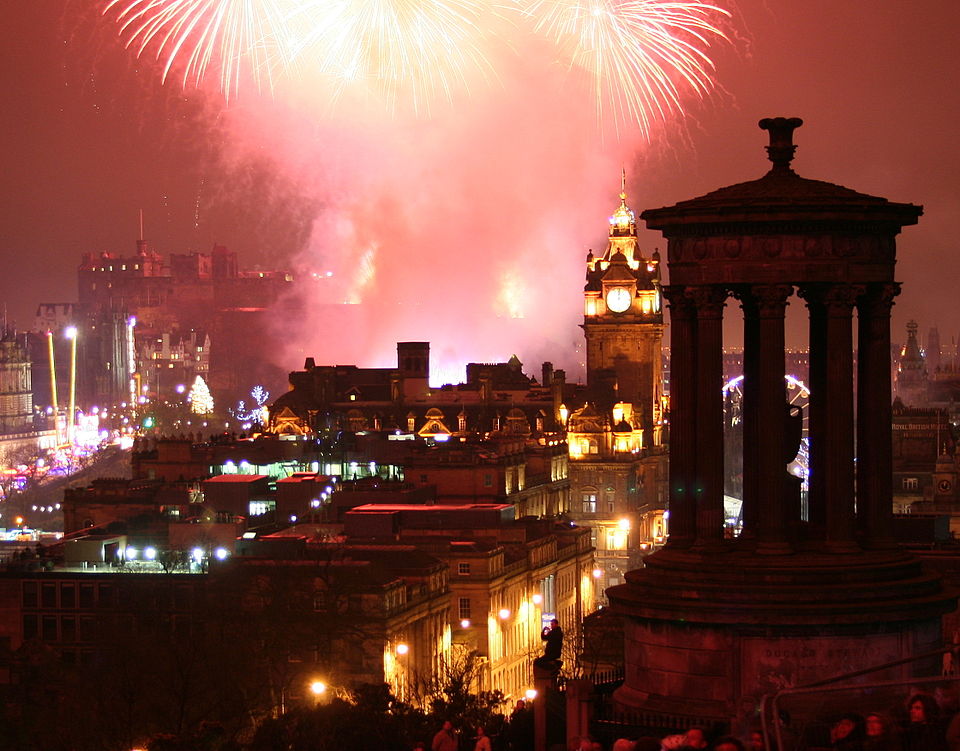
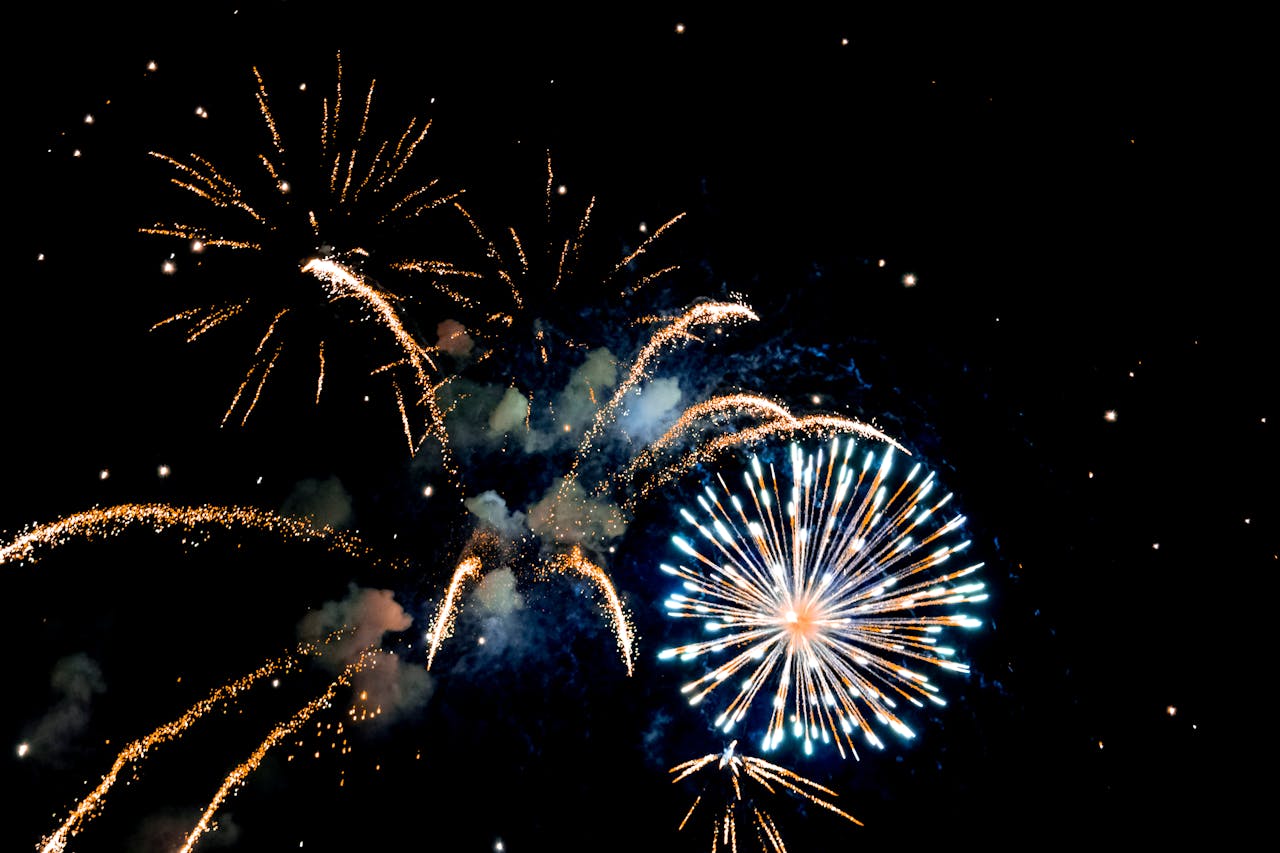
In the Scottish town of Stonehaven, Hogmanay on Dec. 31 is anything but quiet. Just before midnight, locals in protective gear light wire cages packed with fuel, then walk the main street swinging these fireballs above their heads in wide, confident arcs. Sparks fly against the winter sky while crowds watch from doorways and windows, waiting for the throw into the harbor and the final fireworks. The ritual is said to burn away bad luck and stale energy, making room for a braver year.
Chichibu Night Festival: Lantern Floats Under Winter Fireworks
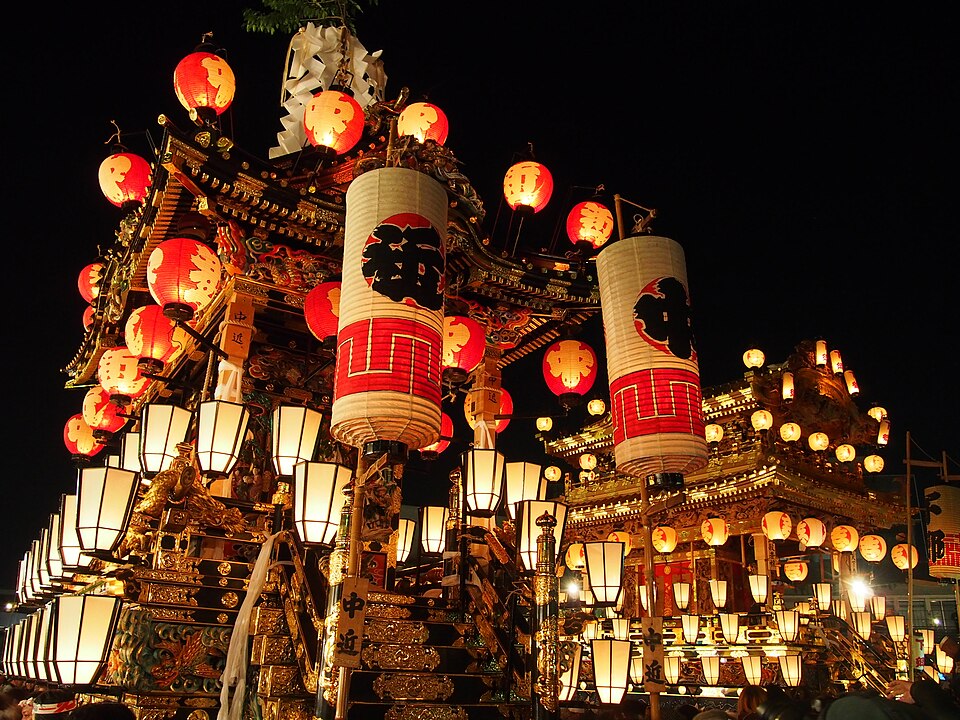
Early December in Chichibu, a small city in Saitama Prefecture, Japan, belongs to towering festival floats and cold night air that smells of incense and street food. Giant wooden floats carved with mythic scenes are covered in glowing paper lanterns and hauled through narrow streets by chanting teams. High above, long bursts of fireworks paint the sky for what feels like hours, reflected in faces, windows, and the polished wood of the floats. The town briefly becomes a moving stage of fire, color, and shared awe.