
Homes age, tastes change, and somewhere between old plans and new ideas, plenty of houses drift away from what local codes allow. A cozy basement becomes an extra apartment, a wall disappears to open a room, or a casual project turns into permanent wiring. On normal days, nothing seems wrong. The trouble appears during an inspection, a sale, or a late night emergency, when that hidden shortcut suddenly matters. These quiet rule breaks say a lot about how safety and comfort share the same roof.
Unpermitted Bonus Bedroom

Extra bedrooms often begin as practical decisions: a growing family, a returning college student, a grandparent staying longer than expected. A wall goes up, a door appears, maybe a closet squeezes into a corner, but no inspector ever signs off. Ceiling height, ventilation, heating, and smoke alarms might all miss the mark, even if the space looks charming. On paper, that room might not exist at all, yet in daily life it holds someone’s sleep, storage, and sense of privacy.
Basement Suite Without Proper Egress

Finished basements frequently evolve into full living spaces, complete with sofas, televisions, and tucked away beds. Without a full size escape window or direct exterior door, though, those spaces quietly fail one of the most important safety checks. During a fire, smoke can pour down stairwells faster than anyone expects, leaving only that missing window between occupants and a way out. The suite may feel like a bonus, but code treats it as a serious risk once someone sleeps there regularly.
DIY Electrical Panels And Splices
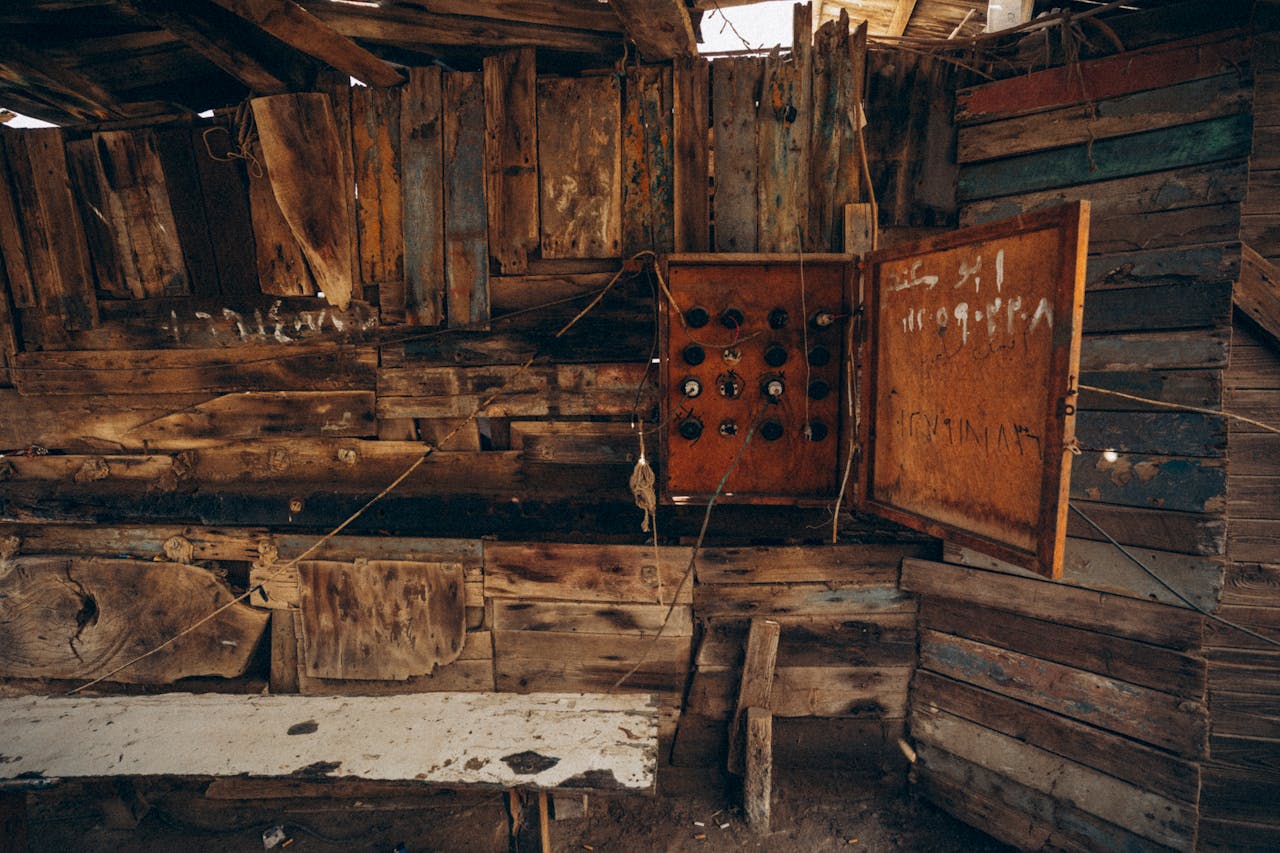
An electrical panel can look neatly labeled while hiding years of small experiments inside the walls. Extra wires added to crowded breakers, splices wrapped in tape and left loose in cavities, and mismatched wire gauges are all common signs of unpermitted work. Lights still turn on and outlets still function, which gives a false sense of security. Over time, though, those quiet mistakes increase heat, strain connections, and raise the odds that one overloaded point will fail in a dangerous way.
Missing GFCI Protection Near Water
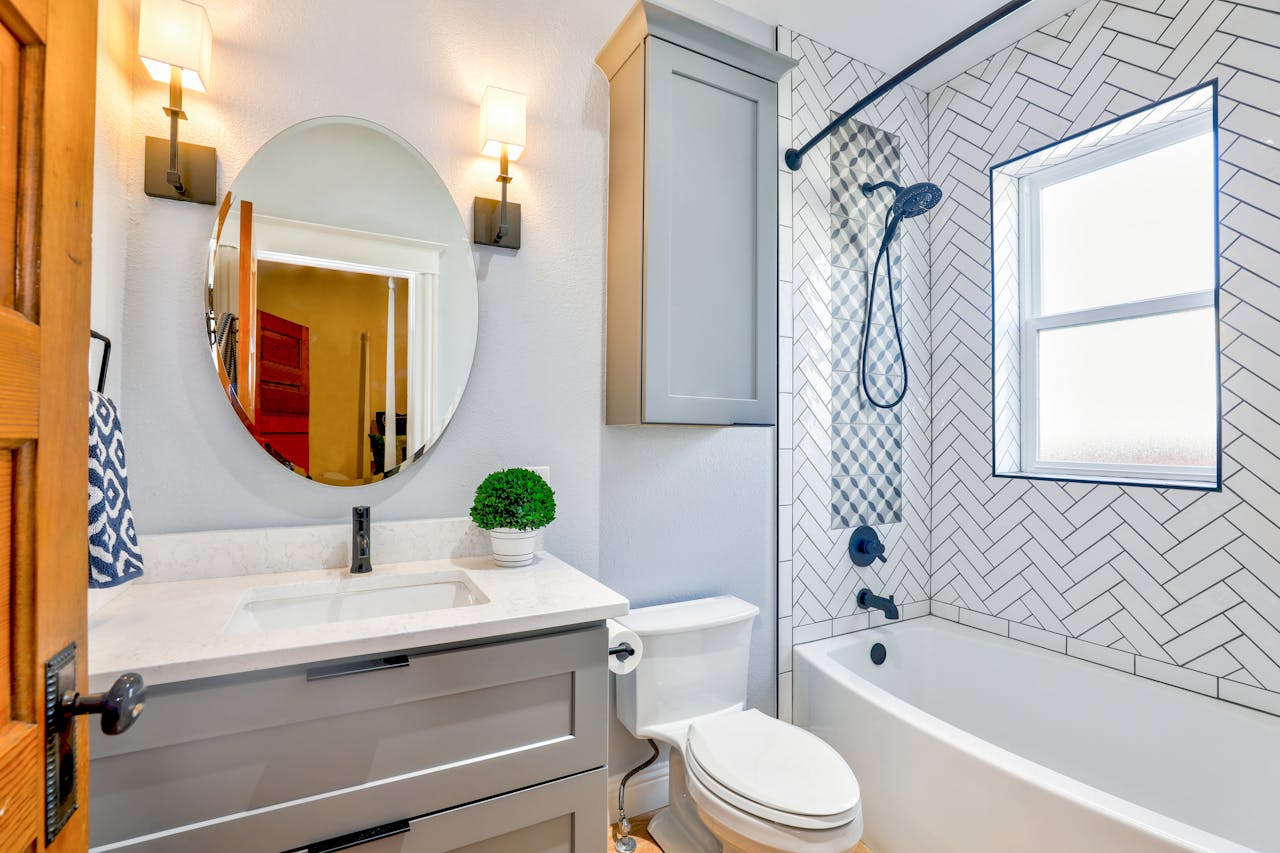
Bathrooms, kitchens, garages, and outdoor areas all bring cords close to sinks, hoses, or damp concrete. Modern codes expect ground fault circuit interrupter outlets in those locations so power cuts instantly when current strays from the expected path. Older homes or rushed remodels sometimes skip this upgrade, keeping standard outlets close to faucets and tubs. Everything feels fine until a dropped hair dryer, wet extension cord, or faulty appliance turns a simple oversight into a serious shock hazard.
Converted Garage Without Fire Separation
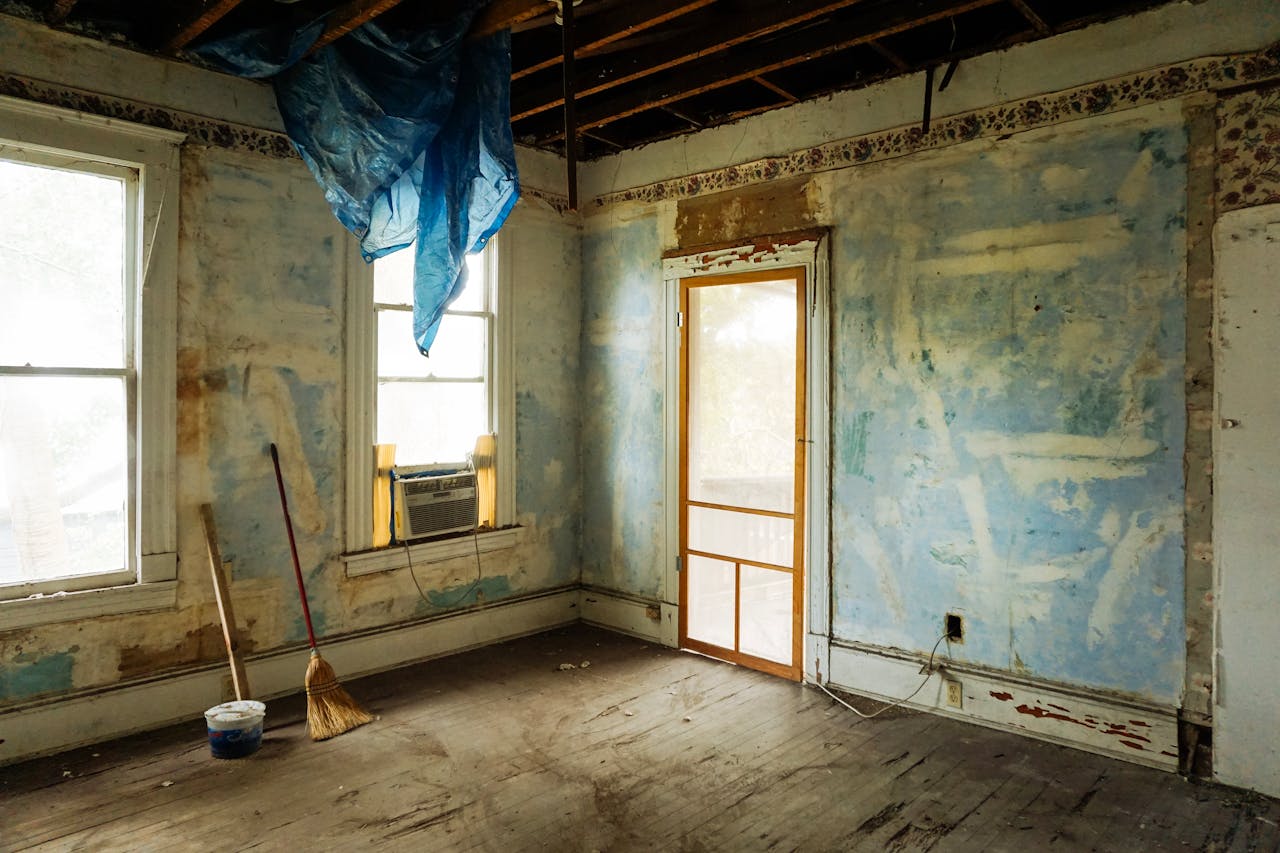
Garage conversions can be appealing: a sunny playroom, home office, or studio filling what once held bikes and storage boxes. When that space shares thin walls, unsealed gaps, or an ordinary hollow core door with vehicles and fuel, it quietly violates fire separation rules. Codes focus on thicker drywall, raised floors, and doors designed to slow flames and fumes. Without those barriers, a small incident in the garage can send smoke and exhaust directly into living areas before anyone realizes what happened.
Removed Load Bearing Walls

Open concept layouts tempt many homeowners to remove interior walls that seem purely cosmetic. Sometimes those walls quietly carry floor loads, roof weight, or both, even if they do not look especially important. Taking them out without engineered beams or new supports can leave ceilings sagging slowly over years, doors sticking, and cracks radiating from corners. The structure may hold for a long time, but each season, snow load, or renovation adds new stress to a frame already pushed past its design.
Noncompliant Staircases And Railings
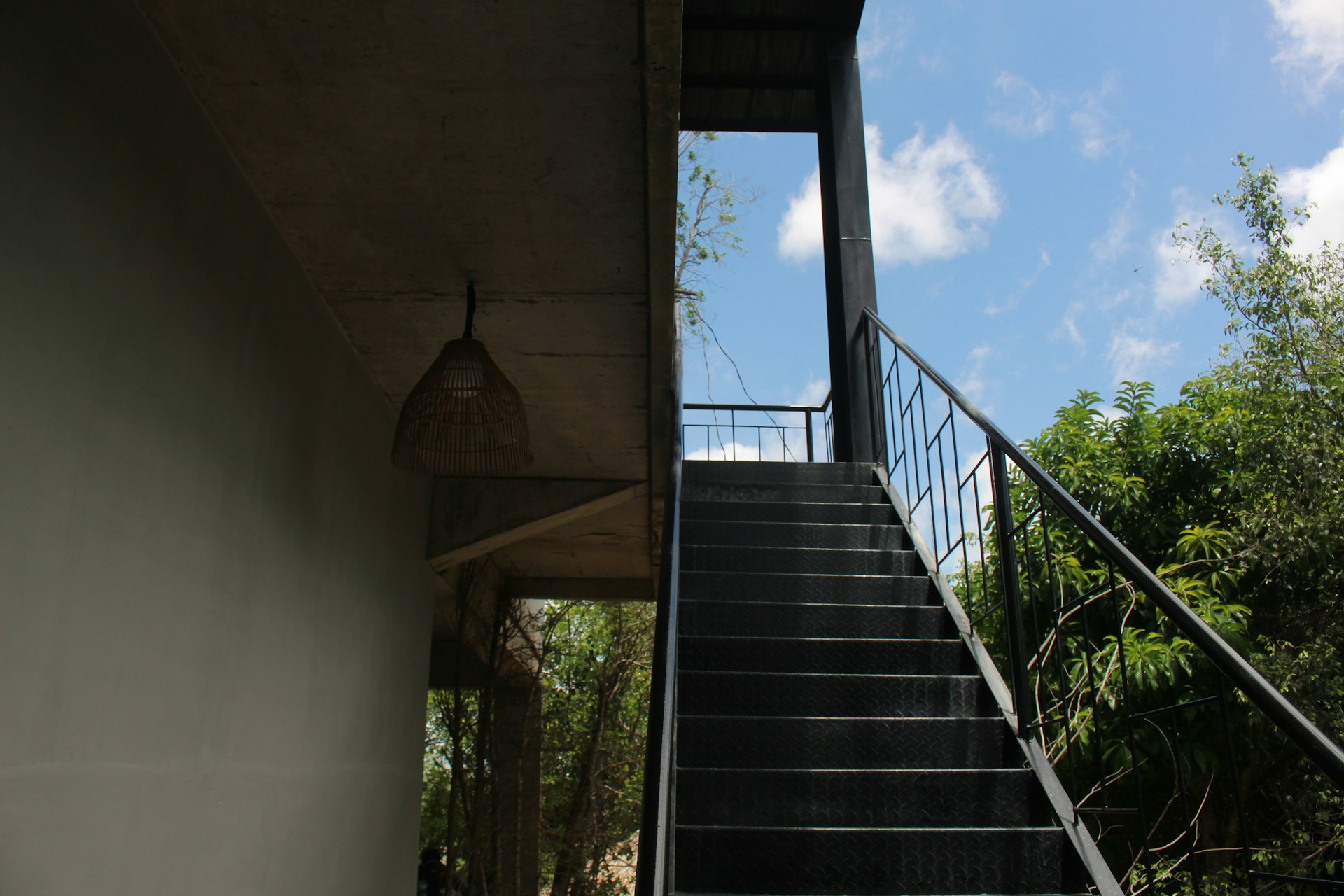
Stairways are easy to overlook when they feel familiar, even if each step hides a small rule breach. Uneven riser heights, shallow treads, and loose or missing handrails all increase fall risk, especially for children and older adults. Decorative railings sometimes leave wide openings that a small child could slip through, which modern codes specifically try to prevent. The staircase still carries people up and down every day, but one rushed trip, dim light, or wet shoe can suddenly reveal all those shortcuts at once.
Illegal Bedroom With No Closet Or Window
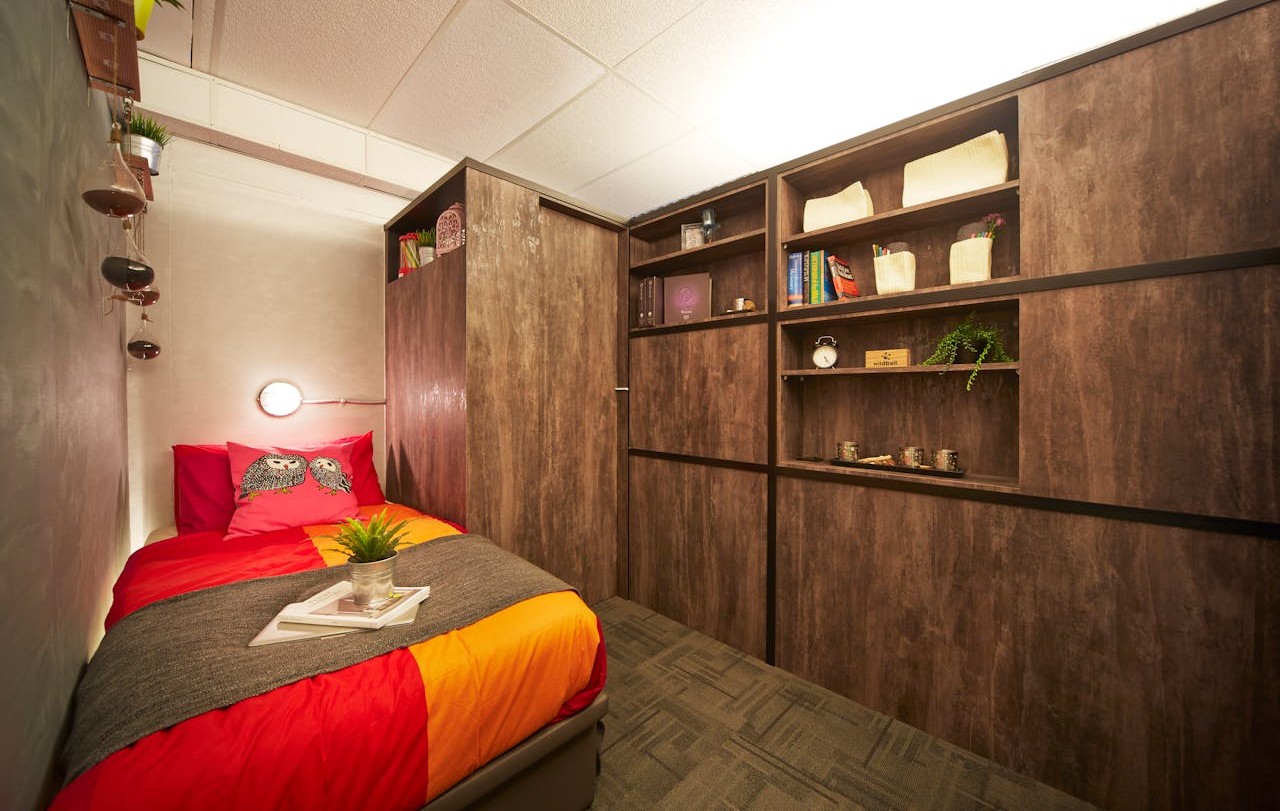
Many homes label a small interior room as a bedroom to make floor plans more appealing. Without a real window large enough to escape through and bring in natural light, codes see only a storage room. Some spaces also skip dedicated heating or rely on borrowed air from nearby halls. The room might look comfortable with fresh paint and a rug, yet in a power outage, fire, or medical emergency, the lack of a direct opening to the outside becomes painfully obvious.
Improvised Plumbing And Drain Ties
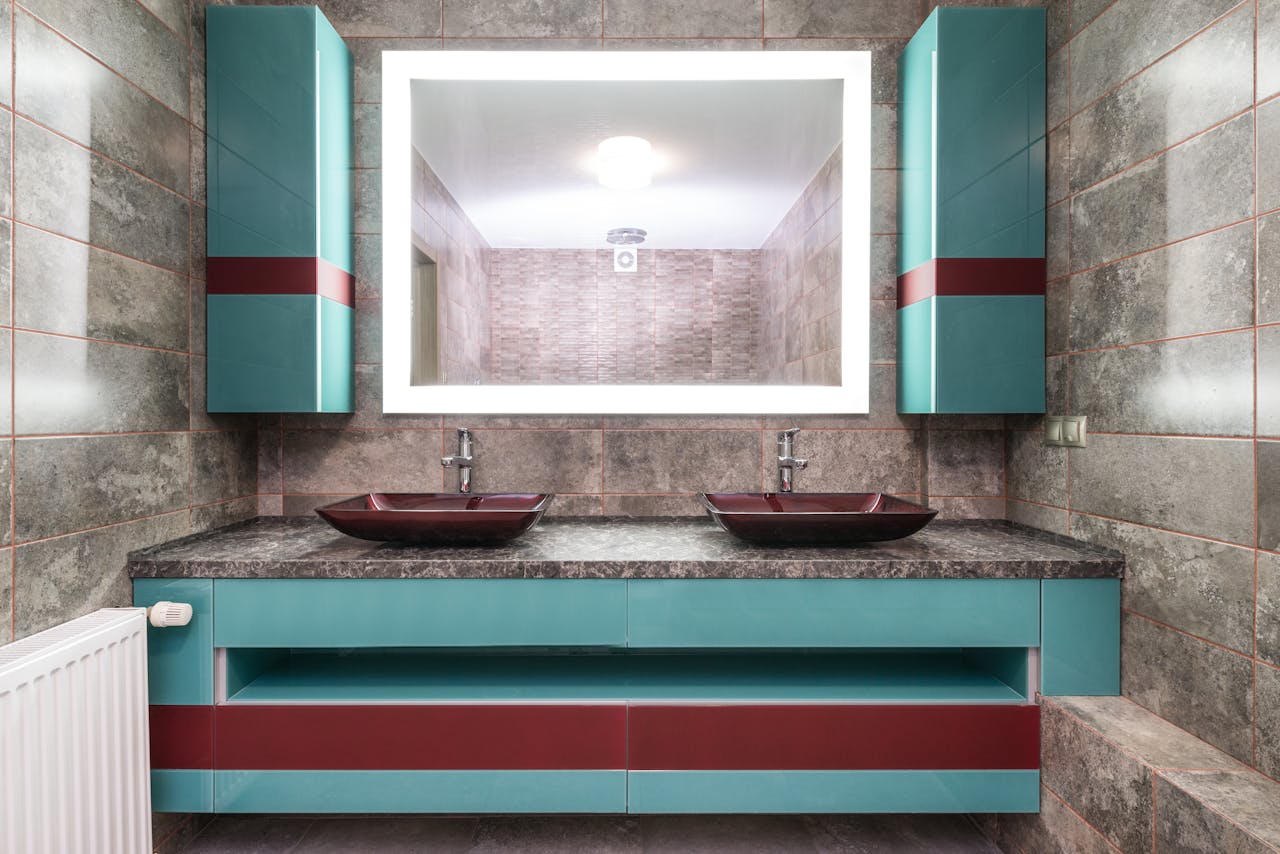
Extra sinks, showers, and washing machines often begin as clever solutions to daily inconvenience. A handy friend or prior owner may tie new drains into existing lines without proper vents, traps, or slope calculations. At first everything seems functional, with water flowing away and no visible leaks. Over time, slow clogs, gurgling sounds, and sewer gas odors hint at deeper issues. Hidden moisture can also build inside walls and floors, feeding mold that remains unseen until damage becomes extensive.
Blocked Or Painted Shut Emergency Exits

Old windows and secondary doors sometimes turn into decorative elements during renovations. New furniture, heavy paint layers, and security bars can quietly turn official escape routes into permanent dead ends. On calm days, no one misses those exits, and curtains or artwork may even make the room look better. In smoke or darkness, though, residents suddenly discover that a once viable option is no longer available. Firefighters often find these blocks first, and their reports rarely read kindly.
Improper Fuel Burning Appliances

Wood stoves, gas heaters, and vented fireplaces can bring real warmth to a room, along with quiet risks if they are installed without permits or modern clearances. Flues might be undersized, shared when they should not be, or clogged with years of neglected soot. Nearby furniture, curtains, or low ceilings may sit closer than current rules allow. Carbon monoxide detectors sometimes go missing as well. Comfort hides the danger until a backdraft, small leak, or drifting ember pushes the setup past safety.
Hidden Rental Units In Single Family Zones
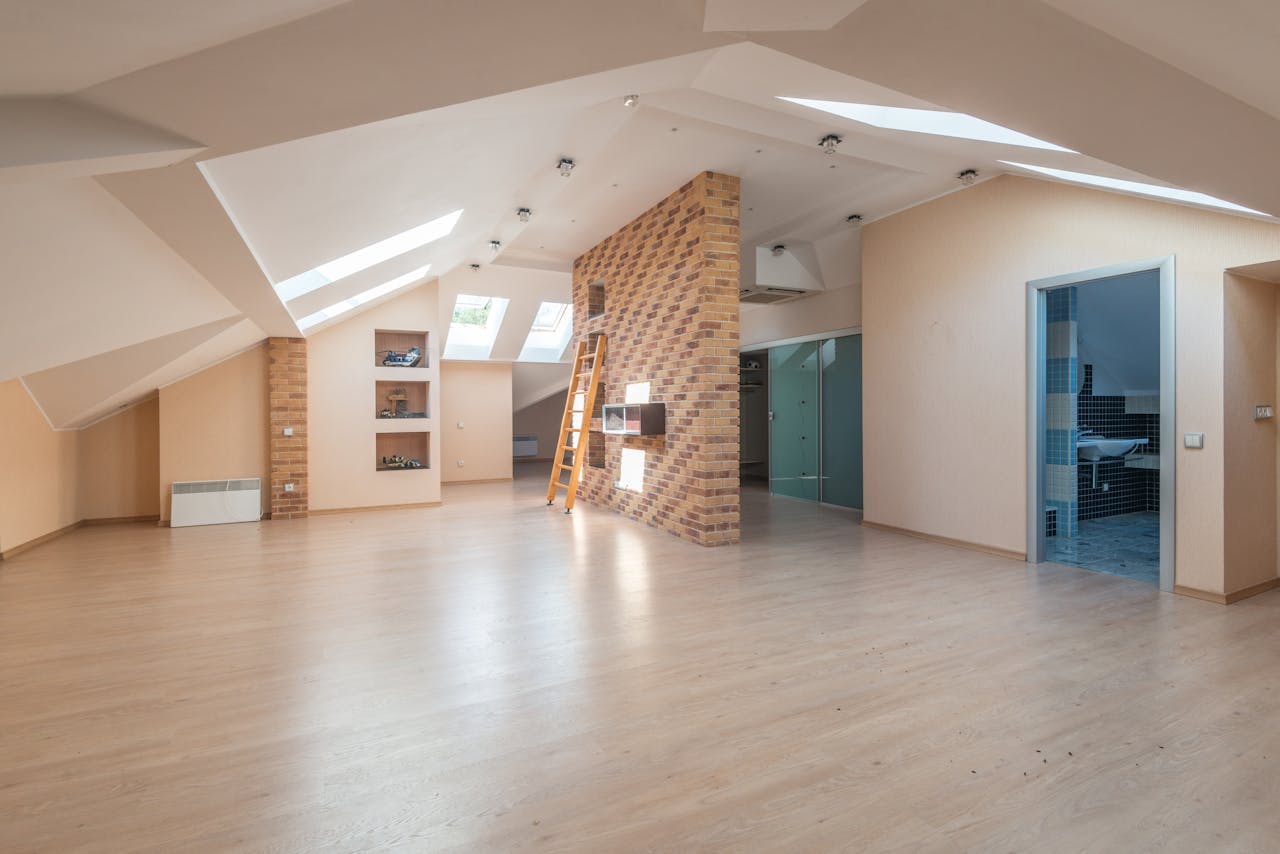
Attics, basements, and detached sheds often turn into full apartments, complete with kitchenettes, separate locks, and informal agreements between owners and tenants. Zoning laws in many areas restrict those units or require registrations, inspections, and additional parking that never appear. Emergency responders may not know that extra households exist on the property when they arrive, and addresses can become confusing in stressful moments. What looks like smart use of space can, under pressure, reveal gaps that affect everyone involved.