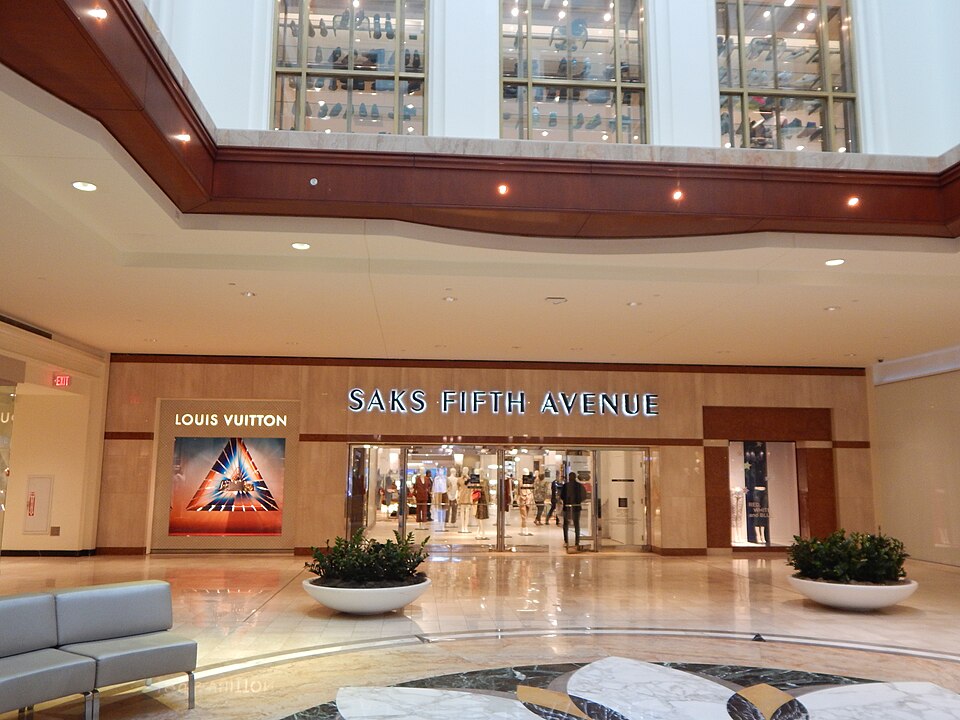
Department stores once felt like the natural center of a weekend, from perfume counters and gift registries to food courts and parking rituals. Now many of those anchors are shrinking in slower, quieter ways. As major chains have announced multi-year closure programs spanning 2024 through 2026, the physical impact is becoming increasingly visible: short notices arrive, clearance banners go up, then dark shells wait for new tenants. The brands still show up on reusable bags and browser tabs, but the physical map that used to carry their logos is steadily thinning out as these plans unfold.
Macy’s
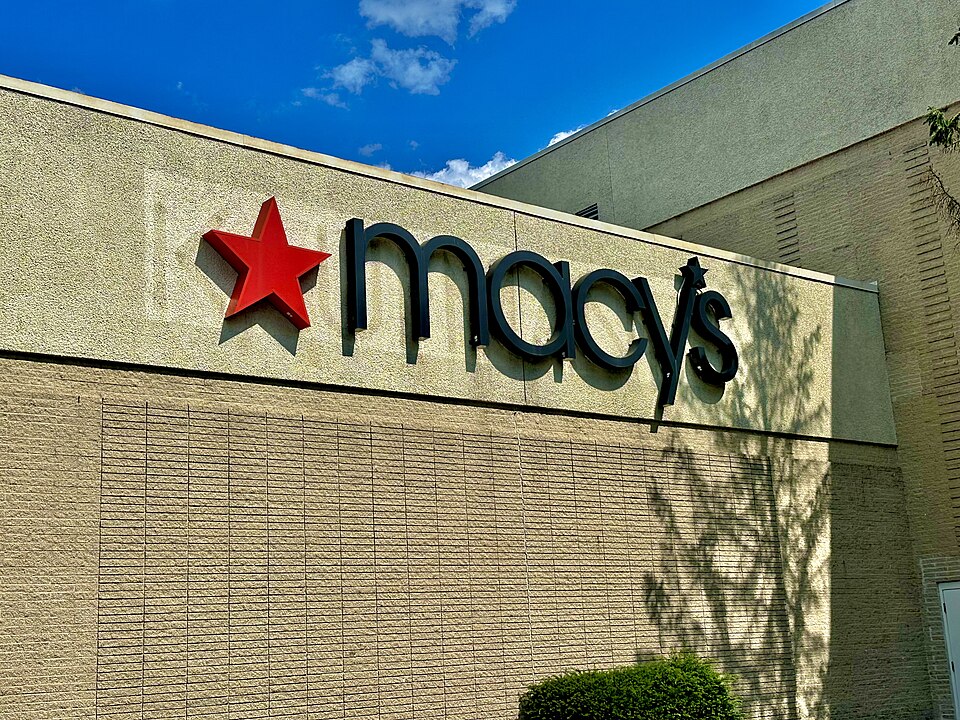
Macy’s is still a giant, yet it is actively learning to live inside a smaller body. The company has publicly committed to closing about 150 underproductive stores through 2026, with 66 locations already confirmed as part of that plan. Management has been trimming slower mall stores while pushing energy into leaner formats and online sales. Some communities now see their longtime parade backdrop wrapped in closing signs, then boarded up. Bigger flagships in key cities survive with refreshed layouts and events, while secondary locations quietly slide off the directory map, leaving gaps where red stars once felt permanent.
JCPenney
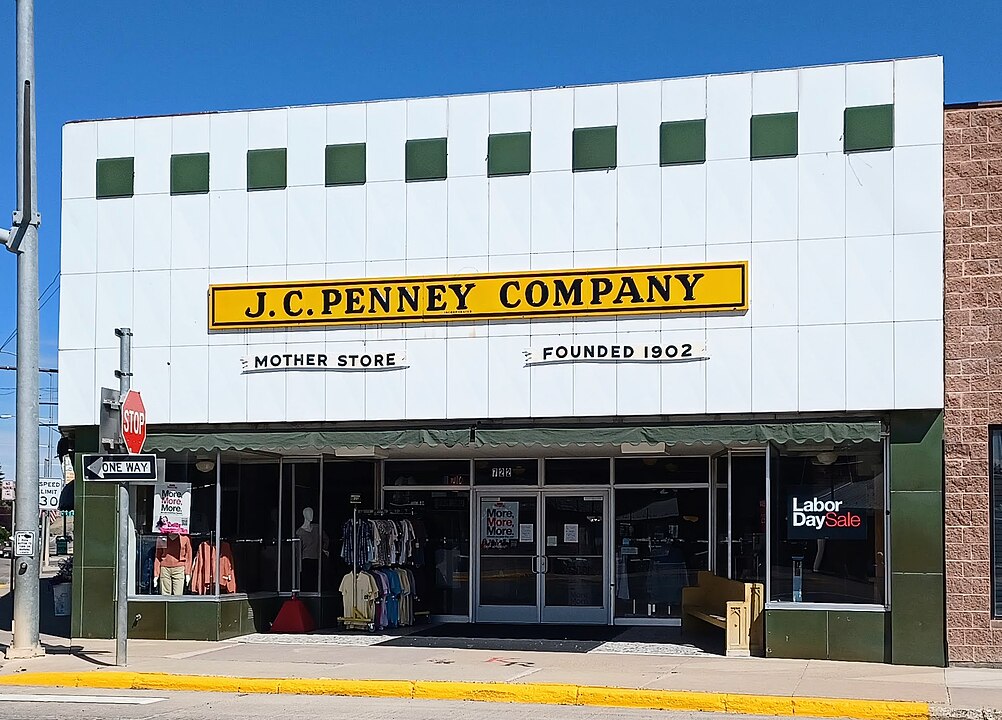
JCPenney spent decades as the dependable middle option, good for school clothes, towels, and a decent suit on short notice. Years of debt, awkward trend chasing, and mall decline have turned it into a chain that closes stores as leases expire, especially in softer markets. Each closing means bare racks, discount fixtures, and then a dark anchor that landlords scramble to reimagine. In many smaller towns, losing Penney’s means losing one of the last full clothing floors in driving distance.
Sears
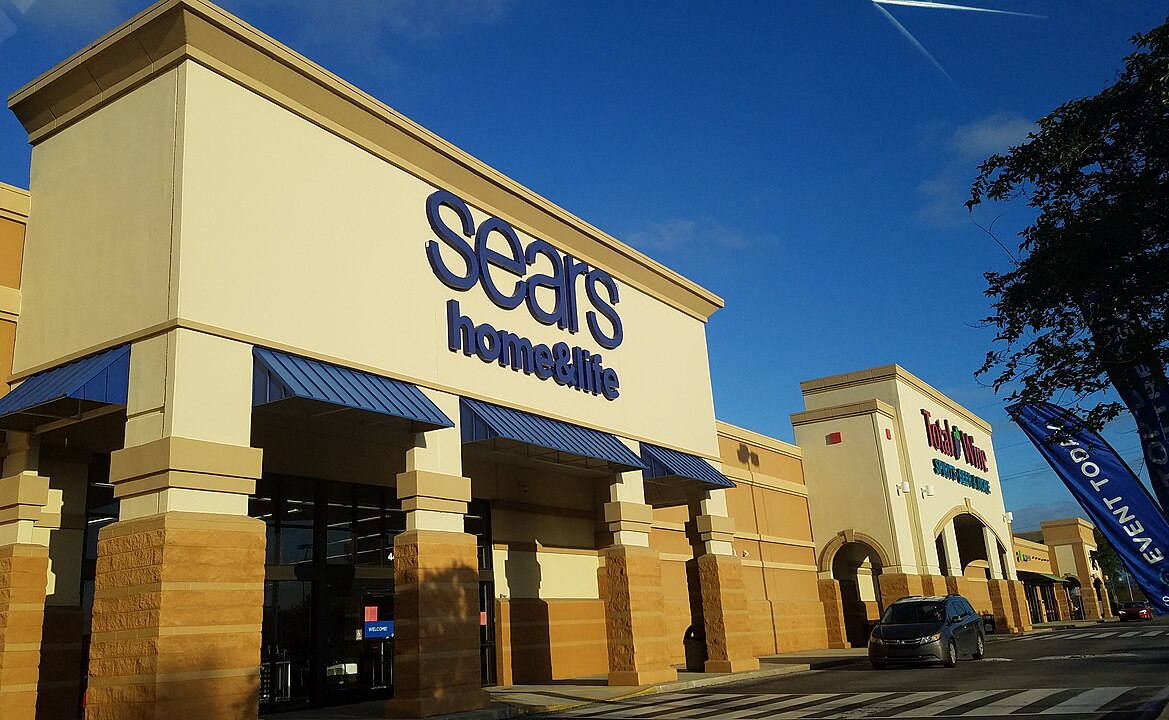
Sears has shifted from everyday presence to lingering ghost, with only a handful of stores still standing. Those remaining locations often feel half empty, with closed off levels and departments reduced to scattered racks. When a final closing sale appears, it lands less as surprise and more as confirmation of what shoppers already sensed. Once the lights go out, the huge shells tend to become demolition sites, entertainment hubs, or warehouses, leaving the old Sears identity mostly in memory and old catalogs.
Nordstrom
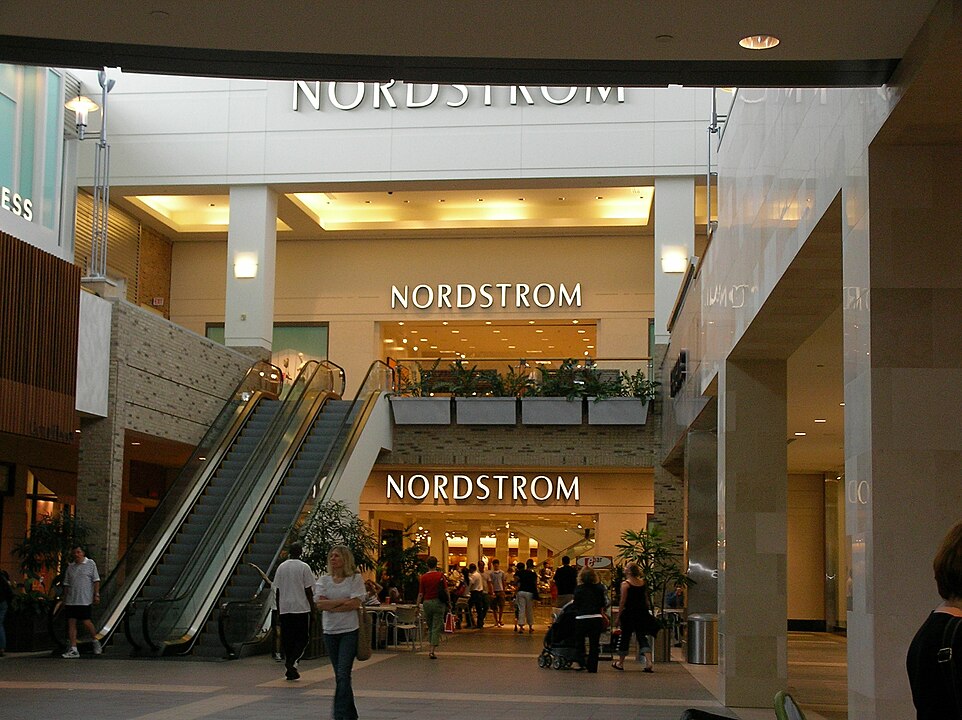
Nordstrom built its image on polished displays and attentive service, the kind of place where staff remembered shoe sizes and names. In recent years it has closed selected mall and city stores, focusing on a tighter group of flagships, discount outlets, and an increasingly important website. When a Nordstrom leaves a downtown, windows that once held artful mannequins turn blank, and nearby streets feel slightly less dressed up. The brand remains, but its footprint is more selective with each cycle.
Neiman Marcus
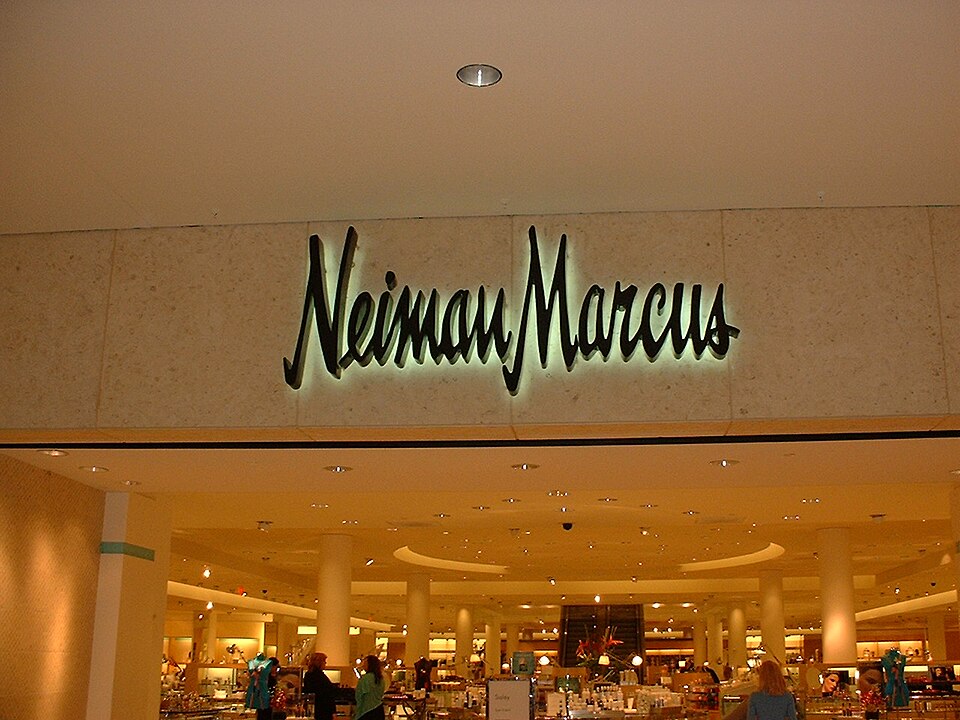
Neiman Marcus sits firmly in the luxury camp, yet that niche has not insulated it from broader retail pressures. After restructurings and new ownership, the chain has been evaluating its portfolio to identify which large spaces justify high city rents. Selected older locations have closed or been marked for redevelopment, particularly in struggling malls, though the company continues to operate flagship locations. Surviving stores emphasize events, personal styling, and curated floors, while the chain pursues growth through online channels and selected new openings in strong markets.
Saks Fifth Avenue
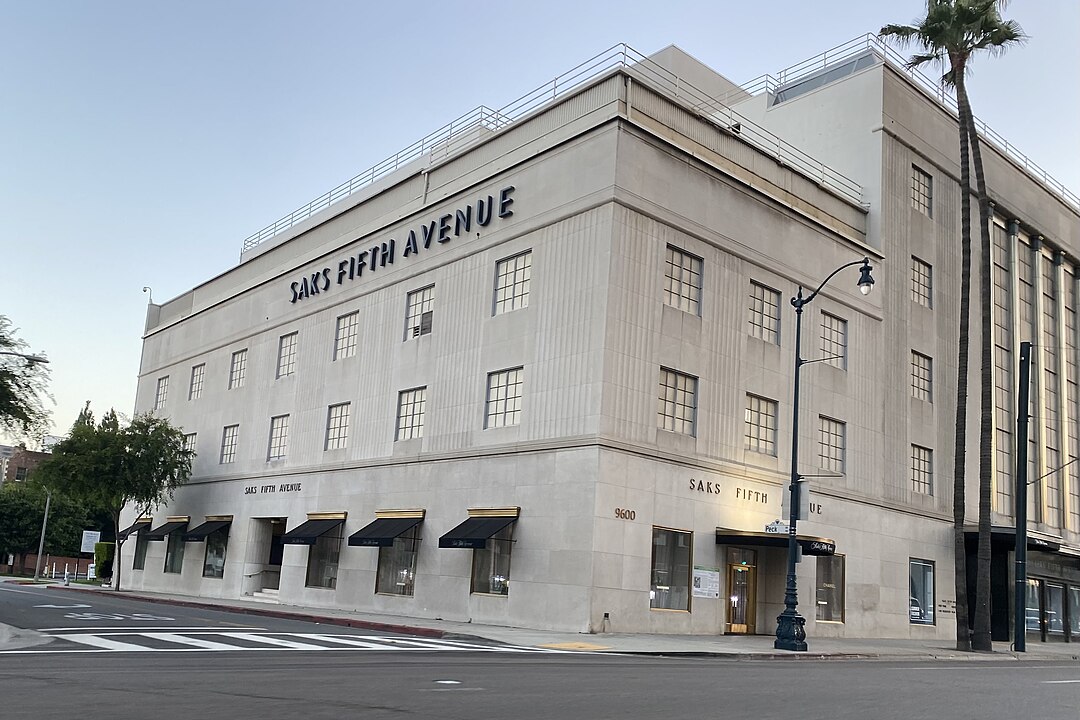
Saks Fifth Avenue still signals glamour, but even glamour has felt the pressure from changing city centers and high leases. The company has closed selected downtown locations that no longer fit evolving traffic patterns or property strategies, while maintaining presence in key markets. At the same time, it is courting wealthy shoppers through online channels and smaller, targeted boutiques. For neighborhoods that once treated a Saks facade as part of their identity, the loss is felt deeply, though the brand continues to operate in many cities.
Saks Off Fifth
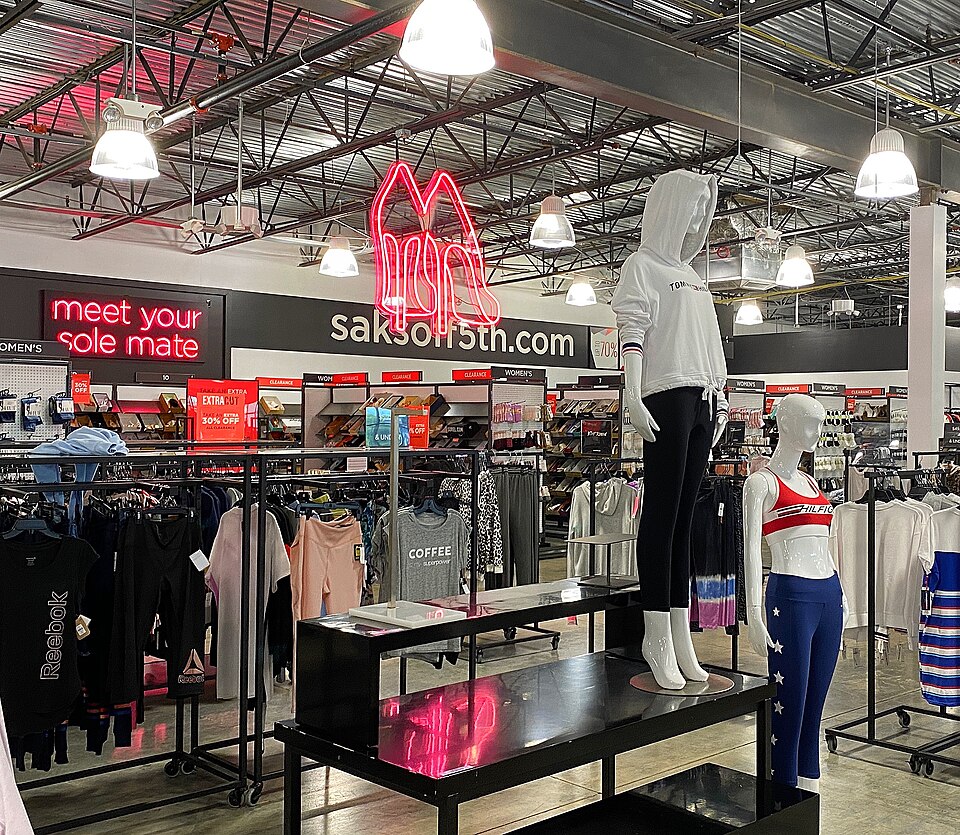
Saks Off Fifth offered a treasure hunt version of luxury, with designer labels jumbled on crowded racks. As shopping habits shifted, some locations became too expensive to keep for the returns they generated. The chain has been trimming weaker outlets and sharpening its focus on markets where bargain driven shoppers still make regular trips. When an Off Fifth closes, it leaves an oddly shaped gap, sometimes in outlet centers that were built around that promise of slightly reachable glamour.
Bloomingdale’s
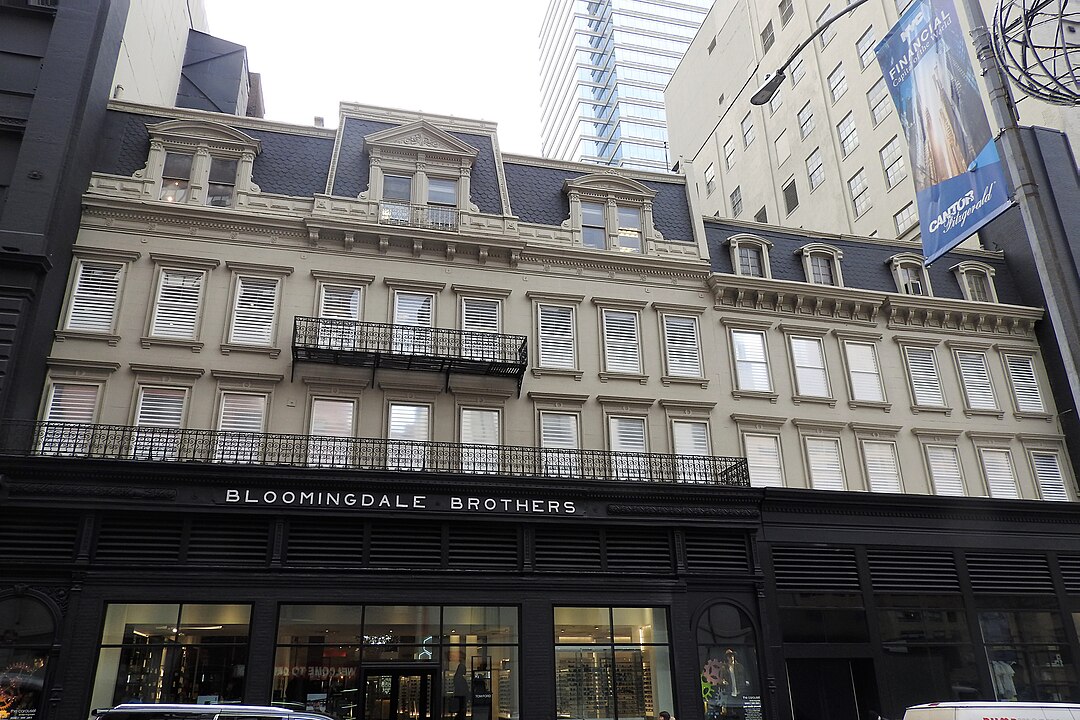
Bloomingdale’s has long balanced its image between upscale fashion and approachable fun, anchored by its famous flagship and a ring of suburban stores. In recent years it has nudged more growth into smaller Bloomies formats and online efforts, while reevaluating older sites with softer sales. Some full line stores face consolidation or closure as landlords rethink entire properties. Shoppers who grew up with those black shopping bags may still see the name, but not always in the same familiar wing.
Kohl’s
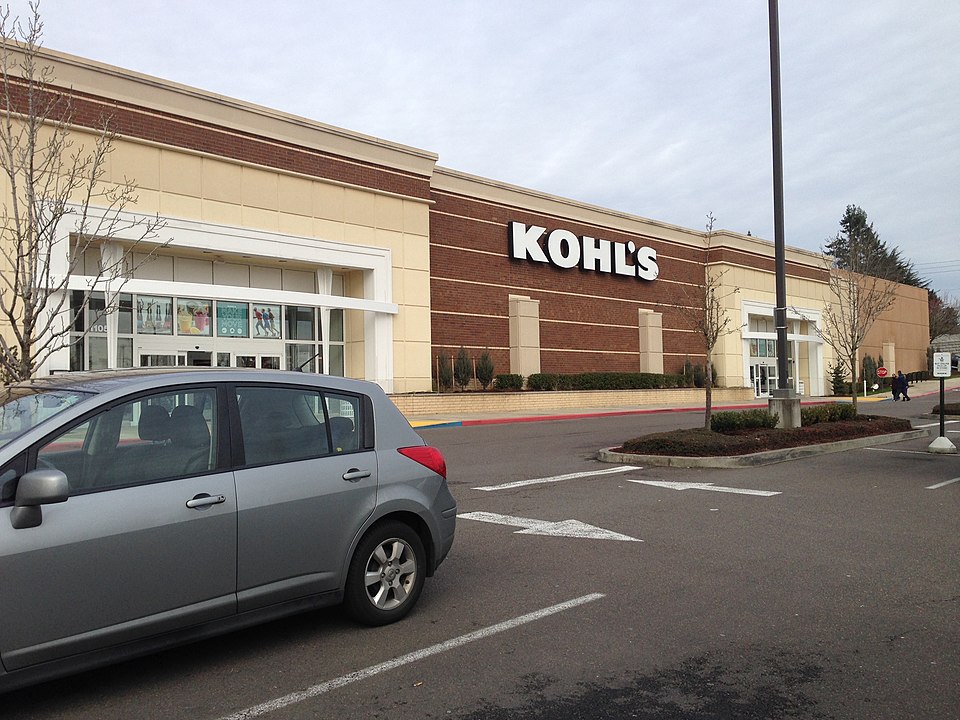
Kohl’s became a go to stop for practical wardrobes, home basics, and those endlessly tweaked coupon deals. Pressure from online rivals, changing brands, and rising costs has pushed the company to shut underperforming stores while it experiments with partnerships and new layouts. Closings tend to be framed as strategic choices rather than retreat, but empty Kohl’s boxes leave noticeable holes in suburban strips. Surrounding shops often feel the drop in shared traffic when that big rectangle goes quiet.
Dillard’s
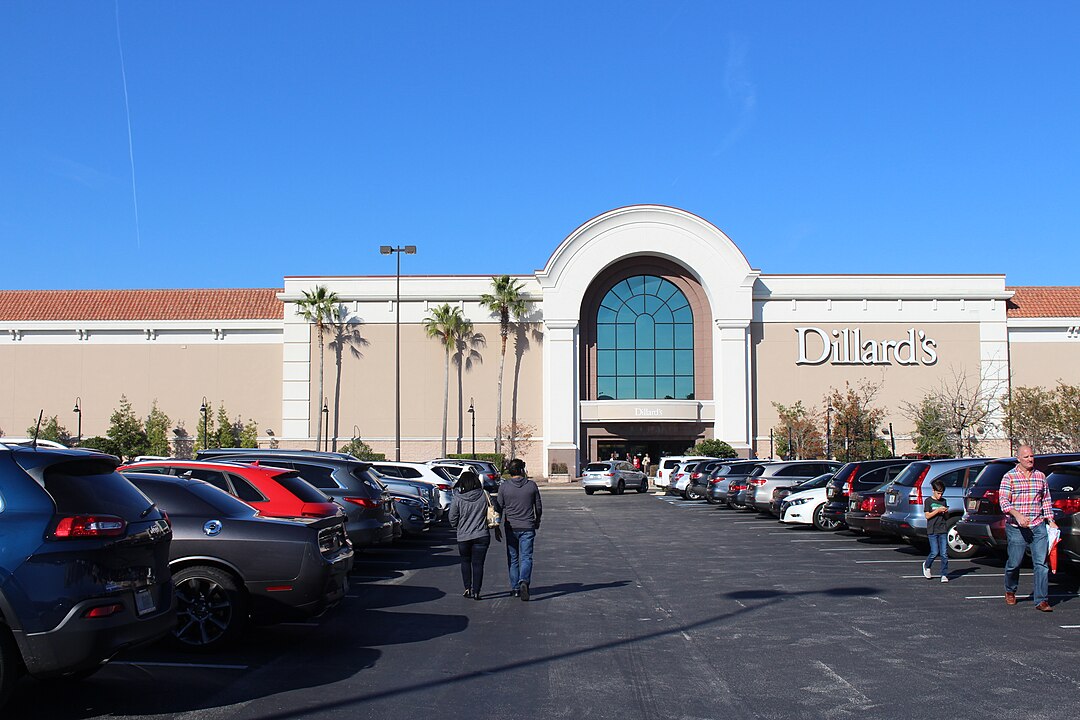
Dillard’s has managed to stay relatively profitable, yet it is not immune to the slow grind of aging malls. As landlords break apart enclosed centers to add apartments, offices, or entertainment, some Dillard’s anchors are left without a clear role. Selected stores close when deals make more sense than staying. In regions where it served as a primary source for formal wear and shoes, the loss pushes shoppers toward online carts or distant cities instead of familiar fitting rooms.
Belk
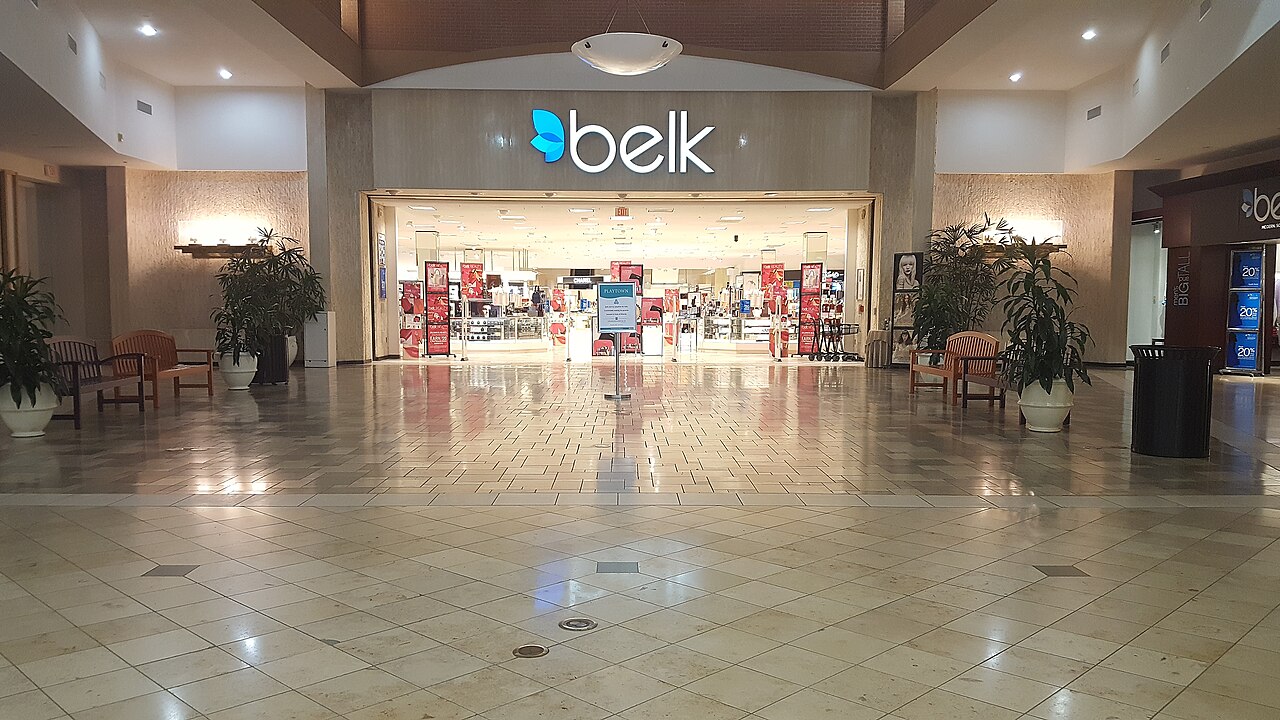
Belk is tied closely to the retail fabric of the American South, especially in smaller cities where choices are limited. After financially turbulent years, the chain has mixed targeted closures with new, smaller concepts in growing areas. For one town, that might mean a fresher, compact Belk closer to a highway. For another, it means an aging store marked by final sale signs and then a dark anchor. Those shifts slowly redraw where families buy Easter outfits and wedding gifts.
Hudson’s Bay
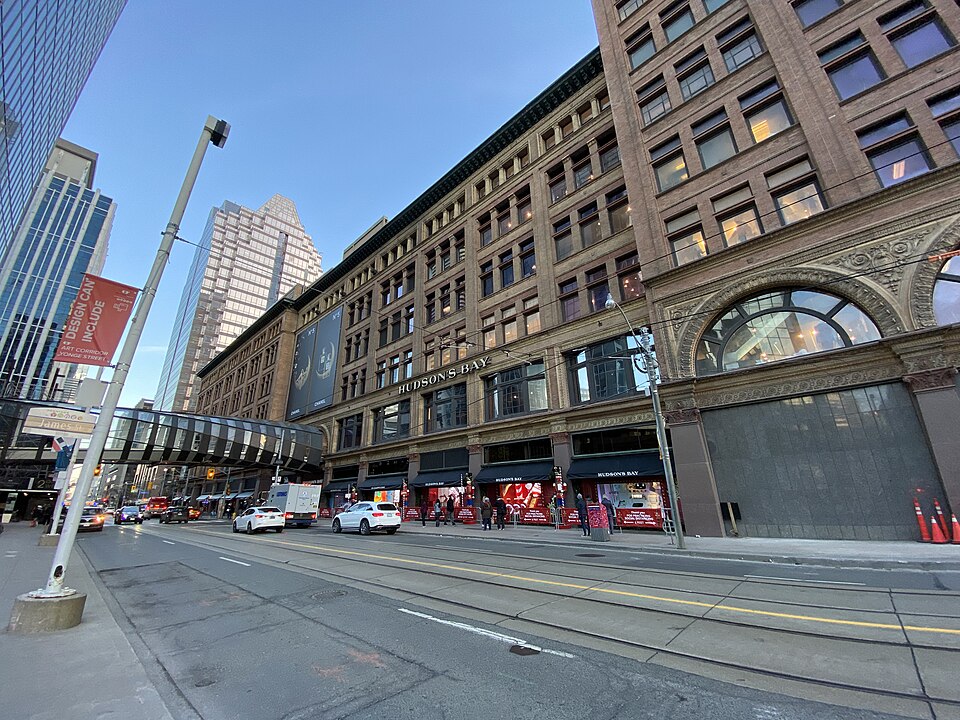
Hudson’s Bay carries centuries of history in Canada, from trading posts to sprawling city flagships. Unlike the other chains in this list, Hudson’s Bay has already completed its department store closure rather than undergoing ongoing downsizing. The company ended all of its department store operations in Canada by June 1, 2025, following court-supervised restructuring and liquidation sales that affected approximately 90 stores. This represents a fundamental shift from gradual consolidation to complete exit from the brick-and-mortar department store format. For many Canadians, the Bay logo’s sudden absence from skylines and mall directories marks not a gradual step back, but the end of an era.