The 1950s often get remembered in soft colors and tidy frames: polished cars in the driveway, kids on bikes, and television families who never raised their voices. Beneath that glow lived a set of beliefs that shaped how people smoked, ate, parented, and even imagined the future. Many felt perfectly reasonable at the time and deeply strange now. Looking back at them does not just invite laughter or shock; it also shows how quickly common sense can shift under everyone’s feet.
Smoking As Harmless Daily Routine

In the 1950s, smoking was stitched into everyday life so tightly that many people barely noticed it. Parents lit up at the dinner table, workers smoked over typewriters, and ashtrays sat in hospital waiting rooms. A morning cigarette, an after lunch cigarette, and a final puff before bed felt like ordinary pacing, not a health risk. When early studies raised alarms, some brushed them off as fads, trusting habit and advertising more than emerging science.
Doctors Selling Cigarettes And Slimming Pills

Some of the most unsettling relics from the decade are ads with calm, confident doctors recommending cigarette brands or amphetamine based diet pills. The white coat gave everything a sense of authority, so many patients saw these products as smart choices rather than gambles. Quick fixes for weight, nerves, or headaches lined medicine cabinets. That easy blend of marketing and medical reassurance now reads like a warning about how professional trust can be steered in very strange directions.
The Perfect Housewife As Life’s Highest Calling

Popular magazines and sitcoms helped sell the idea that a woman’s main purpose was to keep a spotless home, raise polite children, and welcome a tired husband with a smile. Wanting a career or serious education was often framed as selfish or unfeminine. Many women did work outside the home, but their ambitions were frequently treated as temporary or second tier. The emotional load of swallowing frustration for the sake of harmony rarely made it into glossy advertisements.
Spanking As Essential Good Parenting

Corporal punishment was widely seen as a healthy, even loving, way to keep children in line. Parents, teachers, and sometimes neighbors felt free to swat, paddle, or slap when a child talked back or broke rules. The phrase spare the rod, spoil the child floated through dinner conversations like a self evident truth. Few mainstream voices asked what repeated fear and humiliation might do to a growing brain. That unquestioned confidence looks very different through modern research.
Kids Riding Loose In Cars

Family drives in the 1950s often meant children standing on the back seat to see out the window, sliding around on vinyl benches, or curling up near the rear windshield to sleep. Seatbelts were optional in many models and rarely used. Car seats, when they existed, were more like perched boosters than safety devices. Short trips to school or church felt harmless, even with a lap full of groceries and a toddler leaning on the door handle.
Comic Books As A Direct Path To Delinquency

As crime and horror comics surged in popularity, some parents, clergy, and politicians became convinced they were poisoning young minds. Public hearings, book burnings, and alarmist headlines painted superheroes and gory covers as gateways to violence and moral collapse. Publishers responded with a strict content code that gutted entire genres. The fear that cheap, illustrated stories could unravel an entire generation now looks less like serious analysis and more like a recurring panic about new media.
Duck And Cover Drills As Nuclear Protection
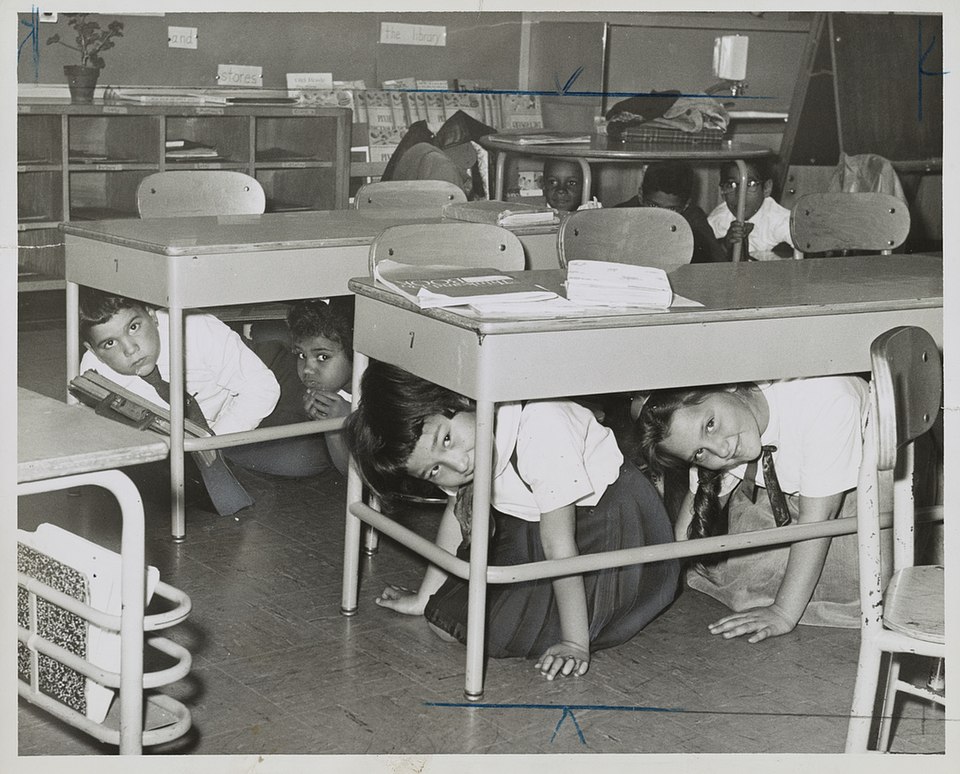
Schoolchildren knelt under wooden desks and covered their heads during civil defense drills, told that duck and cover could help them survive a nuclear blast. Short films showed smiling kids calmly practicing in tidy classrooms while a cartoon turtle explained the steps. The ritual gave adults and children a small sense of control in a frightening nuclear age. Measured against the scale of an actual detonation, those desks and gestures now feel heartbreakingly symbolic and fragile.
Segregation Framed As Normal Order

Across large parts of the United States, racial segregation in buses, schools, and neighborhoods was treated by many white families as ordinary social structure. Separate facilities were defended as tradition or claimed to be fair, even as they funneled Black Americans into underfunded schools and limited jobs. Daily indignities were enforced by law and violence. The idea that such rules kept the peace has since been exposed as a cover for systemic inequality and deep harm.
Homosexuality Labeled Illness And Crime

In the 1950s, homosexuality was often described as a psychiatric disorder and prosecuted as a criminal offense. Therapists offered harsh treatments meant to “cure” same sex attraction, while police raided bars and arrested people for dancing or holding hands. Many queer people lived double lives, crafting careful codes and secret social circles. The belief that their love made them sick or dangerous has been widely rejected in later decades, but its scars remain in memory and law.
Processed Foods As The Smart Modern Choice

Powdered drink mixes, canned soups, frozen dinners, and neon desserts arrived as symbols of progress. Advertisers promised that science had improved on traditional cooking, offering meals that were faster, tidier, and somehow more advanced. Housewives were encouraged to swap fresh ingredients for boxed shortcuts without thinking much about salt, sugar, or additives. Today’s worries about ultra processed foods and nutrition make that uncritical enthusiasm for shelf stable convenience look more than a little naive.
Extreme Psychiatric Treatments As Quick Fixes
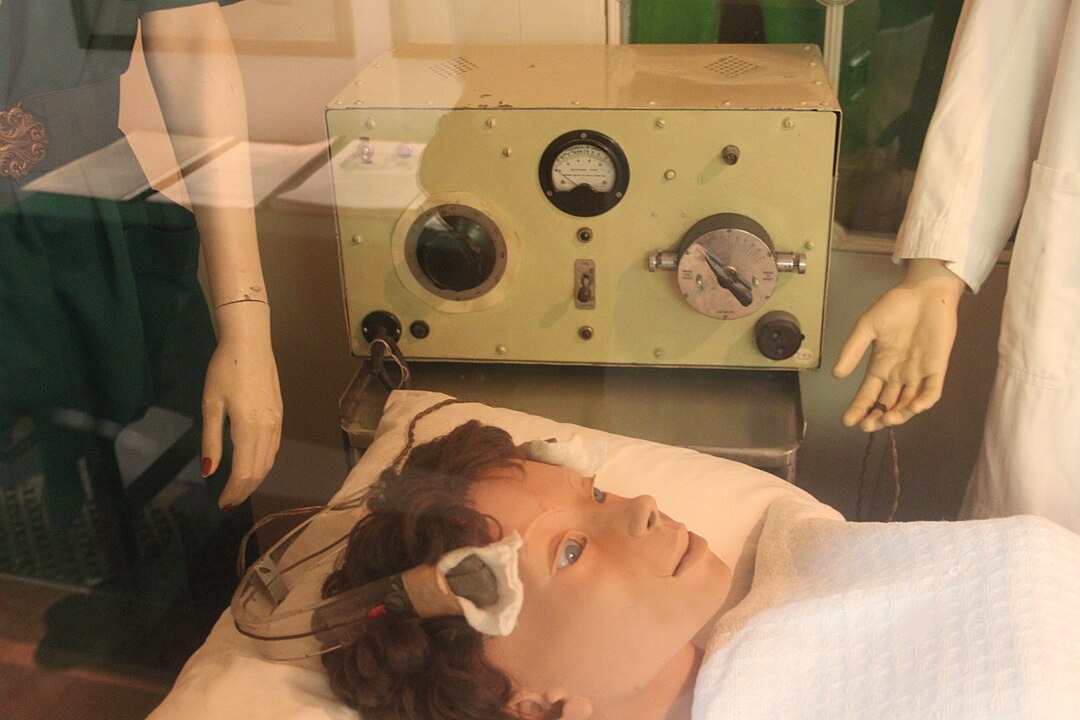
Psychiatric care in the 1950s often leaned heavily on lobotomies, aggressive electroconvulsive therapy, and long term institutionalization. Families were told these drastic steps could calm troublesome relatives or restore normal behavior, sometimes with little explanation or meaningful consent. Patients lost autonomy, memories, and in some cases basic personality traits. Current views on mental health still have gaps, but the earlier faith in knives and shocks for complex suffering now reads as both tragic and alarming.
Technology Worshipped As Pure Progress

Postwar optimism wrapped technology in a kind of glow. Nuclear power would make electricity almost free, pesticides would tame nature without side effects, and automation would bring more leisure than people could use. Environmental damage, workplace upheaval, and unequal access rarely took center stage in those visions. Later oil spills, polluted rivers, and job displacements exposed the missing pieces. The 1950s habit of treating every new invention as an unqualified blessing now feels almost childlike.