Around the world, coastal nations are rethinking what cruise tourism actually costs. Harbors that once welcomed every new ship now weigh exhaust, underwater noise, crowded streets, and stressed coral reefs alongside port fees and souvenir sales. Local residents, scientists, and small business owners have pushed the conversation away from simple growth toward questions of scale, timing, and impact. The result is a patchwork of rules that cap arrivals, restrict ship size, or demand cleaner technology. Together, they show how shorelines can push back while still inviting visitors to come, look closely, and leave gently.
Italy: Steering Giants Away From Venice
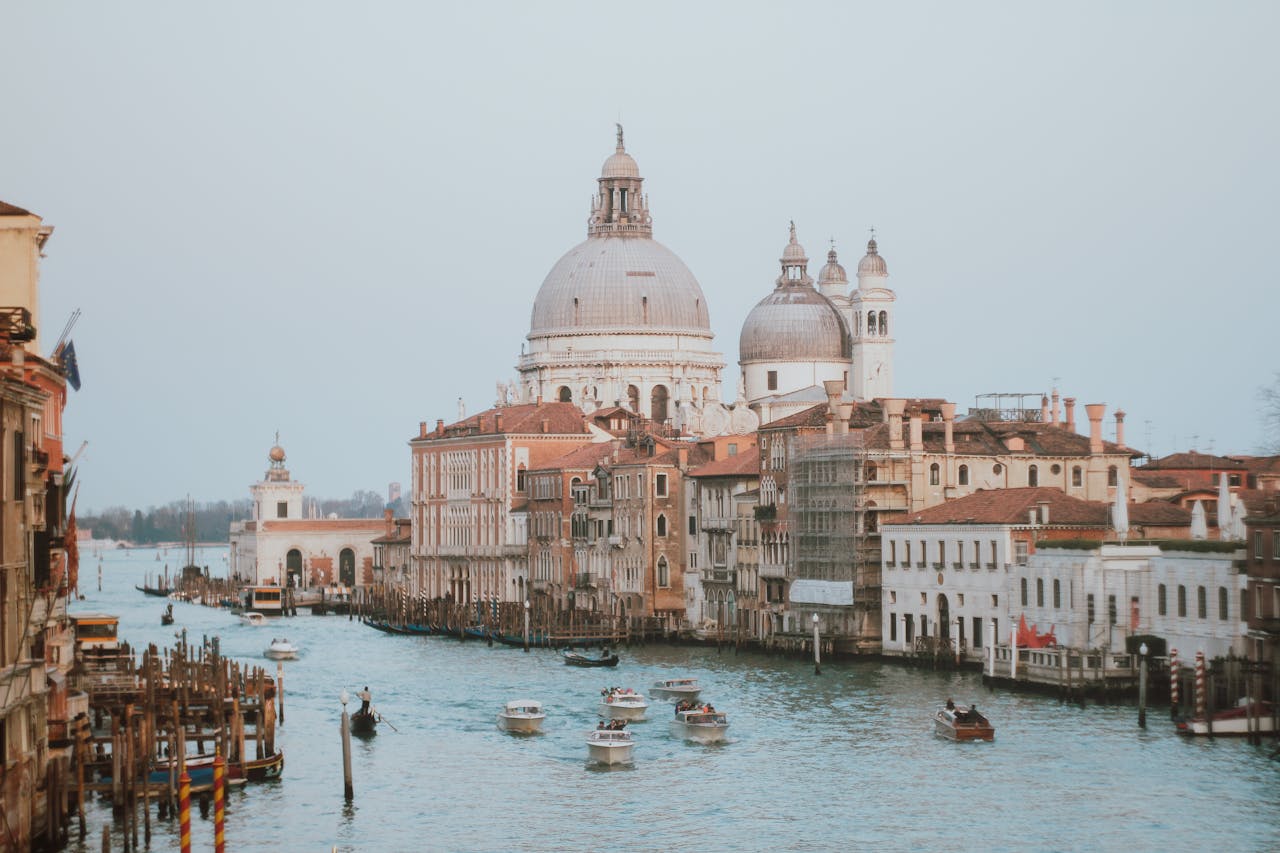
Italy’s most visible move came in Venice, where deep-draft cruise ships used to glide past centuries-old facades and shallow lagoon beds that were never meant to handle that kind of displacement. Each visit sent heavy wakes into fragile mudflats, stirred sediment, and left exhaust hanging between tightly packed buildings. After years of protests from residents, conservationists, and cultural groups, the government redirected large ships to industrial terminals outside the historic heart. Smaller vessels and ferries now handle most passenger traffic into the center. The change has not solved every problem, but it has eased pressure on the lagoon and reminded travelers that a city built on wooden piles and narrow canals cannot be treated like a modern deep-water port without consequences.
Norway: Protecting Fjords With Zero-Emission Rules
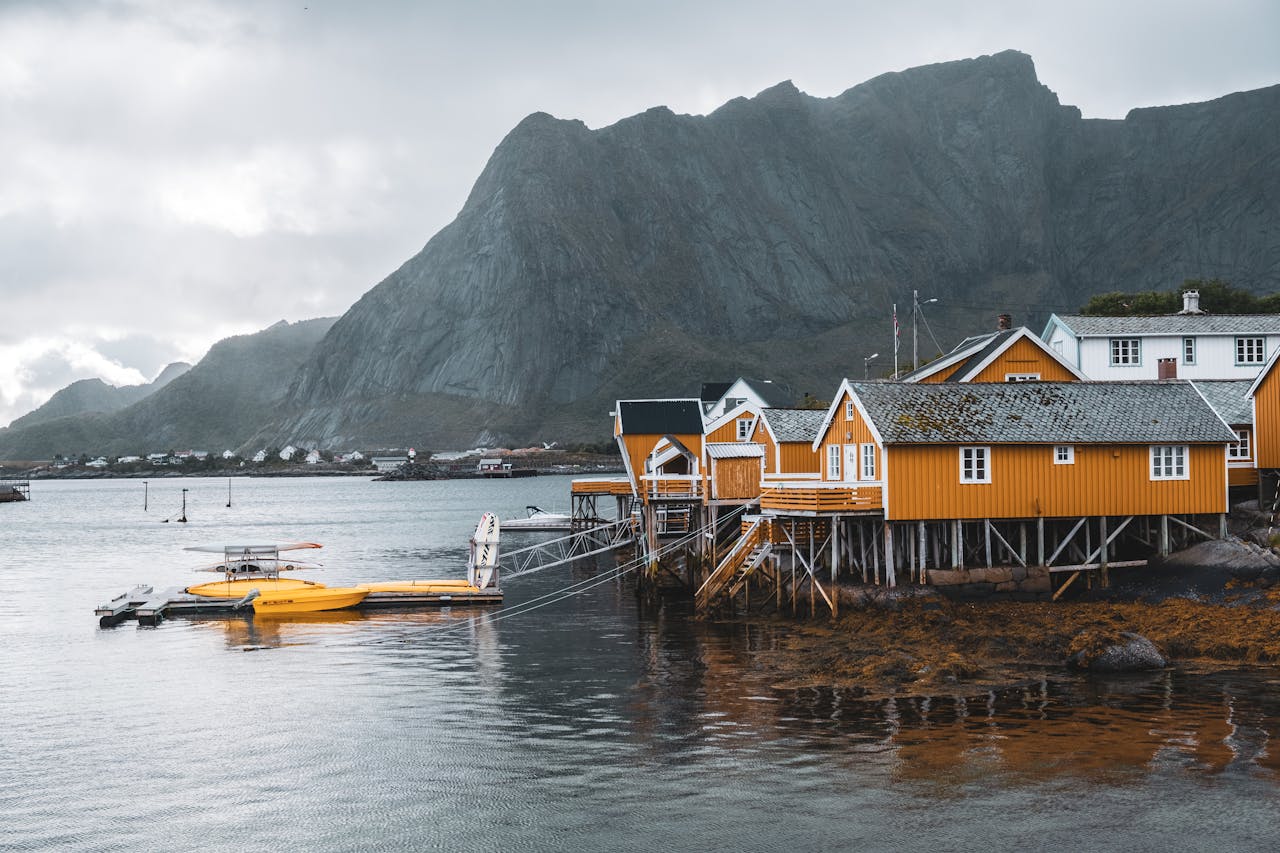
Norway’s fjords, carved by ice and framed by steep cliffs, act like natural amphitheaters that trap sound and pollution in narrow spaces. As cruise traffic grew, residents in small coastal towns noticed haze, diesel smells, and constant engine noise echoing across the water. In response, Norway set a course for zero-emission requirements in certain World Heritage fjords and invested heavily in shore power so docked ships can plug in instead of idling. Older vessels face a choice: upgrade, reroute, or skip the most protected areas entirely. For communities that depend on fishing, small-scale tourism, and a sense of quiet, these rules feel less like a burden and more like a way to keep the fjords livable for both humans and wildlife over the long haul.
Greece: Managing Cruise Crowds On Fragile Islands
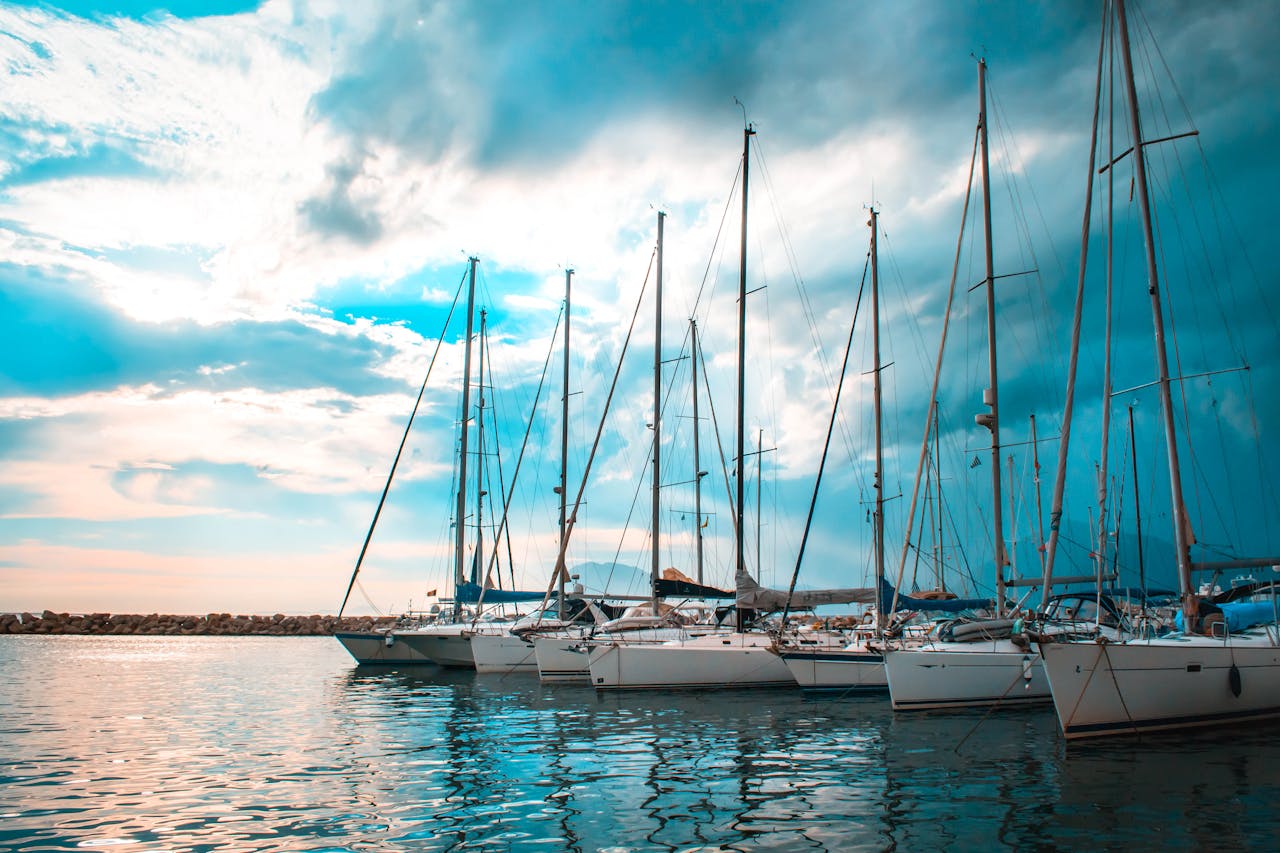
Greece’s famous islands, especially places like Santorini and Mykonos, learned quickly how cruise schedules can squeeze too many visitors into tight streets and steep caldera paths. On some days, the population of a small island seemed to double for a few hours, stretching water supplies, filling narrow lanes, and stressing small harbors carved into cliffs. Greek authorities have responded with caps on daily arrivals, stricter coordination of docking times, and new fees aimed at managing infrastructure and environmental impact. These measures help limit tender traffic in delicate bays, reduce the constant churn of buses and taxis, and preserve some breathing room for residents who live with the islands long after the ships depart. The goal is not to turn vessels away entirely, but to make sure island life is not swallowed by a few intense hours of crowding.
Croatia: Daily Limits In Dubrovnik’s Walled City
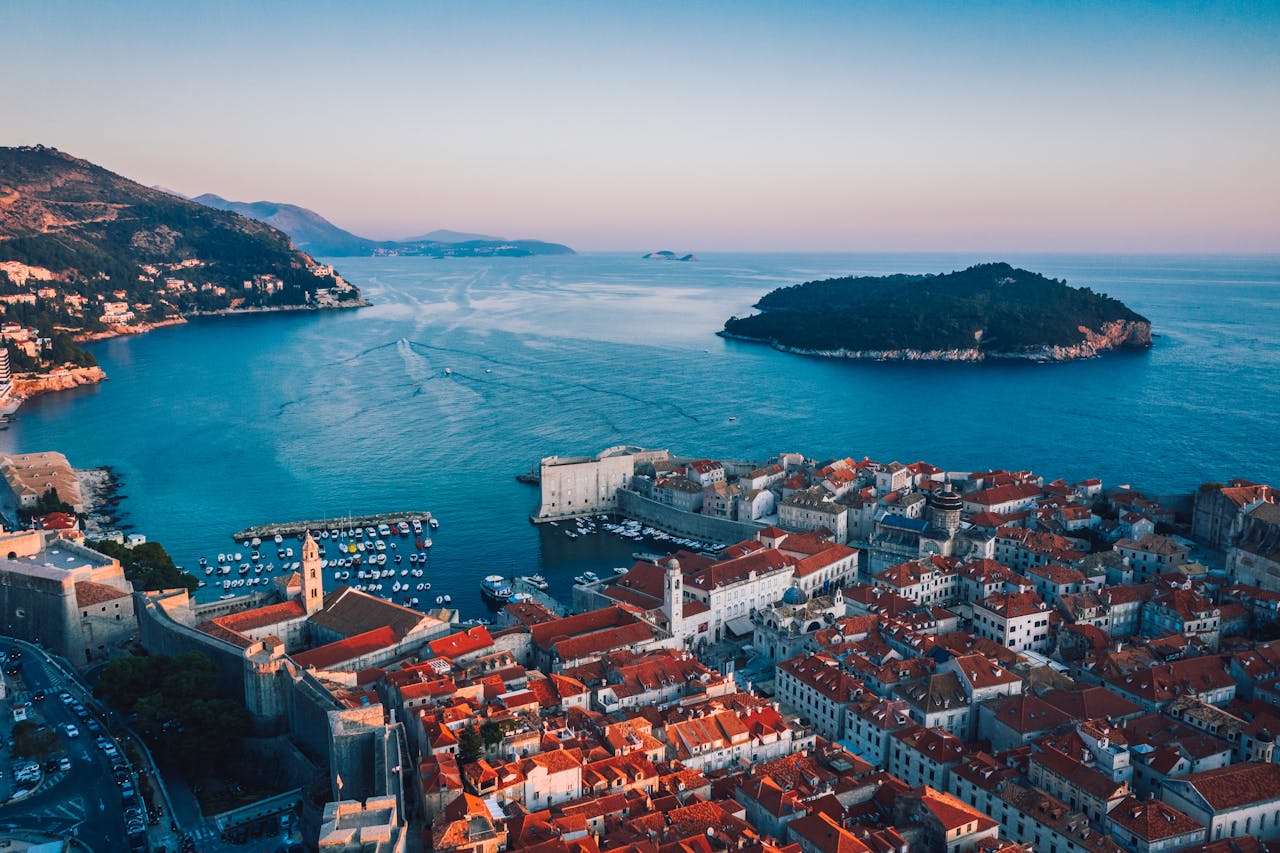
In Croatia, the walled city of Dubrovnik became a symbol of both tourism success and its strain. Cruise passengers would pour out of tenders and buses into a compact old town where stone streets and harbor steps leave little space for dispersing crowds. Residents began timing errands around docking schedules, and conservation experts worried about wear on historic surfaces and pressure on nearby seagrass beds. City leaders worked with cruise lines to limit the number of large ships that can arrive on a given day and to spread calls across the week rather than stacking them. The result is a more manageable flow of visitors and a better chance to keep the harbor water clearer and the old town usable for everyday life. It shows how even a small city can negotiate with global companies when local heritage is clearly at stake.
Spain: Balearic Islands And Barcelona Setting Boundaries
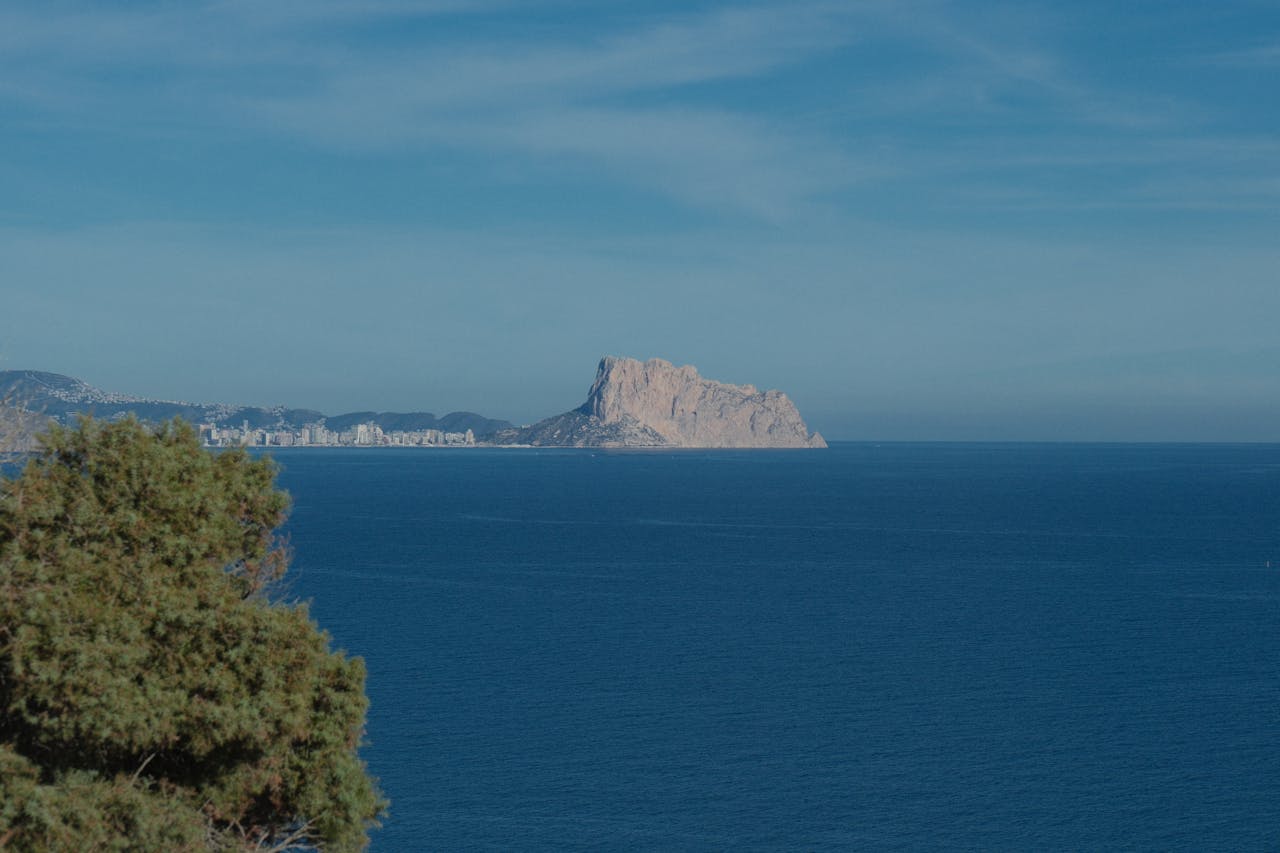
Spain’s Mediterranean coast handles heavy cruise traffic, particularly in Palma de Mallorca and Barcelona. In the Balearic Islands, officials now restrict the number of ships allowed to dock each day and limit how many of them can be very large vessels. The aim is to protect air quality, reduce congestion around ports, and give overused beaches and coves a chance to recover between waves of visitors. Barcelona has started shifting terminals away from the most central areas, expanding shore power, and debating long-term caps as part of a broader effort to ease strain on neighborhoods near the waterfront. These moves reflect a shift from counting passenger totals to asking what local streets, bays, and residents can realistically absorb without burning out.
Netherlands: Amsterdam Moving Cruise Ships Out Of The Center
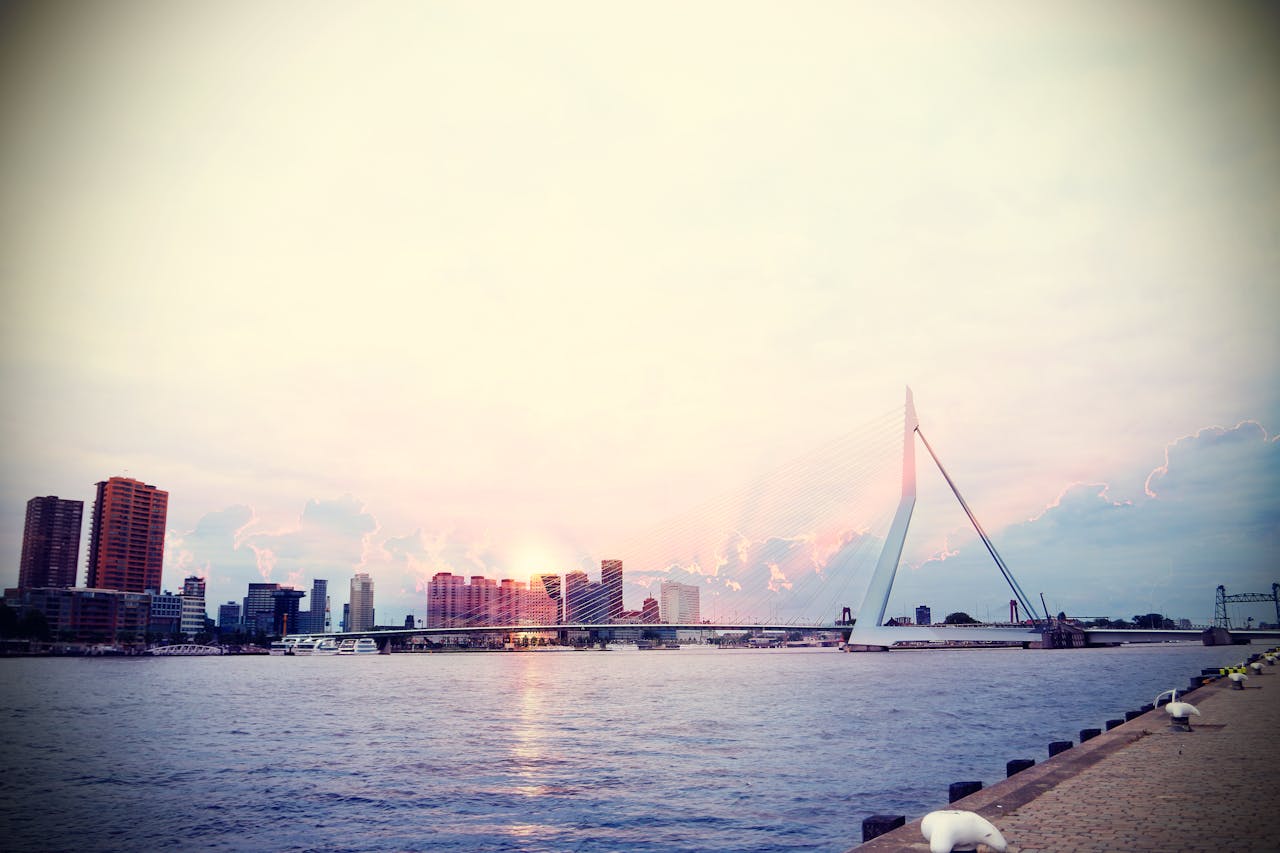
Amsterdam’s historic center, with its narrow canals and brick quaysides, was never designed to handle modern cruise volumes. Residents grew frustrated with buses, suitcase traffic, and the sight of large ships looming near the old skyline, while environmental groups pointed to pollution and noise. The city decided to relocate its main cruise terminal away from the central station area and gradually reduce the number of calls allowed each year. The change is part of a wider push to curb overtourism, keep housing from turning entirely into short-term rentals, and protect canal infrastructure from constant strain. For visitors, it means cruise passengers will still reach Amsterdam, but on terms that respect the scale of a city built for barges and bicycles rather than floating apartment towers.
France: Cleaner Fuels And New Passenger Levies
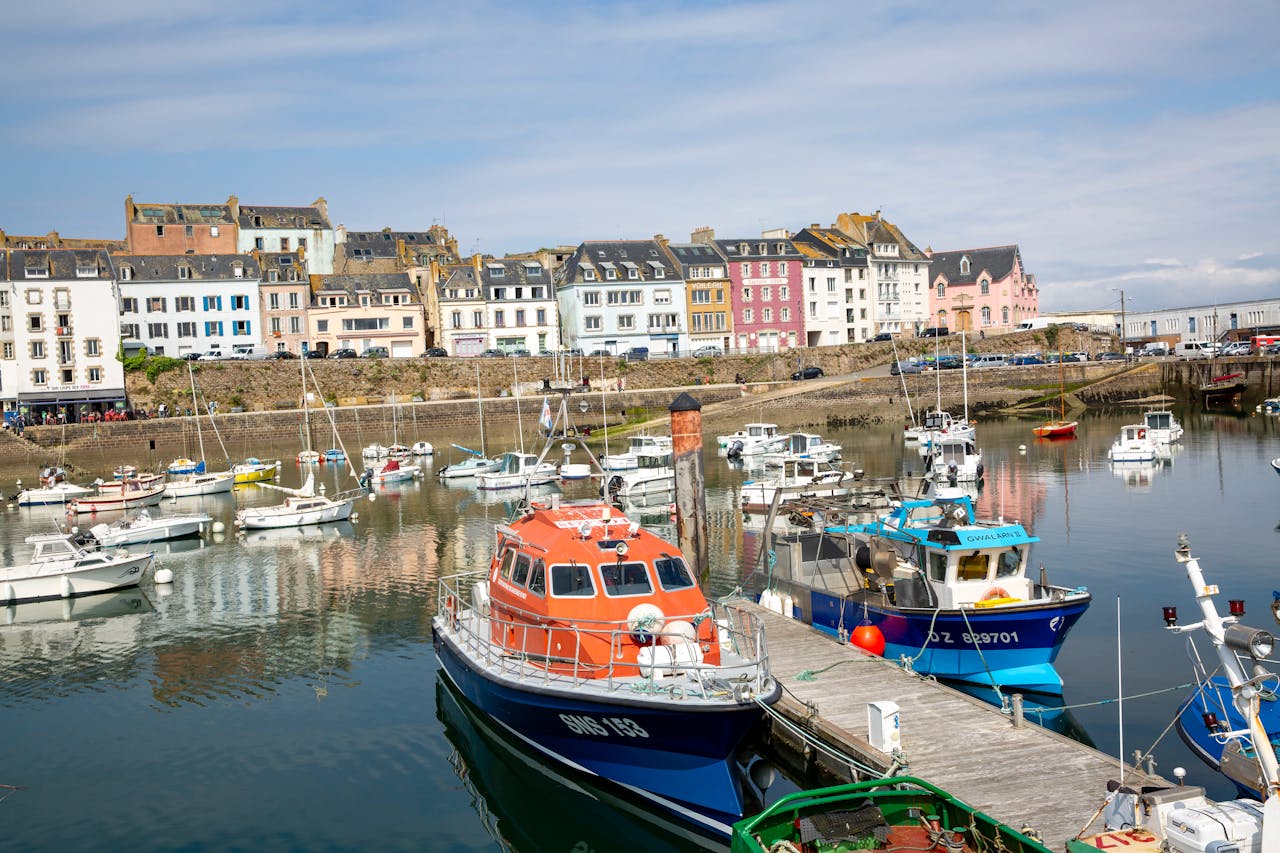
France has taken a layered approach in busy ports such as Marseille, Cannes, and Nice, where cruise ships anchor near dense neighborhoods and ecologically sensitive coastal waters. Regulations have tightened fuel standards, pushing ships toward low-sulphur options and encouraging the use of shore power. More recently, national plans have introduced new per-passenger taxes aimed at funding environmental protection and nudging operators to send their cleanest vessels to French ports. These steps respond to local concerns about soot on balconies, elevated asthma risks, and underwater noise that disrupts marine life. The policy message is clear: harbor air and coastal health are public goods, and large companies benefiting from them must share more of the responsibility for keeping them intact.
United States: Juneau And Alaska’s Narrow Channels
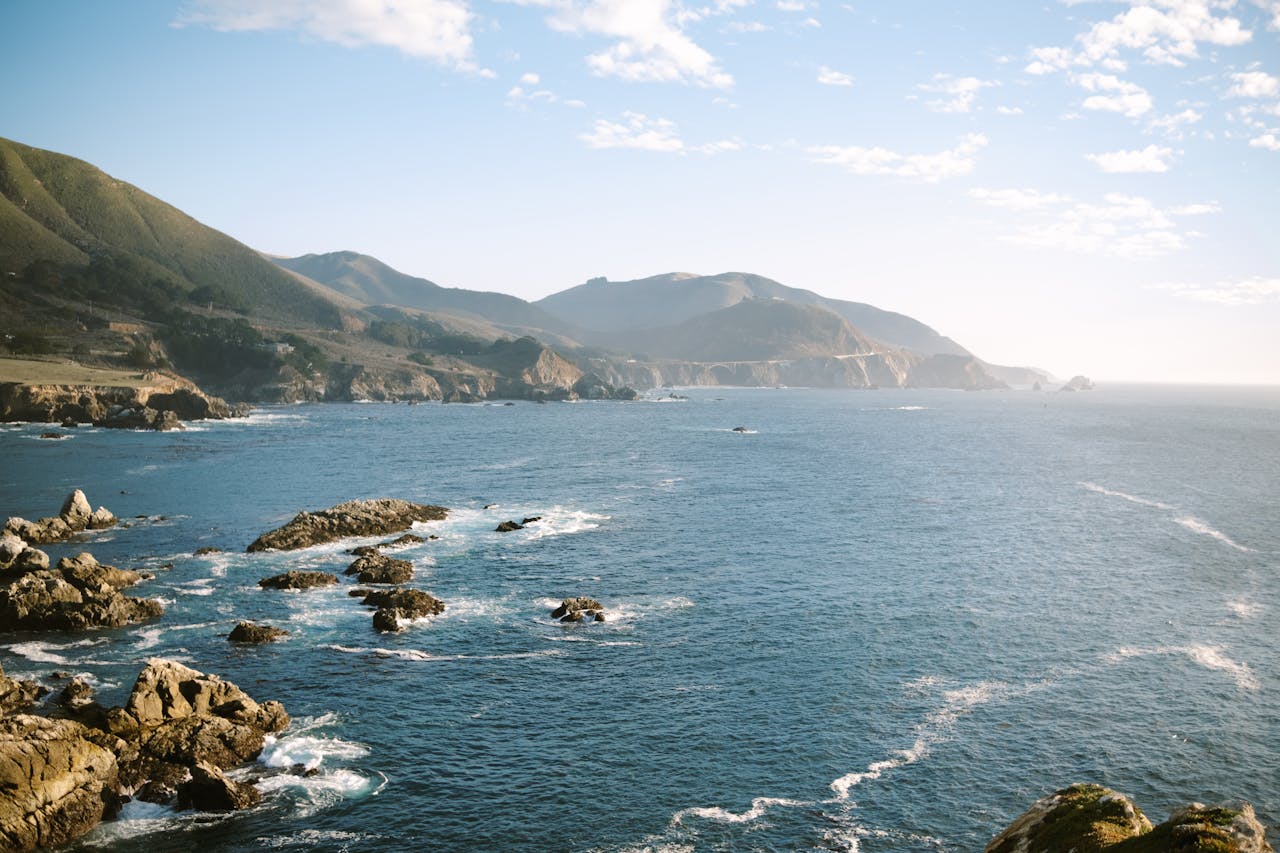
In Alaska, the small city of Juneau sits at the center of a dramatic coastline where glaciers, whales, and steep forested slopes draw a growing number of cruise passengers each summer. At the same time, residents noticed crowded sidewalks, long lines on trails, and increased boat traffic in channels where marine mammals feed and rest. Local officials and cruise lines reached an agreement to cap the number of large ships that can dock each day and to set daily passenger limits for future seasons. These caps aim to reduce noise, protect wildlife from constant disturbance, and keep air quality from slipping as more ships compete for short seasons. For Juneau, it is an attempt to balance economic dependence on visitors with a desire to remain a functioning town rather than a seasonal backdrop.
New Zealand: Biosecurity First At The Gangway
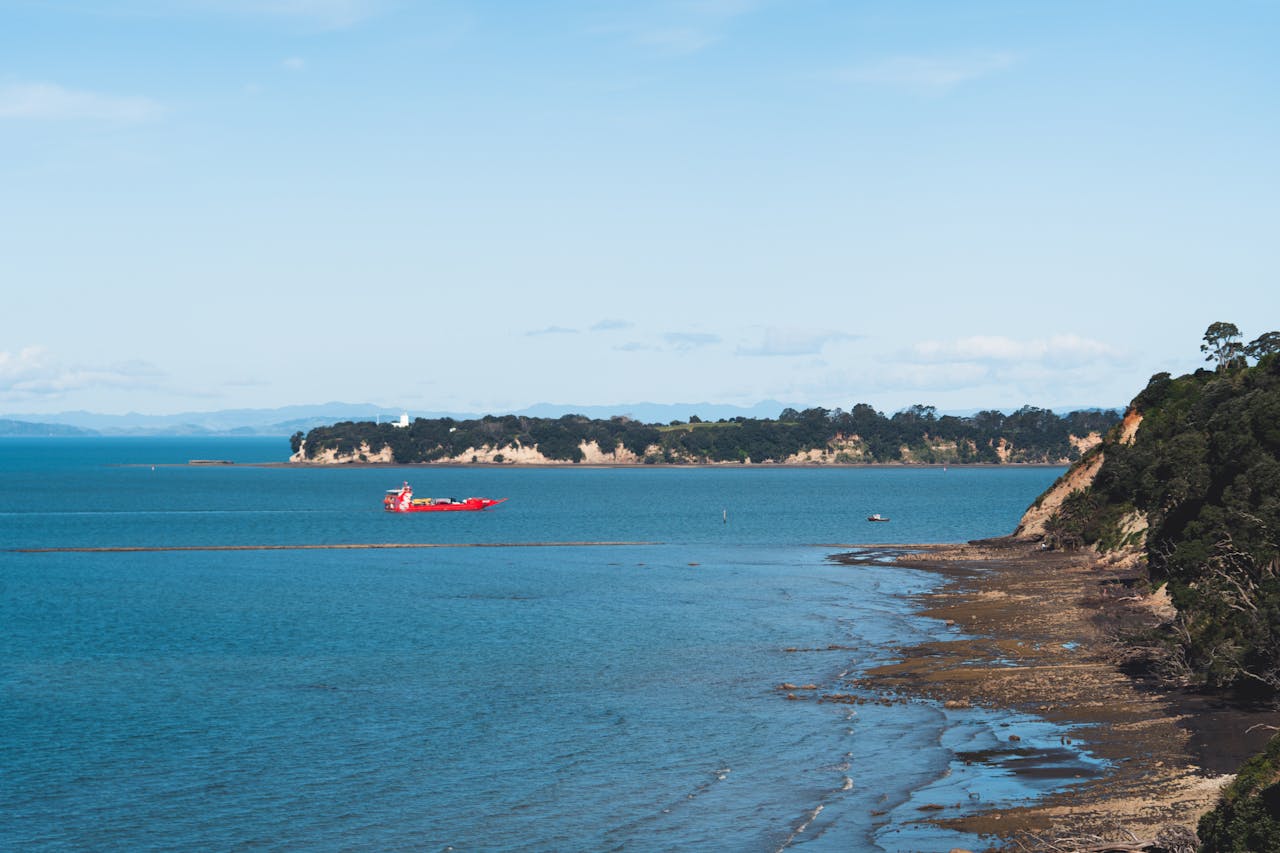
New Zealand is known for treating biosecurity as a central national priority, and cruise ships are folded into that approach. Strict rules govern hull cleanliness, ballast water, and discharges, especially near sensitive marine habitats and remote coastal regions. Ships that arrive with heavy growth on their hulls risk delays, costly cleaning, or being turned away. Authorities are clear that invasive species, once introduced, are far harder and more expensive to remove than they are to block at the border. For cruise operators, these standards mean extra maintenance and planning. For New Zealand’s coasts, they represent a rare chance to protect kelp forests, shellfish beds, and native fish communities before damage becomes permanent.
Ecuador: Tightly Managed Access In The Galápagos
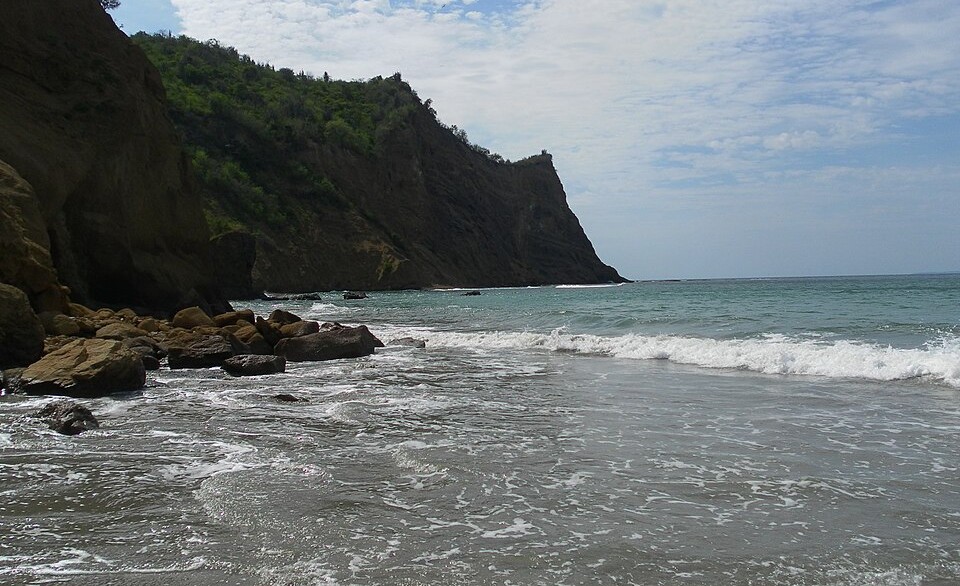
Ecuador’s Galápagos Islands offer one of the most tightly controlled cruise environments on the planet. Ship sizes are limited, passenger counts are capped, and itineraries are carefully rotated so that no single island or landing site receives constant pressure. Groups travel with licensed naturalist guides, follow marked trails, and adhere to strict rules about distance from animals and protections for nesting areas. Anchoring and waste disposal are heavily regulated to shield fragile reefs and shallow bays from physical damage and contamination. This framework keeps tourism at a scale that can support local livelihoods while keeping the archipelago’s wildlife and habitats as close as possible to the conditions that made them famous in the first place.
Canada: Wastewater And Emissions Rules Along Long Coasts
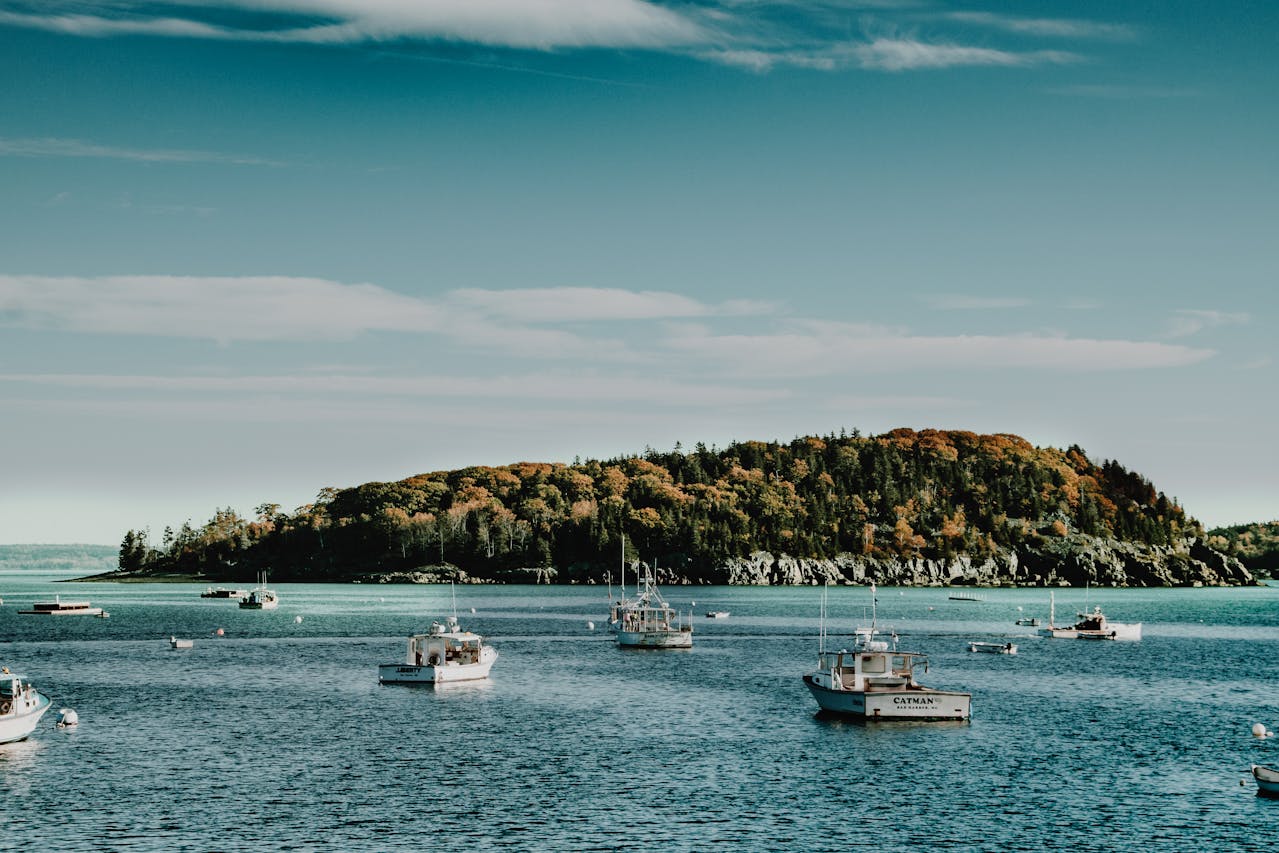
Canada’s long coastal stretches on both the Atlantic and Pacific have prompted federal regulators to tighten rules on wastewater discharges and airborne pollution from cruise ships. New standards require better treatment of sewage and greywater near shore and impose stricter limits in particularly sensitive areas, including narrow inlets and Arctic waters where ecosystems recover slowly. Ports such as Victoria and Halifax are exploring or expanding shore power options and working with lines to reduce visible smoke. These measures may not feel dramatic, but they chip away at the once-standard assumption that oceans can absorb anything. They also align cruise operations more closely with national climate goals and local expectations for cleaner air and water.
Iceland: Higher Fees Around A Small, Exposed Island
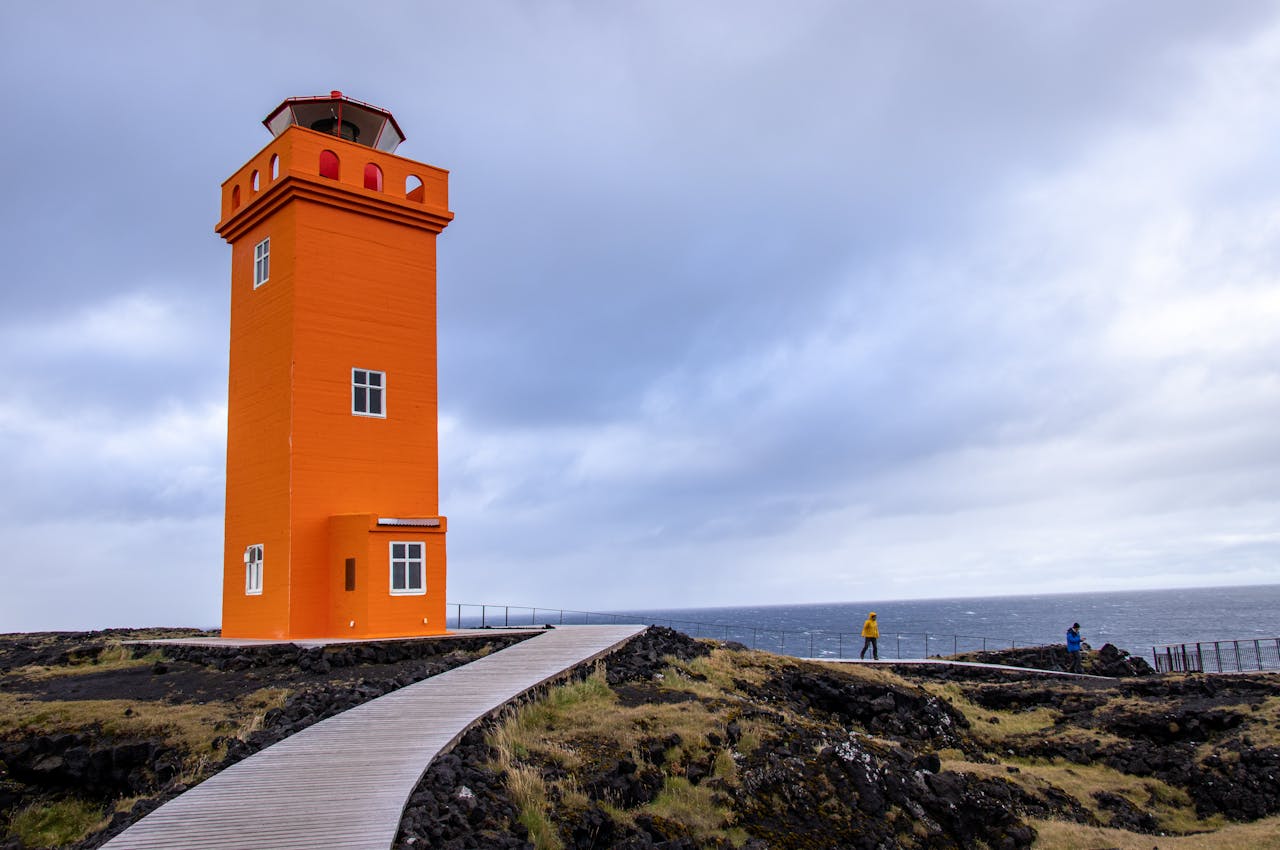
Iceland, with its small population and dramatic but fragile coastline, has seen sharp growth in cruise visits that cluster in a short summer window. Authorities have responded with higher port fees, pressure for cleaner fuels, and closer scrutiny of routes into narrow fjords and small harbors. Some lines have chosen to adjust or cancel itineraries rather than absorb the added costs or comply with every condition, which effectively reduces traffic without an outright ban. For Icelanders, the tradeoff can be worth it if it keeps sulfur pollution, underwater noise, and shoreline wear in check while preserving the sense of remoteness that draws travelers in the first place. The policy reflects a belief that not every ship that can visit necessarily should.