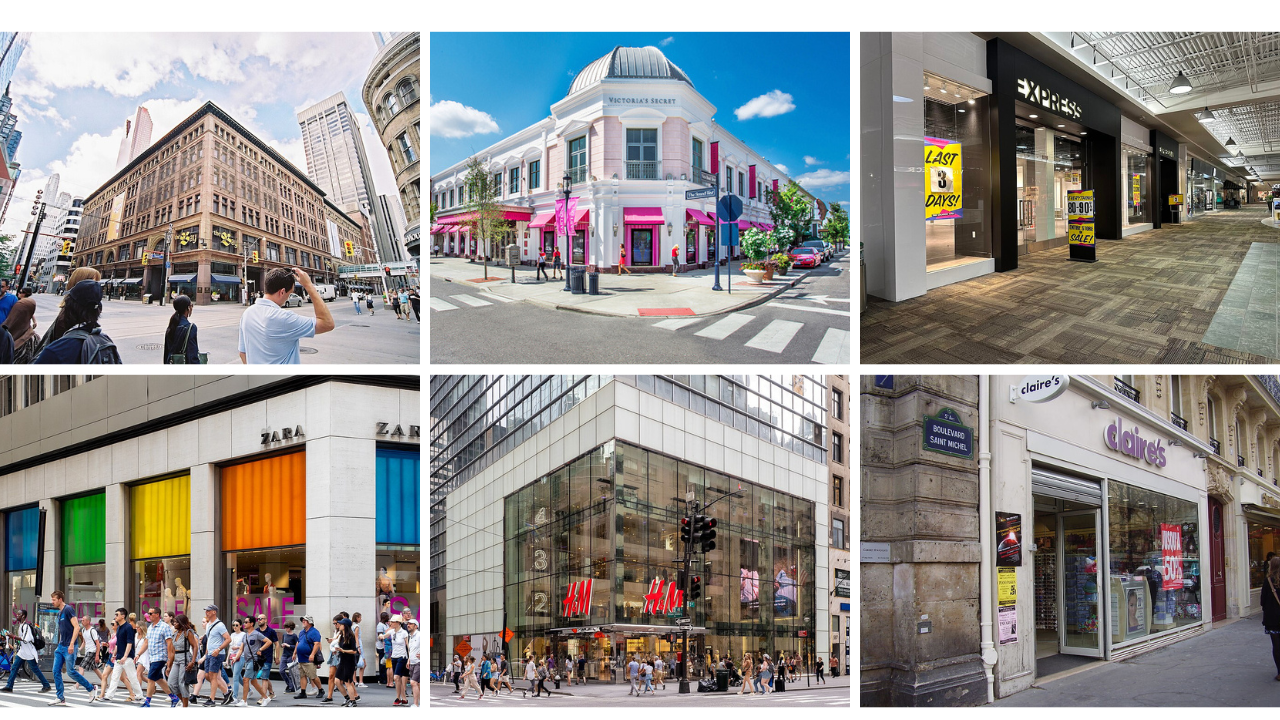
For years, fashion labels measured success by how many storefronts they could light up. That equation is changing. Rising rents, online shopping, and pressure to cut waste have all pushed familiar brands to tighten their maps instead of chasing every mall lease. Some are fresh from bankruptcy. Others are simply tired of expensive, half empty spaces. Each closure stings a little, especially in towns where these stores doubled as social spaces, yet the pull toward leaner, smarter networks keeps getting stronger.
Macys: Trading Big Boxes For Leaner Formats
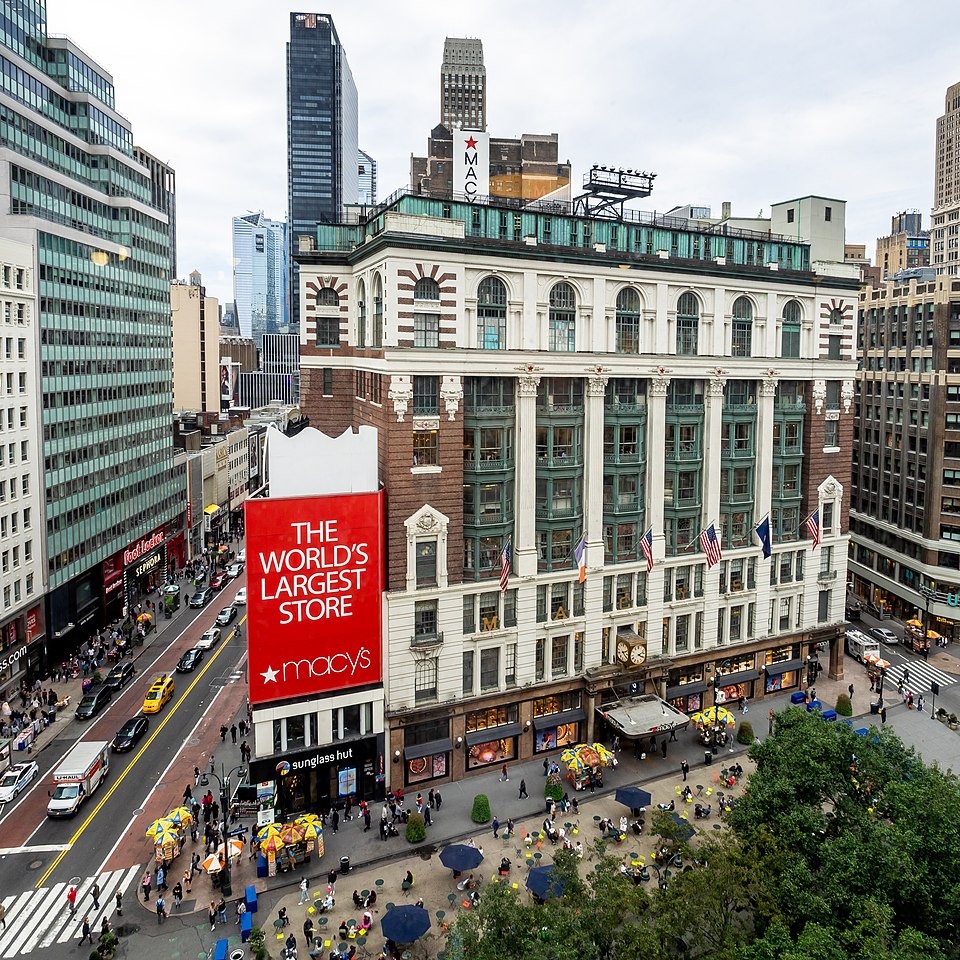
Macys is still a major style anchor, but it no longer wants an anchor in every aging mall. Under a new plan, the company is closing many weaker locations while investing in a smaller group of high performing stores and beauty and luxury offshoots. The idea is simple. Fewer doors, more focus. Instead of endless clearance racks across too many cities, Macys is betting on tighter spaces that earn their rent and tie cleanly into its online business.
Gap And Banana Republic: Leaving The Mall Behind
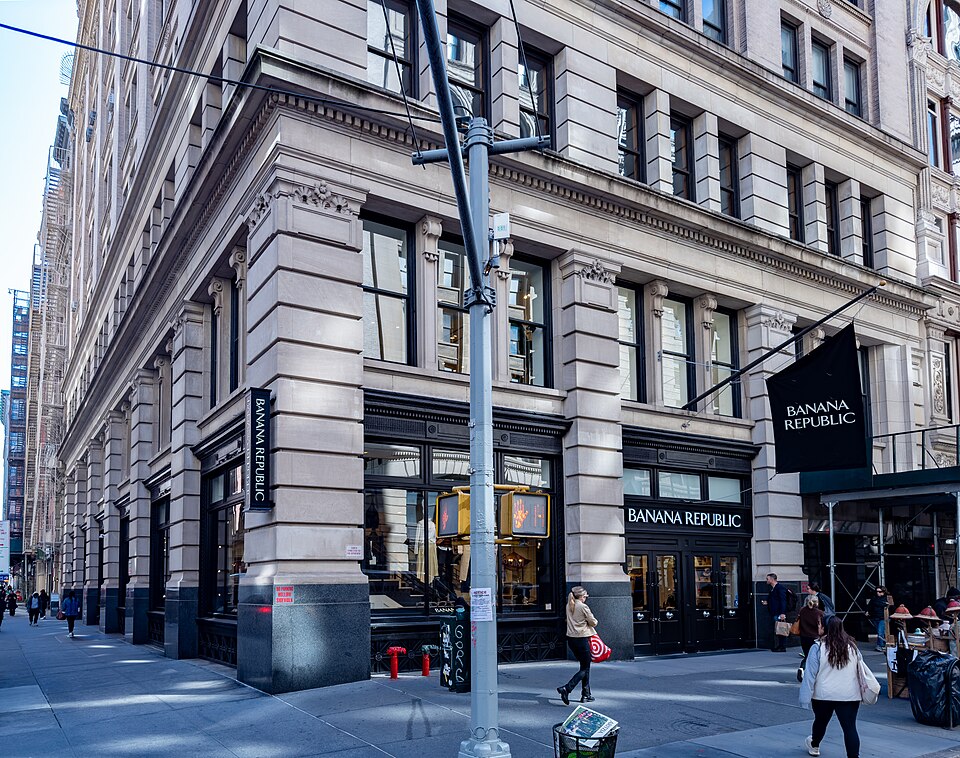
Gap and Banana Republic once felt like default stops on any mall loop. Now the parent company talks openly about a smaller and healthier fleet. Hundreds of underperforming stores have been shuttered, especially traditional mall units that no longer justify their leases. In their place, the group is leaning on outlets, street locations, and online orders. The brands still sell jeans, chinos, and easy basics, but they no longer insist on doing it in every corridor of every suburban center.
HM: Fast Fashion With Slower Expansion
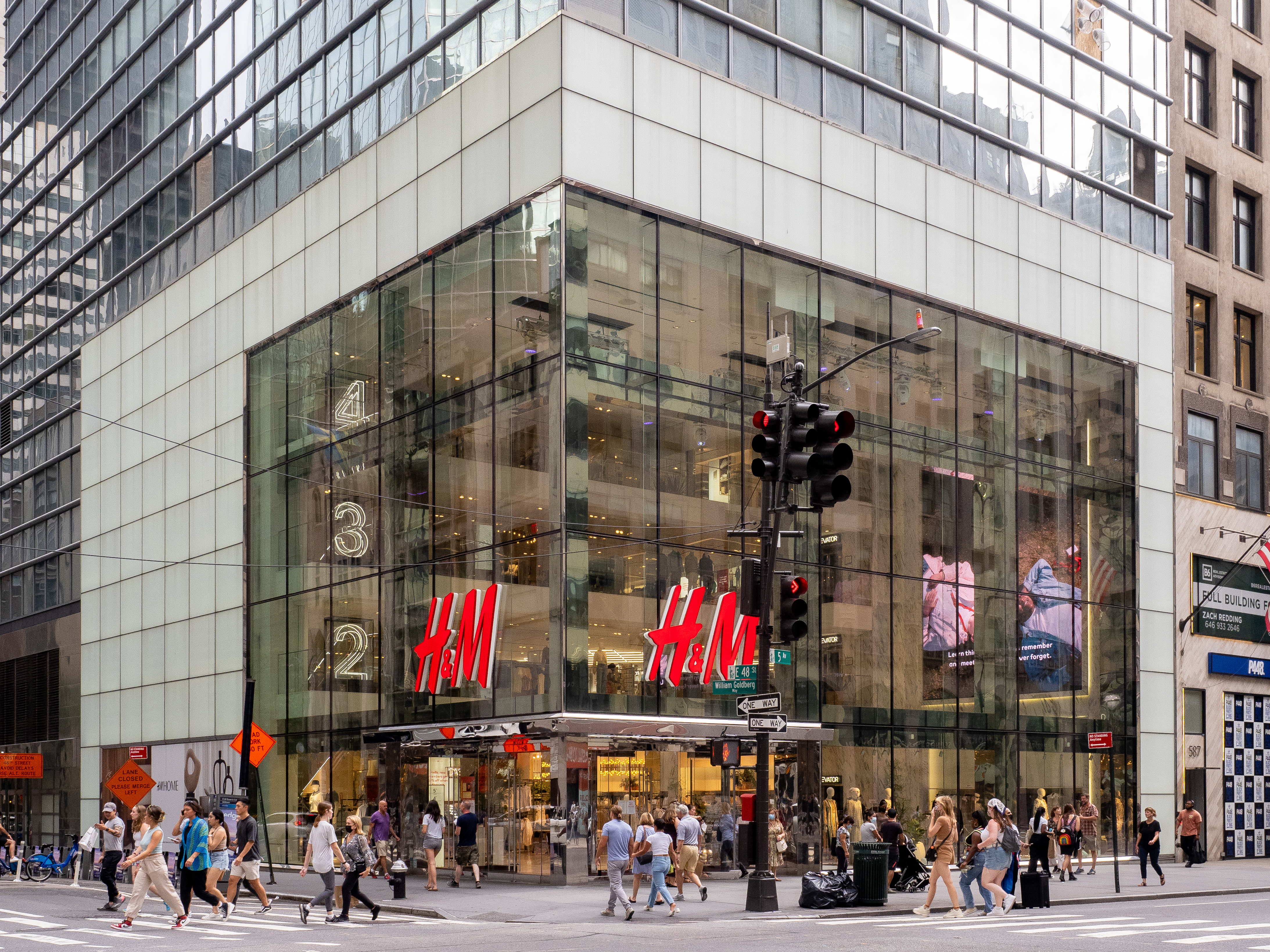
HM made its name by opening stores quickly and filling them with rapid trend cycles. That pace has cooled. The chain has been pruning locations in multiple markets and pausing the old habit of constant expansion. More of the work now happens behind the scenes, through logistics, apps, and data on where shoppers actually show up. The result is still fast fashion on the racks, just delivered through a more selective set of doors that are expected to pull real weight.
Zara And Inditex: Fewer Stores, Bigger Statements
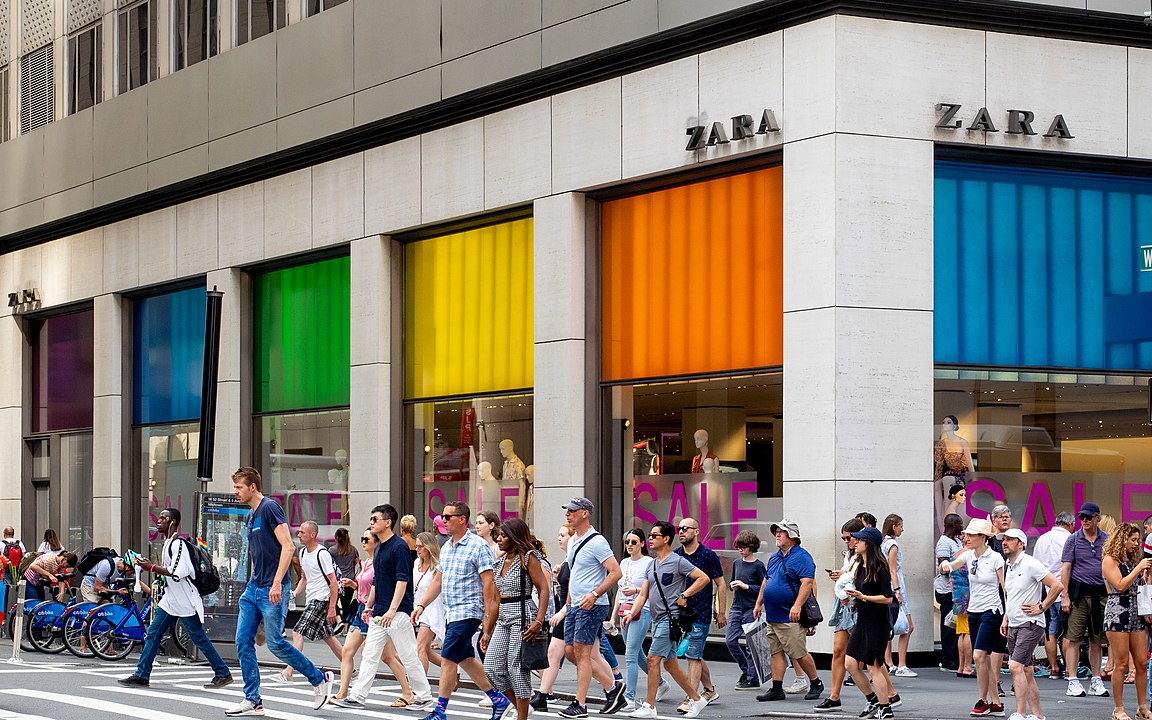
Zara and its sister labels under Inditex have shifted from many small shops to fewer, more dramatic flagships. The group has been closing smaller, overlapping stores and redirecting resources into large spaces packed with tech, strong visuals, and quick turnover. Online sales plug directly into these hubs, which double as both showrooms and mini warehouses. Shoppers still see Zara in prime districts, yet the hidden story is a trimmed network that tries to do more with each square foot.
Claire’s: A Mall Rite Of Passage Under Pressure
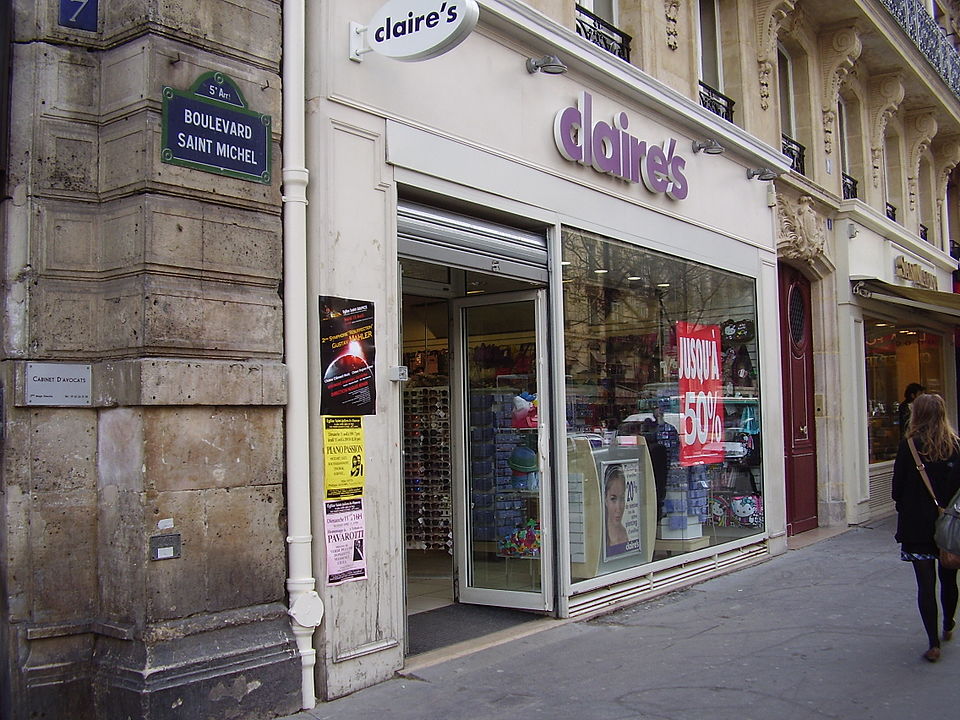
For a lot of people, Claires meant first earrings, sleepover accessories, and a loud burst of color between department stores. That emotional link survived even as the numbers grew shaky. After another trip through restructuring, the chain has been shutting hundreds of stores across North America. The focus is now on a slimmer group of locations, wholesale deals, and partner spaces in other retailers. The brand is trying to keep the coming of age moment alive without carrying a heavy mall footprint.
Forever 21: From Mega Spaces To Mostly Online
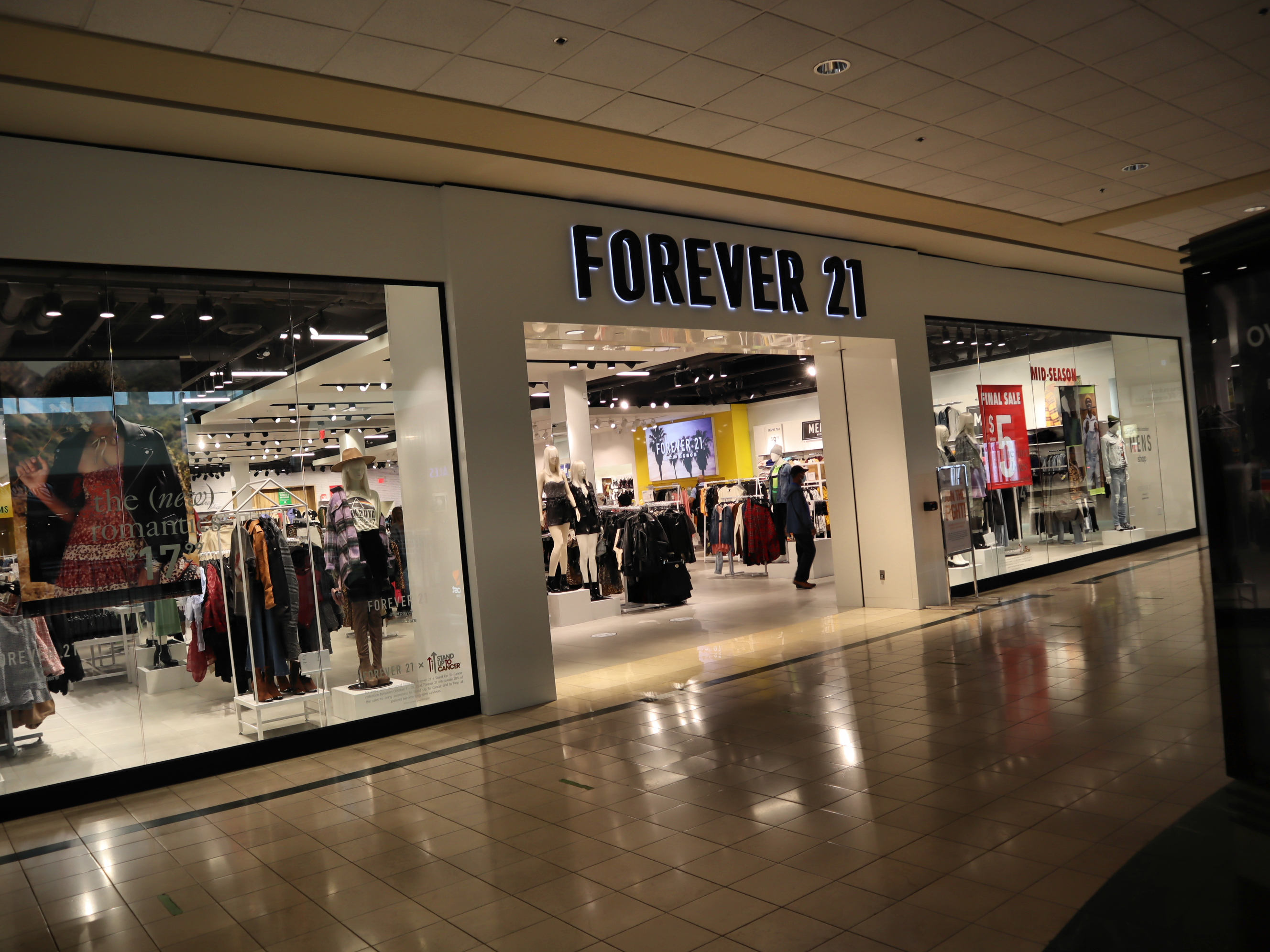
Forever 21 once filled huge multi level boxes with loud music and endless racks of cheap, quick trend pieces. The picture looks very different now. After deep financial trouble, most of those spaces have gone dark, and the brand leans far more on ecommerce and selective international partners. A name that once signaled sprawling square footage is now closer to a logo on a screen, fighting for attention against ultra fast online rivals that never needed mall maps in the first place.
JCPenney: Quietly Trimming A Legacy Chain
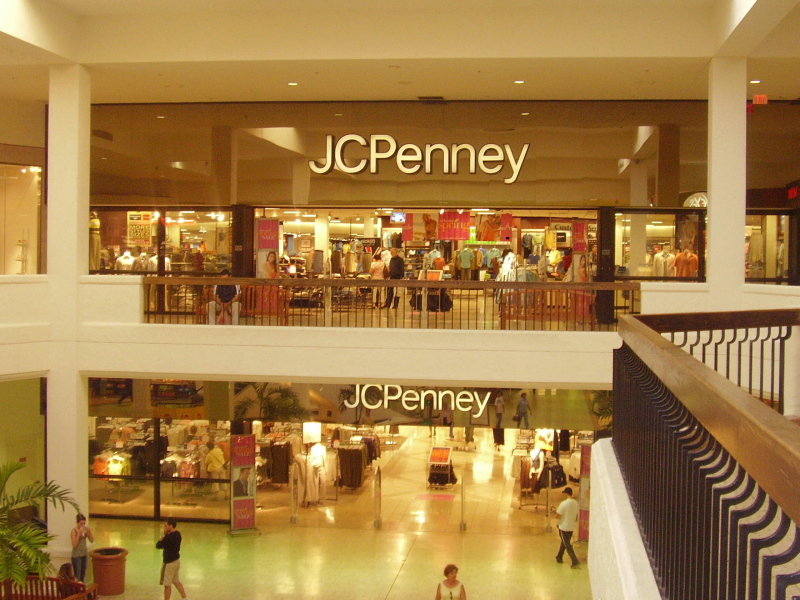
JCPenney has spent years closing more locations than it opens. After bankruptcy, hundreds of stores disappeared, leaving a smaller core in regions where the chain still pulls steady traffic for apparel, basics, and home goods. The remaining sites are meant to be workhorse locations, not status symbols. Fashion is still part of the mix, but the brand no longer tries to cover the entire country with giant boxes. Survival now depends on discipline, clean assortments, and realistic expectations for each site.
Express: Bankruptcy And A Smaller Fashion Grid
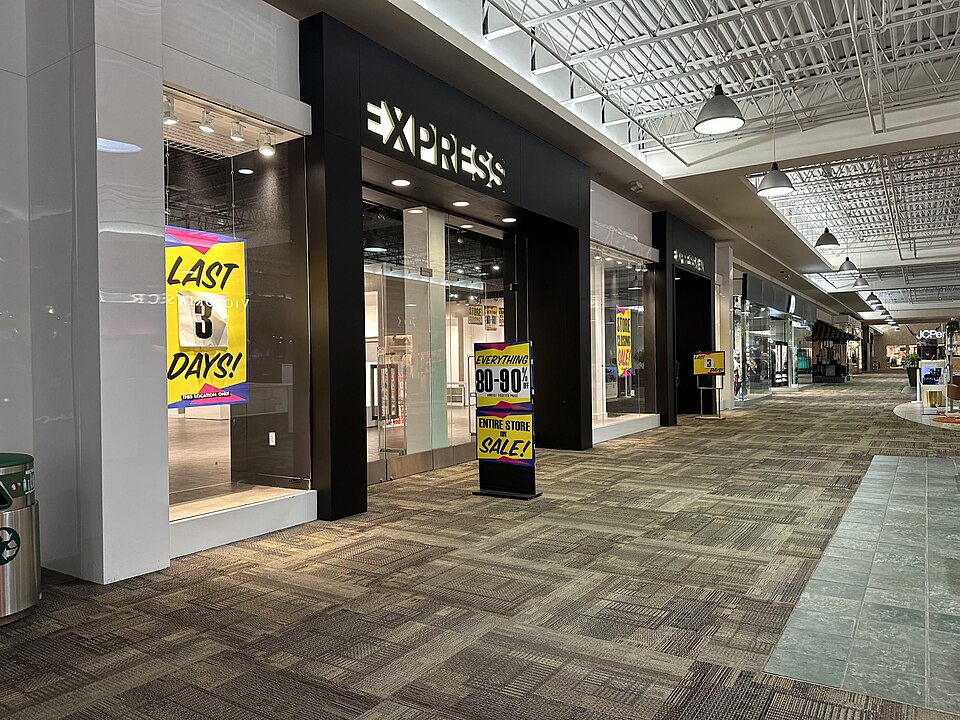
Express built its identity on sharp workwear and going out clothes for mall shoppers who wanted a bit of polish. When sales softened and traffic shifted online, the store base became too heavy. A bankruptcy filing cleared the way to close dozens of weaker locations and exit side concepts that never fully took off. The plan now revolves around profitable malls, outlets, and a stronger digital presence. The clothes are still streamlined, even if the overall store grid is not.
Victoria’s Secret: Retreating To Fewer Lingerie Hubs
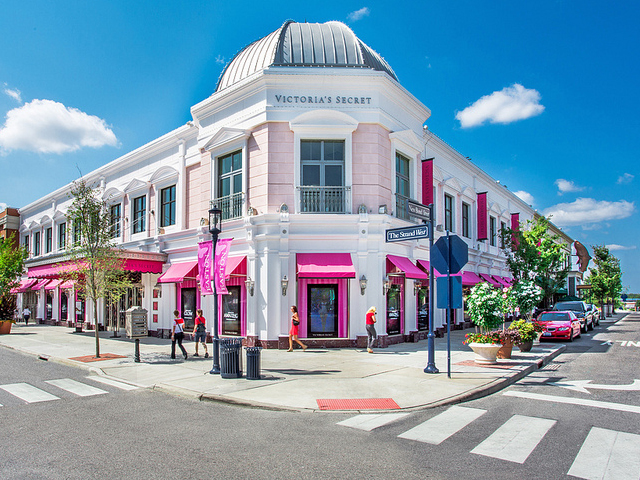
Victorias Secret once seemed to appear in almost every major mall, with bright windows and loud marketing. Over the past few years, the brand has quietly closed hundreds of stores, including some high profile international sites. Newer openings tend to be smaller, more focused, and sometimes outside traditional malls. Leadership has also tried to reset the image and product mix. The smaller footprint is part financial choice, part cultural shift, as the company tests how much space its current vision really needs.
Hudsons Bay: A Canadian Icon Under Strain
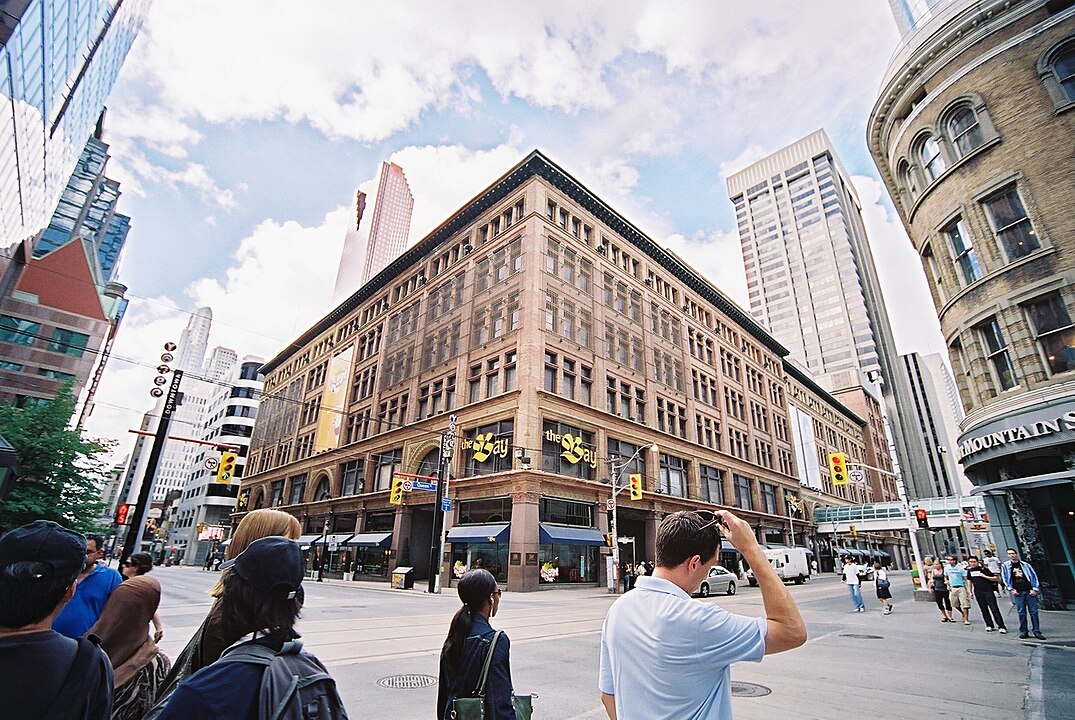
Hudsons Bay carries centuries of history, yet even that legacy cannot shield it from changing shopping habits. The chain has closed several big city sites and trimmed fashion floors in others. Some spaces have been redeveloped or leased out, turning old department store footprints into mixed use projects. What remains is a more selective network that leans on strong regional loyalty and online orders. The challenge is honoring heritage while admitting that not every landmark buiA Fashion Landscape With More Gaps Than Before