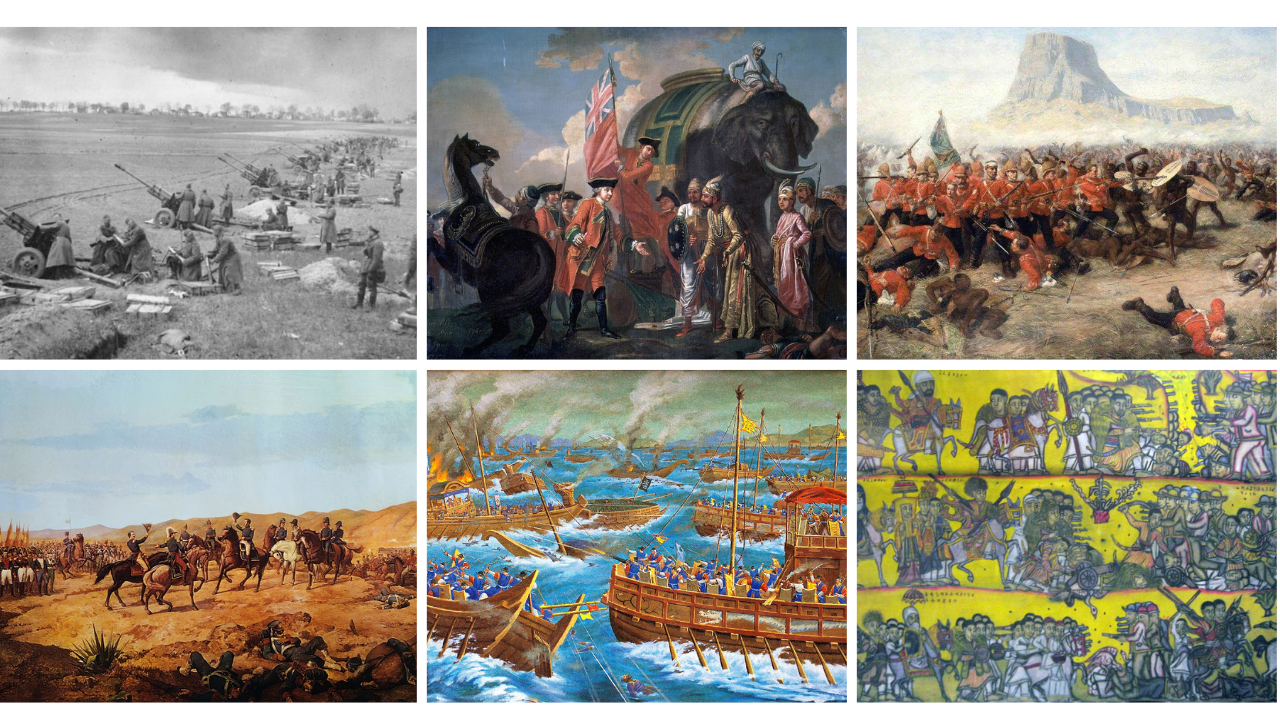
History is often framed around a handful of famous clashes, yet some of the most decisive moments unfolded far from textbook pages. On lonely plains, forested ridges, and narrow sea lanes, commanders gambled everything and lost or won in a single afternoon. These battles rarely appear in popular memory, but their outcomes redirected empires, reshaped borders, and altered how societies worshiped, traded, and governed. Looking closely at them shows how fragile power can be, and how quickly the world tilts when an army breaks at the wrong hill or river.
Battle of Talas, 751
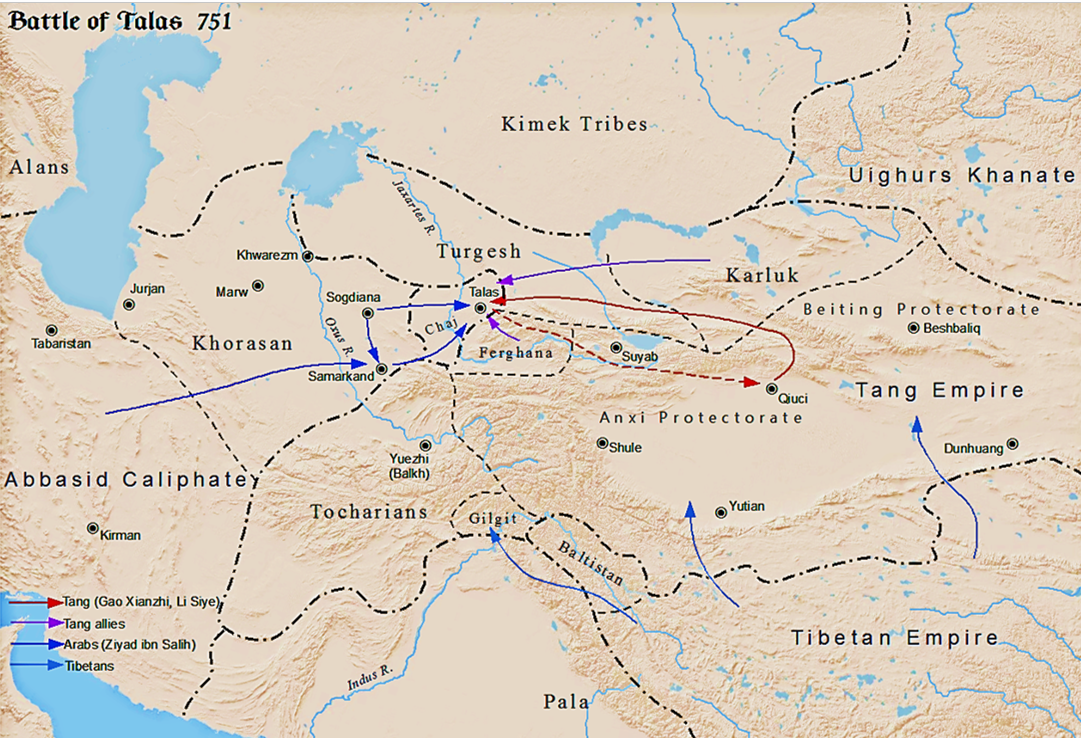
On the banks of a Central Asian river, Abbasid forces and their Karluk allies stopped Tang expansion in a grinding clash that most schoolbooks ignore. The result ended Chinese influence in Transoxiana and nudged Central Asia into an Islamic cultural and political orbit that lasted centuries and reshaped caravan routes. Later chroniclers tied captured Chinese artisans at Talas to the spread of paper making, which helped bureaucracies, scholars, and merchants thrive and turned a remote frontier victory into a quiet driver of global change.
Battle of White Mountain, 1620
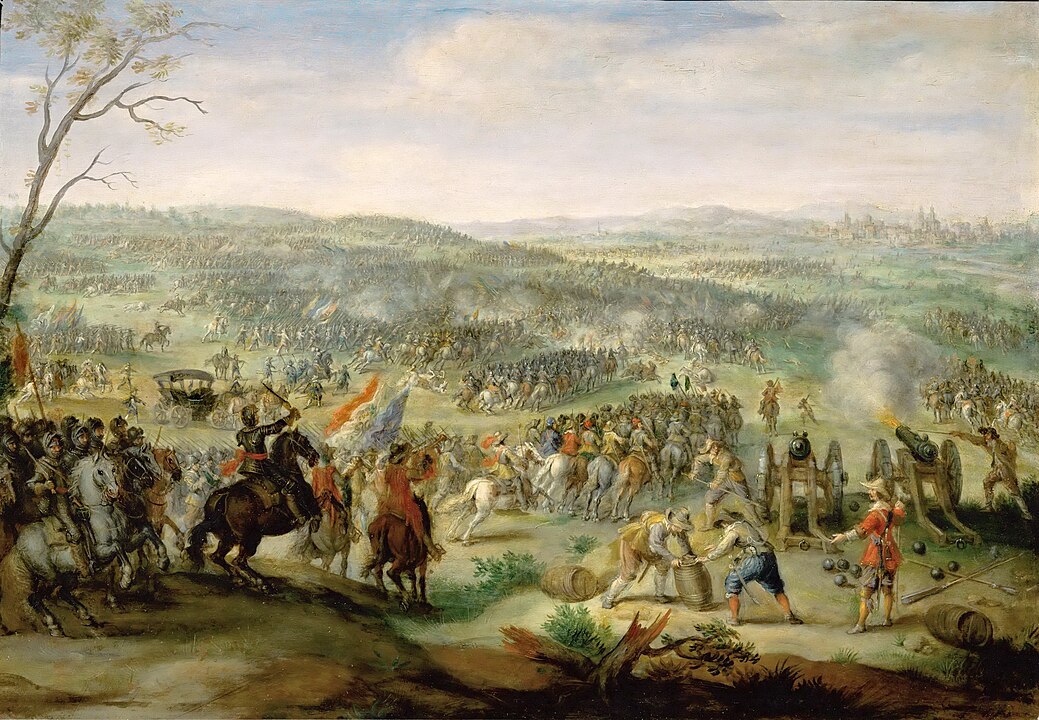
Outside Prague, imperial and Catholic League troops crushed the Bohemian estates in a short but decisive fight that reshaped Central Europe and the balance inside the empire. The defeat broke the Protestant revolt, led to mass executions, and let the Habsburgs confiscate noble lands on a vast scale, enriching loyal families and punishing dissenters. Over time, this battlefield loss triggered forced recatholicization, heavy Germanization, and the eclipse of Czech political power, so later generations treated White Mountain as a wound in the national story.
Battle of Chaldiran, 1514
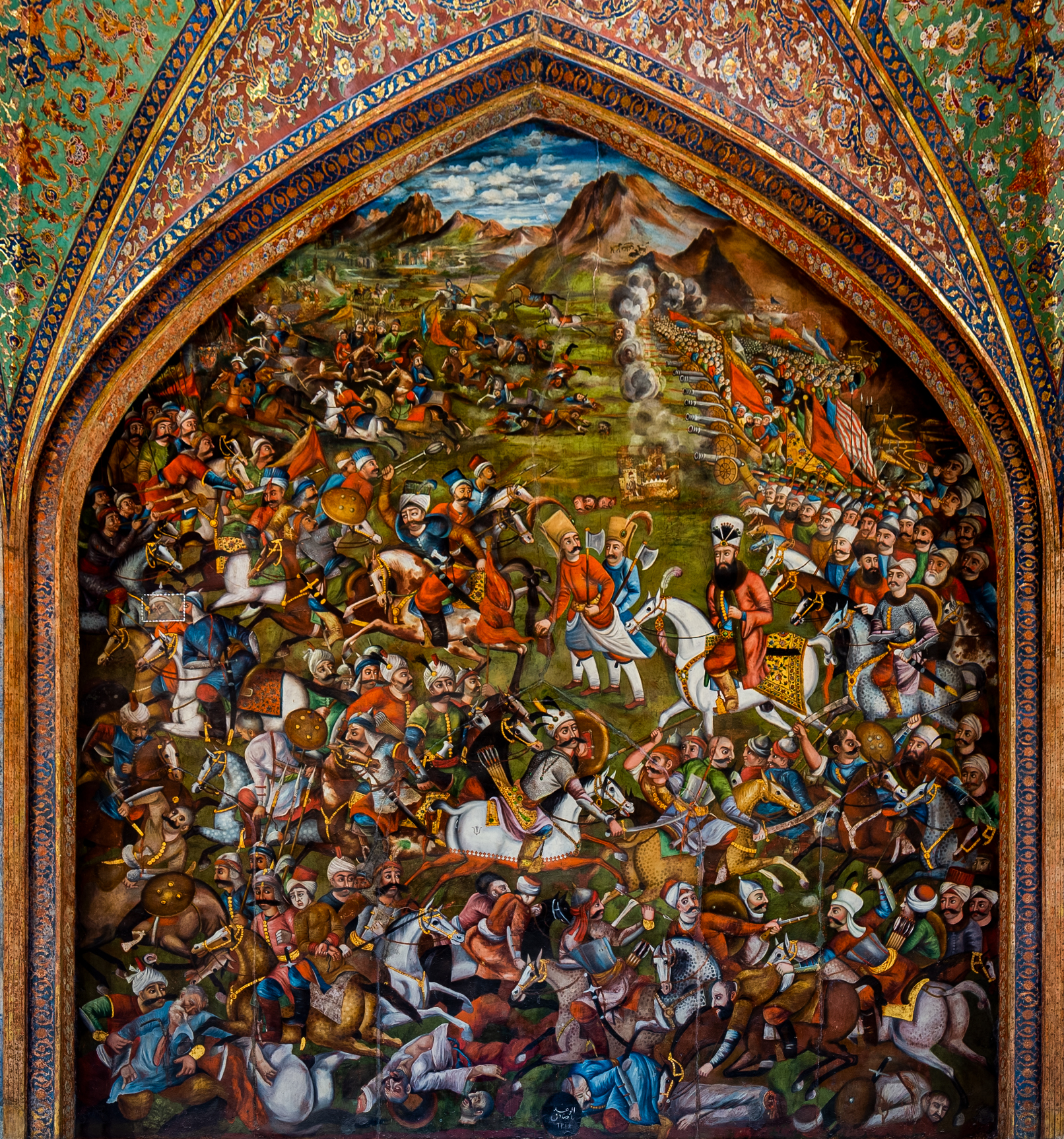
On the plain of Chaldiran, Ottoman artillery and disciplined infantry tore apart the wild cavalry charges of Safavid Iran, shattering the aura around Shah Ismail and his sacred image. The victory secured eastern Anatolia and parts of northern Mesopotamia for the Ottomans, anchoring a frontier between Sunni and Shia power that would harden over time and still shapes today’s maps. Chaldiran also proved that gunpowder armies could break charismatic, faith driven forces, pushing rulers everywhere to reorganize their states around firearms, fortifications, taxation, and more centralized control of restless elites.
Battle of Mohacs, 1526
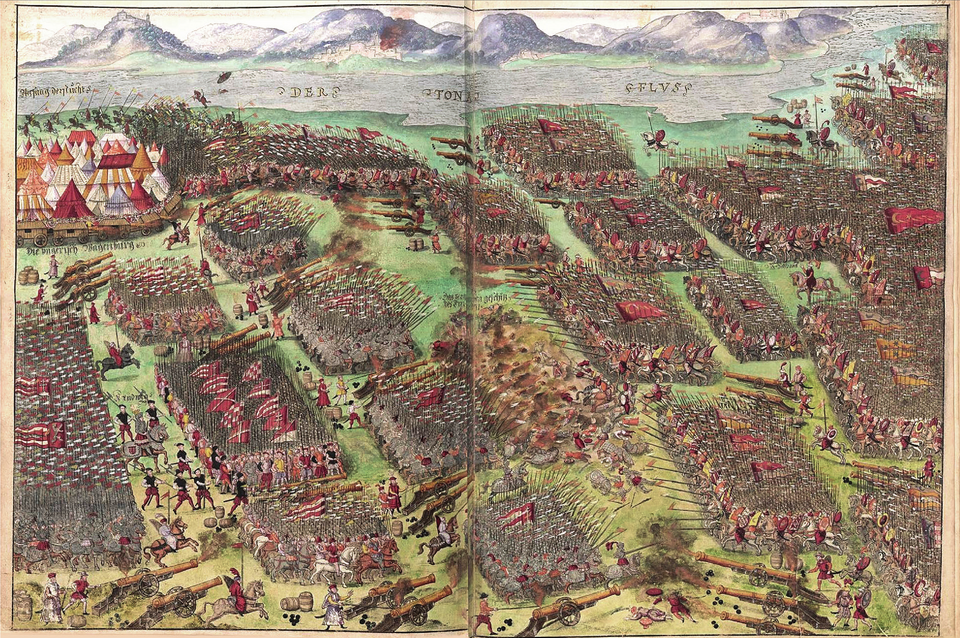
On a rain soaked Hungarian field near the Danube, King Louis II led a smaller, poorly coordinated army against Suleiman, whose forces combined heavy artillery with elite infantry and mobile cavalry. The Hungarian line collapsed in hours, and the young king died in the retreat, leaving the kingdom leaderless and its nobility shattered at the riverbanks. In the chaos that followed, Hungary was carved into Ottoman provinces, Habsburg domains, and a semi independent Transylvania, and Mohacs became shorthand for catastrophe and foreign rule in Hungarian memory.
Battle of Hansan Island, 1592
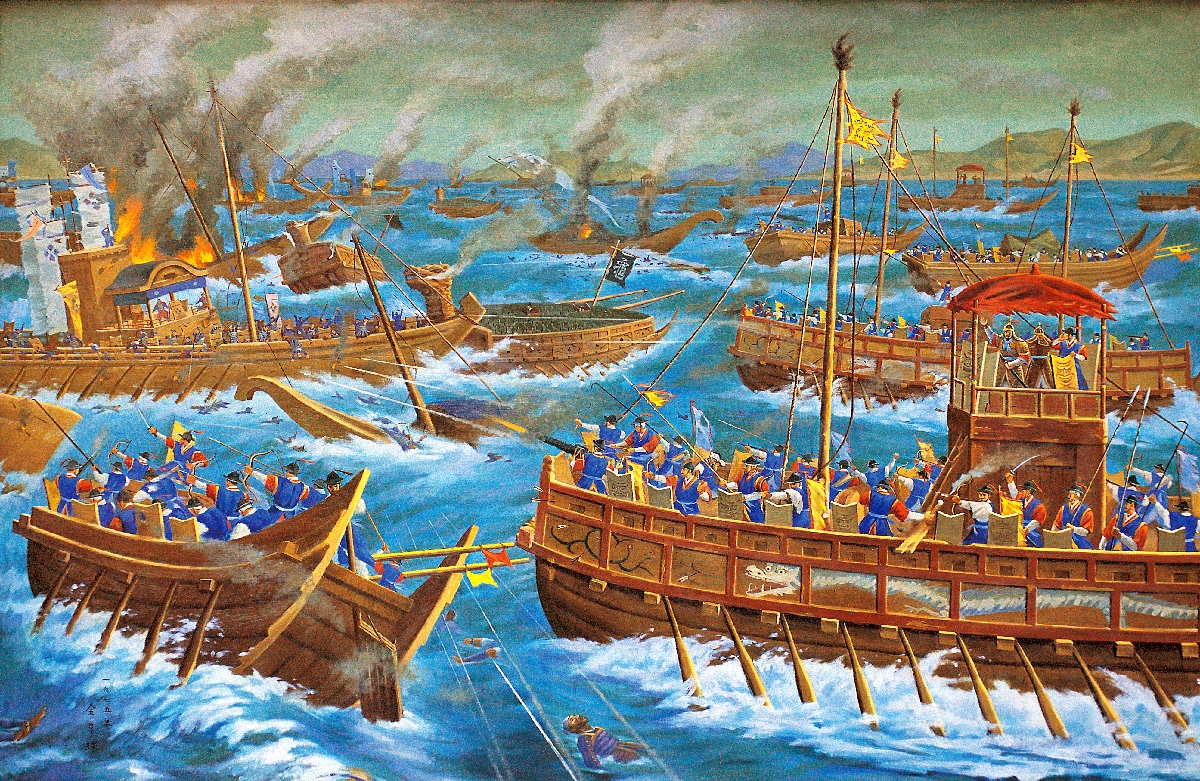
In the waters off Hansan Island, Admiral Yi Sun sin drew a Japanese fleet into open sea and then closed in with his famed crane wing formation, wrapping both flanks at once. Joseon warships, including armored turtle ships, pounded enemy decks with cannon fire while keeping distance from boarding tactics that favored Japanese samurai and close sword combat. The victory shattered Japanese naval strength along Korea’s southern coast, severed supply lines to invasion forces inland, and quietly doomed Toyotomi Hideyoshi’s larger dream of conquering the peninsula and threatening Ming China.
Battle of Plassey, 1757
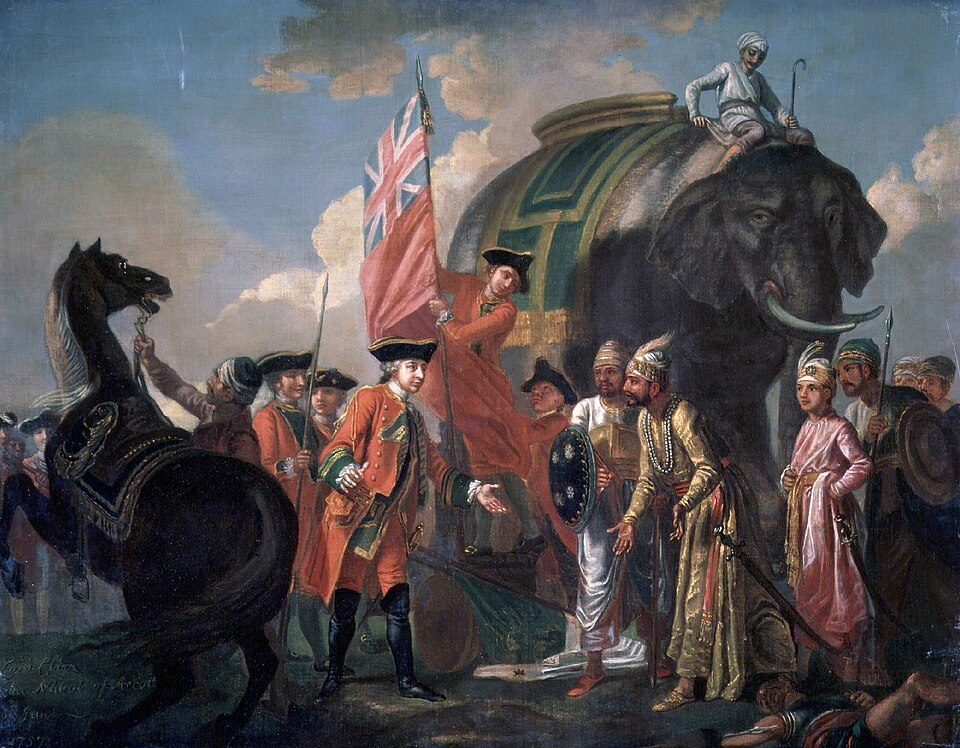
Near the village of Palashi in Bengal, a brief clash between the British East India Company and the Nawab of Bengal unfolded under monsoon clouds and thick political intrigue among local elites. Company troops were outnumbered, but secret agreements with Mir Jafar and other discontented nobles hollowed out the Nawab’s army from within and froze key units at the crucial moment of battle. When the line broke, control of Bengal’s enormous revenues shifted to the Company, funding private armies and transforming a trading corporation into the financial engine of British expansion in India.
Battle of Isandlwana, 1879
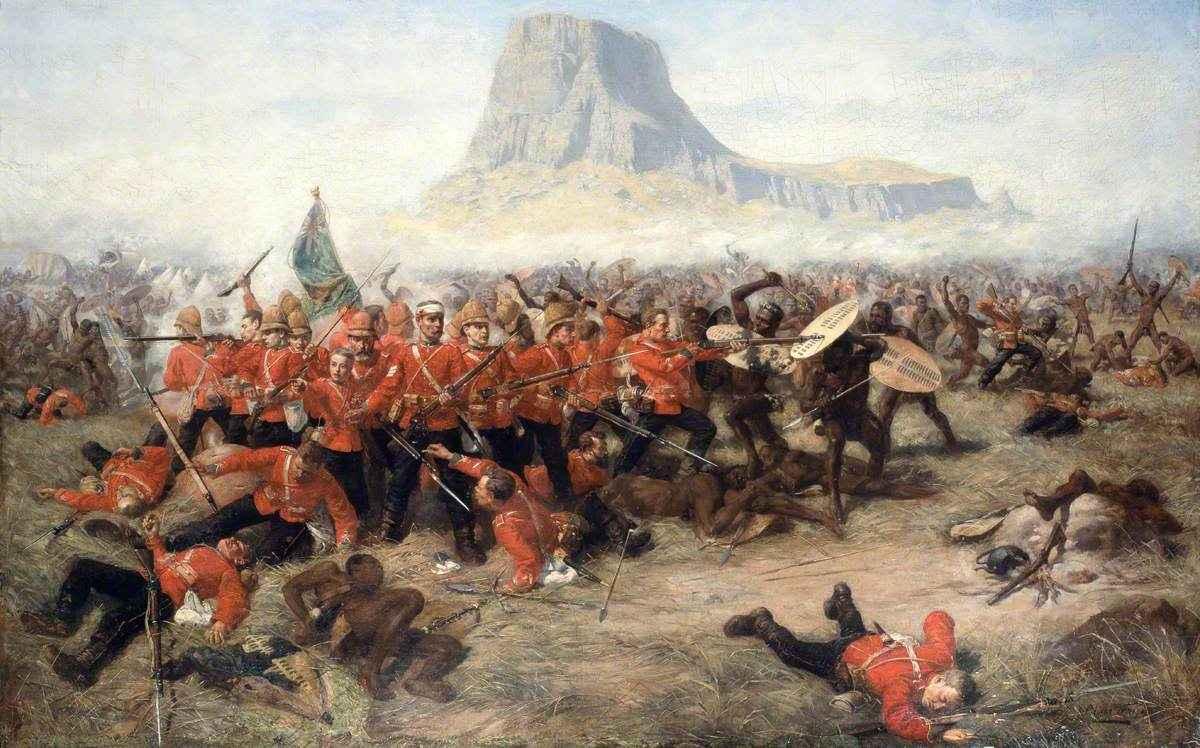
Below the rocky hill of Isandlwana, British commanders scattered their forces and underestimated Zulu mobility, leaving a central camp thinly fortified, poorly supplied, and lacking strong defensive works. Zulu regiments advanced in a disciplined chest and horns formation, using the terrain to mask their approach before overrunning the camp in brutal close combat that left few redcoats alive. The defeat stunned the British public, challenged assumptions about technological superiority, and triggered a harsher second invasion that ultimately broke Zulu independence and reshaped southern Africa’s political and psychological map.
Battle of Adwa, 1896
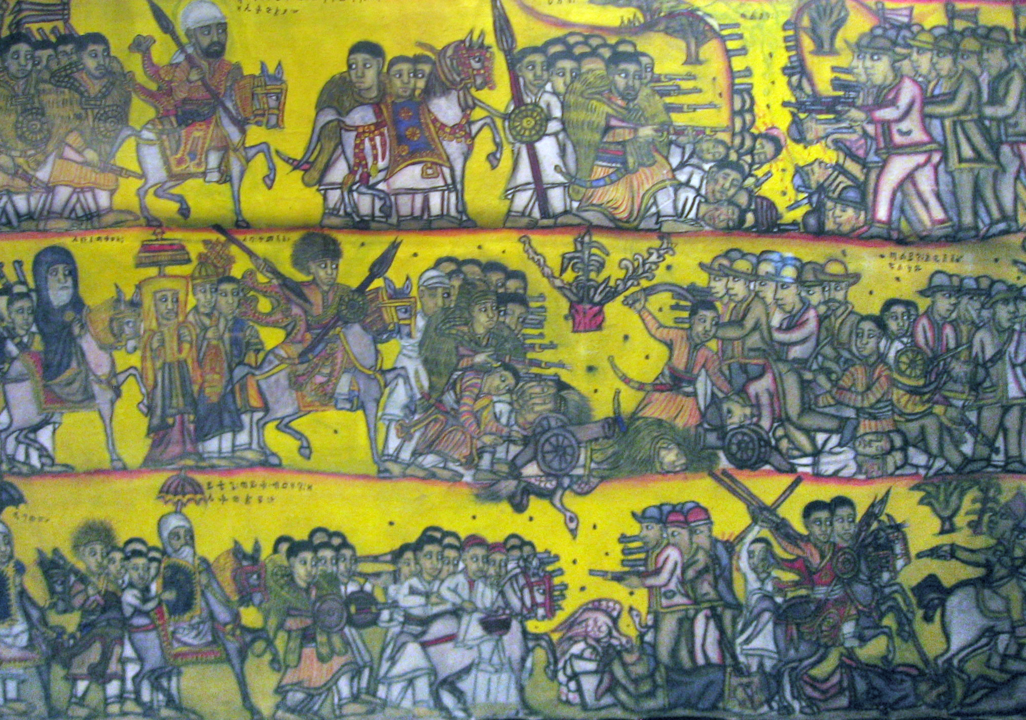
High in the Ethiopian highlands near Adwa, Emperor Menelik II and Empress Taytu assembled a huge coalition army that met Italian colonial forces marching under a flawed treaty claim and imperial ambition. Ethiopian commanders knew the terrain, outnumbered their opponents, and coordinated multi direction attacks that crushed Italian brigades as they tried to maneuver among steep ridges and narrow valleys. The victory forced Italy to recognize Ethiopian sovereignty and became a powerful symbol of African resistance, inspiring later anticolonial movements from Harlem to Addis Ababa and feeding pride across the continent.
Battle of Ayacucho, 1824
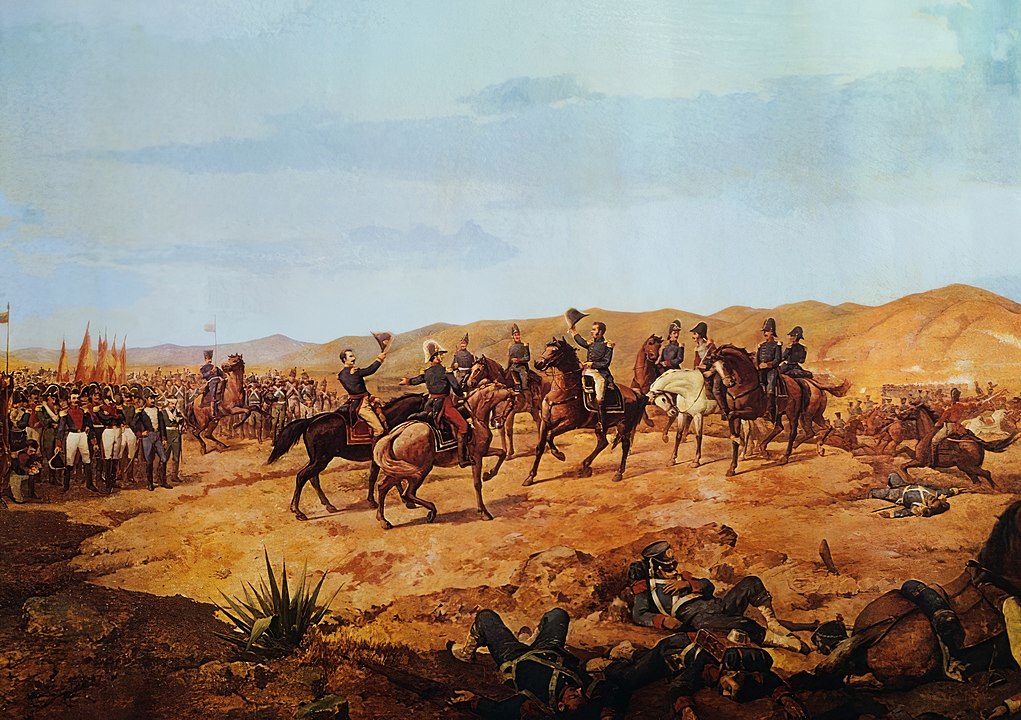
On a chilly plateau in the Peruvian Andes, patriot forces under Antonio Jose de Sucre faced Spain’s last major royalist army in South America with the fate of independence at stake. Careful positioning on the heights, coordinated infantry fire, and decisive cavalry charges broke Spanish lines, leading to the surrender of the viceroy and most senior officers on the field. Ayacucho effectively ended Spanish rule on the continent and confirmed the independence of Peru and its neighbors, even though the new republics soon struggled with debt, caudillos, and regional feuds.
Battle of the Seelow Heights, 1945
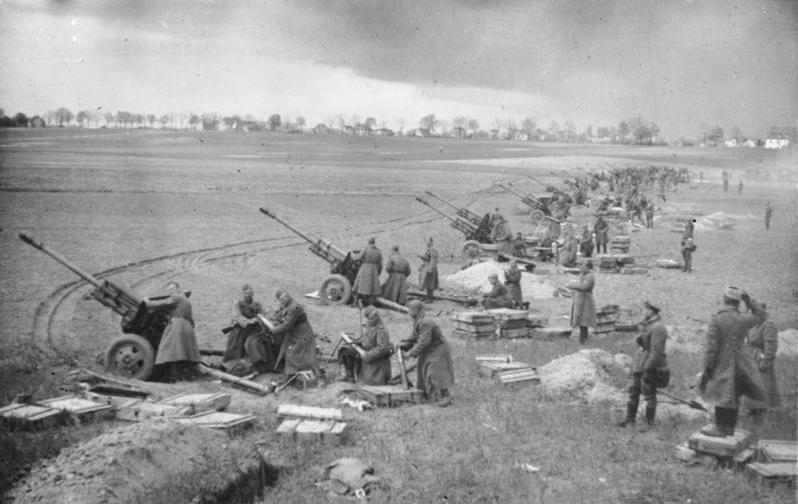
Across the muddy slopes of the Seelow Heights east of the Oder River, exhausted German defenders faced overwhelming Soviet artillery, tanks, and infantry in the last barrier before Berlin’s suburbs. Days of bombardment turned the ridge into a churned landscape, while Soviet troops pushed through minefields and flooded fields at enormous human cost to close with dug in positions. When German lines finally collapsed, nothing meaningful stood between the Red Army and the capital, setting the stage for the fall of Berlin and the final military collapse of Nazi Germany.