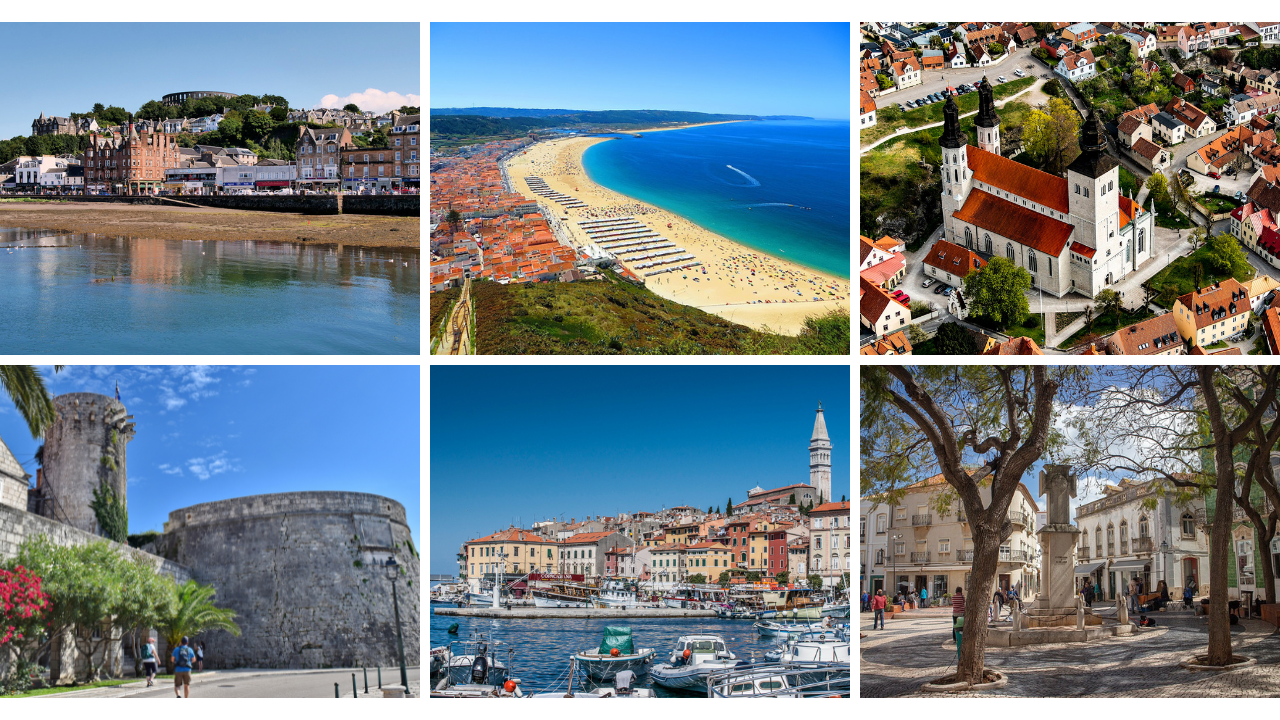
Along Europe’s edges, small coastal towns still move at the pace of tides and shop shutters, not traffic lights or inbox pings. Fishing boats sway where ferries race by, and stone alleys carry the smell of sea salt, coffee, and damp rope. Travelers chasing capital cities often skip these quieter harbors, yet this is where Europe’s softer side hides, in places that treat mornings gently and let evenings linger. Here, clocks matter less than weather, light, and who shows up.
Rovinj, Croatia
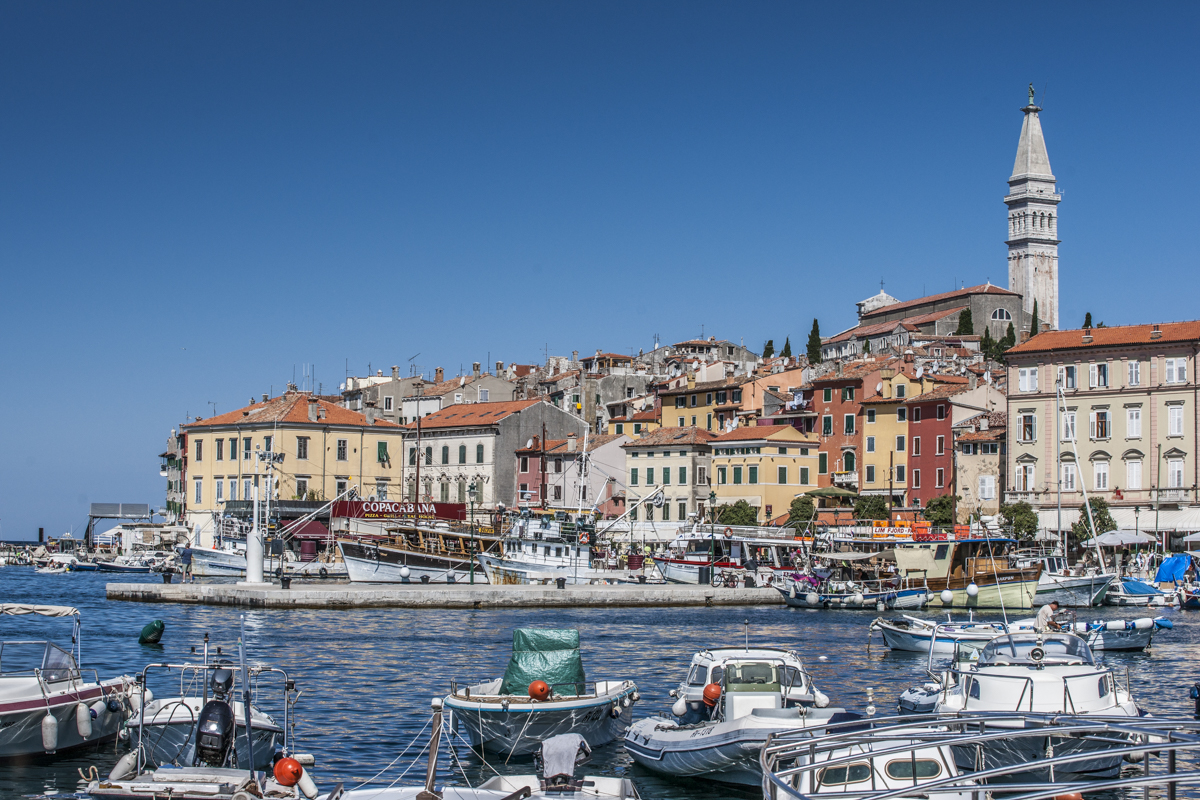
Rovinj’s pastel houses climb a rocky hill above the harbor, with every narrow lane tilting toward the Adriatic. Dawn belongs to fishermen easing crates onto the quay while church bells spill over the water. By late afternoon, stone promenades soften into quiet gathering spots where conversations drift between Croatian and Italian. Even on busy days, evenings settle into a slower rhythm, measured in clinking glasses, candles, and the last reflections of light on the sea.
Camogli, Italy
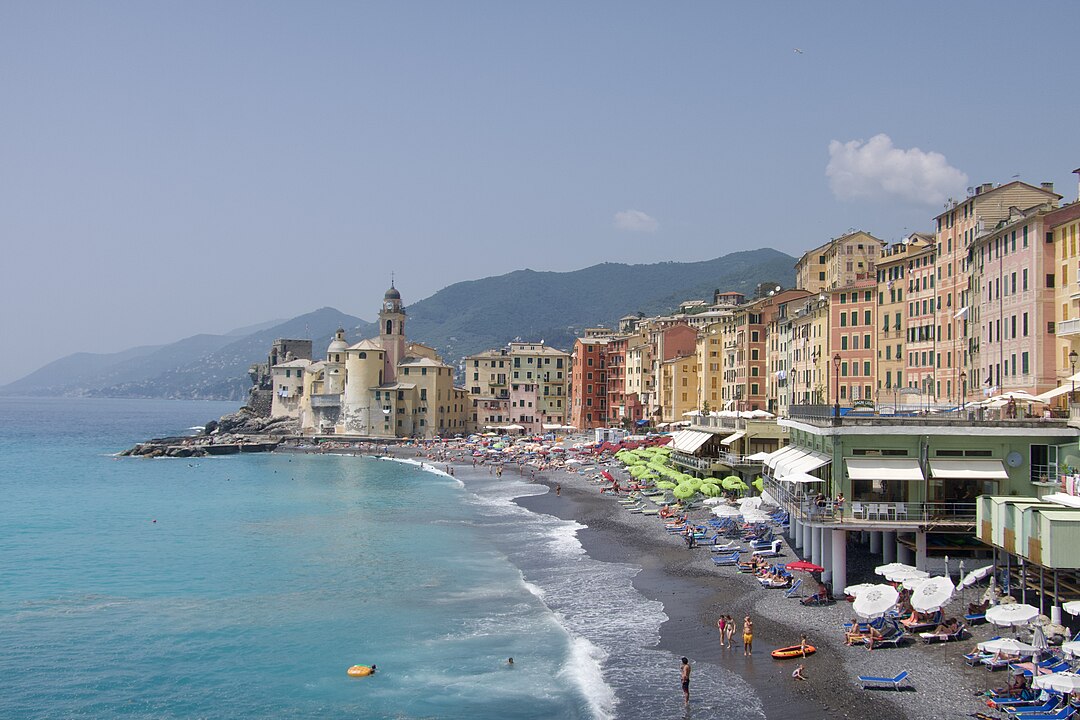
Camogli’s waterfront feels like a painted backdrop, tall façades guarding a narrow curve of shingle and gentle surf. Fishing boats bob just offshore, nets drying beside doorways that have seen several lifetimes of storms and gossip. Locals lean into tiny bars under the porticos, stretching an espresso into unhurried debate. As dusk folds over the harbor, lights burn in kitchen windows, and the town hums at a volume low enough that the sound of the tide still leads.
Collioure, France

Collioure’s small bay gathers color like a palette, with pink light catching stone walls, tiled roofs, and the chapel by the sea. Cafés nudge right up to the harbor edge, close enough that cutlery and small waves seem to overlap. Long lunches lean into sketchbooks, novels, and idle observation. Artists still pause on the promenade, more interested in how the light changes on the castle wall than in any schedule, letting the day stay loosely framed and open ended.
Parga, Greece

Parga climbs the hillside in terraces of lime washed walls, clay roofs, and citrus trees that slip between stairways. Boats cross the bay in unhurried arcs, heading toward tiny islets and quiet coves. Midday heat pushes life under awnings and vine covered balconies, where grilled fish and shared plates arrive only when the kitchen is ready. Evenings fill with the sound of cutlery, low voices, and water tapping against the harbor wall, rather than music turned up for strangers.
Kotor, Montenegro
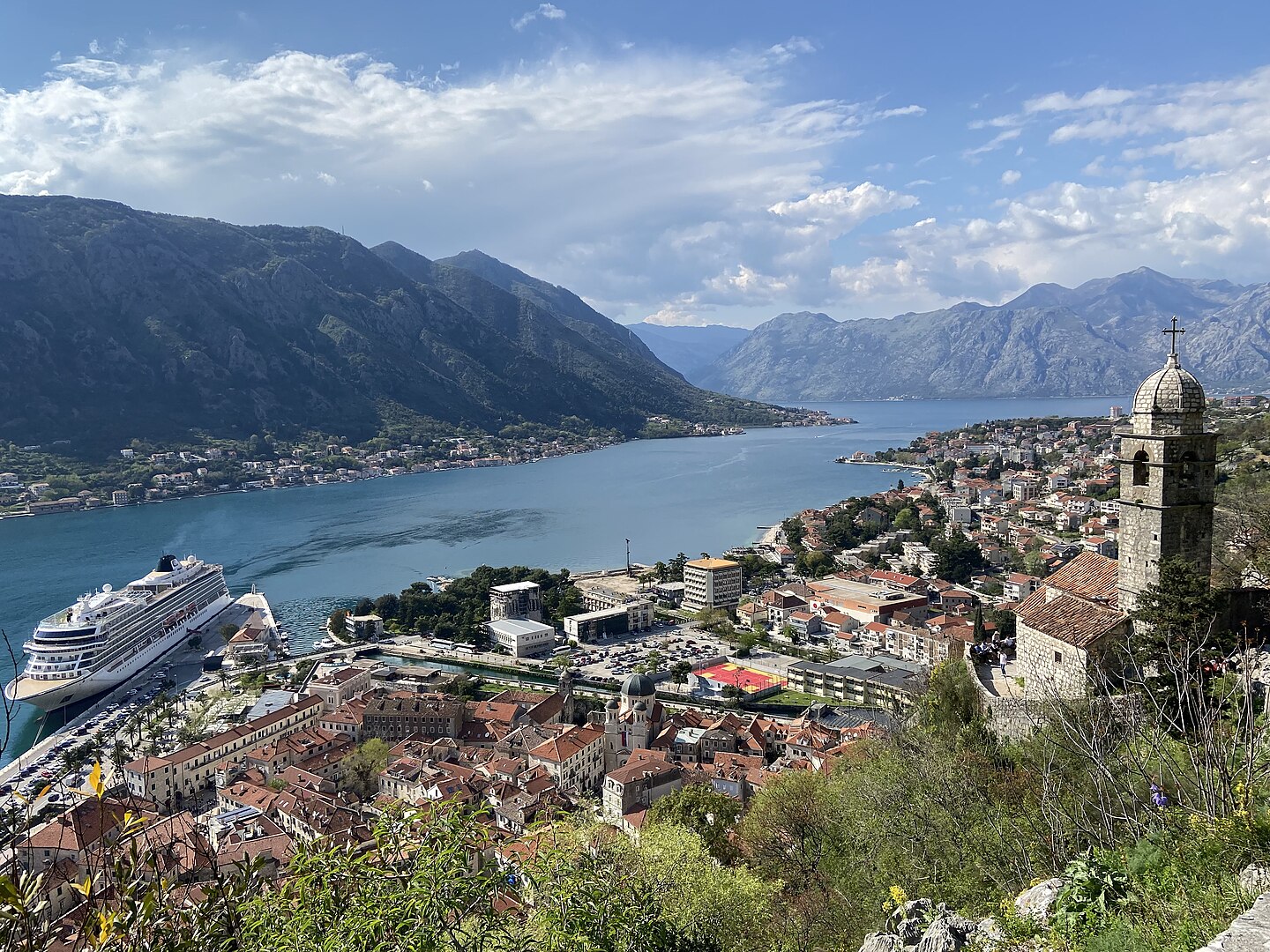
Kotor folds into the innermost corner of its mountain locked bay, sheltered by walls that once guarded a far busier port. Inside the gates, cats share alleys with residents, napping beside worn stone thresholds and sunlit steps. Church towers answer the changing sky with slow bells, echoing across slate colored water. When ships depart and day visitors fade, the old town exhales, leaving a softer soundscape of clinking cups, distant conversations, and water brushing the fortifications.
Nazaré, Portugal
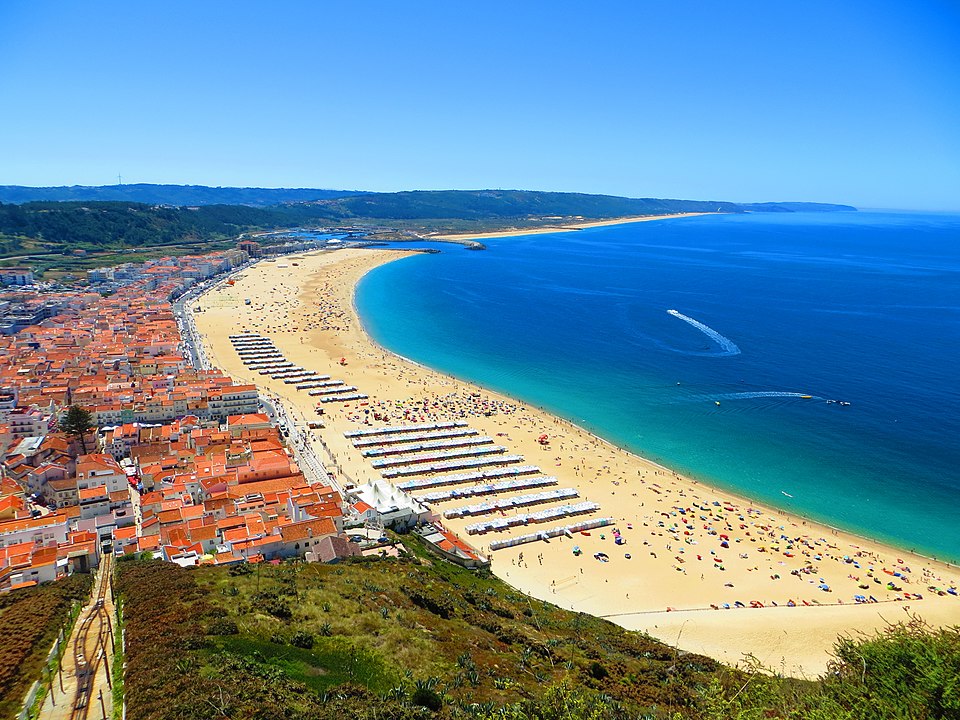
Nazaré’s winter swells have become legend, yet most days the town settles into a quieter, human scale relationship with the Atlantic. Whitewashed houses step up from the broad beach as if following the curve of each incoming wave. Traditional skirts, drying fish, and painted boats keep the shoreline anchored in memory. In the long light of late afternoon, families and older residents drift along the boardwalk, watching the horizon as though it were an old friend who still surprises.
Oban, Scotland
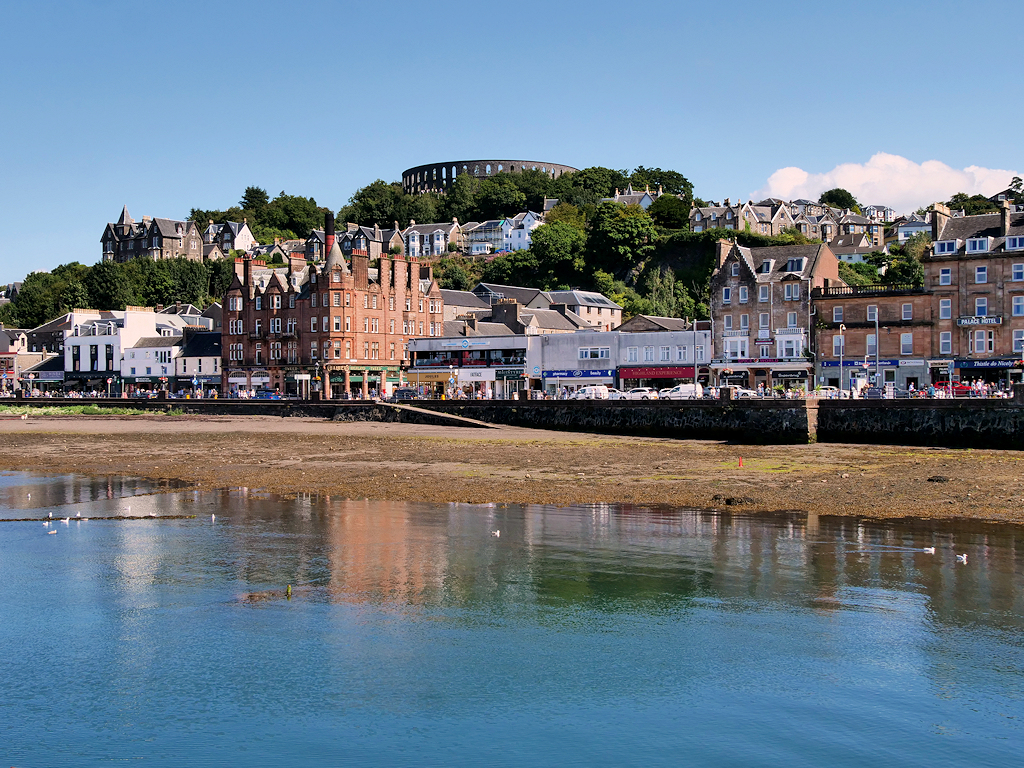
Oban wraps around its sheltered bay like a half circle of stone, shops, and slate roofs turned toward the islands. Ferries slide in and out with unhurried precision, their arrivals part of the day’s background rhythm. Smoke from seafood stalls folds into the damp air, giving the harbor a briny warmth even in rain. Locals check the sky more often than their phones, adjusting plans to match sudden breaks of sun that send everyone to the water’s edge at once.Visby, Sweden
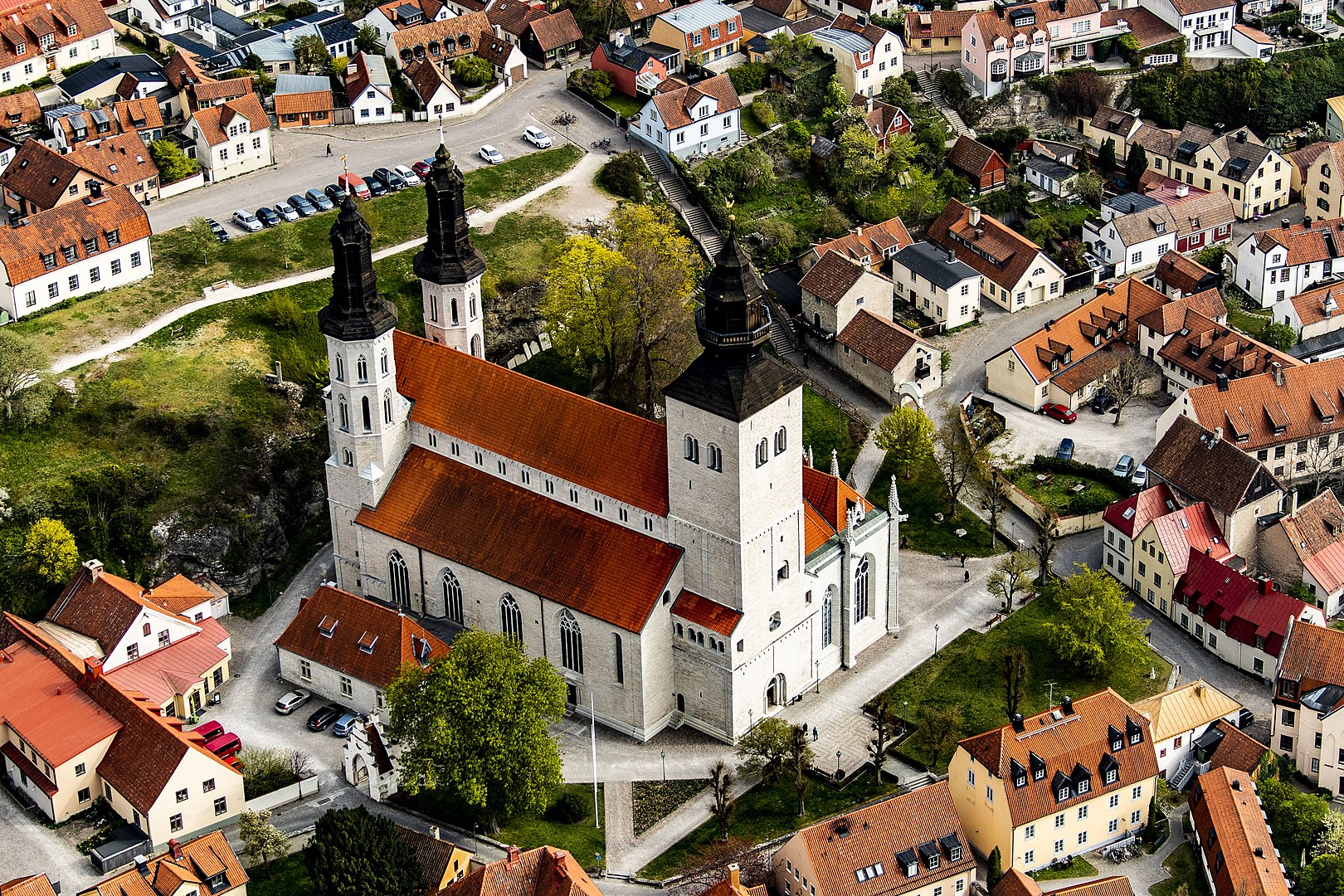
Visby hides behind medieval walls that seem almost too tall for such a gentle place. Inside, cobblestones wind between timbered houses, collapsed churches, and gardens where roses tangle over fences. Summer light stays long on the Baltic, stretching blue hours across the harbor and blurring any sense of urgency. Bicycles, soft conversation, and the distant call of ferries take turns guiding the evening, while the town’s history lingers as a quiet presence rather than a performance.
Lagos, Portugal
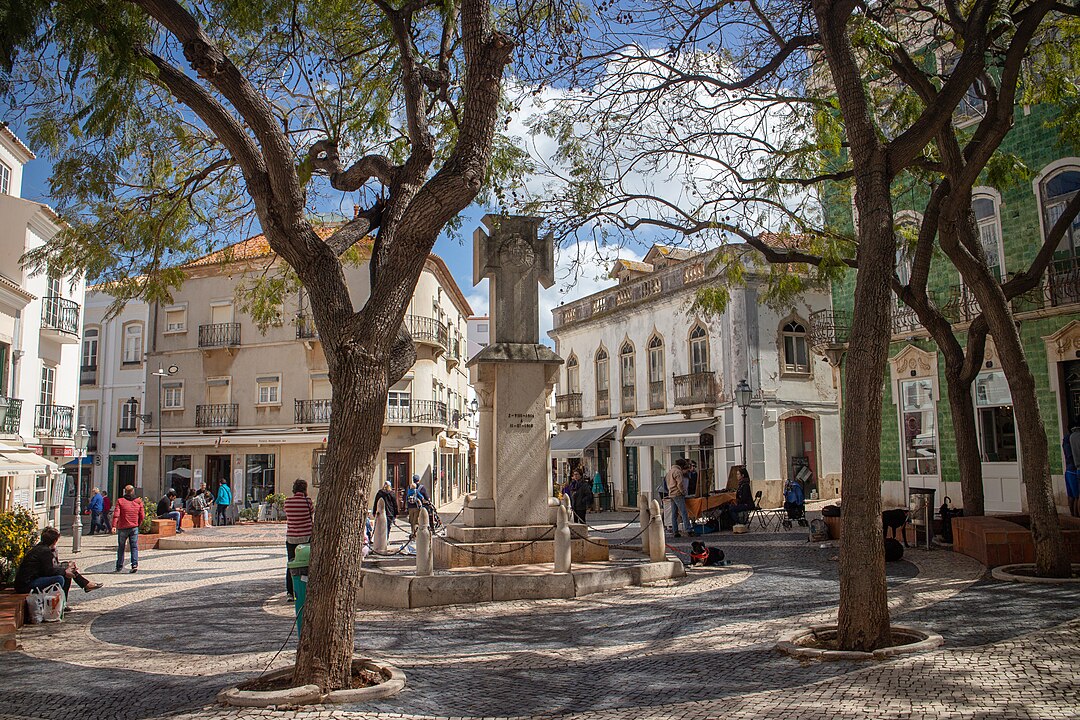
Lagos balances its busy marina with a tangle of older streets, tiled façades, and shady squares that still feel distinctly local. Just beyond town, ocher cliffs break into arches and small coves where the sea repeats itself in softer tones. Musicians gather near church steps, mixing with everyday errands and late dinners. Even on well traveled nights, the combination of salt air, worn stone, and low conversation keeps the mood closer to village than resort, easy rather than frantic.
Korčula Town, Croatia
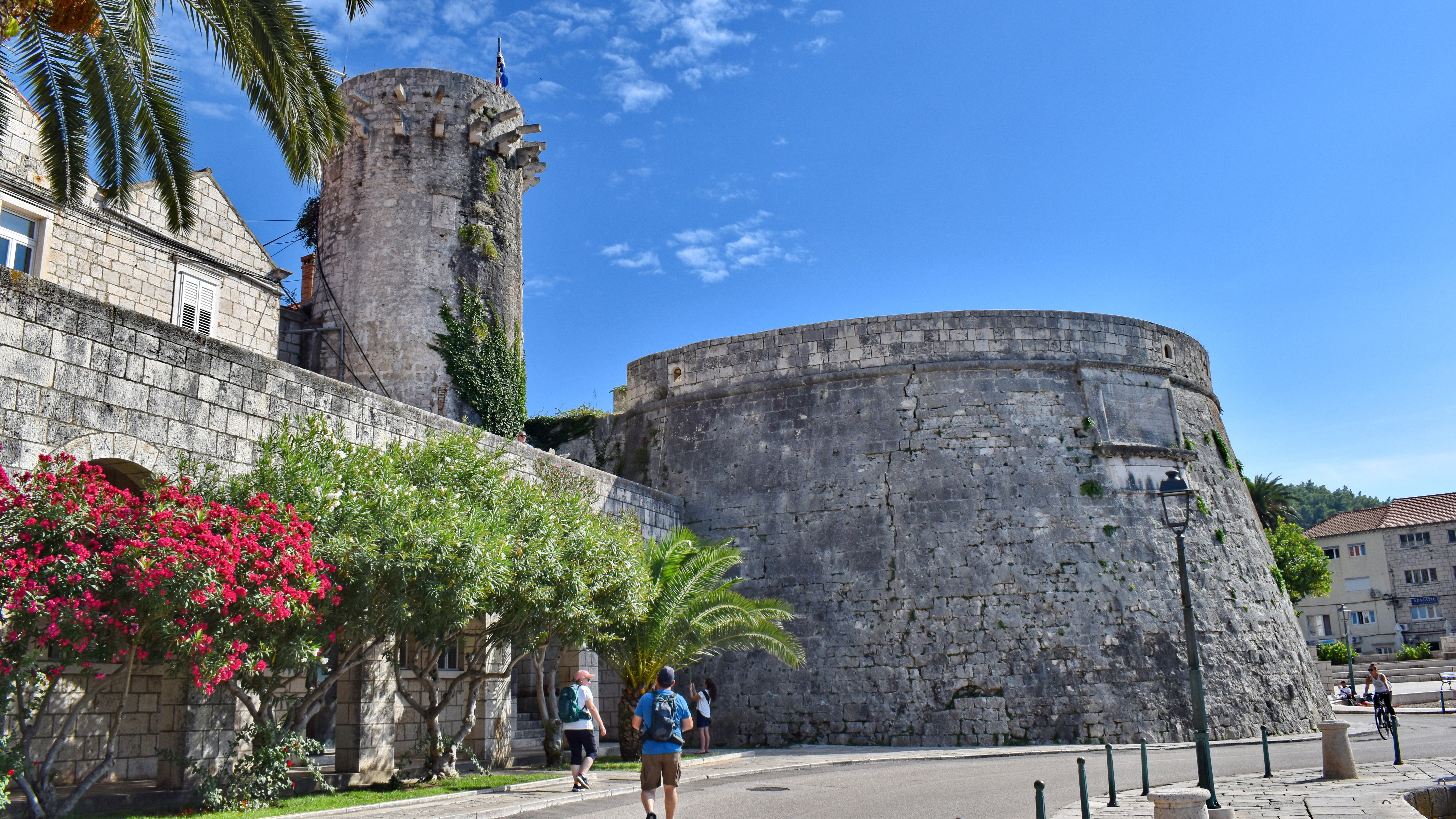
Korčula Town curls around its peninsula in a tight spiral of stone lanes, each one carefully angled toward breezes or away from harsh winds. Red roofs and a single bell tower shape a skyline that feels both modest and exact. Small konobas spill onto steps and little terraces, serving seafood and local wine without hurry or display. As night deepens, the sound of water against the walls replaces most traffic, setting a pace that encourages long conversations over quick exits.