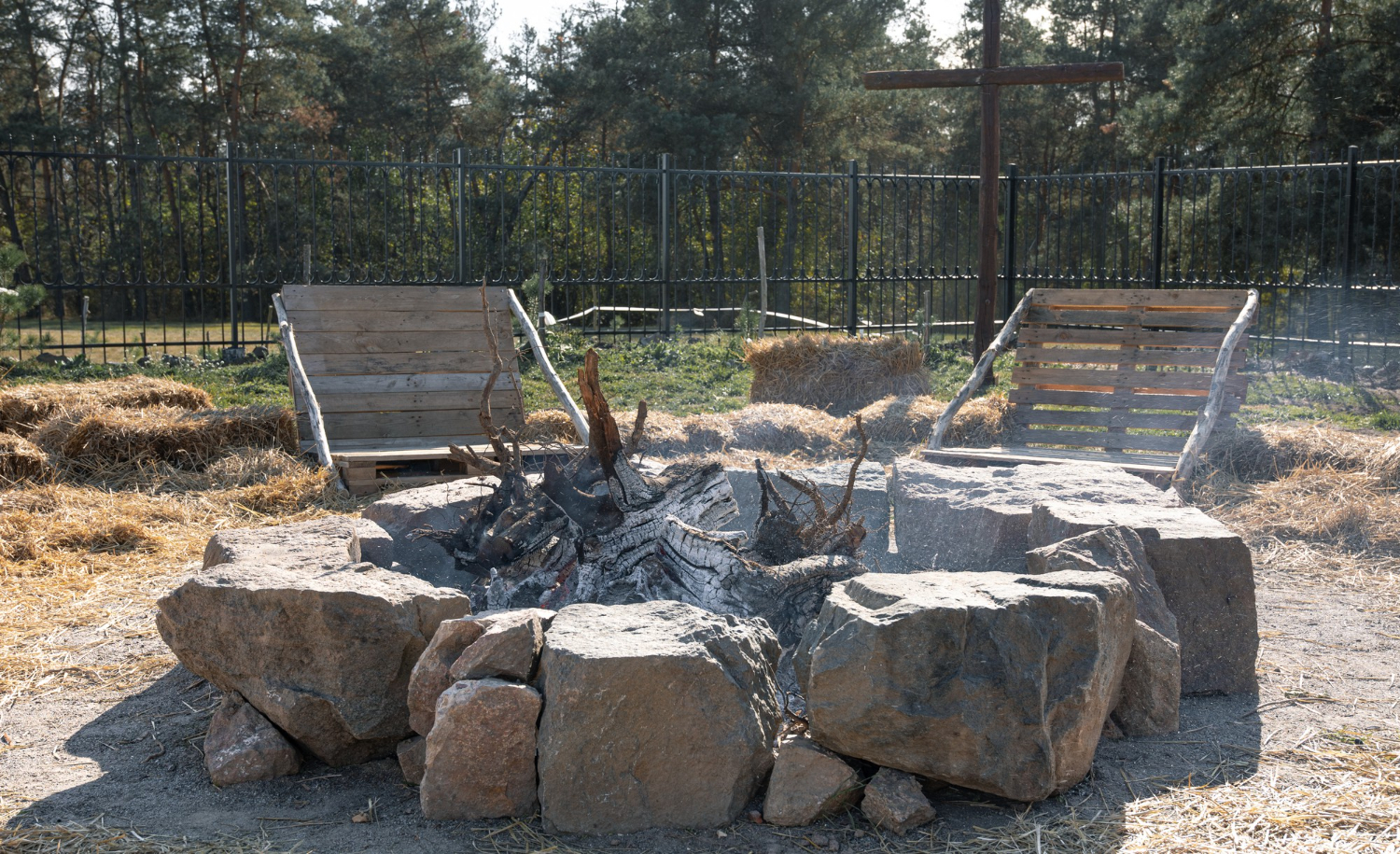
Backyards once felt like private worlds, but safety codes, wildlife protection, and water rules now shape what belongs outside. These changes grew from real harm, not bureaucracy for its own sake, and they reflect house fires, drownings, disease outbreaks, and polluted creeks. What this really means is that familiar fixtures often need permits, barriers, or an outright rethink. The entries below explain why many features became illegal or tightly restricted across the country, and how communities learned those lessons the hard way.
Burning Household Trash In A Barrel
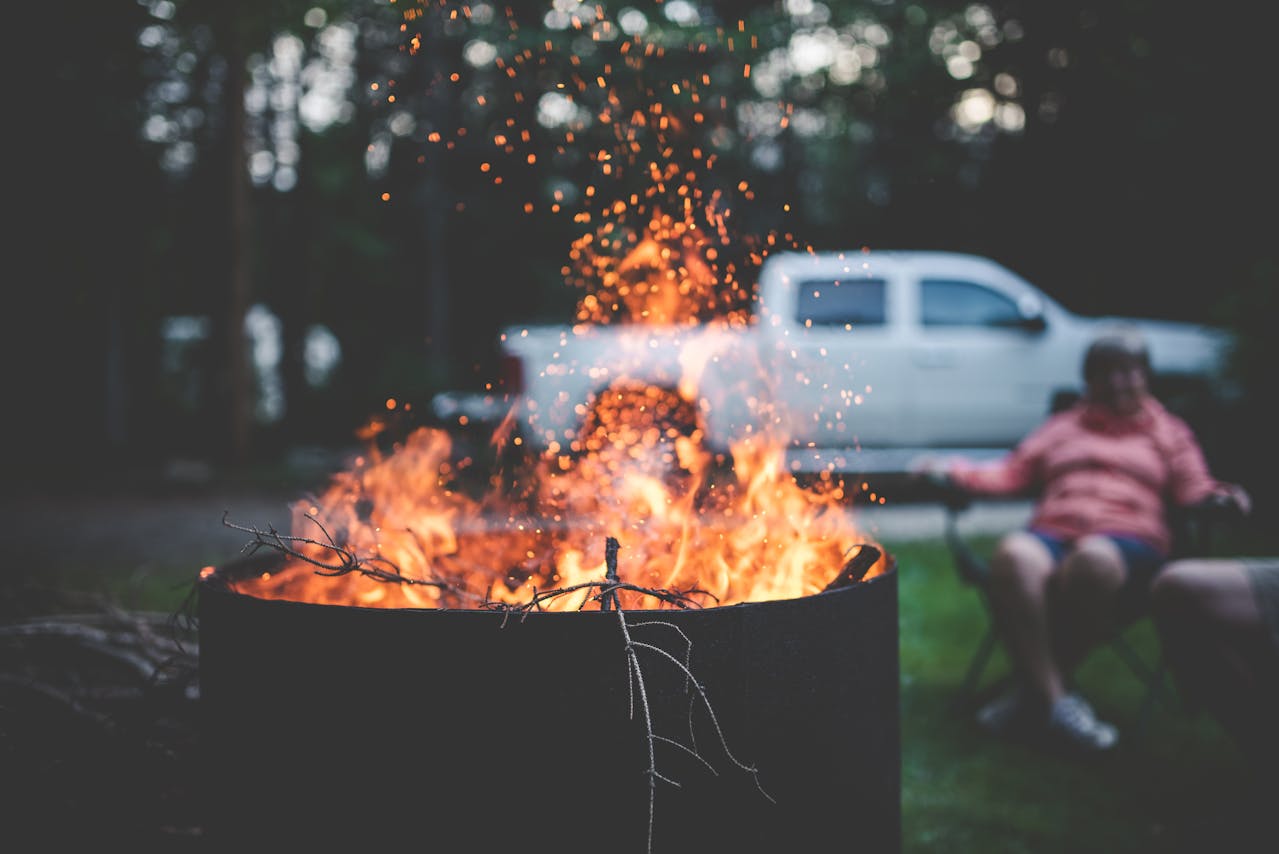
Backyard burn barrels used to handle everything from grocery bags to junk mail, then communities noticed the smoke carried far beyond the fence line. The mix of plastics, inks, and coatings creates toxic emissions, while windborne embers can ignite sheds, fences, and fields. As air standards tightened, most states moved to ban household trash burning, allowing narrow agricultural or yard waste exceptions. Municipal collection, transfer stations, and hazardous waste days replaced the barrel for good reason.
Pools Or Spas Without Compliant Barriers
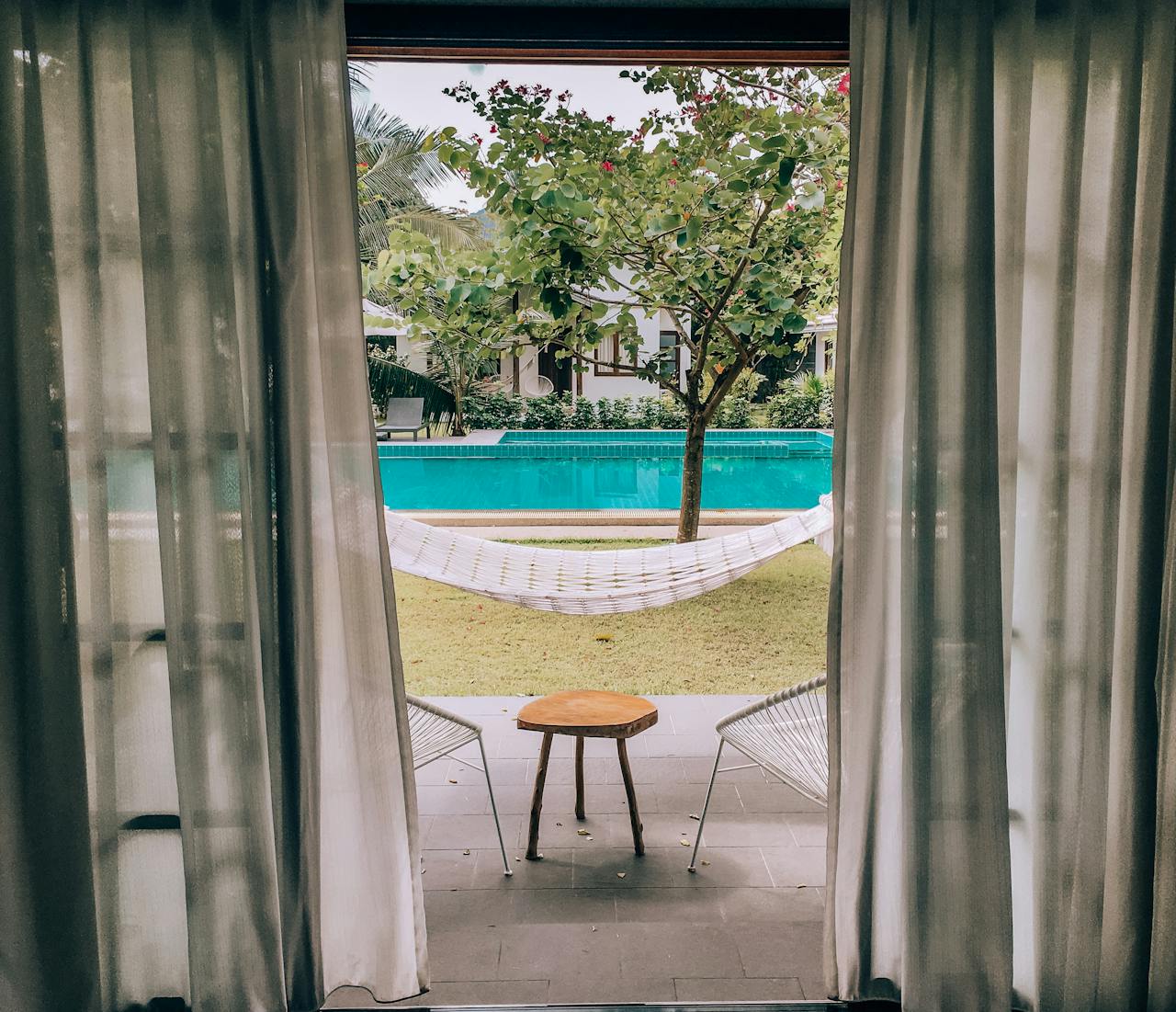
An unfenced pool is more than a homeowner choice, it is an attractive nuisance that draws kids, pets, and distracted guests. Modern codes ask for a four sided barrier, self closing gates, and often alarms for doors or water to slow a silent event that happens in seconds. Many states adopt model pool standards, then layer local rules for setback, cover strength, and latch height. Inspections usually happen at installation, but violations surface after complaints or incidents.
Straight Pipe Sewage, Cesspools, And Pit Privies
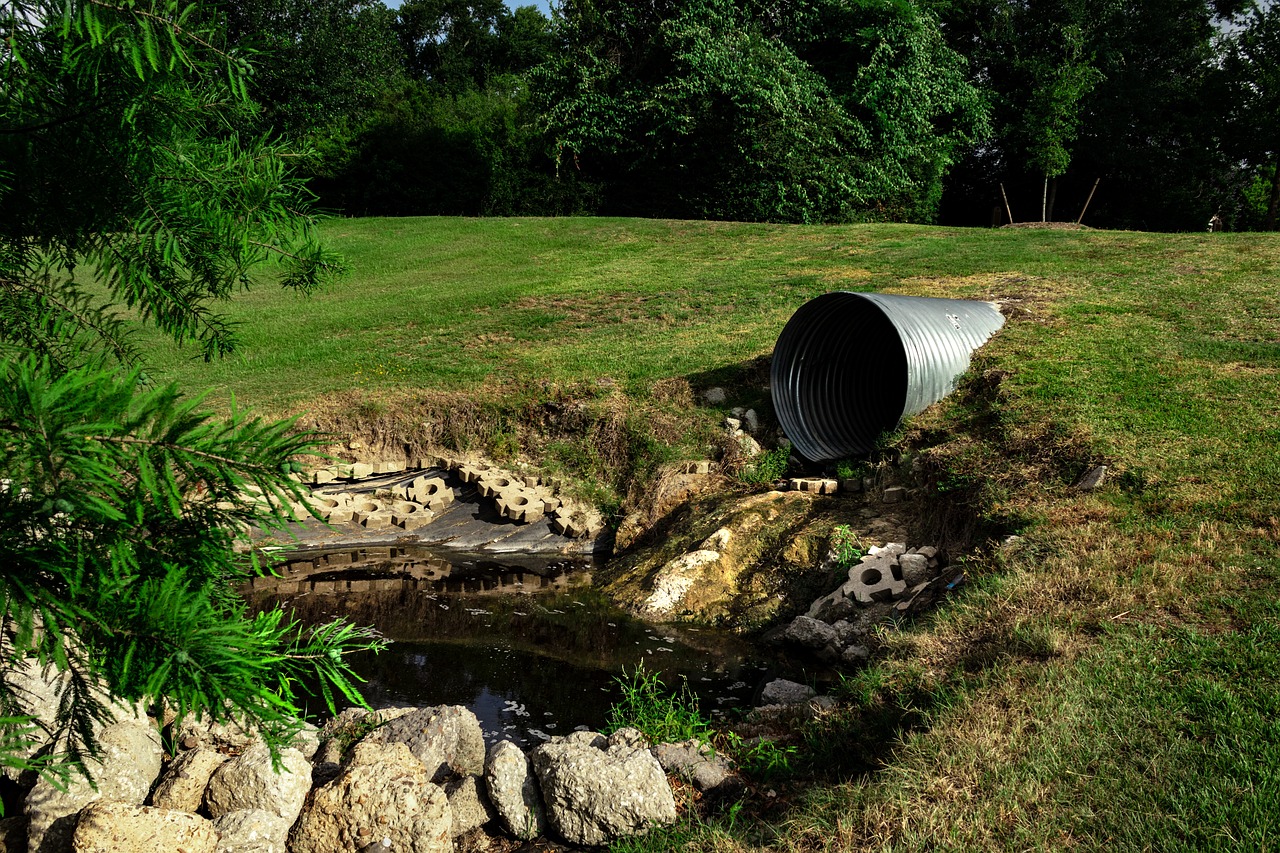
Old systems sent waste to a pit or straight to a ditch, which seemed simple until wells, streams, and coastal waters showed the cost. Untreated effluent pushes pathogens and nutrients into soil and groundwater, then travels farther than expected after storms. Most states now prohibit new cesspools and straight pipe discharges, and require permitted, engineered onsite systems instead. When groundwater is stressed, programs target upgrades, inspections, and conversions, often with grants to retire legacy pits.
Unpermitted Graywater Discharge To The Yard
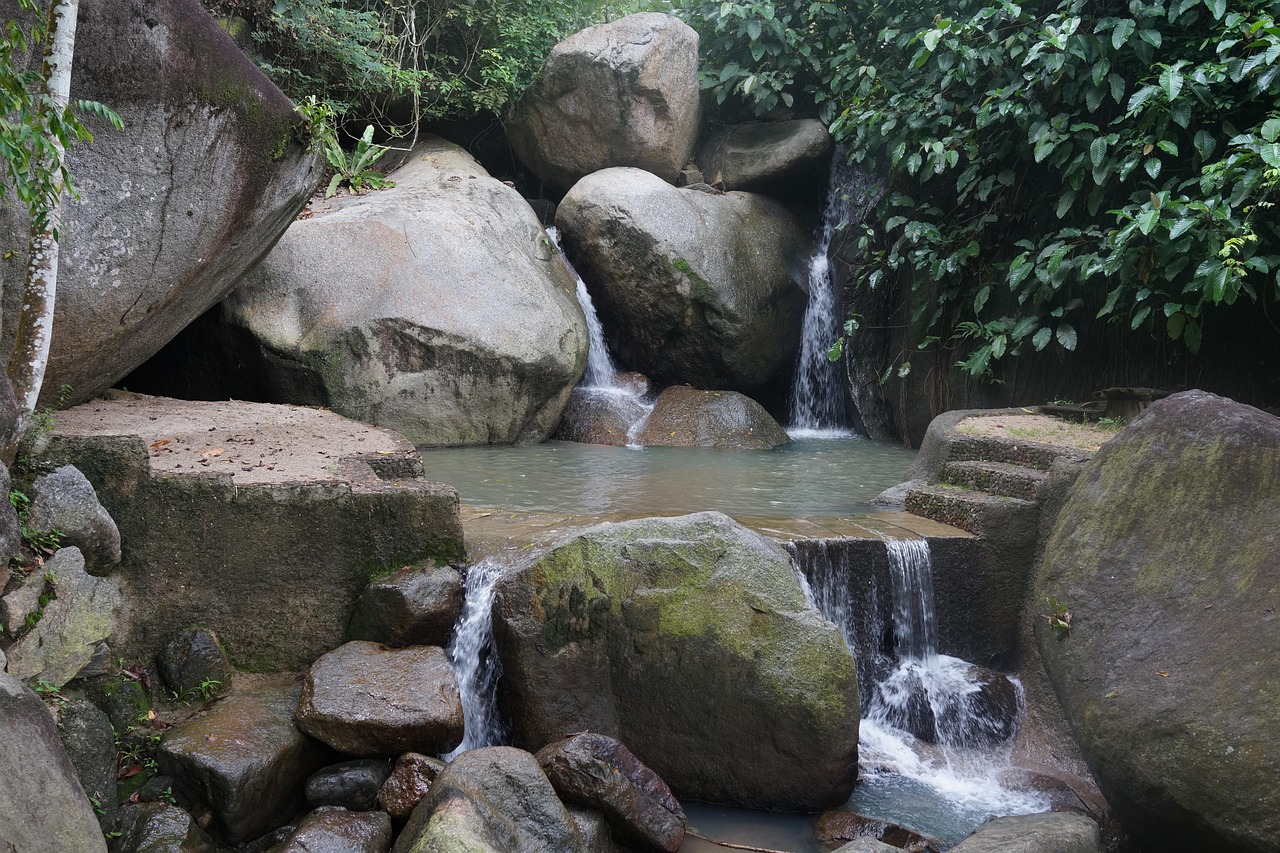
Shower or laundry water looks harmless, yet detergents, body soil, and microbes add up when poured into the same patch of ground. Many states allow graywater only through designed systems that keep flows below grade, away from edible plants, wells, and property lines. Where codes are stricter, any surface discharge without permits is treated like a health hazard. The better path is a compliant subsurface setup with valves, filters, and caps that match local soil and climate.
Illicit Connections To Storm Or Sanitary Sewers
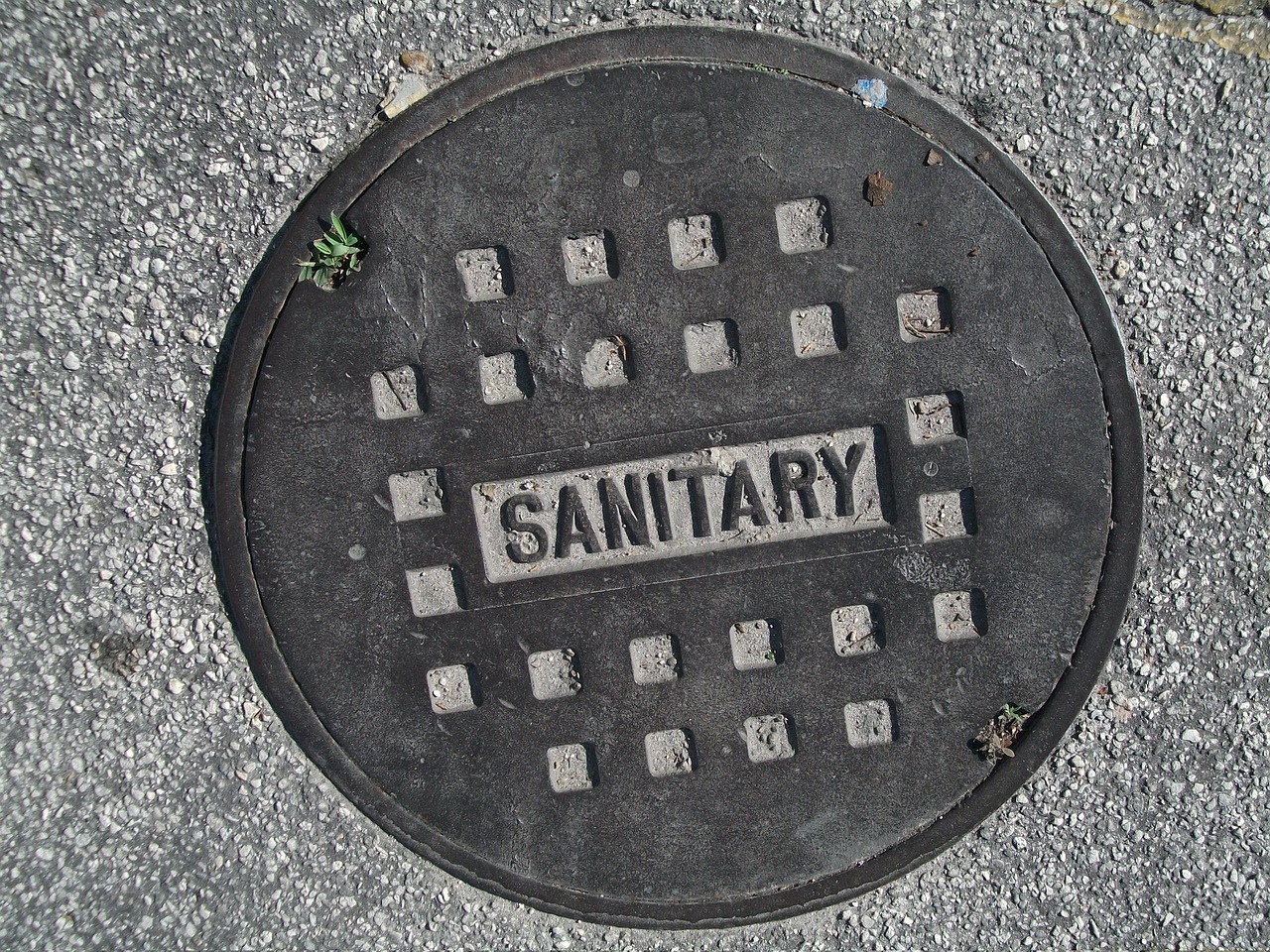
A handy hose from a sump, laundry sink, or pool can send the wrong water to the wrong pipe, and cities pay for it during rain. Storm drains are meant for runoff only, while sanitary sewers are designed for steady flows, not a surge of roof water or dechlorinated pool drains. Illicit hookups trigger overflows, street pollution, and fines that escalate fast. Local programs track down mismatches with dye tests, smoke tests, neighborhood sweeps, and education.
Feeding Deer And Other Wild Cervids

Scattering corn for deer feels generous until sick animals linger, nose to nose, and a disease moves through a neighborhood. Wildlife agencies restrict or ban feeding when chronic wasting disease appears, then expand or shrink zones as test results change. The biology is simple, feeding concentrates animals, increases contact, and spreads illness faster than natural foraging. Gardeners notice side effects too, including stripped shrubs, altered migration, and bolder behavior near patios and play sets.
Housing Dangerous Exotic Animals
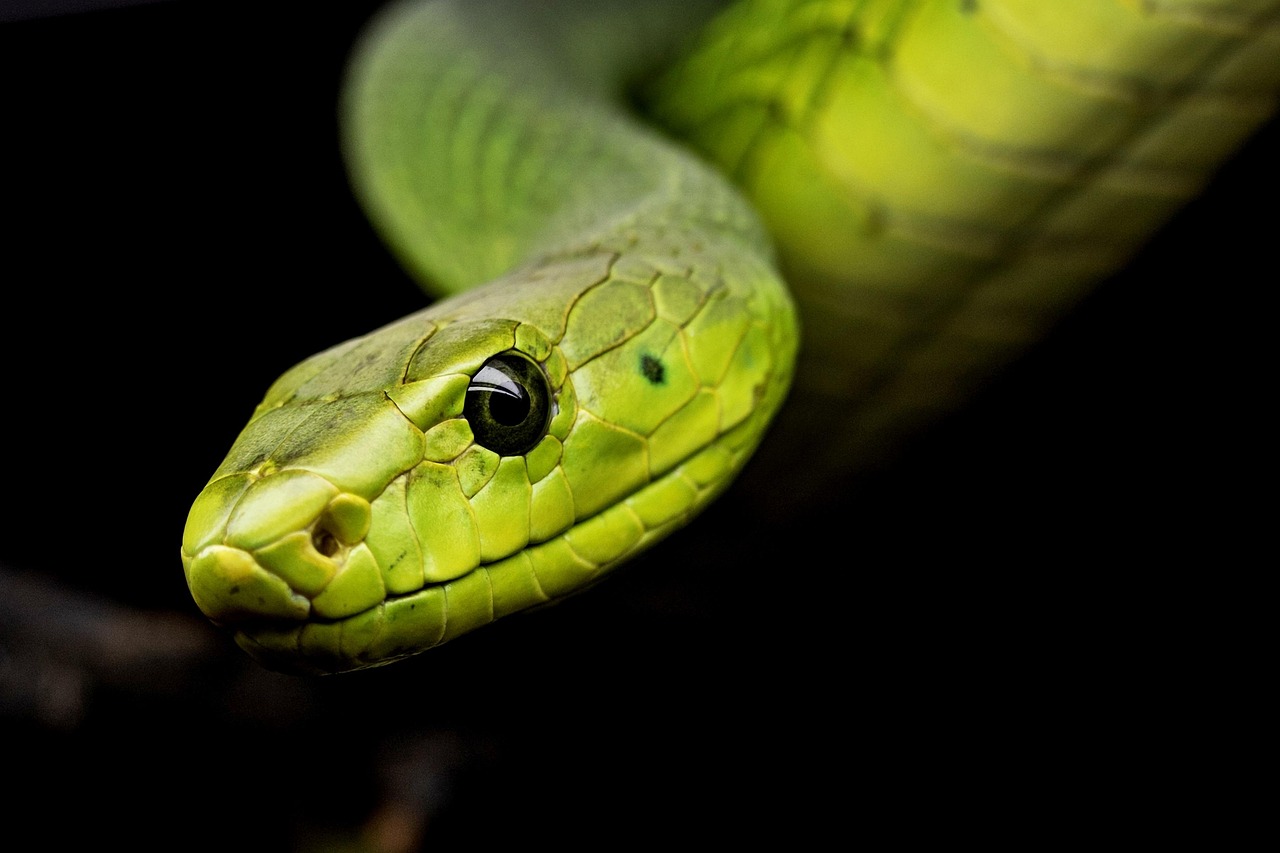
Permits once varied wildly, then high profile incidents pushed states to tighten rules on private ownership of big cats and certain exotics. Today, broad prohibitions, registration programs, and strict facility standards make backyard enclosures for lions, tigers, and similar species effectively illegal in most places. Enforcement leans on public safety and animal welfare, not spectacle or novelty. Sanctuaries and accredited zoos operate under different frameworks with inspections, trained staff, and planning for escapes or storms.
Outdoor Cannabis Grows Where Home Cultivation Is Prohibited

Legalization did not create one map, it created dozens of maps that shift by state, county, and city. Many jurisdictions still prohibit home cultivation entirely, while others allow small indoor grows with locked, non visible setups and plant caps. Outdoor cultivation, even for personal use, often meets bans tied to theft risk, odors, and youth access. Where rules do allow it, setbacks, fencing, and light controls turn a hobby into a regulated micro project.
Releasing Sky Lanterns

Paper lanterns float on romance and land on rooftops, barns, and dry grass long after a party ends. Fire officials linked enough blazes to drifting flame devices that many states banned them outright, while others treat them as illegal under adopted fire codes. The physics is relentless, a hot updraft carries a small fire until fuel runs out over whatever is below. Safer options exist, including LED balloons, coordinated drones, or timed ground based lighting.
Drilling Private Water Wells Without Permits
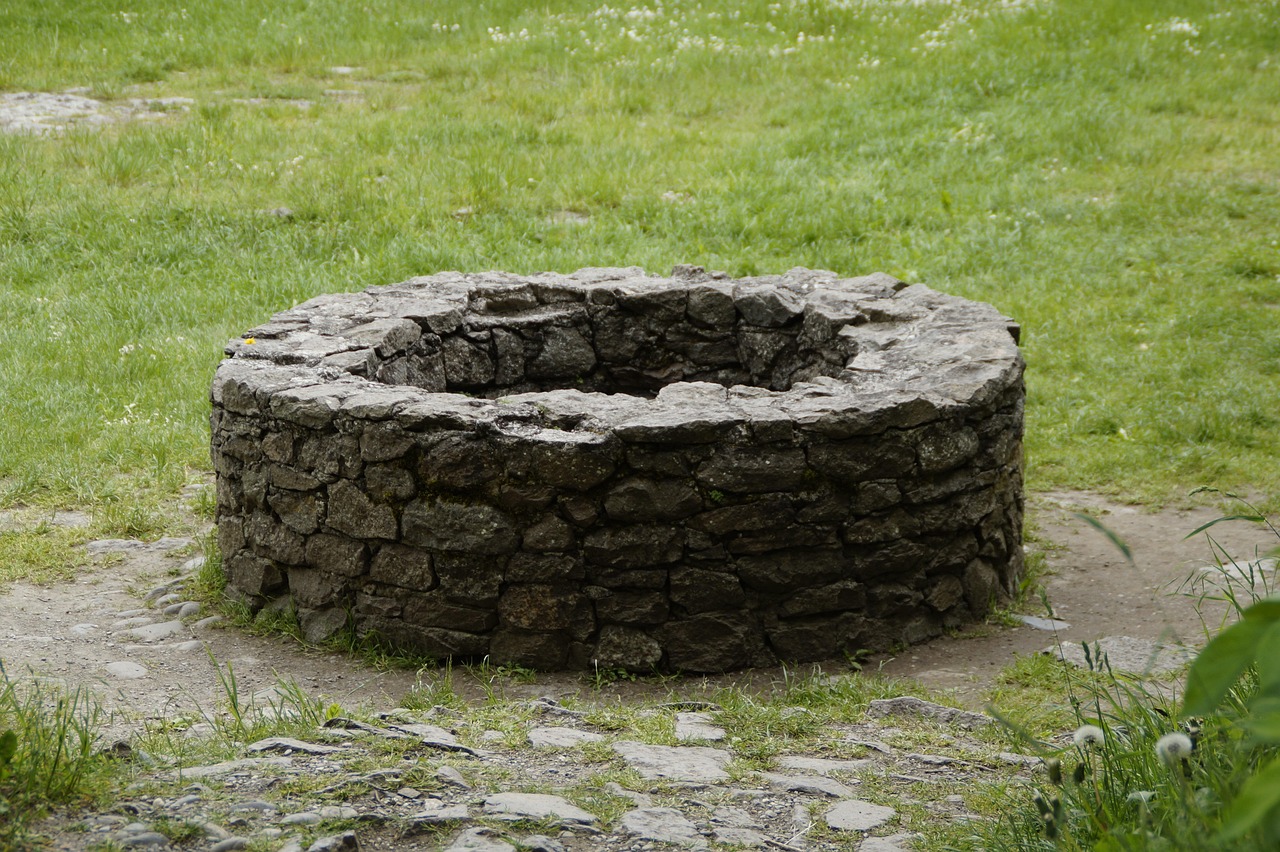
A hole to groundwater sounds personal, yet aquifers connect farms, neighborhoods, and towns in quiet, shared ways. Most states require permits, licensed drillers, and construction standards that protect the casing, the sanitary seal, and the aquifer itself. Spacing rules prevent cones of depression that pull in contaminants or dry out a neighbor’s well. New wells often trigger water quality testing and reporting, while abandoned wells must be sealed so they do not become pollution straws.