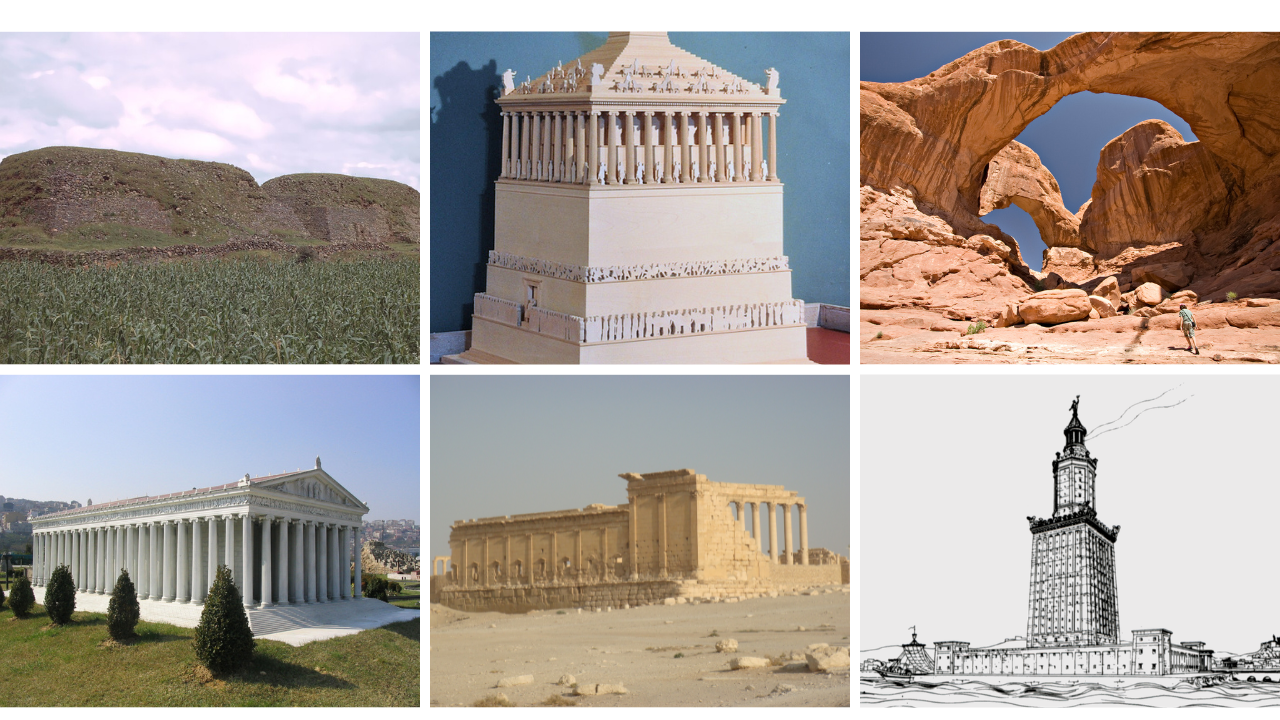
History likes to pretend stone is permanent, but time keeps proving otherwise. Temples crack, statues fall, and entire cities slowly sink back into the earth. Across continents, the loss of ancient wonders blends archaeology with grief, climate tension, and stubborn pride in what ancestors built. Each collapsed arch or drowned city becomes both warning and love letter, asking later generations to decide what is worth saving. These stories follow ruins at the edge, where stones finally gave way, yet memory did not.
Ihuatzio’s Collapsed Pyramid In Michoacan
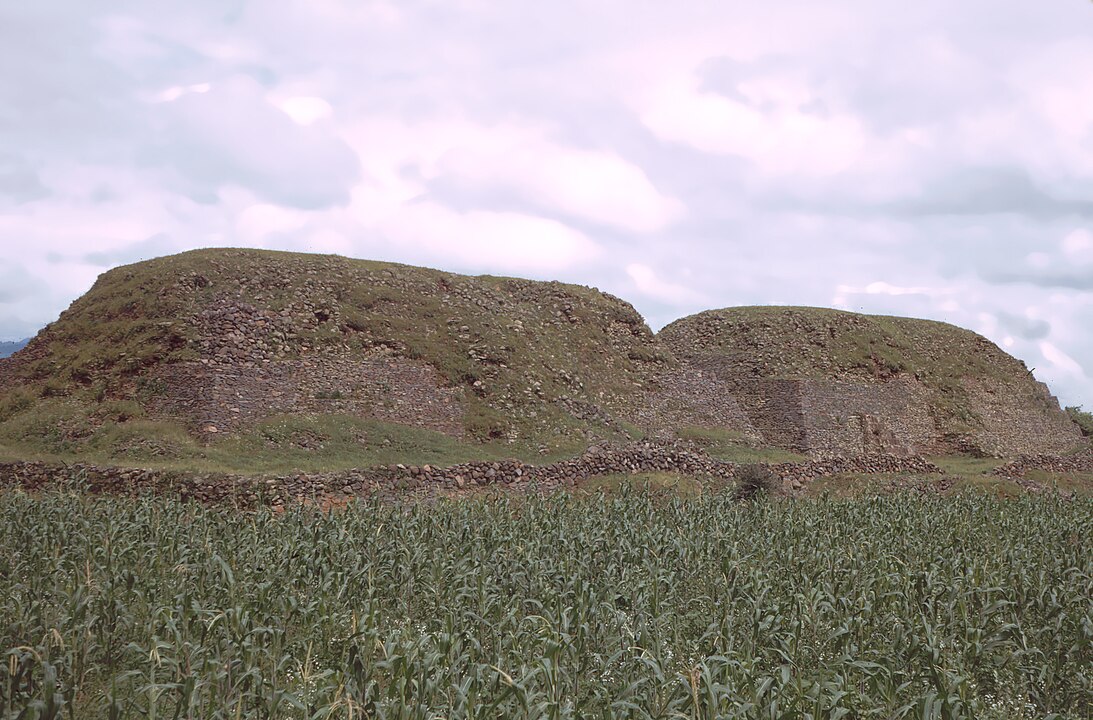
In July 2024, a 15 meter pyramid at Ihuatzio in Michoacan slumped into rubble after hours of pounding rain. Years of harsh heat and deep drought had already opened fractures, letting water chew through the core until collapse was almost guaranteed. For many Purepecha people, the loss felt like a broken promise and a warning, tying present climate chaos to ancestral stories about displeased gods and disasters that never arrive quietly, only after long silence.
Utah’s Double Arch That Fell Into The Lake
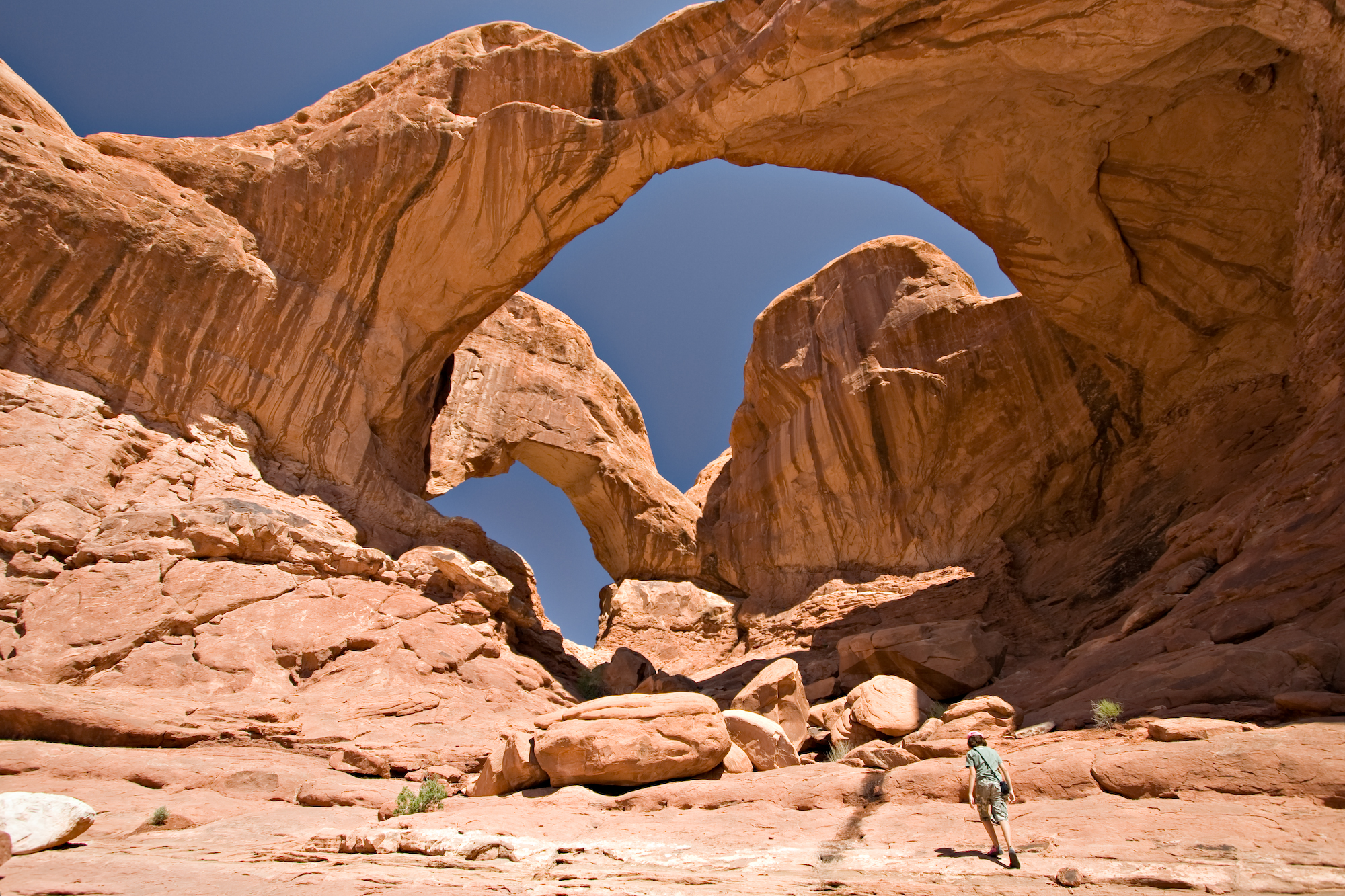
For decades, Double Arch in Glen Canyon framed a clean ring of Utah sky above the shifting waters of Lake Powell. In August 2024, the sandstone span finally gave way, its ring collapsing after years of waves gnawing at the base and water levels rising and falling like a saw blade. Locals lost a favorite landmark, while park scientists quietly logged the fall as another reminder that deserts are never truly still, even in stone and silence.
The Lighthouse Of Alexandria Lost To The Sea
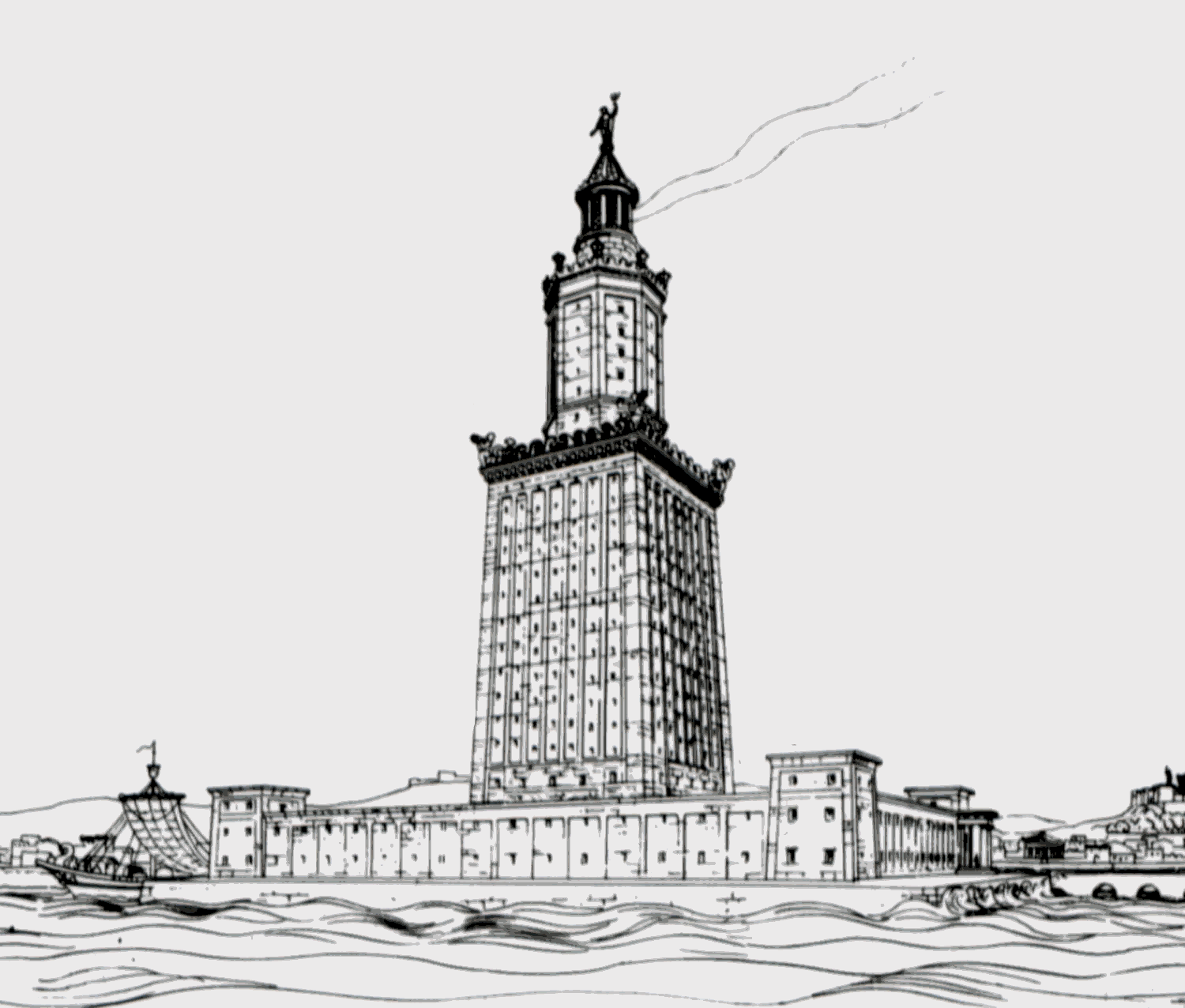
The Lighthouse of Alexandria once rose far above the harbor on Egypts coast, stacking gleaming stone tiers that guided ships into a crowded port. A series of medieval earthquakes cracked its foundations and sent whole sections sliding into the sea, where divers now trace toppled blocks on the seafloor. What survives is a mix of underwater rubble, scattered carvings, and later tales, turning the lighthouse into both a real ruin and a half imagined symbol of guidance.
Temple Of Artemis, Burned And Rebuilt Then Gone
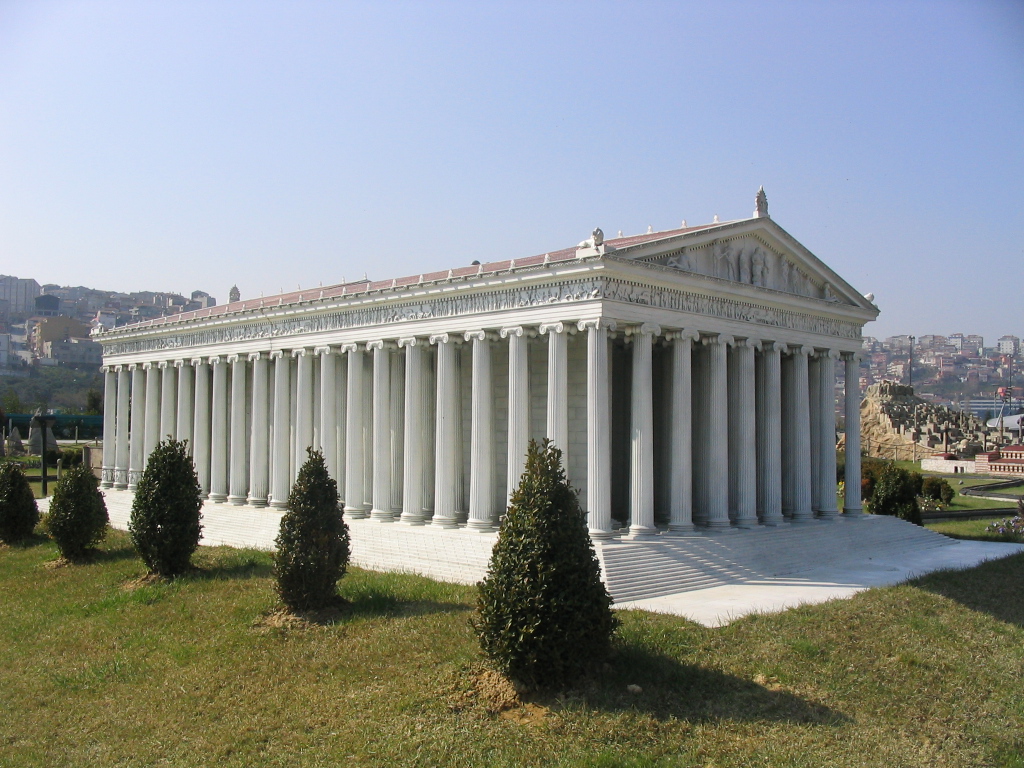
At Ephesus in western Turkey, the Temple of Artemis once dazzled travelers with marble columns, glowing oil lamps, and sculpted friezes that wrapped around its walls. Fires, earthquakes, and shifting empires struck in waves, each disaster stripping a little more from the sanctuary. Rebuilding efforts could not keep pace with looting and decay, and today only a few lonely columns stand in a marshy field, hinting at a scale and brilliance that written accounts strain to capture.
The Colossus Of Rhodes, Shattered By A Quake
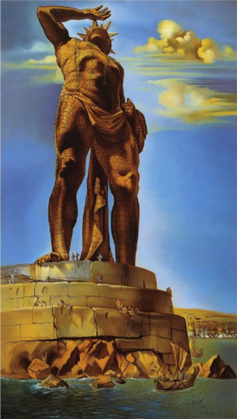
The Colossus of Rhodes stood for only a short time, but legend inflated its presence until it felt almost timeless. This bronze giant, roughly the height of a modern high rise, fell in a violent earthquake that snapped its legs and sent metal crashing along the harbor. For centuries, travelers came to see the twisted remains lying on the ground, touching fingers larger than they were, before scrap dealers finally hauled the pieces away for profit.
Mausoleum At Halicarnassus, Picked Apart By Time
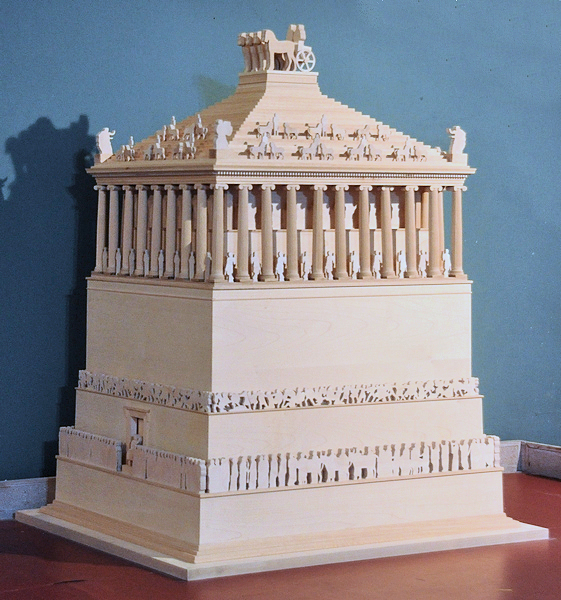
The Mausoleum at Halicarnassus blended architecture and sculpture so completely that its name became a word for grand tombs. Over time, earthquakes shook its stacked levels apart, leaving carved lions and friezes exposed to the elements. Later, crusaders quarried its marble blocks to strengthen nearby Bodrum Castle, treating the wonder as building material. Today, visitors stand in a shallow pit of foundations, while displaced statues stare out from distant museums instead of a kings grave.
Afghanistans Bamiyan Buddhas Blasted From The Cliff
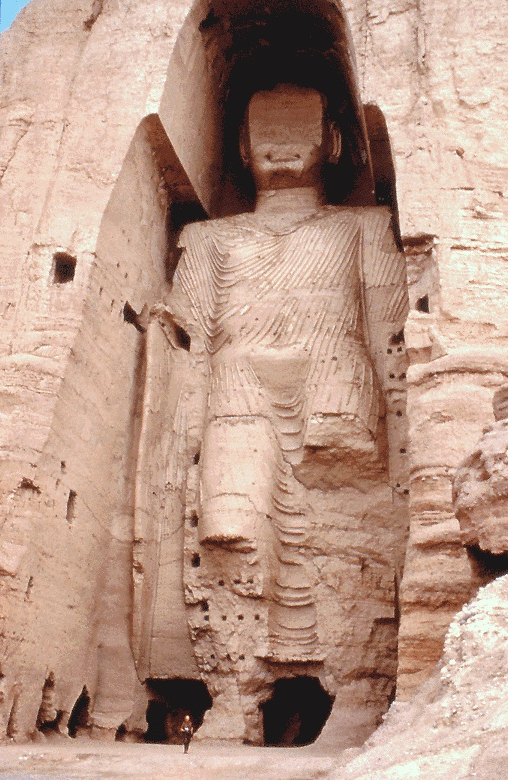
In Afghanistans Bamiyan Valley, two cliff carved Buddhas watched over traders and monks along the Silk Road for more than a thousand years. In 2001, Taliban forces spent weeks drilling and blasting the figures, ignoring global outrage and turning serene faces into dust. The empty niches now frame open sky, used for projections, debates, and quiet mourning, while experts argue over replicas and virtual reconstructions that can never fully replace the weight of the original stone.
Palmyras Temple Of Bel Torn Apart By War
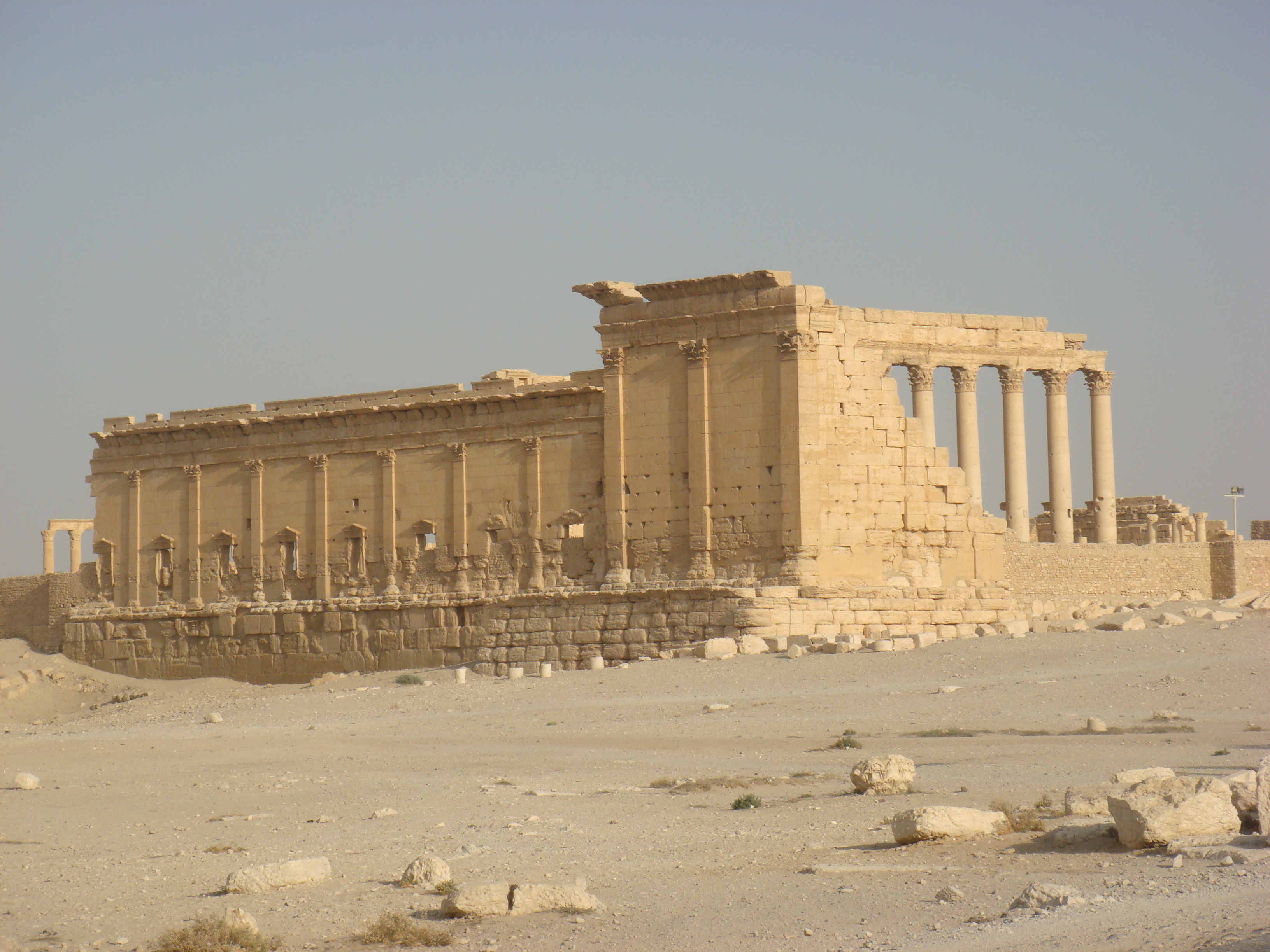
Palmyras Temple of Bel once centered a desert city of colonnades and carved gateways, where caravans from across West Asia traded goods and stories. In 2015, fighters from the Islamic State packed the sanctuary with explosives and blew apart walls that had stood since the Roman era. What remains is a mix of shattered stone, partial reconstructions, and digital models, each trying in its own way to honor a place that war treated as expendable stage scenery.
Chan Chans Fragile Adobe City Facing Fiercer Storms
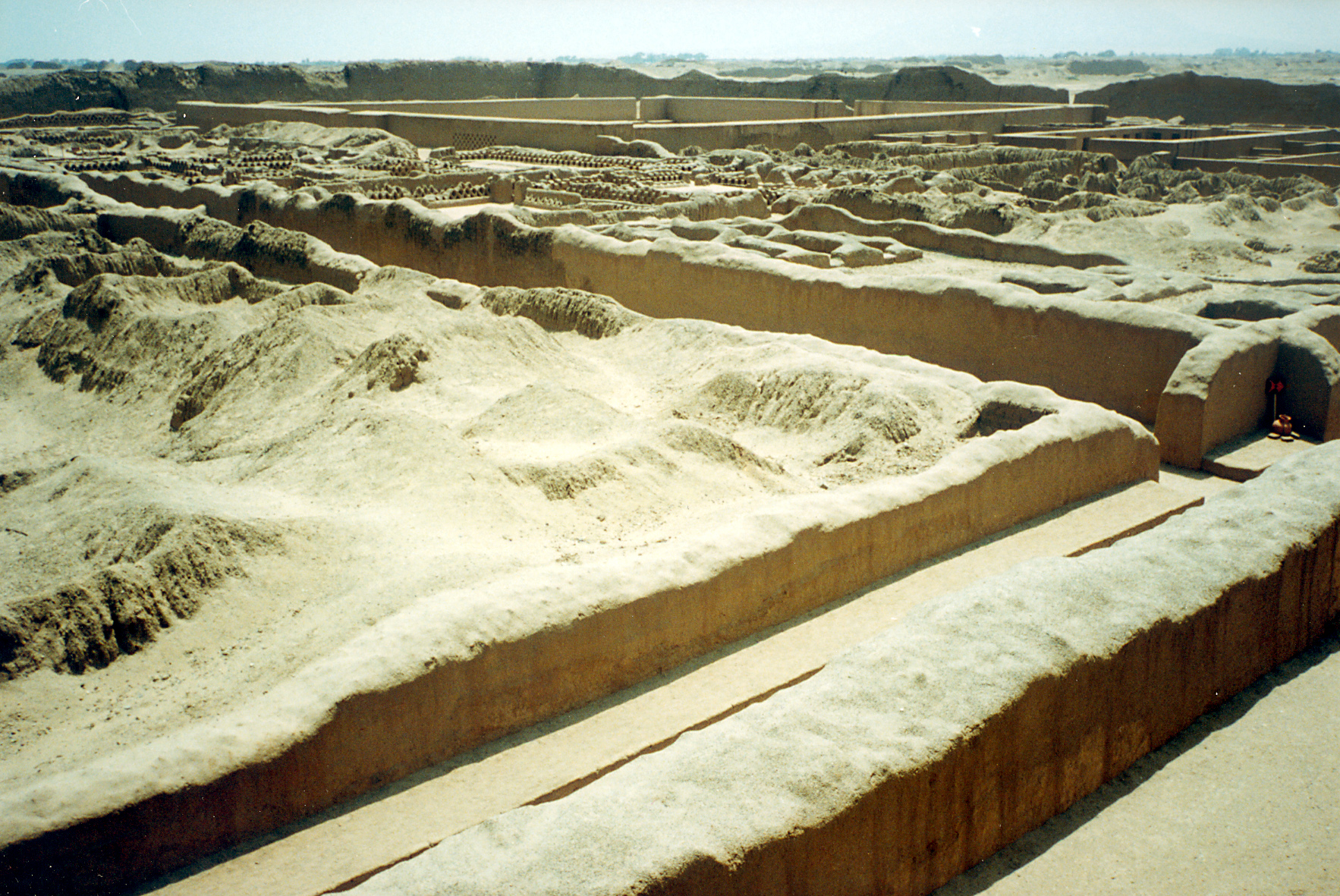
On Perus north coast, Chan Chan spreads across the desert as a vast adobe city once ruled by the Chimor kingdom. Its walls are patterned with waves, birds, and fishing nets, all carved into sun dried mud that softens quickly in heavy rain. Stronger El Nino seasons now bring harsher downpours, forcing conservators to shelter courtyards under roofs and race to repair damage. Each storm carves away details, as if the sea were reclaiming its memory.
Nan Madols Drowned Stone Labyrinth At The Edge
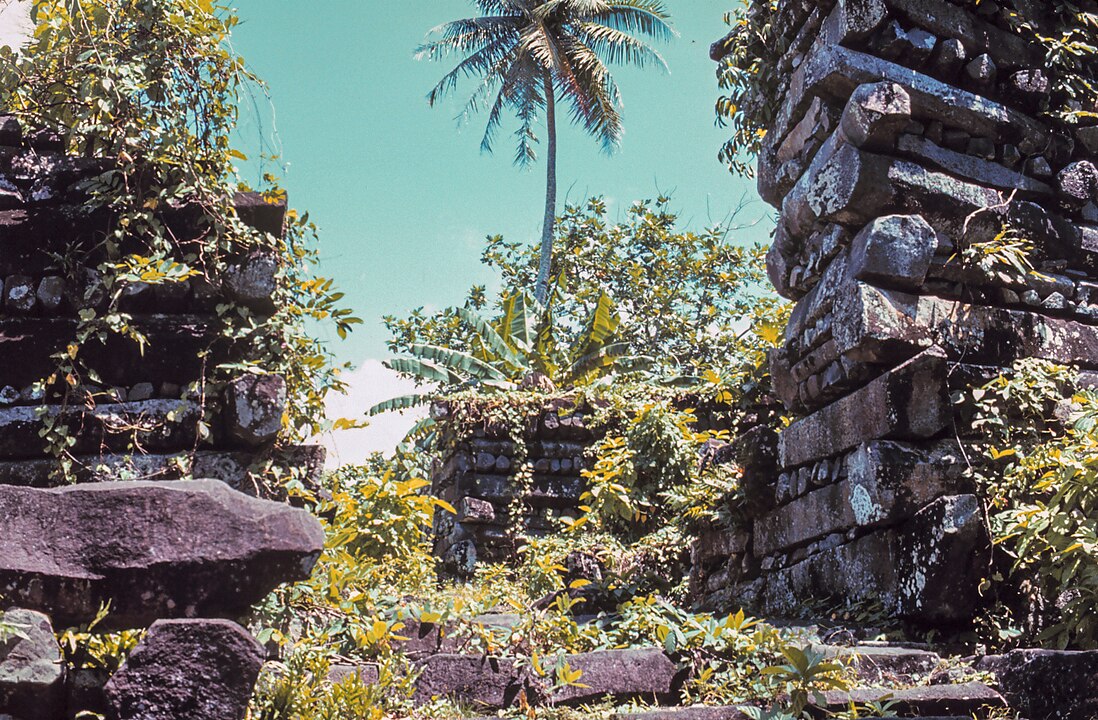
Nan Madol, off Pohnpei in Micronesia, is a city built on dozens of tiny artificial islets woven together with basalt walls and tidal canals. Once a center of royal power and ritual, it now sits at the edge of rising seas, with waves, roots, and salt slowly prying apart its stone towers. As caretakers clear mangroves and map walls with drones, they work with the uneasy knowledge that the ocean is both neighbor and patient demolisher.