Every city carries stories that residents know by heart, including the quiet warning about streets where tension runs higher and support feels thin. Guidebooks usually sweep past those blocks, focusing instead on skylines, museums, and polished restaurant rows. Locals tend to be more honest, naming places where visitors can easily feel out of their depth or simply unsafe after dark. These neighborhoods still deserve respect, context, and care, even as travelers learn which corners are better admired from a distance.
Skid Row, Los Angeles, California

Skid Row sits in the heart of downtown Los Angeles, yet daily life there feels far removed from nearby galleries, hotels, and lofts. Encampments, visible poverty, and frequent emergency sirens can unsettle visitors who simply drifted a few blocks too far while exploring downtown. Locals often suggest enjoying the Arts District or Little Tokyo instead, where lighting, shops, and patrols feel more predictable. Advocates ask travelers not to treat Skid Row as scenery, since thoughtful choices about routes and plans can ease pressure on people already facing steep challenges. Quiet respect here often starts with listening and staying aware.
Tenderloin, San Francisco, California
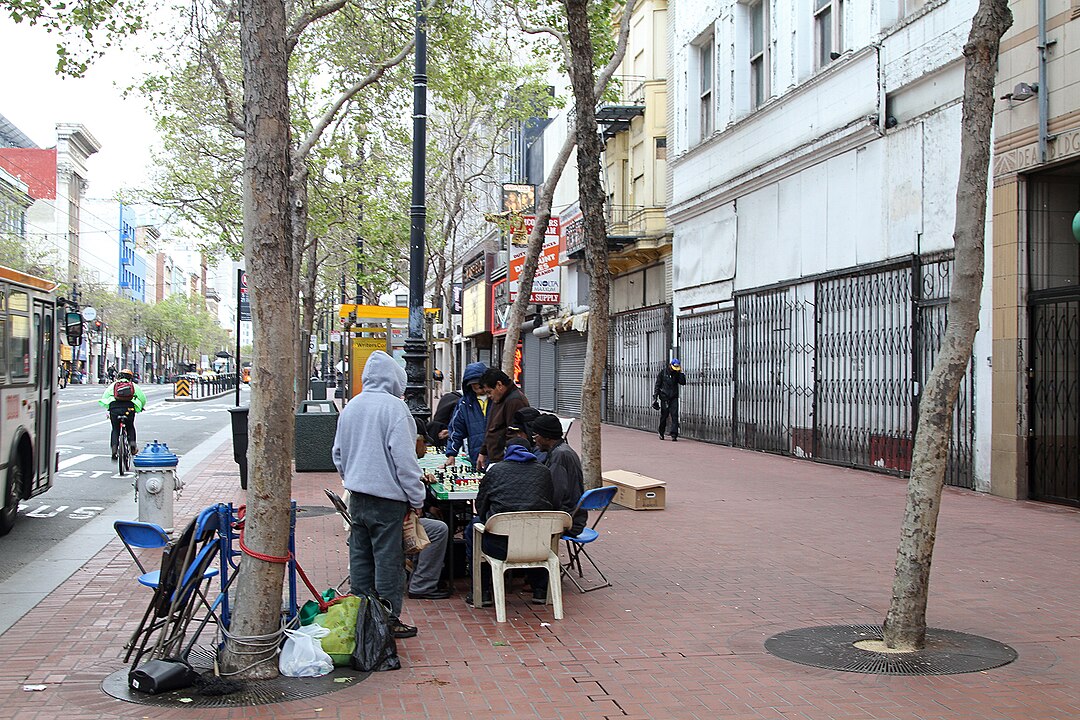
San Francisco’s Tenderloin sits next to polished offices and theaters, yet its streets carry a heavy mix of poverty, addiction, and dense housing. Sidewalks can feel crowded and unpredictable, with open drug use, visible crisis, and constant sirens shaping the atmosphere far more than souvenir shops. Locals often steer visitors toward Union Square or nearby neighborhoods unless they have a clear reason to be in the Tenderloin. Community groups still fight hard for safer housing and services, but casual wandering here can leave travelers anxious and residents feeling observed instead of supported.
Kensington, Philadelphia, Pennsylvania
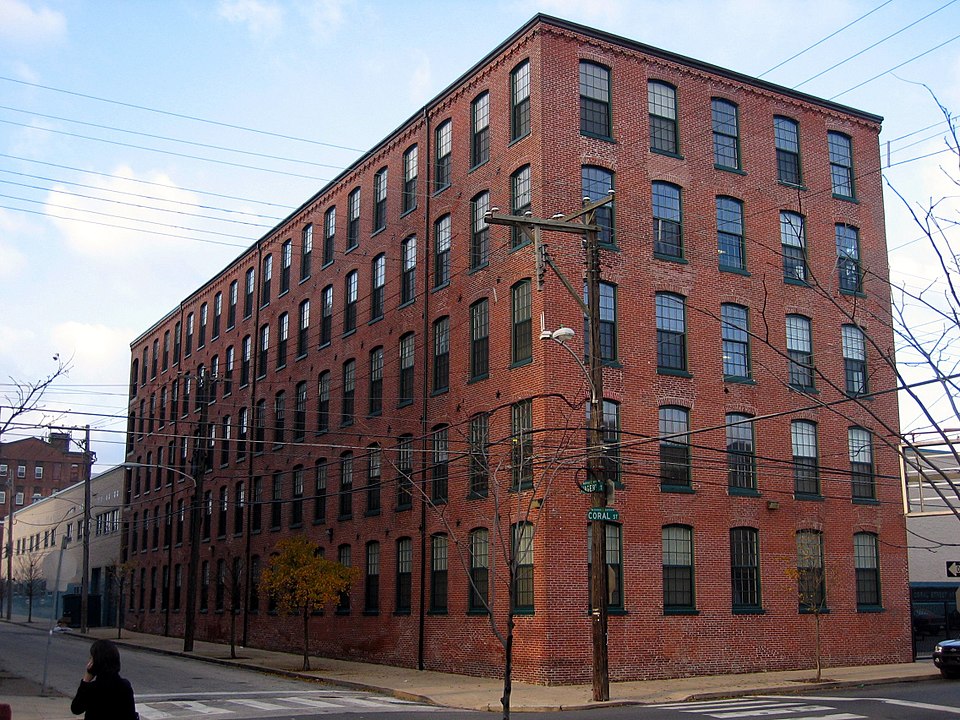
Kensington in Philadelphia has become a global shorthand for visible street addiction, a reputation that makes life harder for the people who live there. Blocks near major transit lines can show open drug use, encampments, and frequent emergency responses that unsettle visitors unprepared for that level of distress. Locals often advise travelers to stay on trains and avoid treating the area like a viewing stop. Behind the headlines, families, faith groups, and outreach workers keep pushing for long term care, housing, and safety instead of quick judgments. Respect here often means distance and quiet empathy.
Hunts Point, Bronx, New York
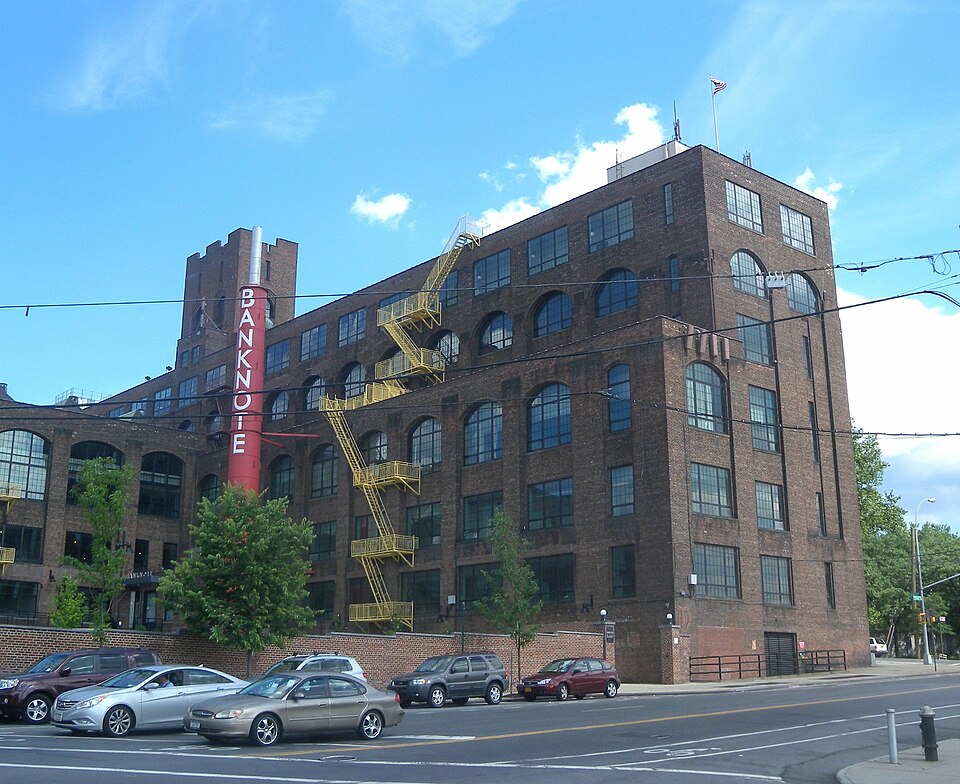
Hunts Point in the Bronx functions as one of New York’s major industrial and food distribution hubs, packed with trucks, warehouses, and busy loading docks. Those wide streets can feel isolated after dark, with limited foot traffic, few casual storefronts, and stretches where taxis and rideshares are scarce. Many New Yorkers suggest that visitors without a specific purpose stick to better known parts of the borough or join organized visits instead. At the same time, local advocates push for cleaner air, safer crossings, and waterfront parks so the neighborhood is defined by more than late night worries.
Sunnyside, Houston, Texas
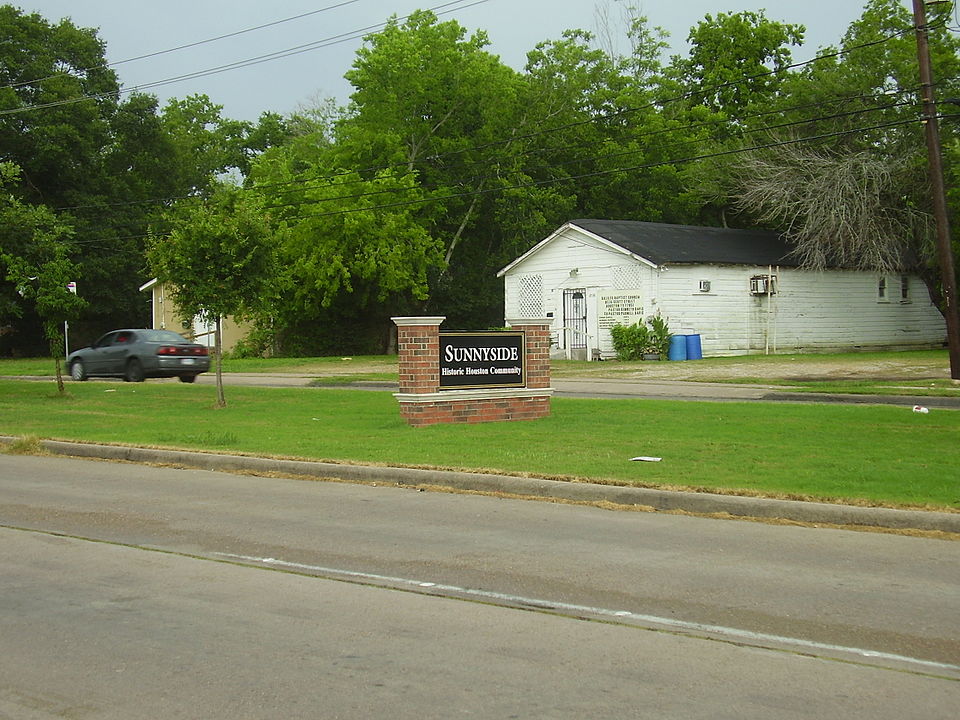
Sunnyside on Houston’s south side carries a long history of disinvestment, higher than average crime, and aging infrastructure that residents confront daily. Visitors who do not know the layout can find themselves on poorly lit blocks with few open businesses and limited options if something feels wrong. Many locals gently warn travelers away from aimless late night drives here, encouraging clear routes and careful planning instead. Even so, churches, youth programs, and neighborhood groups keep working toward calm streets and better opportunities, determined that Sunnyside’s future not be defined only by statistics.
West Englewood, Chicago, Illinois
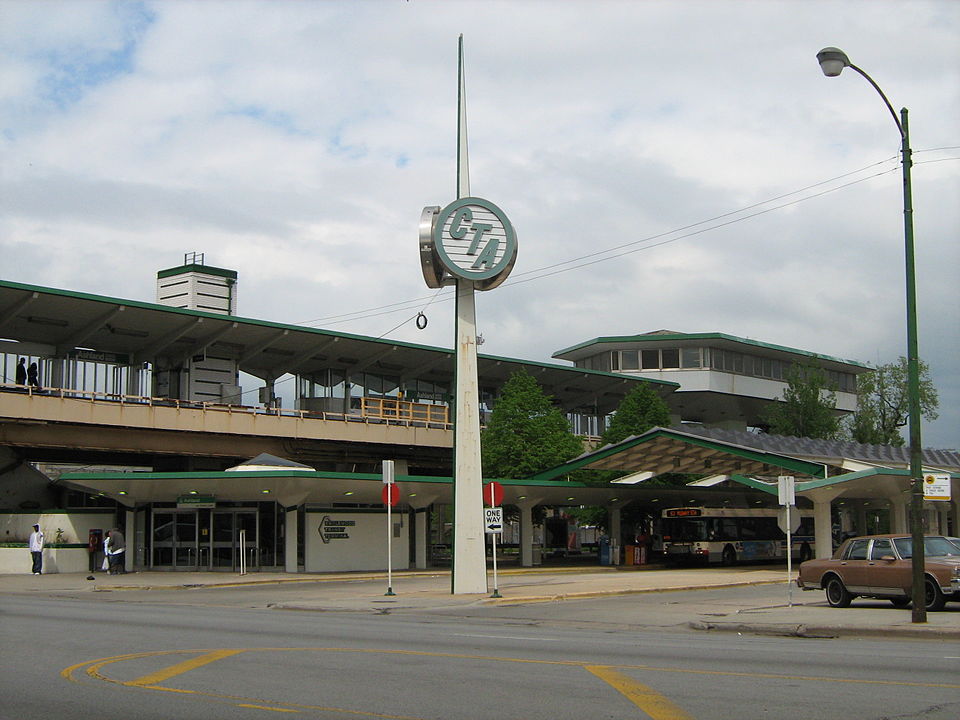
West Englewood on Chicago’s South Side often appears in headlines about shootings and long term poverty, which naturally shapes how residents talk about safety. Side streets can include vacant lots, boarded properties, and active tensions between groups that outsiders may not see until something sudden happens. Locals frequently advise visitors to stay on main routes or choose other neighborhoods unless they have trusted contacts in the area. Within West Englewood, though, block clubs, mentors, and families keep organizing events and support circles that rarely make the news yet matter deeply to the people who stay.
East St. Louis, Illinois
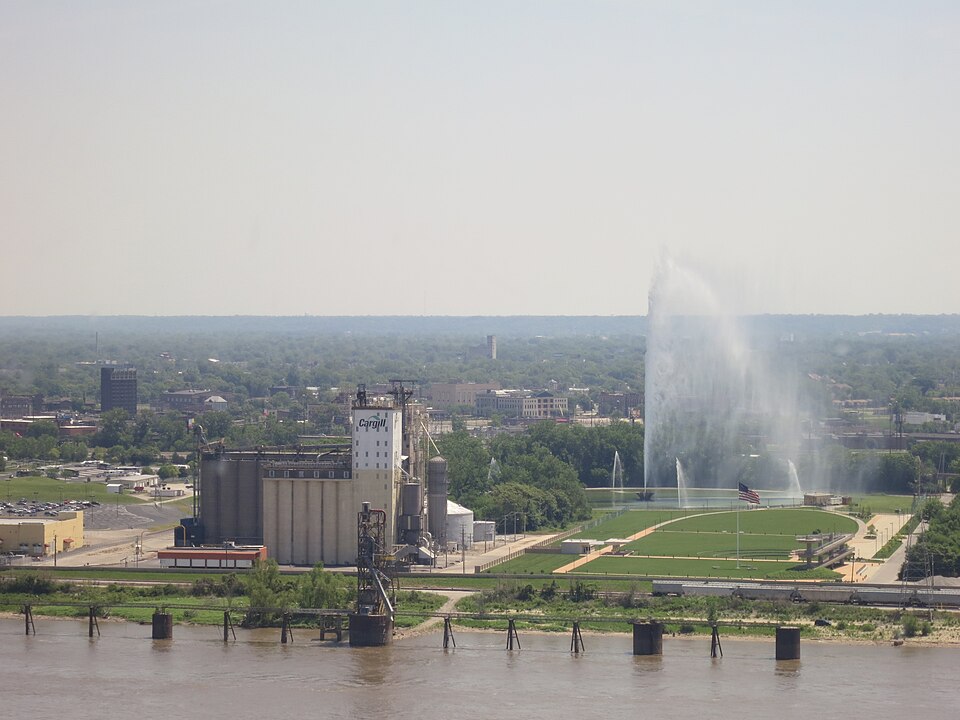
East St. Louis stands just across the Mississippi from the arches and stadiums of downtown St. Louis, but its streets tell a much tougher economic story. Decades of job loss, population decline, and neglected infrastructure have left stretches of vacant buildings and thin city services that can worry travelers who take a wrong turn. Missouri locals often warn visitors not to rely blindly on navigation apps that route through quieter residential blocks. Community leaders, churches, and small businesses still work toward renewal, holding festivals and programs that celebrate pride even while acknowledging very real safety concerns.
Liberty City, Miami, Florida
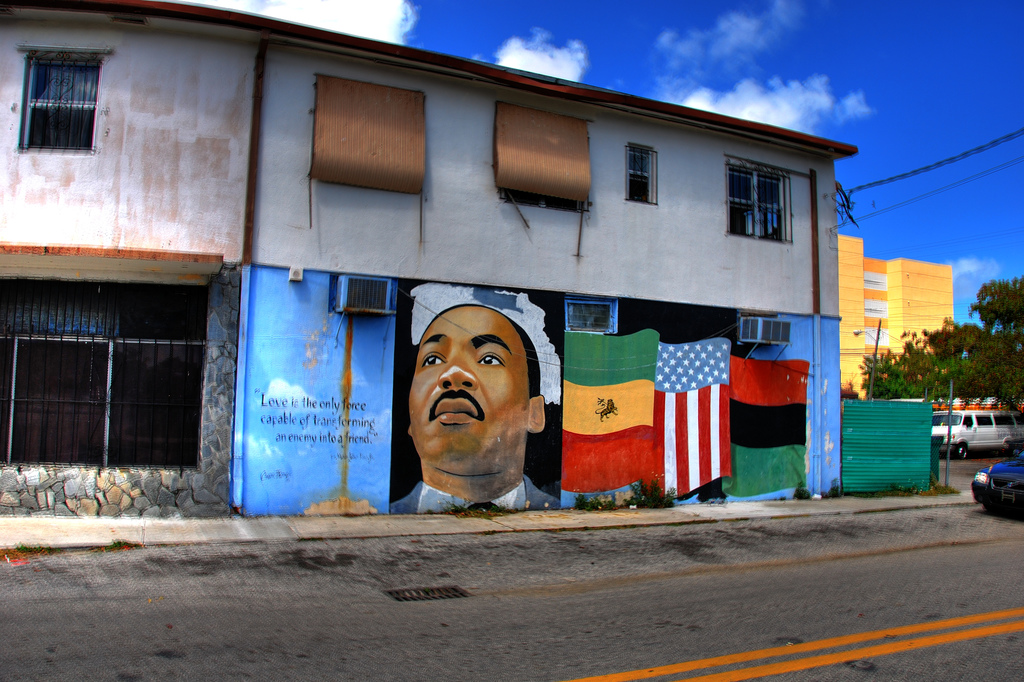
Liberty City in Miami holds deep cultural and civil rights history, yet years of uneven investment and crime have given it a complicated reputation with visitors. Some streets feel vibrant and close knit during the day, while others grow tense at night, with limited lighting and few spaces designed for tourists or casual strolling. Many Miami residents suggest newcomers focus on guided experiences or nearby districts unless they know the neighborhood well. Meanwhile, local artists, coaches, and organizers keep building programs that highlight creativity, community pride, and safer paths forward for the next generation.
West Garfield Park, Chicago, Illinois
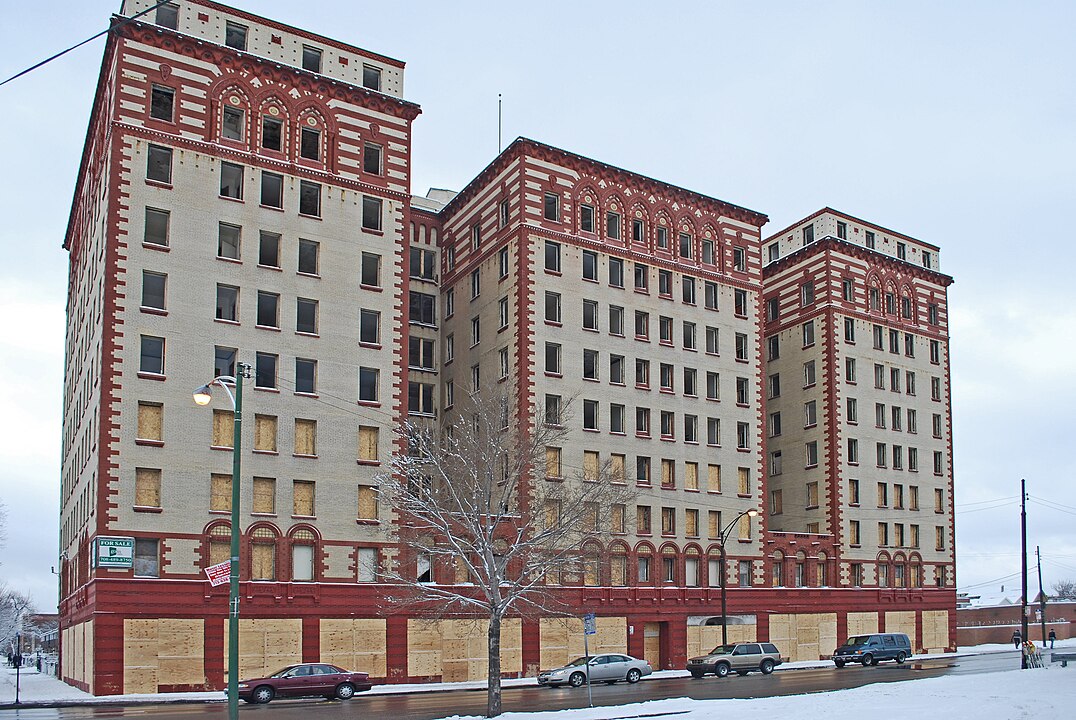
West Garfield Park on Chicago’s West Side often ranks near the top of citywide crime statistics, a reality that shapes both daily routines and outside perception. Residents learn which corners to avoid at certain hours, and visitors without context may feel on edge along quieter stretches with limited businesses or transit options. Locals and safety guides commonly suggest that travelers spend time in better known nearby neighborhoods instead, unless they have strong local ties. Even so, churches, food pantries, and mutual aid groups keep showing up, proving that care and commitment exist alongside justified caution.