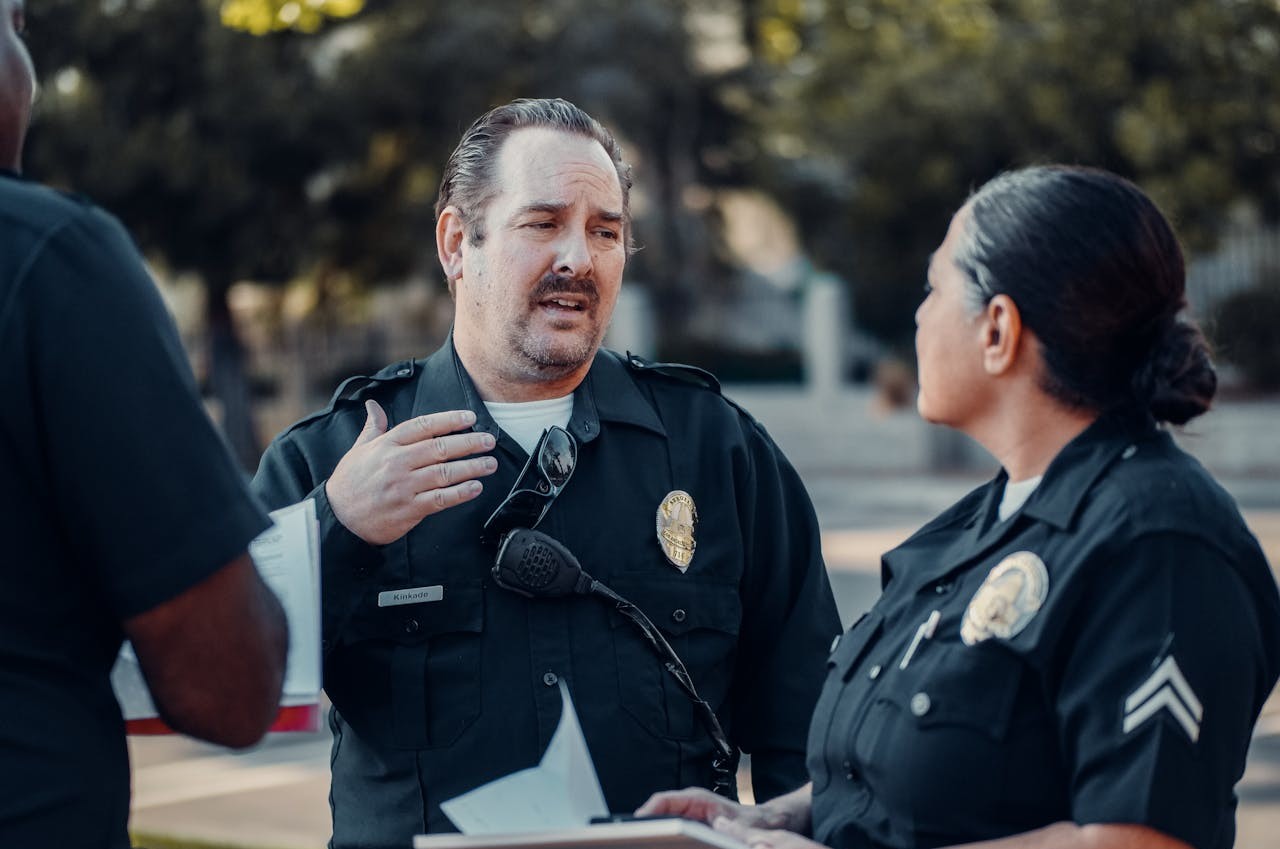
Most homeowners assume HOA drama and police work live in separate worlds. One sends stern letters about lawns and parking, the other shows up for break-ins and serious trouble. The reality is muddier. When HOA rules overlap with city codes, traffic laws, or court orders, officers can suddenly be the ones knocking on the door. That mix of private covenants and public authority often catches people off guard, especially when a complaint that started in a board meeting ends with flashing lights.
Speeding And Stop Signs On “Private” Streets
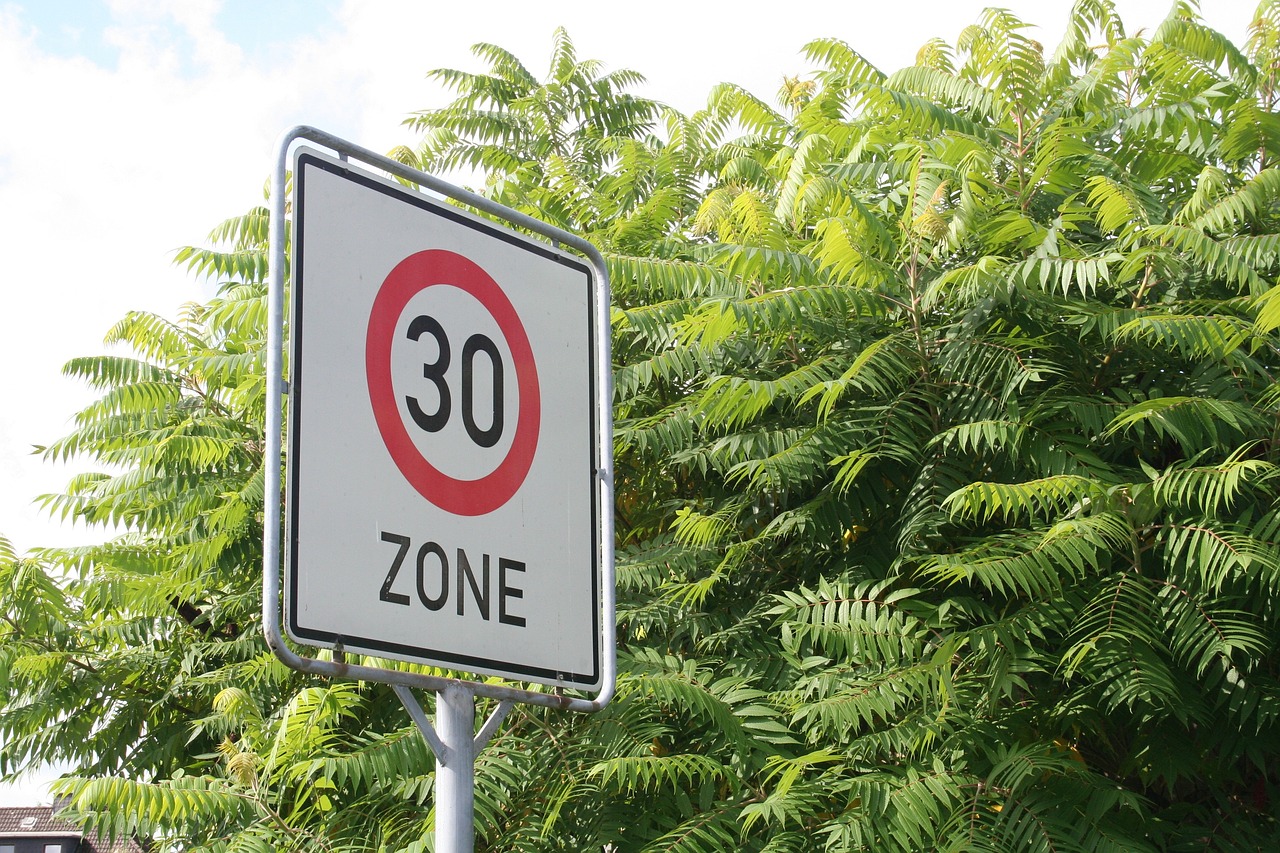
Those quiet neighborhood streets behind a gate can still feel very public once a patrol car rolls through. Many HOAs sign traffic enforcement agreements that let local police treat posted speed limits and stop signs inside the community like any other road. A rolling stop, golf cart joyride, or short burst of speeding becomes a ticketable offense, not just a warning from the property manager. Residents then learn that a stone entry sign does not erase state traffic codes.
Illegal Parking And Fire Lane Violations
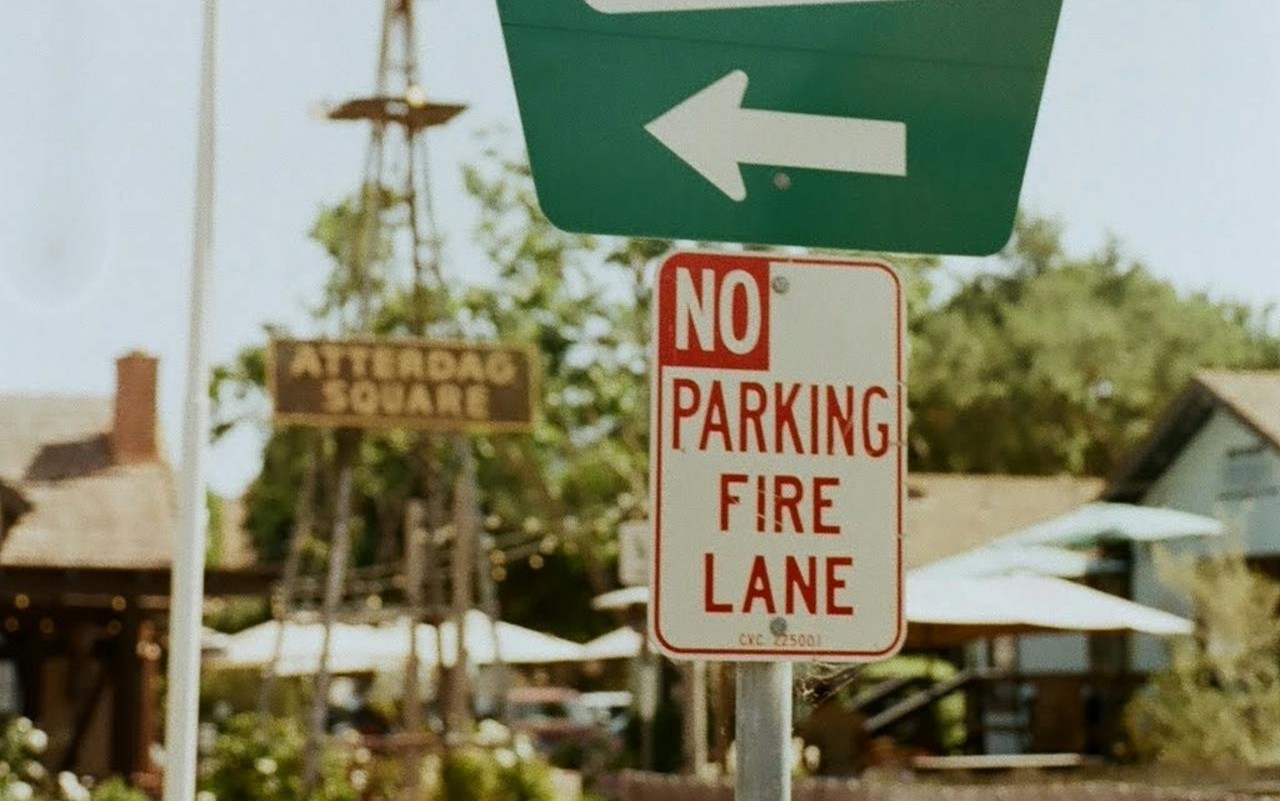
Parking rules look like pure HOA territory until a car blocks a fire lane or hydrant. When that happens, city ordinances step in alongside the covenants. Police or parking officers can ticket, boot, or tow vehicles that sit in clearly marked no parking zones, even if they never leave the private loop. Owners who thought the worst outcome was a nasty email from the board discover that some curb paint and stenciled words carry the weight of safety law.
Late Night Noise And Party Complaints

Most HOAs write quiet hours into their documents, but those time frames often mirror city noise rules that police already enforce. A loud backyard party, thumping bass, or repeated shouting after a certain hour can prompt both HOA letters and official visits. When officers arrive, they are responding to a violation of the local ordinance, not just the board’s preferences. Hosts who saw it as a neighbor dispute suddenly face written warnings or citations that follow them beyond the subdivision.
Trespassing In Pools And Gated Amenities
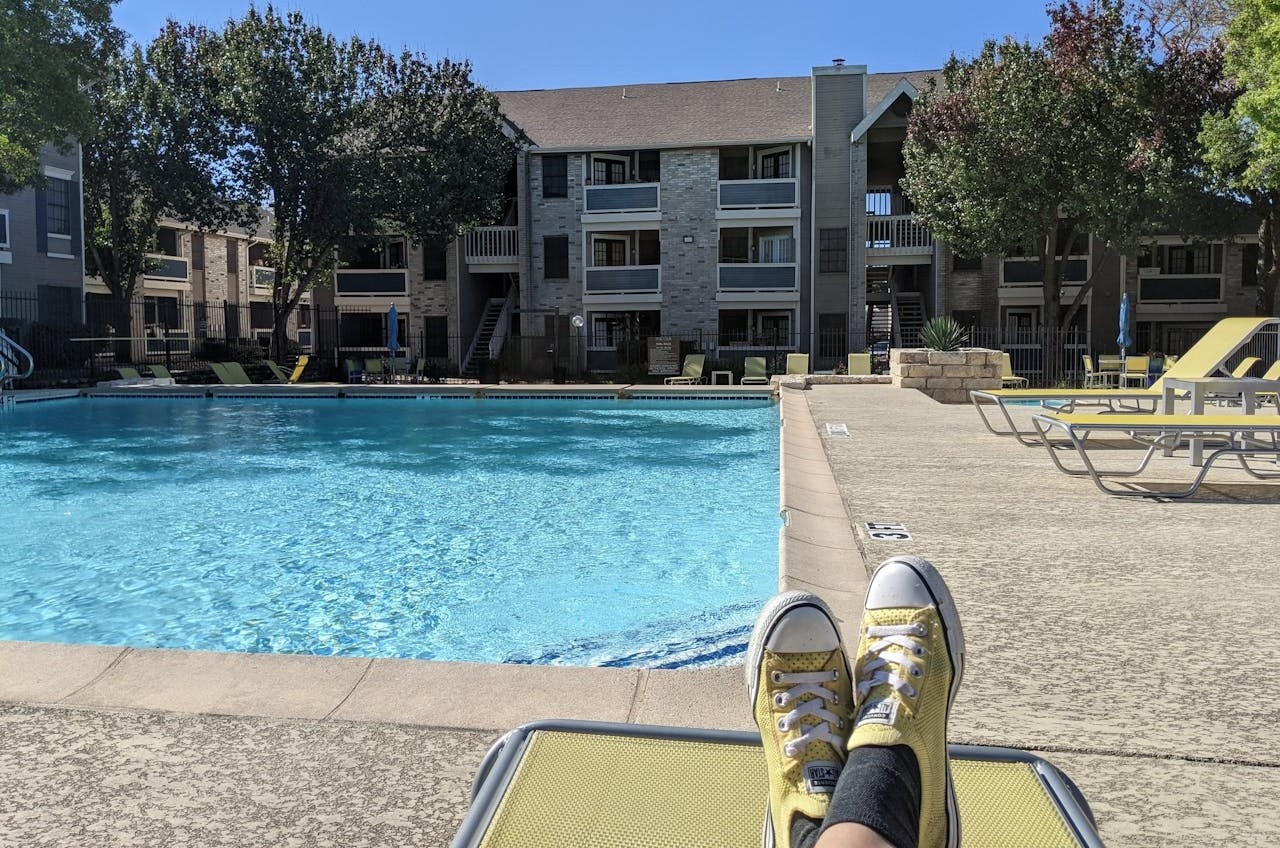
Pools, gyms, and clubhouses may sit inside HOA fences, yet they still operate under basic trespassing law. If the association revokes someone’s access or closes an area for the night, anyone who climbs the gate or refuses to leave can be treated as an intruder. Police called in those moments are not enforcing a dress code or guest rule. They are upholding the right of a property owner or manager to say who may be there and when, with real consequences for ignoring that line.
Leash Laws And Problem Pets

Pet rules in HOA paperwork can be oddly specific, but they usually sit next to broader city and county laws about animal control. Dogs running loose, repeated bites, or constant barking that crosses local thresholds can all draw official attention once reported. Officers or animal control staff may issue citations, require leashes and muzzles, or in severe cases remove an animal. What starts as a note from the board about dog waste or noise can quickly grow into a formal case file downtown.
Fireworks, Drinking, And Clubhouse Chaos

Holiday fireworks on the HOA lawn or late night drinking at the clubhouse often look like internal community issues until the law steps in. Many places restrict or ban consumer fireworks, public alcohol use, and disorderly conduct, even on private property that hosts large gatherings. Police called to those scenes are working from state and local codes, not the pool rules pinned to a corkboard. Residents who thought they had board permission for a celebration can still end the night with citations.
Enforcing Court Orders After HOA Lawsuits

Sometimes a long running fight between a homeowner and an HOA lands in front of a judge. If the court orders repairs, inspections, or behavior changes and a resident refuses, the matter stops being a simple covenant dispute. Sheriffs or local police may help serve writs, supervise property access, or document defiance during contempt proceedings. The original spark might have been a fence, a shed, or unpaid dues, but once a judge speaks, enforcement carries the full authority of the state.
City Code Cases Triggered By HOA Complaints
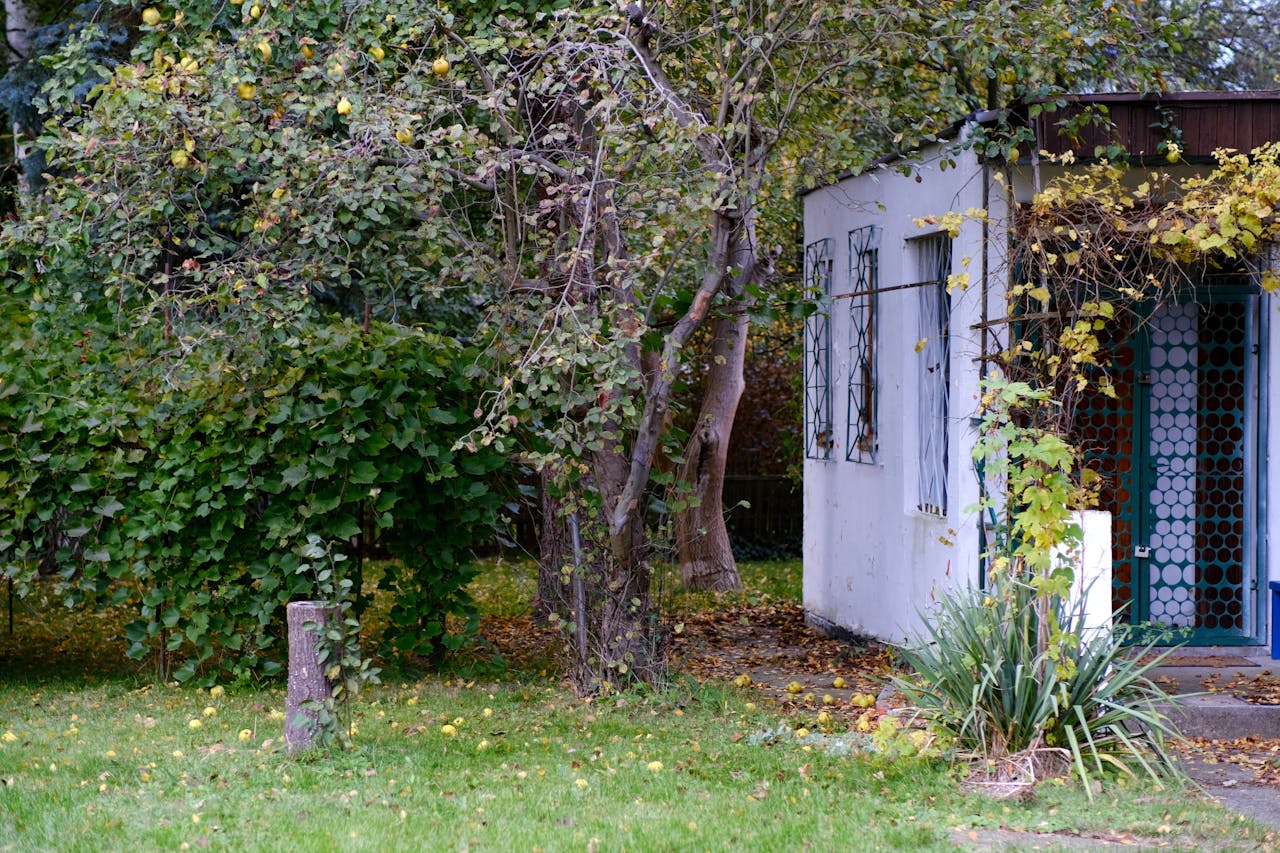
Overgrown yards, collapsing decks, and stagnant pools often bother boards and building departments in equal measure. When an HOA reports these issues, city inspectors and sometimes police join the process under health, building, or nuisance codes. Violations can lead to official notices, fines, and in extreme cases forced cleanup or condemnation. Homeowners feel pressure from two directions at once, yet only one side has the power to label a house unsafe or uninhabitable.
Security Patrols Feeding Into Police Reports
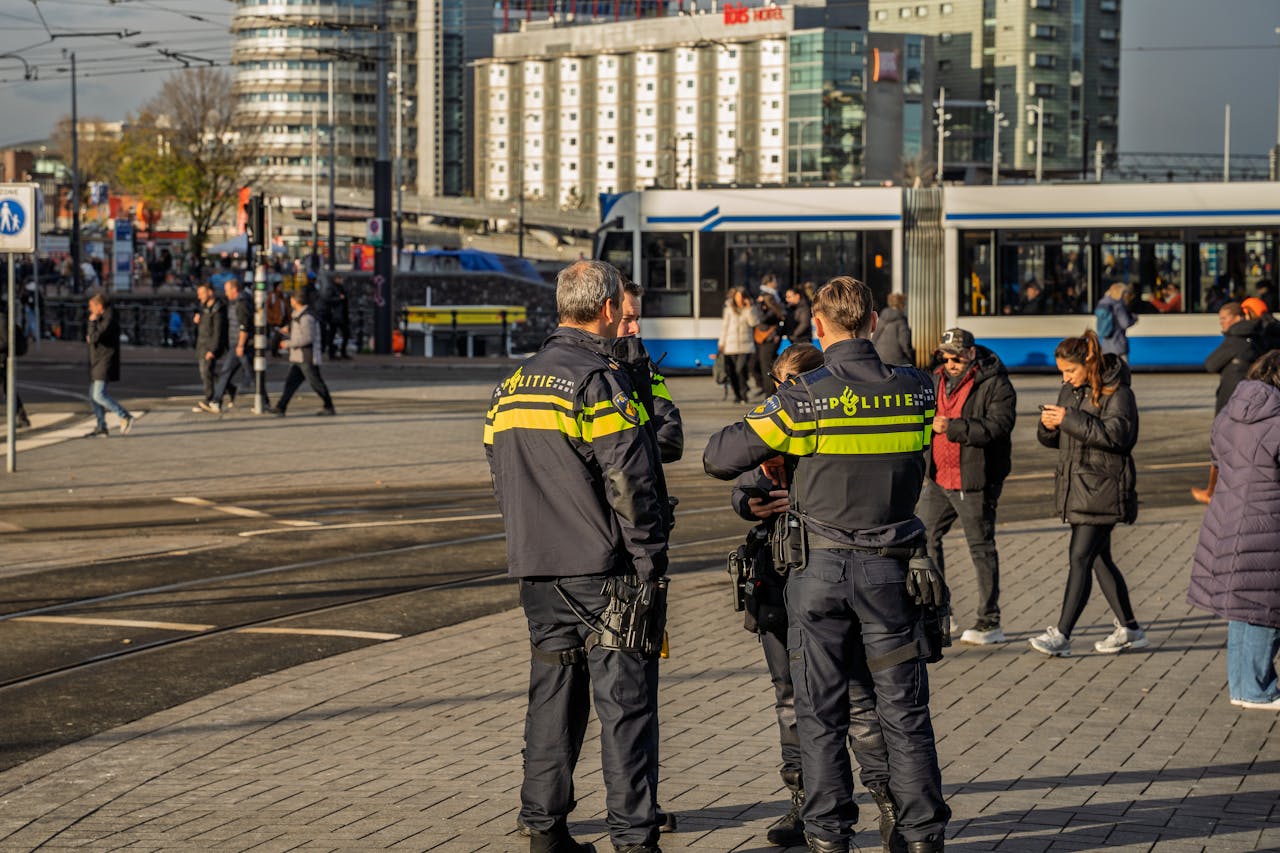
Many communities pay for security patrols that log suspicious cars, take photos of damage, or walk common areas at night. Those guards might be off duty officers or private staff, but either way their observations can turn into evidence for local police. License plates, timestamps, and video clips often end up attached to official reports after thefts, vandalism, or assaults. Residents may think security is just a comfort feature for the HOA, without realizing how closely it can tie into criminal investigations.