Not every coast needs beach clubs and traffic jams. Solitude still lives in small towns with slow grocery lines, patient tides, and porches that face the wind. Shoulder seasons help, but some places stay gentle even in summer thanks to long beaches, light infrastructure, and locals who prize quiet. The reward is simple: empty morning strands, gulls cutting the air, and walks that last until hunger says turn back. These towns keep crowds at bay without losing warmth, character, or good food.
Salema, Portugal
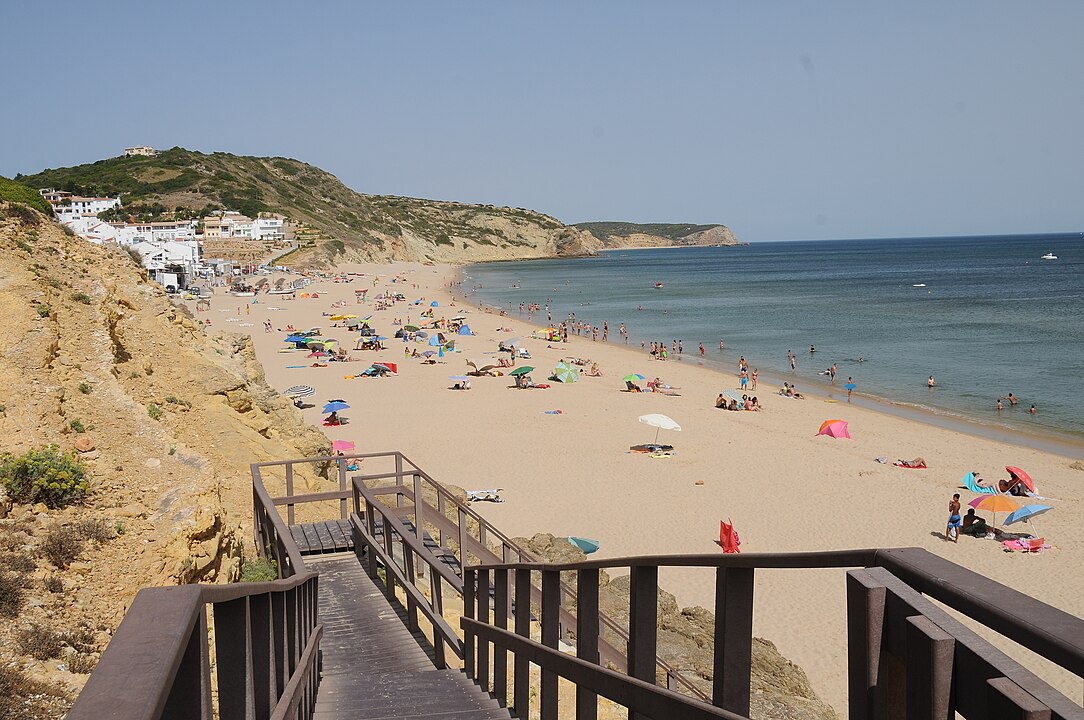
A fishing village on the softer side of the Algarve, Salema sits between cliffs and a wide, golden arc that rarely feels crowded. Seafood spots line the lane from boats to tables, serving grilled dourada with lemon and crisp salads. Coastal paths climb to pale viewpoints where dinosaur footprints hide in stone and wind moves the grass like water. Lodging skews to small apartments and family inns, which preserves space and the hush that settles after sunset.
Bolonia, Spain
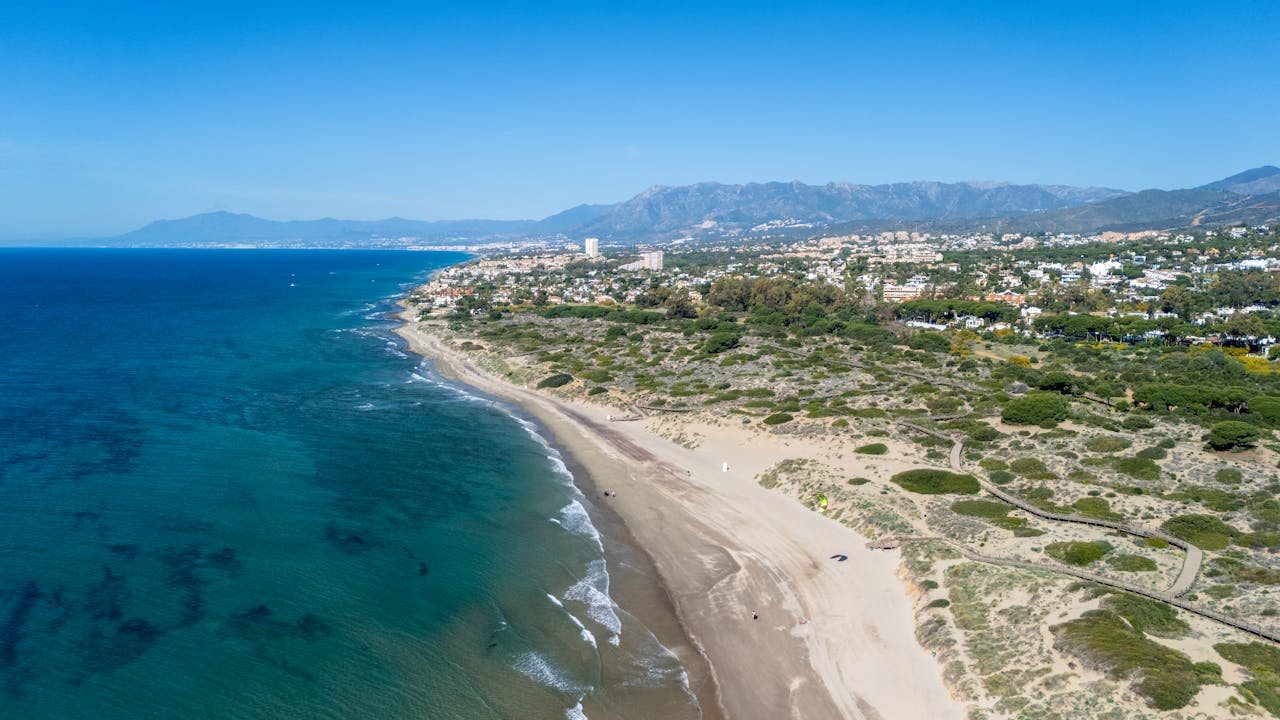
On the wild edge of Cádiz, Bolonia meets the Atlantic with a broad beach, a high dune, and the Roman outlines of Baelo Claudia facing the surf. Cows sometimes wander the sand at dusk, which says more about pace than any brochure. Chiringuitos serve tuna and tomatoes that taste like sun, then close early enough to hear waves from bed. Wind spreads kites and people across the bay. The road ends here by design, a final turn that filters noise.
Xcalak, Mexico
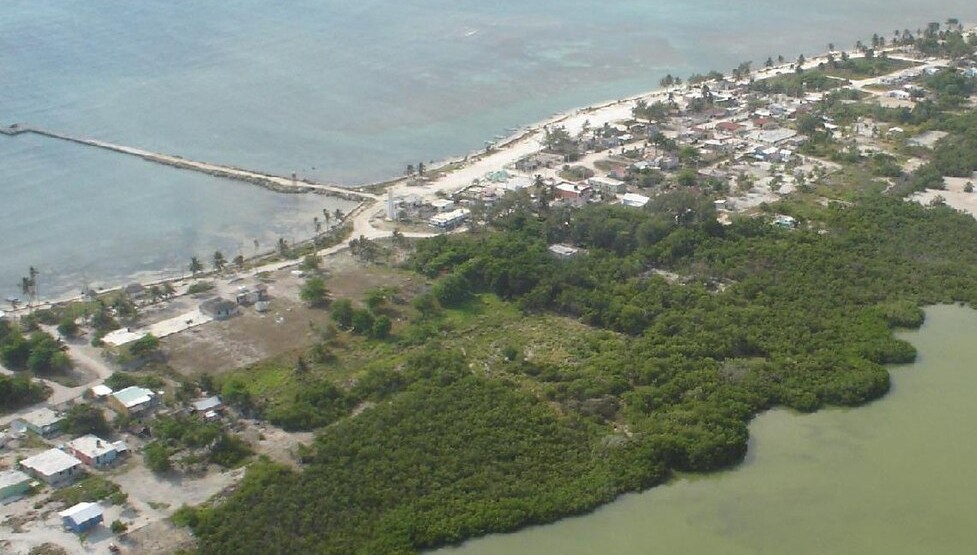
Near the Belize border, Xcalak rests at the end of a palm-fringed road where reef and mangrove keep industry light. Panga boats head for bonefish flats at dawn, and afternoons drift between hammock shade and long swims over turtle grass. Power hums softly, stars turn bright, and dinner often means lionfish tacos or ceviche cut an hour before. With no big resorts, the beach reads personal even at peak times. The reef breaks both waves and the chatter that follows them.
Caraíva, Brazil
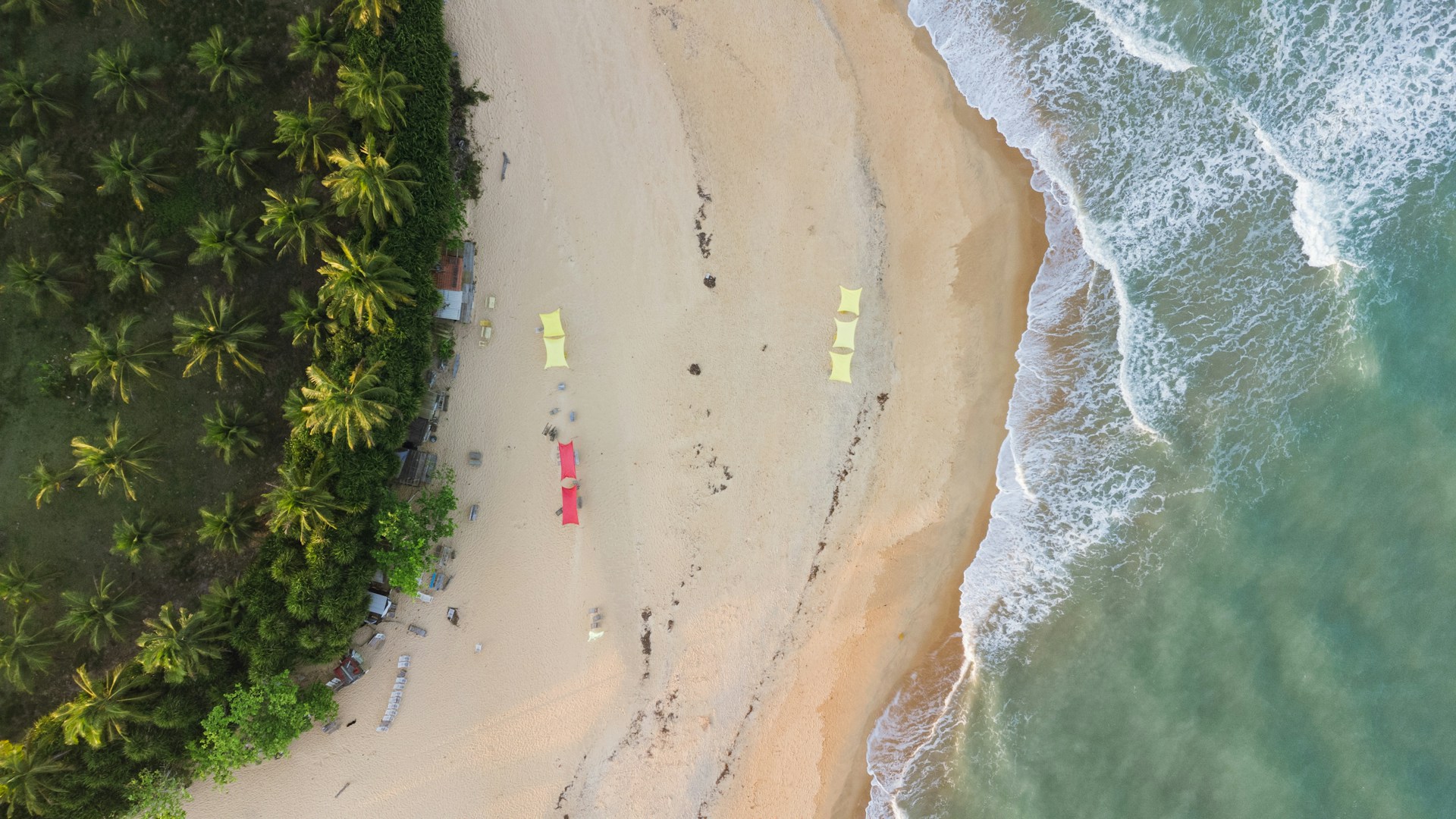
Reached by sand track and a short river ferry, Caraíva trades cars for carts and conversation for music until drums start after dark. Coconut palms lean over cinnamon sand while the river curls into the sea in a brackish bend made for floating. Pousadas glow low behind wooden gates, and menus tilt to moqueca, tapioca, and cold beer under lantern light. Isolation is the point. Even in high season the tide sets the clock and clears the shore.
Ocracoke, North Carolina
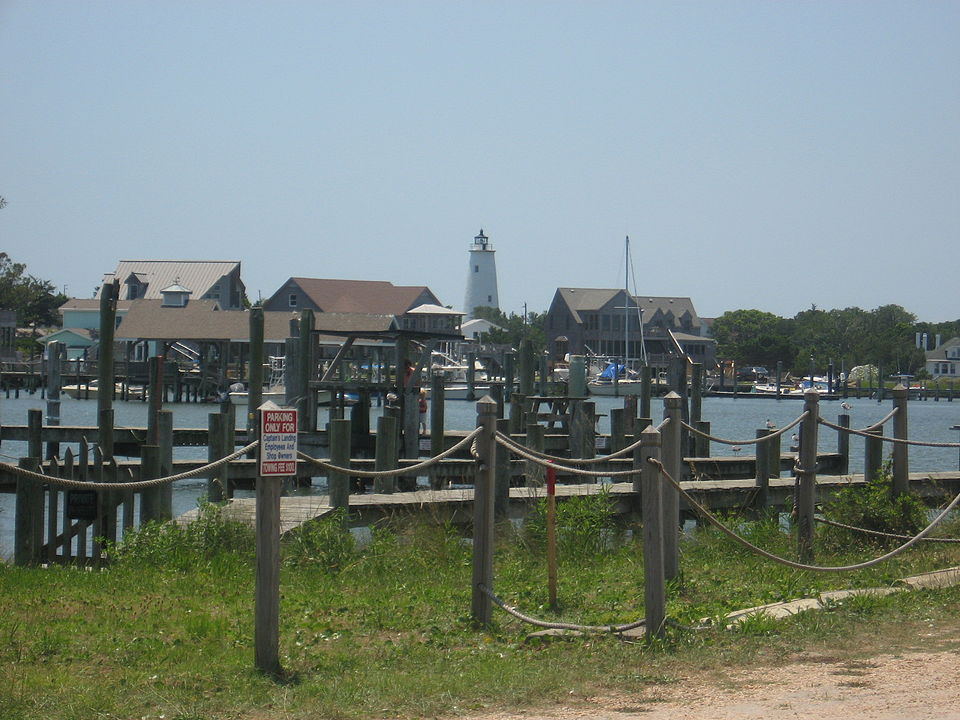
Ferries set the pace on this Outer Banks outpost, which keeps dunes high, streets narrow, and nights dark enough for stars. The village clusters around a lighthouse and porches where stories outlast coffee. Beyond the last house, a long strand runs empty except for shells and ghost crabs. Small inns and cottage rentals favor returning guests who keep traditions gentle. Storms can close the door, but calm returns quickly, and with it, miles of private horizon to walk.
St. George Island, Florida
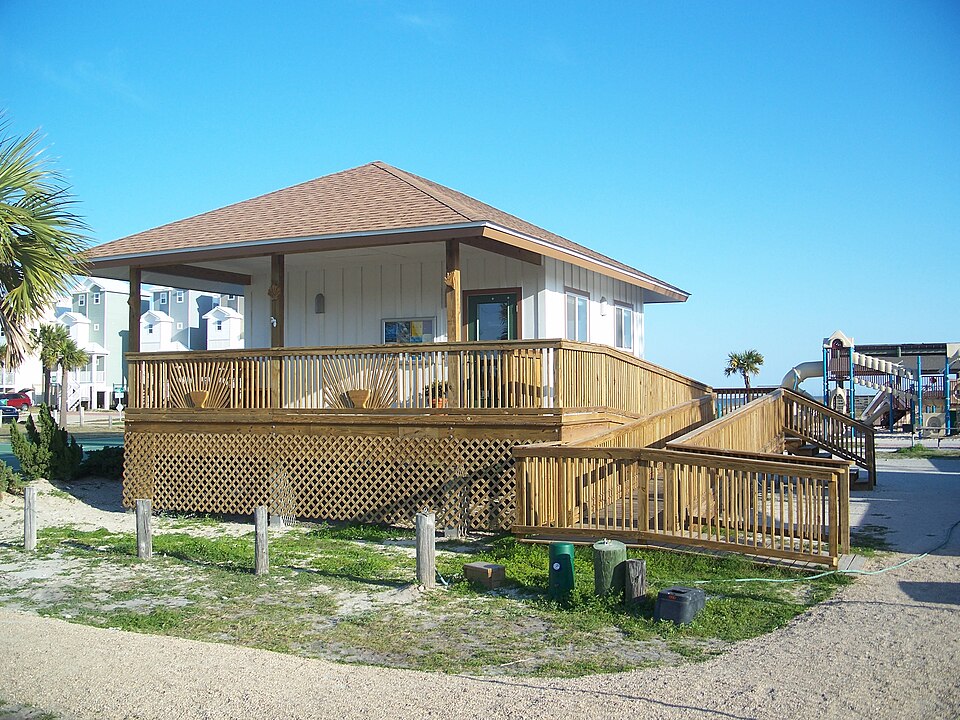
A bridge from the Big Bend mainland, St. George holds low-rise cottages, a lighthouse, and a state park that guards dunes and space in equal measure. Even in summer the eastern stretch feels like a private stage for pelicans and bright mornings that start early. Bait shops, bike rentals, and oyster shacks handle needs without turning the island into a strip. Night skies stay honest. The Gulf arrives in clean lines, and the sand waits without a crowd to claim it.
Arniston, South Africa
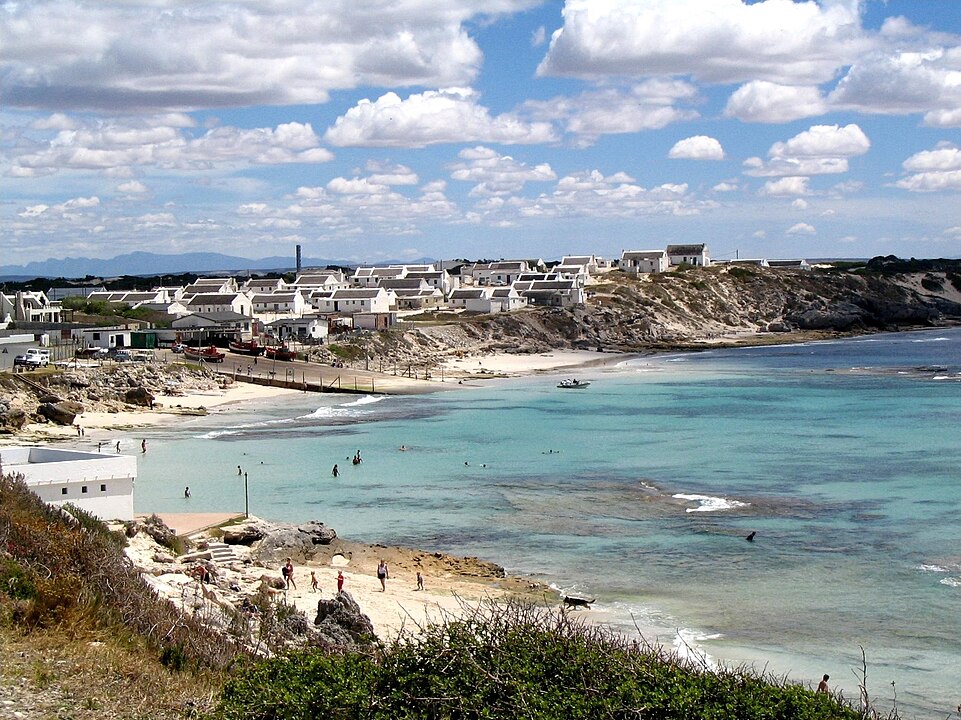
Known locally as Waenhuiskrans, this Overberg fishing town faces a pale horseshoe bay where kids learn tides by touch. Whitewashed cottages huddle behind dunes, and a sea-carved cavern opens at low water like a secret room. The beach stretches wide enough to hide a dozen families without overlap. Snoek and chips reach paper parcels fast, and sunsets paint the surf until talk stops. It feels lived in rather than staged, and generous with silence most days.
Algajola, Corsica, France
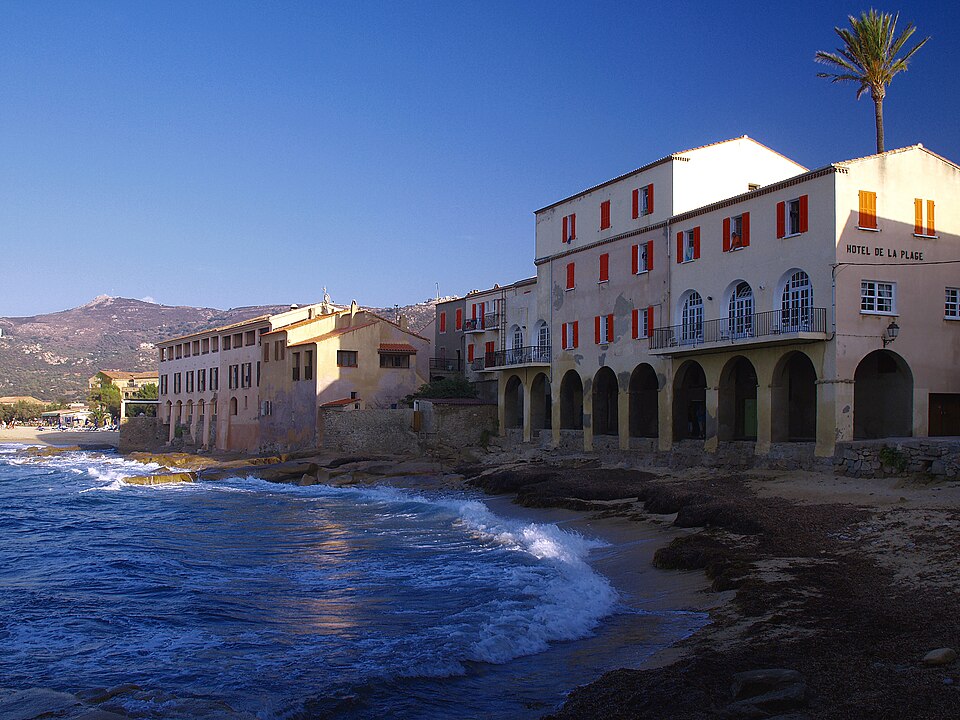
Between Calvi and Île Rousse, Algajola keeps a Roman road’s logic and a beach that empties a short walk from the station. Dawn brings paddleboards on glass water and the first little train sliding along the shore. Afternoons drift under tamarisks with a paperback and a bottle of cold Pietra. Small hotels and village restaurants keep the tone neighborly. Granite headlands bookend the bay and muffle noise, so summer feels bright, civil, and unhurried.
Lubec, Maine
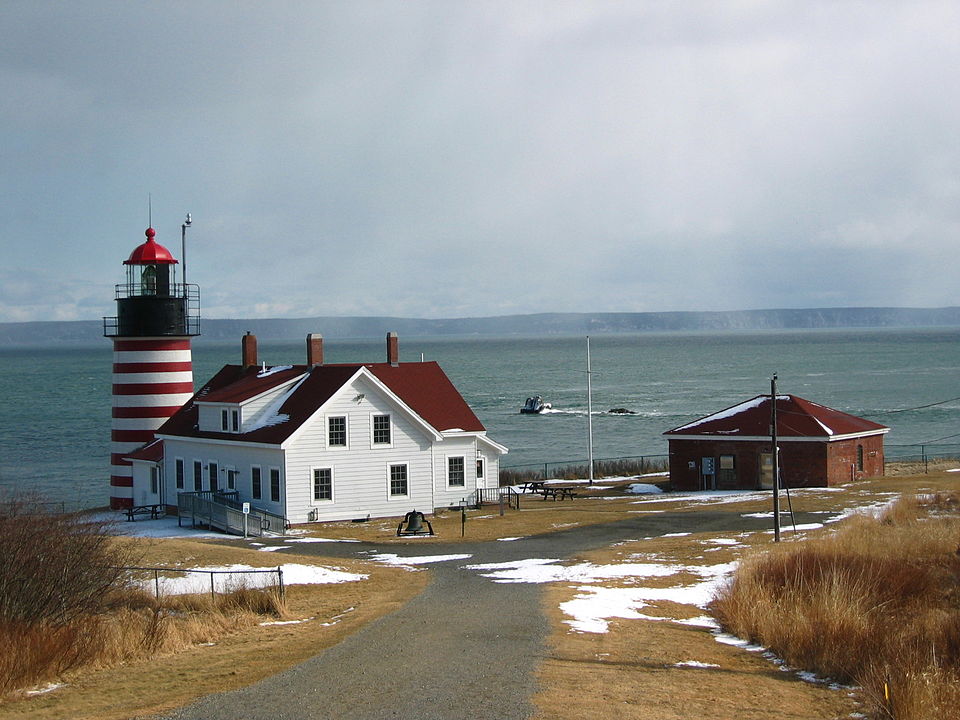
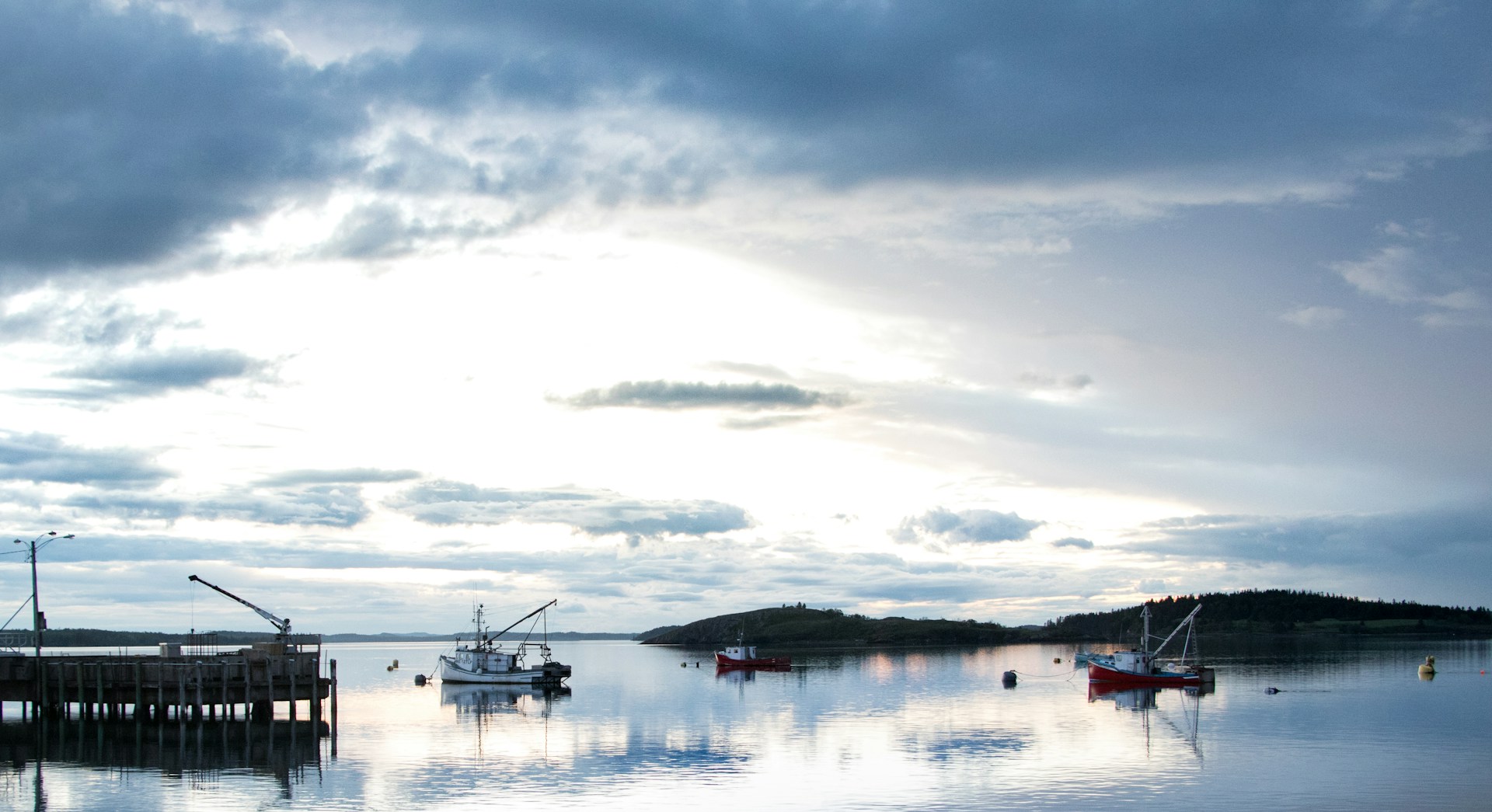
At the far eastern tip of the mainland, Lubec meets the Bay of Fundy with fog horns, lighthouses, and pocket coves that see few footprints. Cold water keeps swimmers honest and crowds away. Painted storefronts frame a working harbor where tides write daily essays across rockweed and flats. On clear days, Campobello cliffs glow, and seals roll like punctuation marks in the channel. Quiet here is not curated. It is the local dialect, steady and kind.