Earth is full of strange coincidences, but a few feel almost scripted. In these rare corners, geology, climate, and life line up so precisely that the result does not fully repeat anywhere else. Lightning gathers over one lake more than any other place on the planet, a single river turns into moving stained glass, and a floating national park drifts over a quiet lake. Each scene carries its own rhythm, season, and sense of awe that belongs to that spot alone.
Catatumbo Lightning, Venezuela
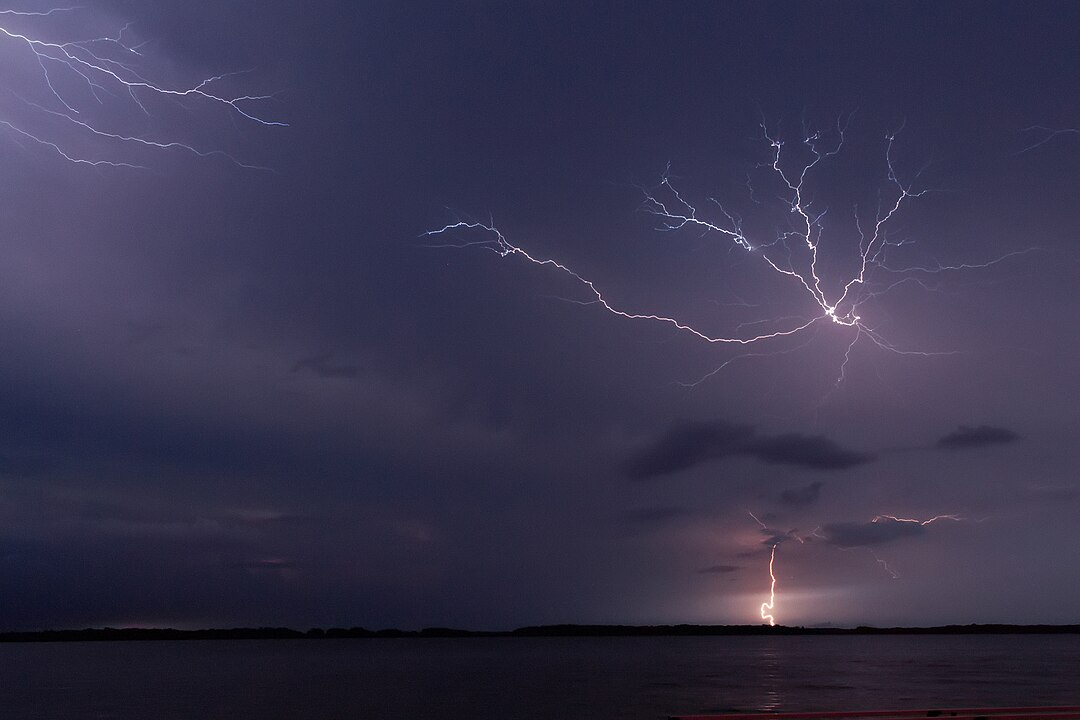
Over Lake Maracaibo in Venezuela, nights often explode with near constant lightning that can pulse for hours with little rain. Warm, humid air from the Caribbean collides with cooler mountain winds from the Andes and builds towering storm clouds that seem to stay in place. The flashes are so frequent they once helped sailors navigate at night, turning the lake into a natural beacon and one of the most reliable light shows on the planet.
Caño Cristales, Colombia’s Liquid Rainbow
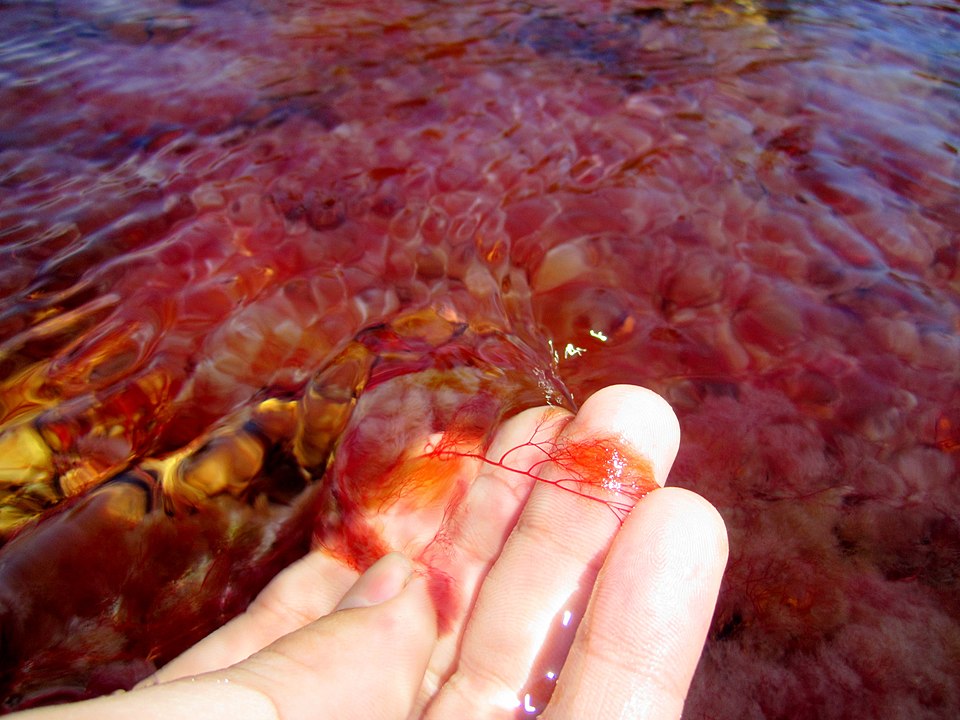
In the Colombian plains, Caño Cristales looks ordinary for much of the year, then suddenly turns into a flowing rainbow. An endemic aquatic plant named Macarenia clavigera flushes bright red, pink, and green beneath perfectly clear water when light, temperature, and river depth line up. For a short season from late summer into fall, the riverbed seems to glow from within, as if someone poured color across the rocks. Outside that window, the magic fades and the river goes quiet again.
Salar de Uyuni’s Endless Mirror, Bolivia
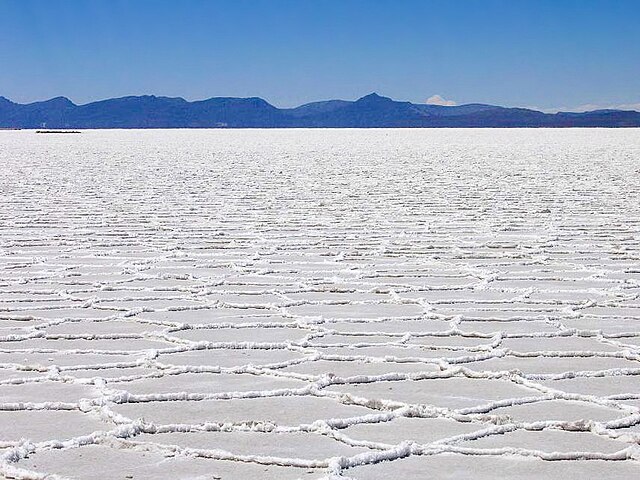
On Bolivias high plateau, the Salar de Uyuni stretches so wide and flat that it feels like walking across the sky. In the dry season, a salt crust forms crisp white polygons that seem carved with a ruler. After seasonal rain, a thin layer of water turns the entire surface into a mirror, doubling clouds, stars, and distant volcanoes. The horizon almost disappears, and people appear to float between two skies. That mix of scale, altitude, and perfect flatness exists only here.
Lake Natron’s Red Waters, Tanzania
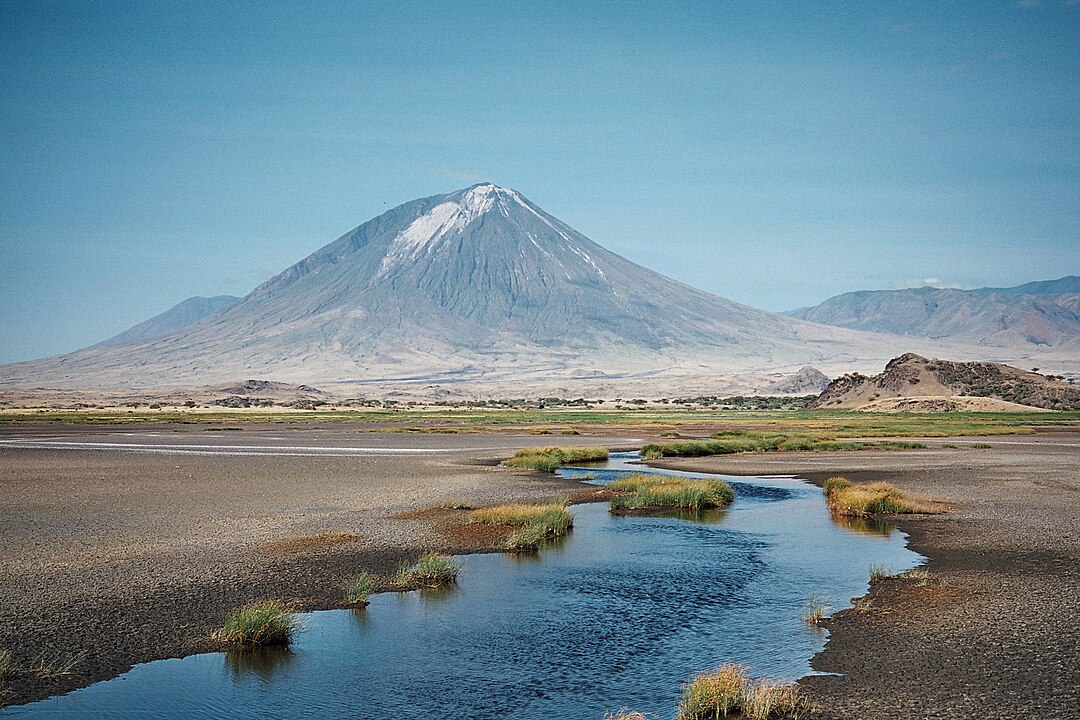
Lake Natron in northern Tanzania looks beautiful from above and harsh up close. Its shallow waters heat up under intense sun and concentrate minerals until the lake grows extremely alkaline, with a pH similar to strong cleaning products. Salt loving microbes tint the water red and orange, and animals that die here sometimes become coated in mineral deposits. For lesser flamingos, though, this hostile basin is a lifeline, providing an isolated breeding ground where many predators fear to tread.
Spotted Lake Kliluk, Canada
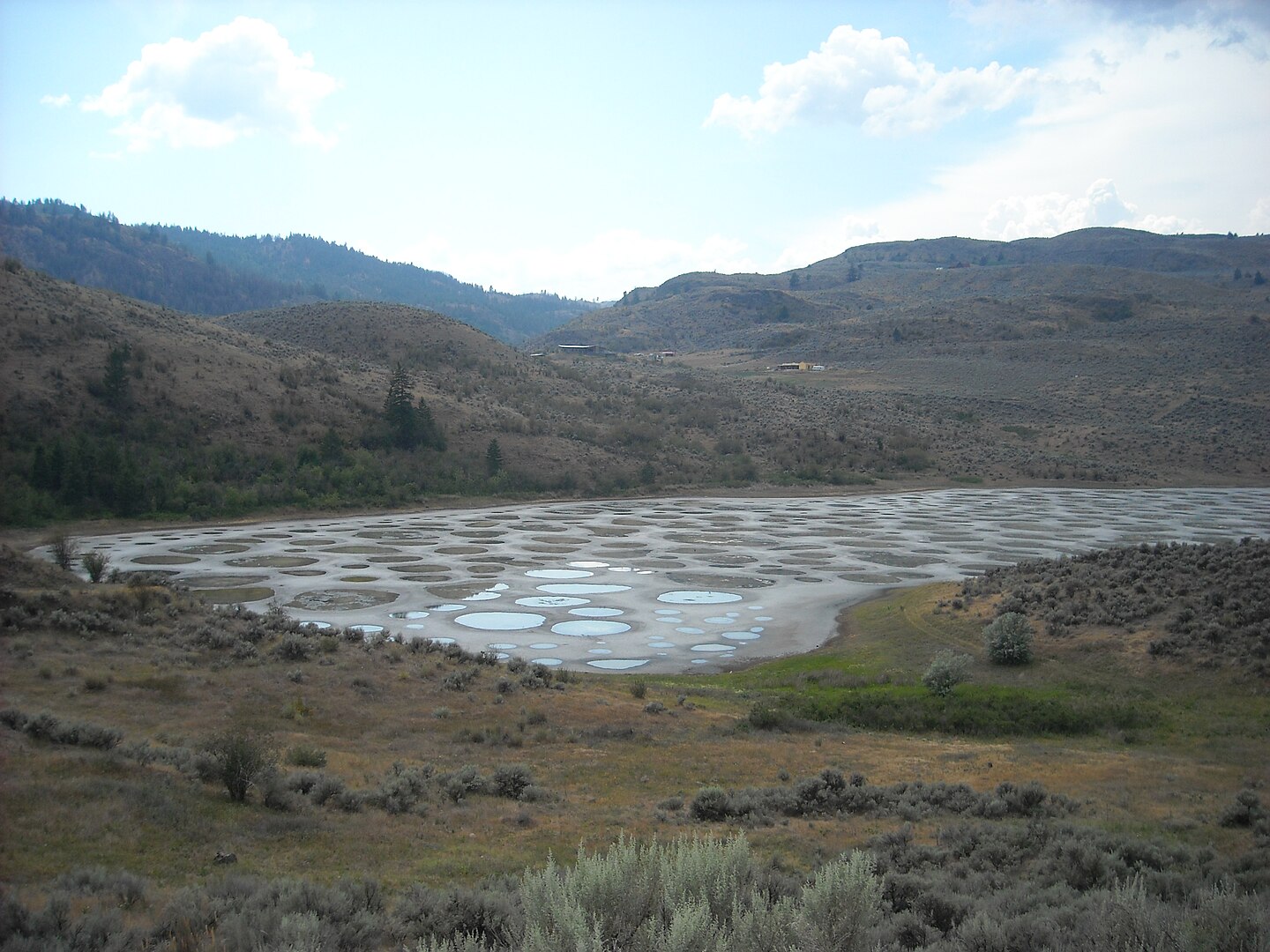
In the dry hills of British Columbia, Spotted Lake shifts from a simple pool to a pattern of circles as summer advances. As the water level drops, dozens of round mineral ponds appear, each with its own mix of salts such as magnesium and sodium. Together they create overlapping dots in greens, yellows, and whites, edged by crusty rims. To the local Syilx people, this is a sacred healing place. The strange chemistry and perfect polka dot pattern make it visually unique.
Waitomo Glowworm Constellations, New Zealand
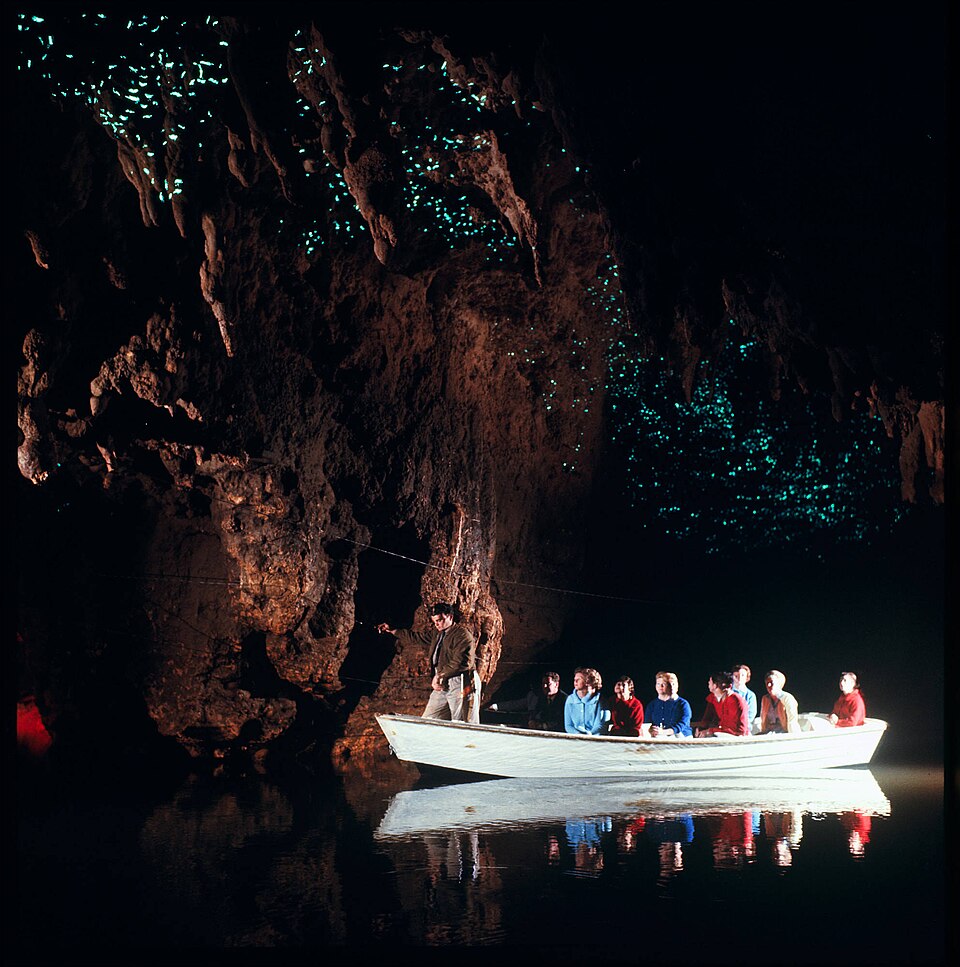
Beneath the farmland of New Zealand’s North Island, the Waitomo caves carry a quiet river through the dark. On the ceilings above, thousands of glowworm larvae cling to rock and shine with a cold blue light while dangling sticky threads to catch prey. In the still air of the caverns, the lights cluster into thick bands and clusters that resemble the Milky Way. Because this luminous insect species is native to the country, the scene has a distinctly local signature.
Plitvice Lakes’ Growing Waterfalls, Croatia
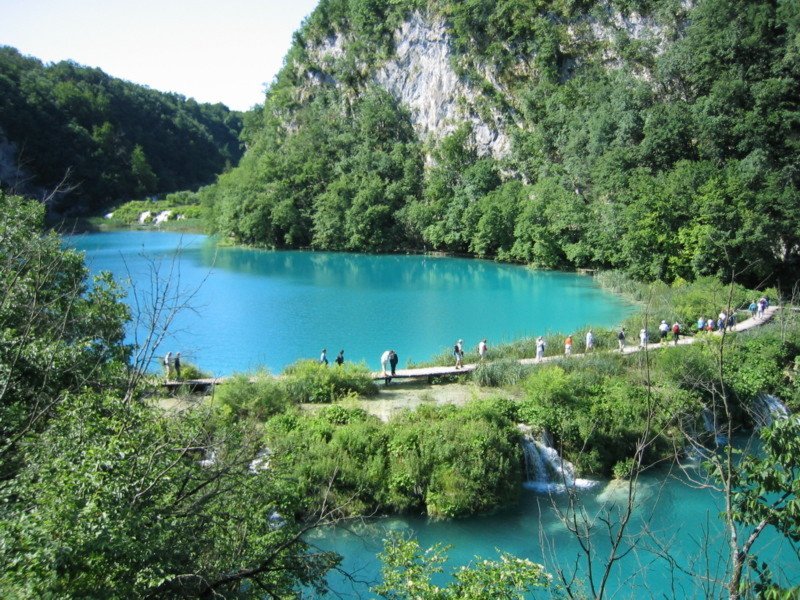
At Plitvice Lakes National Park in Croatia, waterfalls do something unusual. Instead of simply carving rock away, the water constantly builds new barriers. As mineral rich streams tumble through moss and plants, dissolved calcium settles out and hardens into tufa, a porous stone that thickens over time. The result is a stairway of lakes and cascades that slowly rearranges itself, with channels opening and closing over decades. It feels like walking through a landscape that quietly edits its own layout.
Loktak Lake’s Floating World, India
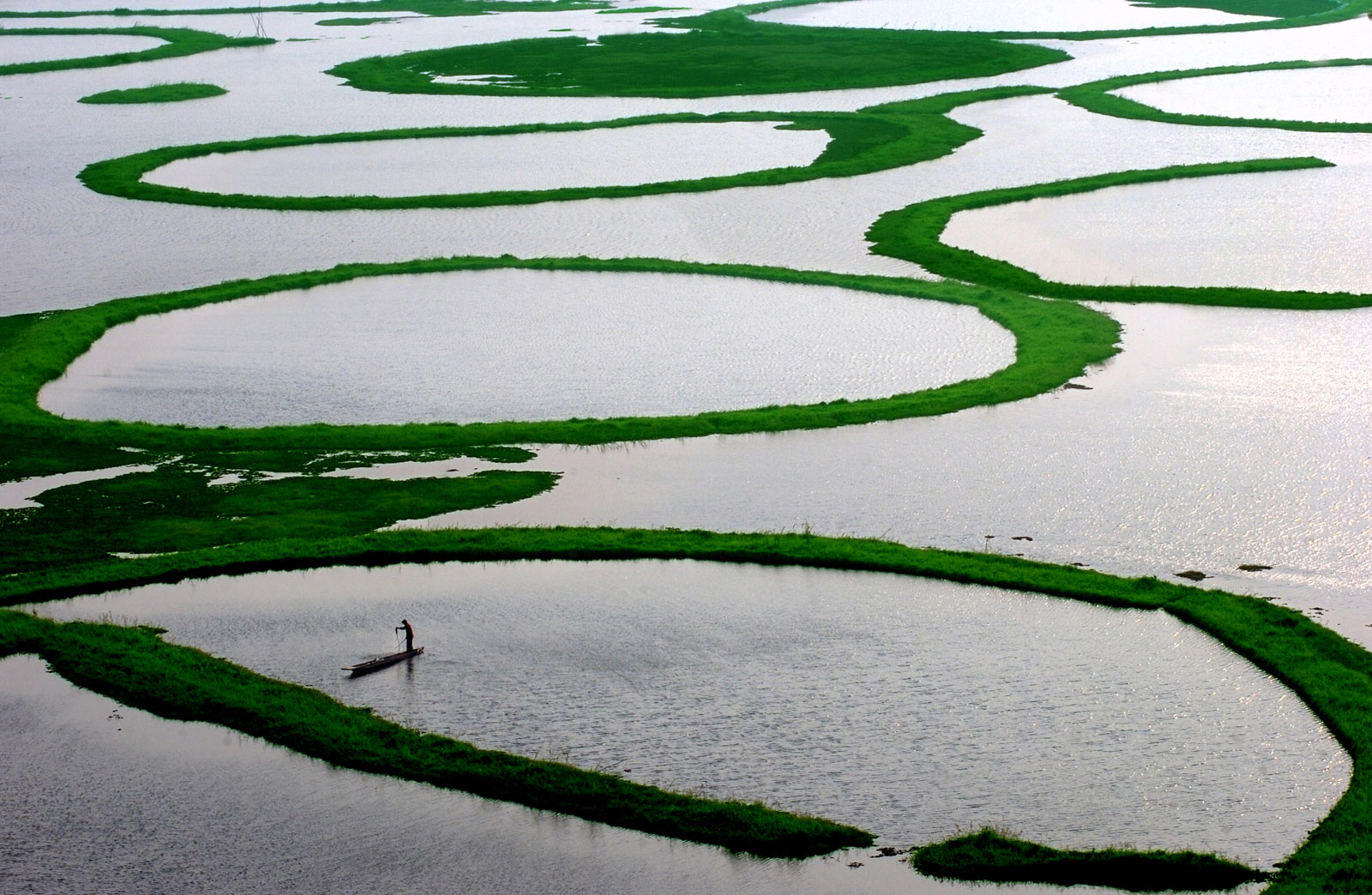
In the Indian state of Manipur, Loktak Lake blurs the line between land and water. Thick mats of decomposed plants, roots, and soil, called phumdis, drift on the surface and form floating islands. Some hold simple homes and livestock; others support Keibul Lamjao National Park, the only floating national park in the world and the last natural refuge of the endangered Sangai deer. The ground gently moves underfoot, reminding anyone standing there that the entire landscape is slowly drifting.
Surtsey’s Newborn Island, Iceland
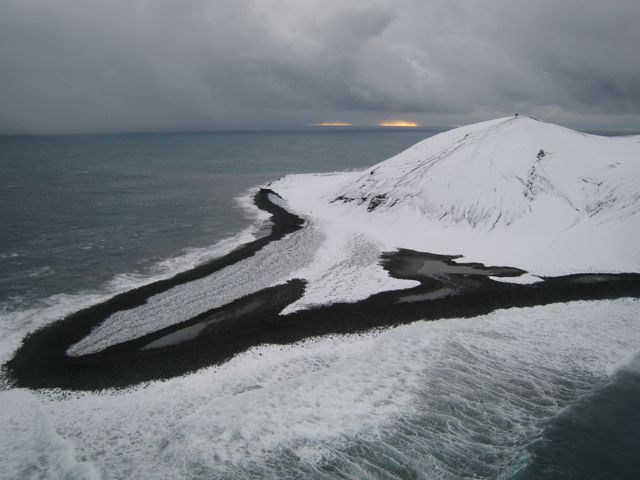
Off the southern coast of Iceland, Surtsey stands as one of the youngest islands on Earth. It erupted from the sea in the 1960s and has been strictly protected ever since, with access limited mainly to researchers. That decision turned the island into a rare open air laboratory for watching life arrive. Seeds blew in on the wind, birds brought others in their feathers, and over time moss, grasses, insects, and nesting seabirds slowly took hold on the bare volcanic rock.